
How Do You Learn Best?
Learn by Listening
Start with the 3-minute audio summary to get the key facts and narrative highlights quickly.
Learn by Reading
Immerse yourself in the 10-minute visual lesson for a comprehensive understanding of the topic.
Learn by Reviewing
Jump directly to the key facts, timeline, and vocabulary lists to build a solid foundation of details.
Learn by Doing
Challenge yourself! Jump straight into the interactive games to learn by trial, error, and discovery.
South Africa in 10 Minutes
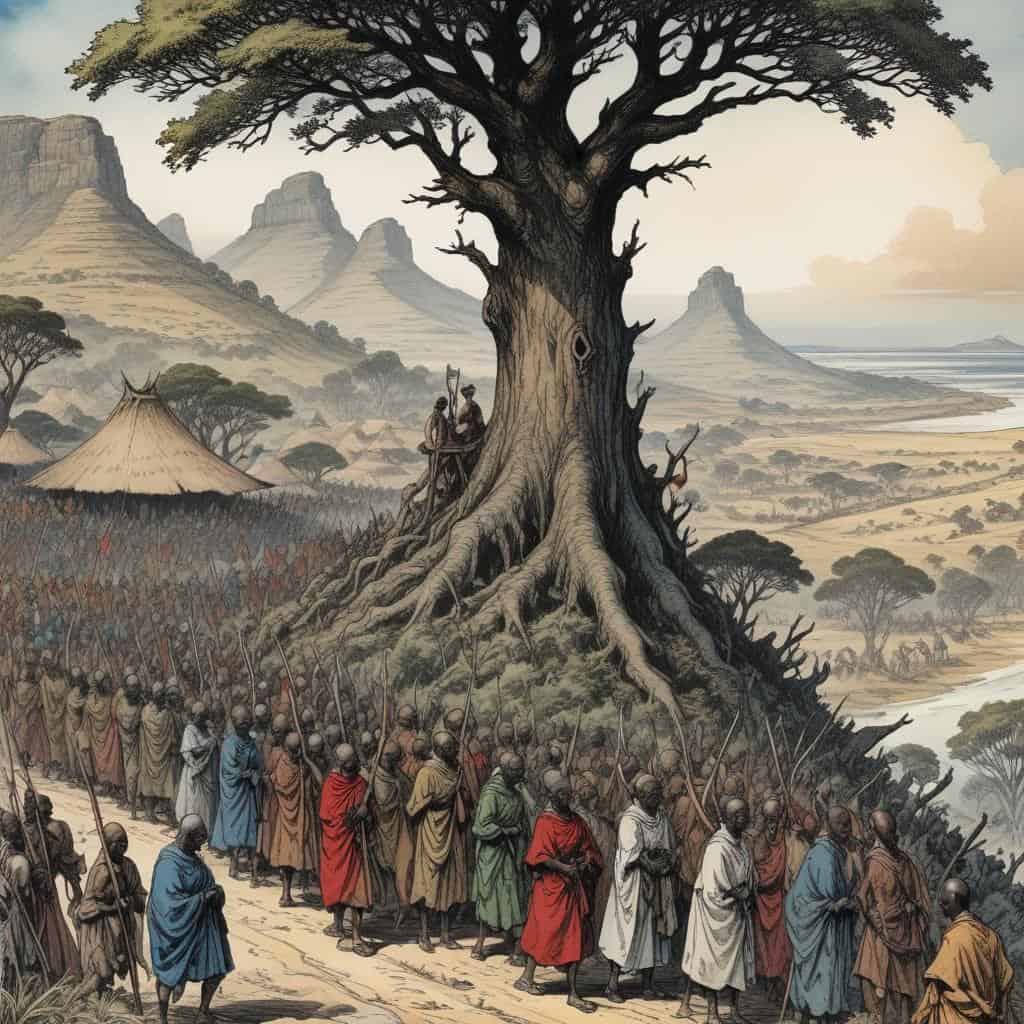
Introduction
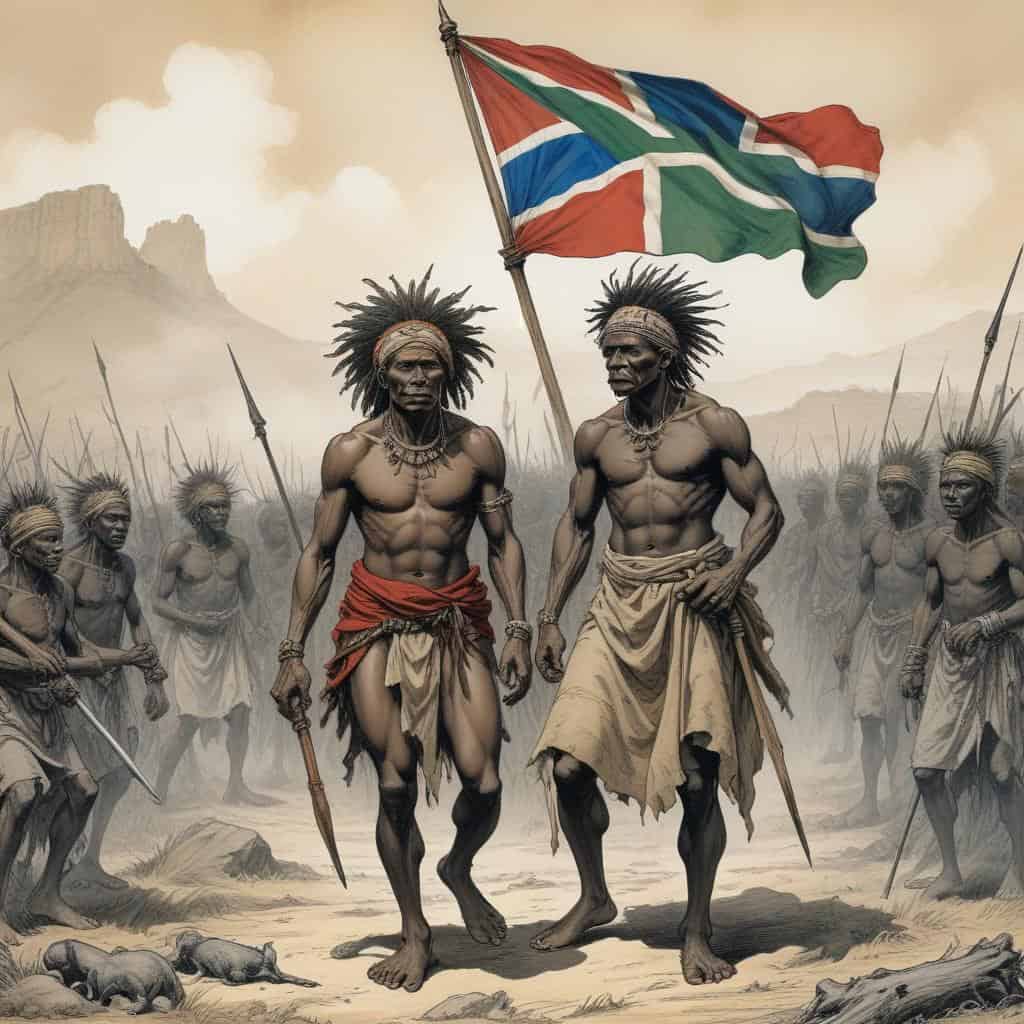
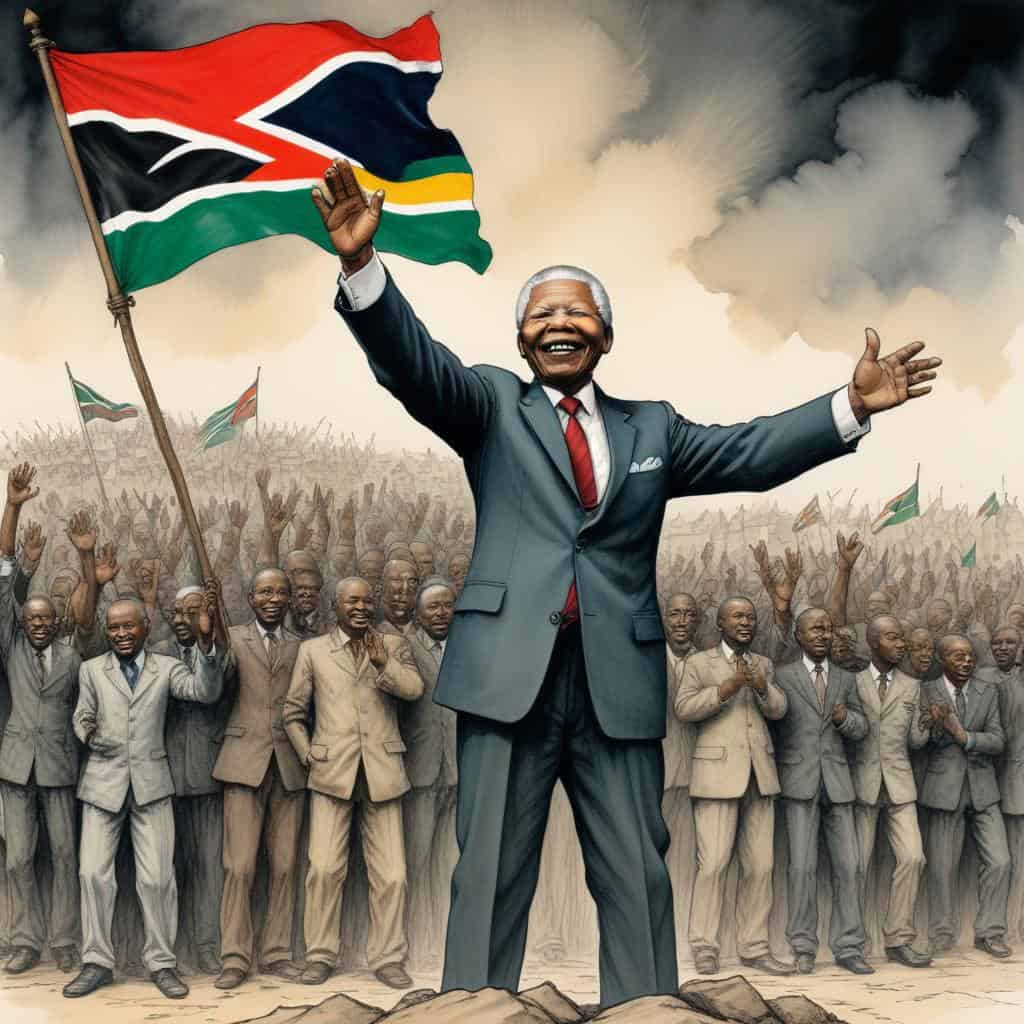
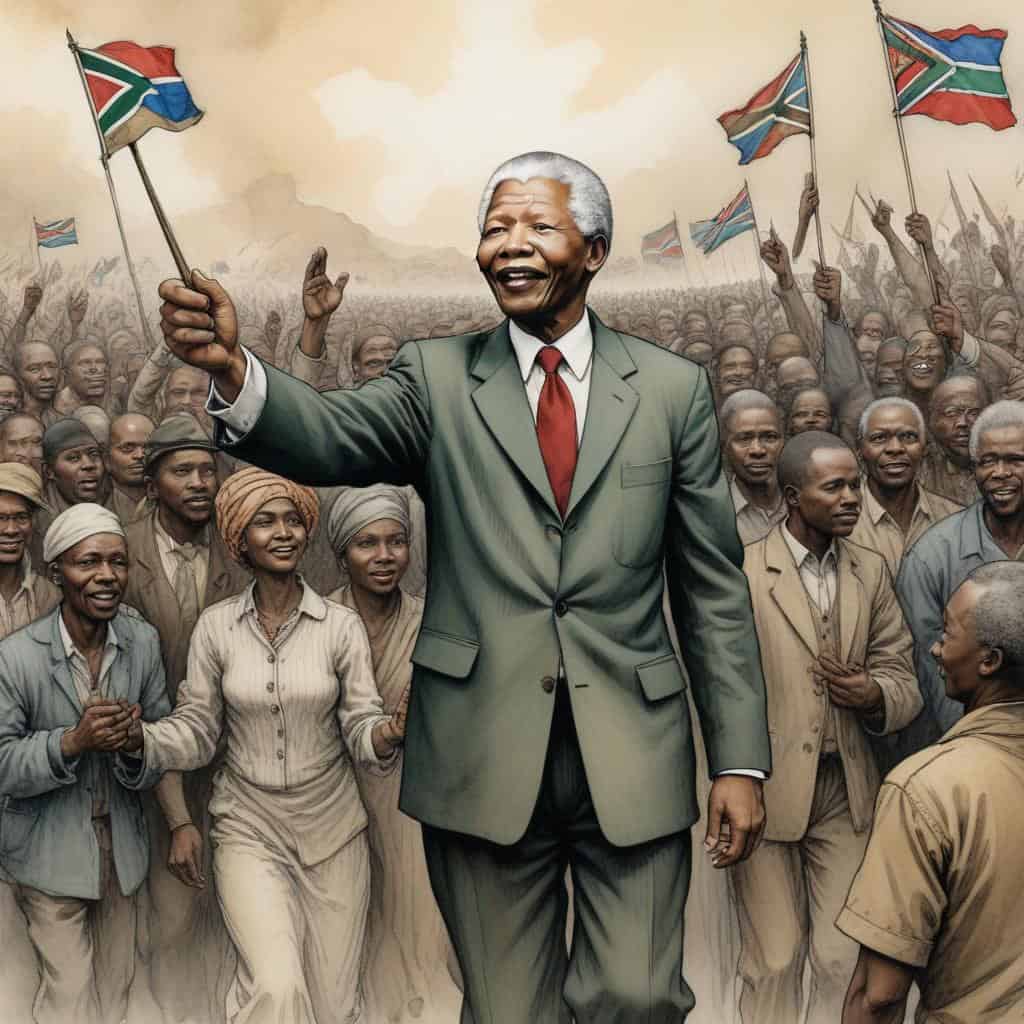
Nelson Mandela
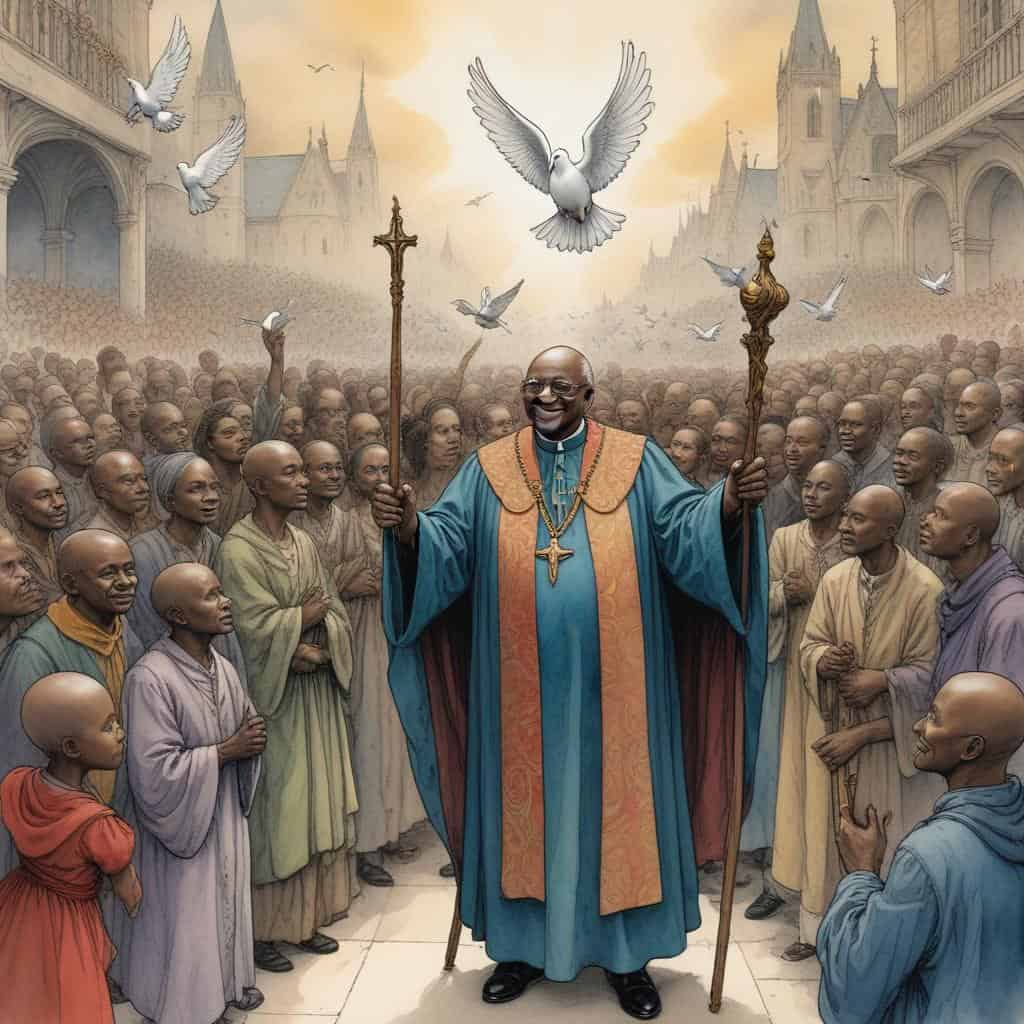
Desmond Tutu
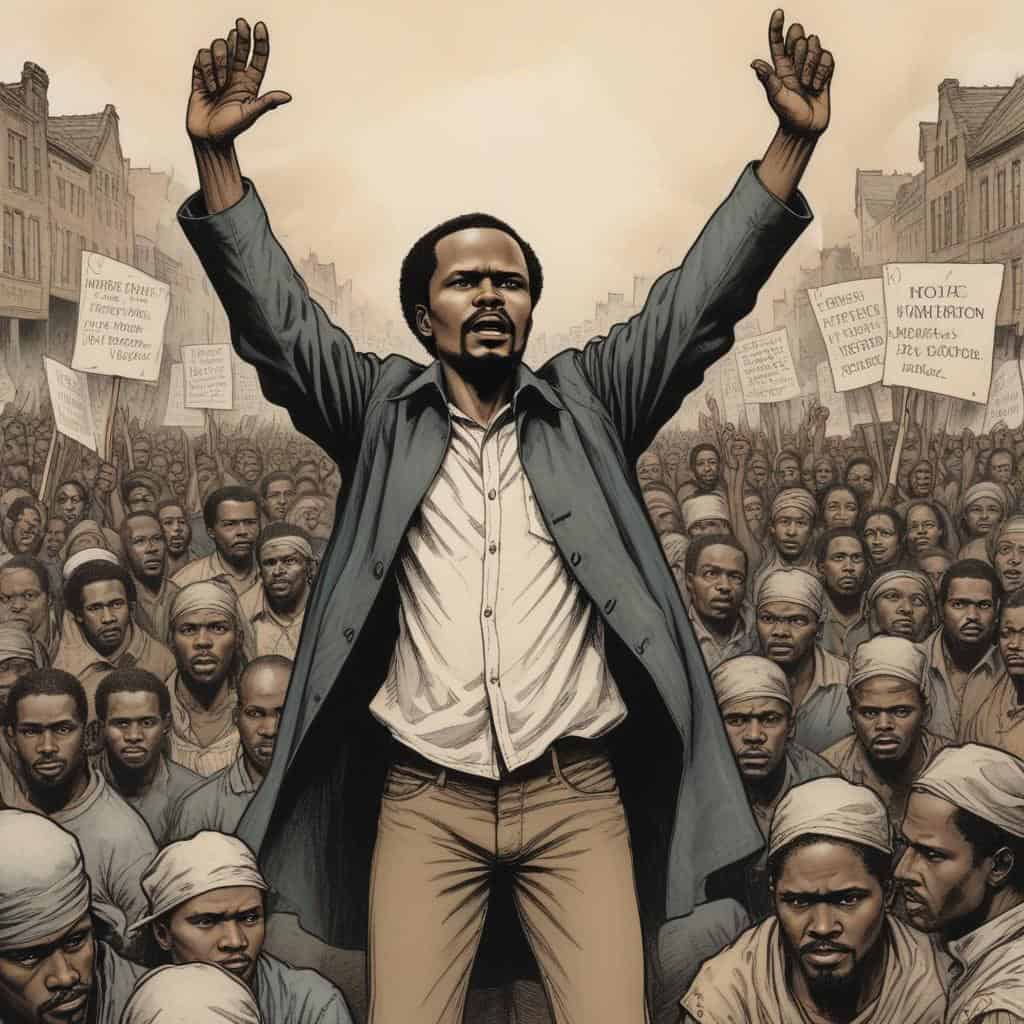
Steve Biko
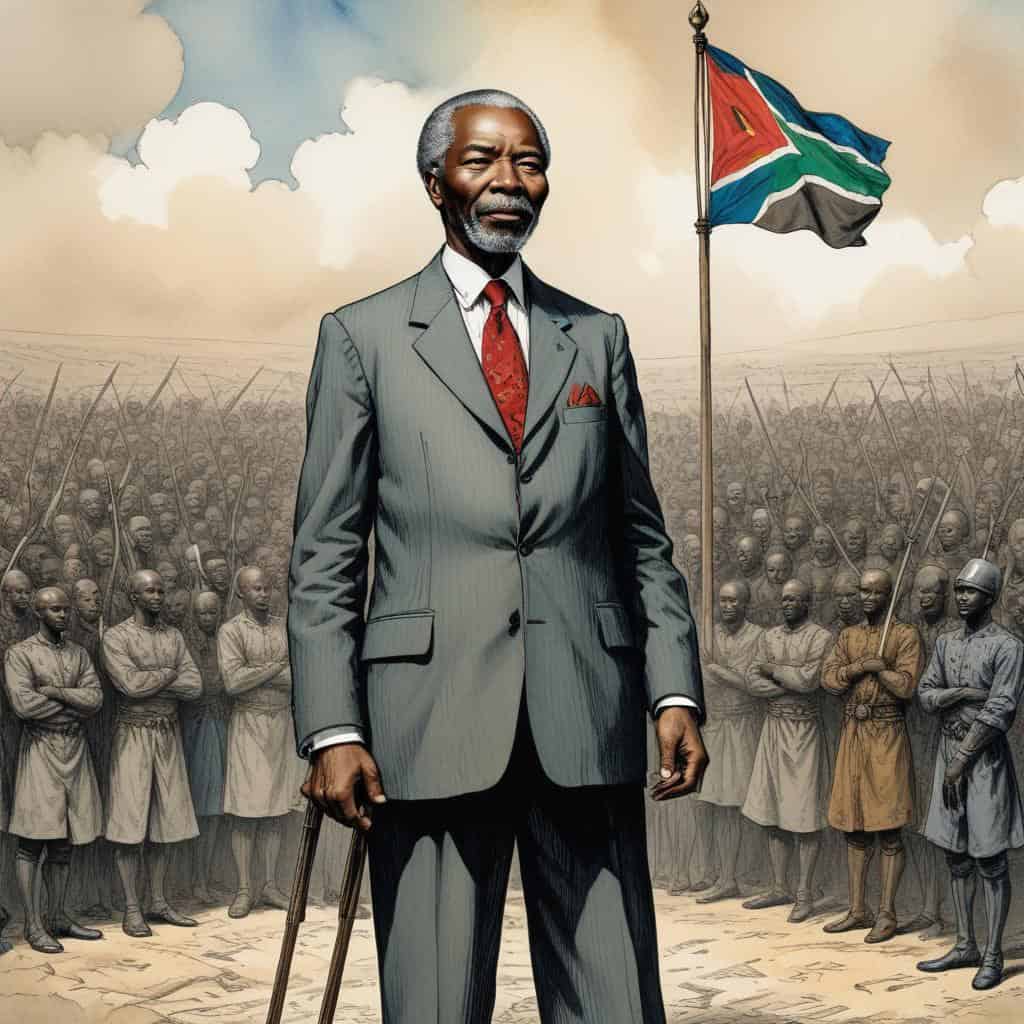
Thabo Mbeki
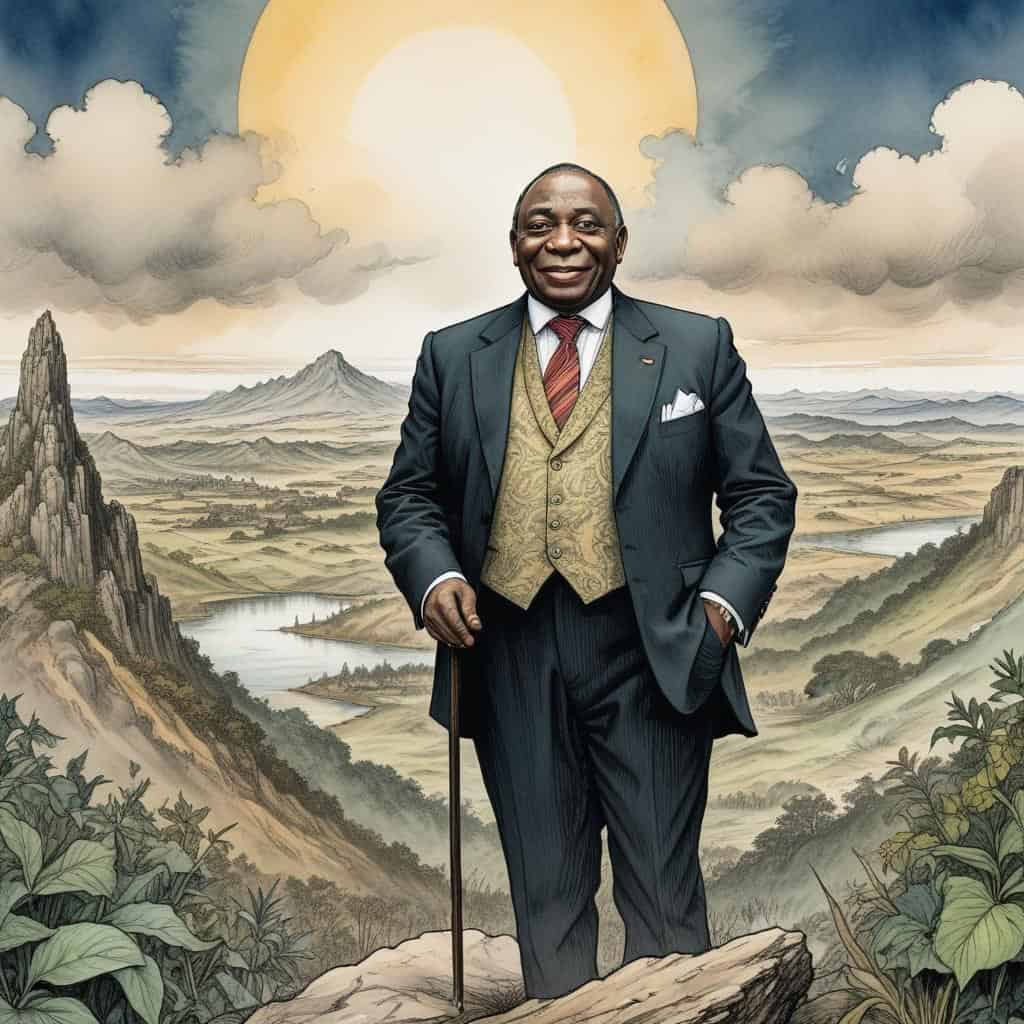
Cyril Ramaphosa
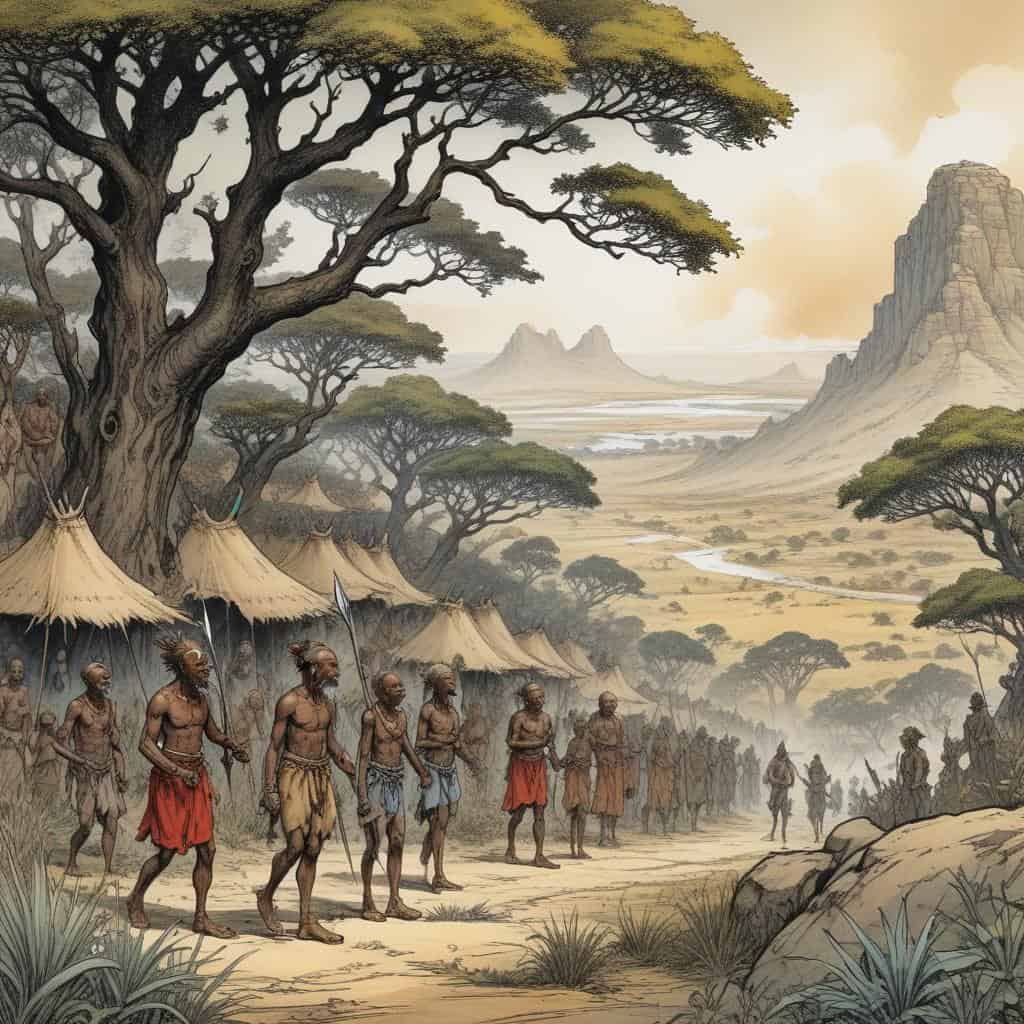
1. Early History
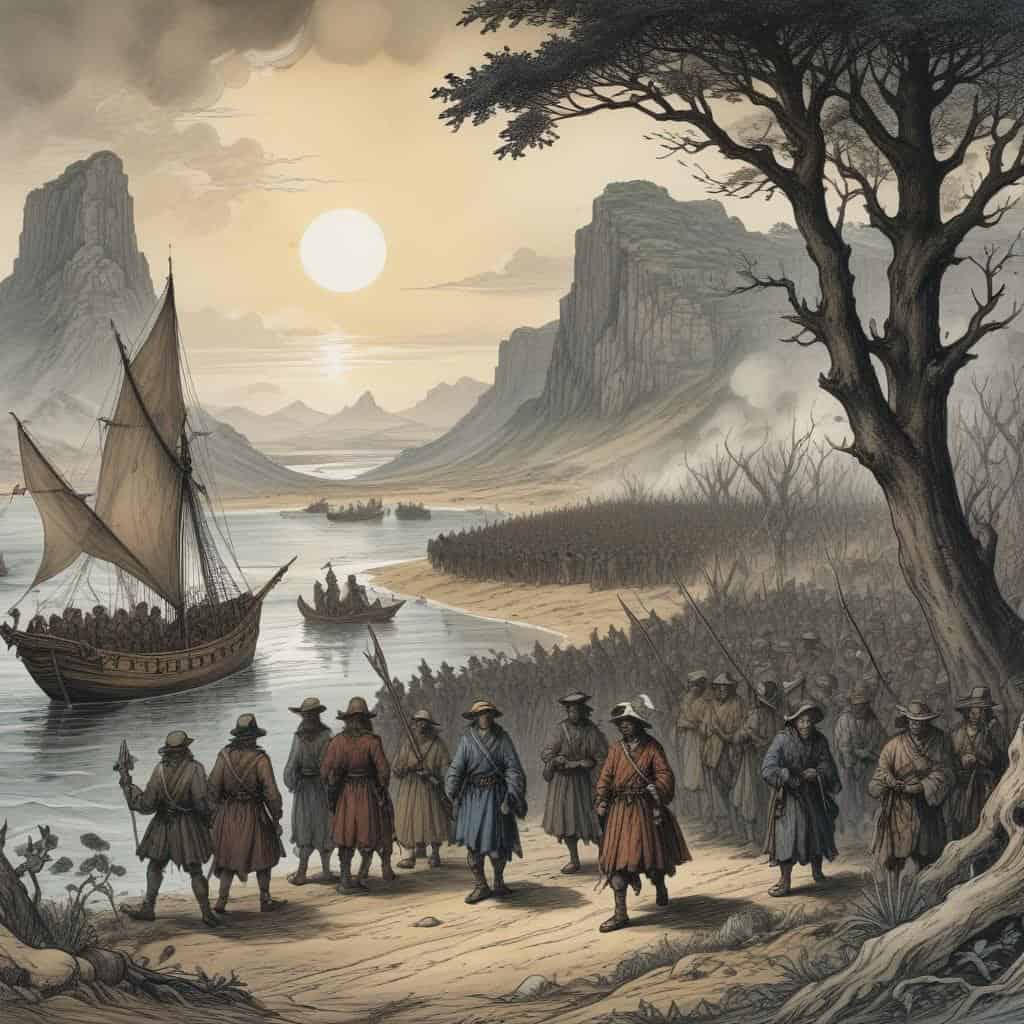
2. European Colonization
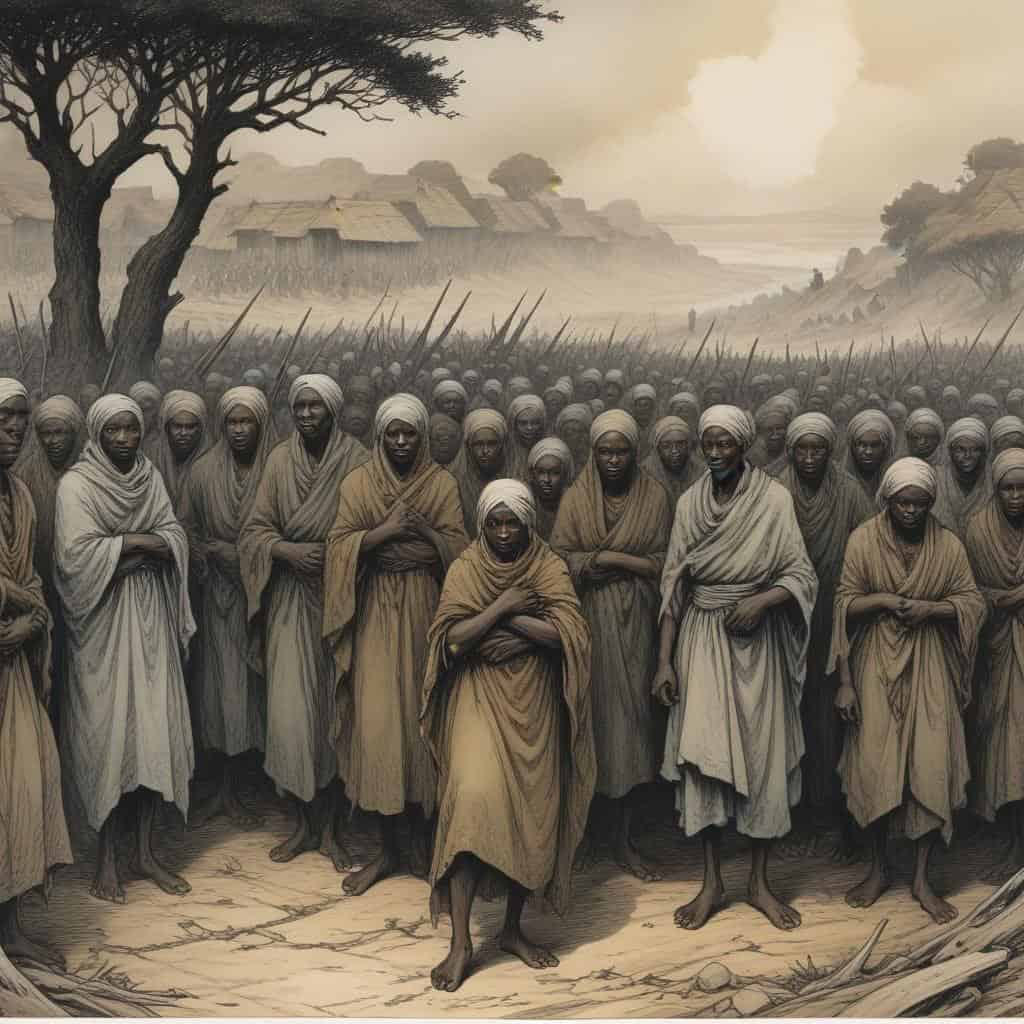
3. Apartheid Era
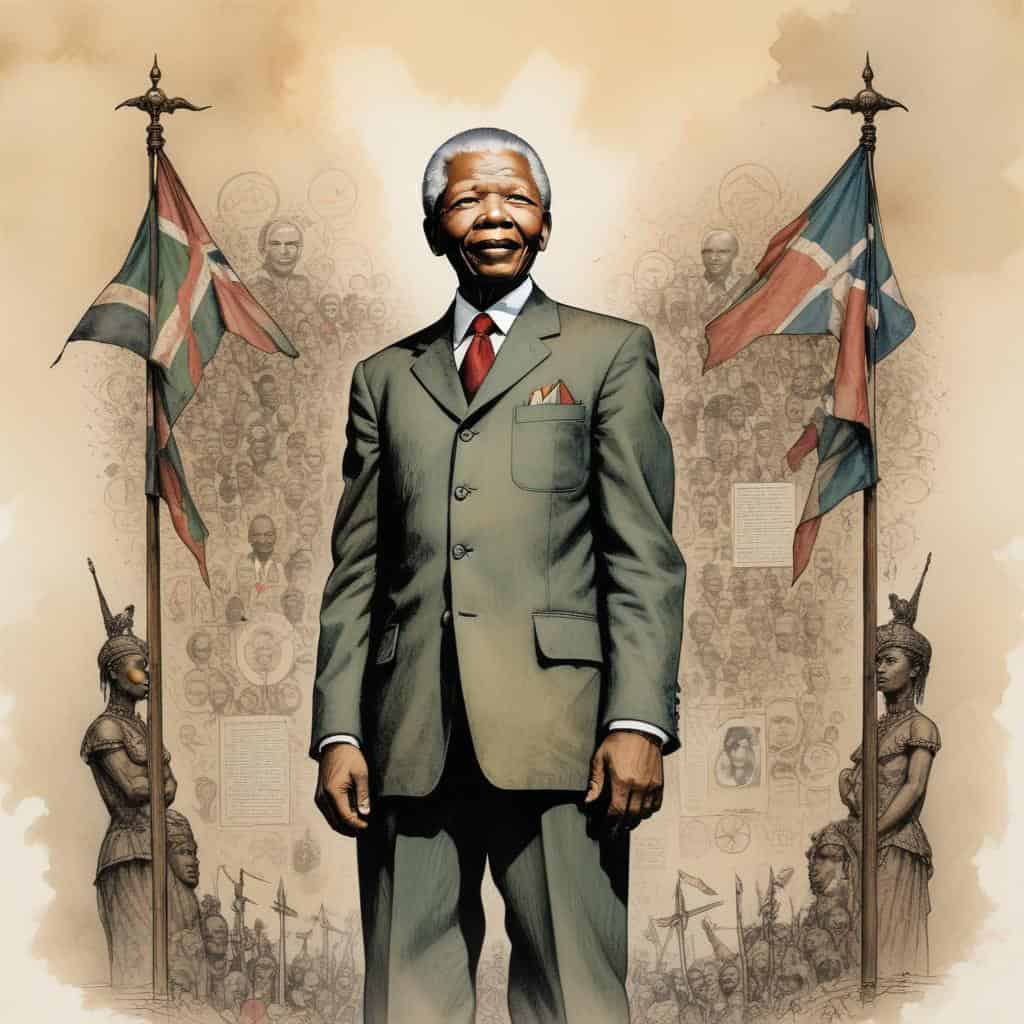
4. Nelson Mandela
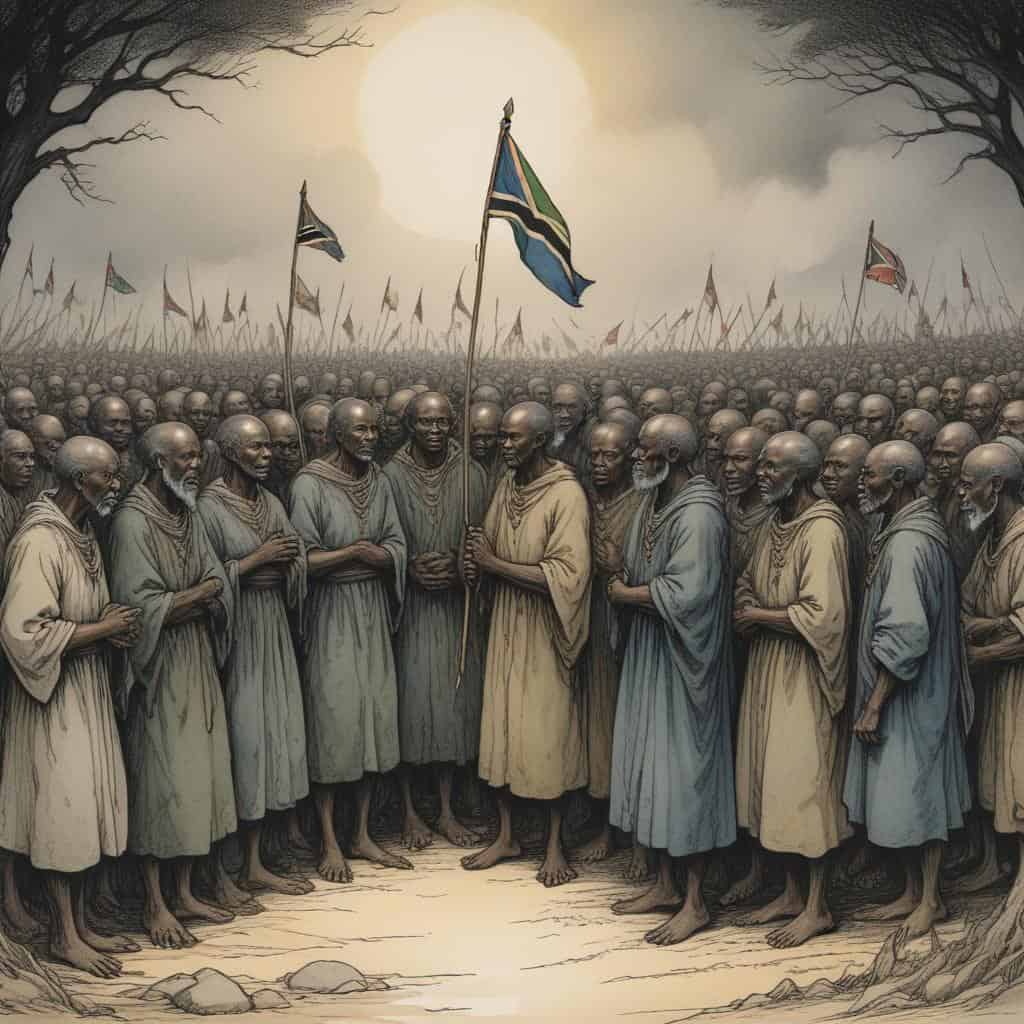
5. Truth and Reconciliation Commission
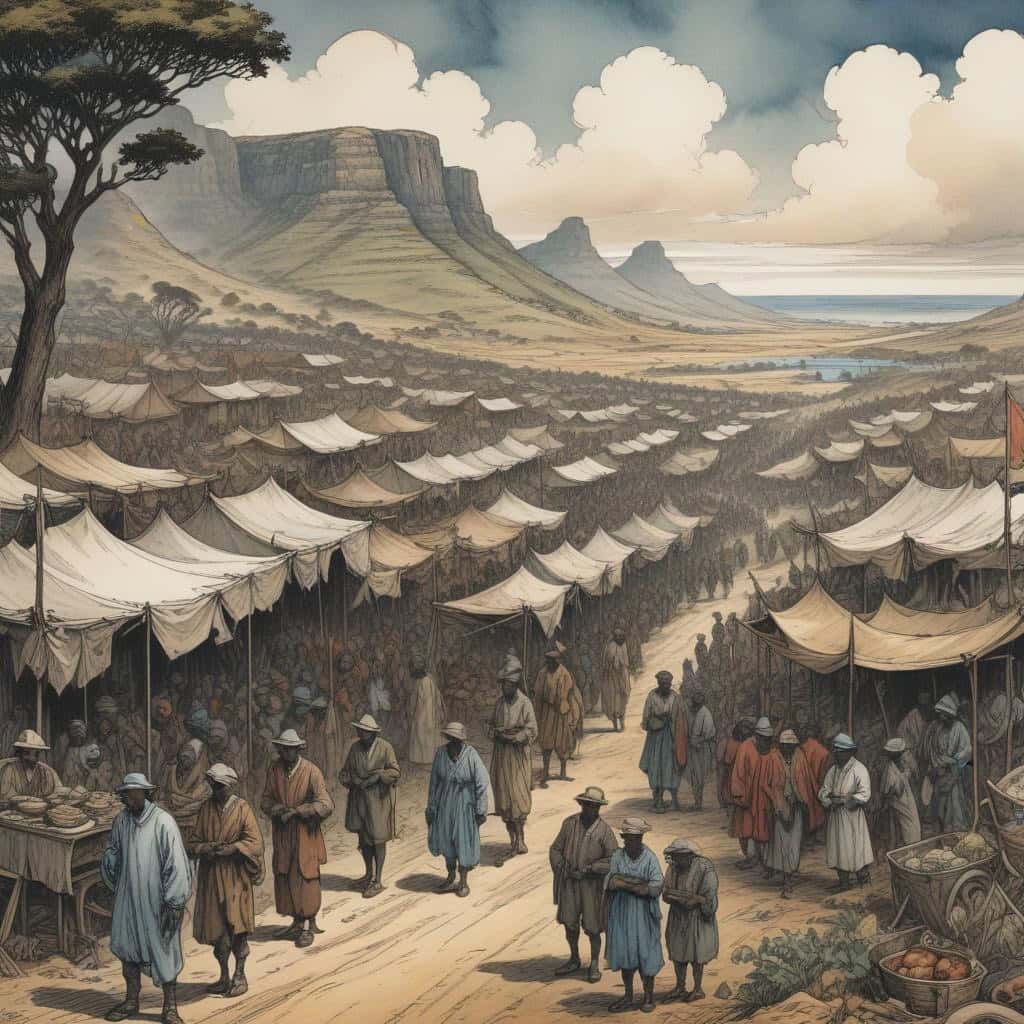
6. Economic Growth
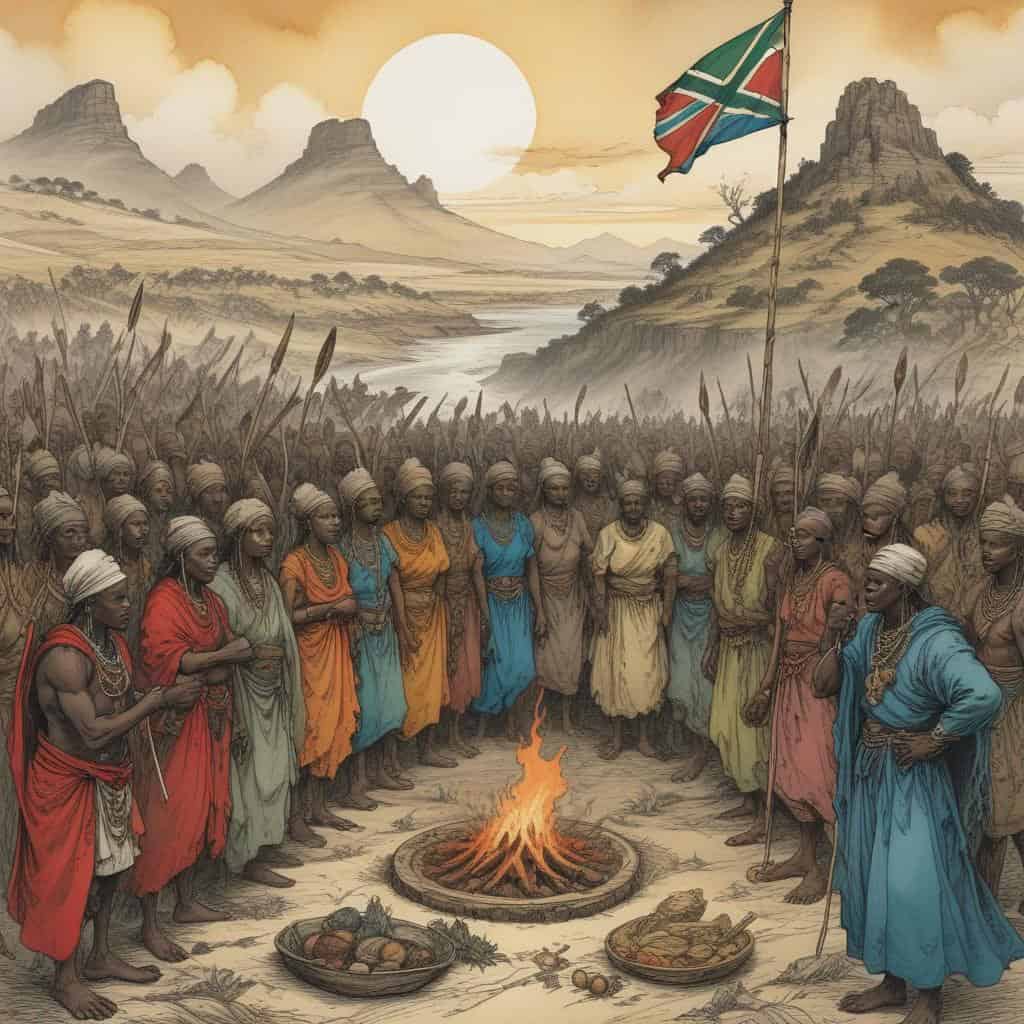
7. Cultural Diversity
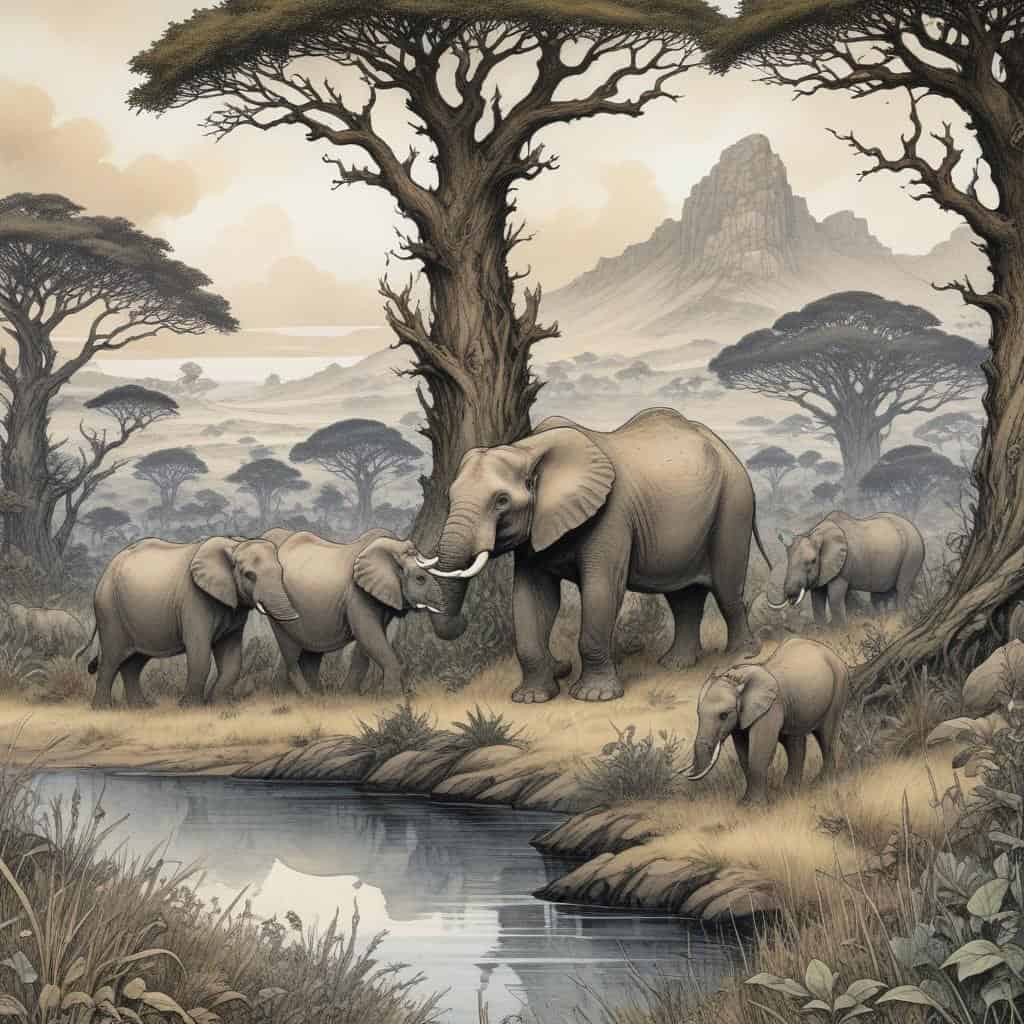
8. Wildlife Conservation
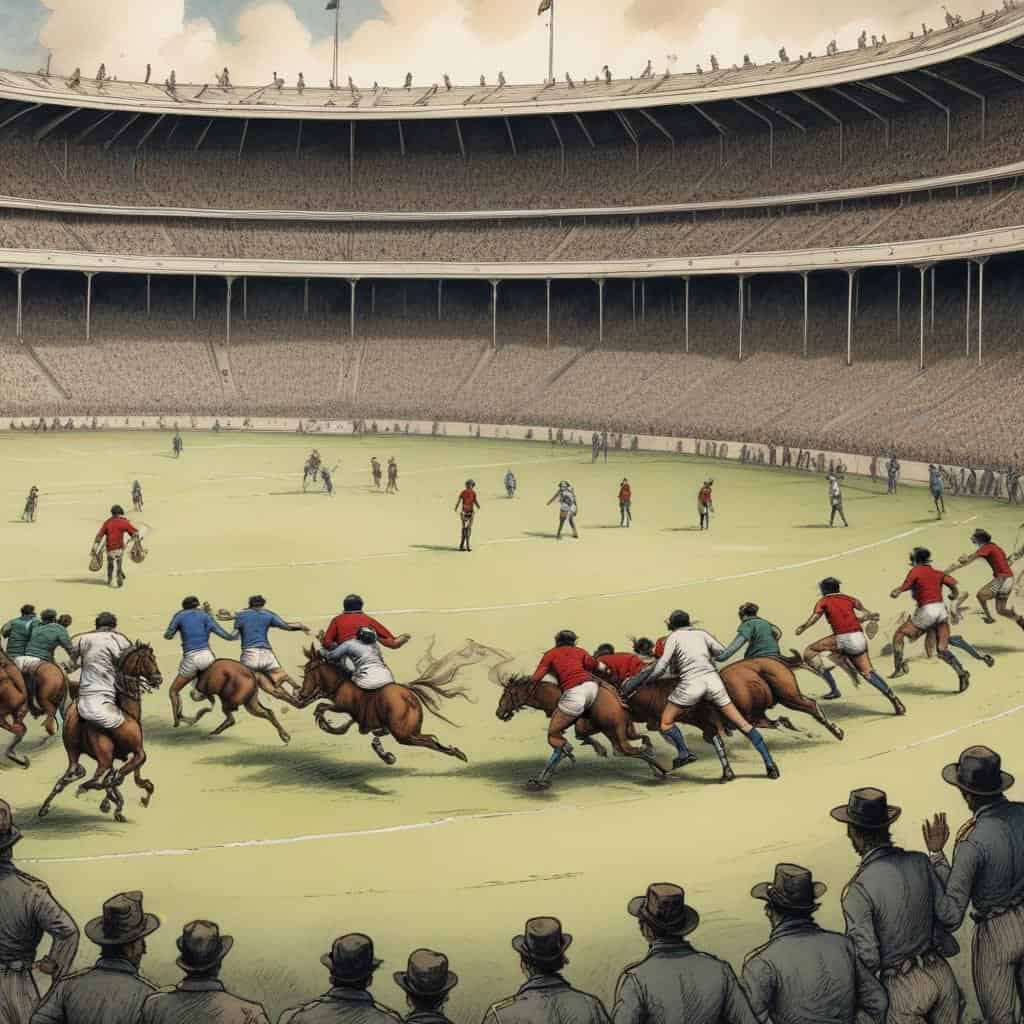
9. Sports Legacy

10. Future Challenges
Audio Library
As one of our featured lessons, this topic includes premium audio guides.
Unlock the Wizard's Cram Session
This powerful audio study guide is a Pro-exclusive feature. Upgrade to Memory Wizards Pro to access this and all of our premium learning tools.
Upgrade to ProIn a Nutshell
- Capital: Pretoria
- Population: Approx. 60 million (2021)
- Official Language: Afrikaans, English, isiZulu, isiXhosa, Sesotho, Setswana, Sepedi, Xitsonga, siSwati, Tshivenda, isiNdebele
- Currency: South African Rand (ZAR)
Breaking Down the Country
Natural Beauty
From the iconic Table Mountain to the diverse wildlife of Kruger National Park, South Africa boasts breathtaking landscapes and unique ecosystems.
Cultural Diversity
With 11 official languages and a rich history of colonialism and apartheid, South Africa's culture is a vibrant tapestry of traditions and influences.
Historical Landmarks
Explore the poignant history of Robben Island, the iconic Apartheid Museum, and the UNESCO World Heritage Site of the Cradle of Humankind.
Timeline of South Africa
Arrival of Dutch settlers at the Cape of Good Hope
Establishment of the Dutch East India Company's colony in South Africa
British occupation of the Cape Colony
Battle of Blood River between Voortrekkers and Zulu warriors
Great Trek of Boer settlers away from British rule
Discovery of diamonds in Kimberley
Anglo-Zulu War
First Anglo-Boer War
South African War (Second Anglo-Boer War)
Union of South Africa established
End of apartheid and release of Nelson Mandela
First democratic elections in South Africa
Inauguration of Nelson Mandela as President of South Africa
Truth and Reconciliation Commission established
Death of Nelson Mandela
Establishment of Economic Freedom Fighters (EFF) party
#FeesMustFall student protests
Jacob Zuma resigns as President of South Africa
Election of Cyril Ramaphosa as President of South Africa
COVID-19 pandemic hits South Africa
Vocabulary List
- Apartheid
- A system of institutionalized racial segregation and discrimination that existed in South Africa from 1948 to the early 1990s.
- Nelson Mandela
- A prominent anti-apartheid activist and leader of the African National Congress who became the first black president of South Africa in 1994.
- Township
- A racially segregated area on the outskirts of a city or town where black South Africans were forced to live during apartheid.
- Robben Island
- An island off the coast of Cape Town, South Africa, where political prisoners, including Nelson Mandela, were held during apartheid.
- Soweto
- An urban area in Johannesburg, South Africa, that became a symbol of resistance against apartheid.
- Xenophobia
- A fear or hatred of foreigners, which has been a significant issue in South Africa, particularly towards immigrants from other African countries.
Key Facts
This is the information used in the fact matching game
- South Africa is home to the highest commercial bungee jump in the world, located at the Bloukrans Bridge.
- South Africa has 11 official languages, including Zulu, Xhosa, Afrikaans, and English.
- South Africa is the only country in the world to have voluntarily abandoned its nuclear weapons program.
- South Africa is home to the world's oldest meteor scar, the Vredefort Dome.
- South Africa is known for its diverse wildlife, including the Big Five: lions, elephants, rhinos, leopards, and buffalos.
- South Africa has three capital cities: Pretoria (executive), Bloemfontein (judicial), and Cape Town (legislative).
- South Africa is the largest producer of platinum in the world.
- South Africa is home to the Cape Floral Kingdom, which is the smallest but richest of the world's six floral kingdoms.
- South Africa is the world's largest producer of macadamia nuts.
- South Africa is one of the top wine producers in the world, with its vineyards covering around 100,000 hectares.
- South Africa is home to the world's longest continuous wine route, the Cape Winelands.
- South Africa is the only country to have hosted the Rugby, Cricket, and Soccer World Cups.
- South Africa is known for having some of the best surfing spots in the world, including Jeffrey's Bay.
- South Africa's Table Mountain in Cape Town is believed to be one of the oldest mountains in the world.
- South Africa has the highest commercial abseil in the world at Table Mountain, standing at 112 meters high.
- South Africa is home to the largest brewing company in Africa, SABMiller.
- South Africa has the second-largest economy in Africa, after Nigeria.
- South Africa is known for its traditional cuisine, including dishes like bobotie, biltong, and pap.
- South Africa has three capital cities: Pretoria, Bloemfontein, and Cape Town.
- South Africa has produced several Nobel laureates, including Nelson Mandela and Desmond Tutu.
Why It Matters
Geopolitical Significance
South Africa holds strategic importance due to its location at the southern tip of Africa, making it a key player in regional politics and trade. It serves as a gateway to the African continent, with major ports connecting to international shipping routes. Its diverse population and history of apartheid also contribute to its geopolitical significance.
Historical Importance
South Africa’s history is marked by colonialism, apartheid, and the struggle for independence and equality. The legacy of leaders like Nelson Mandela and the anti-apartheid movement have shaped not only the country’s past but also its present and future. Understanding this history is crucial to comprehending South Africa’s current social and political landscape.
Modern-Day Role
In the present day, South Africa continues to grapple with issues of inequality, corruption, and social justice. As the most industrialized nation on the continent, it plays a significant role in the African Union and international diplomacy. Its economy, natural resources, and cultural diversity all contribute to its influence on the global stage.
South Africa Games


Take Your Learning Offline
Want a convenient, print-ready study guide for this lesson? Become a Memory Wizards Pro member to unlock the downloadable " Memory Scrolls" for this topic and our entire library!
- ✓ Complete Vocabulary Lists
- ✓ Key Facts & Timelines
- ✓ Beautifully Formatted for Print & Mobile