
How Do You Learn Best?
Learn by Listening
Start with the 3-minute audio summary to get the key facts and narrative highlights quickly.
Learn by Reading
Immerse yourself in the 10-minute visual lesson for a comprehensive understanding of the topic.
Learn by Reviewing
Jump directly to the key facts, timeline, and vocabulary lists to build a solid foundation of details.
Learn by Doing
Challenge yourself! Jump straight into the interactive games to learn by trial, error, and discovery.
Somalia in 10 Minutes
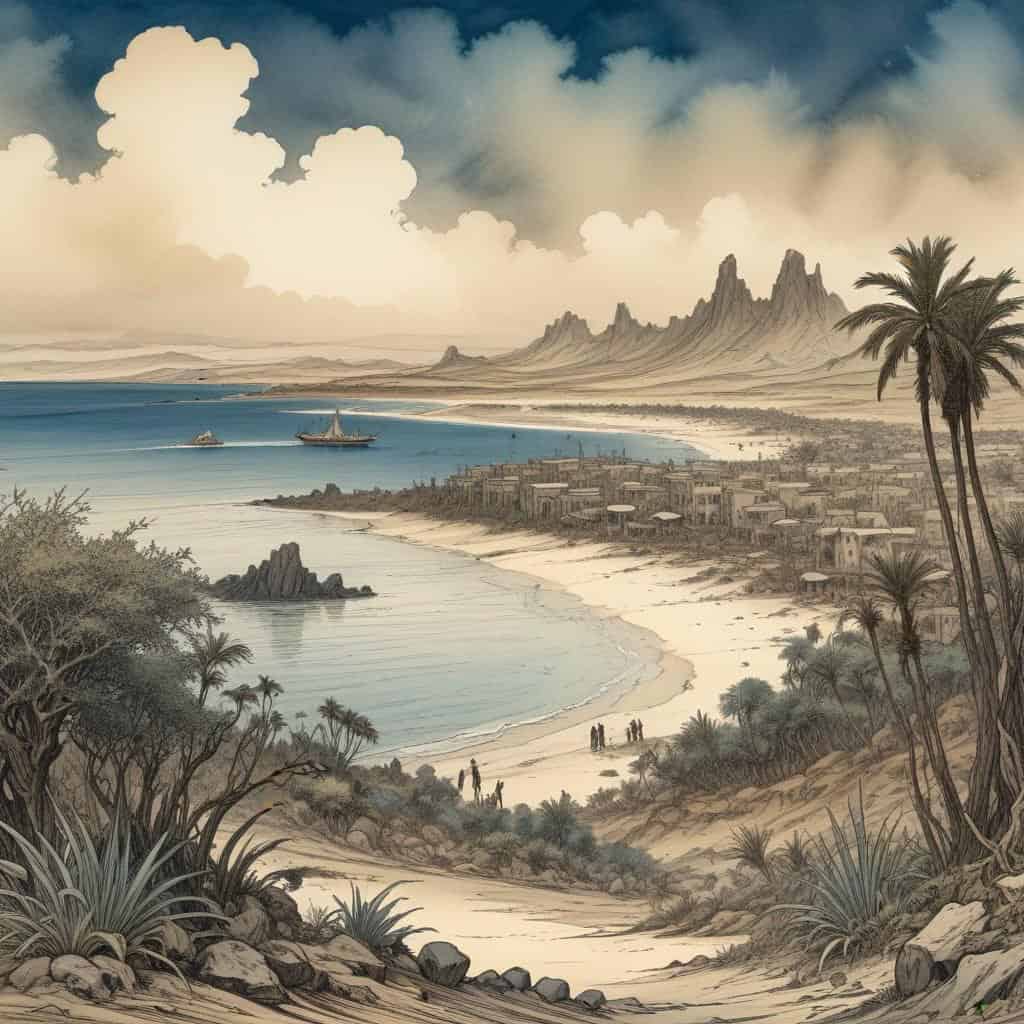
Introduction
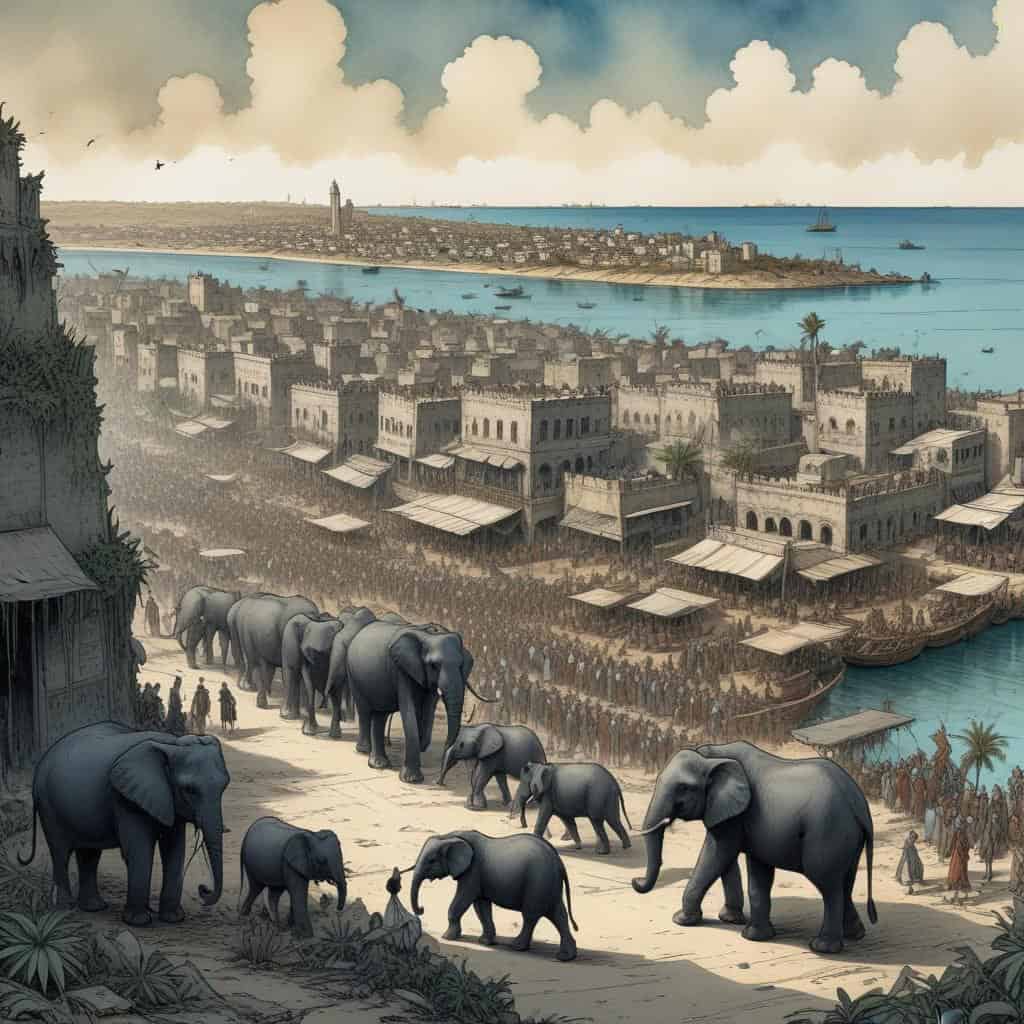
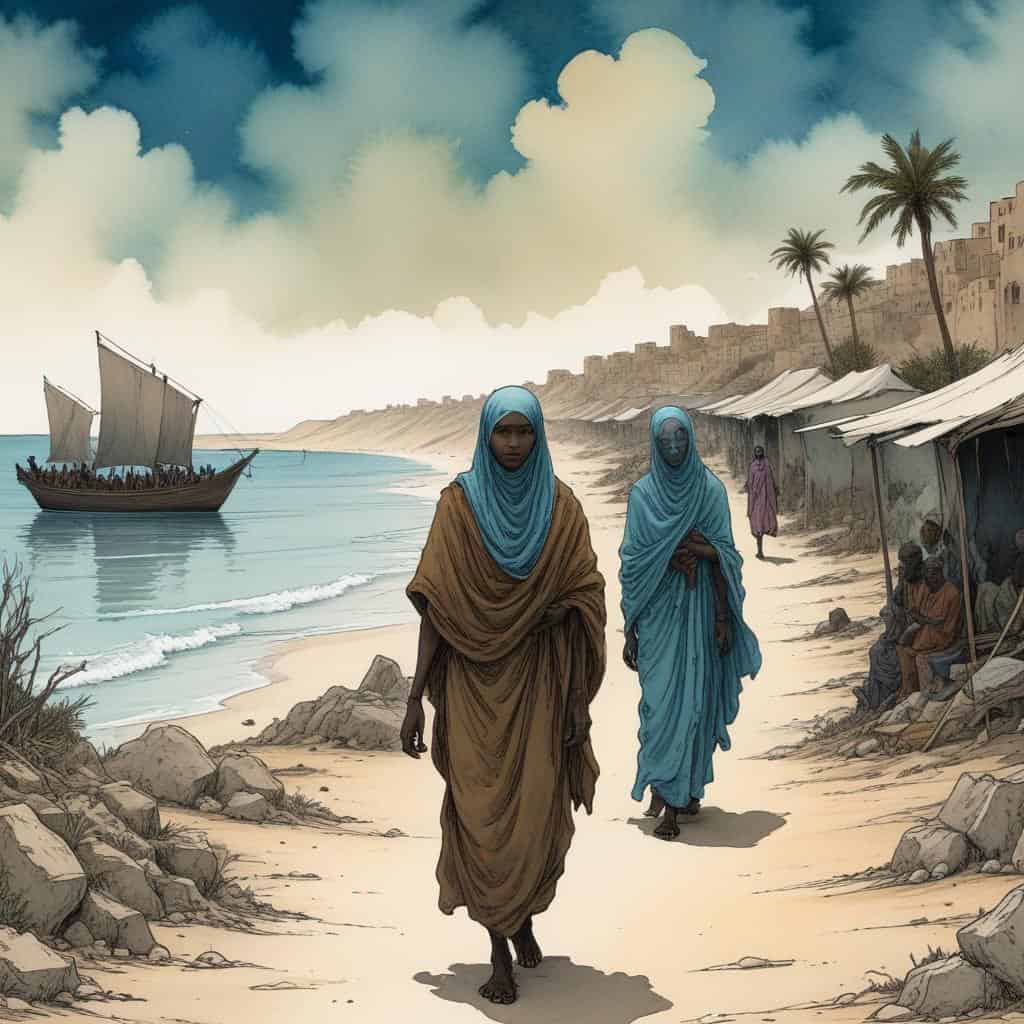
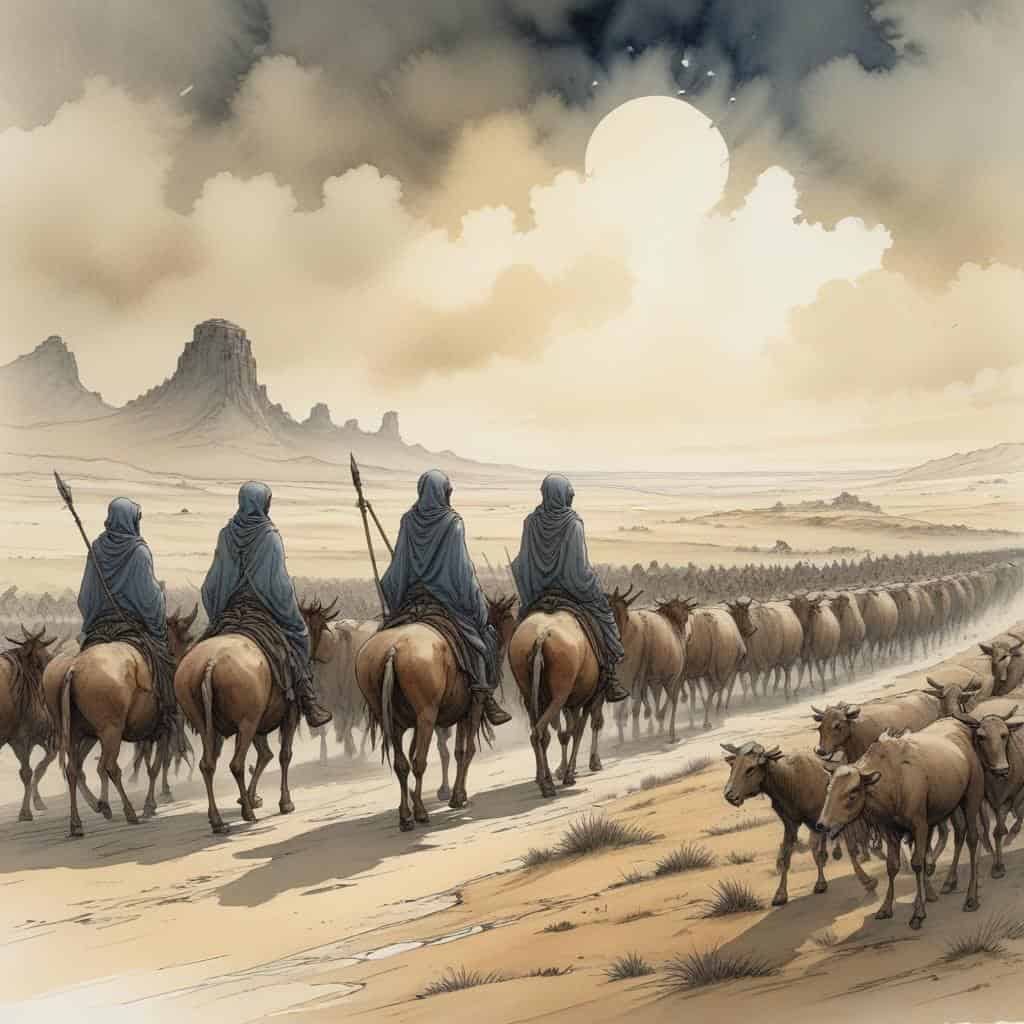
1. Nomadic Herders
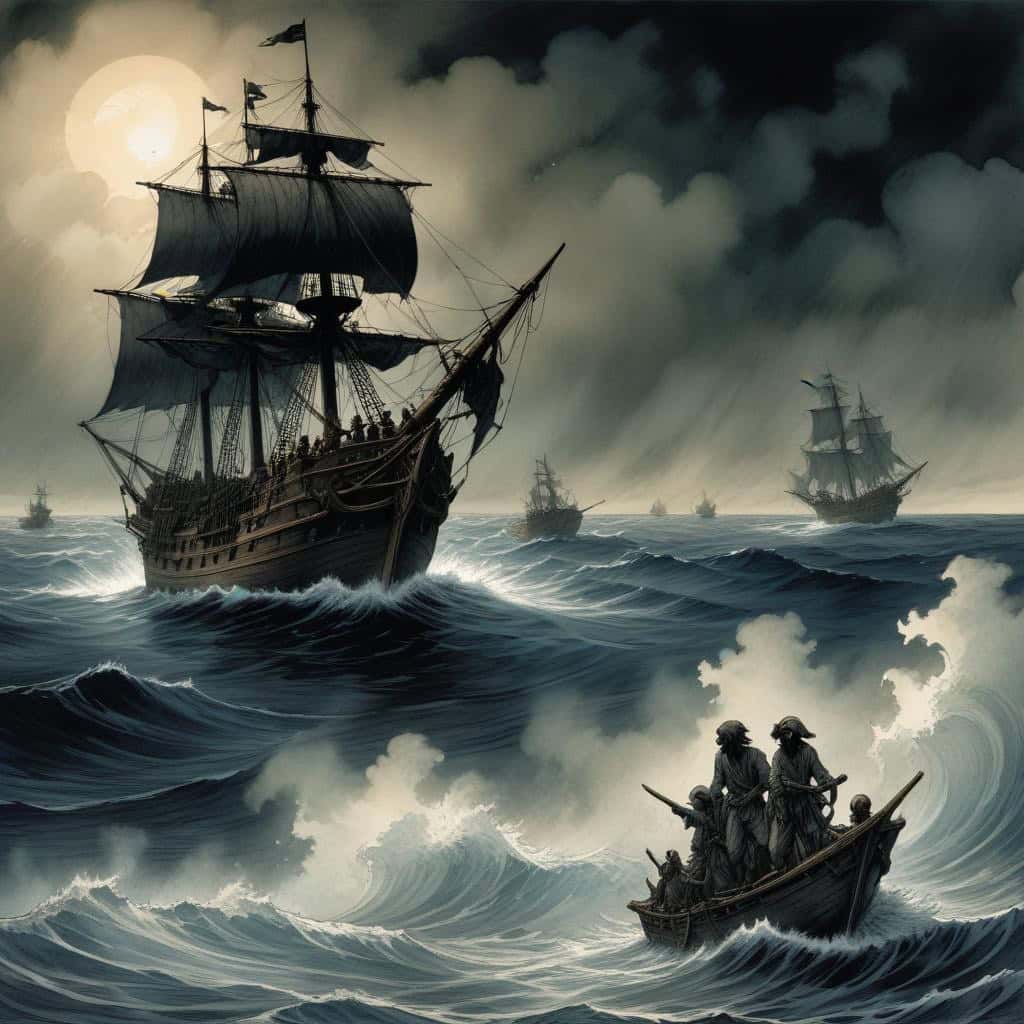
2. Somali Pirates
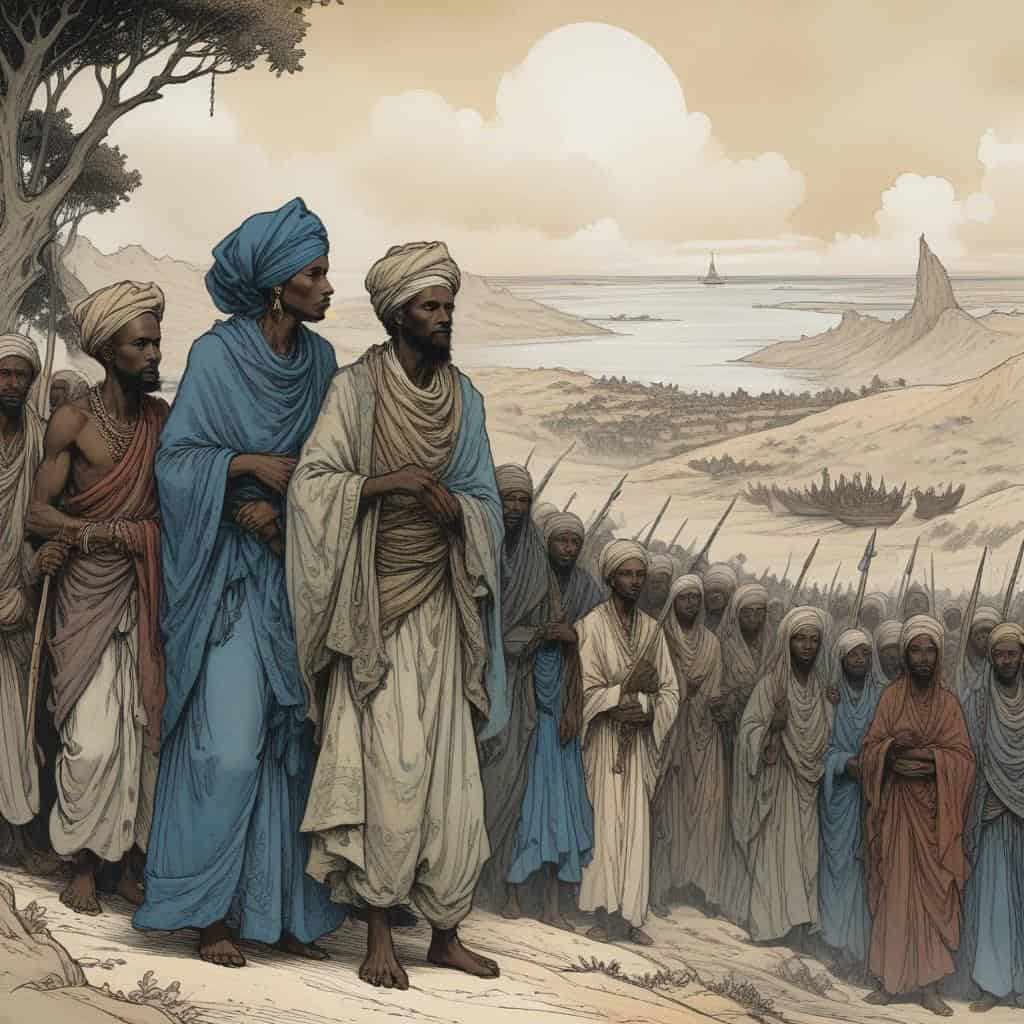
3. Somali Diaspora
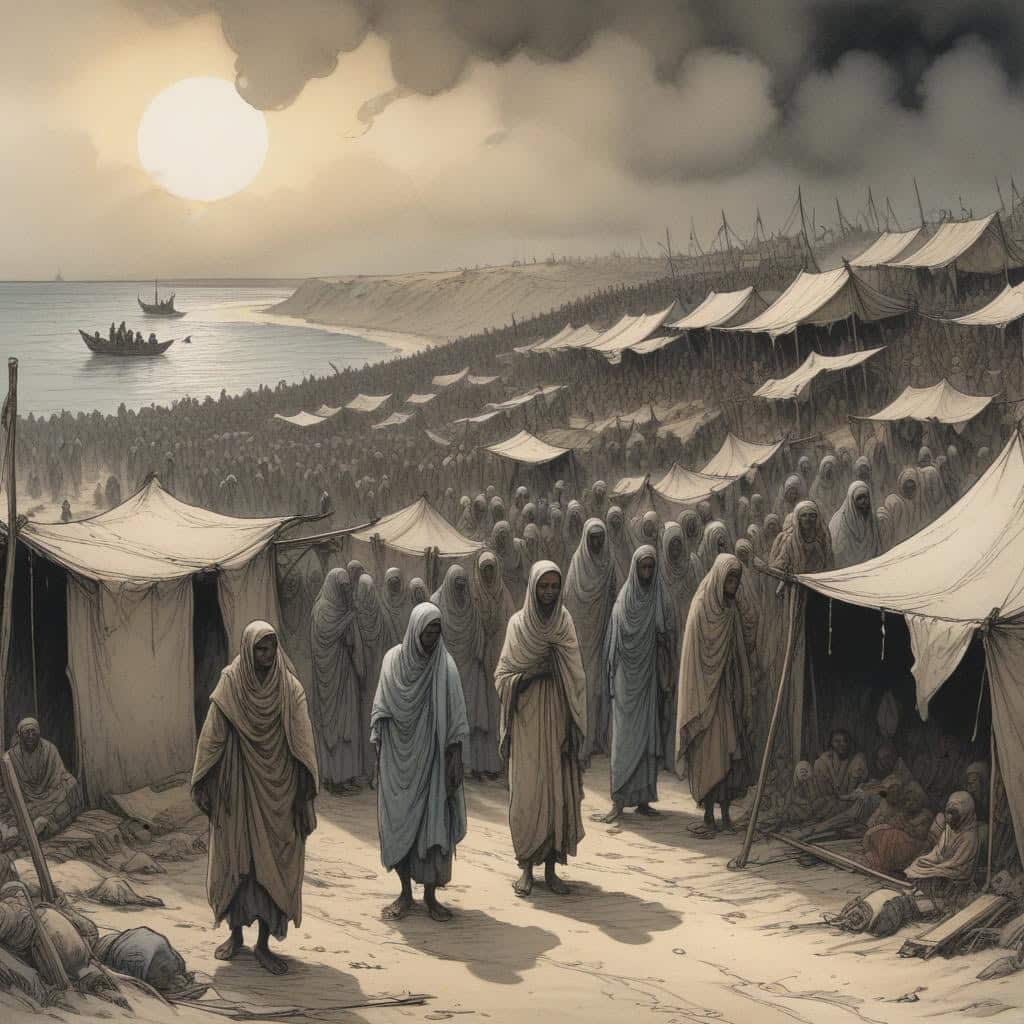
4. Somali Refugees
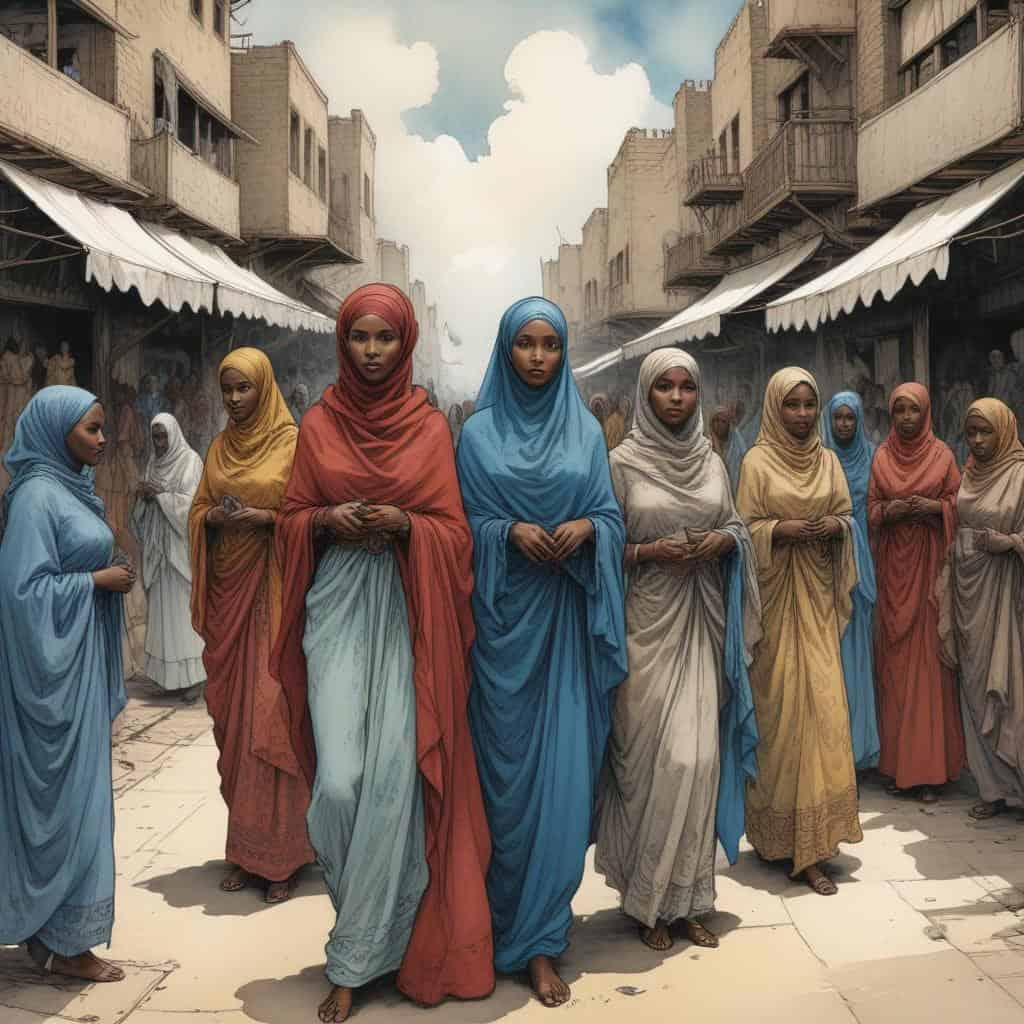
5. Somali Women Entrepreneurs
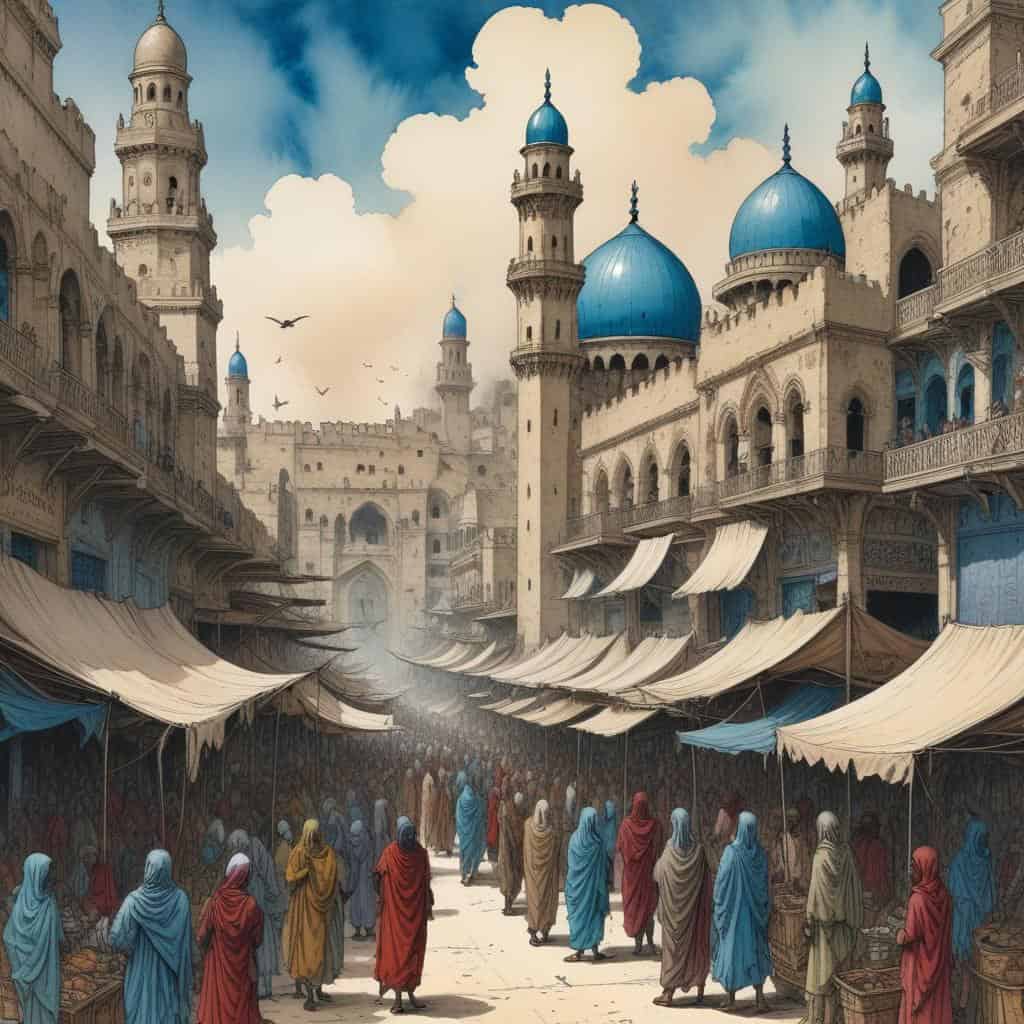
Exploring the Capital City of Mogadishu
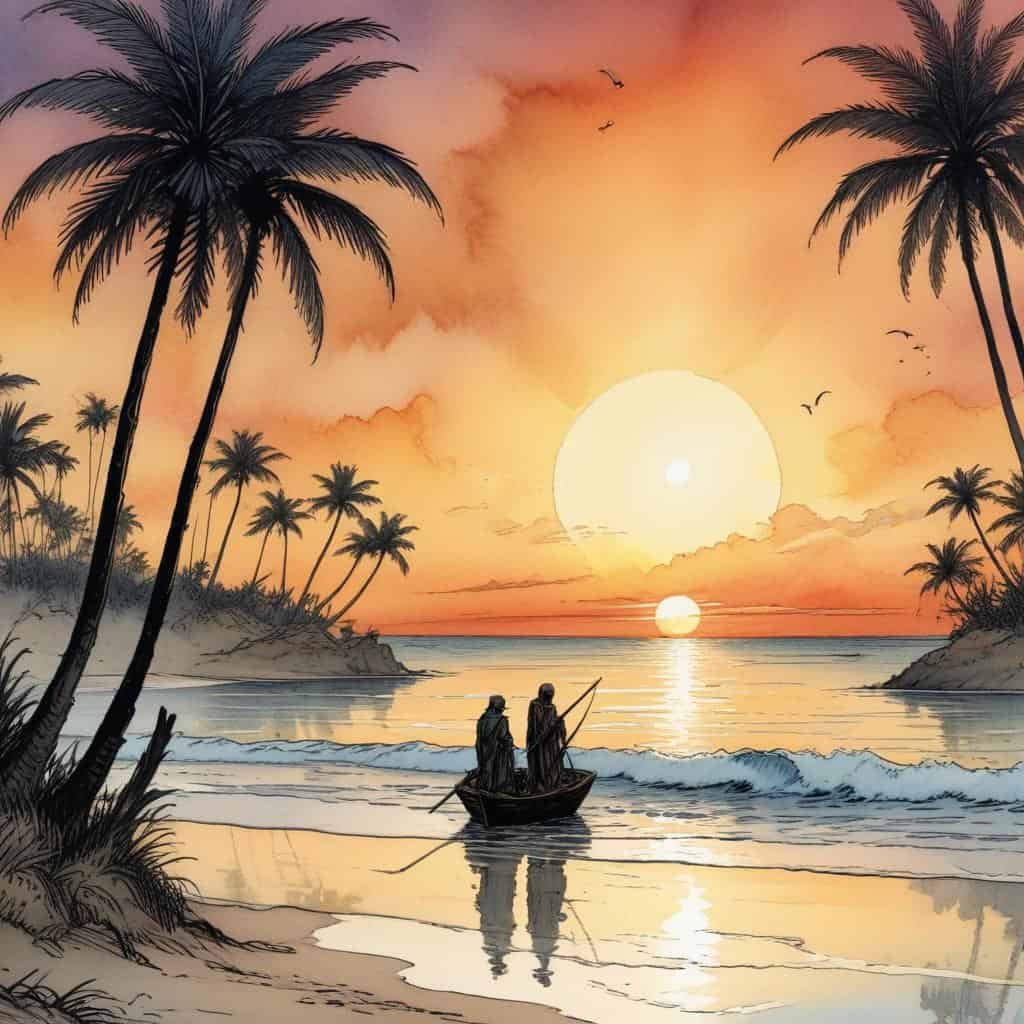
Discovering the Stunning Beaches of Somalia
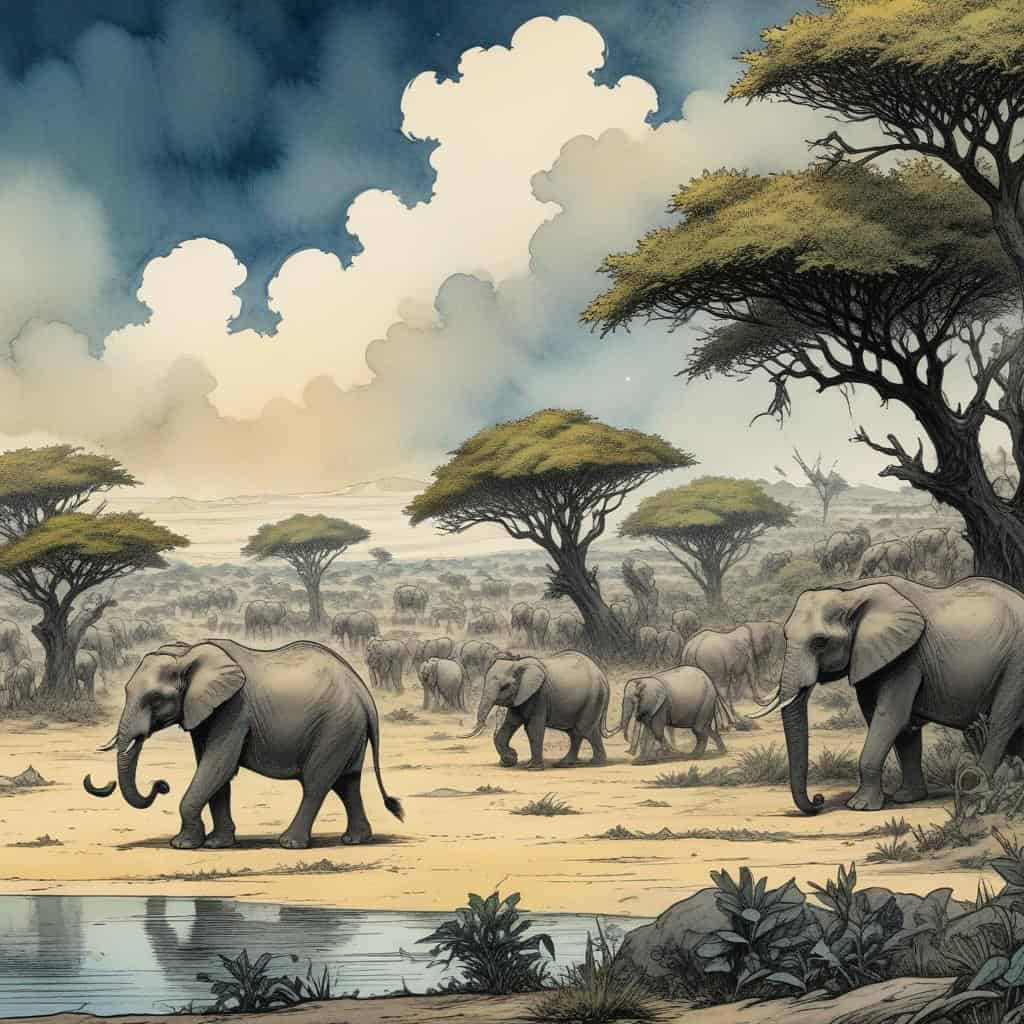
Exploring the Diverse Wildlife of Somalia
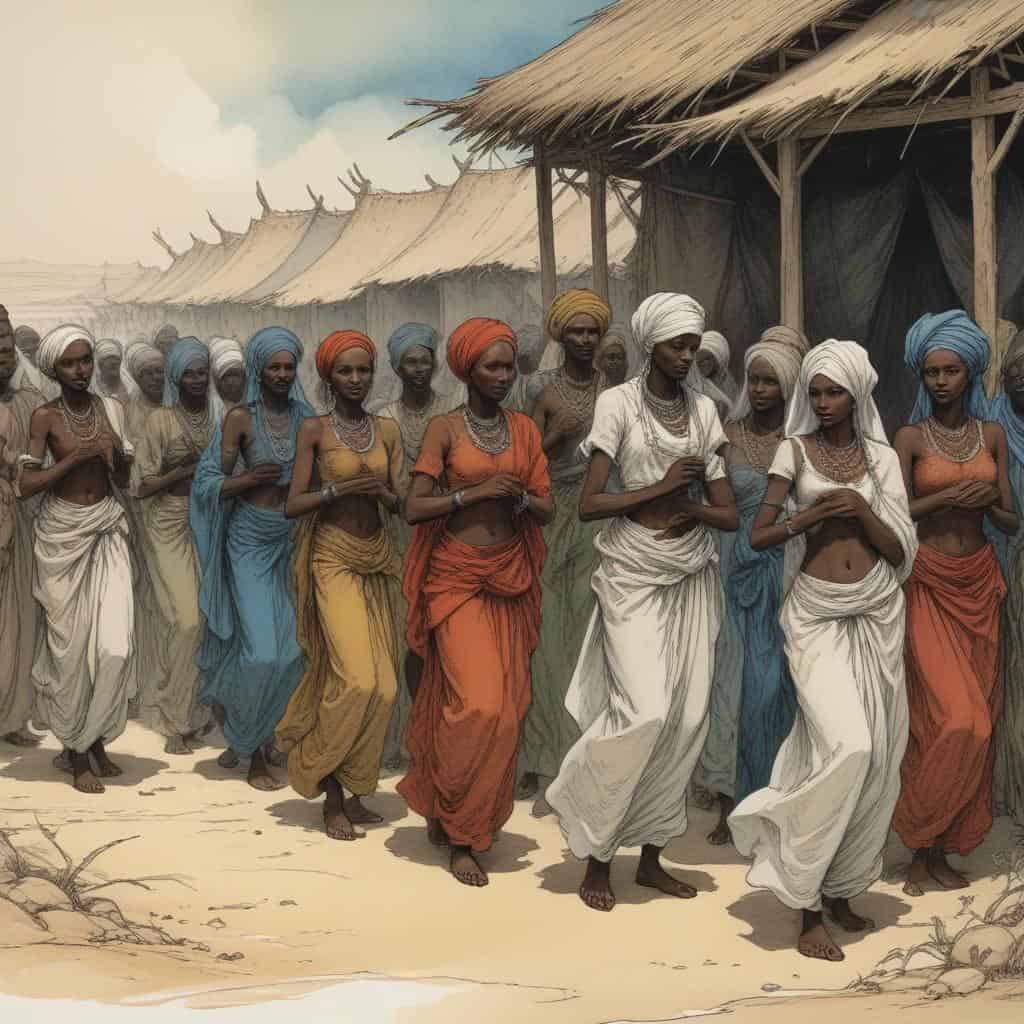
Learning about Somalias Rich Cultural Heritage
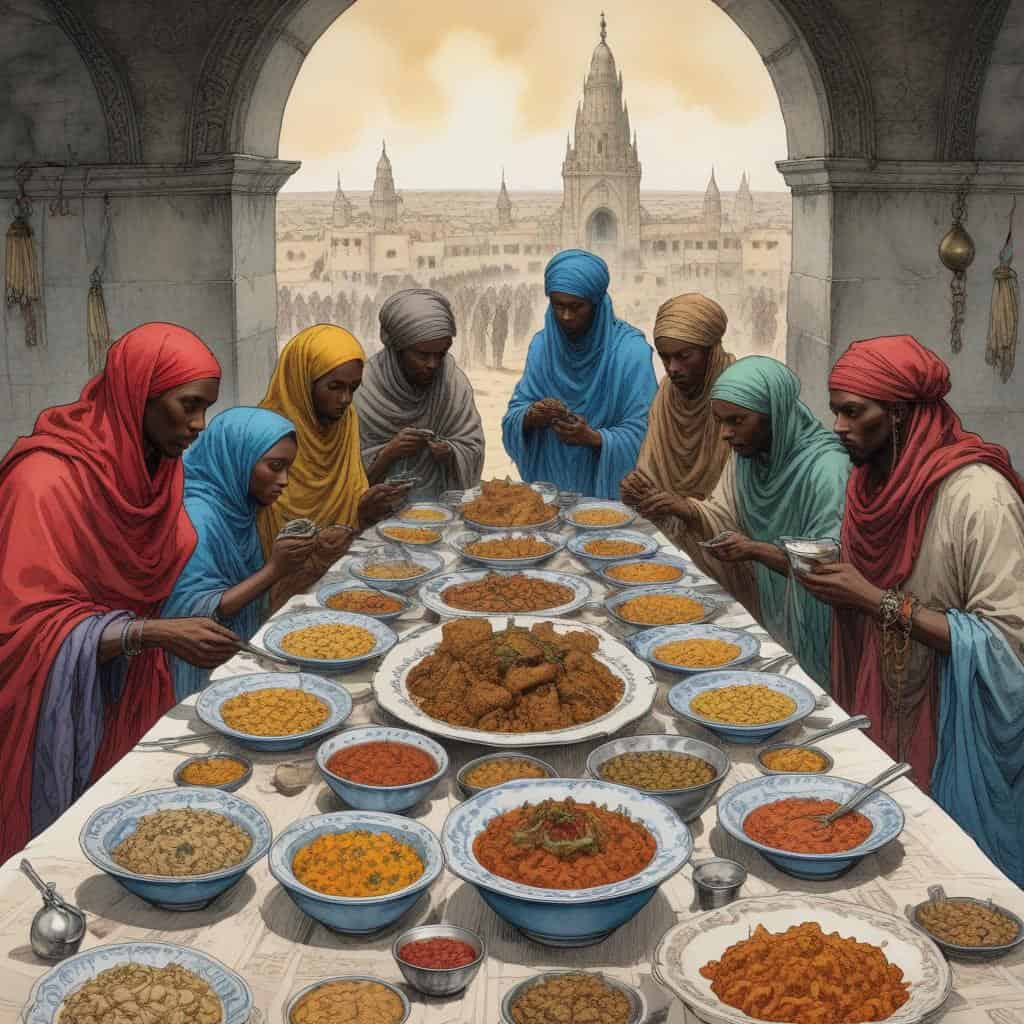
Sampling the Delicious Somali Cuisine
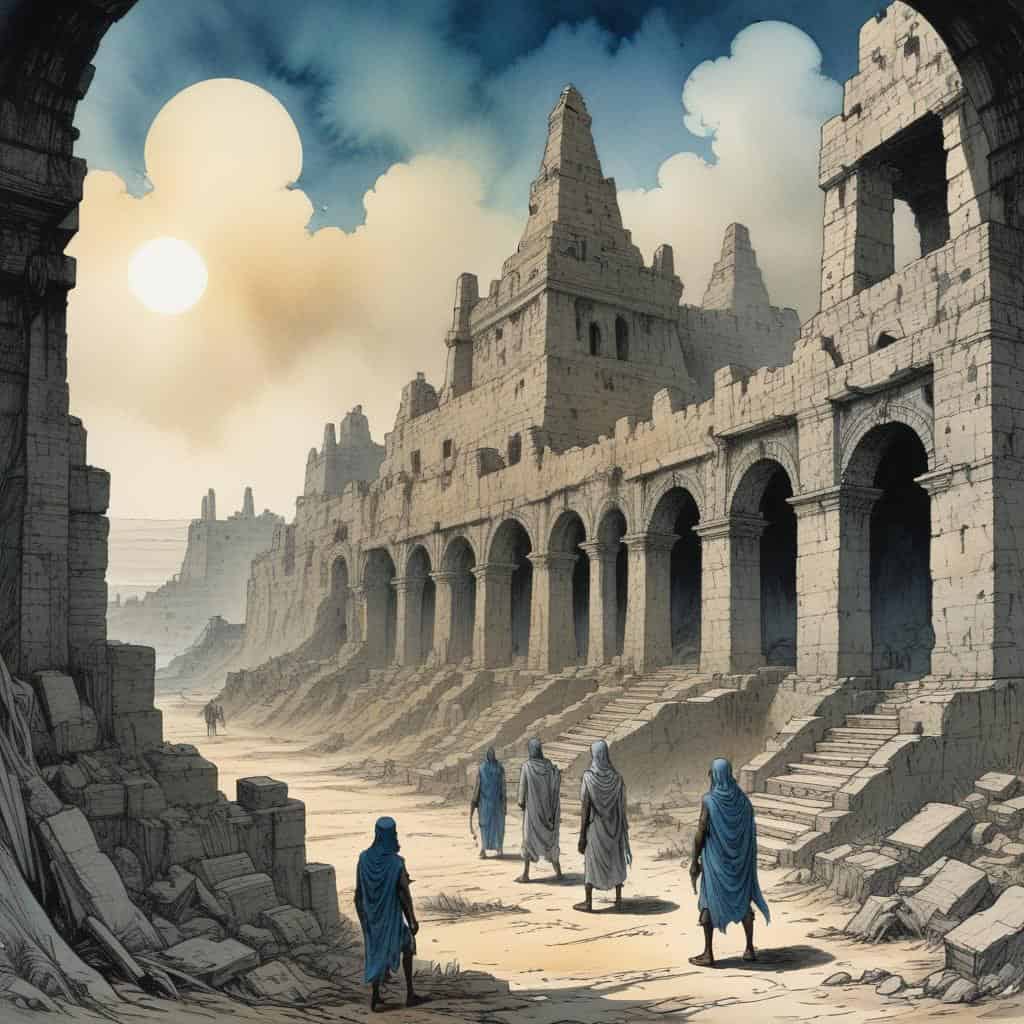
Visiting the Historical Sites of Somalia
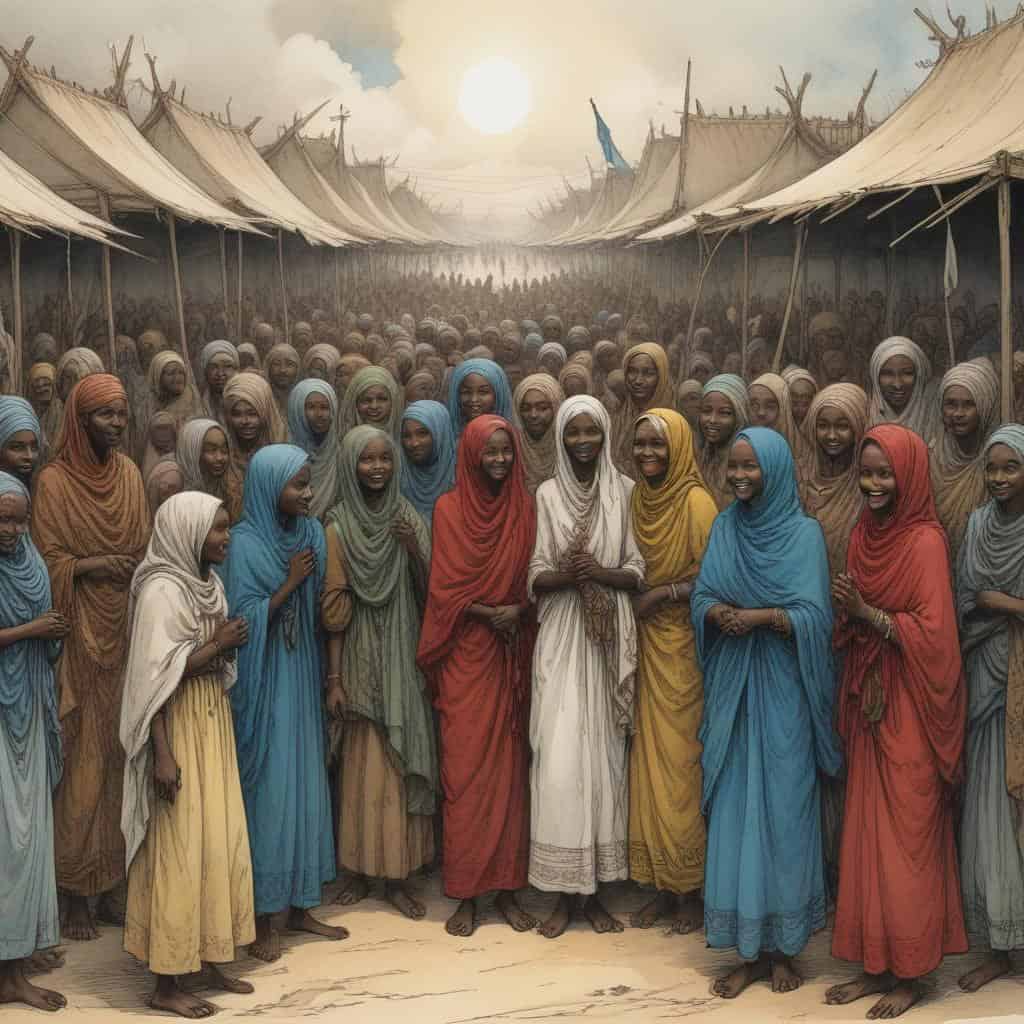
Experiencing the Hospitality of the Somali People
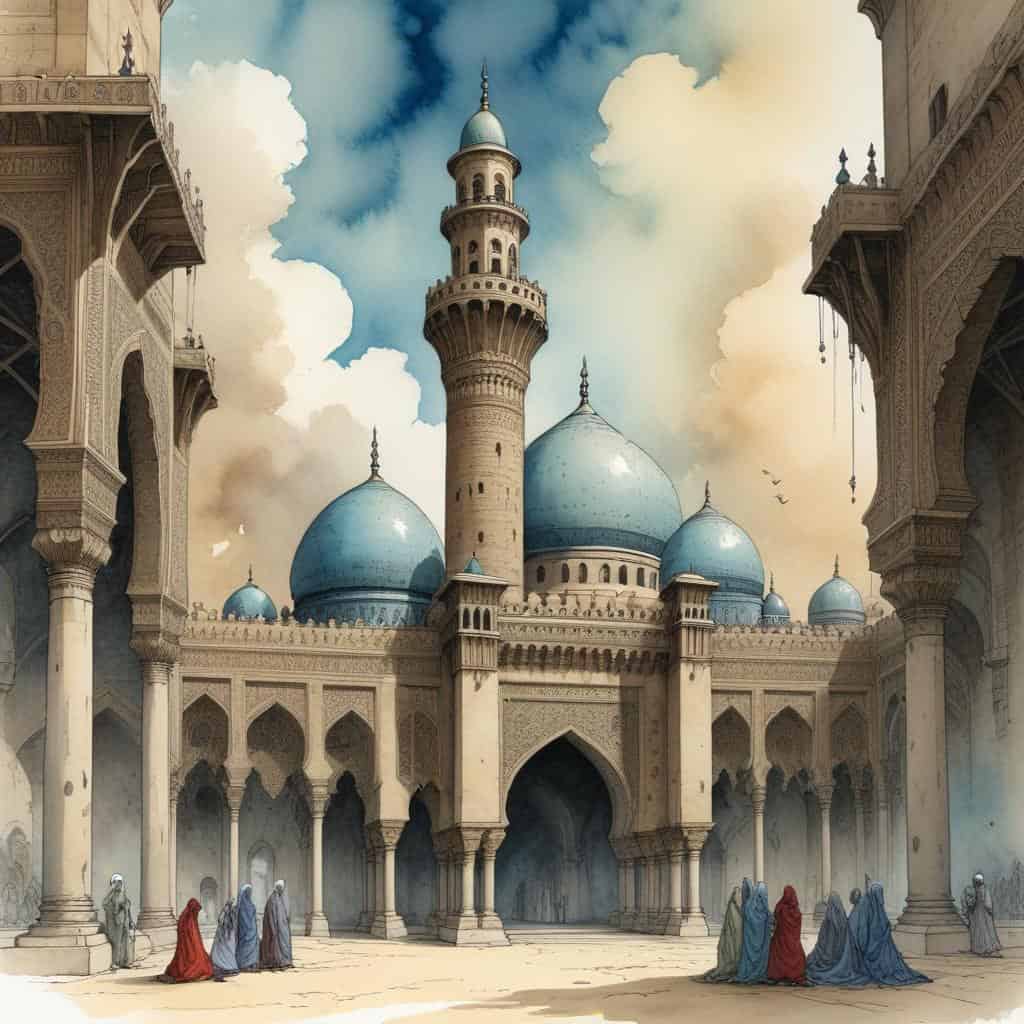
Exploring the Unique Architecture of Somalia
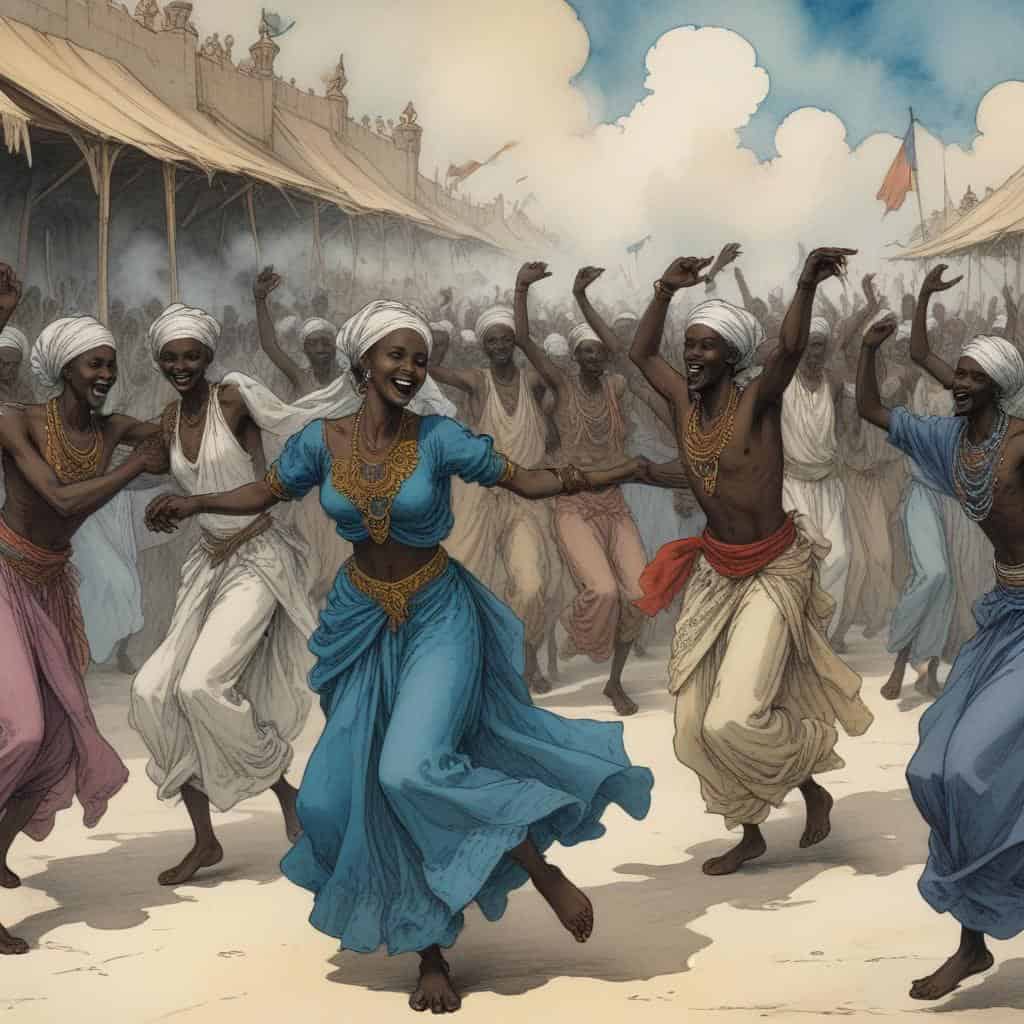
Enjoying the Festivals and Celebrations of Somalia
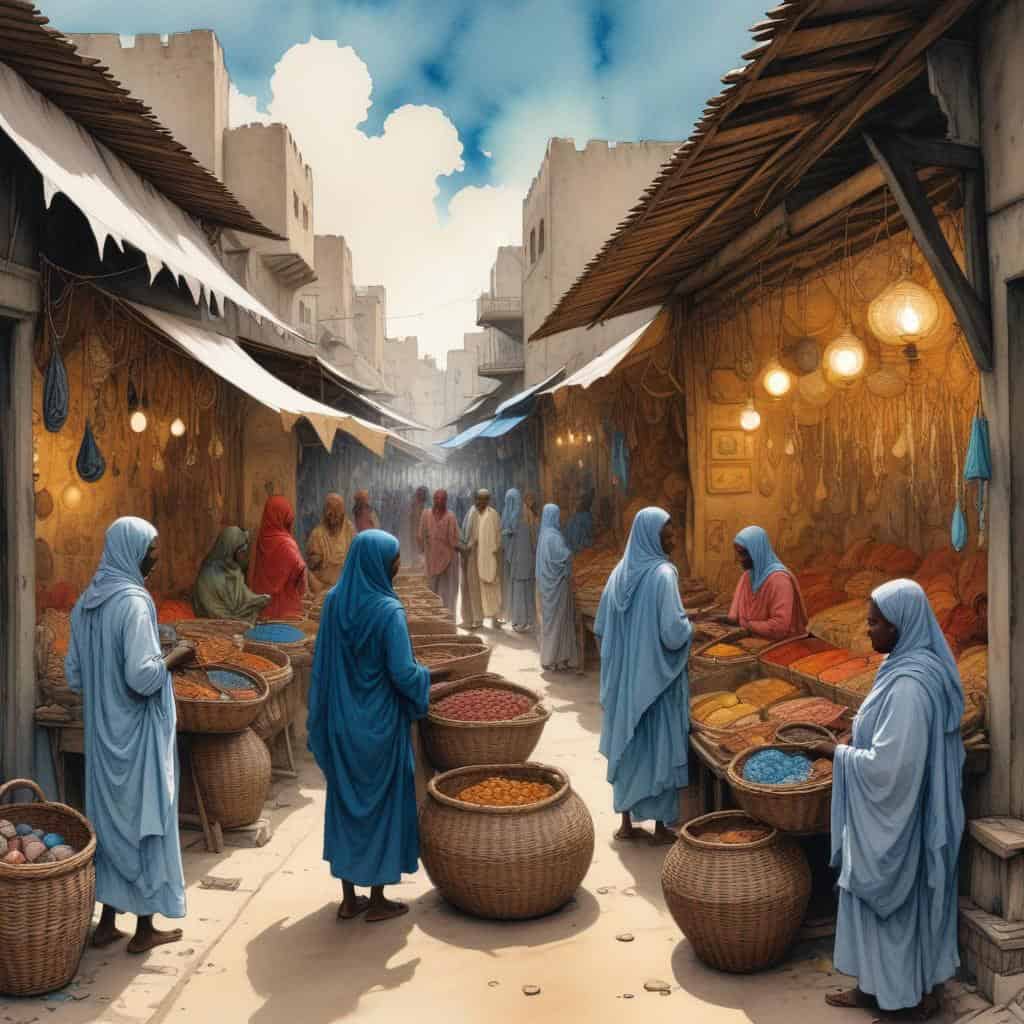
Supporting Local Artisans and Craftsmen in Somalia
Audio Library
As one of our featured lessons, this topic includes premium audio guides.
Unlock the Wizard's Cram Session
This powerful audio study guide is a Pro-exclusive feature. Upgrade to Memory Wizards Pro to access this and all of our premium learning tools.
Upgrade to ProIn a Nutshell
- Capital: Mogadishu
- Population: Approx. 15.9 million (2021)
- Official Language: Somali
- Currency: Somali shilling (SOS)
Breaking Down the Country
Geographical Features
Somalia boasts diverse landscapes including deserts, mountains, and coastal plains along the Indian Ocean, making it a visually stunning country.
Cultural Heritage
Discover Somalia's rich history influenced by Arab, Persian, and African traditions, showcased in its music, dance, and unique cuisine.
Current Affairs
Stay informed on the latest news and developments in Somalia, from political changes to social issues impacting the country and its people.
Timeline of Somalia
The Sultanate of Adal is established in the Horn of Africa
Portuguese explorer Vasco da Gama reaches the Somali coast
Somali Sultanates dominate trade routes in the region
British and Italian colonial powers establish control over Somali territories
The Somali Republic is formed, gaining independence from colonial rule
Somali President Siad Barre comes to power in a coup
Civil war breaks out in Somalia
United Nations peacekeeping mission in Somalia
Somali warlord Mohamed Farrah Aidid declares himself president
Somali Transitional National Government is formed
Islamic Courts Union takes control of Mogadishu
Ethiopian forces invade Somalia
Al-Shabaab emerges as a powerful militant group in Somalia
Piracy becomes a major issue off the coast of Somalia
Somali government forces, supported by African Union troops, launch an offensive against Al-Shabaab
Somali federal government is established
New constitution is adopted in Somalia
Somalia holds its first democratic elections in decades
Somali President Mohamed Abdullahi Mohamed takes office
Somalia faces ongoing challenges with political instability, terrorism, and humanitarian crises
Vocabulary List
- Savannah
- Somalia's landscape is characterized by vast stretches of savannah, dotted with acacia trees.
- Plateau
- The northern region of Somalia is dominated by the Somali Plateau, a highland area with rugged terrain.
- Desert
- The eastern part of Somalia is covered by the Somali Desert, a hot and arid landscape.
- Coastline
- Somalia has a long coastline along the Indian Ocean, with sandy beaches and coral reefs.
- Lakes
- Somalia is home to several small lakes, such as Lake Abbe and Lake Bari, which provide important water sources for local communities.
- River
- The Jubba and Shabelle rivers flow through southern Somalia, providing water for irrigation and agriculture.
- Mountains
- The Cal Madow mountain range in northern Somalia is one of the highest points in the country, with peaks reaching over 2,000 meters.
- Valleys
- The Nugal Valley in central Somalia is a fertile area with lush vegetation, ideal for farming and grazing.
Key Facts
This is the information used in the fact matching game
- Somalia has a coastline that stretches for over 3,300 kilometers along the Indian Ocean.
- The landscape of Somalia is predominantly arid and desert-like, with sparse vegetation.
- The country is characterized by plateaus, plains, and highlands, with the highest point being Mount Shimbiris at 2,416 meters.
- The Jubba and Shabeelle rivers are the two main rivers in Somalia, providing water for irrigation and agriculture.
- Somalia experiences a hot and dry climate, with temperatures often exceeding 40°C in certain regions.
- The country is prone to droughts and famines due to its arid climate and limited water resources.
- The coastal areas of Somalia are home to mangrove forests, coral reefs, and diverse marine life.
- The Somali Plateau covers much of the central and southern parts of the country, with an average elevation of 900 meters.
- The country has several national parks and wildlife reserves, such as the Kismayo National Park and the Hargeisa National Park.
- The coastal areas of Somalia are prone to cyclones and tropical storms during the rainy season.
- The landscape of Somalia is also marked by dry riverbeds, known as wadis, which only contain water during the rainy season.
- The country has several active volcanoes, such as the Dubbi and Nabro volcanoes, which pose a threat to nearby communities.
- Somalia has a diverse range of flora and fauna, including acacia trees, thorn bushes, baboons, and leopards.
- The country's agricultural sector is primarily based on livestock farming, with camels, goats, and sheep being the most common animals.
- The Somali desert, also known as the 'Guban', covers much of the northern part of the country and is characterized by sand dunes and rocky terrain.
- The country has a number of natural resources, including petroleum, natural gas, and minerals like uranium and iron ore.
- The landscape of Somalia has been heavily affected by deforestation, soil erosion, and desertification due to unsustainable agricultural practices and climate change.
- The country's coastline is known for its beautiful white sandy beaches, turquoise waters, and vibrant coral reefs, making it a popular destination for tourists.
- The Horn of Africa region, which includes Somalia, is one of the most biodiverse regions in the world, with a wide variety of plant and animal species.
- The landscape of Somalia is also home to several archaeological sites, such as the ancient port city of Zeila, which dates back to the 1st century AD.
Why It Matters
Geopolitical Significance
Somalia’s location along the Horn of Africa, overlooking the strategic Bab el Mandeb strait, gives it a key position in international trade routes. Control over its waters, particularly the piracy issue, has global implications for maritime security and economic stability.
Historical Importance
Somalia has a rich history dating back to ancient civilizations like the Kingdom of Punt. It was a hub for trade and culture, with important cities like Mogadishu being prominent centers of commerce. Understanding Somalia’s past helps illuminate its current challenges and potential for development.
Modern-Day Role
In the present day, Somalia continues to grapple with political instability, terrorism, and humanitarian crises. International efforts to support peace-building and development in Somalia are crucial for stability in the region and addressing issues such as piracy, extremism, and refugee flows.
Somalia Games


Take Your Learning Offline
Want a convenient, print-ready study guide for this lesson? Become a Memory Wizards Pro member to unlock the downloadable " Memory Scrolls" for this topic and our entire library!
- ✓ Complete Vocabulary Lists
- ✓ Key Facts & Timelines
- ✓ Beautifully Formatted for Print & Mobile