
How Do You Learn Best?
Learn by Listening
Start with the 3-minute audio summary to get the key facts and narrative highlights quickly.
Learn by Reading
Immerse yourself in the 10-minute visual lesson for a comprehensive understanding of the topic.
Learn by Reviewing
Jump directly to the key facts, timeline, and vocabulary lists to build a solid foundation of details.
Learn by Doing
Challenge yourself! Jump straight into the interactive games to learn by trial, error, and discovery.
Sierra Leone in 10 Minutes

Introduction
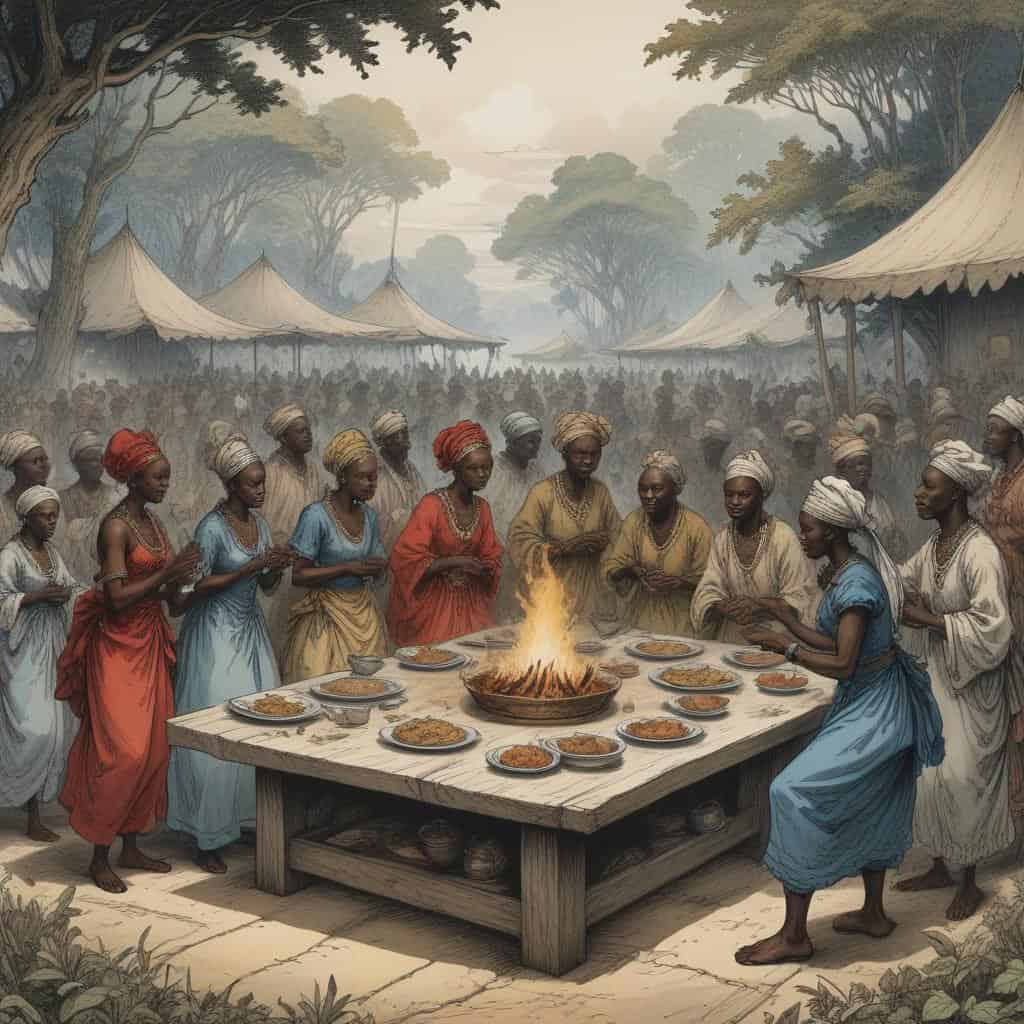
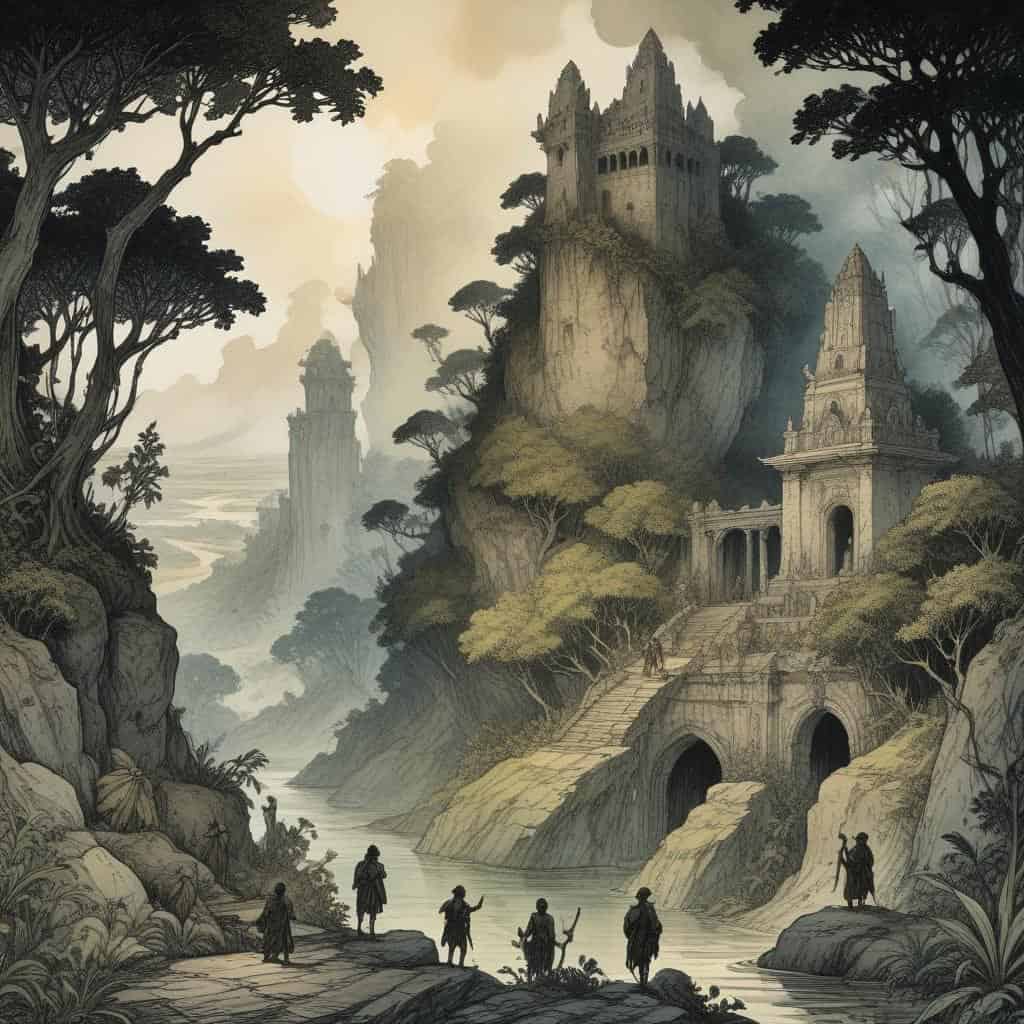
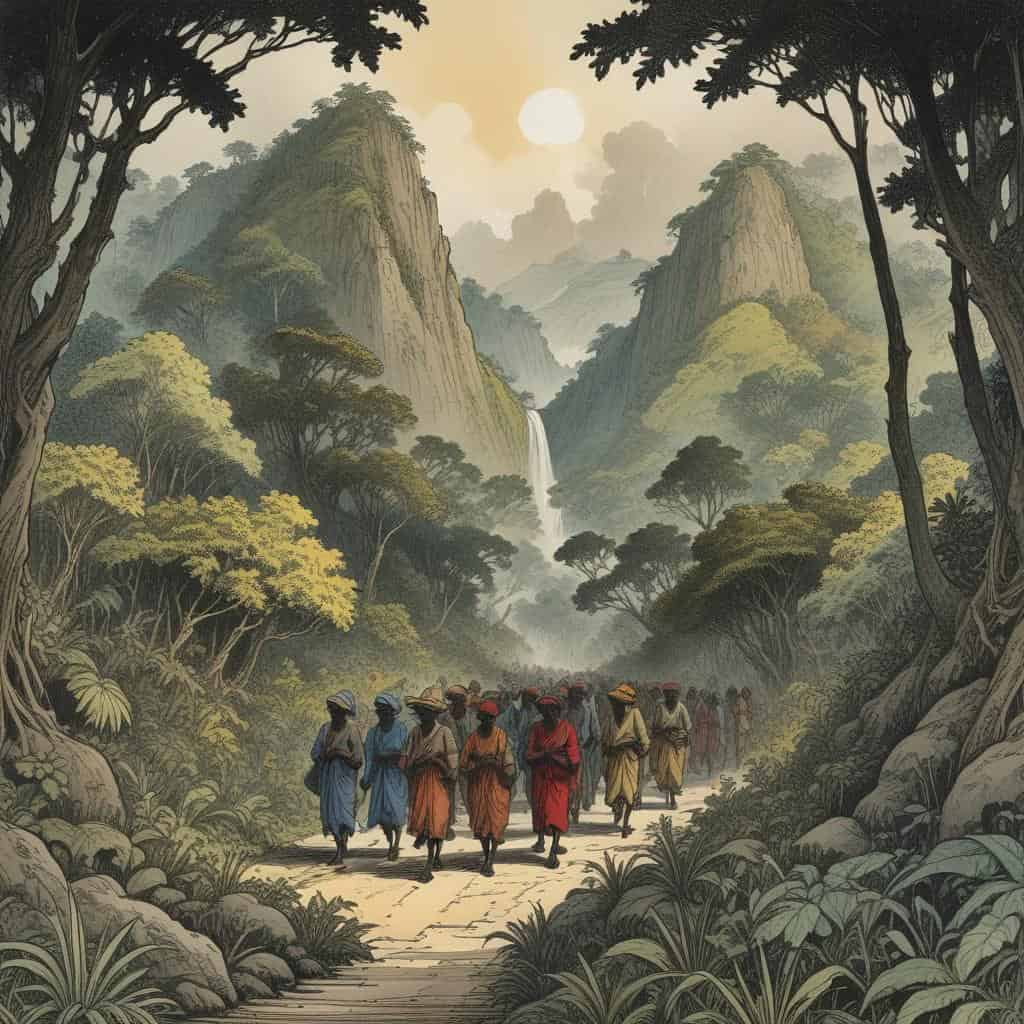
1. Sahr Lahai
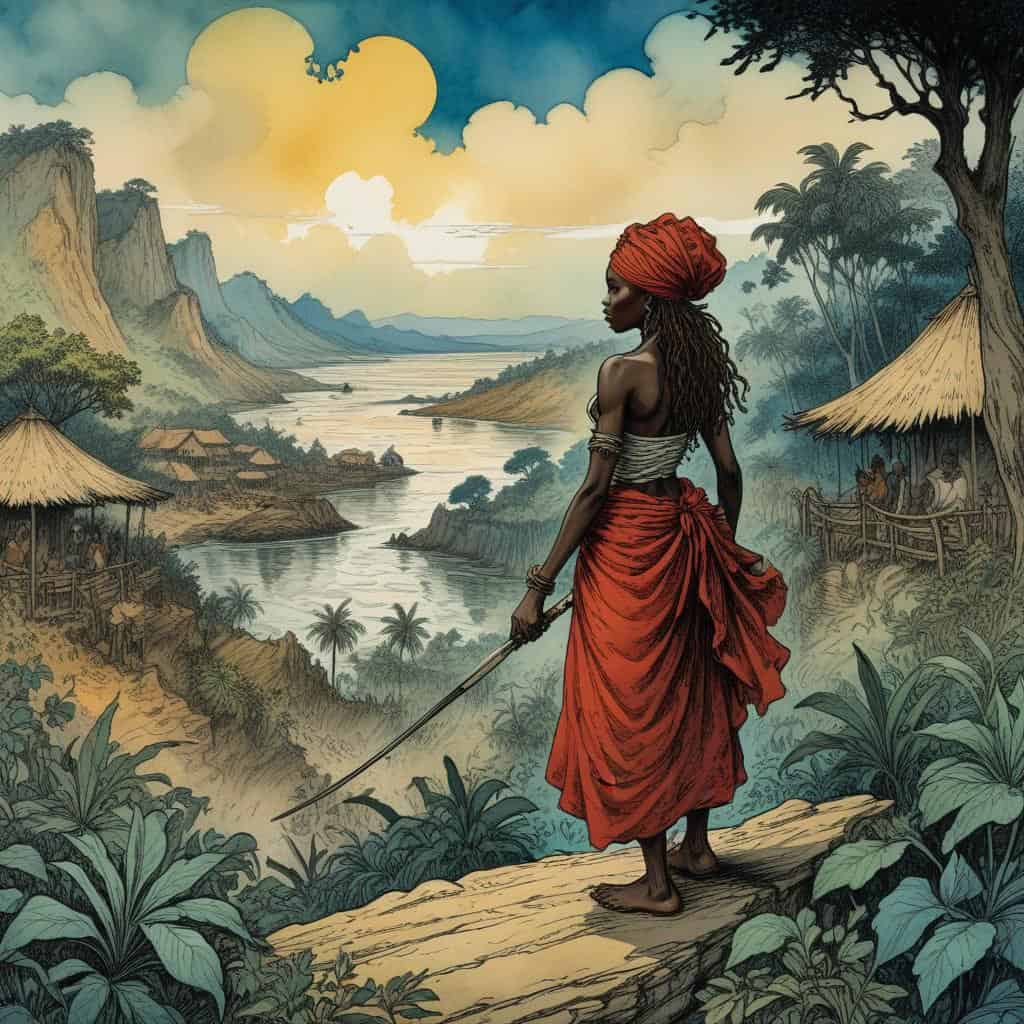
2. Kadiatu Kamara
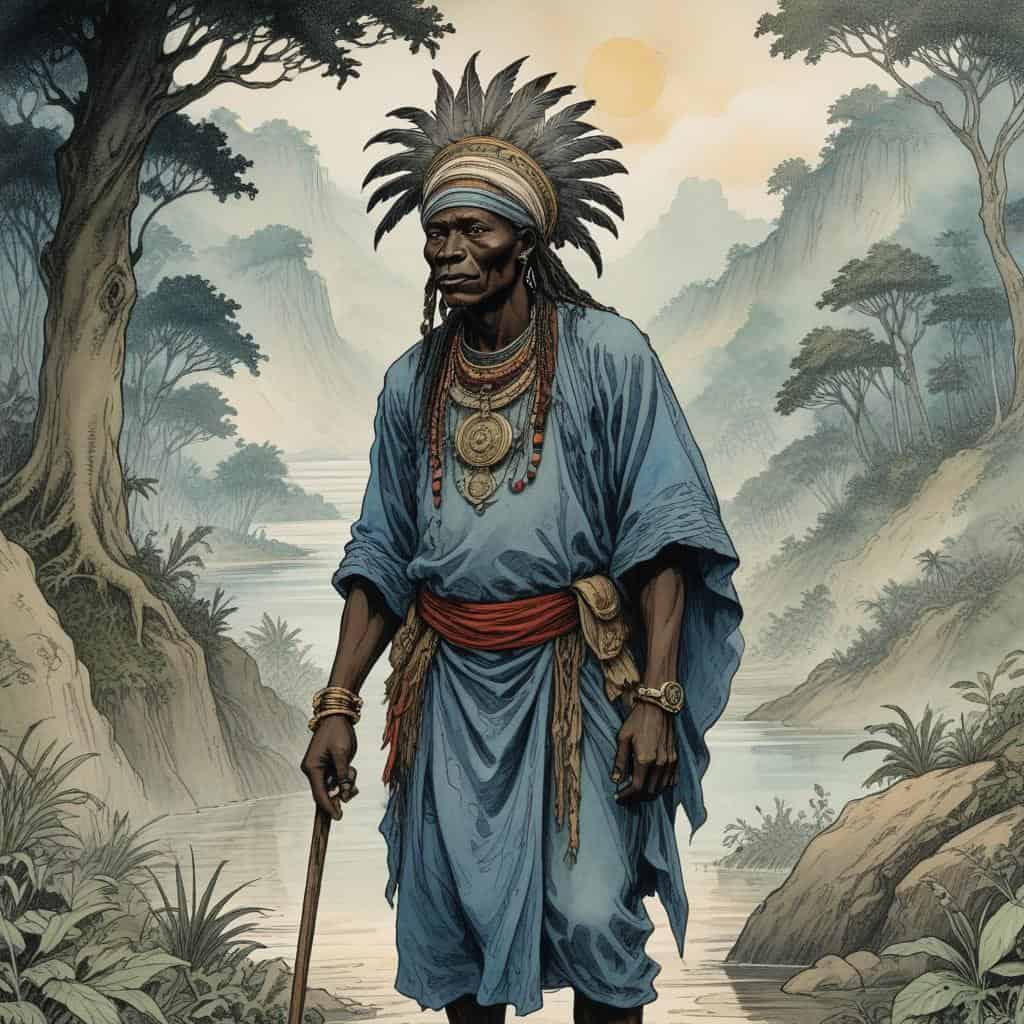
3. Chief Amara Bangura
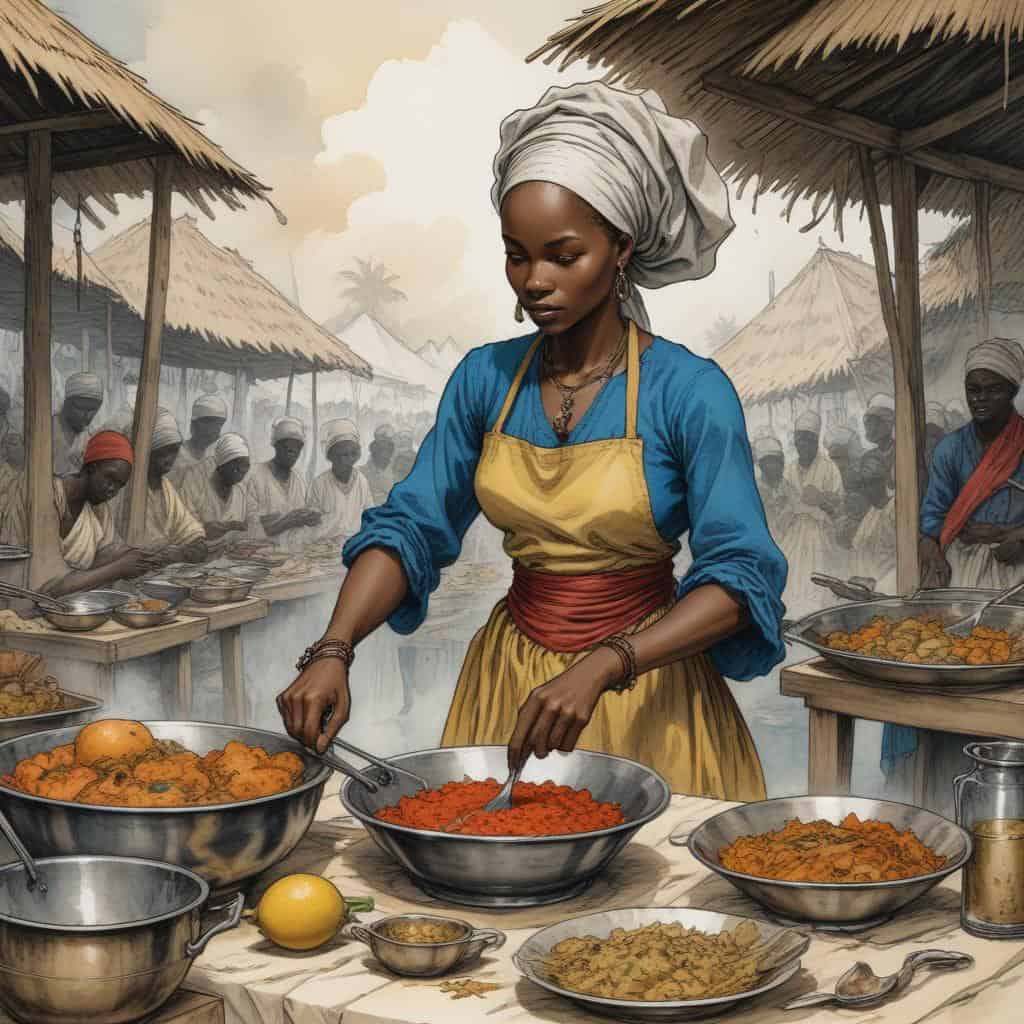
4. Mariama Conteh
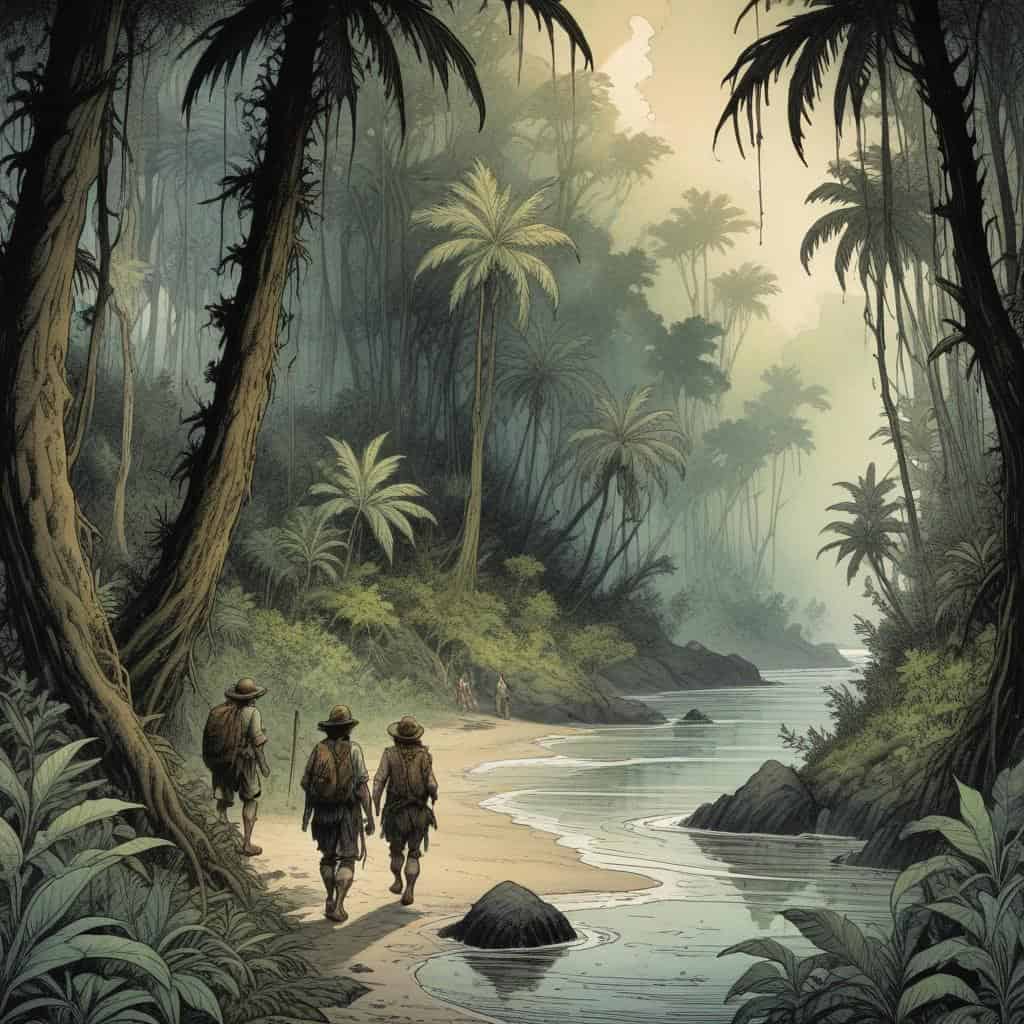
1. Discovering the Natural Beauty
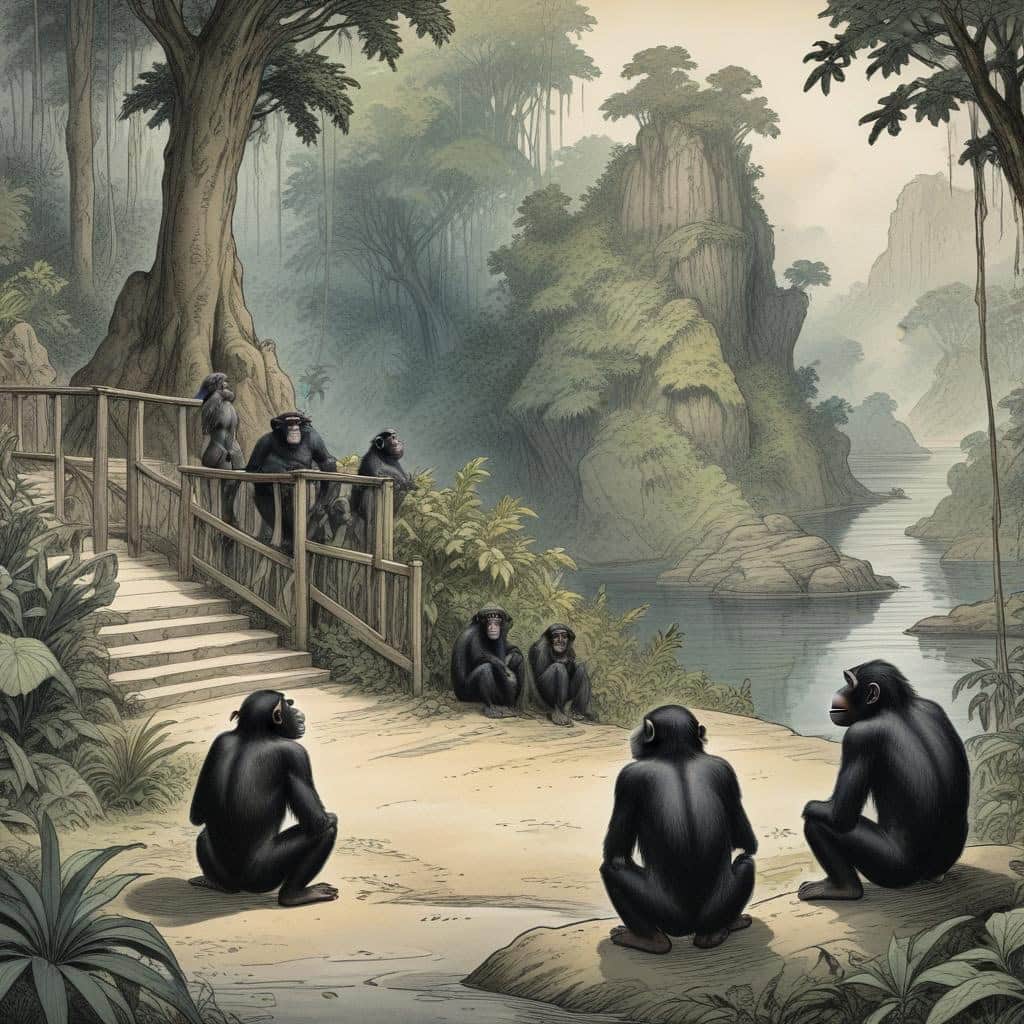
2. Visiting the Tacugama Chimpanzee Sanctuary
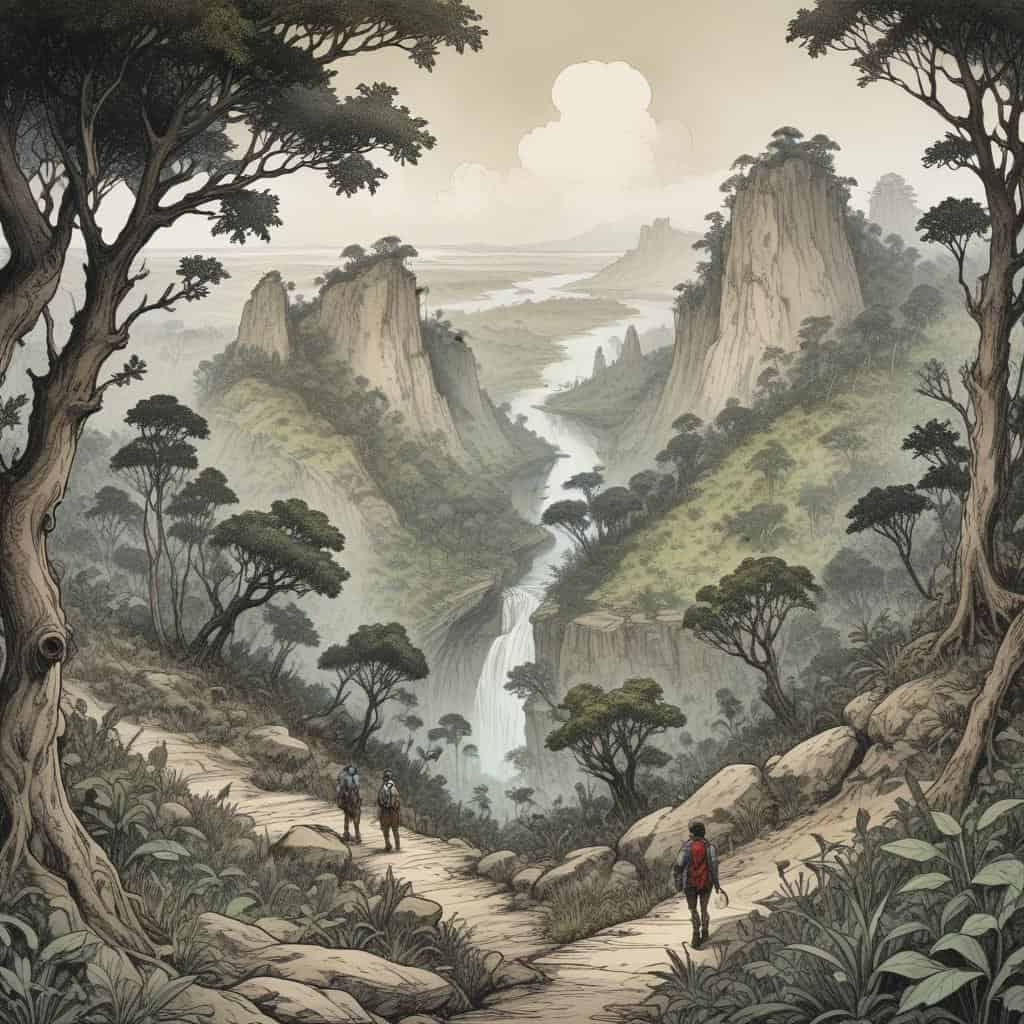
3. Exploring the Outamba-Kilimi National Park
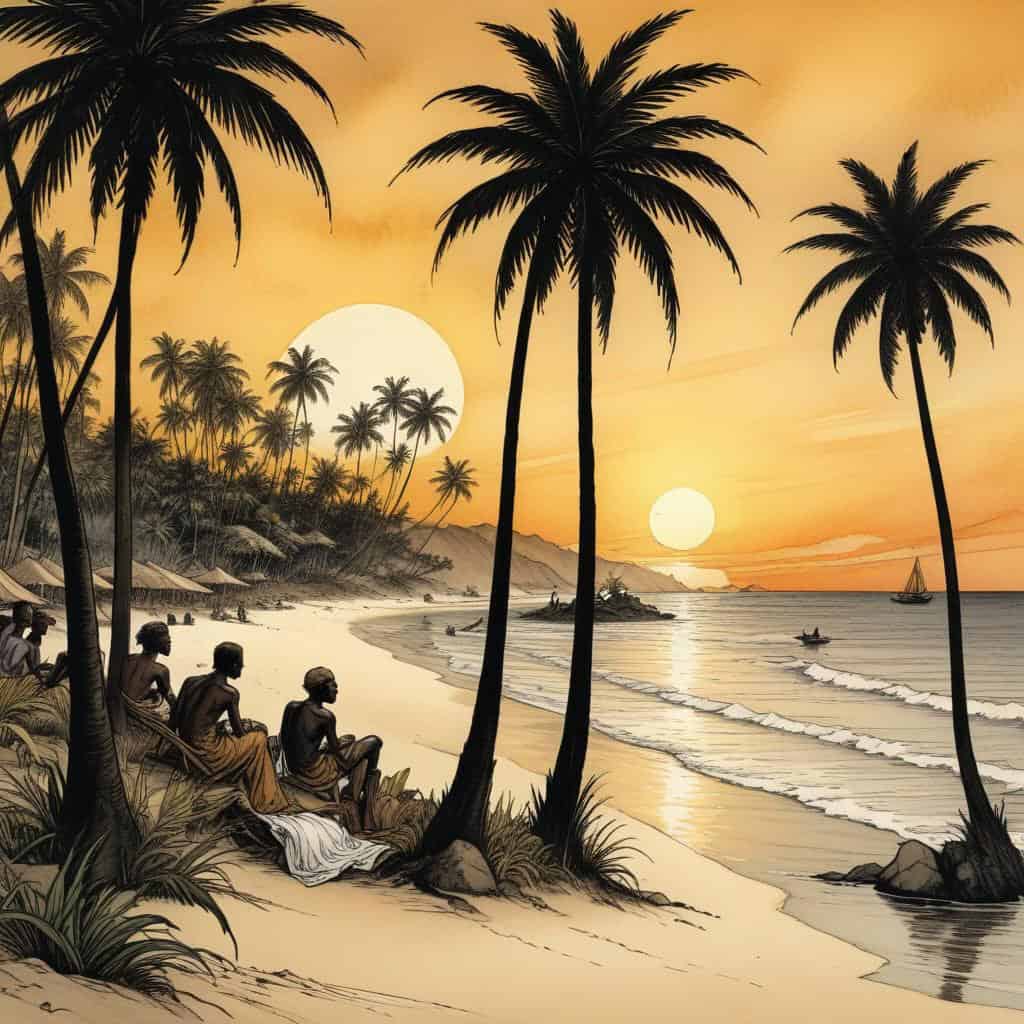
4. Relaxing on the Beaches of Freetown
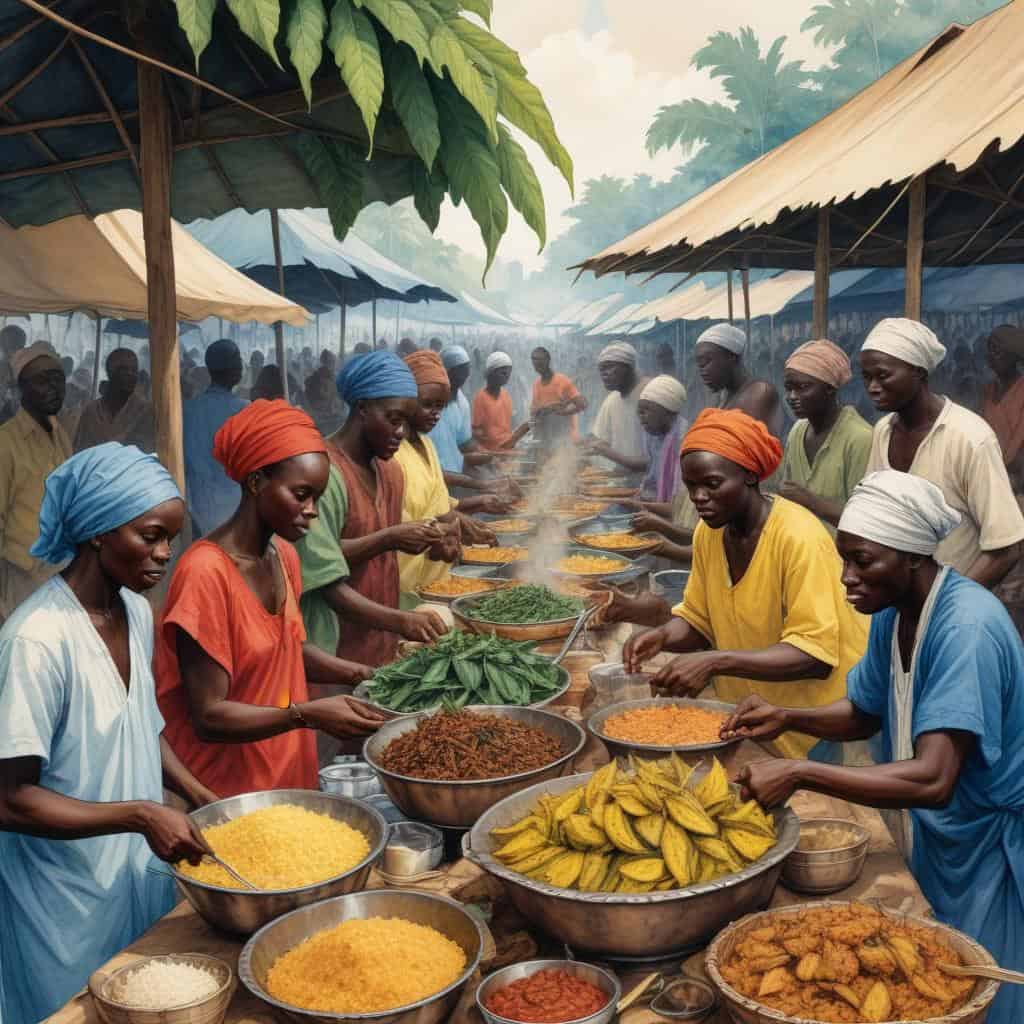
5. Sampling Delicious Sierra Leonean Cuisine
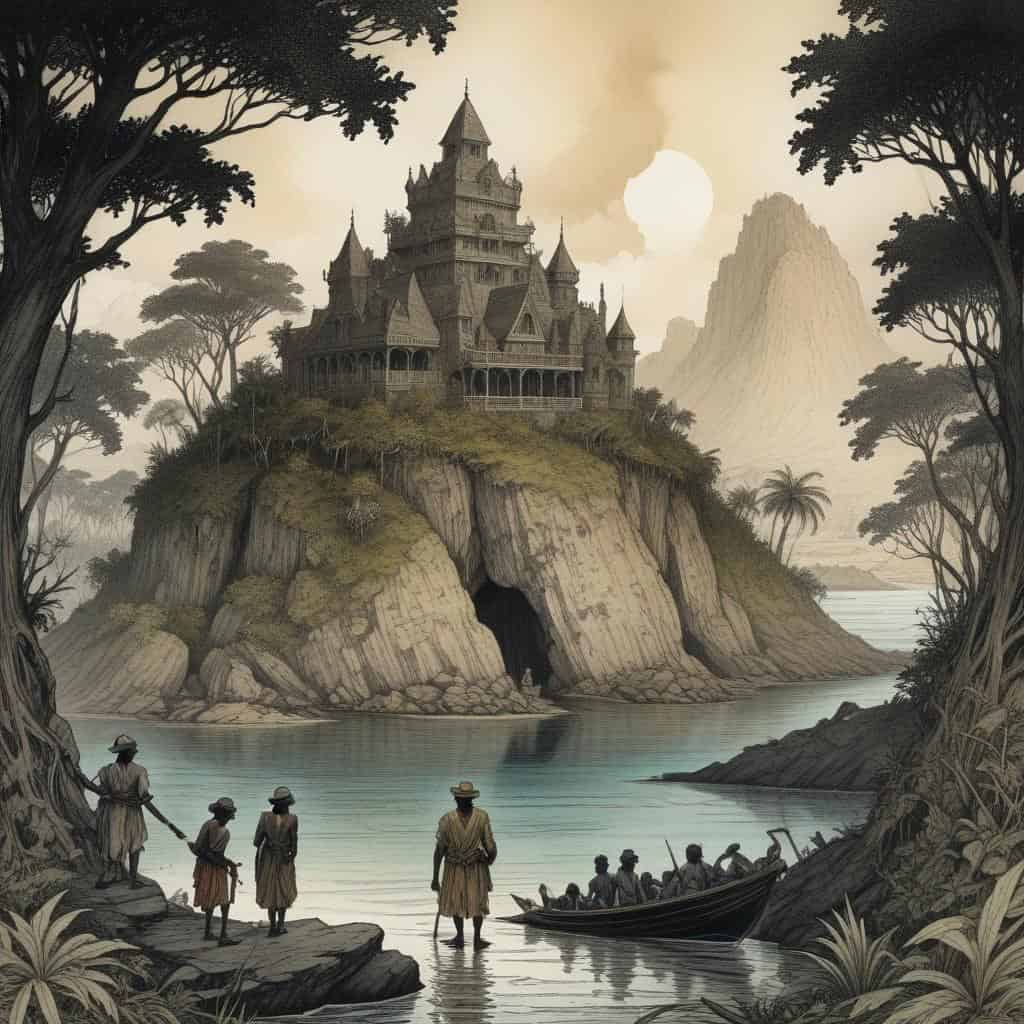
6. Learning About the Countrys History
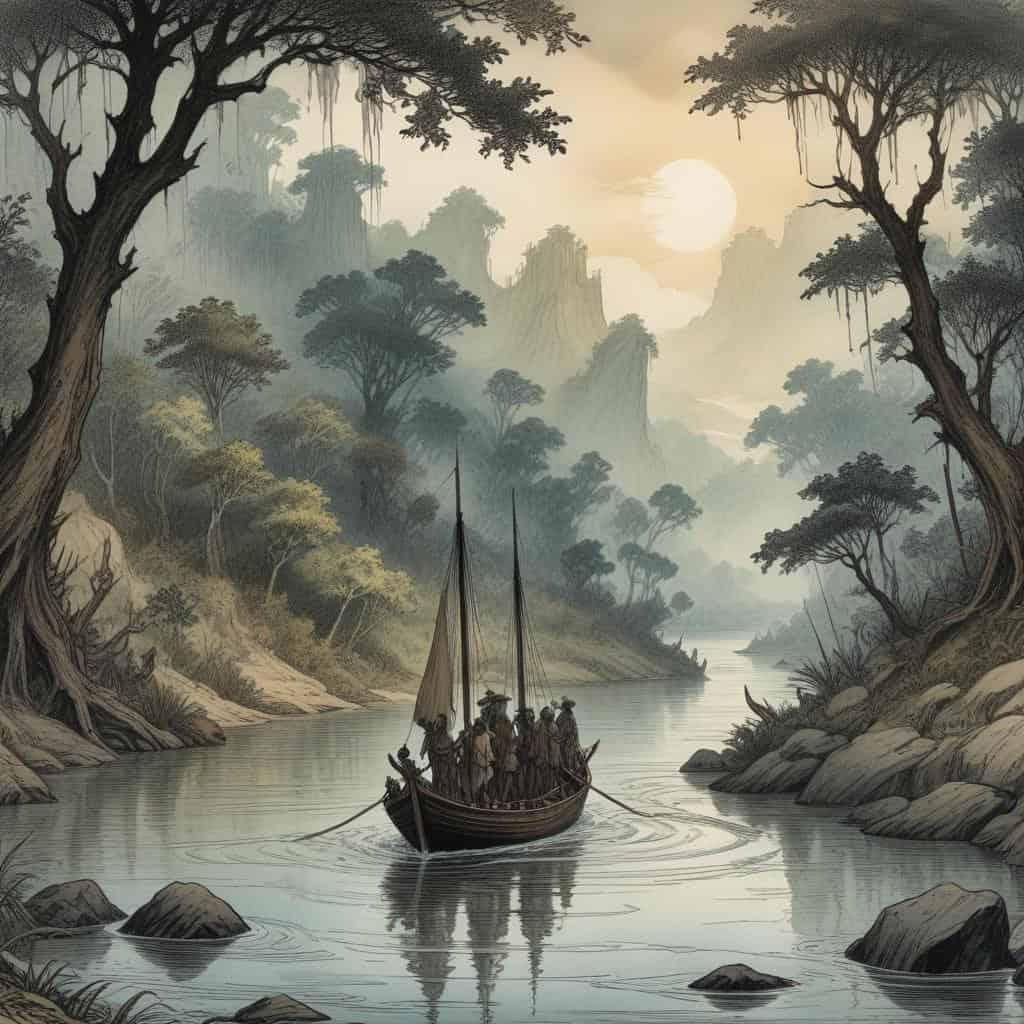
7. Embarking on a River Safari
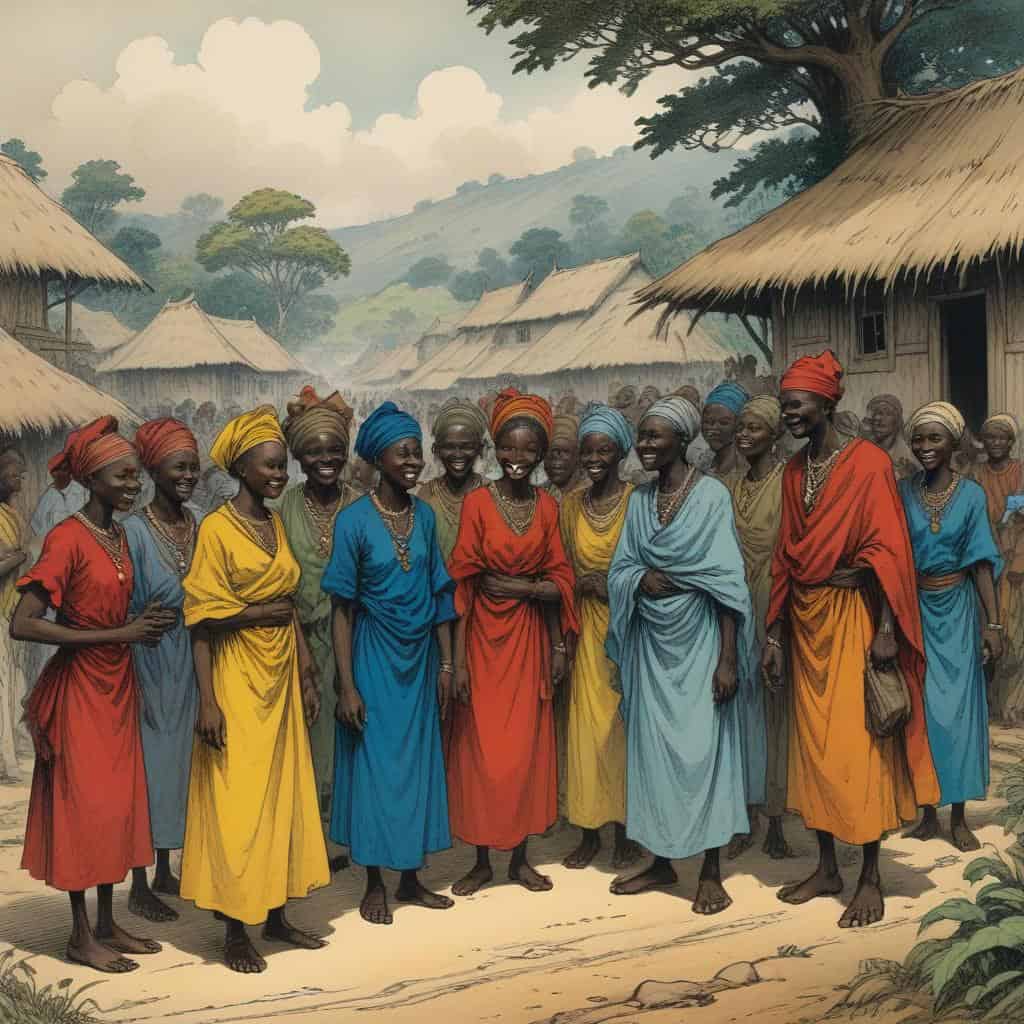
8. Meeting the Friendly Locals
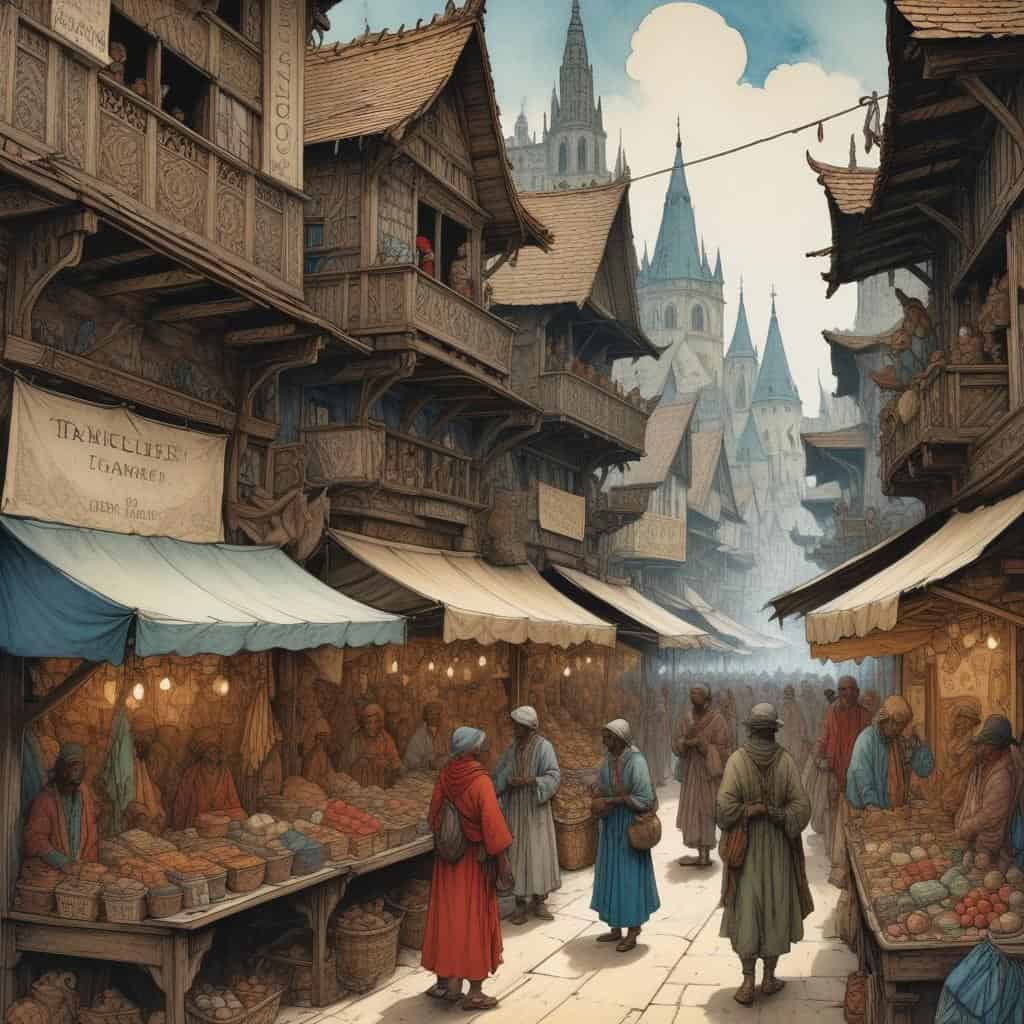
9. Shopping for Local Handicrafts
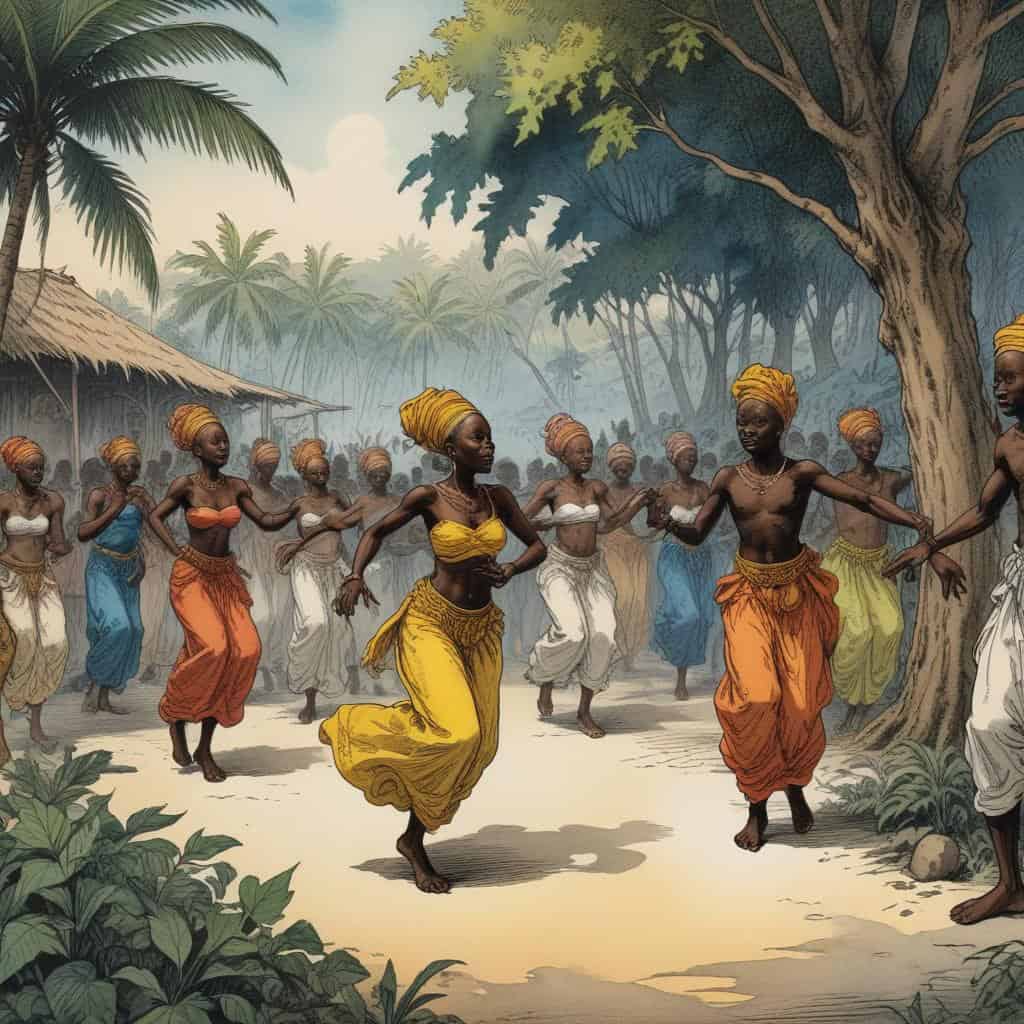
10. Enjoying the Vibrant Music and Dance Scene
Audio Library
As one of our featured lessons, this topic includes premium audio guides.
Unlock the Wizard's Cram Session
This powerful audio study guide is a Pro-exclusive feature. Upgrade to Memory Wizards Pro to access this and all of our premium learning tools.
Upgrade to ProIn a Nutshell
- Capital: Freetown
- Population: Approx. 8 million (2021)
- Official Language: English
- Currency: Sierra Leonean leone (SLL)
Breaking Down the Country
Natural Resources
Sierra Leone is rich in diamonds, gold, and other minerals, contributing to its economy and global trade.
Cultural Diversity
With over 18 ethnic groups, Sierra Leone boasts a vibrant cultural tapestry of music, dance, and traditions.
Historical Significance
From the legacy of the transatlantic slave trade to its struggle for independence, Sierra Leone's history is a testament to resilience.
Timeline of Sierra Leone
Sierra Leone is settled by the Sherbro people
The Portuguese arrive in Sierra Leone
The British establish a trading post at Bunce Island
Sierra Leone becomes a British colony
The colony is established for freed slaves from the Americas
The capital of Freetown is founded
The country gains independence from Britain
Sierra Leone becomes a republic
The country experiences a civil war
The United Nations imposes sanctions on Sierra Leone
The civil war ends with the help of UN peacekeepers
The country holds democratic elections
Sierra Leone is declared Ebola-free
The country faces economic challenges and high levels of poverty
Sierra Leone celebrates its 60th independence anniversary
The government launches initiatives to promote economic development
Sierra Leone faces challenges including corruption and political instability
The country continues to rely on foreign aid and support for development
Sierra Leone faces environmental challenges such as deforestation and climate change
The government implements measures to address these challenges
Vocabulary List
- Savanna
- The savanna landscape of Sierra Leone is characterized by grasslands and scattered trees.
- Mangrove
- The mangrove forests along the coast of Sierra Leone provide important habitats for a variety of species.
- Plateau
- The Loma Mountains in Sierra Leone are a rugged plateau region with steep cliffs and deep valleys.
- Estuary
- The estuaries of Sierra Leone's rivers are important ecosystems that support a diverse range of wildlife.
- Rainforest
- The tropical rainforests of Sierra Leone are home to a wide variety of plant and animal species, including chimpanzees and pygmy hippos.
Key Facts
This is the information used in the fact matching game
- Sierra Leone is located in West Africa and is bordered by Guinea to the north and east, Liberia to the southeast, and the Atlantic Ocean to the west and south.
- Sierra Leone has a diverse landscape that includes mountains, savannas, and coastal plains.
- The highest point in Sierra Leone is Mount Bintumani, which stands at 6,391 feet (1,948 meters) tall.
- The coastline of Sierra Leone stretches for about 250 miles (402 kilometers) along the Atlantic Ocean.
- Sierra Leone is home to several rivers, including the Rokel, Jong, and Sewa Rivers.
- The capital city of Sierra Leone, Freetown, is located on a peninsula along the Atlantic coast.
- The Western Area Peninsula Forest Reserve in Sierra Leone is a protected area that is home to a variety of plant and animal species.
- Sierra Leone has a tropical climate with a rainy season from May to November and a dry season from December to April.
- The Loma Mountains in Sierra Leone are known for their biodiversity and are home to several endemic species of plants and animals.
- The Outamba-Kilimi National Park in Sierra Leone is a protected area that is home to elephants, chimpanzees, and other wildlife.
- Sierra Leone has several diamond mines, including the famous Koidu Kimberlite pipe.
- The Turtle Islands in Sierra Leone are a group of small islands known for their sandy beaches and coral reefs.
- The Gola Forest Reserve in Sierra Leone is a UNESCO World Heritage Site that is home to a variety of rare and endangered species.
- Sierra Leone has a rich history of agriculture, with crops such as rice, cassava, and cocoa being grown in the country.
- The Kangari Hills Forest Reserve in Sierra Leone is a protected area that is home to a variety of bird species.
- Sierra Leone has several national parks and reserves, including the Tiwai Island Wildlife Sanctuary and the Gola Rainforest National Park.
- The Tingi Hills Forest Reserve in Sierra Leone is a protected area that is known for its unique plant and animal species.
- Sierra Leone is prone to natural disasters such as flooding and landslides, particularly during the rainy season.
- The Moa River in Sierra Leone is known for its rapids and is popular among kayakers and whitewater enthusiasts.
- The Sierra Leone River is the longest river in Sierra Leone and flows for about 250 miles (400 kilometers) before emptying into the Atlantic Ocean.
Why It Matters
Geopolitical Significance
Situated on the west coast of Africa, Sierra Leone’s position has historically made it a key player in the transatlantic slave trade and colonial struggles. Its location on the Atlantic Ocean has influenced its relationships with neighboring countries and global powers.
Historical Importance
Sierra Leone has a complex history, marked by British colonization, the settlement of freed slaves, and a devastating civil war. It is known for its cultural diversity, rich traditions, and resilience in the face of adversity.
Modern-Day Role
Today, Sierra Leone is striving for stability and economic growth after years of conflict. It plays a role in regional peacekeeping efforts and is working to strengthen governance and infrastructure to improve the quality of life for its citizens.
Sierra Leone Games


Take Your Learning Offline
Want a convenient, print-ready study guide for this lesson? Become a Memory Wizards Pro member to unlock the downloadable " Memory Scrolls" for this topic and our entire library!
- ✓ Complete Vocabulary Lists
- ✓ Key Facts & Timelines
- ✓ Beautifully Formatted for Print & Mobile