
How Do You Learn Best?
Learn by Listening
Start with the 3-minute audio summary to get the key facts and narrative highlights quickly.
Learn by Reading
Immerse yourself in the 10-minute visual lesson for a comprehensive understanding of the topic.
Learn by Reviewing
Jump directly to the key facts, timeline, and vocabulary lists to build a solid foundation of details.
Learn by Doing
Challenge yourself! Jump straight into the interactive games to learn by trial, error, and discovery.
Sao Tome And Principe in 10 Minutes
Introduction
Fernando Po
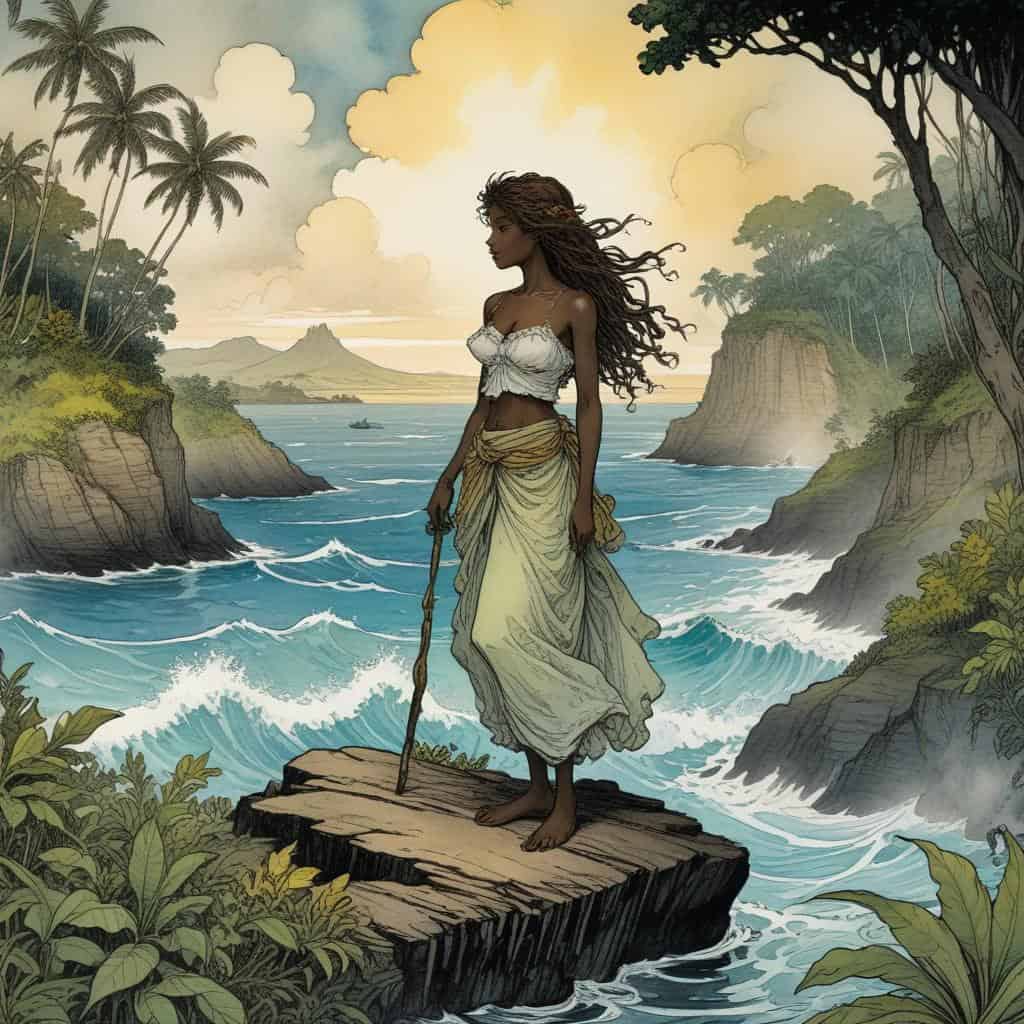
Amelia dos Santos
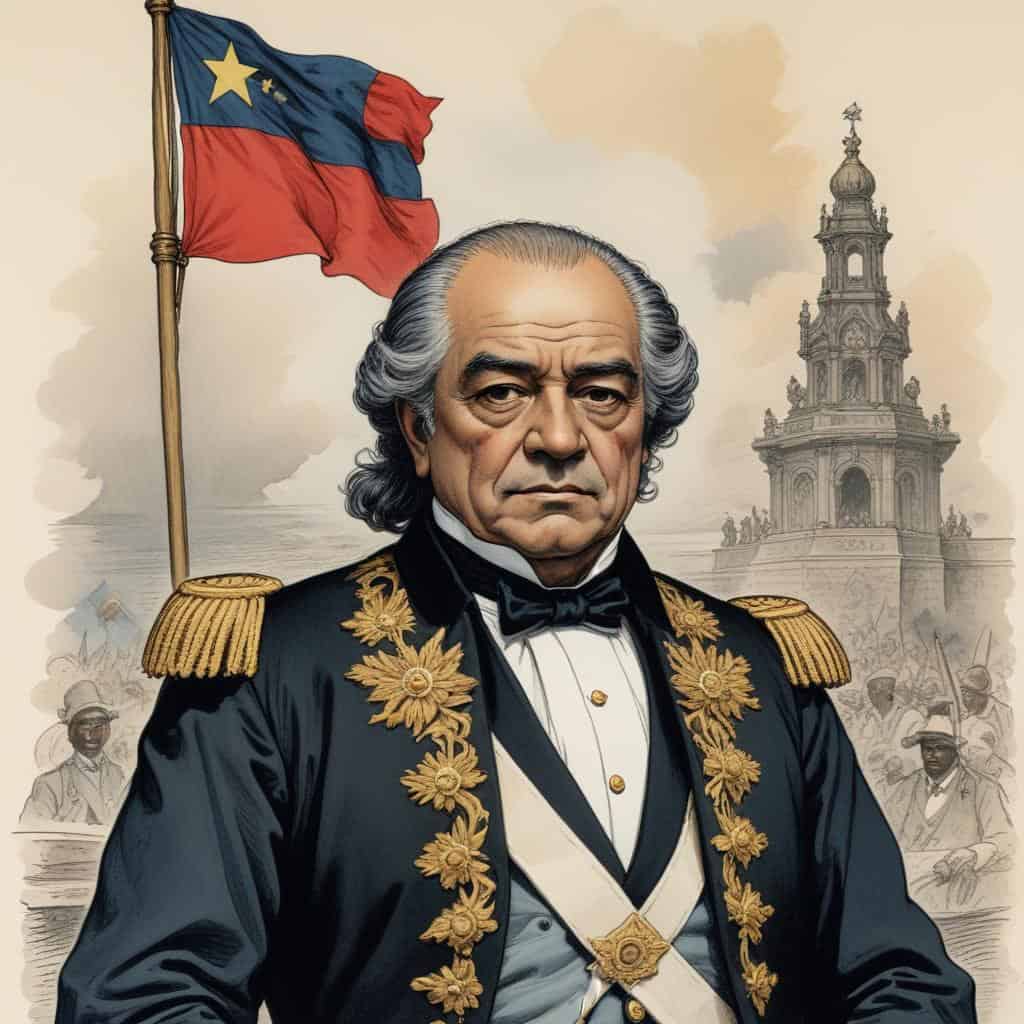
Manuel Pinto da Costa

Isabel dos Santos
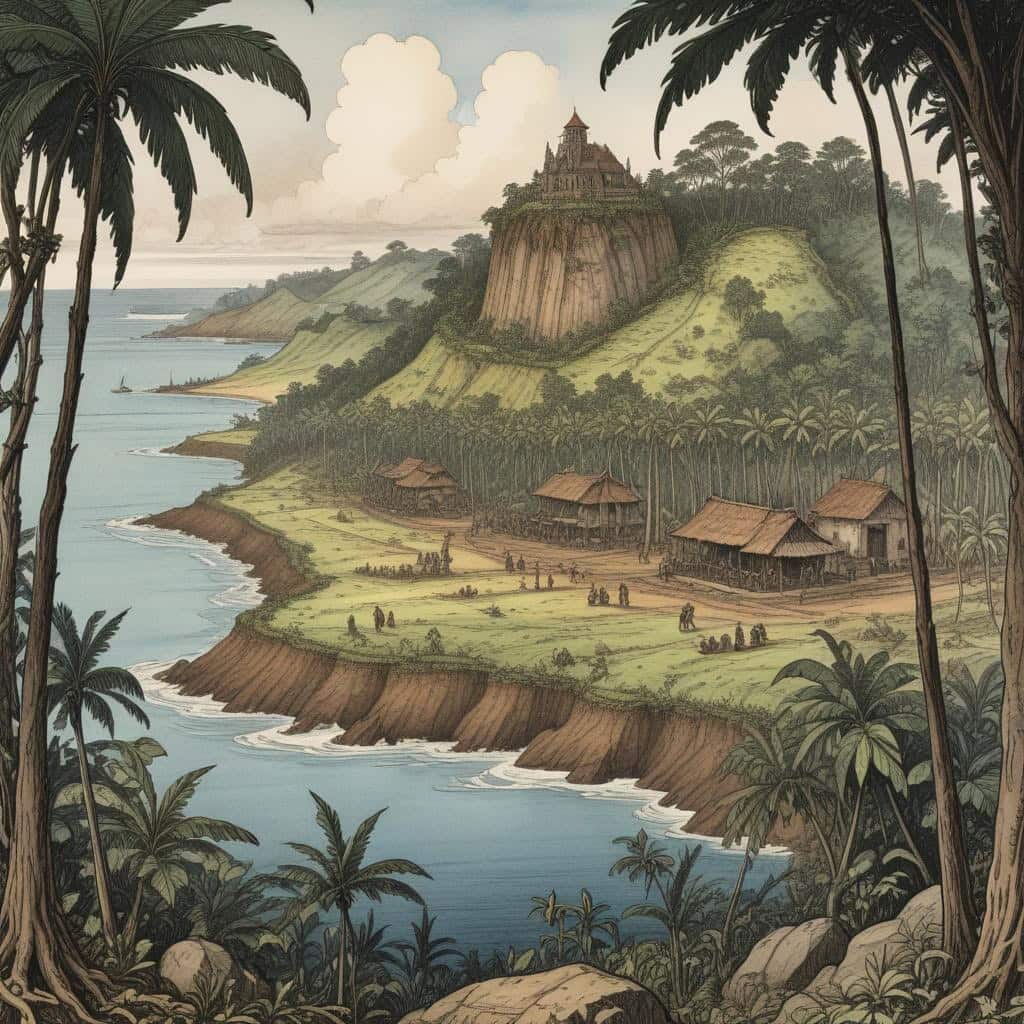
Colonization by the Portuguese
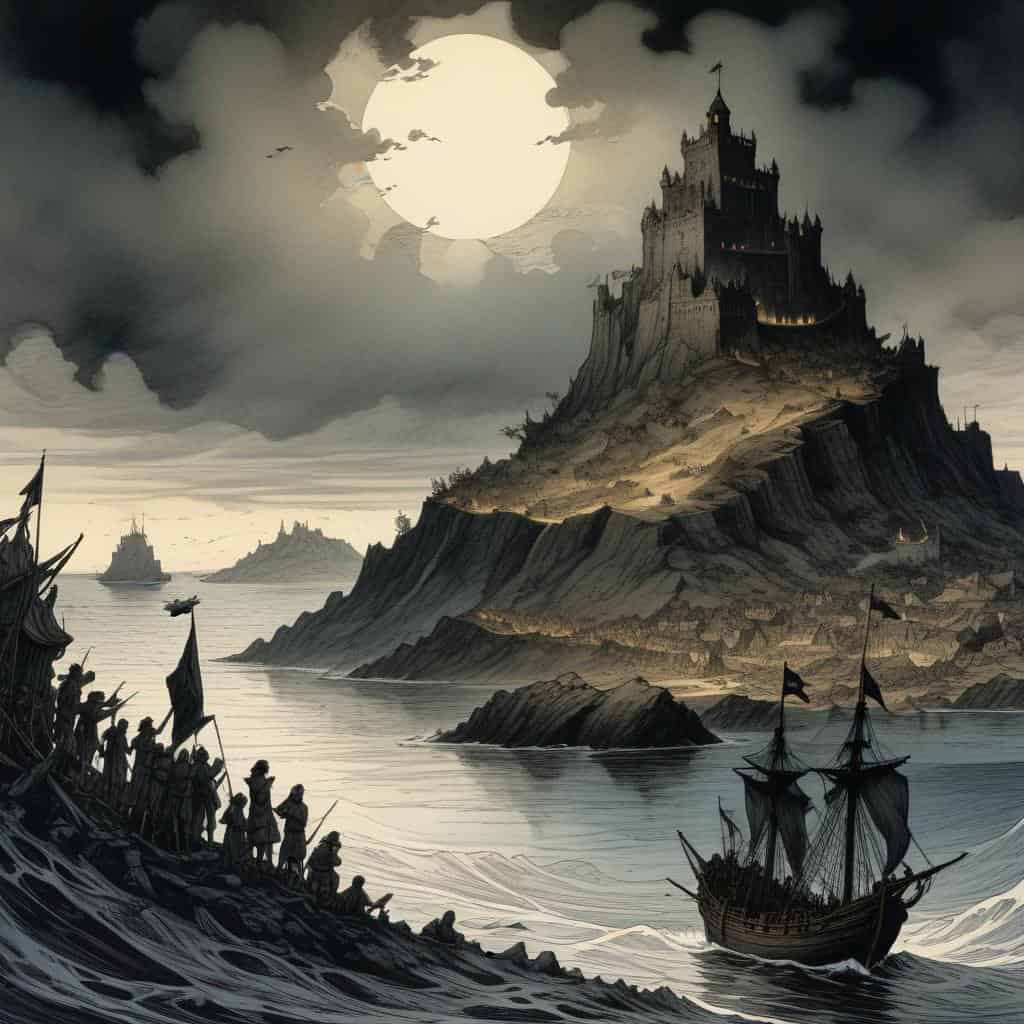
Independence and Political Instability
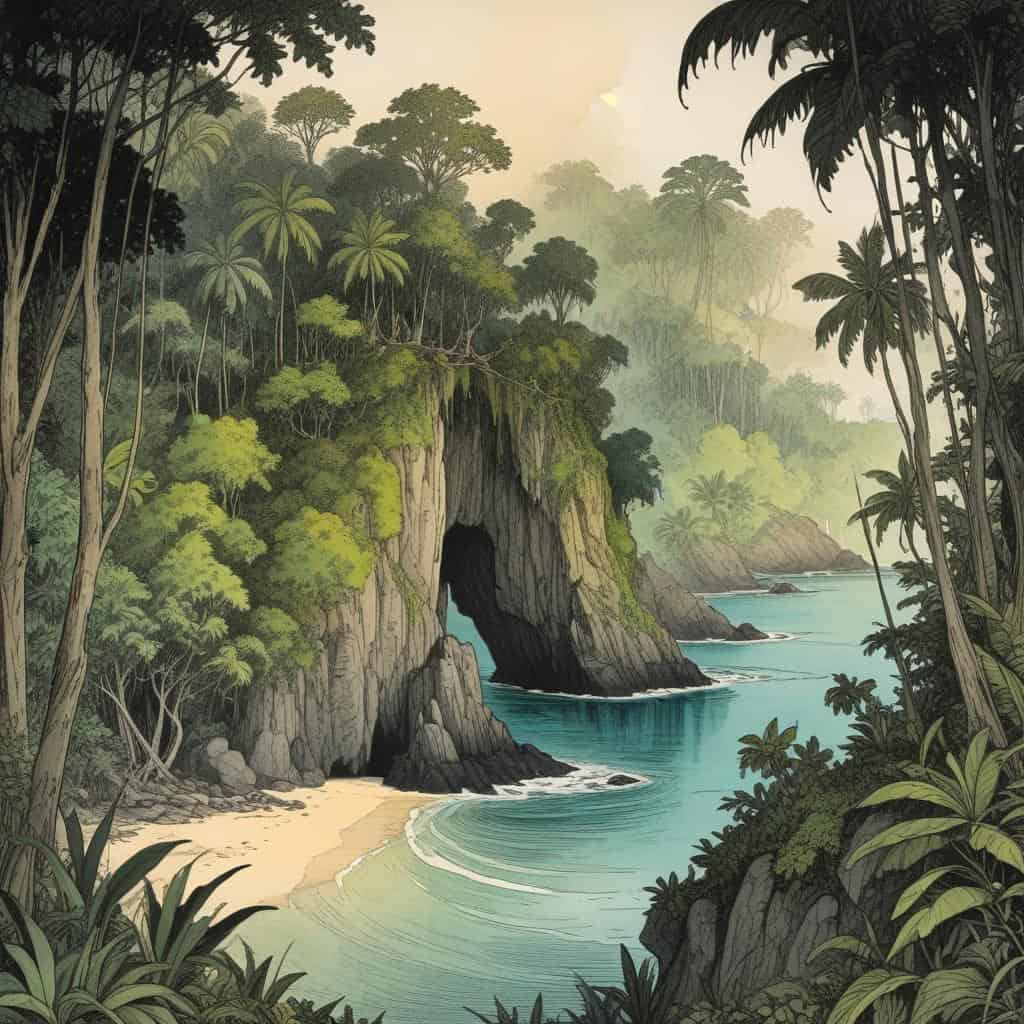
Natural Beauty and Tourism
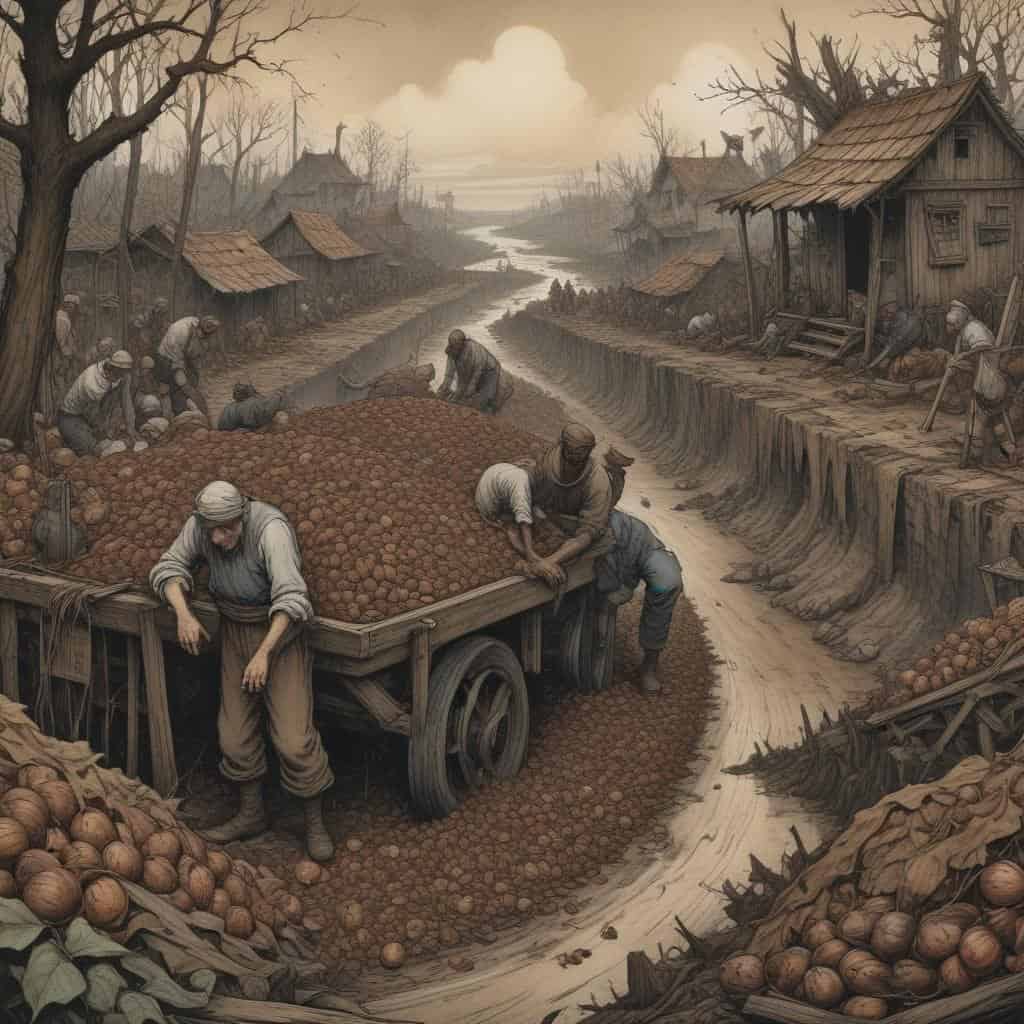
Economic Challenges
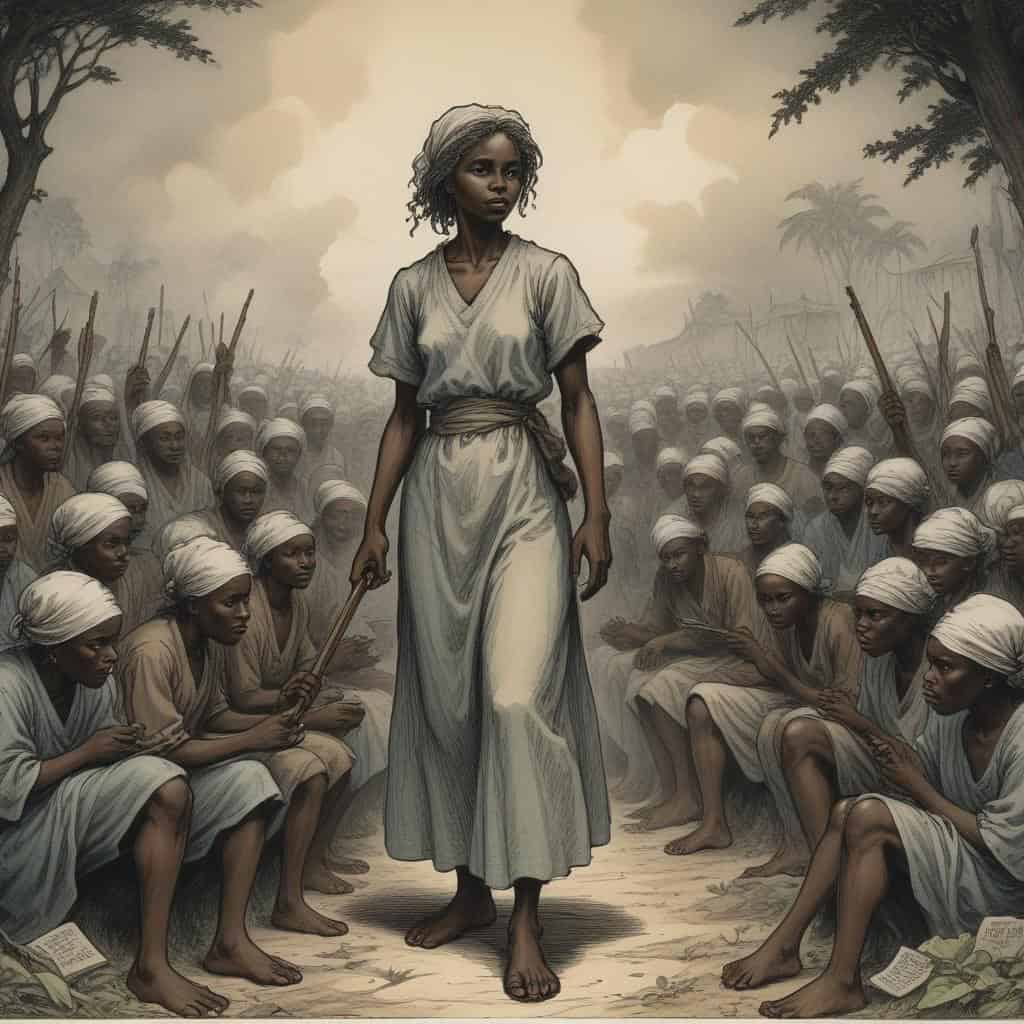
Healthcare and Education
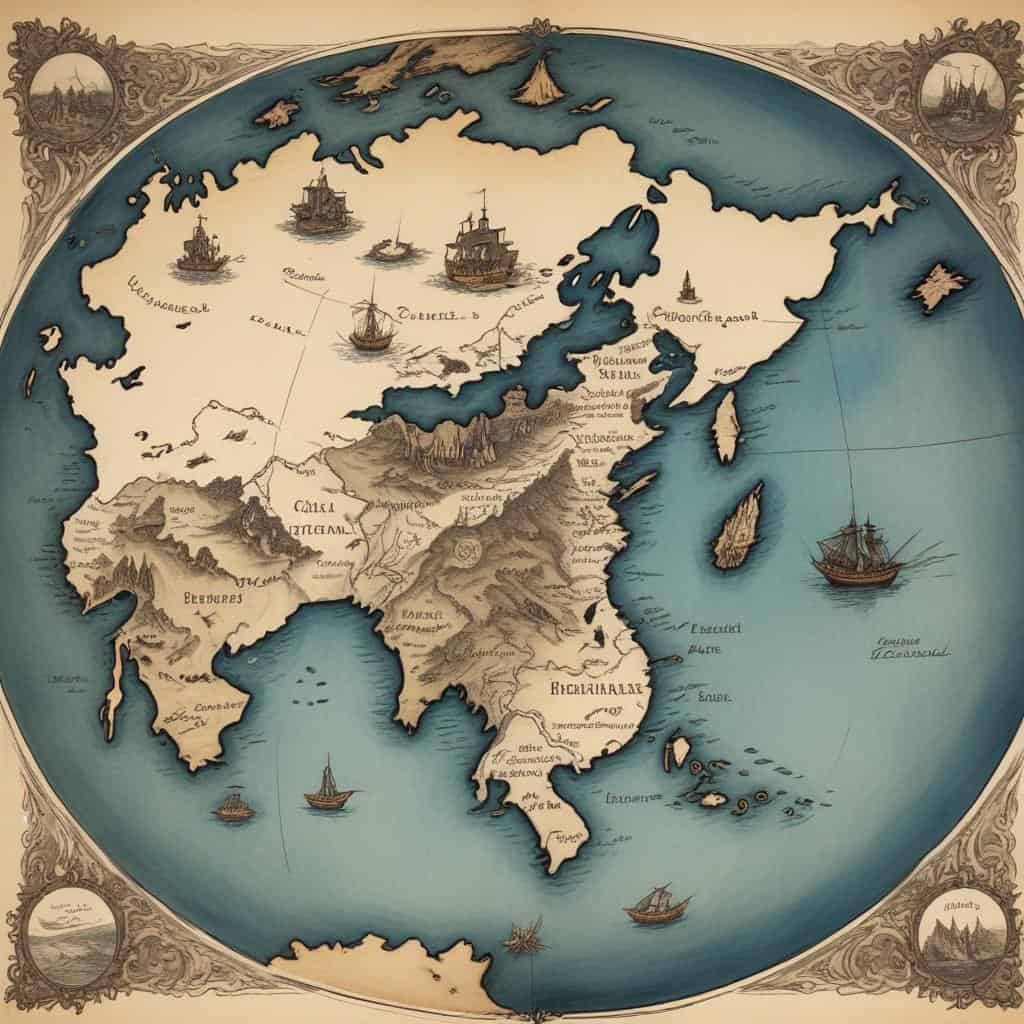
Foreign Relations
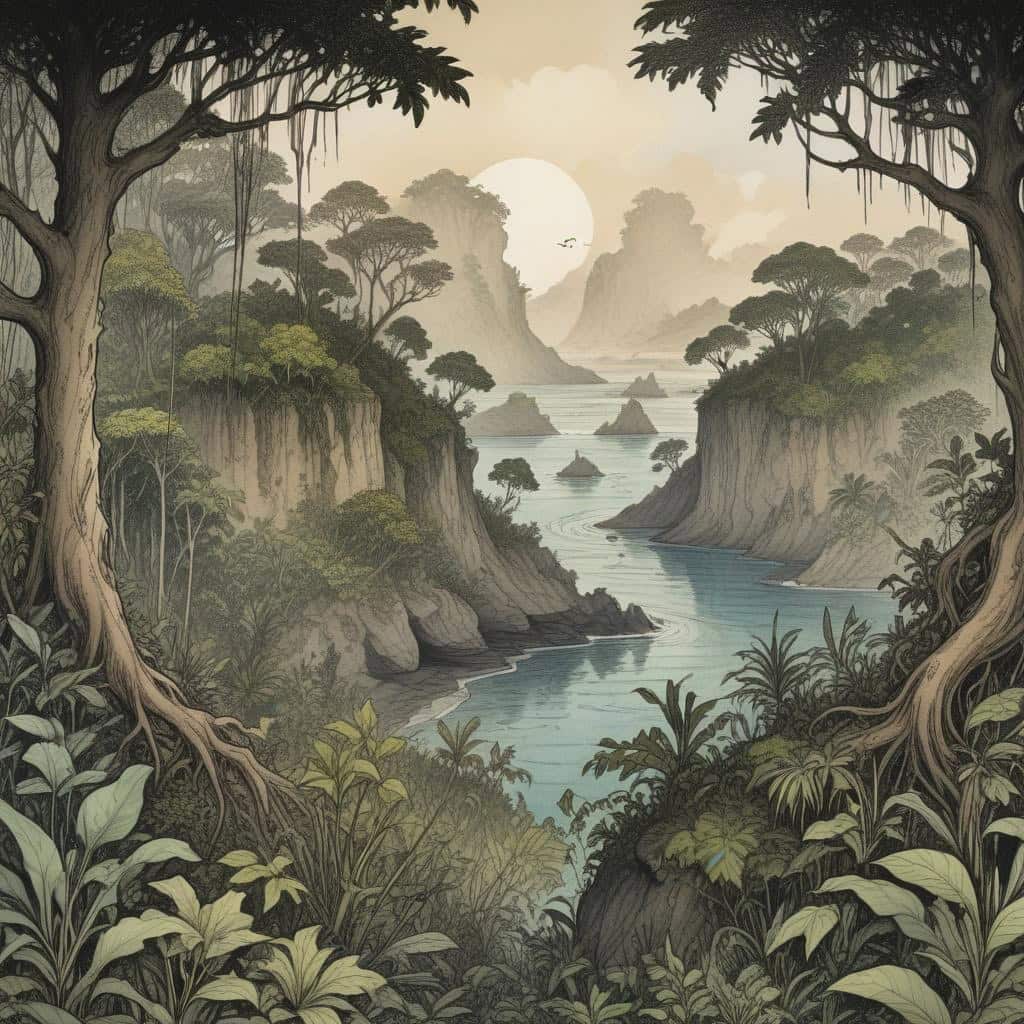
Environmental Conservation
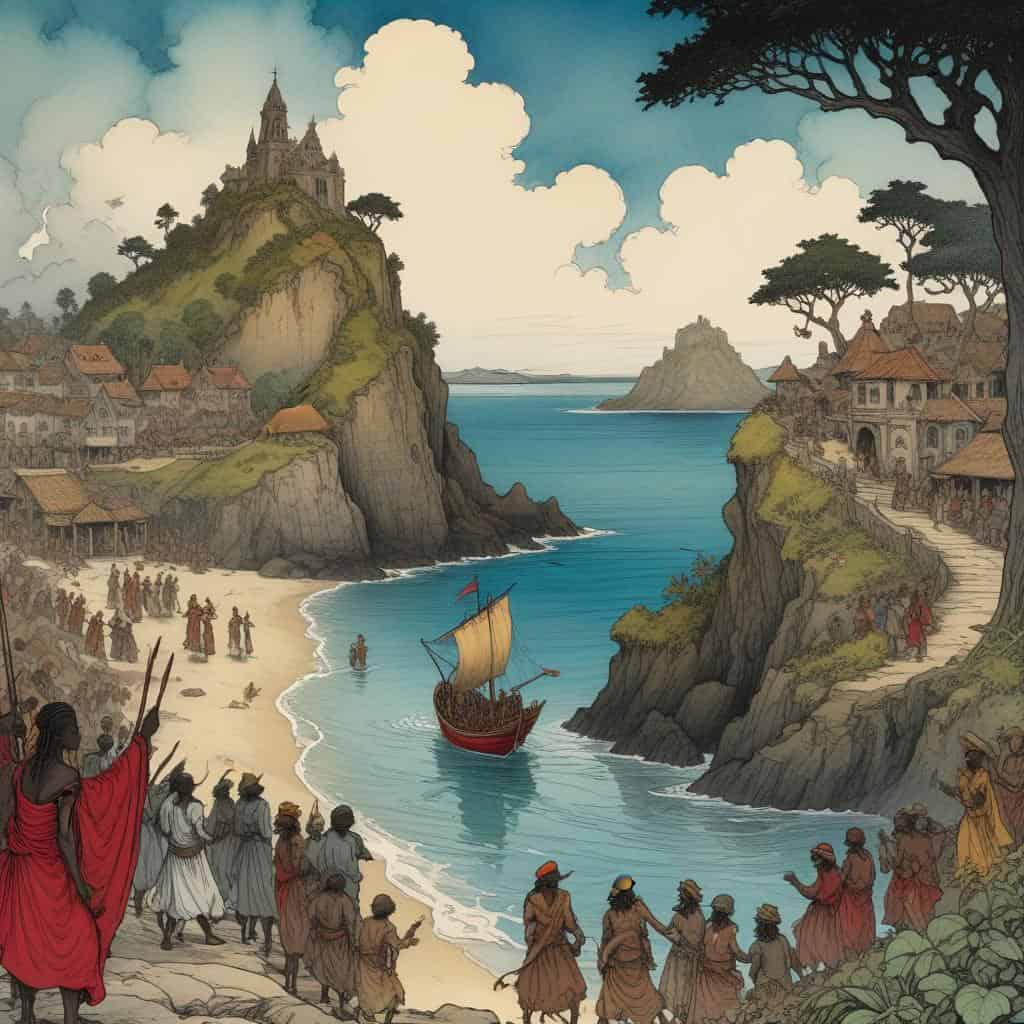
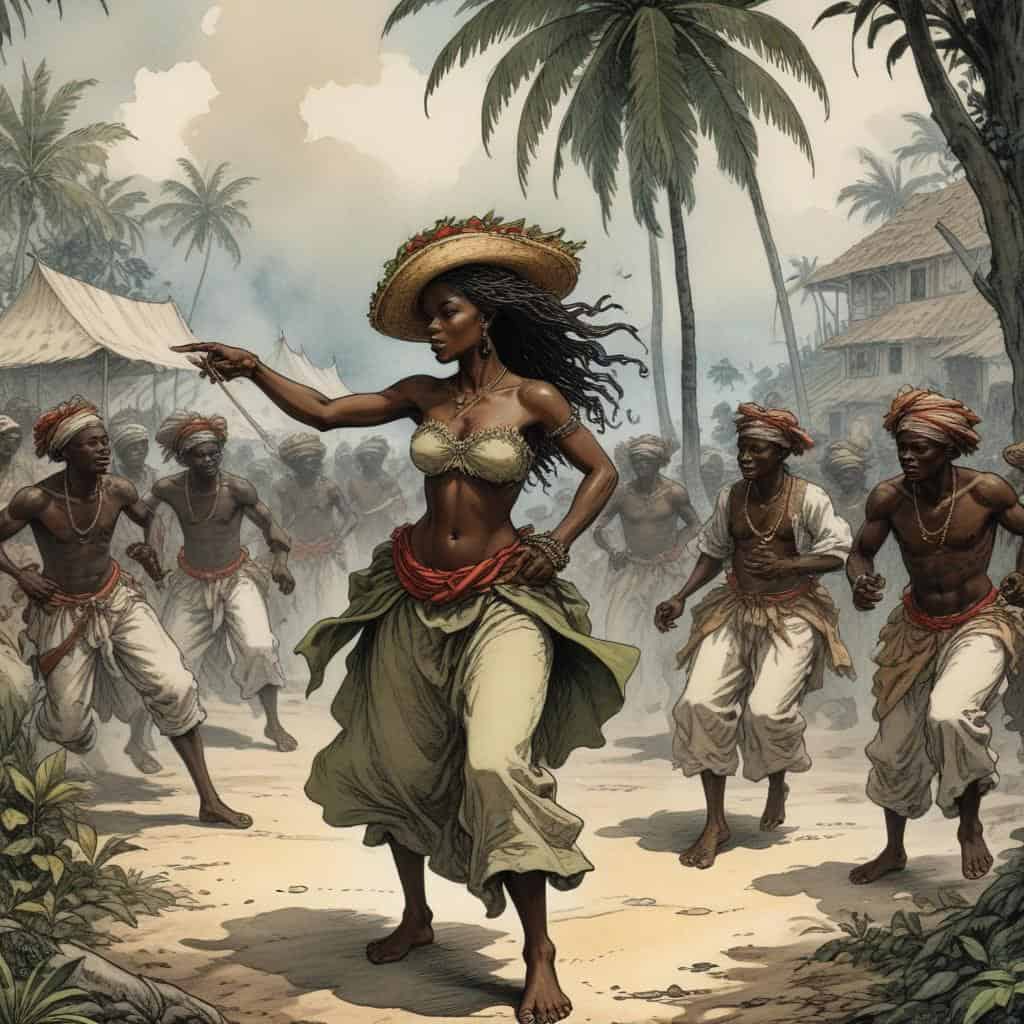
Cultural Heritage
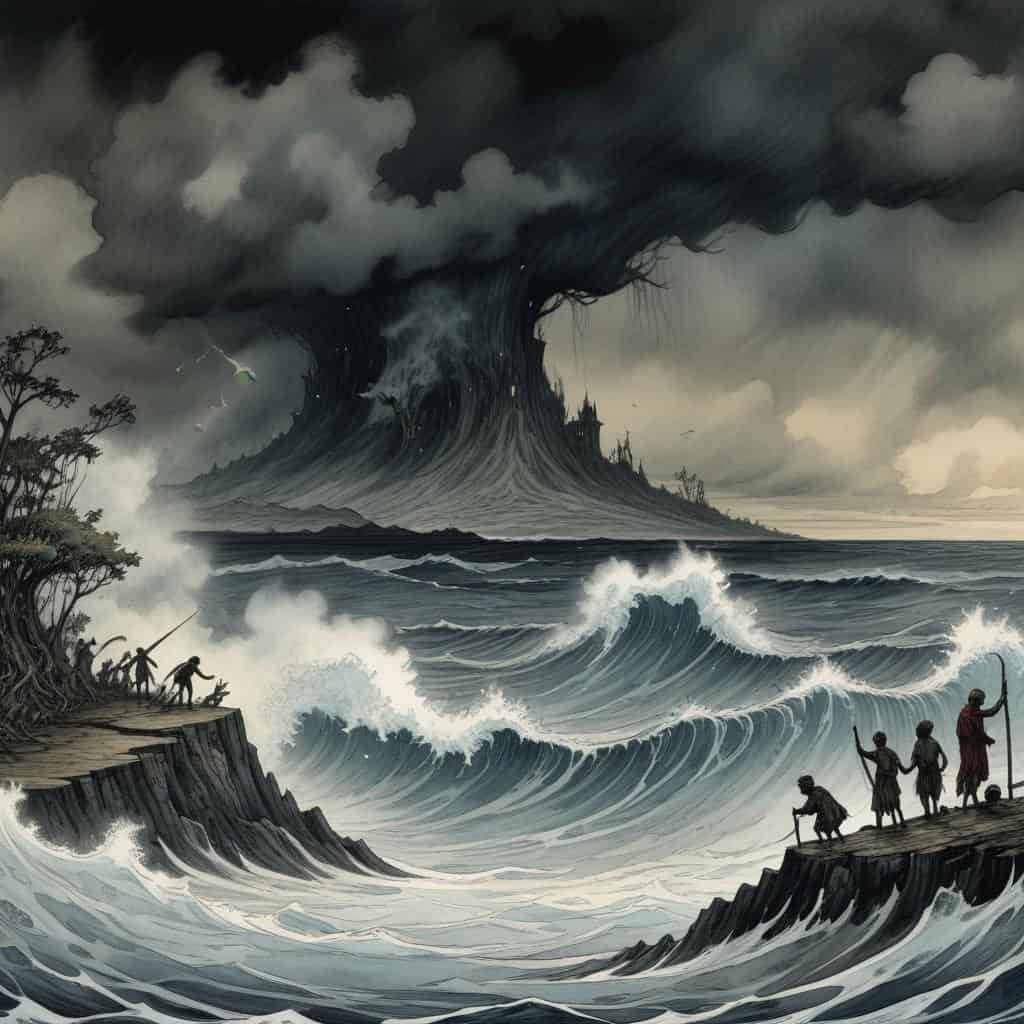
Challenges of Climate Change
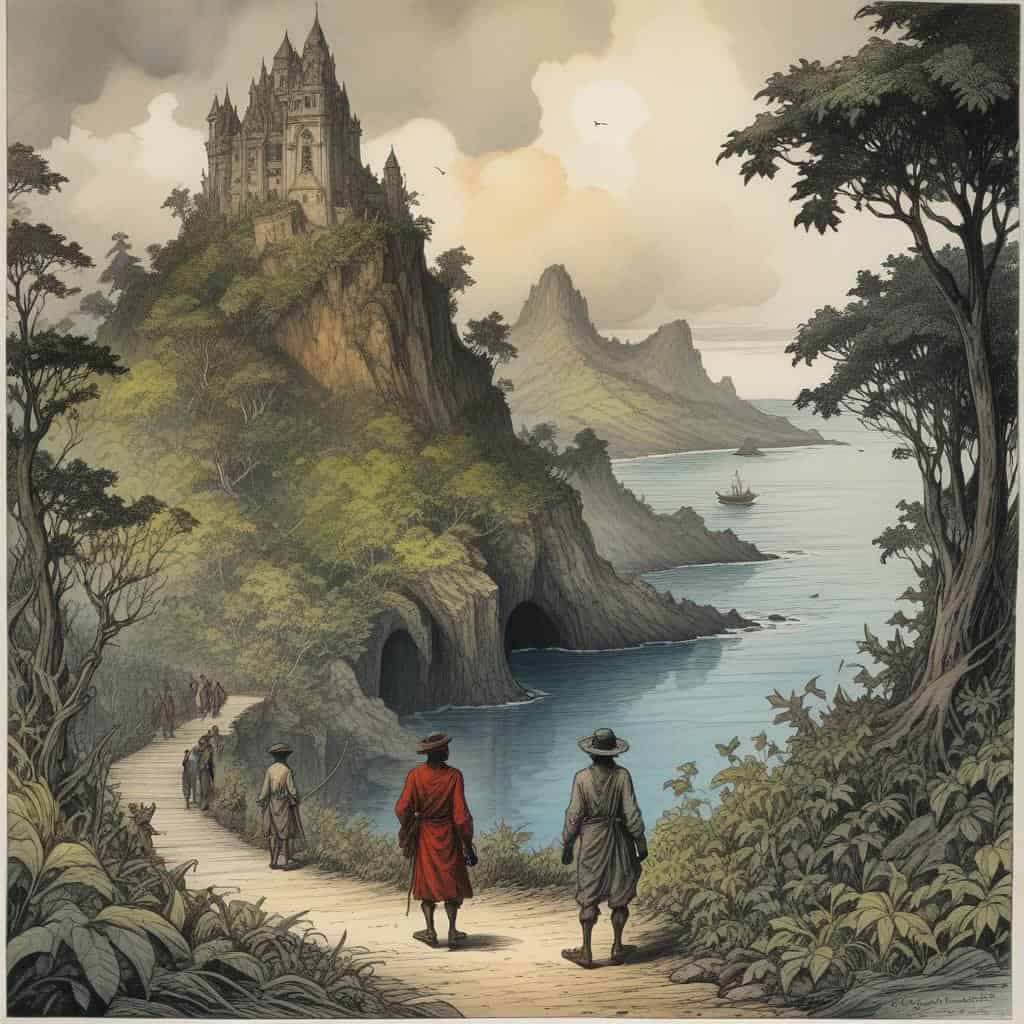
Future Prospects
Audio Library
As one of our featured lessons, this topic includes premium audio guides.
Unlock the Wizard's Cram Session
This powerful audio study guide is a Pro-exclusive feature. Upgrade to Memory Wizards Pro to access this and all of our premium learning tools.
Upgrade to ProIn a Nutshell
- Capital: Sao Tome
- Population: Approx. 219,159 (2021)
- Official Language: Portuguese
- Currency: Sao Tome and Principe dobra (STN)
Breaking Down the Country
Tropical Paradise
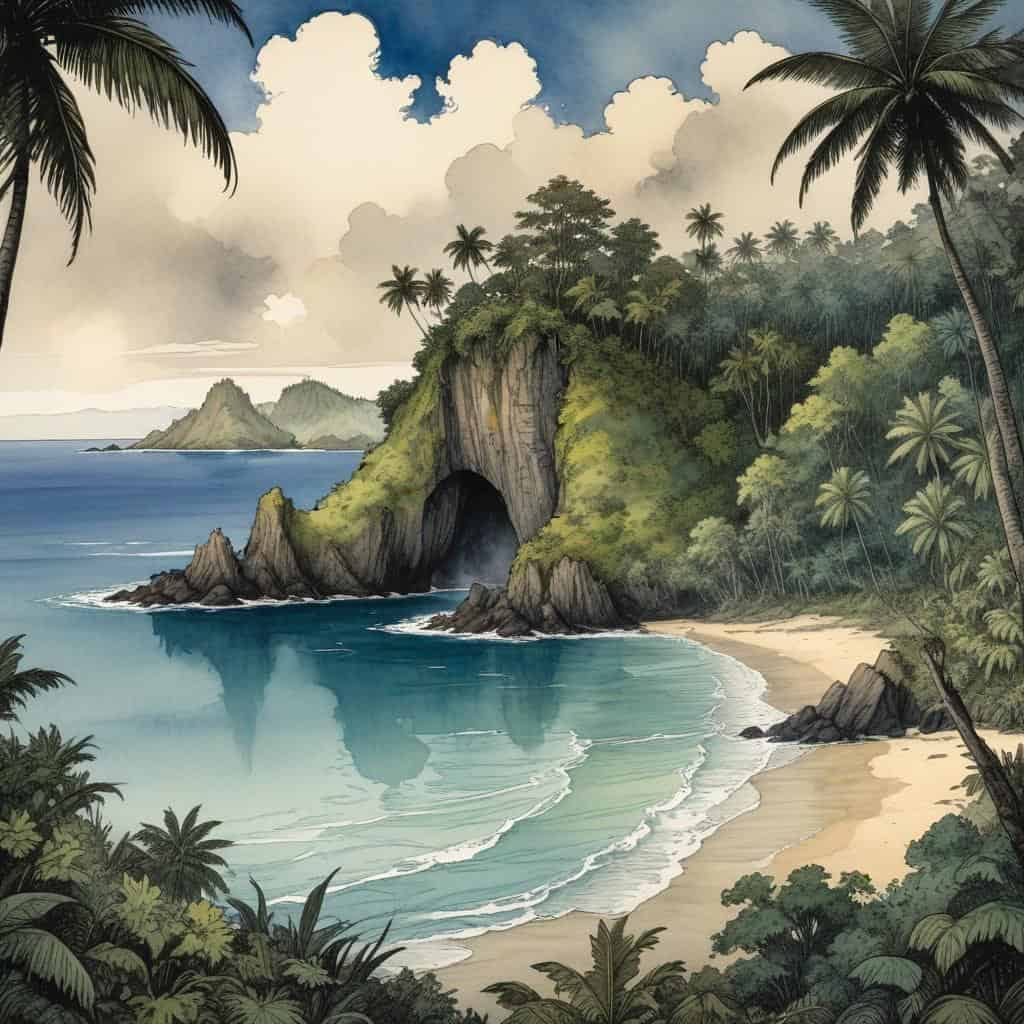
Sao Tome and Principe is a tropical paradise with lush rainforests, pristine beaches, and vibrant coral reefs teeming with marine life.
Colonial Heritage
The islands bear the mark of Portuguese colonial rule, visible in their architecture, language, and culinary traditions.
Biodiversity Hotspot
Sao Tome and Principe is a biodiversity hotspot, home to unique species found nowhere else on Earth, making it a must-visit for nature enthusiasts.
Timeline of Sao Tome And Principe
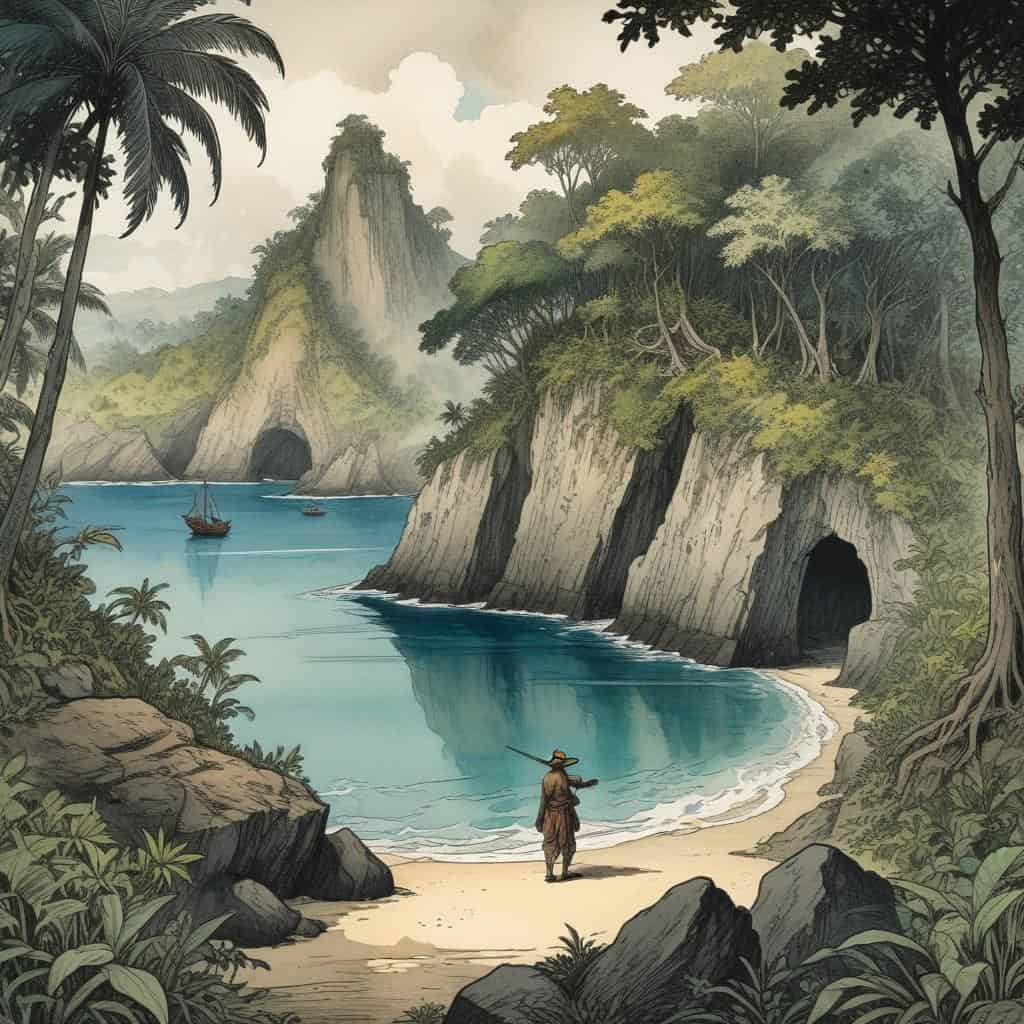
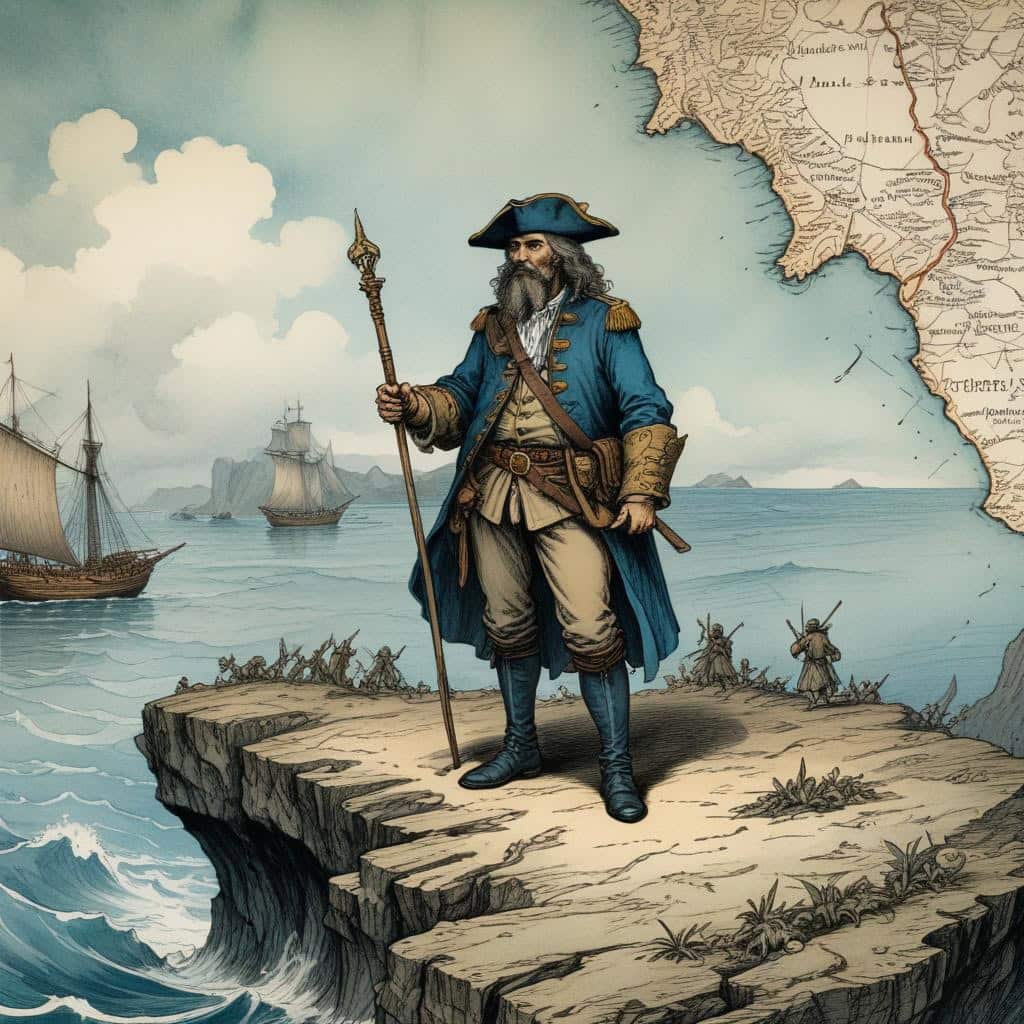
Portuguese explorers discover Sao Tome and Principe islands
First sugar plantations established on the islands
Sao Tome and Principe become a major hub for the transatlantic slave trade
Abolition of slavery on the islands
Sao Tome and Principe become a Portuguese colony
Independence from Portugal
One-party state established under the Movement for the Liberation of Sao Tome and Principe (MLSTP)
Introduction of multiparty democracy
First democratic elections held
Economic reforms implemented to promote private sector growth
Discovery of oil reserves off the coast of Sao Tome and Principe
Joint development zone established with Nigeria for oil exploration
Peaceful transfer of power between political parties
Renewable energy projects launched to reduce dependence on imported oil
Sao Tome and Principe become a member of the Community of Portuguese Language Countries (CPLP)
Diplomatic relations established with Taiwan
Sao Tome and Principe cut ties with Taiwan and establish relations with China
Election of Evaristo Carvalho as President
Election of Jorge Bom Jesus as Prime Minister
COVID-19 pandemic impacts the islands' economy and tourism sector
Vocabulary List
- Sao Tome
- The largest island in the country of Sao Tome and Principe.
- Principe
- The smaller of the two main islands that make up the country of Sao Tome and Principe.
- Cocoa
- One of the main exports of Sao Tome and Principe is cocoa.
- Plantation
- Many of the cocoa plantations in Sao Tome and Principe were originally established by Portuguese colonizers.
- Creole
- The people of Sao Tome and Principe speak a creole language called Forro.
- Independence
- Sao Tome and Principe gained independence from Portugal in 1975.
- Equator
- Sao Tome and Principe is located just north of the equator in the Gulf of Guinea.
- Fishing
- Fishing is an important industry in Sao Tome and Principe, particularly for tuna and mackerel.
- UNESCO
- UNESCO has recognized the historical city center of Sao Tome as a World Heritage Site.
- Malaria
- Malaria is a common health concern in Sao Tome and Principe.
- Poverty
- Despite its natural beauty and resources, Sao Tome and Principe faces challenges related to poverty and economic development.
Key Facts
This is the information used in the fact matching game
- Sao Tome and Principe is a small island nation located in the Gulf of Guinea, off the coast of Central Africa.
- The official language of Sao Tome and Principe is Portuguese.
- Sao Tome and Principe gained independence from Portugal on July 12, 1975.
- The country's capital city is Sao Tome.
- Sao Tome and Principe is known for its cocoa production, with cocoa being its main export.
- The country has a tropical climate with high humidity and abundant rainfall.
- Sao Tome and Principe is one of the smallest countries in Africa, both in terms of population and land area.
- The country's economy is heavily dependent on agriculture, particularly cocoa and coffee production.
- Sao Tome and Principe is a member of the African Union, the United Nations, and the Community of Portuguese Language Countries.
- The country has a literacy rate of around 95%, one of the highest in Africa.
- The islands of Sao Tome and Principe were uninhabited until they were discovered by Portuguese explorers in the late 15th century.
- The country has a population of approximately 219,000 people.
- Sao Tome and Principe is a popular destination for eco-tourism, with its lush rainforests and pristine beaches.
- The country has a mixed legal system based on Portuguese civil law and customary law.
- Sao Tome and Principe has a high level of income inequality, with a significant wealth gap between the rich and the poor.
- The islands of Sao Tome and Principe are volcanic in origin, with rugged landscapes and fertile soil.
- The country has a tropical rainforest climate, with temperatures averaging around 27°C (80°F) year-round.
- Sao Tome and Principe has a small fishing industry, with fish being an important source of protein for the population.
- The country has a high level of biodiversity, with many endemic plant and animal species found nowhere else in the world.
- Sao Tome and Principe has a stable political system, with regular democratic elections and a multi-party system.
Why It Matters
Geopolitical Significance
Sao Tome and Principe’s location in the Gulf of Guinea gives it strategic importance in maritime trade routes and regional security. Its proximity to major shipping lanes and oil reserves in the Gulf makes it a key player in West African geopolitics.
Historical Importance
As a former Portuguese colony, Sao Tome and Principe has a history shaped by colonialism, slavery, and independence struggles. The islands were once major producers of cocoa, leading to a diverse population with African, European, and Creole influences.
Modern-Day Role
Today, Sao Tome and Principe faces challenges of sustainable development, governance, and economic diversification. Its partnership with international organizations and efforts to promote ecotourism highlight its ambitions for growth and stability in the region.
Sao Tome And Principe Games


Take Your Learning Offline
Want a convenient, print-ready study guide for this lesson? Become a Memory Wizards Pro member to unlock the downloadable " Memory Scrolls" for this topic and our entire library!
- ✓ Complete Vocabulary Lists
- ✓ Key Facts & Timelines
- ✓ Beautifully Formatted for Print & Mobile