Niger

Unlock the mysteries of the Sahara and vibrant culture of Niger.

How Do You Learn Best?

Note: You can explore any or all of these paths in any order you prefer!

Niger in 10 Minutes

Introduction

Introduction

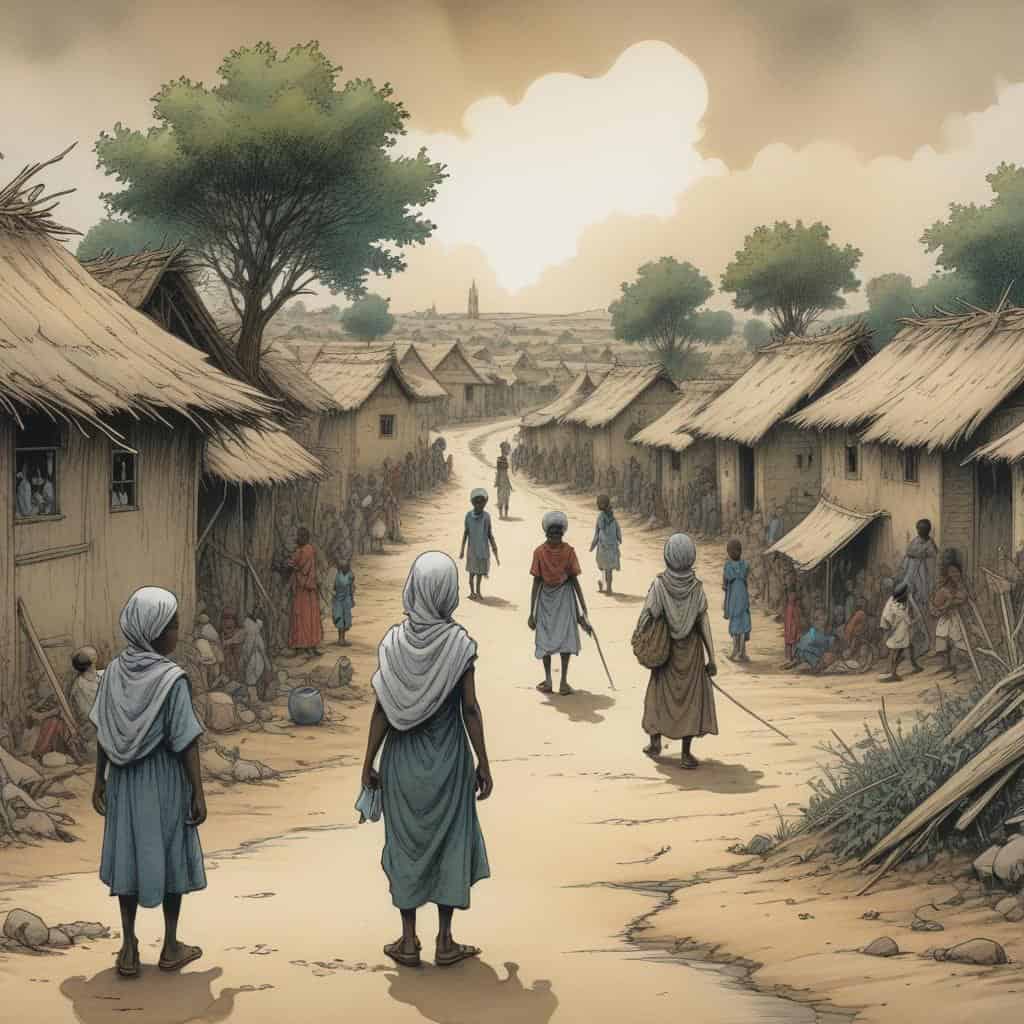
Niger, a landlocked country in West Africa, is a place of rich culture and history. From its diverse landscapes to its vibrant communities, Niger offers a unique experience for travelers and researchers alike. In this article, we will provide a quick overview of Niger, highlighting key points and facts about this fascinating country.

Whether you're interested in the Sahara Desert, the Niger River, or the diverse wildlife that calls Niger home, there is something for everyone to discover in this African nation. With a population of over 22 million people, Niger has a rich tapestry of cultures and traditions that have been passed down through generations. From traditional music and dance to delicious cuisine, Niger offers a glimpse into the heart of West Africa.

Join us as we take a closer look at Niger, exploring its history, geography, and people. From its independence in 1960 to its recent economic growth, Niger has a story to tell that is both inspiring and complex. So sit back, relax, and let us guide you through this concise summary of Niger, a country that is sure to leave a lasting impression on all who visit.

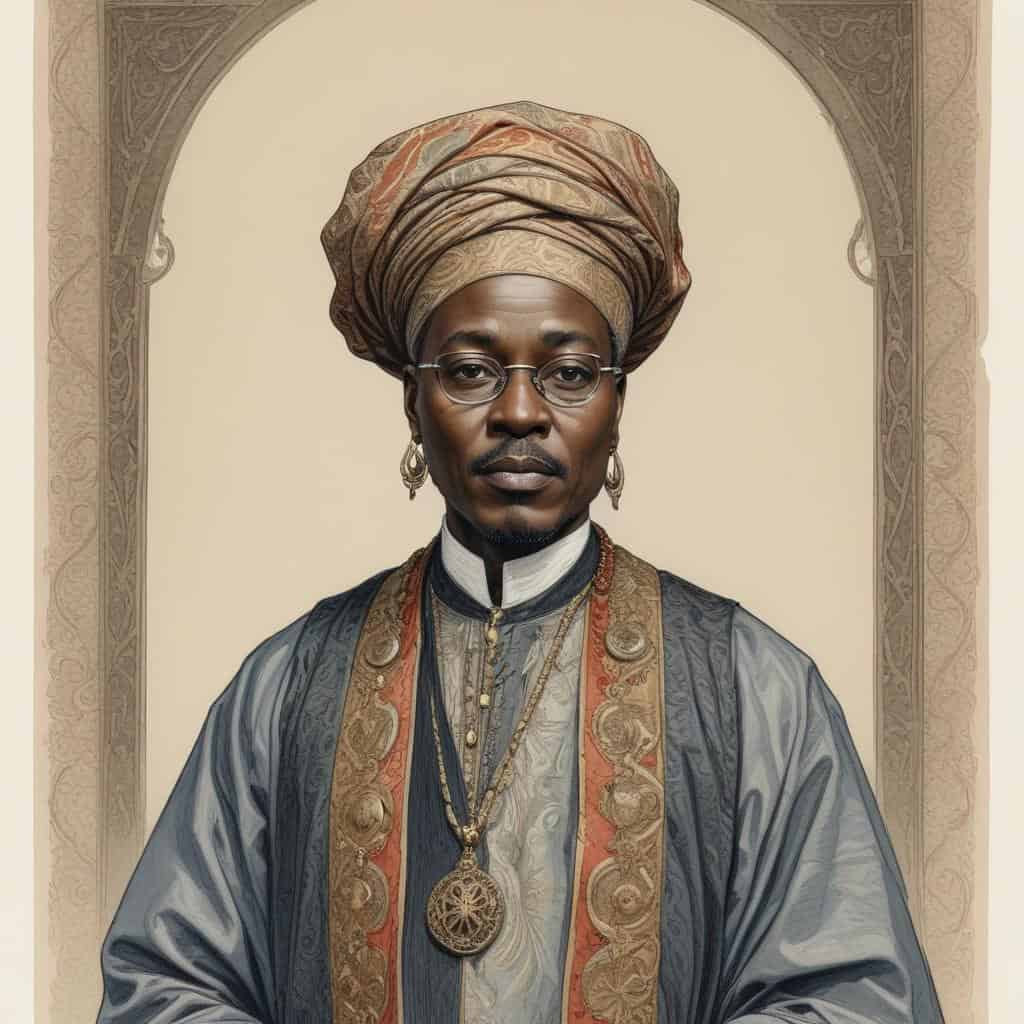
Mahamadou Issoufou

Mahamadou Issoufou

Mahamadou Issoufou is the current President of Niger, serving since 2011. He is known for his efforts in promoting peace and stability in the region.

A\u00efchatou Boulama Kan\u00e9

Aïchatou Boulama Kané

Aïchatou Boulama Kané is the Minister of Foreign Affairs of Niger, playing a key role in representing the country on the international stage.

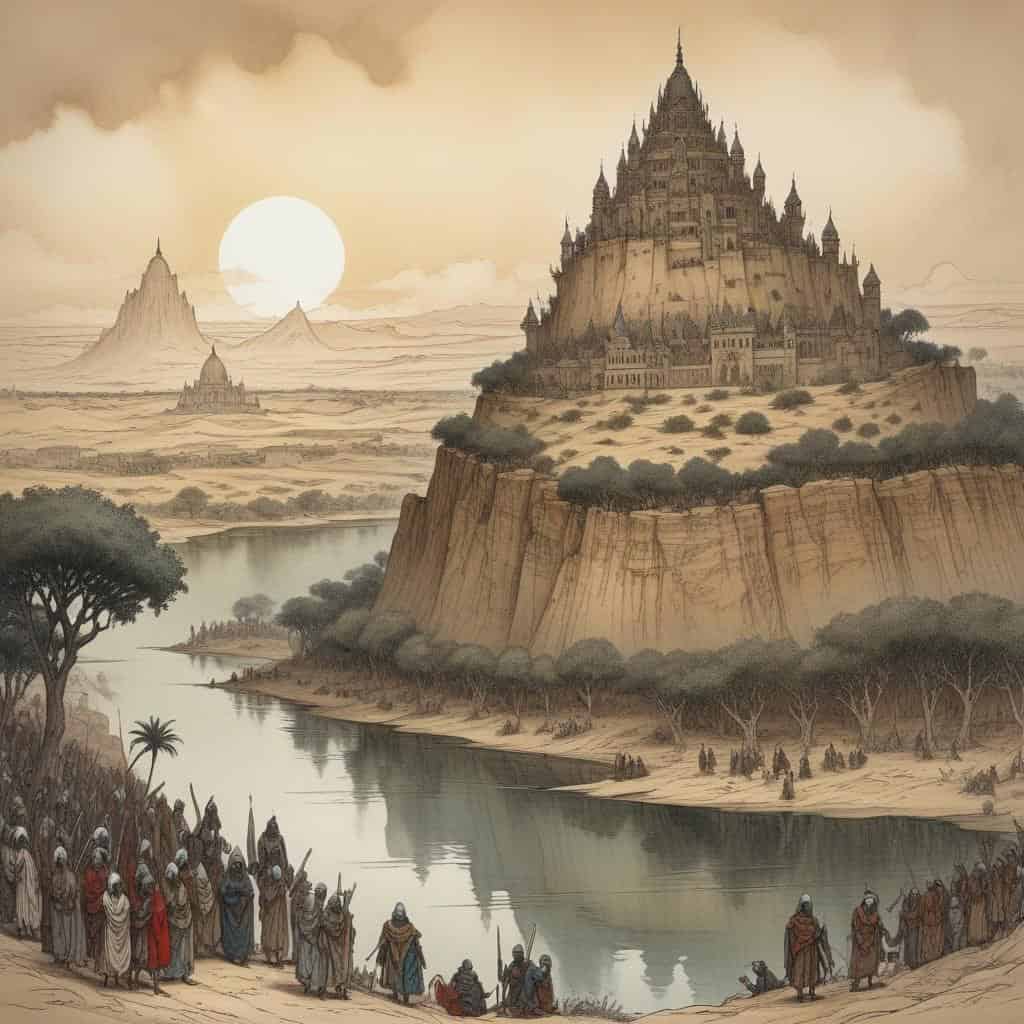
Agadez

Agadez

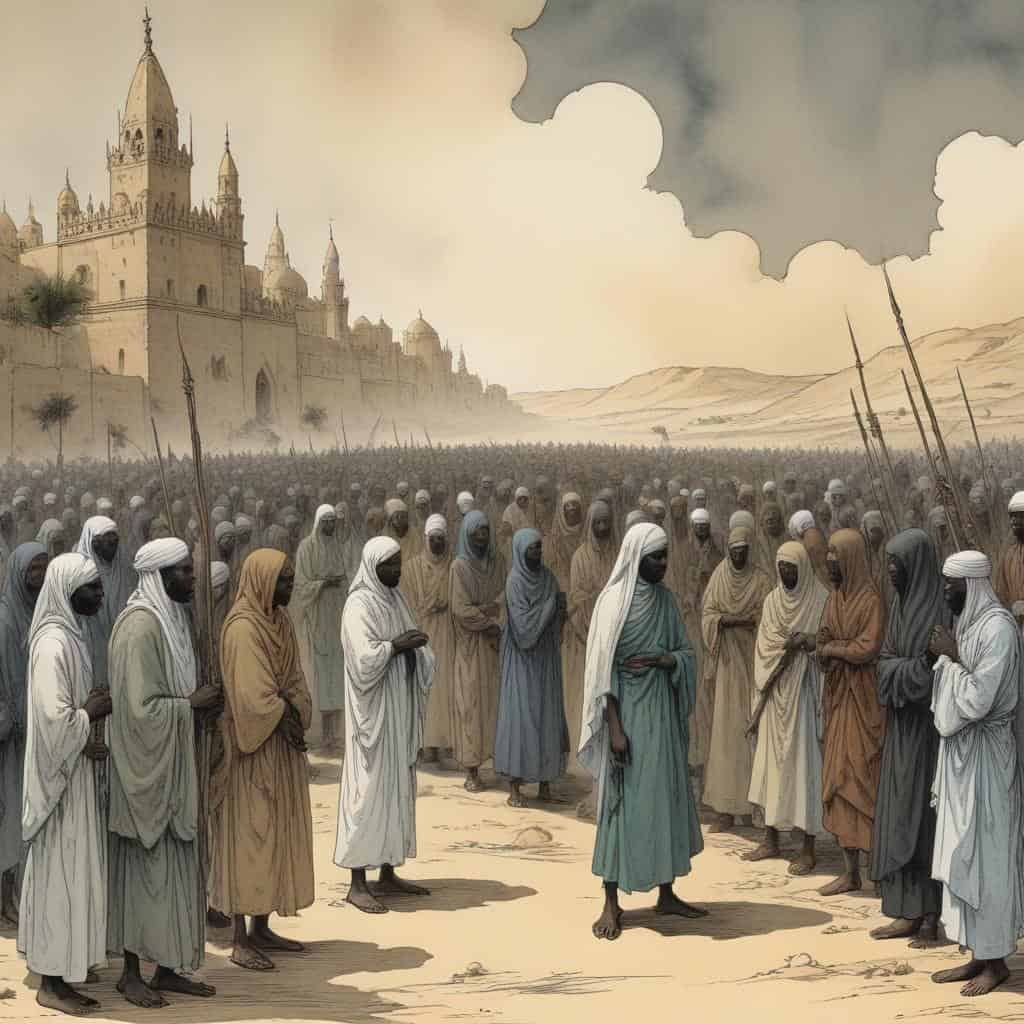
Agadez is a city in Niger known for its historic architecture, including the Agadez Grand Mosque. It is also a UNESCO World Heritage Site.

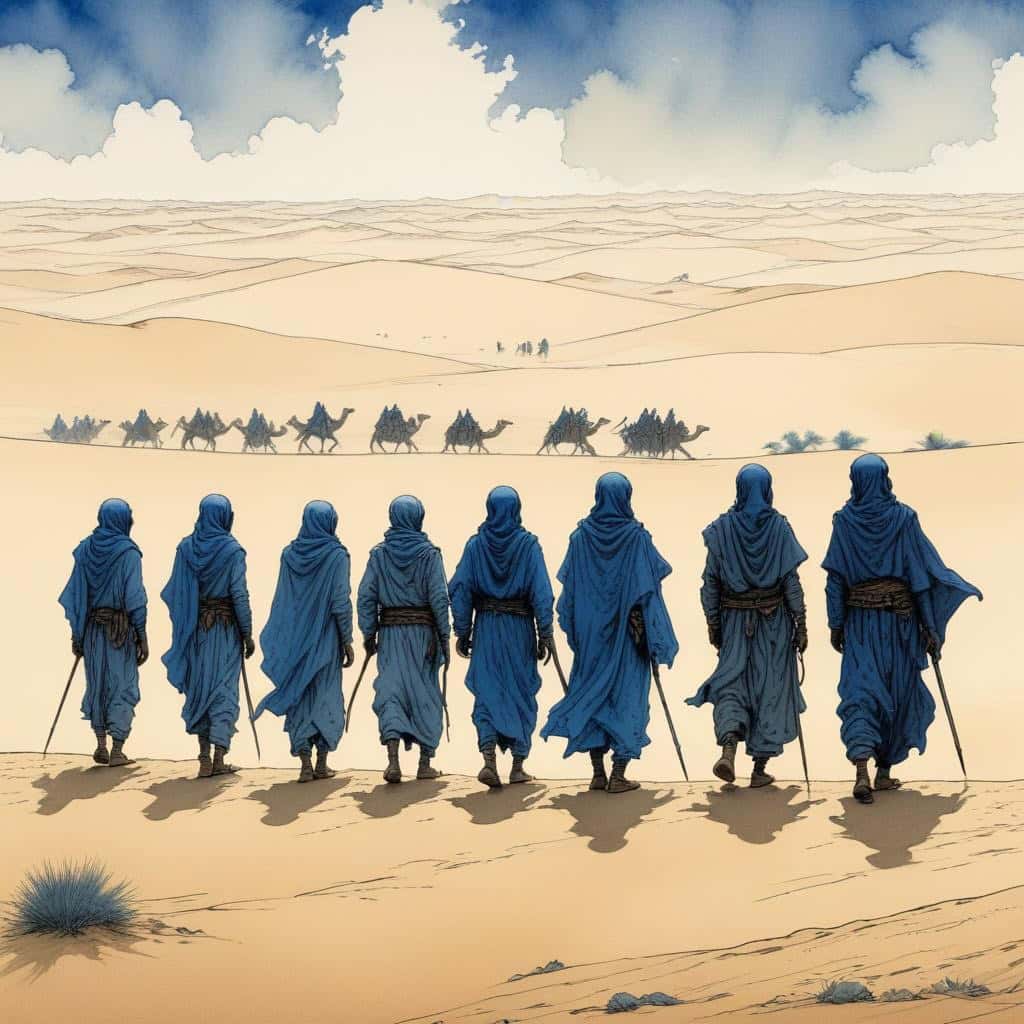
Tuareg People

Tuareg People

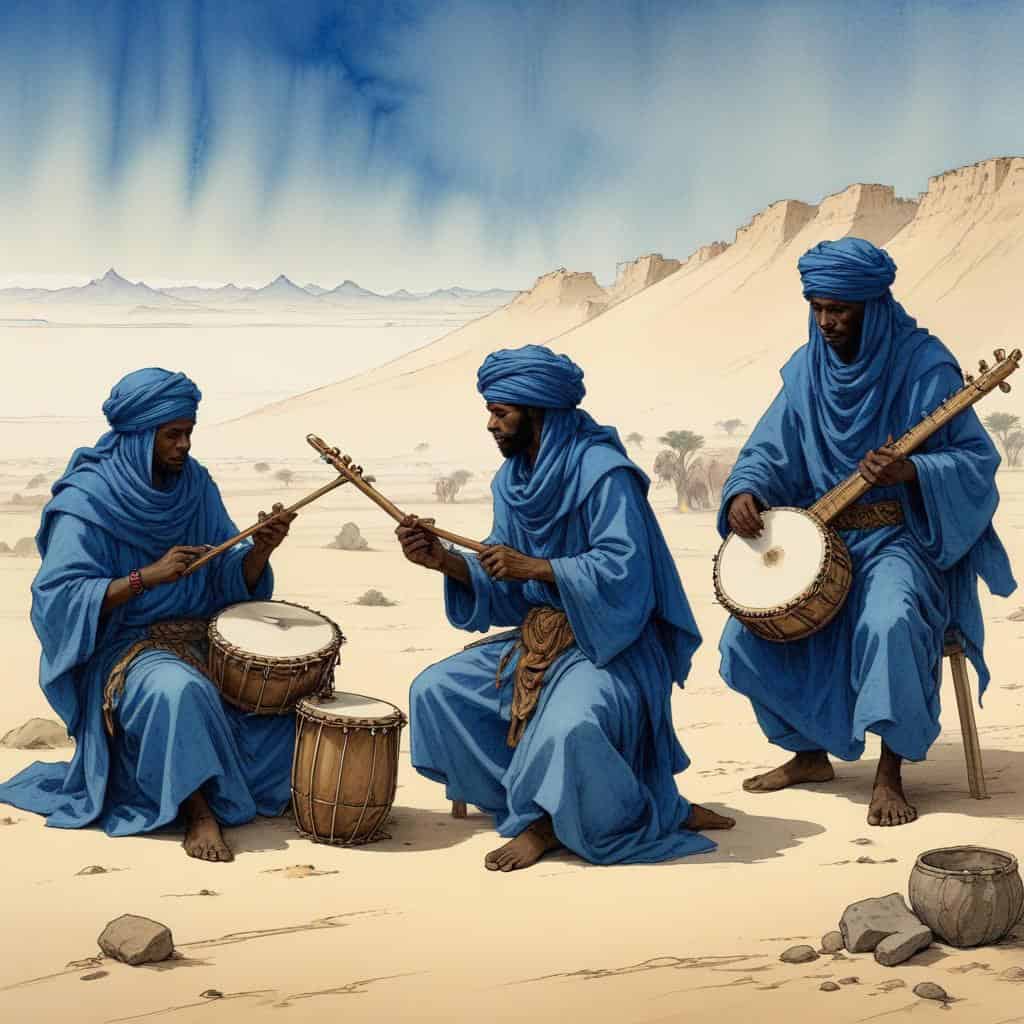
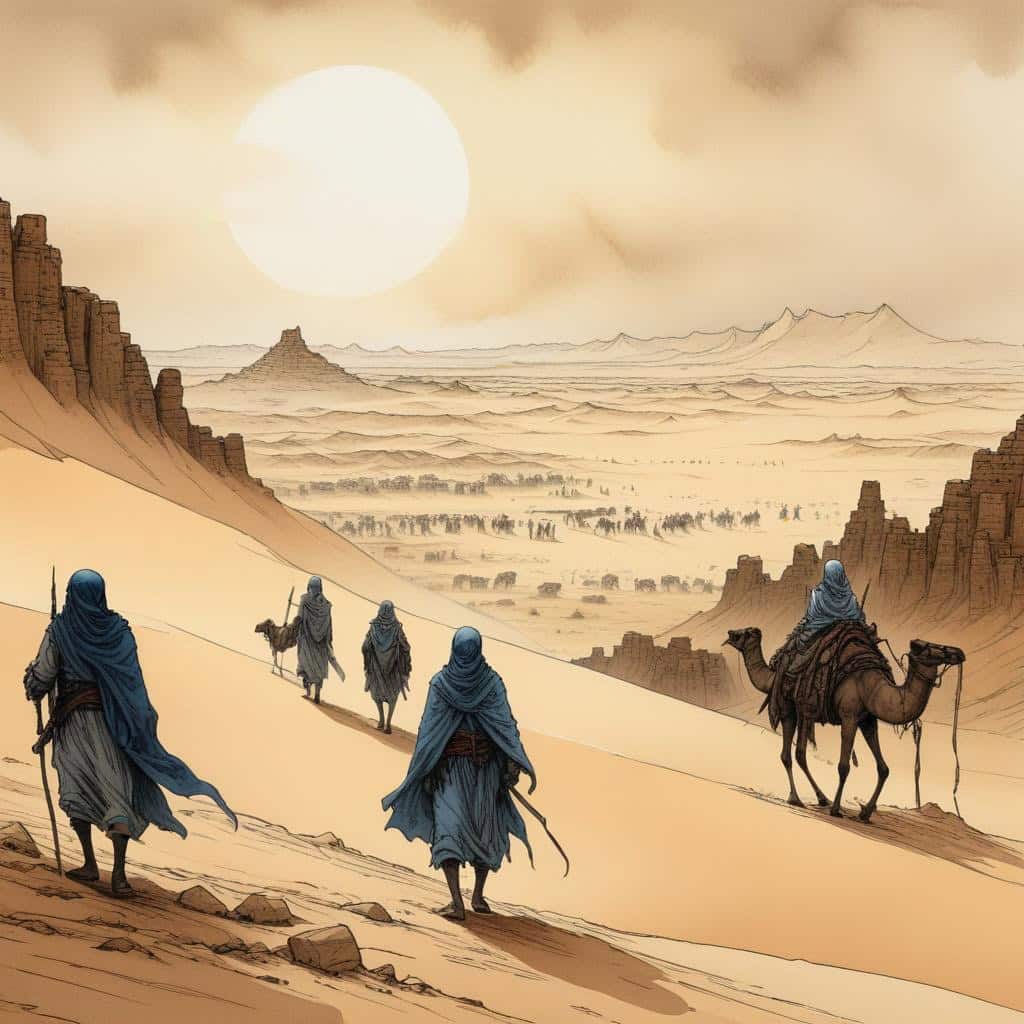
The Tuareg people are a nomadic Berber ethnic group found in the Saharan region, including Niger. They have a rich cultural heritage and are known for their distinctive blue clothing.

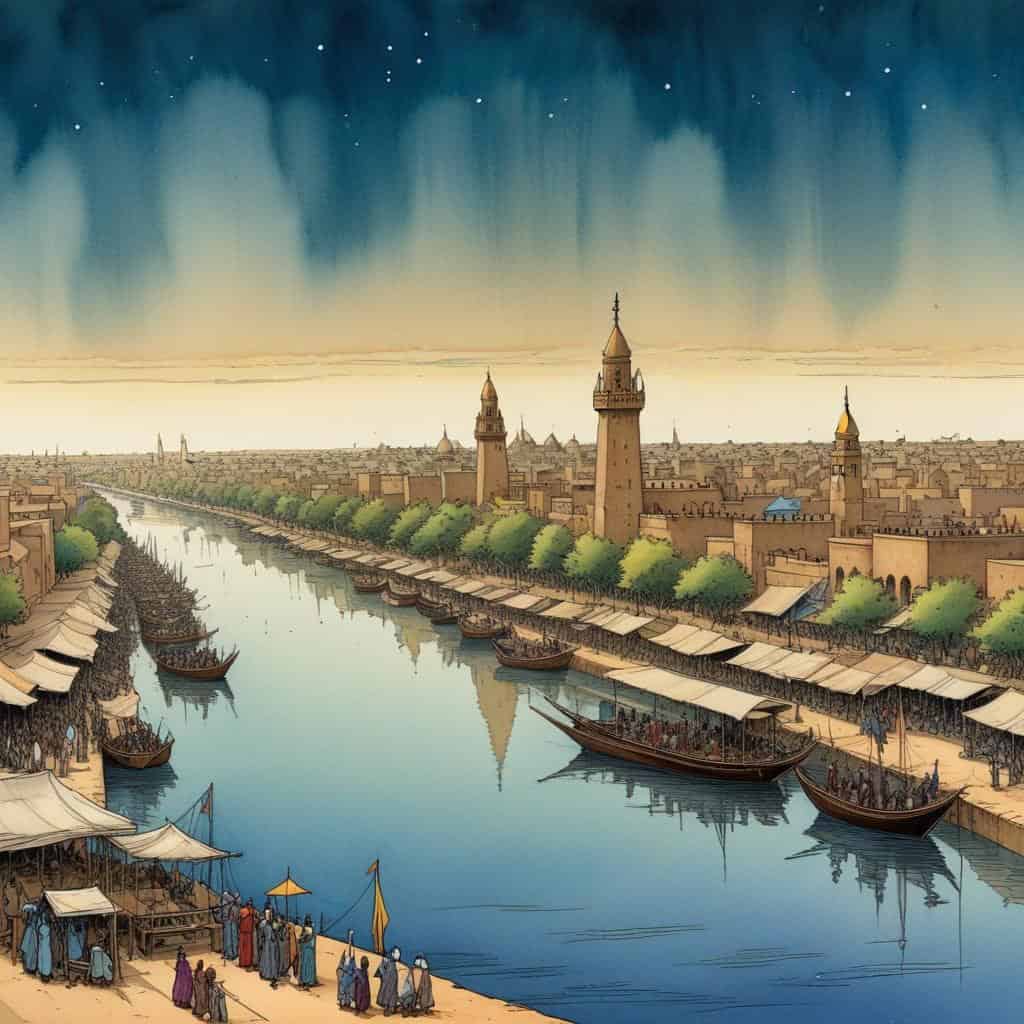
Niamey

Niamey

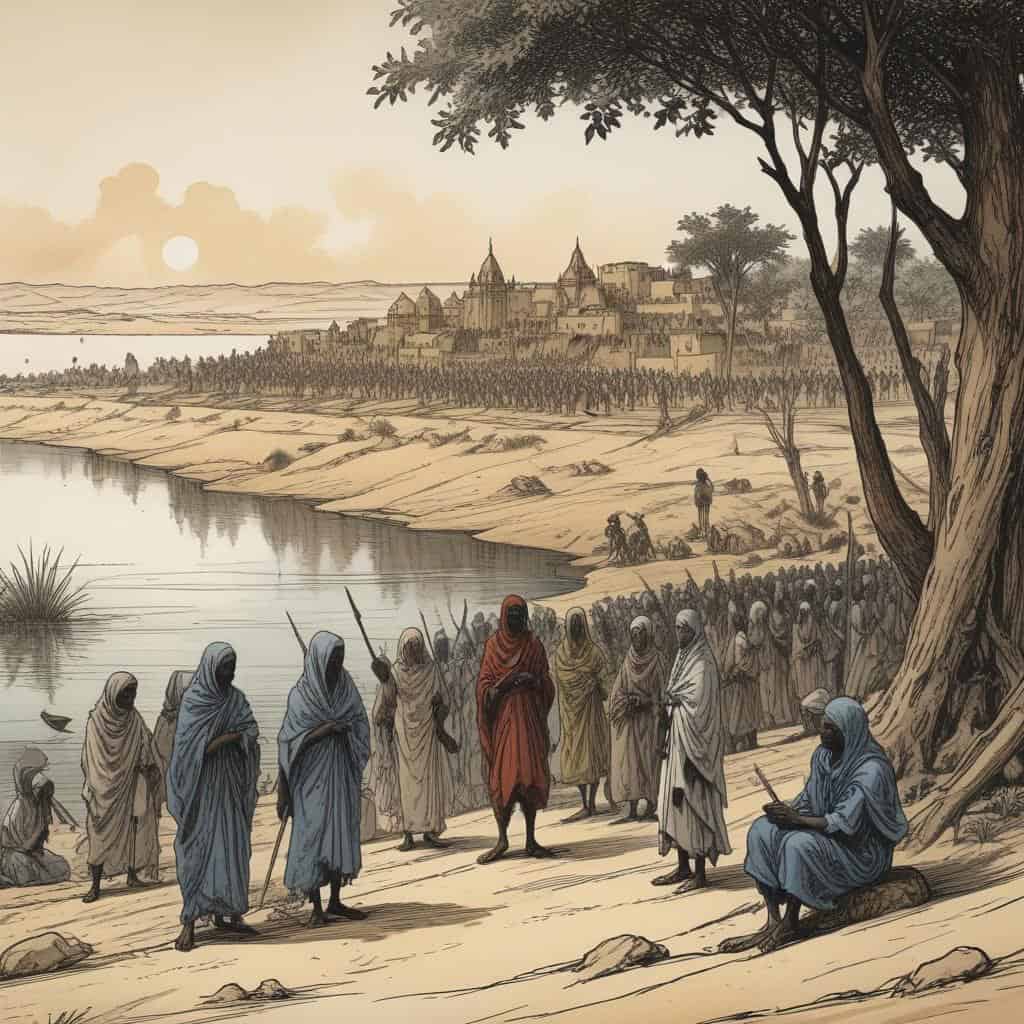
Niamey is the capital and largest city of Niger, located on the banks of the Niger River. It is a bustling metropolis with a mix of modern and traditional elements.

Niger: A Quick Overview

Niger: A Quick Overview

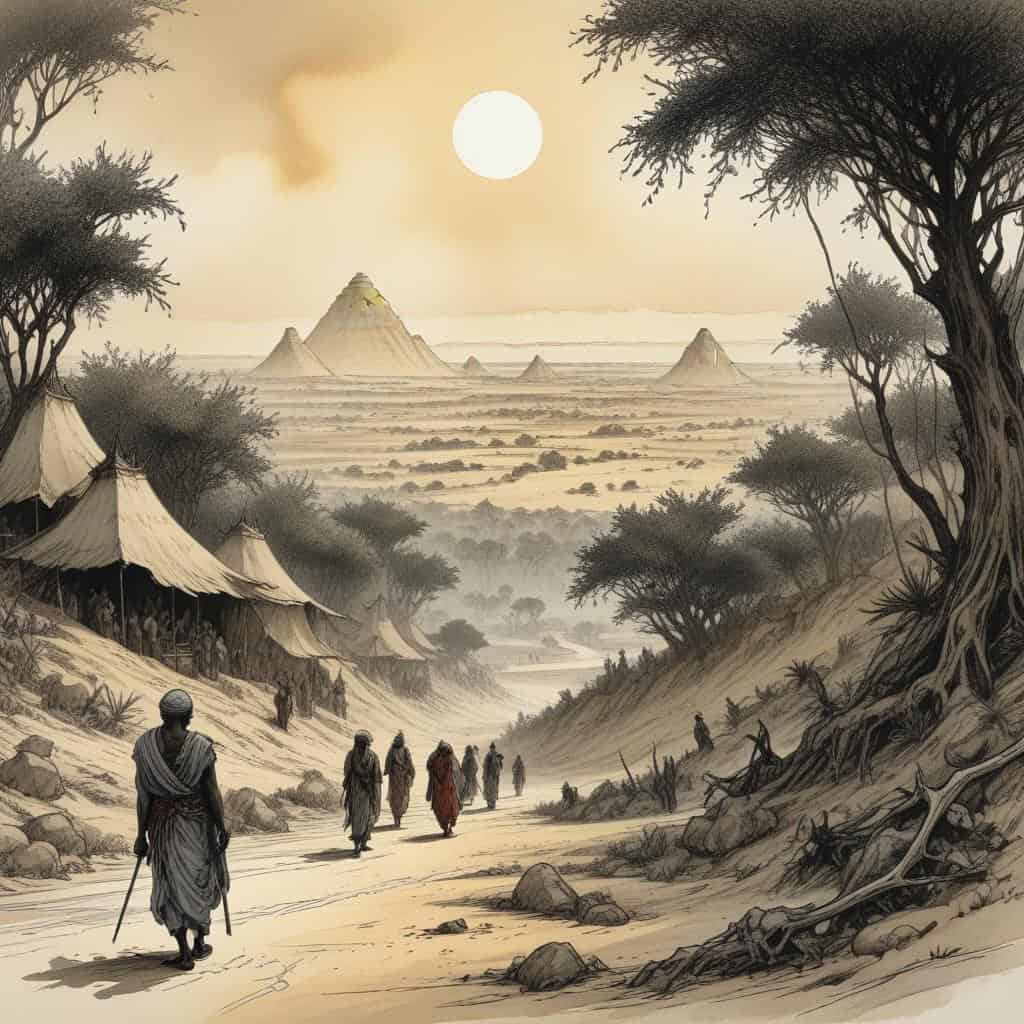
Niger is a landlocked country located in West Africa, bordered by seven other countries. It is known for its diverse landscapes, including the Sahara Desert in the north and the Niger River running through the south. Niger is one of the hottest countries in the world, with temperatures often exceeding 100 degrees Fahrenheit.

History of Niger

History of Niger

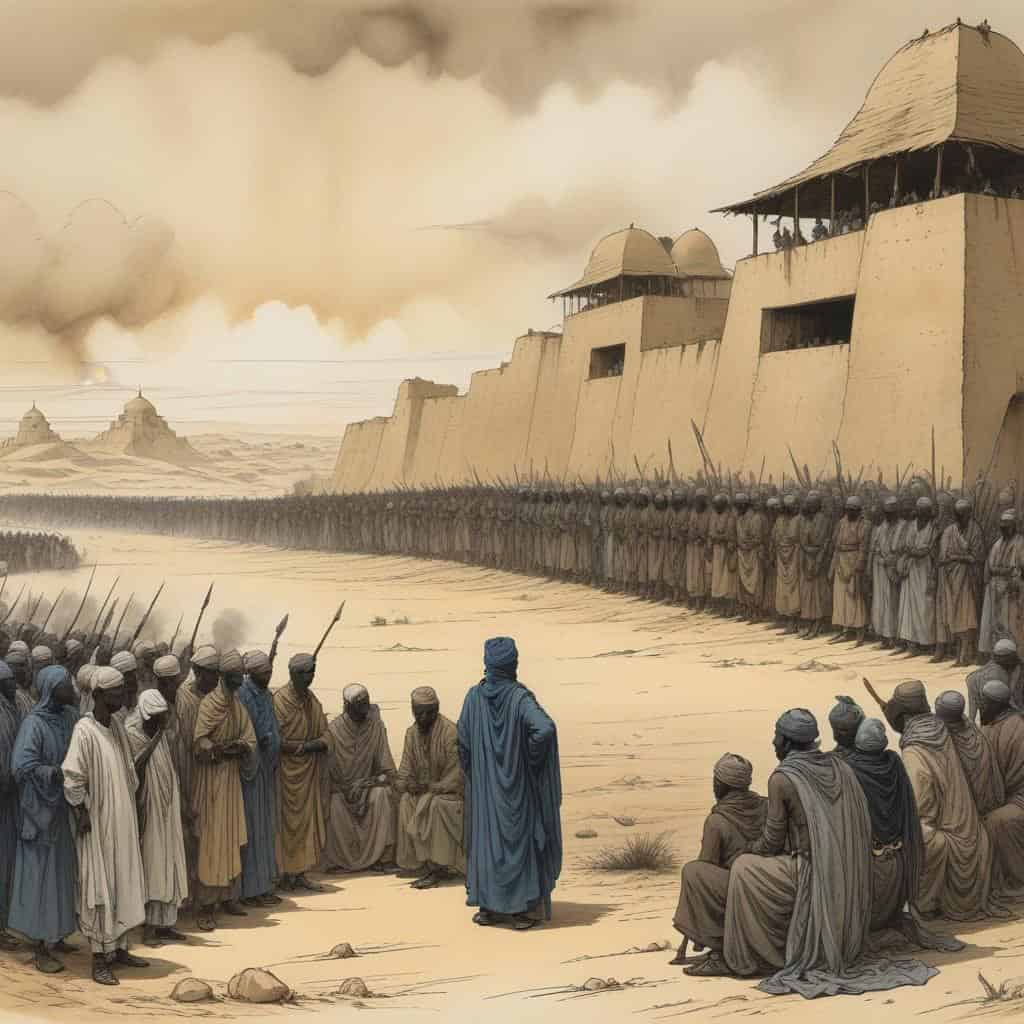
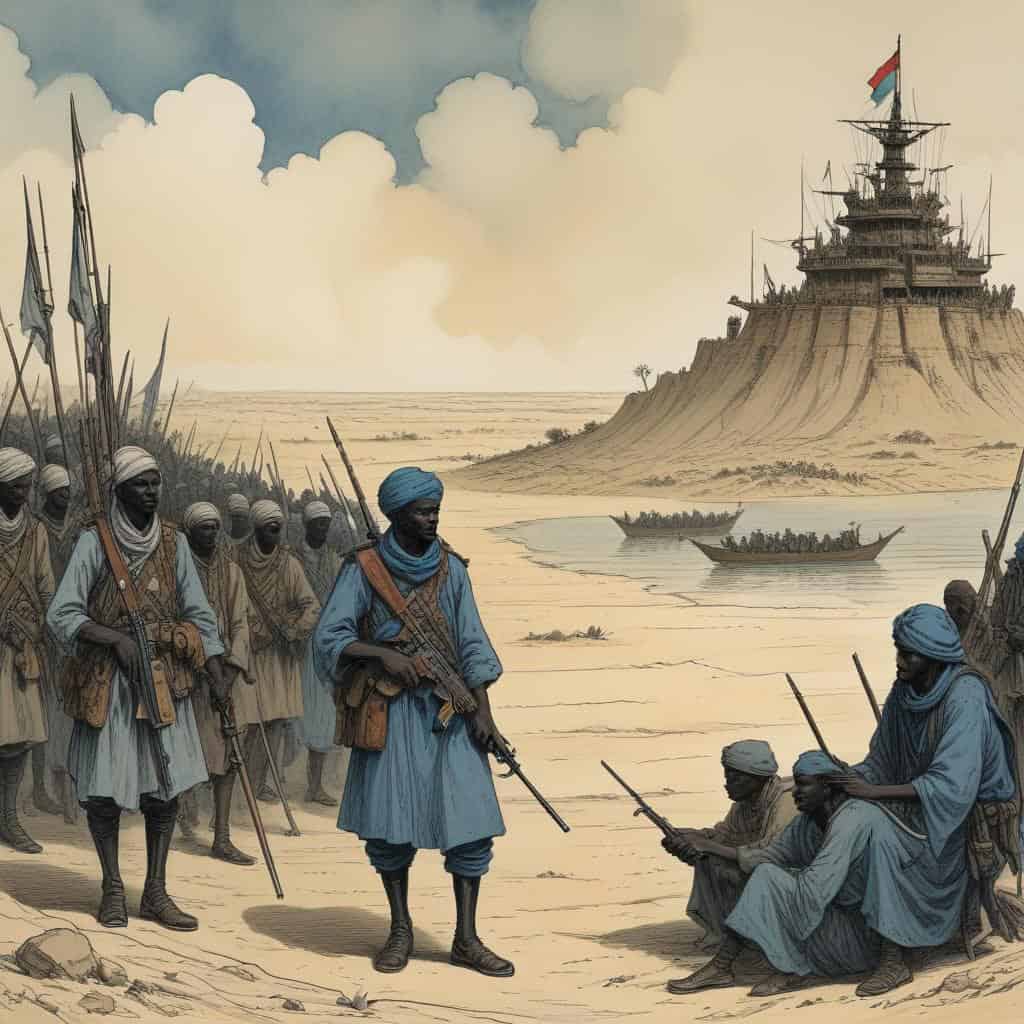
Niger has a rich history dating back to ancient times, with various empires and kingdoms ruling the region. It gained independence from France in 1960 and has since faced political instability and military coups. Niger is a multiethnic country with over 20 different ethnic groups living together peacefully.

Economy and Agriculture

Economy and Agriculture

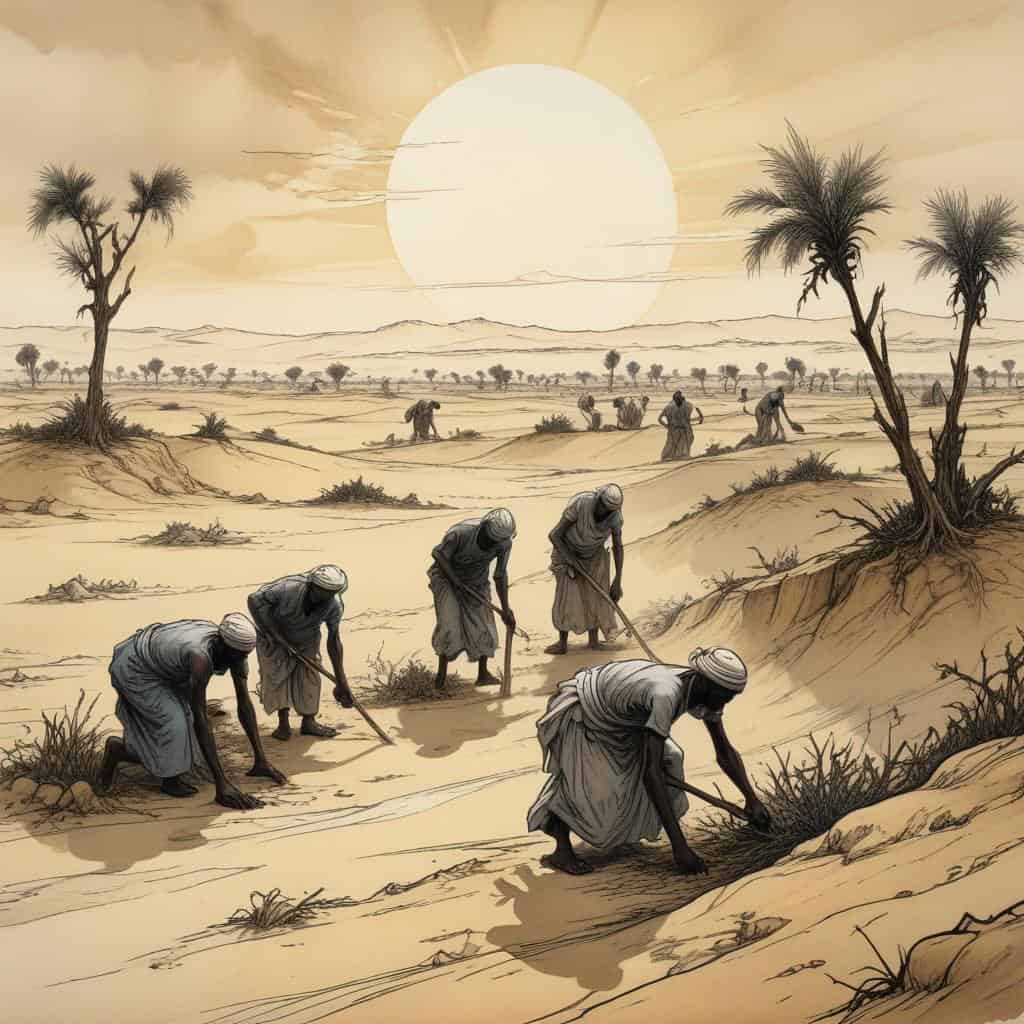
Niger is one of the poorest countries in the world, with a largely agrarian economy. Agriculture is the main source of livelihood for the majority of the population, with subsistence farming being the primary occupation. The country faces challenges such as droughts, desertification, and food insecurity.

Wildlife and Conservation

Wildlife and Conservation

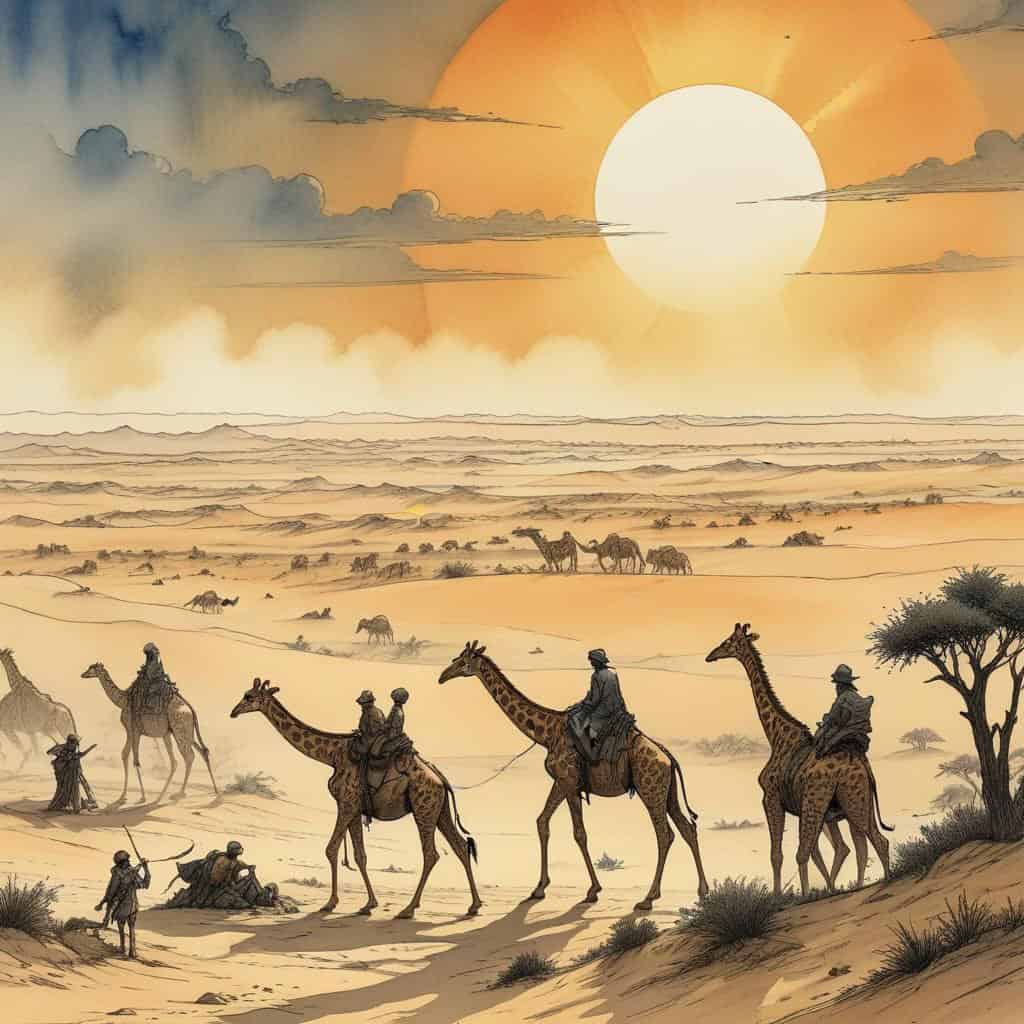
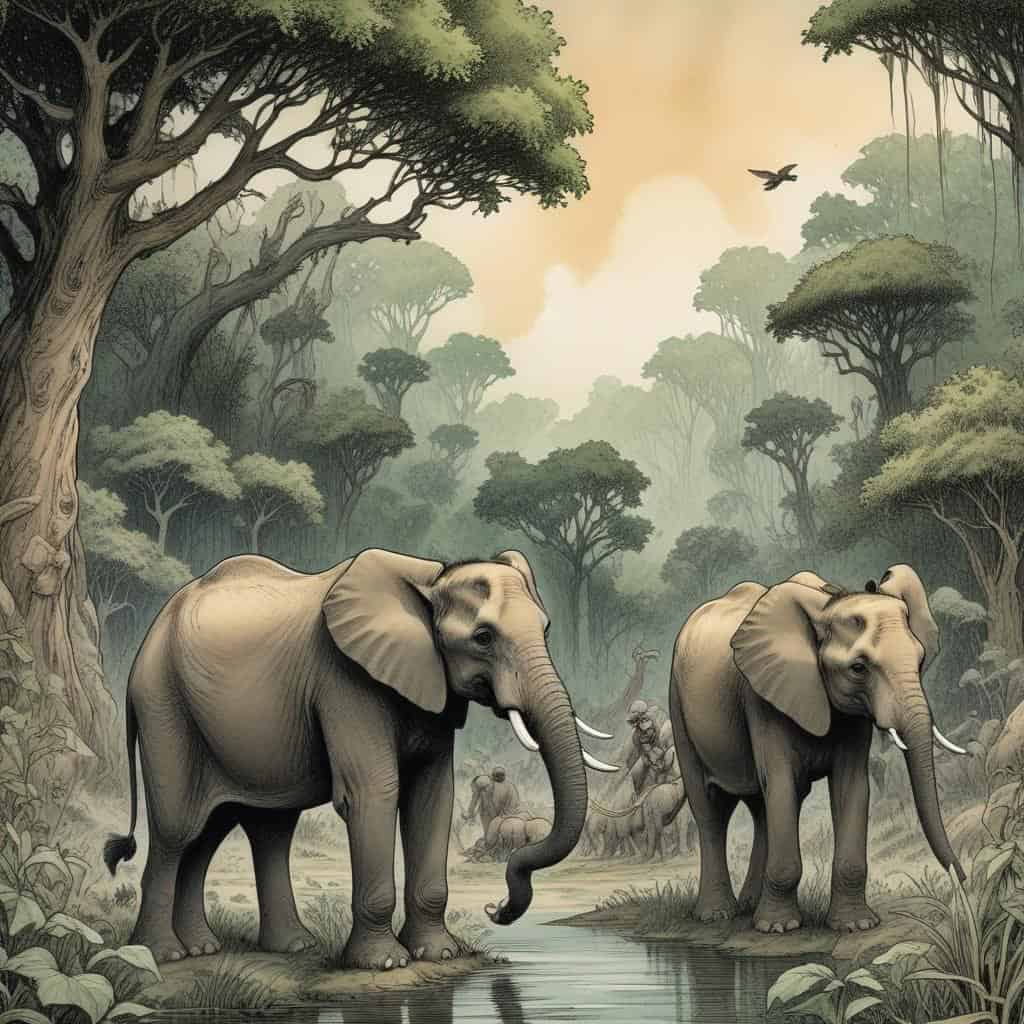
Niger is home to a variety of wildlife, including elephants, lions, and giraffes. The country has several national parks and reserves dedicated to protecting these animals and their habitats. However, poaching and deforestation remain significant threats to the wildlife in Niger.

Culture and Traditions

Culture and Traditions

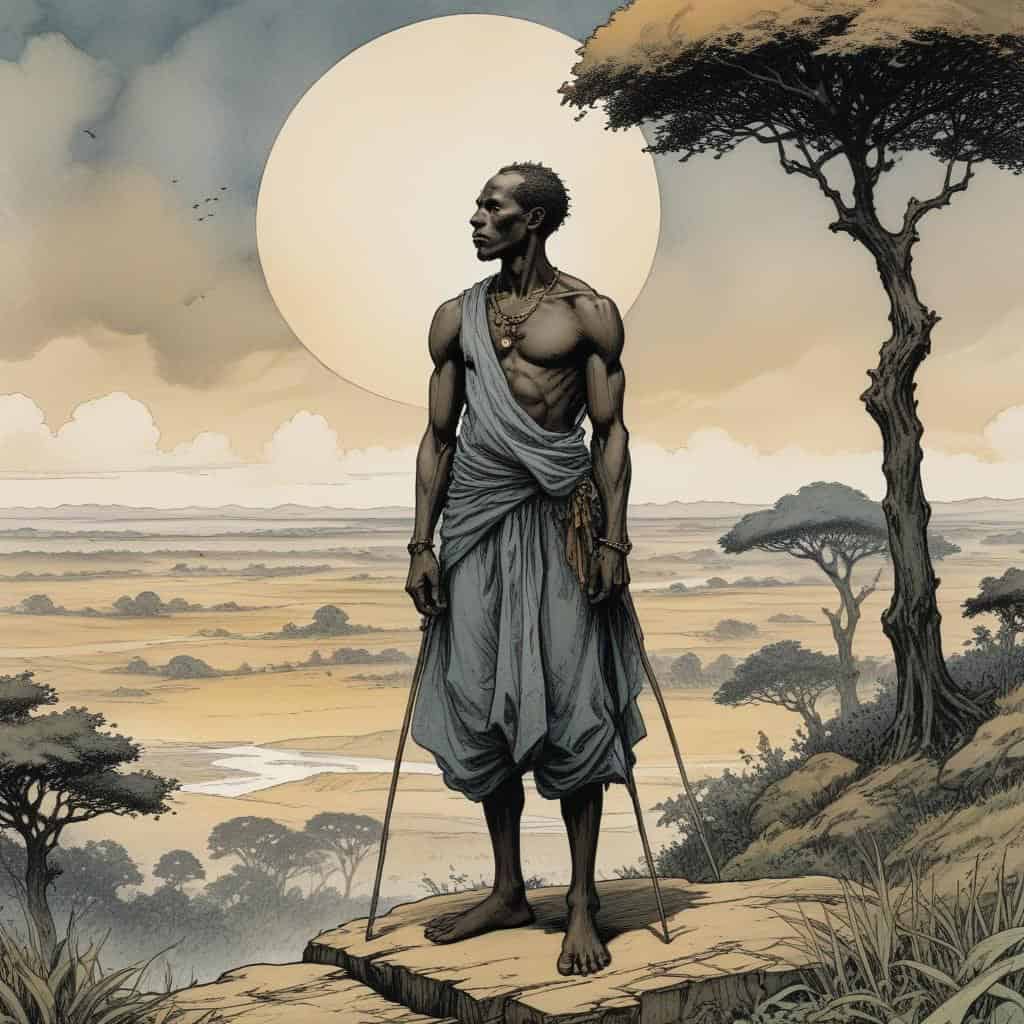
Niger has a rich cultural heritage, with various ethnic groups practicing unique traditions and customs. The Tuareg people, known for their distinctive blue clothing and nomadic lifestyle, are one of the most well-known ethnic groups in Niger. Music and dance play a significant role in Nigerien culture, with traditional instruments like the balafon and talking drum being popular.

Religion and Society

Religion and Society

Islam is the predominant religion in Niger, with over 90% of the population being Muslim. Christianity and indigenous religions are also practiced by small minority groups. Nigerien society is known for its hospitality and sense of community, with strong family ties and social networks.

Education and Healthcare

Education and Healthcare

Niger faces significant challenges in the education and healthcare sectors, with high illiteracy rates and limited access to medical services in rural areas. The government is working to improve these systems, but progress has been slow due to limited resources and infrastructure. Non-governmental organizations and international aid agencies play a crucial role in providing support in these areas.

Political Landscape

Political Landscape

Niger has a history of political instability, with several military coups and changes in government over the years. The country has recently transitioned to a democratic system, with regular elections and a multi-party political landscape. However, corruption and political unrest continue to be major issues in Niger.

International Relations

International Relations

Niger is a member of various international organizations, including the United Nations and the African Union. The country has diplomatic relations with many countries around the world and plays a role in regional peacekeeping efforts. Niger also faces challenges such as terrorism and organized crime, particularly in the Sahel region.

Tourism and Travel

Tourism and Travel

Niger is not a popular tourist destination, but it offers unique experiences for adventurous travelers. Visitors can explore the Sahara Desert, visit ancient archaeological sites, and experience traditional Tuareg culture. However, the country's tourism industry is still developing, and travelers should take precautions due to security concerns in some areas.

1 / 19

Audio Library

As one of our featured lessons, this topic includes premium audio guides.

🔒

Unlock the Audio Summary

This free audio lesson is available exclusively for Logged in Memory Wizards members. Please sign up for a free account or log in to access this content.

Sign Up Log In
🔒

Unlock the Wizard's Cram Session

This powerful audio study guide is a Pro-exclusive feature. Upgrade to Memory Wizards Pro to access this and all of our premium learning tools.

Upgrade to Pro

In a Nutshell

  • Capital: Niamey
  • Population: Approx. 24.2 million (2021)
  • Official Language: French
  • Currency: West African CFA franc (XOF)

Breaking Down the Country

Geographic Diversity

Niger boasts diverse landscapes, from the Sahara Desert in the north to the fertile Niger River basin in the south, offering a unique blend of cultures and traditions.

Cultural Heritage

Explore Niger's rich heritage through vibrant music, colorful festivals, and traditional crafts, reflecting the resilience and creativity of its people.

Wildlife & Conservation

Discover the unique biodiversity of Niger's parks and reserves, home to iconic species like the West African giraffe and the endangered addax antelope.

Timeline of Niger

August 3, 1960

Niger becomes independent from France

November 5, 1960

First President Hamani Diori elected

October 20, 1960

Niger joins the United Nations

April 15, 1974

Military coup led by Seyni Kountché

April 15, 1974

Kountché establishes military rule

November 10, 1987

Kountché dies and Ali Saibou takes power

December 16, 1990

Transition to multi-party system begins

February 27, 1993

First multi-party elections held

March 27, 1993

Mahamane Ousmane becomes President

January 27, 1996

Military coup led by Ibrahim Baré Maïnassara

April 9, 1999

Maïnassara assassinated, Daouda Malam Wanké takes power

December 22, 1999

Mamadou Tandja becomes President

December 4, 2004

Tandja wins controversial third term in office

February 18, 2010

Military coup led by Salou Djibo

March 12, 2011

Mahamadou Issoufou elected President

2015-present

Niger faces threat of Boko Haram insurgency

March 20, 2016

Issoufou re-elected for second term

February 26, 2015

Niger declares state of emergency in Diffa region

2017-2018

Niger faces food crisis due to drought and insecurity

March 21, 2021

Issoufou steps down after two terms, Mohamed Bazoum elected President

Vocabulary List

Niamey
The capital city of Niger is Niamey.
Sahara Desert
Niger is located in the Sahara Desert region of Africa.
Tuareg
The Tuareg people are a nomadic group that live in Niger.
Agriculture
Agriculture is a major industry in Niger, with crops like millet, sorghum, and cassava being grown.
Fula
The Fula people are one of the largest ethnic groups in Niger.
Famine
Niger has experienced periods of famine due to drought and poor harvests.
Lake Chad
Niger shares a border with Lake Chad, which is an important water source for the region.
Colonialism
Niger was a French colony until it gained independence in 1960.
Tillabéri
Tillabéri is a region in Niger known for its natural beauty and wildlife reserves.
Landlocked
Niger is a landlocked country, meaning it does not have any coastline.

Key Facts

This is the information used in the fact matching game

  • Niger is a landlocked country located in West Africa.
  • The official language of Niger is French.
  • Niger is the largest country in West Africa.

  • The capital city of Niger is Niamey.
  • Niger is named after the Niger River.
  • Niger is one of the hottest countries in the world.

  • The population of Niger is over 22 million people.
  • Niger is one of the poorest countries in the world.
  • Niger is a member of the United Nations and the African Union.

  • Niger has a rich cultural heritage with diverse ethnic groups.
  • The economy of Niger is largely based on agriculture and mining.
  • Niger has significant uranium reserves and is one of the world's top producers.

  • Niger experiences periodic food crises due to drought and desertification.
  • Niger is a popular destination for ecotourism, with attractions such as the W National Park.
  • Niger is a secular state with a predominantly Muslim population.

  • Niger gained independence from France in 1960.
  • Niger is known for its vibrant traditional music and dance.
  • Niger has a high birth rate and a young population, with a median age of around 15 years.

  • Niger is a land of contrasts, with both desert landscapes and lush oases.
  • Niger is a key transit country for migrants and refugees crossing the Sahara desert.

Why It Matters

Geopolitical Significance

Niger holds strategic importance in the Sahel region of Africa, serving as a buffer between unstable countries to the south and the Sahara desert to the north. Its location also positions it as a key player in counterterrorism efforts and regional security.

Historical Importance

Niger has a rich history dating back to ancient empires like the Songhai and Kanem-Bornu. It was a major hub for trans-Saharan trade routes and played a crucial role in the spread of Islam across West Africa. The legacy of these civilizations continues to influence Niger’s culture and society.

Modern-Day Role

Today, Niger faces challenges such as poverty, food insecurity, and political instability. However, it plays a significant role in regional peacekeeping efforts and is a key partner in addressing issues like migration, terrorism, and climate change in the Sahel region.

Niger Games

Was This Lesson Helpful?

Please log in or sign up to rate this lesson. 

Take Your Learning Offline

Want a convenient, print-ready study guide for this lesson? Become a Memory Wizards Pro member to unlock the downloadable " Memory Scrolls" for this topic and our entire library!

  • ✓ Complete Vocabulary Lists
  • ✓ Key Facts & Timelines
  • ✓ Beautifully Formatted for Print & Mobile
Upgrade to Pro

You must be logged in to provide feedback. Please log in or create a free account.

You must be logged in to provide feedback. Please log in or create a free account.

Scroll to Top