
How Do You Learn Best?
Learn by Listening
Start with the 3-minute audio summary to get the key facts and narrative highlights quickly.
Learn by Reading
Immerse yourself in the 10-minute visual lesson for a comprehensive understanding of the topic.
Learn by Reviewing
Jump directly to the key facts, timeline, and vocabulary lists to build a solid foundation of details.
Learn by Doing
Challenge yourself! Jump straight into the interactive games to learn by trial, error, and discovery.
Namibia in 10 Minutes
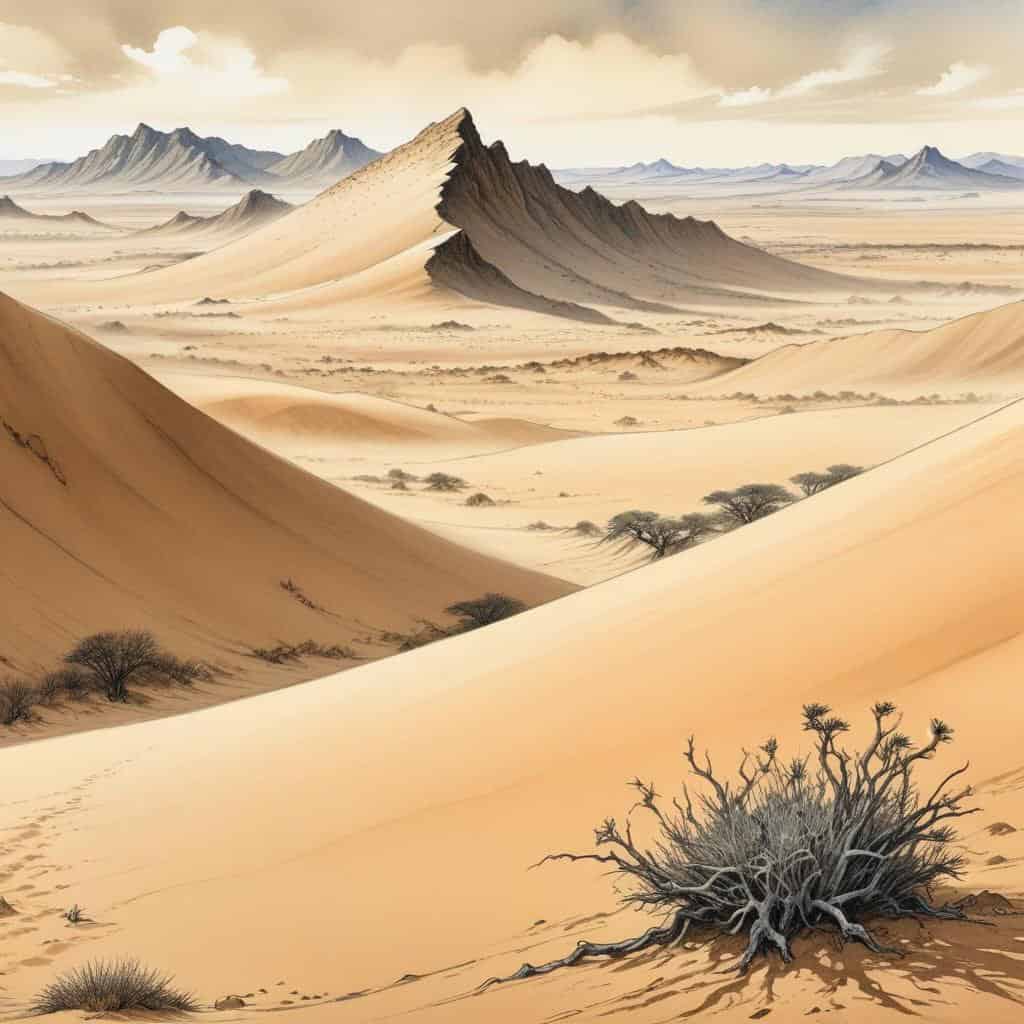
Introduction
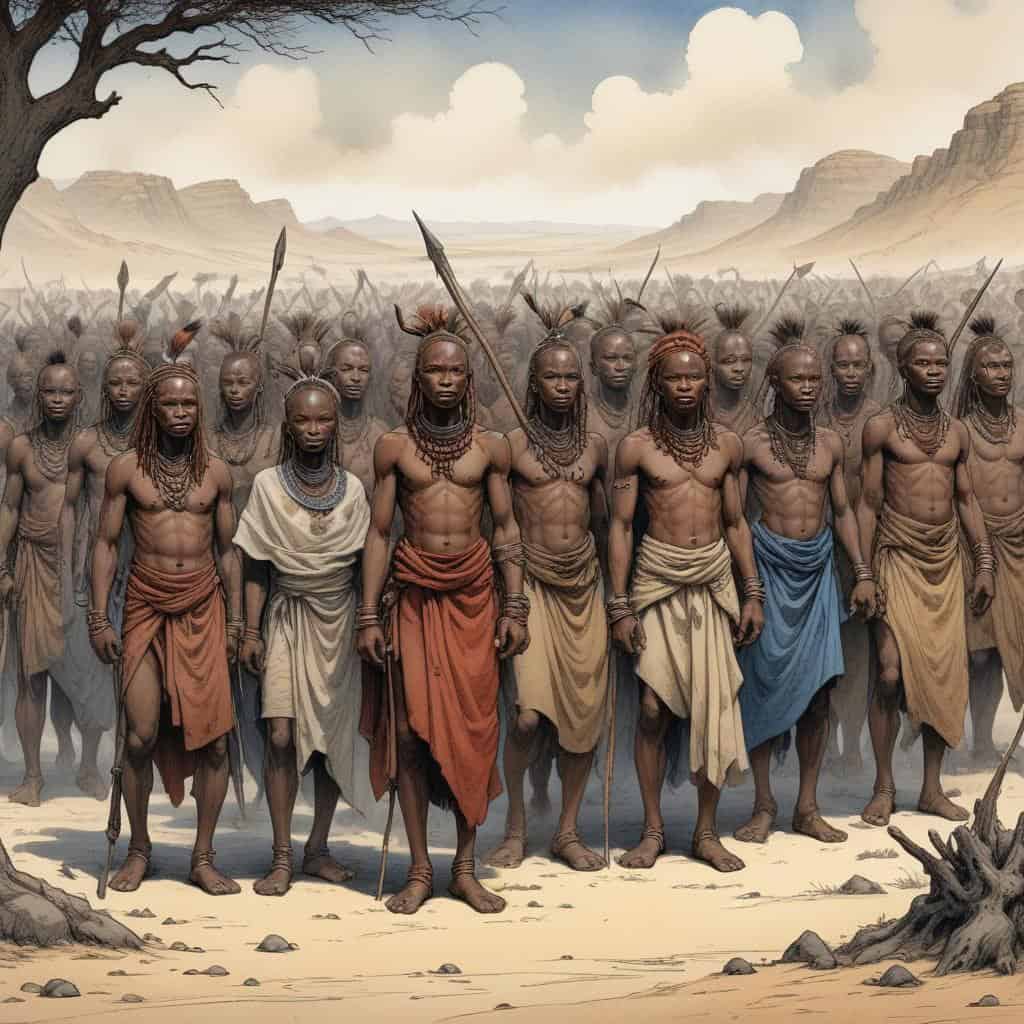

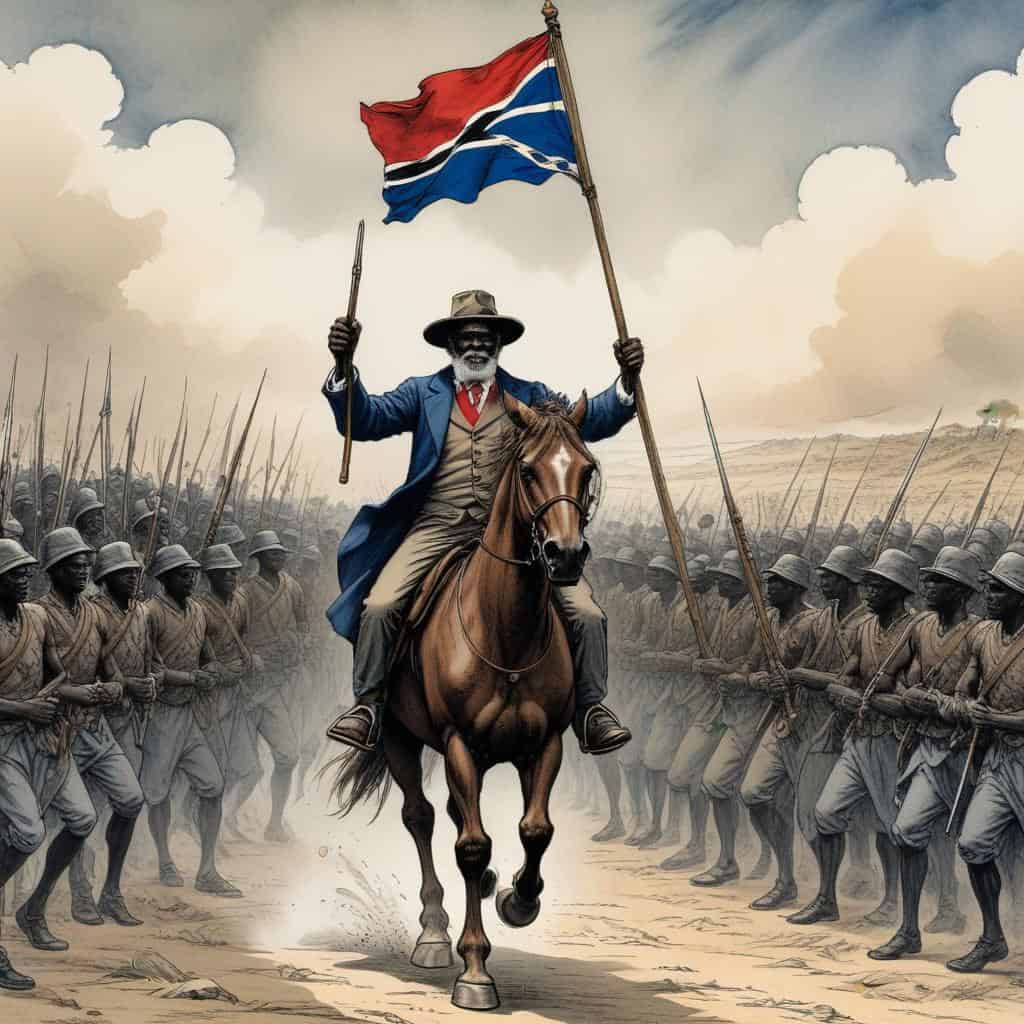
1. Sam Nujoma
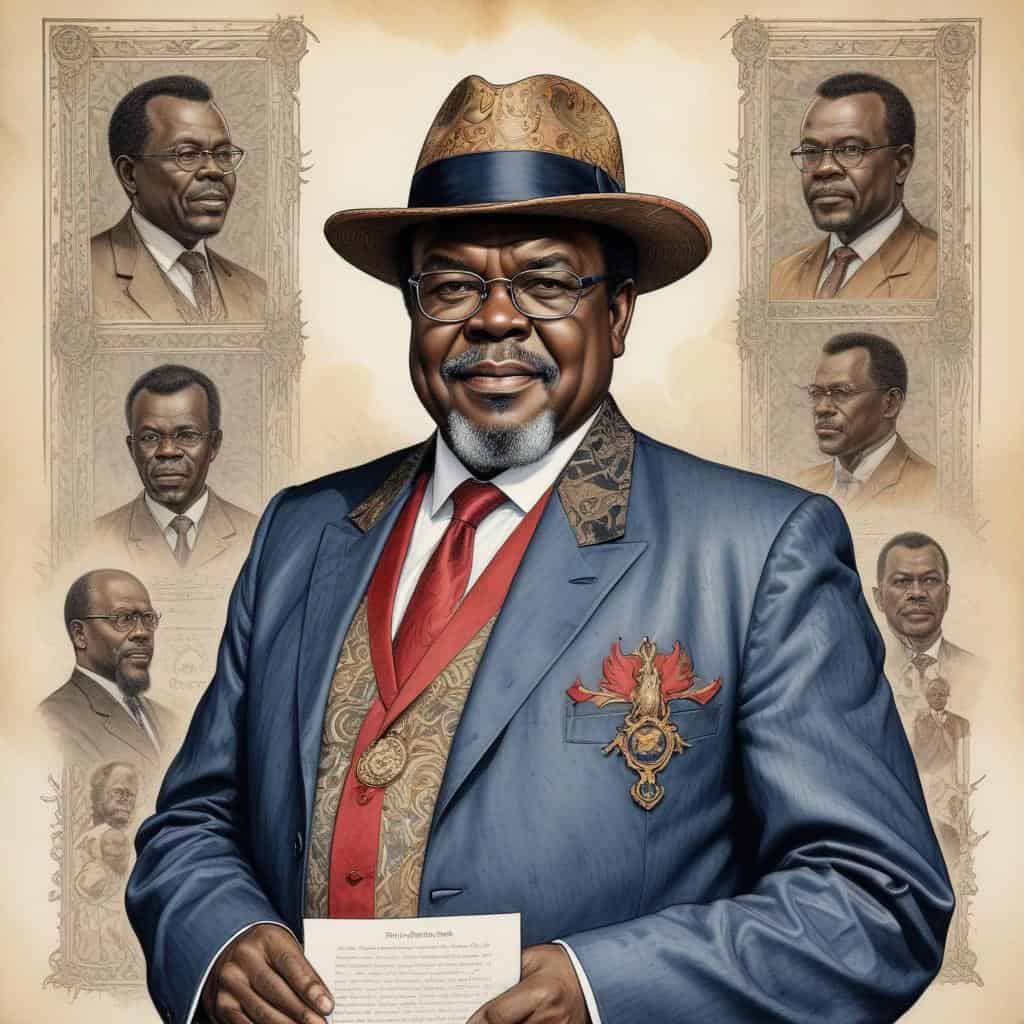
2. Dr. Hage Geingob
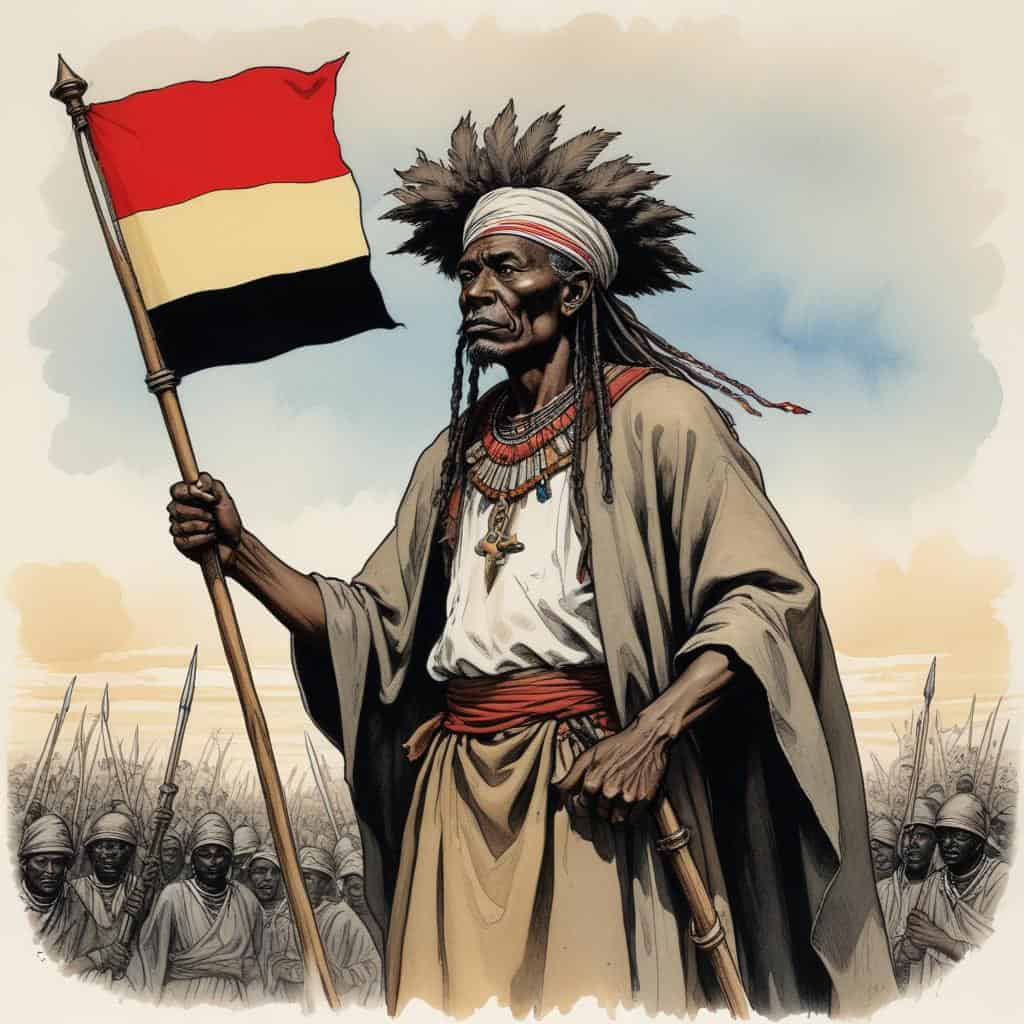
3. Chief Hosea Kutako

4. Michelle McLean-Bailey
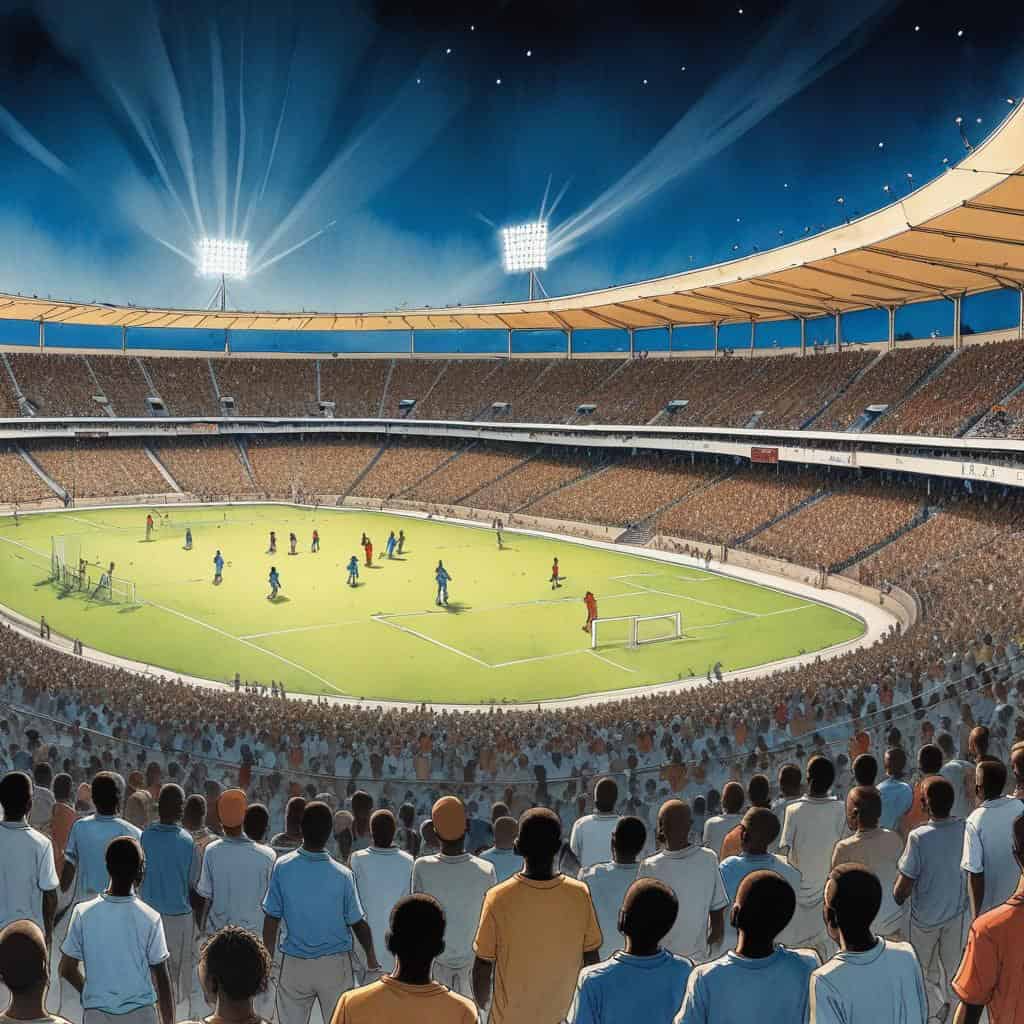
5. Dr. Sam Nujoma Stadium
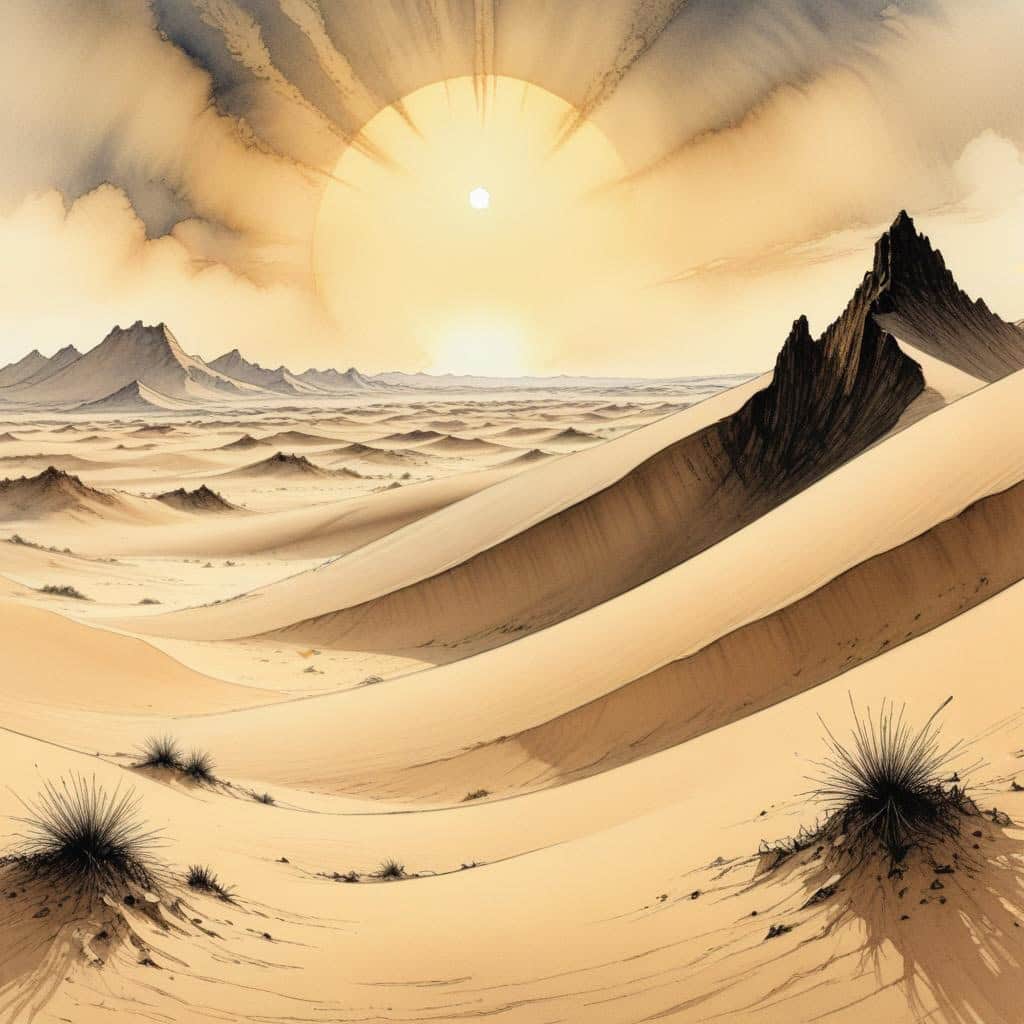
Namib Desert
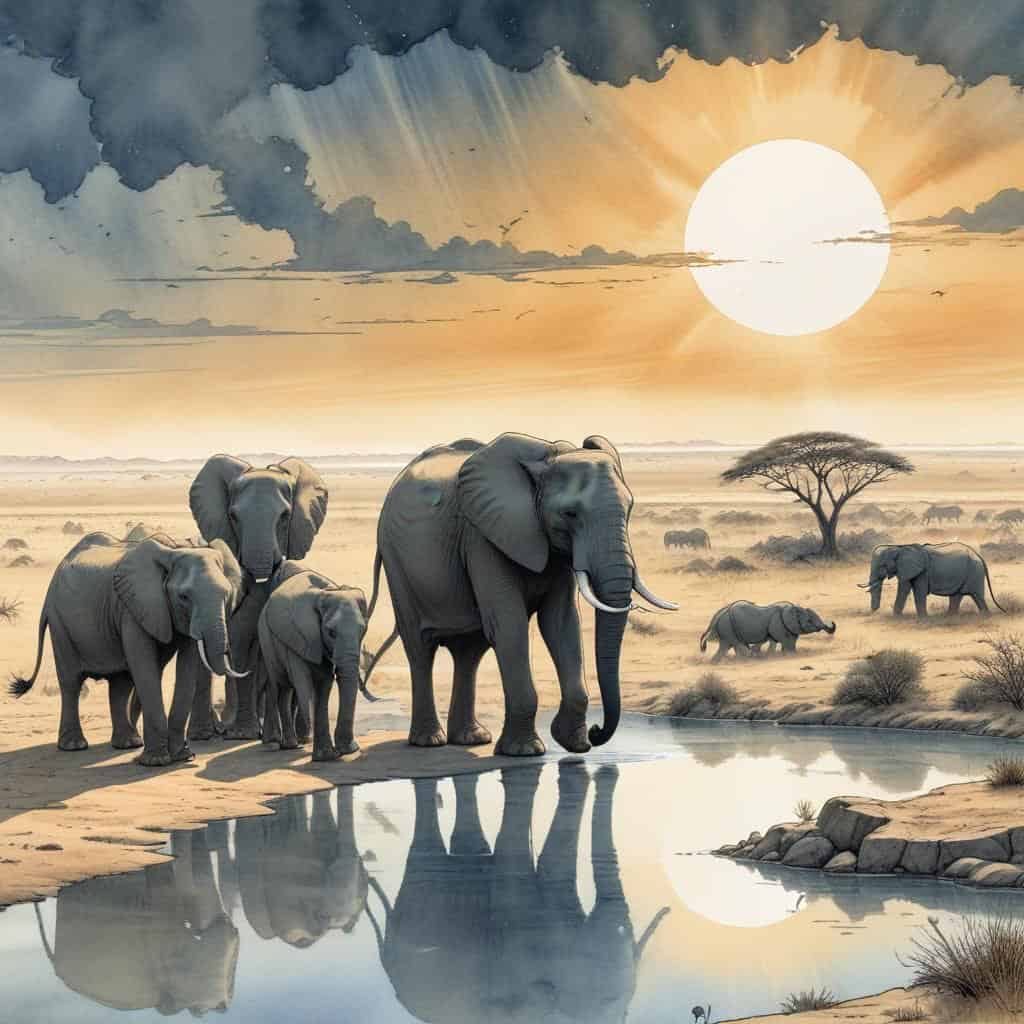
Etosha National Park
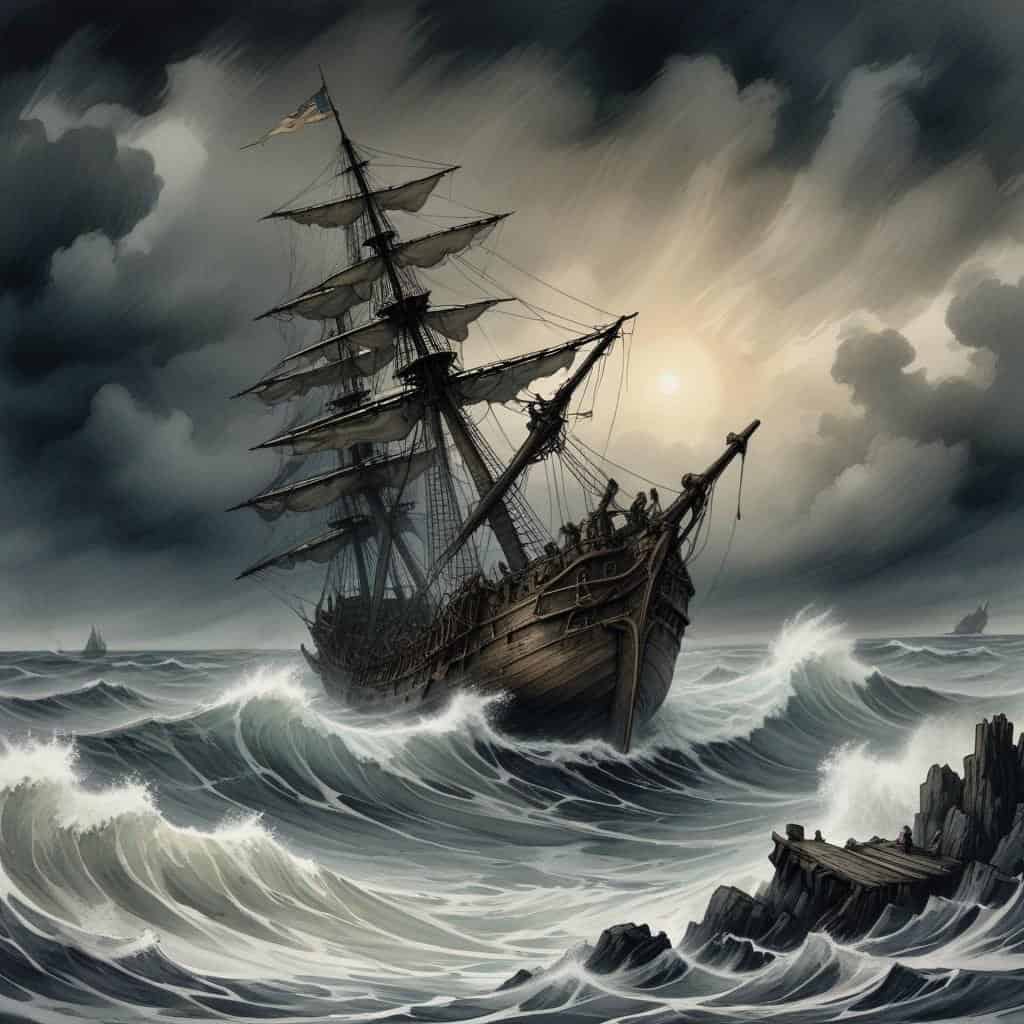
Skeleton Coast

Windhoek

Fish River Canyon

Namib-Naukluft National Park
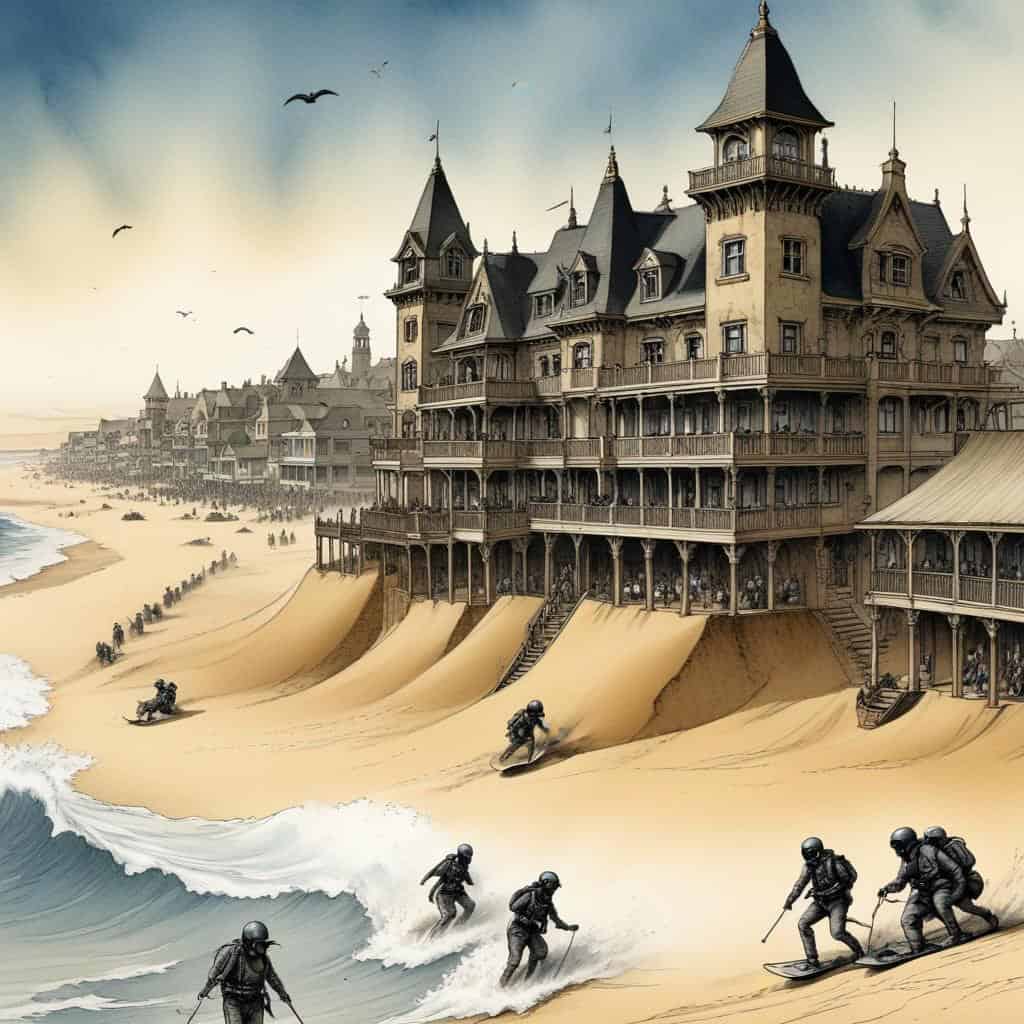
Swakopmund
Caprivi Strip

Twyfelfontein
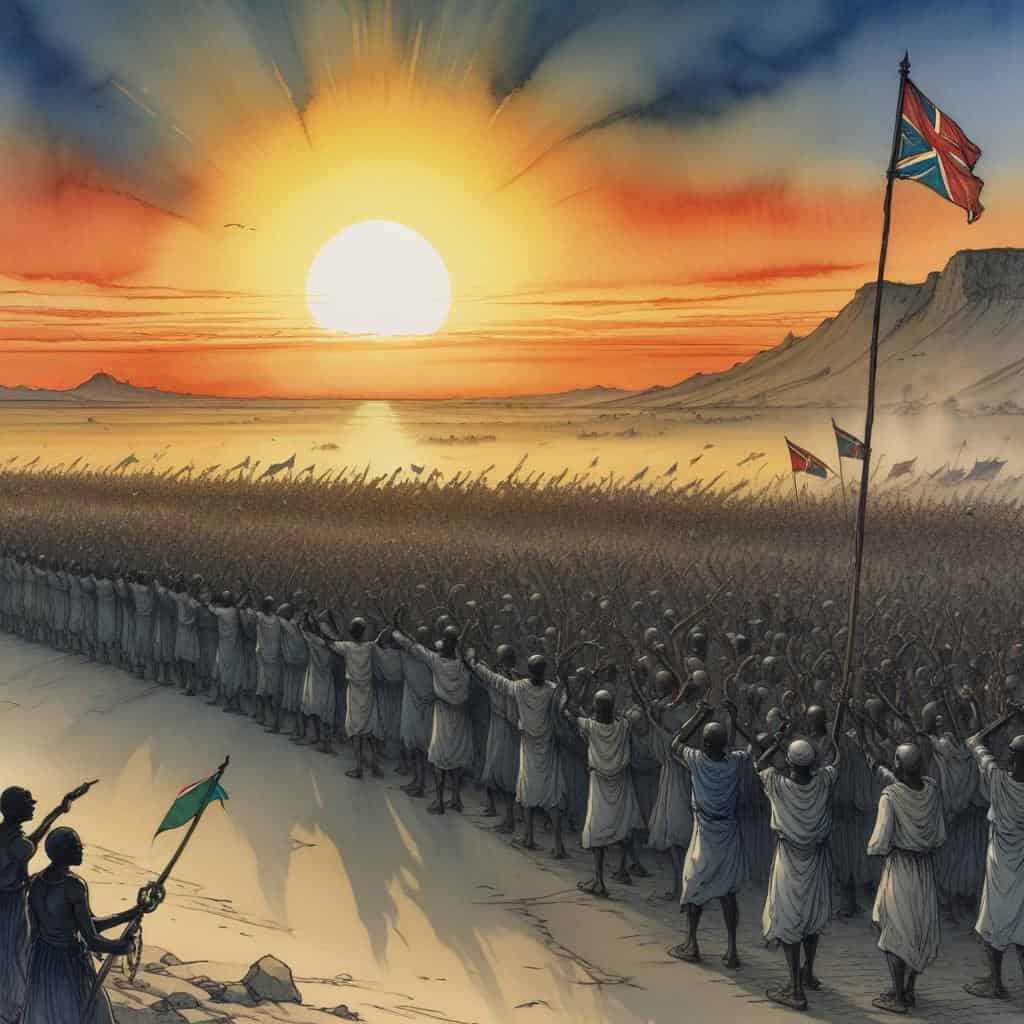
Independence
Audio Library
As one of our featured lessons, this topic includes premium audio guides.
Unlock the Wizard's Cram Session
This powerful audio study guide is a Pro-exclusive feature. Upgrade to Memory Wizards Pro to access this and all of our premium learning tools.
Upgrade to ProIn a Nutshell
- Capital: Windhoek
- Population: Approx. 2.5 million (2021)
- Official Language: English
- Currency: Namibian dollar (NAD)
Breaking Down the Country
Diverse Landscapes
From the arid Namib Desert to the wildlife-rich Etosha National Park, Namibia boasts a range of stunning natural environments.
Cultural Heritage
Experience the rich traditions of Namibia's diverse ethnic groups, including the Himba, San, and Herero peoples.
Adventure Tourism
Embark on thrilling safaris, explore ancient rock art sites, and discover the unique charms of Namibia's coastal towns.
Timeline of Namibia
First evidence of human habitation in Namibia
Colonization by the German Empire
Herero and Namaqua Genocide
South Africa takes control of Namibia
Formation of the South West African People's Organization (SWAPO)
Start of the Namibian War of Independence
UN Resolution 435 for Namibian independence
Independence from South Africa
Election of Sam Nujoma as first President of Namibia
Establishment of the Namibian Constitution
Signing of the Lüderitz Declaration on the Conservation of the Namib Desert
Discovery of the wreck of the Portuguese slave ship São José off the coast of Namibia
Drought emergency declared in Namibia
Namibian President Hage Geingob re-elected for a second term
COVID-19 pandemic reaches Namibia
Namibia receives first batch of COVID-19 vaccines through COVAX initiative
Namibia celebrates 31 years of independence
Namibia hosts the 2021 World Press Freedom Day Global Conference
Namibia wins its first ever Olympic medal in Tokyo 2020
Namibia experiences severe flooding in several regions
Vocabulary List
- Windhoek
- The capital city of Namibia is Windhoek.
- Kalahari Desert
- Namibia is home to a portion of the Kalahari Desert.
- Etosha National Park
- Etosha National Park is a popular tourist destination in Namibia.
- Dune
- The sand dunes in Namibia are some of the largest in the world.
- San people
- The San people are indigenous to Namibia.
- German
- Namibia was once a German colony.
- Diamonds
- Namibia is a major producer of diamonds.
- Wildlife
- Namibia is known for its diverse wildlife, including elephants and lions.
- Swakopmund
- Swakopmund is a coastal town in Namibia known for its German colonial architecture.
- Fish River Canyon
- The Fish River Canyon in Namibia is one of the largest canyons in the world.
Key Facts
This is the information used in the fact matching game
- Namibia is one of the least densely populated countries in the world, with only 2.1 million people spread over 825,615 square kilometers.
- The Namib Desert in Namibia is considered the oldest desert in the world, estimated to be around 55 million years old.
- Namibia gained independence from South Africa in 1990, making it one of the youngest countries in Africa.
- The country's official language is English, but there are also many indigenous languages spoken in Namibia.
- Namibia is home to the world's largest population of free-roaming cheetahs.
- Etosha National Park in Namibia is one of the largest national parks in Africa and is home to a wide variety of wildlife.
- Namibia's currency is the Namibian dollar, which is pegged to the South African rand.
- The country is known for its stunning landscapes, including the towering red sand dunes of Sossusvlei.
- Namibia is home to the world's second largest canyon, the Fish River Canyon.
- The Himba people of Namibia are known for their unique culture and traditional way of life.
- Namibia is a popular destination for adventure sports such as sandboarding, skydiving, and quad biking.
- The country has a rich colonial history, with influences from Germany, South Africa, and other European powers.
- Namibia is one of the best places in the world for stargazing, thanks to its low light pollution and clear skies.
- The Skeleton Coast in Namibia is known for its treacherous shores and shipwrecks, but also for its unique wildlife.
- Namibia is a popular destination for birdwatching, with over 700 bird species recorded in the country.
- The country is home to several indigenous tribes, each with its own distinct language, customs, and traditions.
- Namibia is a stable democracy with a multi-party political system and regular elections.
- The Namibian economy is heavily dependent on mining, particularly of diamonds, uranium, and other minerals.
- The country has a diverse range of ecosystems, from arid deserts to lush savannas and wetlands.
- Namibia is known for its conservation efforts, with over 40% of the country's land under some form of conservation management.
Why It Matters
Geopolitical Significance
Namibia’s strategic position on the southwestern coast of Africa has made it a key player in regional politics and trade. Its borders with Angola, Zambia, Botswana, and South Africa have shaped its interactions with neighboring countries and its role in regional organizations.
Historical Importance
Namibia’s history is marked by colonialism, resistance, and independence struggles. From German colonization to South African apartheid rule, Namibia’s past continues to influence its present society and politics. The legacy of figures like Sam Nujoma and the fight for independence are central to the country’s identity.
Modern-Day Role
In the present day, Namibia is a stable democracy with a growing economy based on mining, agriculture, and tourism. As a member of the Southern African Development Community (SADC), Namibia plays a role in regional development and peacekeeping efforts. Its conservation efforts and natural beauty also attract tourists from around the world.
Namibia Games


Take Your Learning Offline
Want a convenient, print-ready study guide for this lesson? Become a Memory Wizards Pro member to unlock the downloadable " Memory Scrolls" for this topic and our entire library!
- ✓ Complete Vocabulary Lists
- ✓ Key Facts & Timelines
- ✓ Beautifully Formatted for Print & Mobile