
How Do You Learn Best?
Learn by Listening
Start with the 3-minute audio summary to get the key facts and narrative highlights quickly.
Learn by Reading
Immerse yourself in the 10-minute visual lesson for a comprehensive understanding of the topic.
Learn by Reviewing
Jump directly to the key facts, timeline, and vocabulary lists to build a solid foundation of details.
Learn by Doing
Challenge yourself! Jump straight into the interactive games to learn by trial, error, and discovery.
Mauritius in 10 Minutes
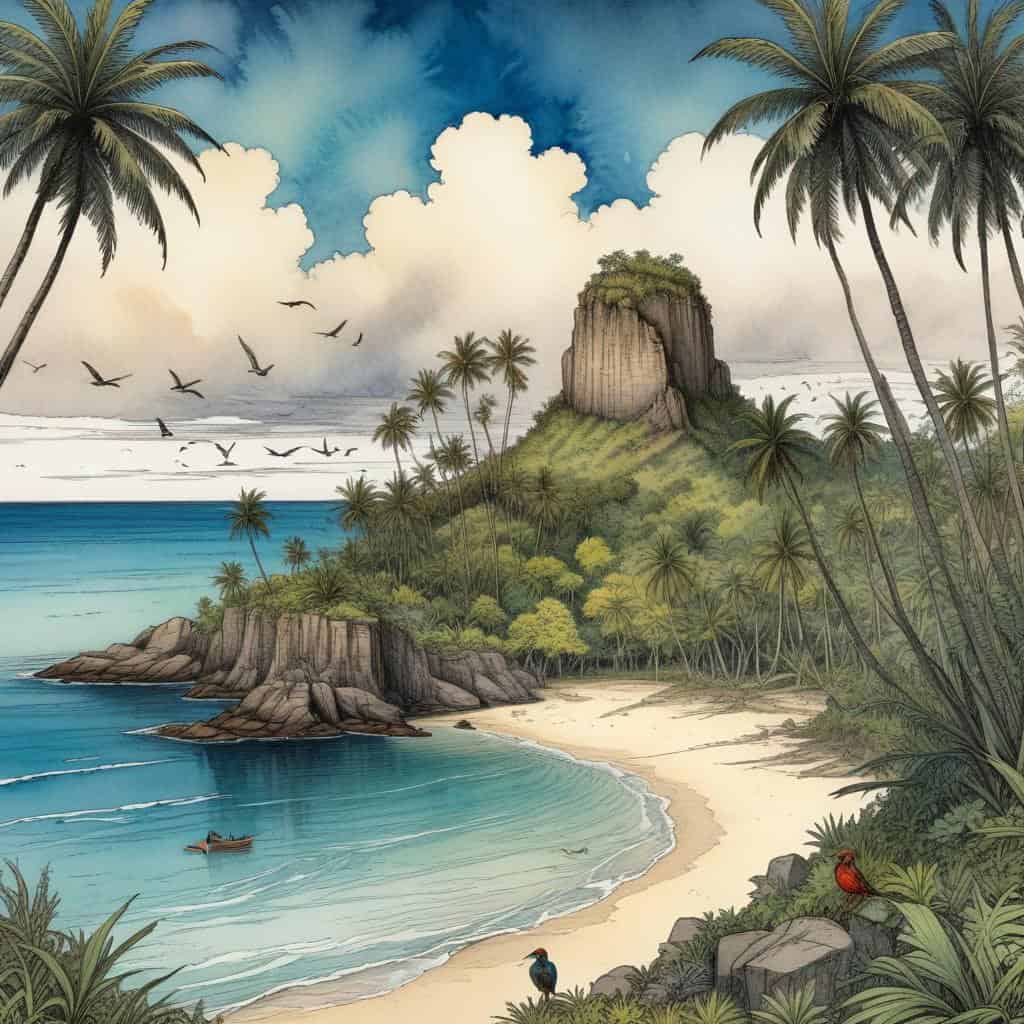
Introduction

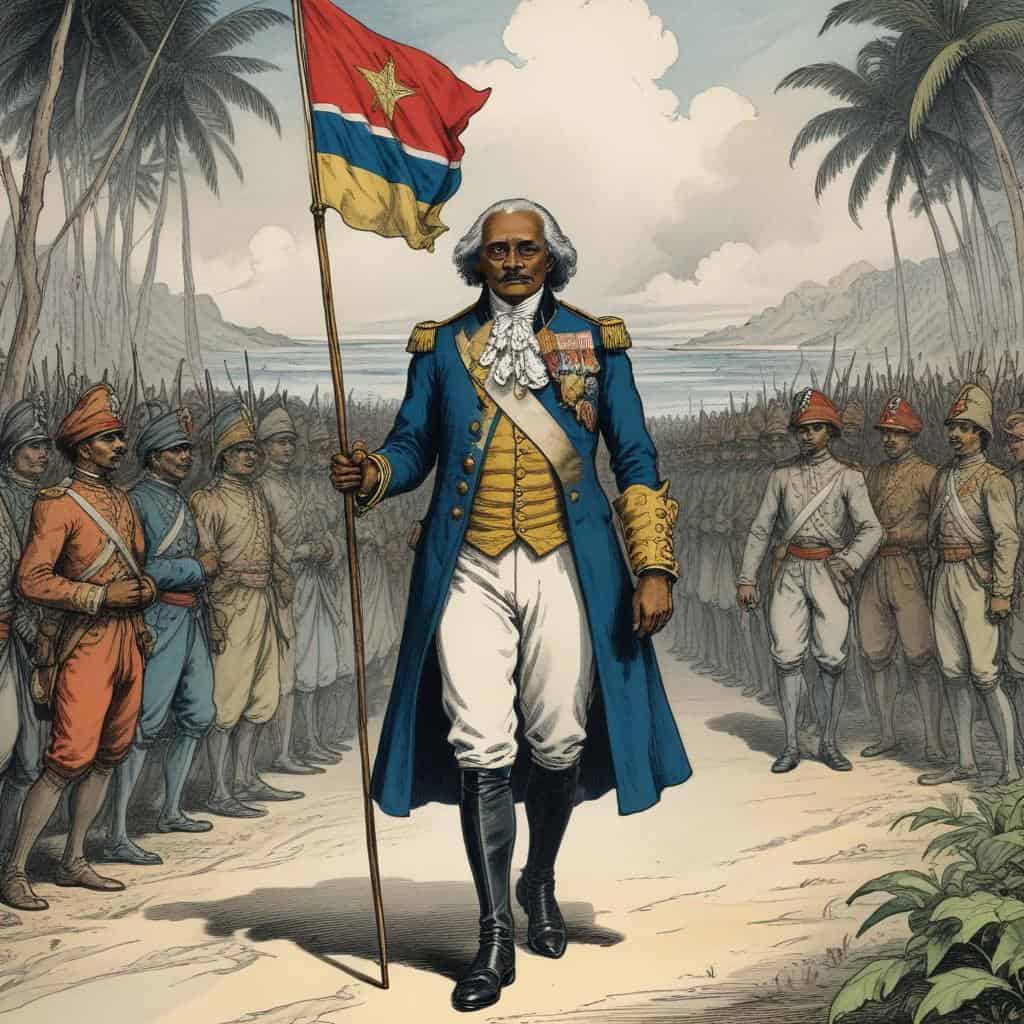
1. Sir Seewoosagur Ramgoolam
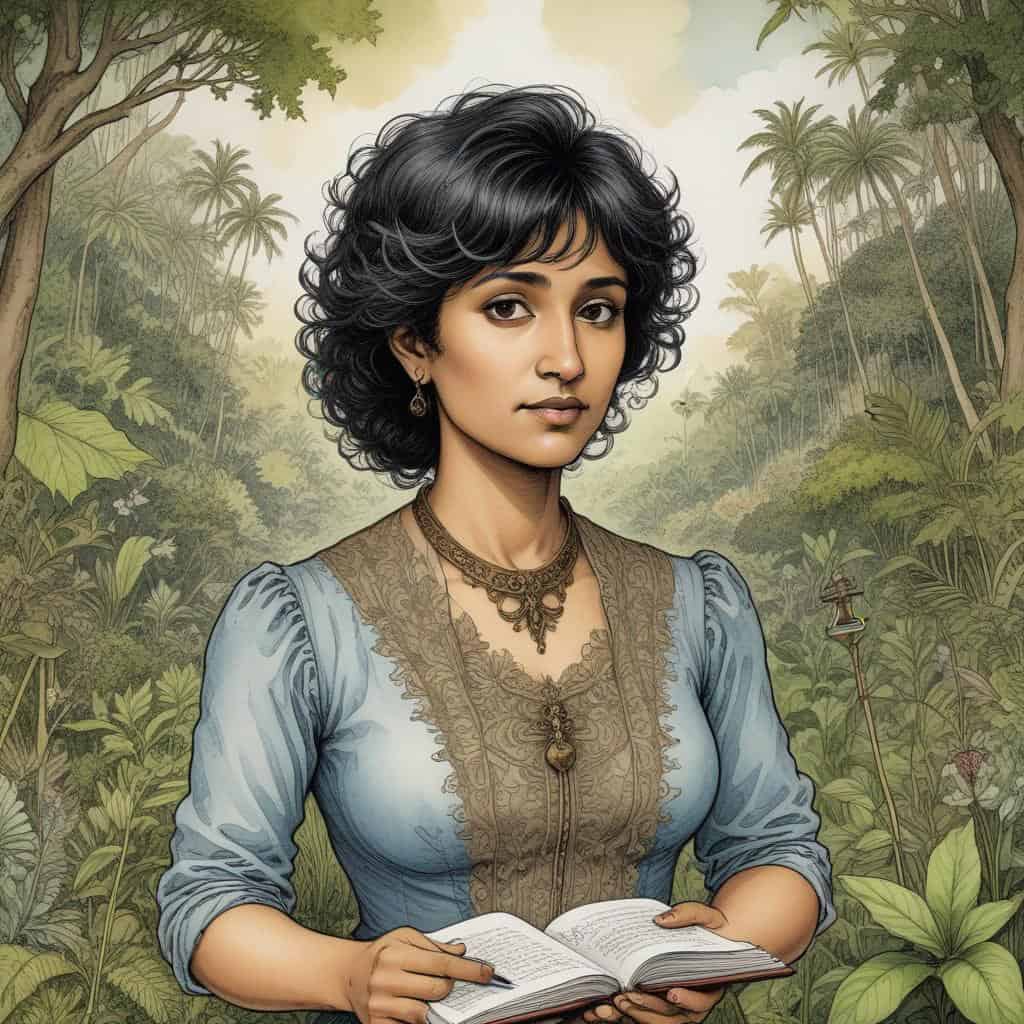
2. Ameenah Gurib-Fakim

3. Paul Bérenger

4. Gaëtan Duval

5. Indira Gandhi Centre for Indian Culture

Mauritius: A Brief History

The Geography of Mauritius

The Culture of Mauritius
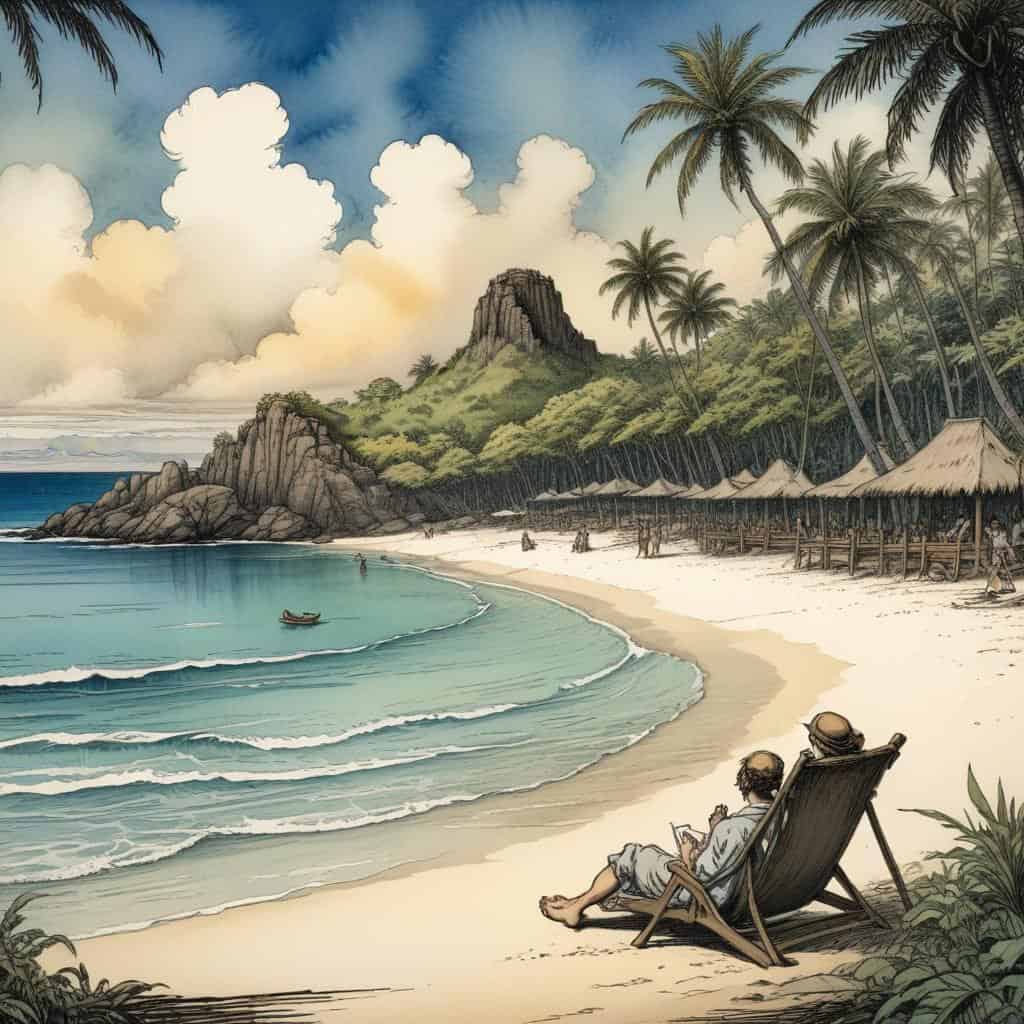
Tourism in Mauritius
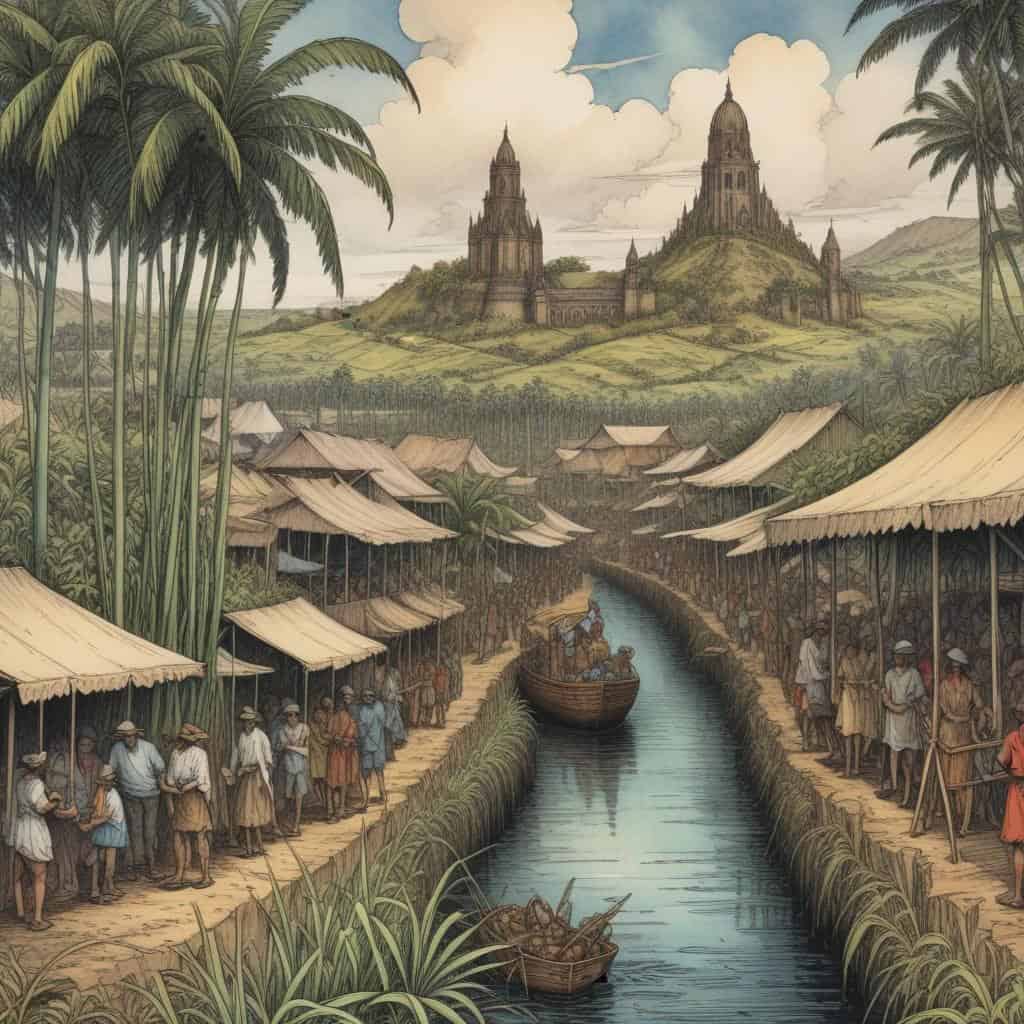
The Economy of Mauritius

The People of Mauritius
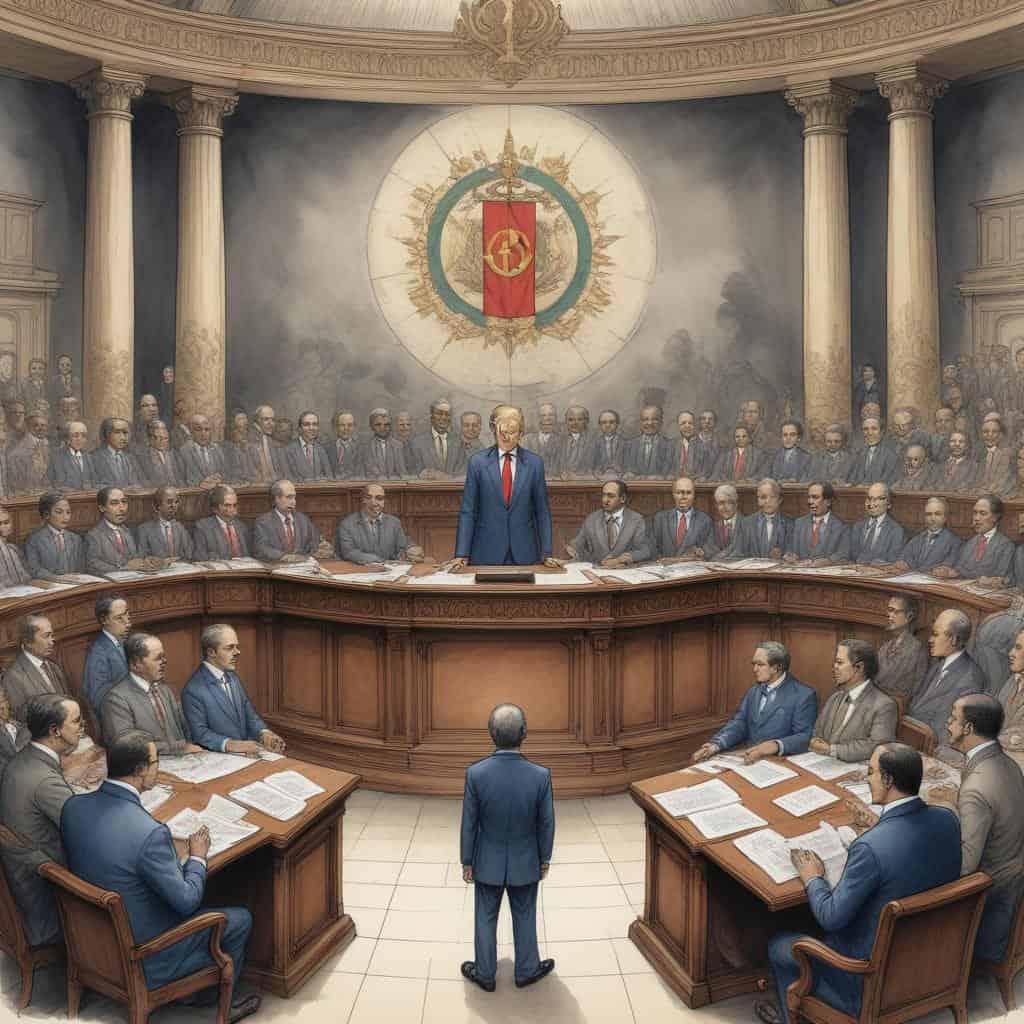
Government and Politics in Mauritius

Education and Healthcare in Mauritius
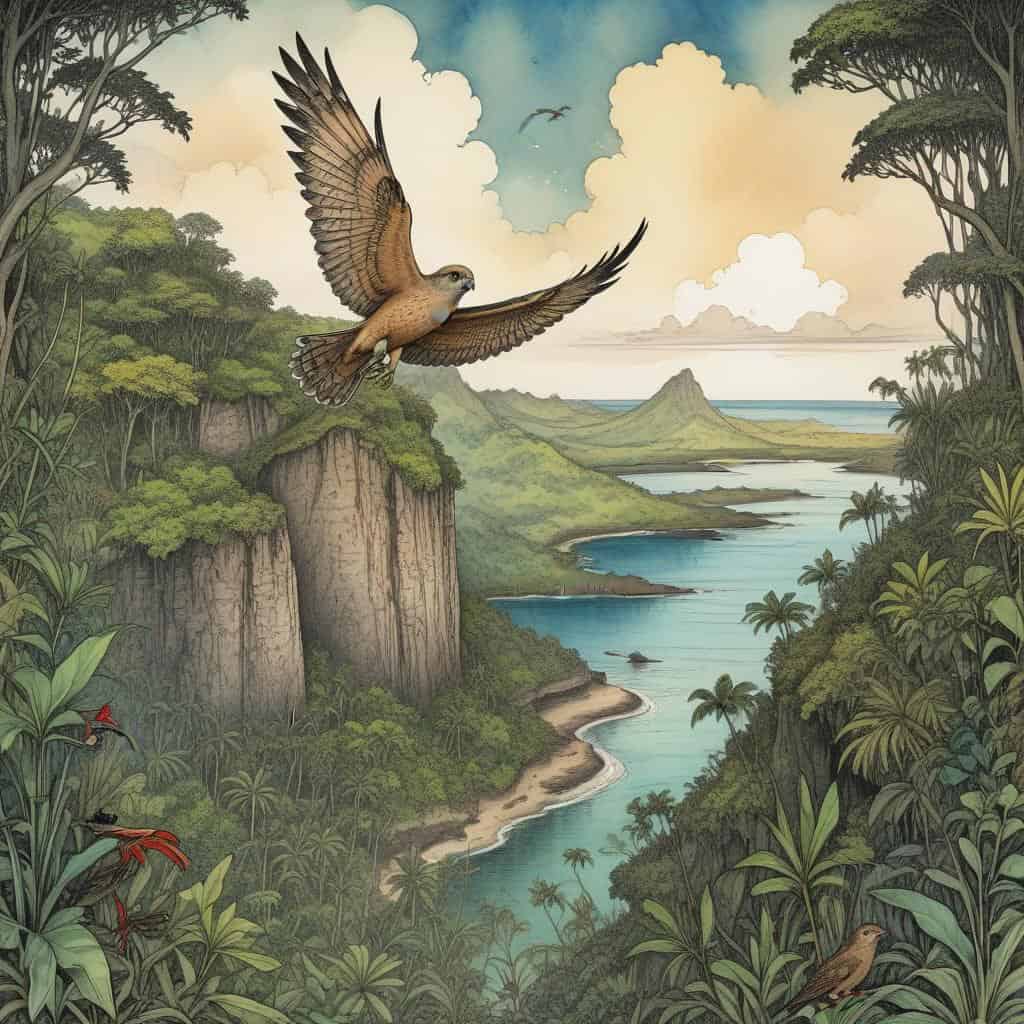
Environmental Conservation in Mauritius

Future Prospects for Mauritius
Audio Library
As one of our featured lessons, this topic includes premium audio guides.
Unlock the Wizard's Cram Session
This powerful audio study guide is a Pro-exclusive feature. Upgrade to Memory Wizards Pro to access this and all of our premium learning tools.
Upgrade to ProIn a Nutshell
- Capital: Port Louis
- Population: Approx. 1.3 million (2021)
- Official Language: French, English, Mauritian Creole
- Currency: Mauritian Rupee (MUR)
Breaking Down the Country
Tropical Paradise
Discover pristine beaches, crystal-clear waters, and lush tropical landscapes that make Mauritius a picture-perfect island getaway.
Cultural Fusion
Experience a vibrant mix of Indian, African, French, and Chinese influences in Mauritius' cuisine, music, and festivals.
Unique Wildlife
Encounter rare species like the pink pigeon and giant tortoises in Mauritius' protected nature reserves and national parks.
Timeline of Mauritius
Portuguese discover Mauritius
Dutch establish a settlement on the island
Dutch abandon Mauritius
French establish a colony on the island
British capture Mauritius from the French
Slavery abolished in Mauritius
Indian indentured laborers brought to Mauritius
Mauritius becomes independent from Britain
Republic of Mauritius established
Mauritius becomes a member of the Commonwealth of Nations
Mauritius joins the African Union
Mauritius hit by Cyclone Gervaise
Mauritius hit by Cyclone Hollanda
Mauritius hit by Cyclone Dina
Mauritius hit by Cyclone Gamede
Mauritius hit by Cyclone Berguitta
Mauritius becomes a popular tourist destination
Mauritius holds its first democratic elections
Mauritius hosts the first African Island Games
Mauritius becomes a member of the World Trade Organization
Vocabulary List
- Port Louis
- The capital city of Mauritius.
- Dodo bird
- An extinct bird native to Mauritius.
- Beach
- Mauritius is known for its beautiful beaches.
- Sugar cane
- One of the main agricultural crops grown in Mauritius.
- Creole
- One of the main languages spoken in Mauritius.
- Volcano
- Mauritius was formed by volcanic activity.
- Hike
- There are many hiking trails in Mauritius.
- Mangrove
- Mauritius has several mangrove forests.
- Rum
- Mauritius is known for its rum production.
- Cyclone
- Mauritius is prone to cyclones during certain times of the year.
Key Facts
This is the information used in the fact matching game
- Mauritius is an island nation located in the Indian Ocean, about 2,000 kilometers off the southeast coast of Africa.
- The capital city of Mauritius is Port Louis, which is also the largest city in the country.
- Mauritius was a Dutch colony in the 17th century, followed by French and British rule before gaining independence in 1968.
- Mauritius is known for its beaches, lagoons, and reefs, making it a popular tourist destination.
- The official languages of Mauritius are English, French, and Mauritian Creole.
- Mauritius has a diverse population with Indian, African, Chinese, and European ethnic groups.
- The currency of Mauritius is the Mauritian Rupee (MUR).
- Mauritius is a parliamentary republic with a President as the head of state and a Prime Minister as the head of government.
- The economy of Mauritius is diversified, with key sectors including tourism, textiles, sugar, and financial services.
- Mauritius is known for its unique wildlife, including the rare pink pigeon and the giant Aldabra tortoise.
- The highest point in Mauritius is Piton de la Petite Rivière Noire, standing at 828 meters (2,717 feet) above sea level.
- Mauritius has a tropical climate with a wet season from November to April and a dry season from May to October.
- The national dish of Mauritius is dholl puri, a type of flatbread filled with yellow split peas and served with curry.
- Mauritius is a member of the African Union, the Commonwealth of Nations, and the Indian Ocean Commission.
- The Mauritius flag consists of four horizontal bands of red, blue, yellow, and green, with a red field on the upper hoist-side corner containing a yellow, white, red, blue, and green image of a dodo bird.
- Mauritius is home to several UNESCO World Heritage Sites, including Aapravasi Ghat, Le Morne Brabant, and the historic city of Port Louis.
- Mauritius has a literacy rate of over 90%, one of the highest in Africa.
- The Mauritius International Airport, also known as Sir Seewoosagur Ramgoolam International Airport, is the main gateway to the country.
- Mauritius is known for its vibrant culture, with a mix of Indian, African, Chinese, and European influences in music, dance, and cuisine.
- Mauritius is a popular destination for water sports such as snorkeling, scuba diving, and kite surfing due to its clear waters and coral reefs.
Why It Matters
Geopolitical Significance
Located in the Indian Ocean, Mauritius holds a strategic position for trade routes between Africa, Asia, and the Middle East. Its maritime boundaries offer access to valuable fishing grounds and potential mineral resources, making it a key player in regional politics and economic partnerships.
Historical Importance
Mauritius has a diverse history shaped by colonization, slavery, and immigration. From being a Dutch, French, and British colony to gaining independence in 1968, its past reflects the struggles and resilience of its multicultural population. The island’s history is a testament to the impacts of colonialism and the fight for freedom and equality.
Modern-Day Role
Today, Mauritius has emerged as a stable democracy and a hub for finance, tourism, and technology in the Indian Ocean region. Its success in economic diversification, environmental conservation, and social harmony serves as a model for sustainable development and multicultural coexistence in a globalized world.
Mauritius Games


Take Your Learning Offline
Want a convenient, print-ready study guide for this lesson? Become a Memory Wizards Pro member to unlock the downloadable " Memory Scrolls" for this topic and our entire library!
- ✓ Complete Vocabulary Lists
- ✓ Key Facts & Timelines
- ✓ Beautifully Formatted for Print & Mobile