
How Do You Learn Best?
Learn by Listening
Start with the 3-minute audio summary to get the key facts and narrative highlights quickly.
Learn by Reading
Immerse yourself in the 10-minute visual lesson for a comprehensive understanding of the topic.
Learn by Reviewing
Jump directly to the key facts, timeline, and vocabulary lists to build a solid foundation of details.
Learn by Doing
Challenge yourself! Jump straight into the interactive games to learn by trial, error, and discovery.
Mauritania in 10 Minutes

Introduction
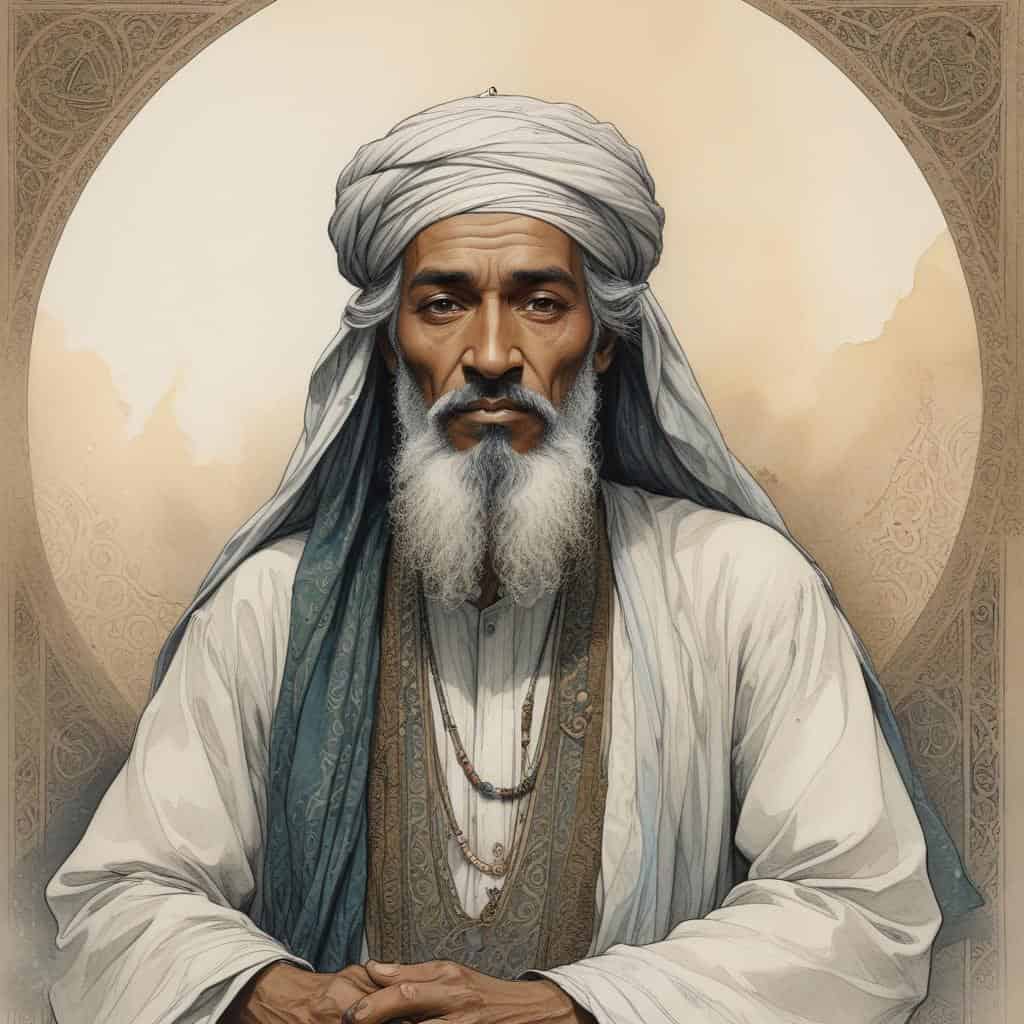
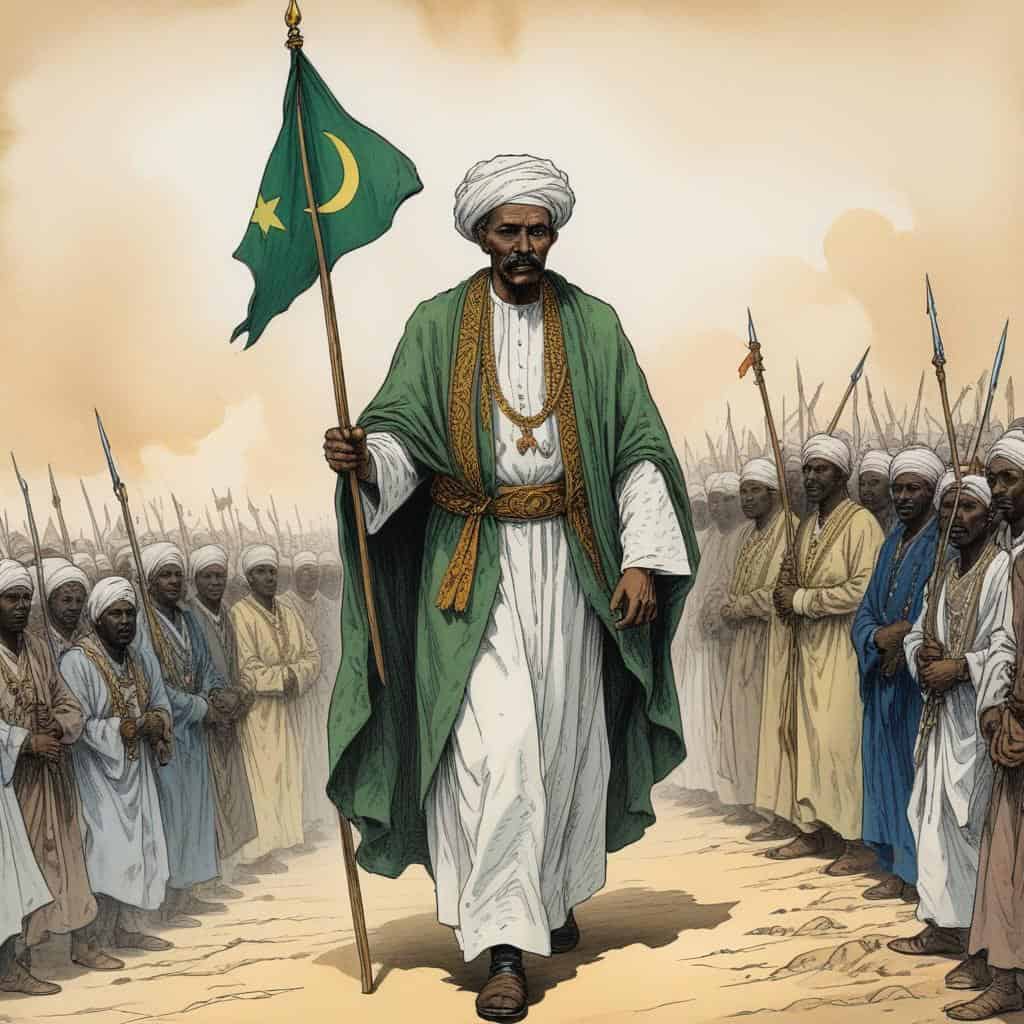
Sheikh Sidya Aly
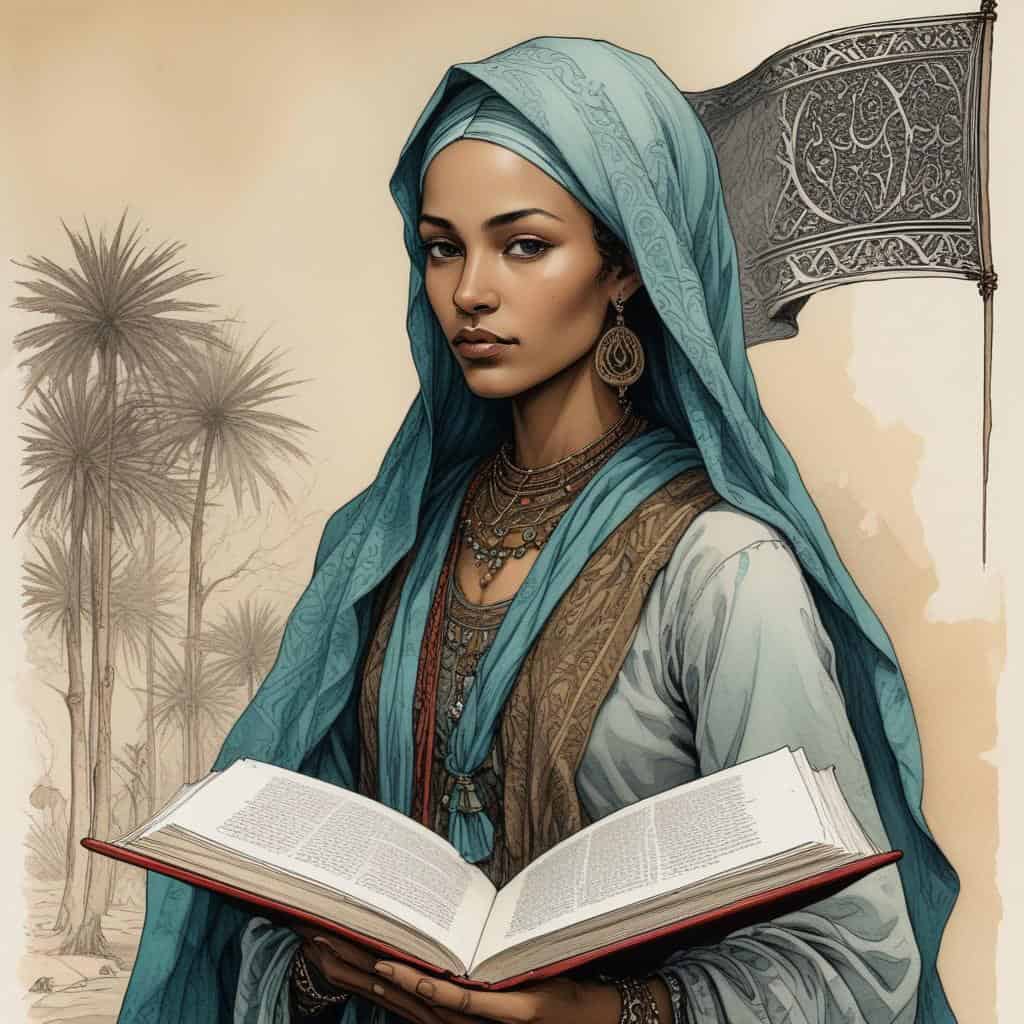
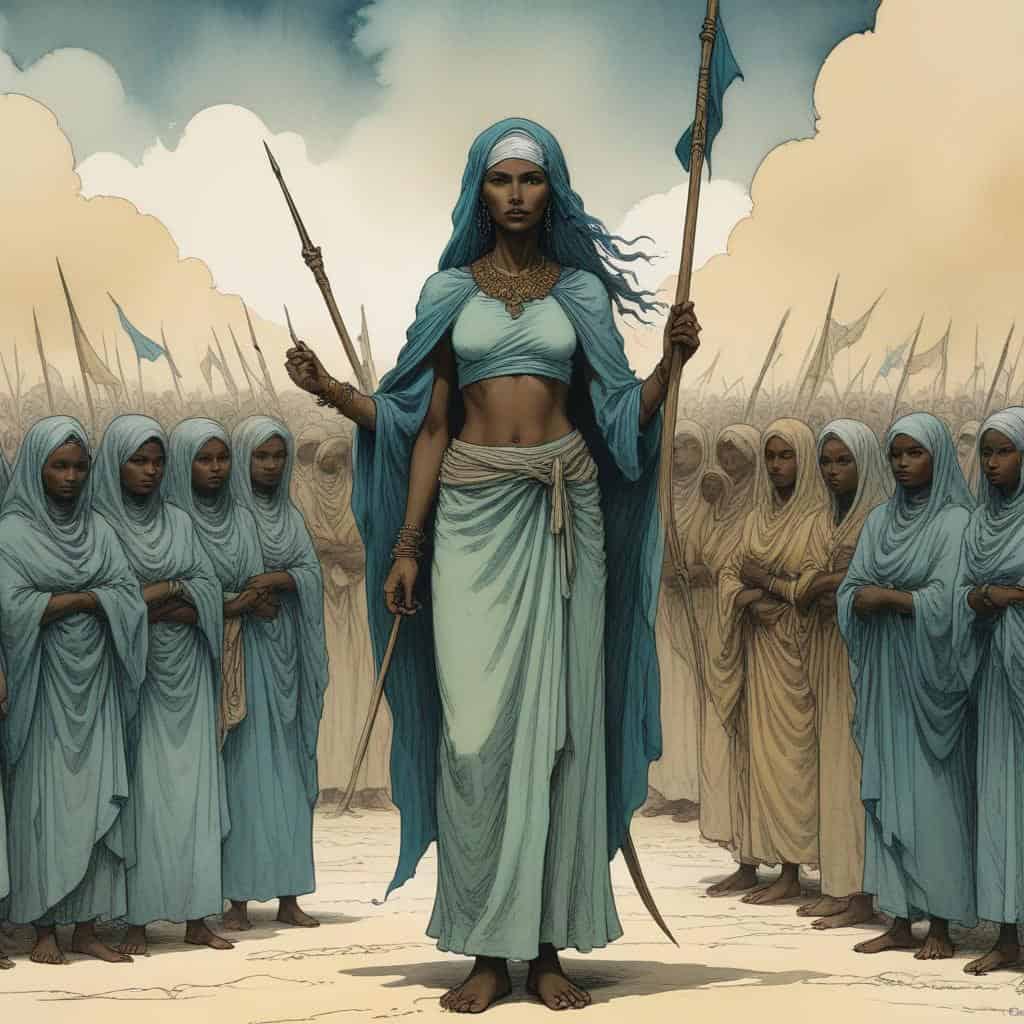
Khadija Mint Cheikh El Horma
Moctar Ould Daddah
Aminetou Mint El-Moctar
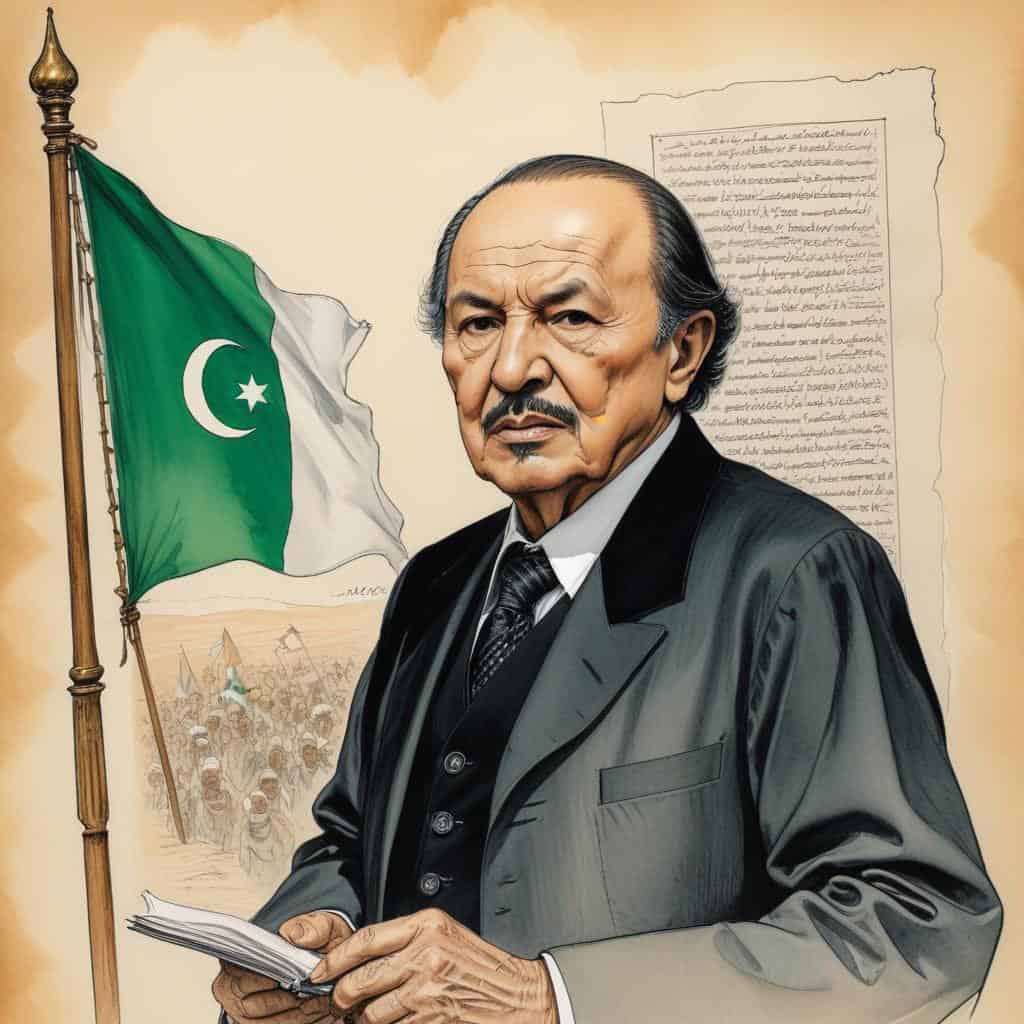
Abdel Aziz Bouteflika
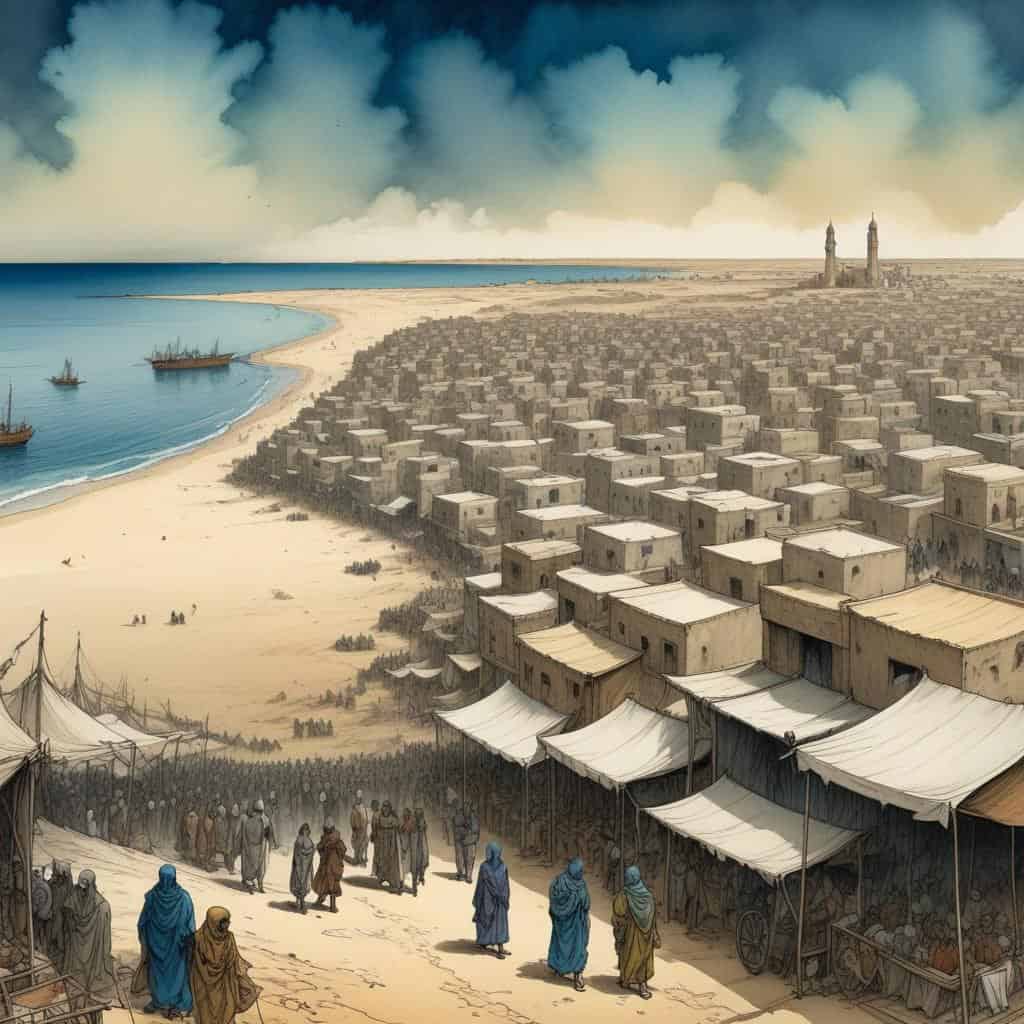
1. Capital City

2. Geography
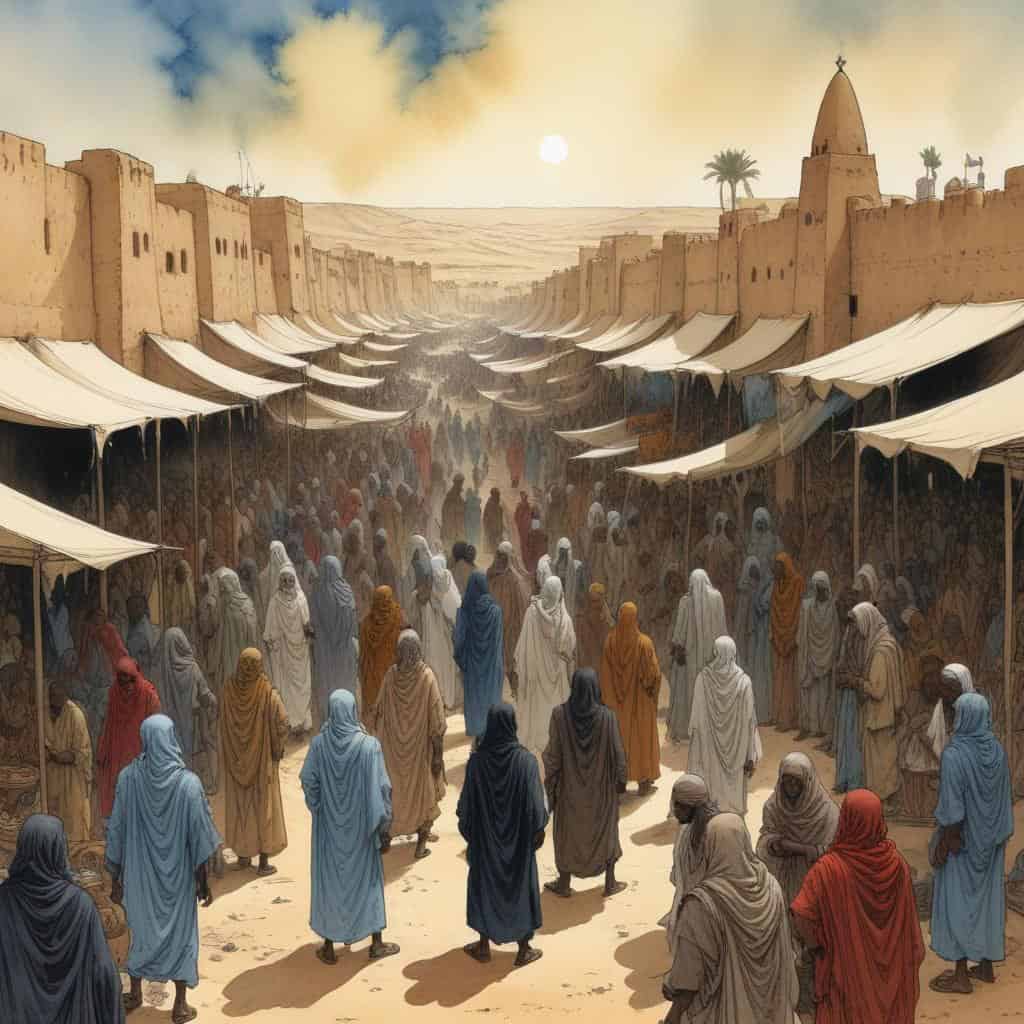
3. Population
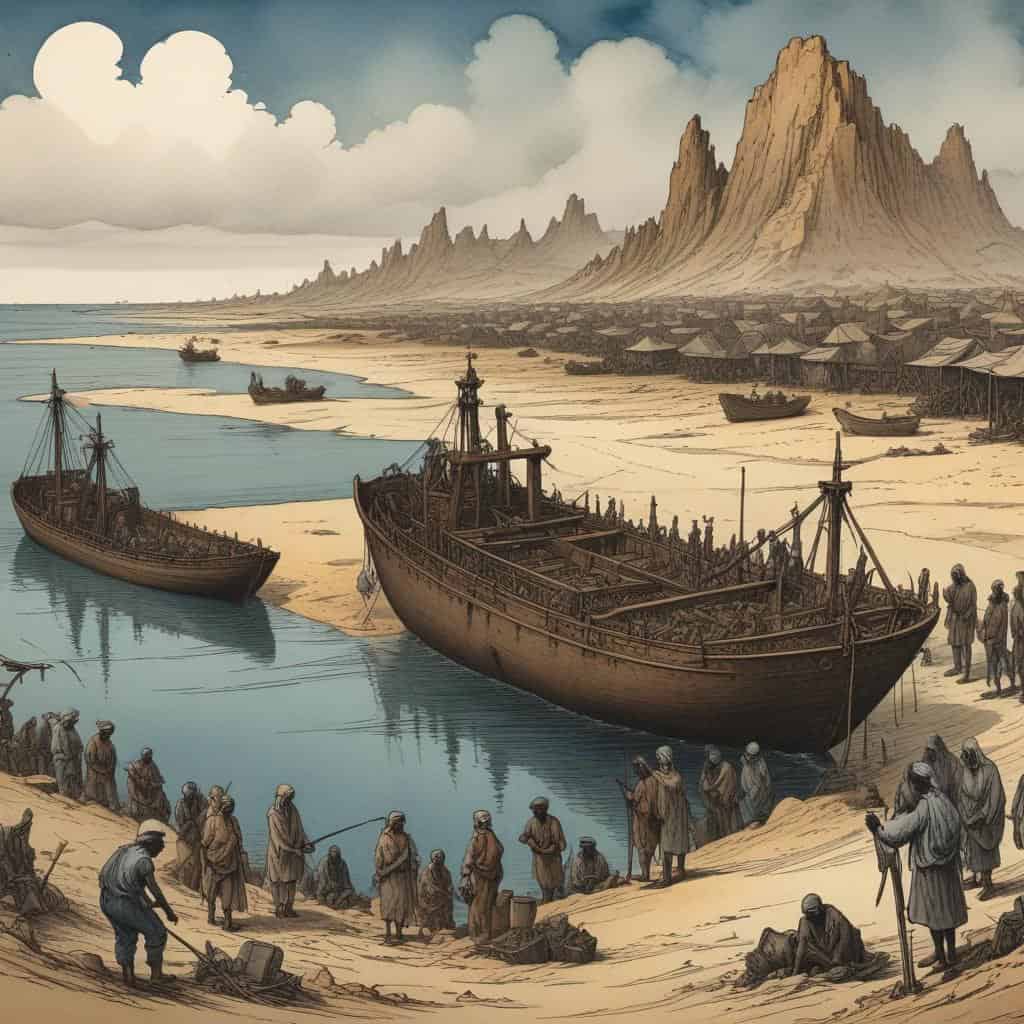
4. Economy
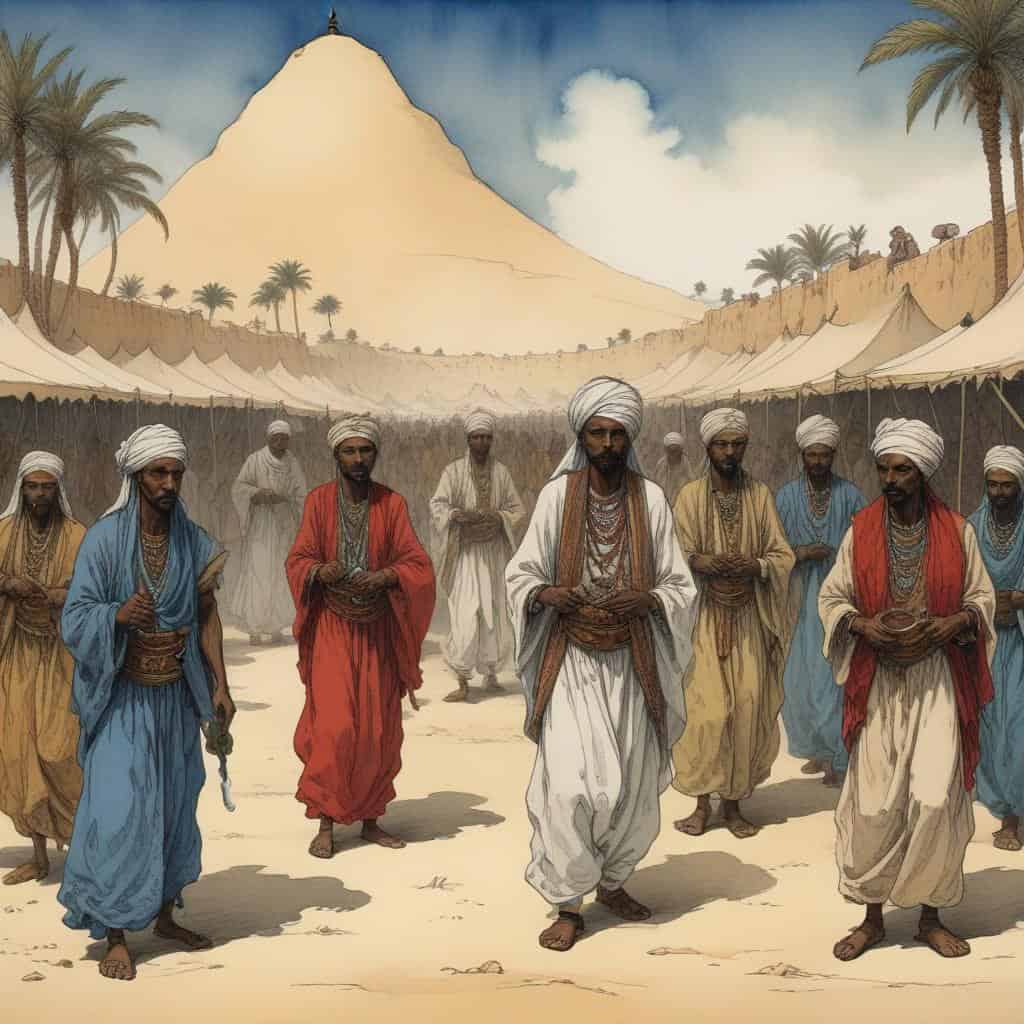
5. Culture
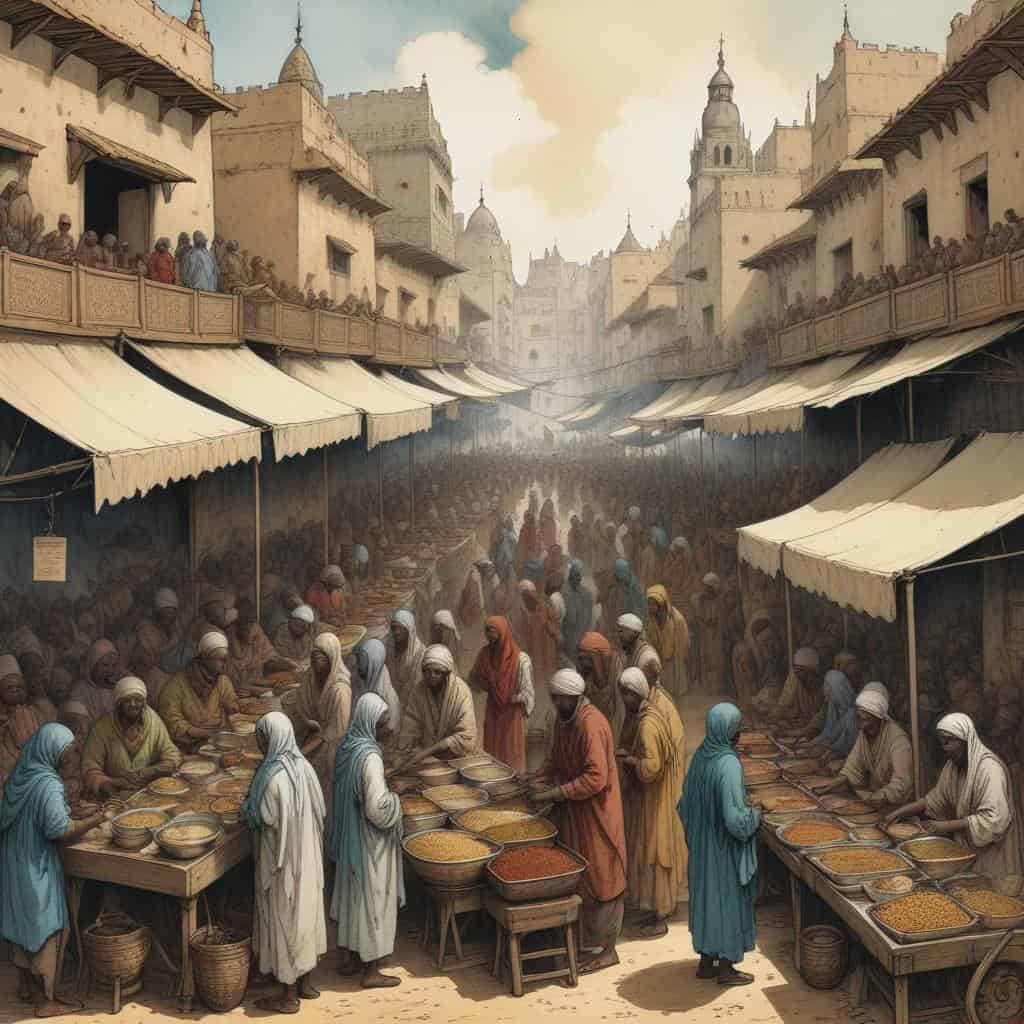
6. Cuisine
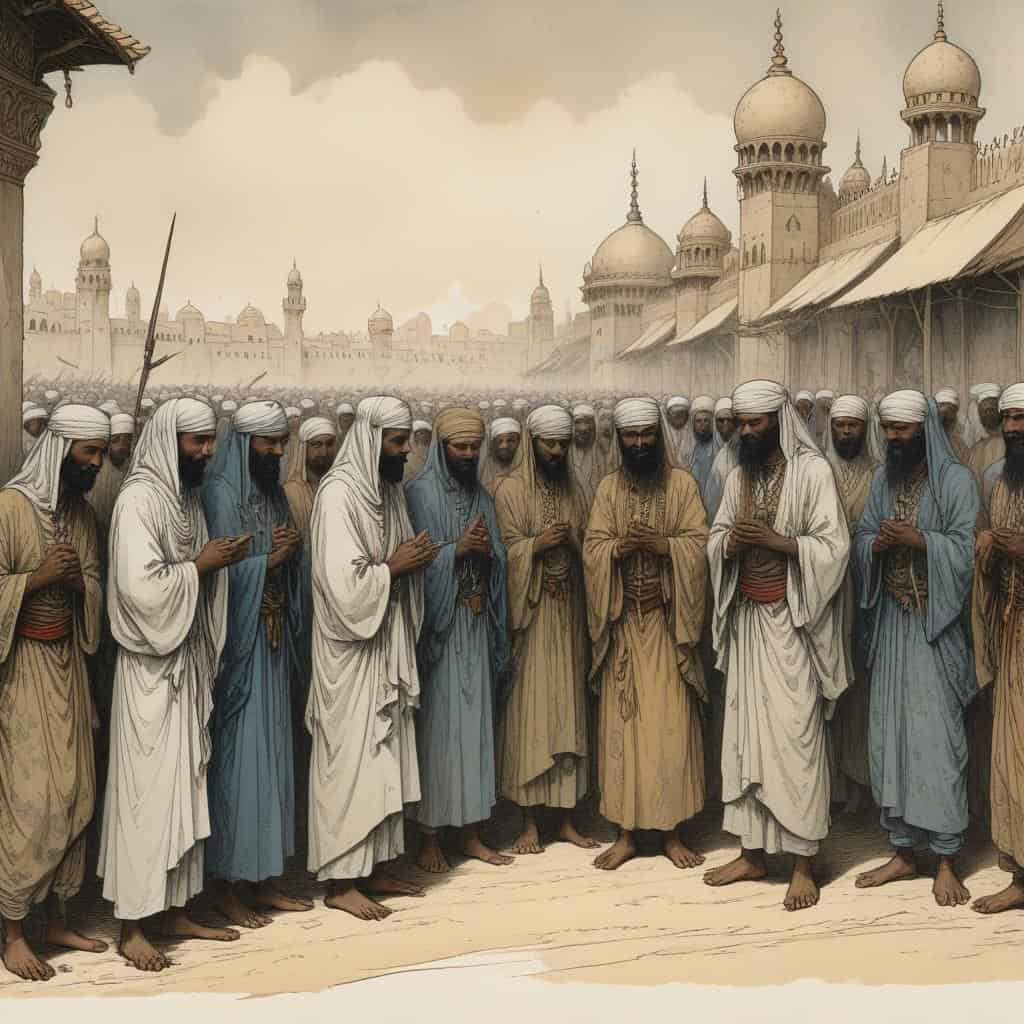
7. Religion
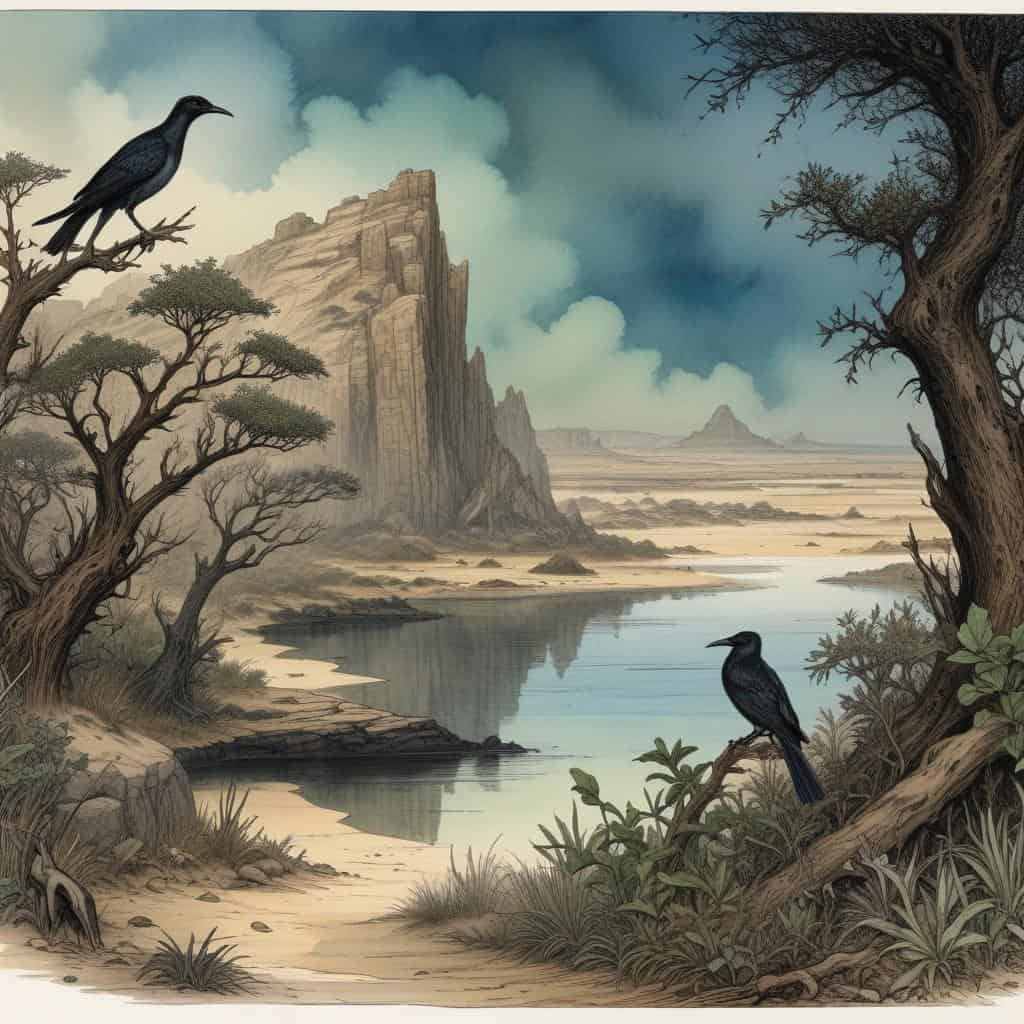
8. National Parks
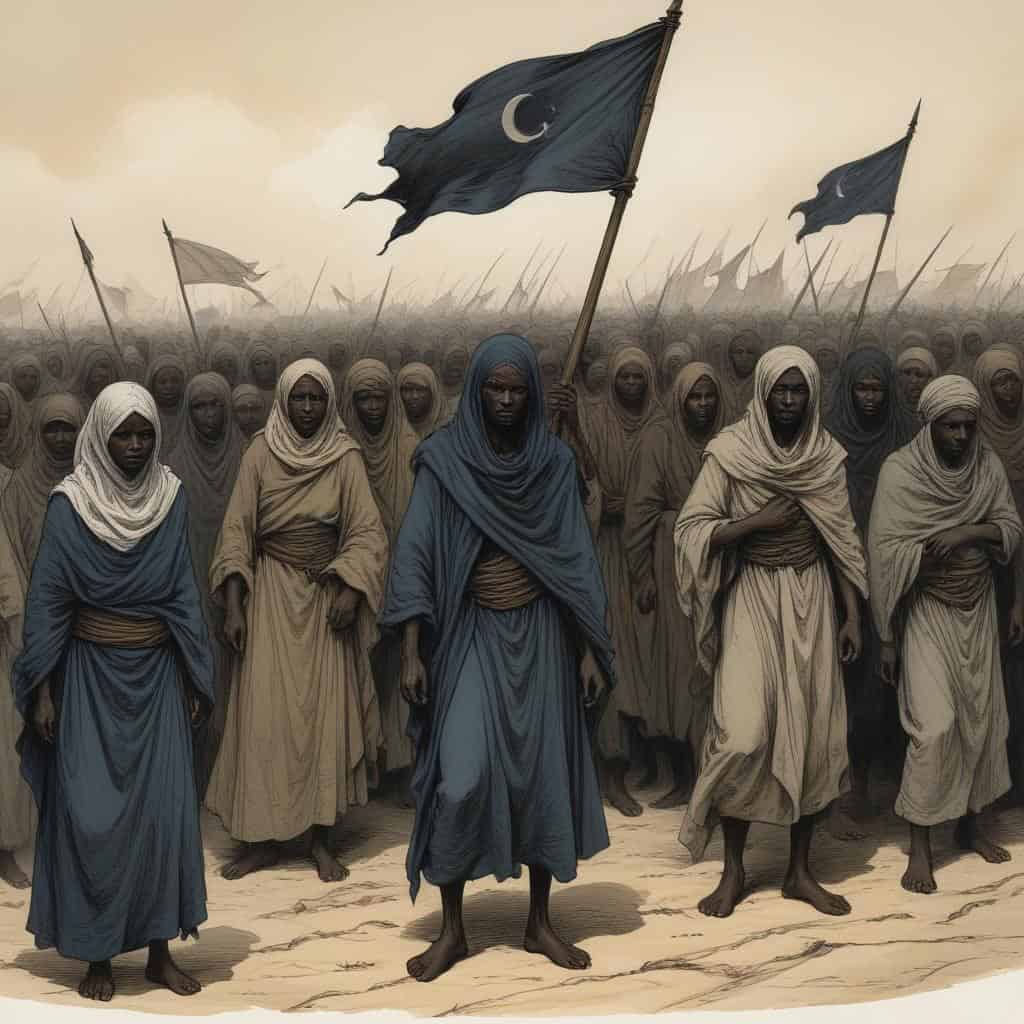
9. Slavery
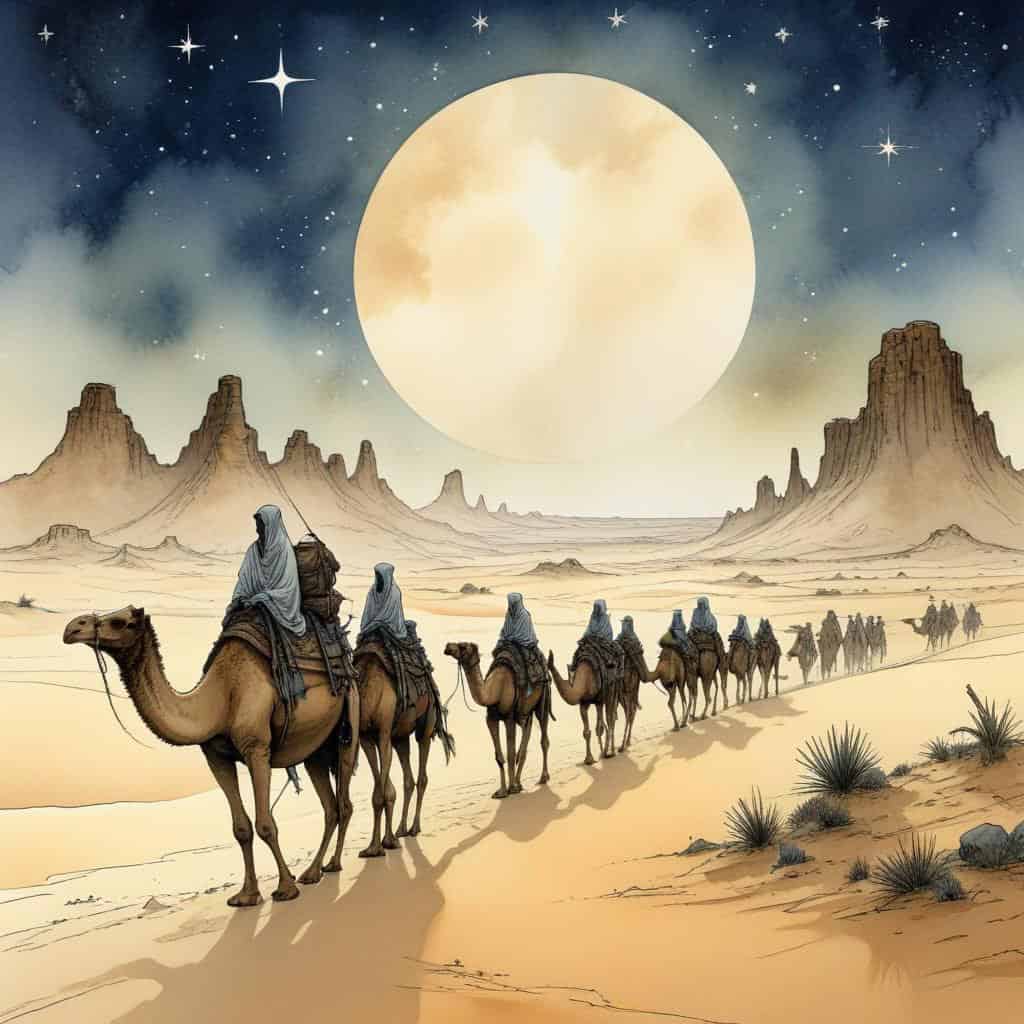
10. Tourism
Audio Library
As one of our featured lessons, this topic includes premium audio guides.
Unlock the Wizard's Cram Session
This powerful audio study guide is a Pro-exclusive feature. Upgrade to Memory Wizards Pro to access this and all of our premium learning tools.
Upgrade to ProIn a Nutshell
- Capital: Nouakchott
- Population: Approx. 4.6 million (2021)
- Official Language: Arabic
- Currency: Mauritanian ouguiya (MRU)
Breaking Down the Country
Geographical Features
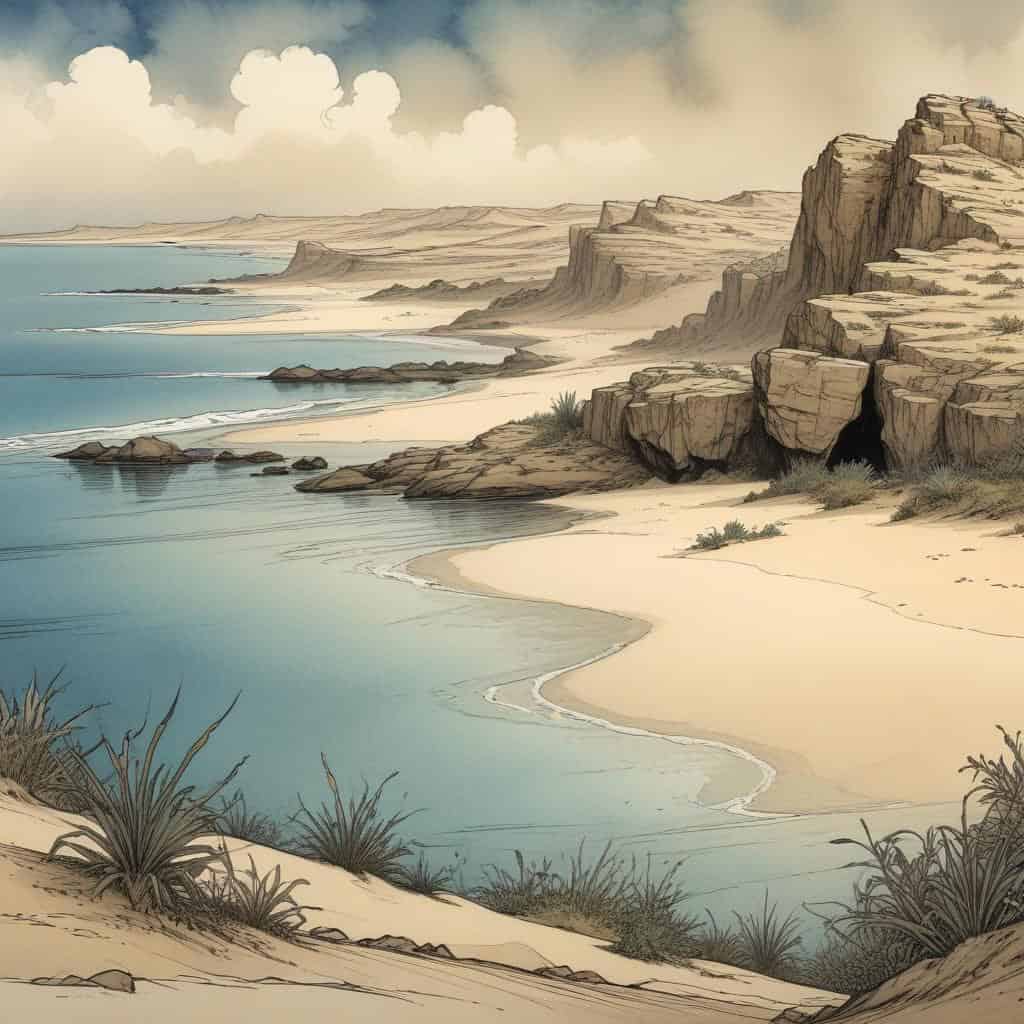
Mauritania's landscape includes vast stretches of the Sahara Desert, the Senegal River, and the Atlantic Ocean coastline.
Cultural Diversity
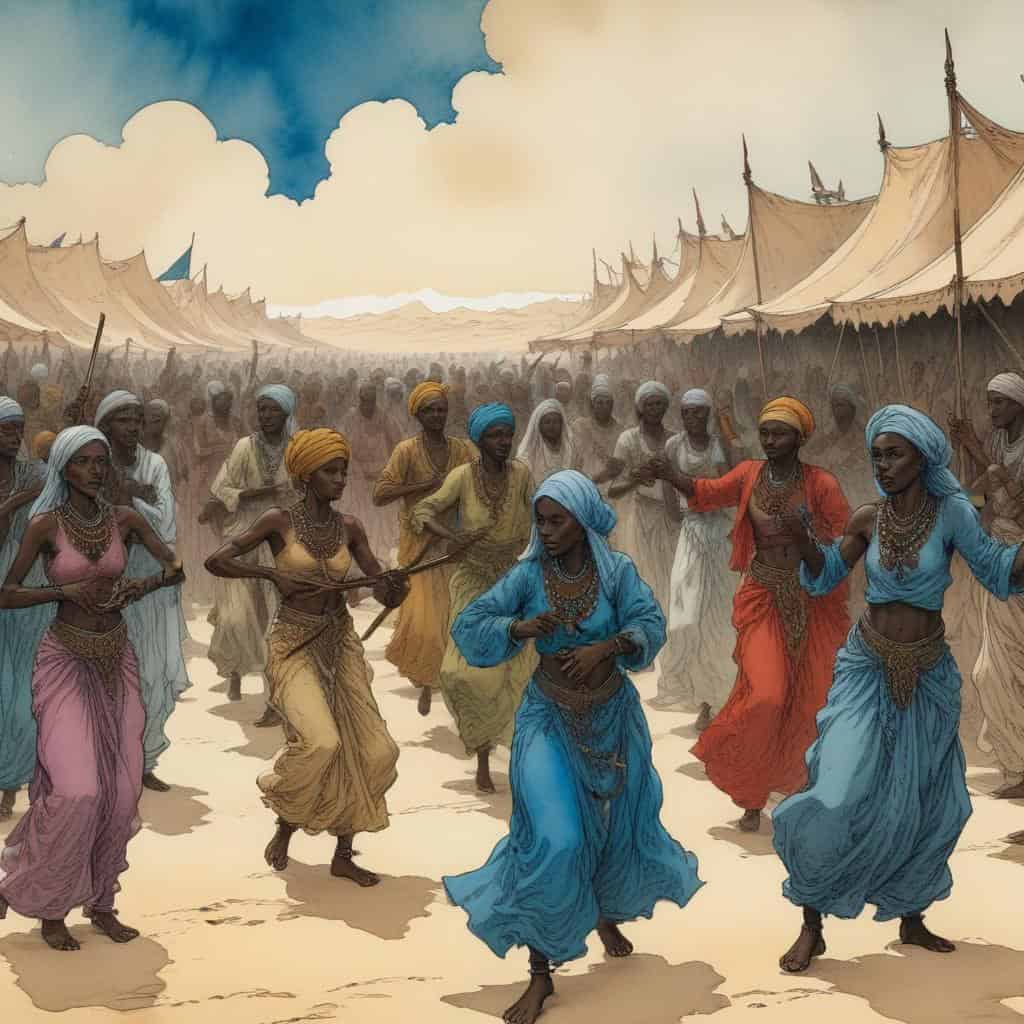
Explore the blend of Arab-Berber and sub-Saharan African cultures in Mauritania, reflected in language, music, and traditional attire.
Colonial Legacy
Discover how French colonization has influenced Mauritania's institutions, legal system, and cultural practices to this day.
Timeline of Mauritania
Berber tribes inhabit the area that is now Mauritania
Arab traders establish trading posts along the coast
The Almoravid Empire controls Mauritania
The French establish colonial rule over Mauritania
Mauritania becomes a French colony
Mauritania gains independence from France
Mauritania becomes a one-party state under President Moktar Ould Daddah
Mauritania abolishes slavery
Military coup led by Colonel Maaouya Ould Sid'Ahmed Taya
Mauritania joins the Arab League
Mauritania re-establishes diplomatic relations with Israel
Mauritania holds its first democratic elections
Military coup led by General Mohamed Ould Abdel Aziz
Mauritania holds presidential elections
Mauritania experiences a military coup attempt
Mauritania joins the African Union
Mauritania holds presidential elections
Mauritania becomes a member of the G5 Sahel regional security alliance
Mauritania begins COVID-19 vaccination campaign
Mauritania celebrates its Independence Day
Vocabulary List
- Nouakchott
- The capital and largest city of Mauritania.
- Sahara Desert
- A large desert in North Africa that covers much of Mauritania.
- Moor
- An ethnic group in Mauritania that has historically been involved in trade and commerce.
- Arabic
- The official language of Mauritania, spoken by most of the population.
- Islamic Republic
- The form of government in Mauritania, with Islam as the state religion.
Key Facts
This is the information used in the fact matching game
- Mauritania is located in Northwest Africa and is bordered by the Atlantic Ocean, Western Sahara, Algeria, Mali, and Senegal.
- The official language of Mauritania is Arabic, but several other languages are also spoken, including French, Pulaar, Soninke, and Wolof.
- Mauritania gained independence from France in 1960.
- The capital city of Mauritania is Nouakchott.
- Mauritania is one of the least densely populated countries in Africa, with a population of approximately 4.5 million people.
- The economy of Mauritania is heavily dependent on agriculture, mining, and fishing.
- Mauritania is known for its rich cultural heritage, including traditional music, dance, and art.
- The official currency of Mauritania is the Mauritanian ouguiya.
- Mauritania is a predominantly Muslim country, with Islam being the state religion.
- Mauritania is home to the ancient trading town of Chinguetti, which is a UNESCO World Heritage Site.
- Mauritania has a diverse landscape that includes desert, mountains, and coastline.
- The national dish of Mauritania is called thieboudienne, which is a spicy fish and rice dish.
- Mauritania has a rich tradition of storytelling, with oral literature being an important part of the culture.
- Mauritania has a significant iron ore mining industry, with the majority of the country's exports coming from this sector.
- Mauritania is a member of the Arab League, the African Union, and the United Nations.
- Mauritania has a hot desert climate, with temperatures often exceeding 40 degrees Celsius (104 degrees Fahrenheit) in the summer.
- Mauritania is known for its traditional Moorish architecture, including adobe buildings and decorative designs.
- Mauritania has a high rate of poverty, with over a third of the population living below the national poverty line.
- Mauritania has a rich history of ancient civilizations, including the Ghana Empire and the Almoravid dynasty.
- Mauritania is known for its traditional handicrafts, such as intricate silver jewelry and leatherwork.
Why It Matters
Geopolitical Significance
Located in North Africa, Mauritania’s strategic position on the Atlantic Ocean and border with the Sahara Desert gives it importance in regional security and trade routes. It also plays a role in combating terrorism and piracy in the region.
Historical Importance
With a history of ancient Berber kingdoms, Islamic empires, and French colonial rule, Mauritania’s past influences its cultural identity today. The legacy of slavery, independence struggle, and traditional nomadic lifestyle all contribute to its historical significance.
Modern-Day Role
As a key player in the African Union and Arab League, Mauritania’s diplomatic relations and peacekeeping efforts are crucial for regional stability. Its natural resources, such as iron ore and fishing, drive its economy and influence global trade networks.
Mauritania Games



Take Your Learning Offline
Want a convenient, print-ready study guide for this lesson? Become a Memory Wizards Pro member to unlock the downloadable " Memory Scrolls" for this topic and our entire library!
- ✓ Complete Vocabulary Lists
- ✓ Key Facts & Timelines
- ✓ Beautifully Formatted for Print & Mobile