
How Do You Learn Best?
Learn by Listening
Start with the 3-minute audio summary to get the key facts and narrative highlights quickly.
Learn by Reading
Immerse yourself in the 10-minute visual lesson for a comprehensive understanding of the topic.
Learn by Reviewing
Jump directly to the key facts, timeline, and vocabulary lists to build a solid foundation of details.
Learn by Doing
Challenge yourself! Jump straight into the interactive games to learn by trial, error, and discovery.
Mali in 10 Minutes
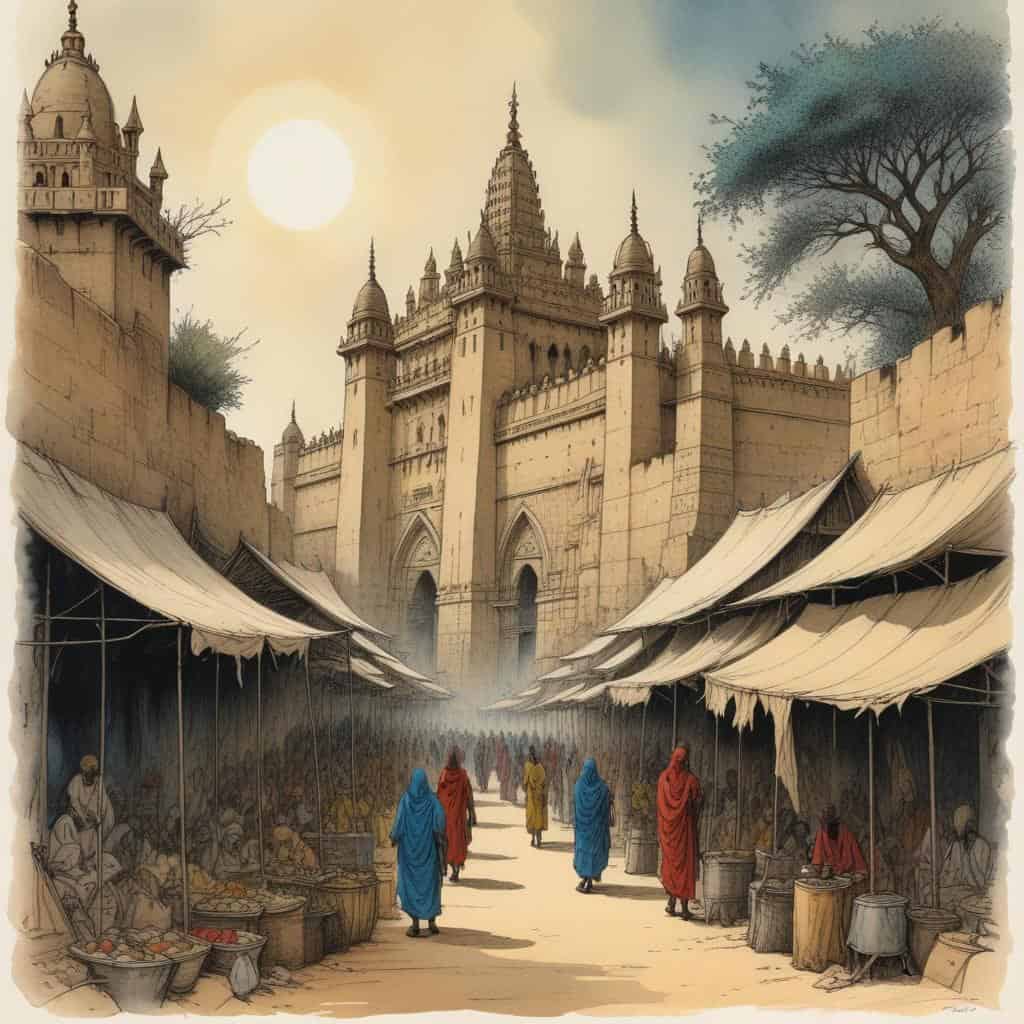
Introduction
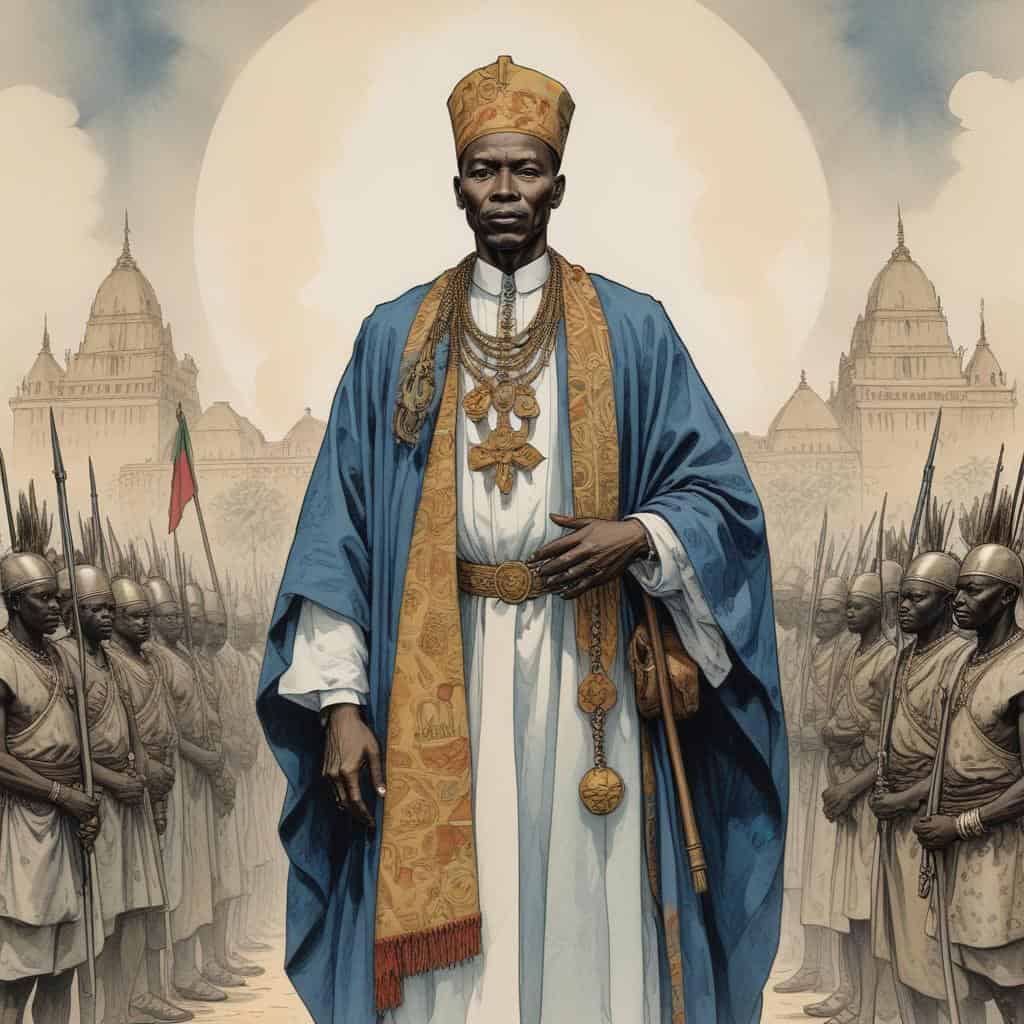
Modibo Keita
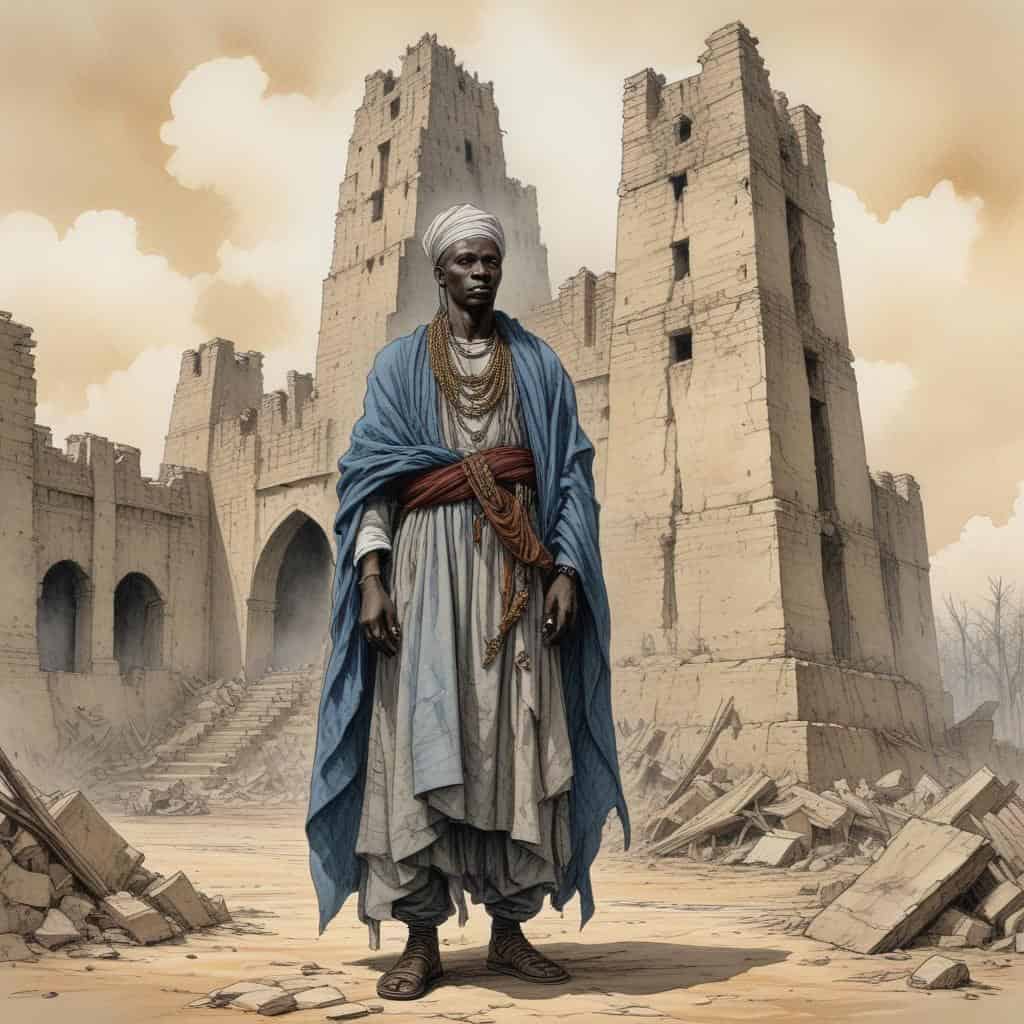
Amadou Toumani Touré

Aminata Traoré
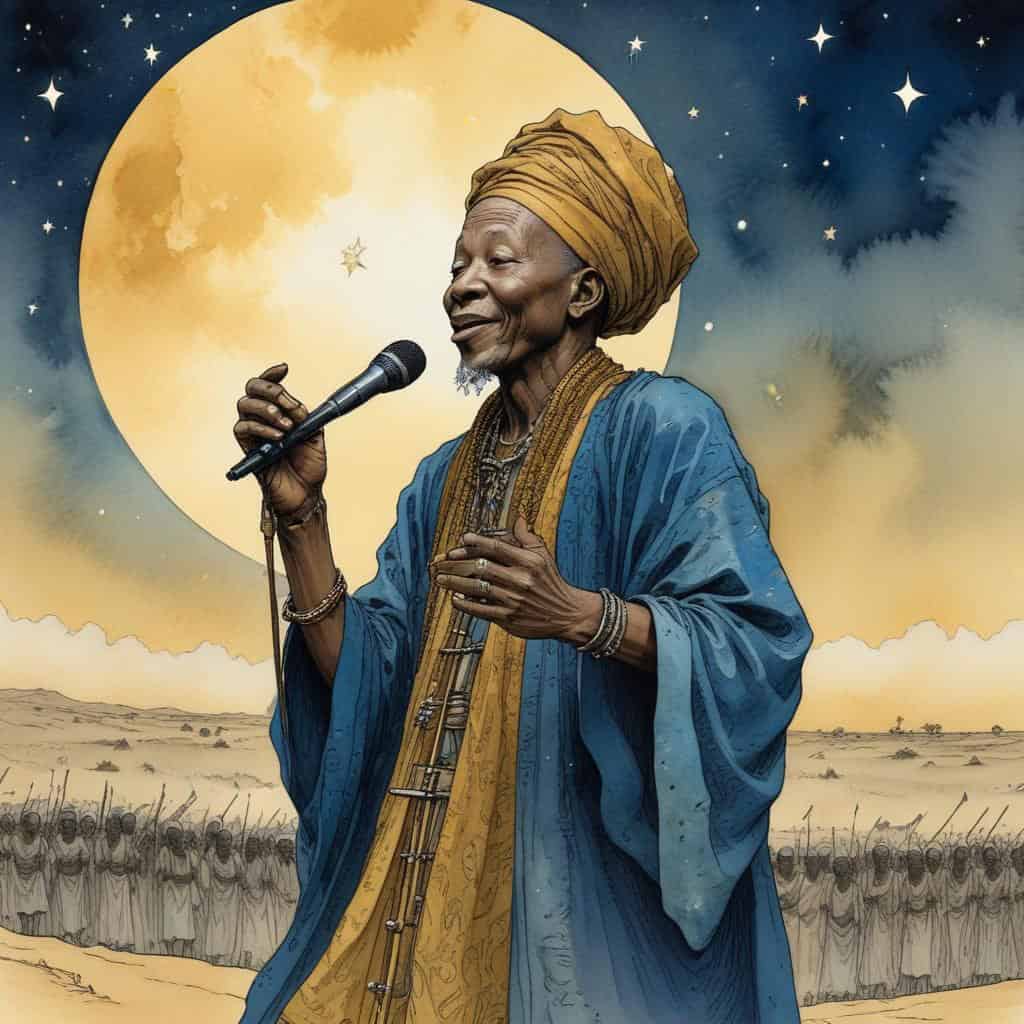
Salif Keita

Adama Traoré
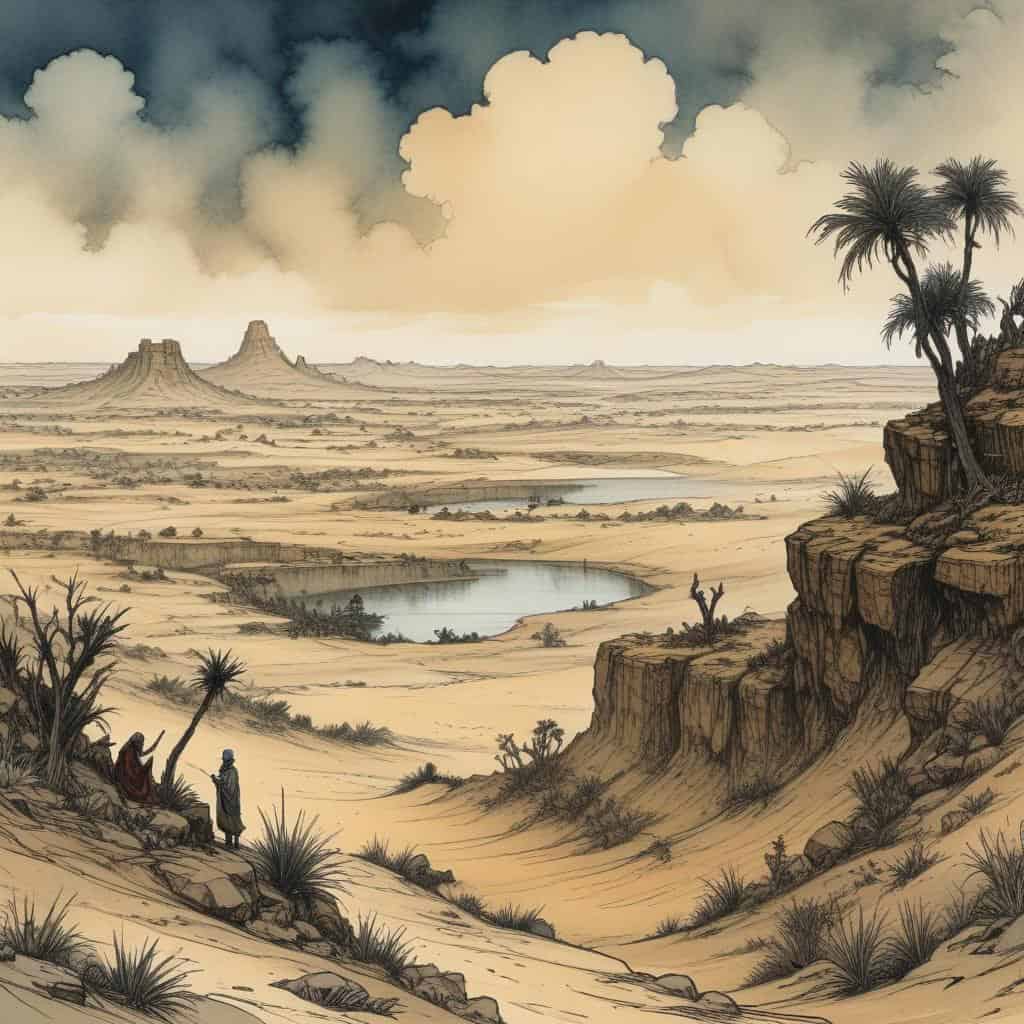
Malis Location and Geography
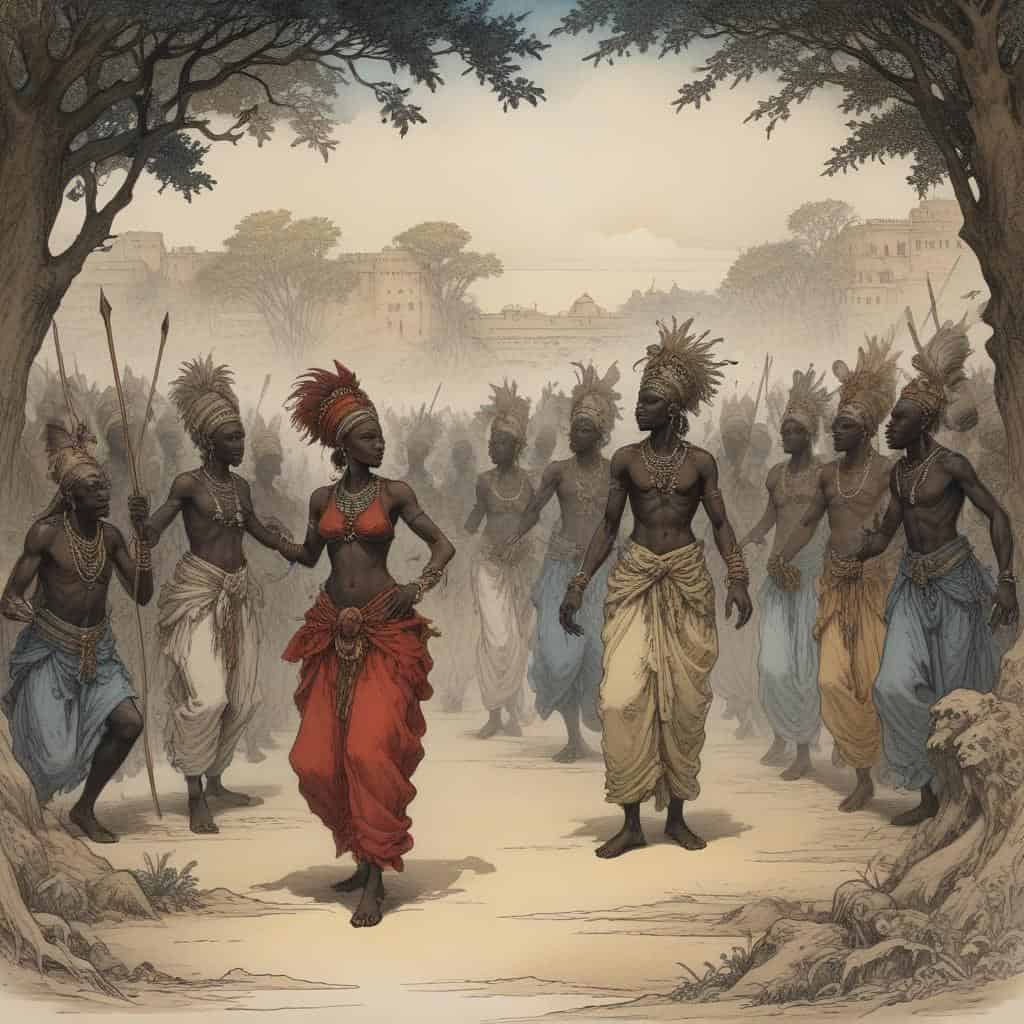
Malis History and Culture
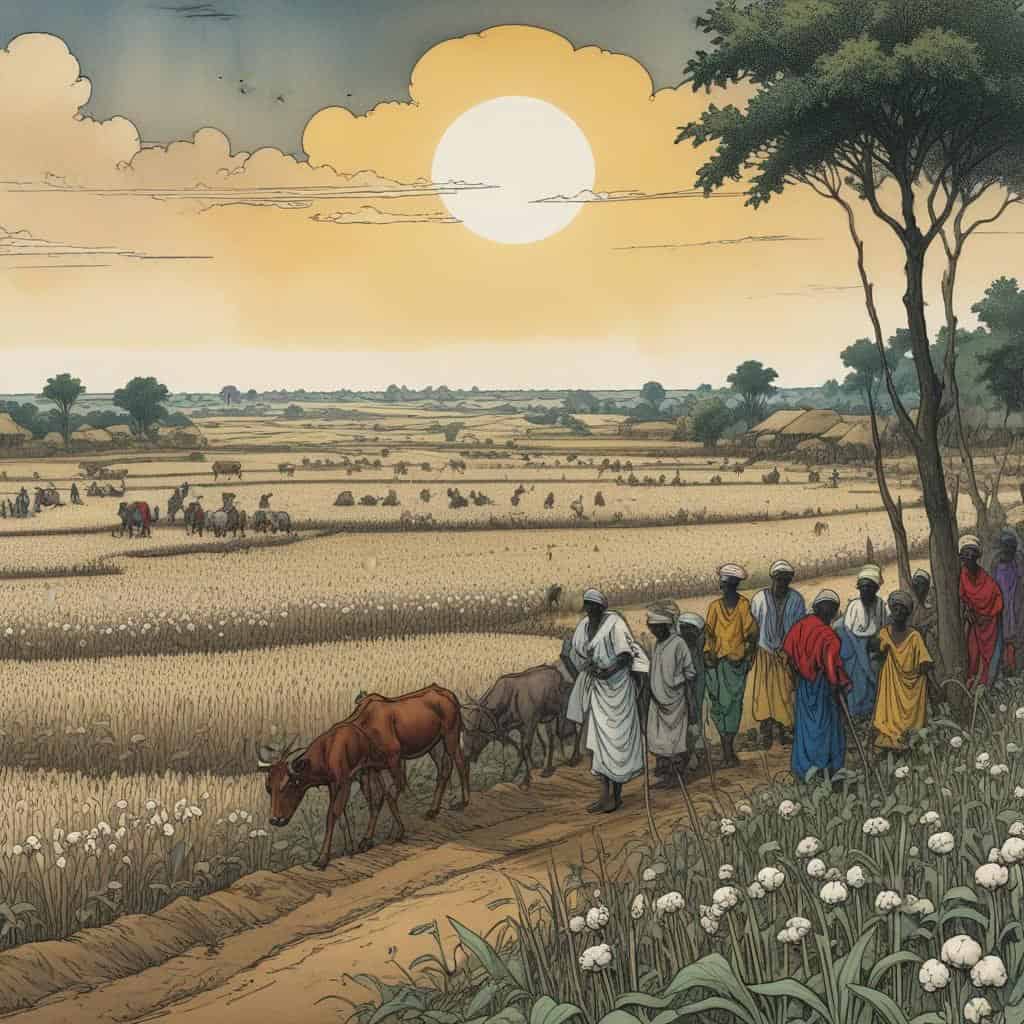
Malis Economy and Agriculture

Malis Political Landscape
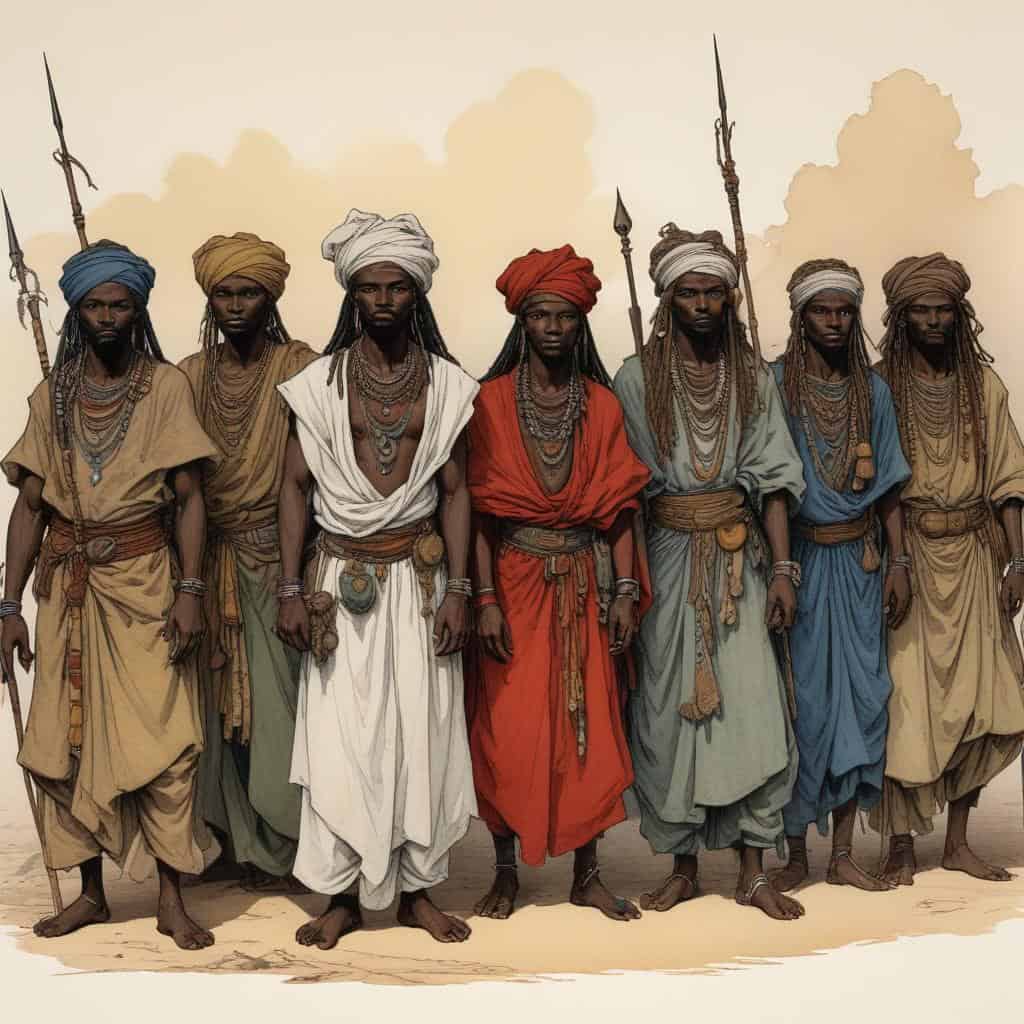
Malis Ethnic Groups and Languages
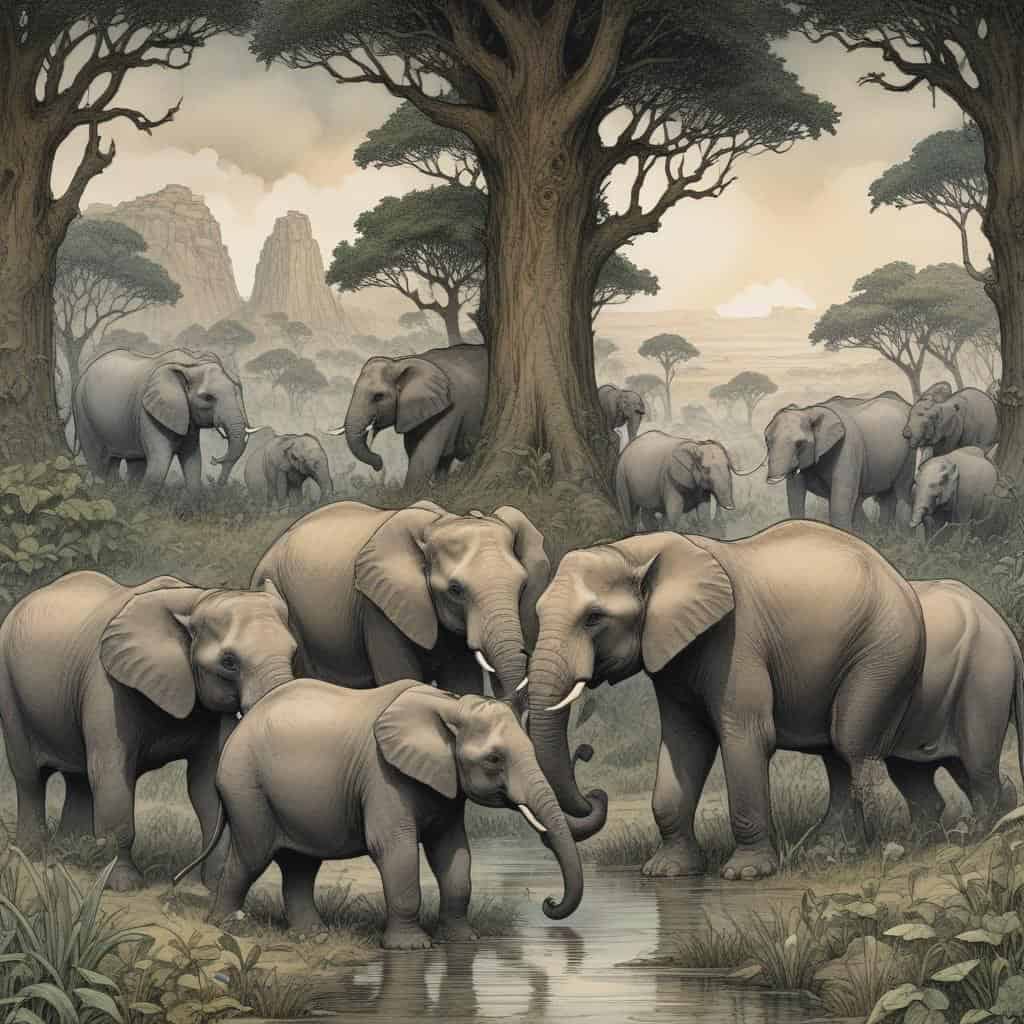
Malis Wildlife and Conservation
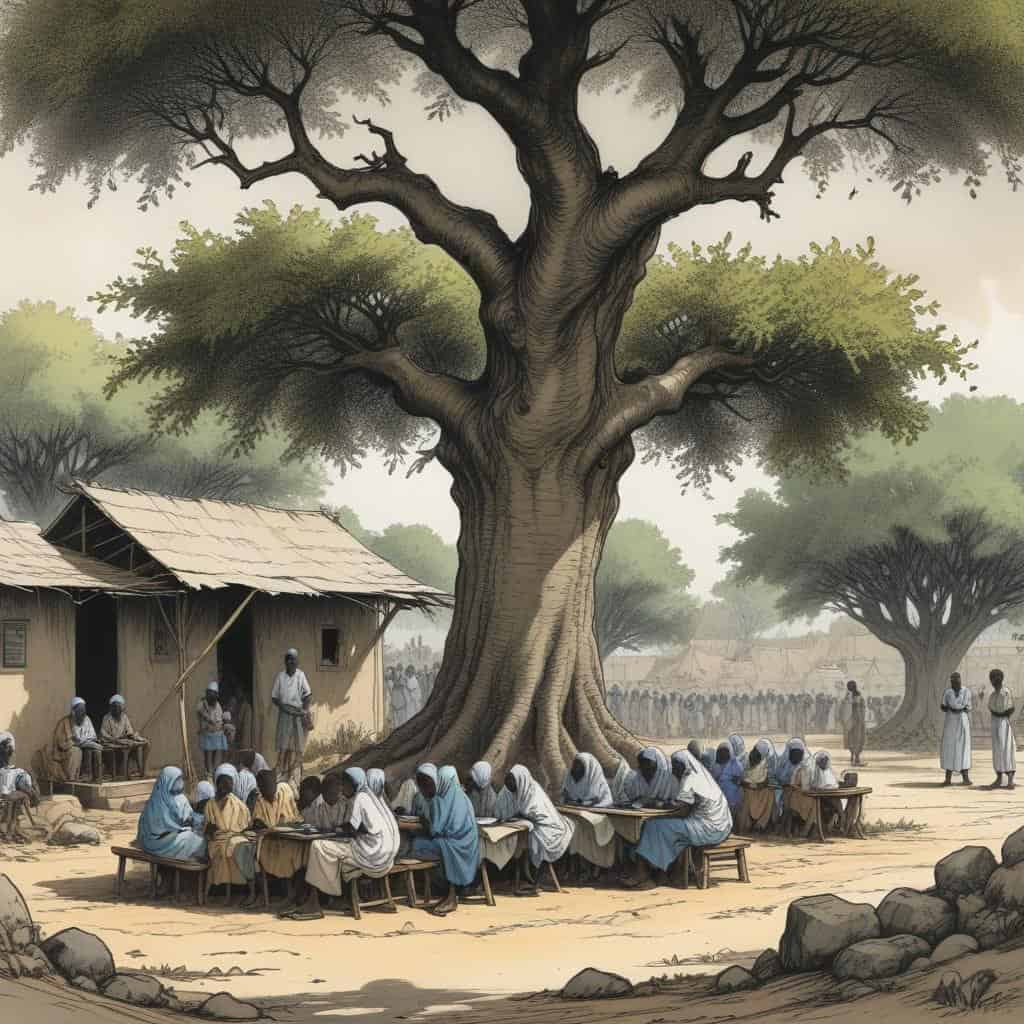
Malis Education and Healthcare
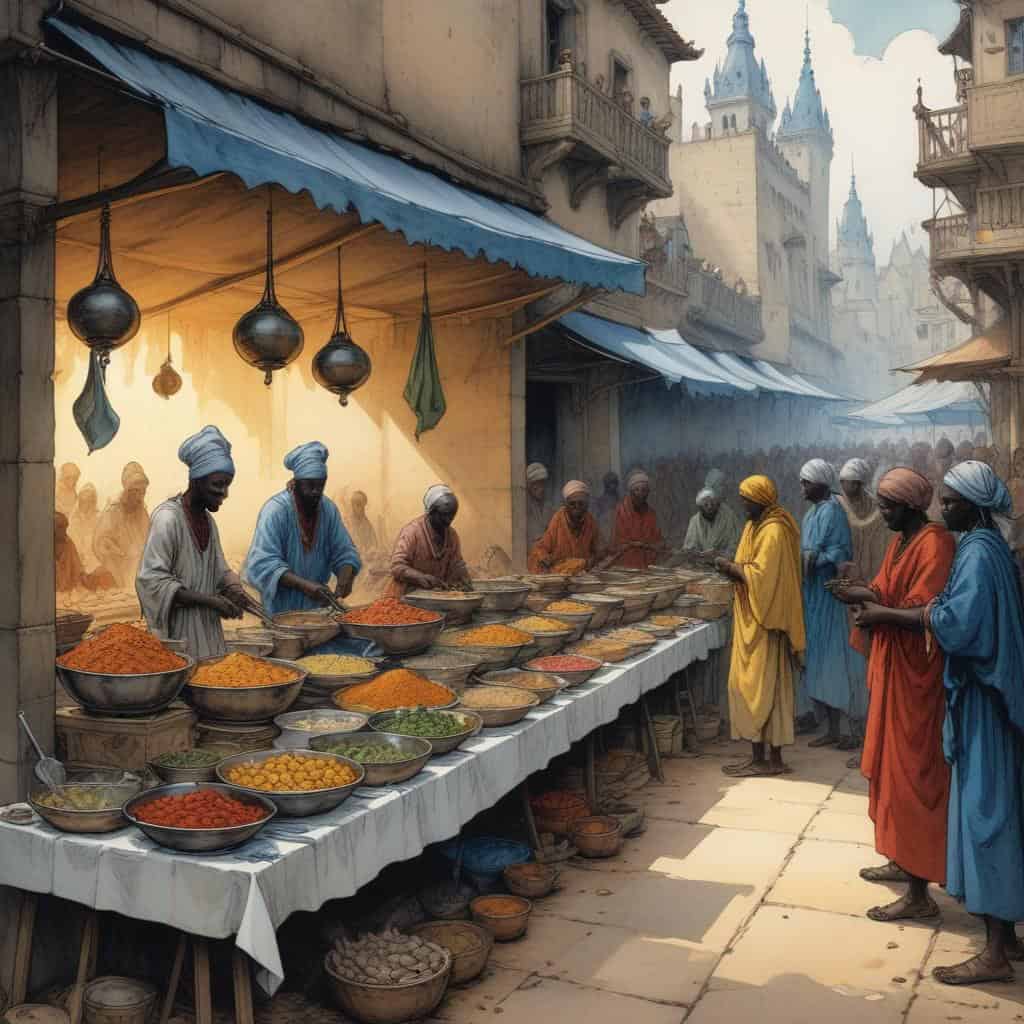
Malis Cuisine and Traditional Dishes
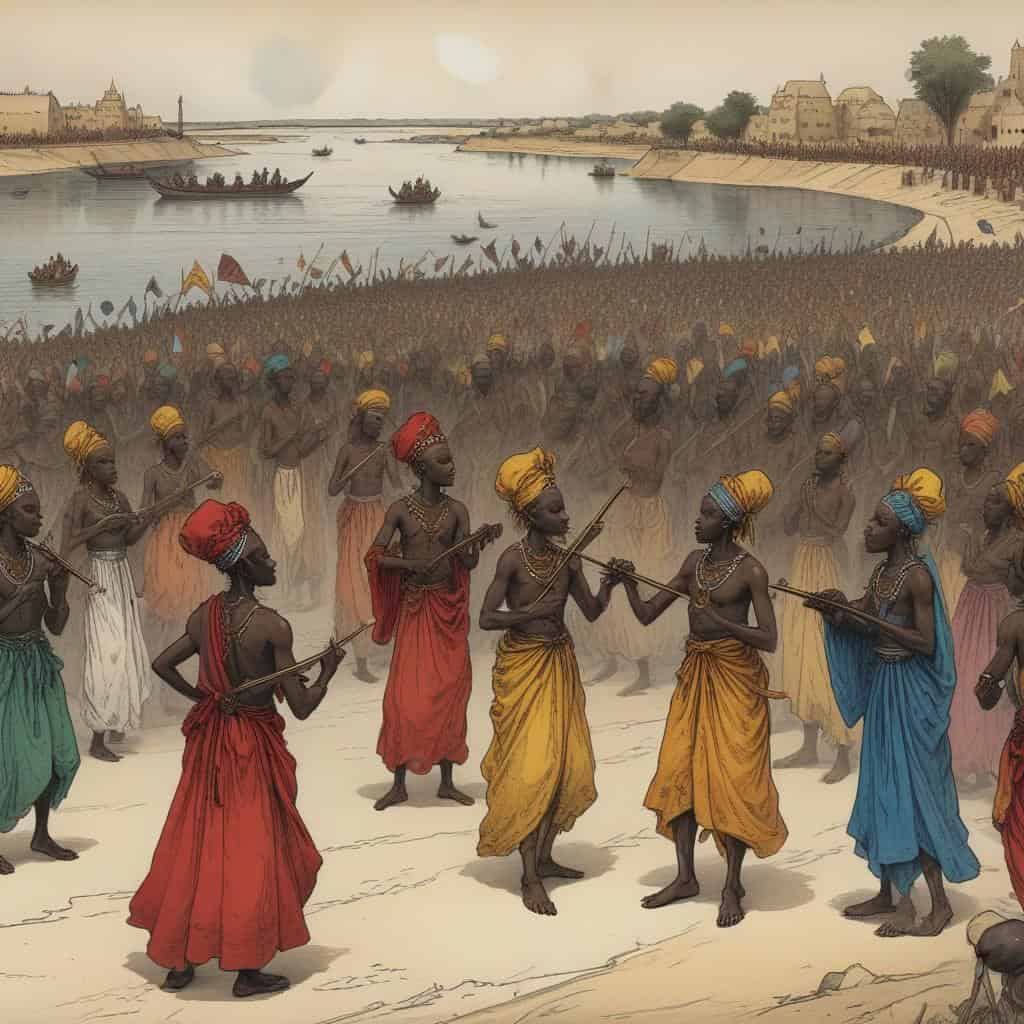
Malis Festivals and Celebrations
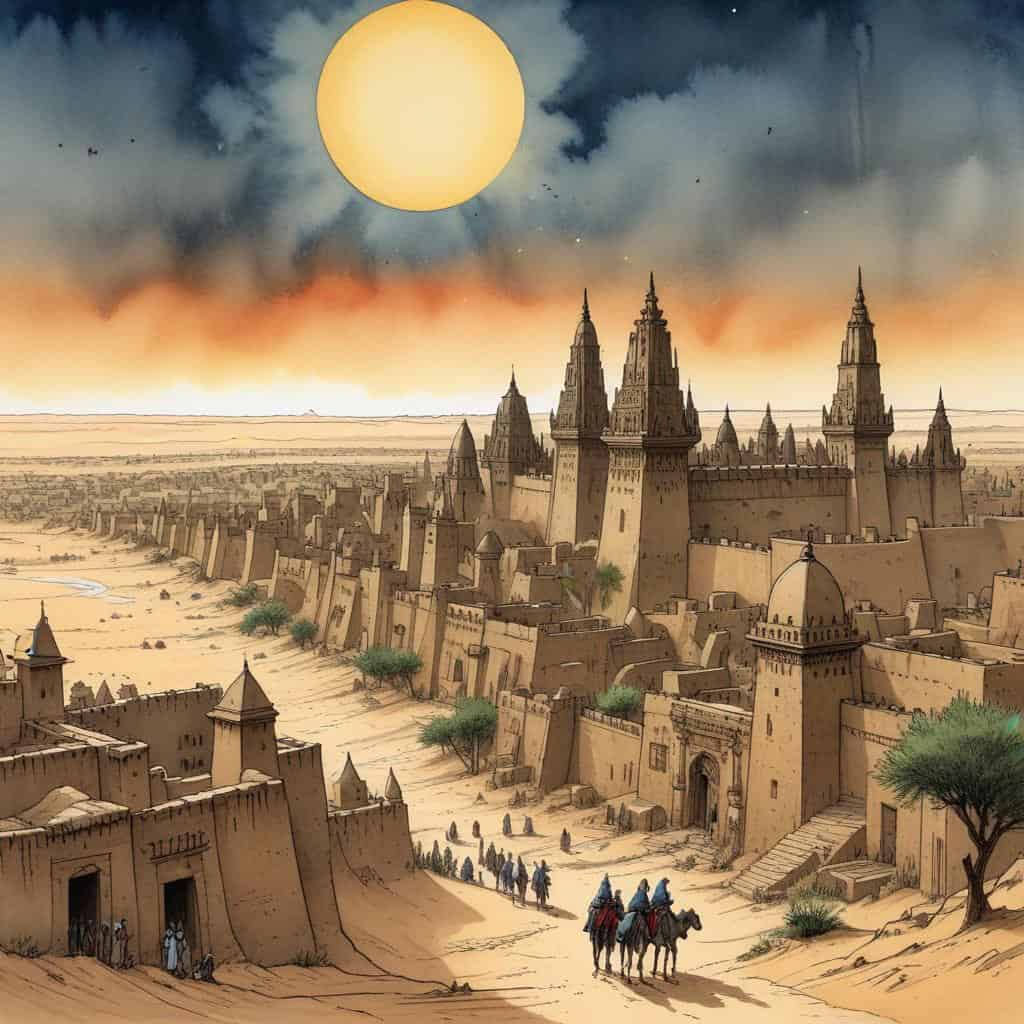
Malis Tourism and Attractions
Audio Library
As one of our featured lessons, this topic includes premium audio guides.
Unlock the Wizard's Cram Session
This powerful audio study guide is a Pro-exclusive feature. Upgrade to Memory Wizards Pro to access this and all of our premium learning tools.
Upgrade to ProIn a Nutshell
- Capital: Bamako
- Population: Approx. 20.25 million (2021)
- Official Language: French
- Currency: West African CFA franc (XOF)
Breaking Down the Country
Geographical Diversity
Mali boasts diverse landscapes, from the Sahara Desert in the north to the lush Niger River Delta in the south.
Rich Cultural Heritage
Experience the vibrant culture of Mali, known for its traditional music, art, and impressive mud-brick architecture.
Ancient Empires
Discover the history of Mali's powerful empires, including the legendary Mali Empire and the influential Songhai Empire.
Timeline of Mali
Mali Empire founded by Sundiata Keita
Mansa Musa comes to power
Mansa Musa goes on pilgrimage to Mecca
Mali Empire reaches its peak under Mansa Musa
Mali Empire starts to decline
Songhai Empire conquers Mali Empire
Moroccan invasion of Mali
French colonization of Mali begins
Mali becomes part of French Sudan
Mali gains independence from France
Modibo Keïta becomes first president of Mali
Military coup overthrows Modibo Keïta
Moussa Traoré becomes president of Mali
Moussa Traoré ousted in a military coup
Alpha Oumar Konaré becomes president of Mali
Tuareg rebellion in northern Mali
French military intervention in Mali to combat Islamist militants
Ibrahim Boubacar Keïta becomes president of Mali
Mali signs peace deal with Tuareg rebels
Mali presidential election
Vocabulary List
- Bamako
- The capital city of Mali is Bamako.
- Timbuktu
- Timbuktu is an ancient city in Mali known for its historical significance.
- Malian
- The Malian people are known for their rich cultural heritage.
- Sahel
- Mali is located in the Sahel region of Africa, known for its semi-arid climate.
- Tuareg
- The Tuareg people are a nomadic ethnic group found in Mali and other parts of North Africa.
Key Facts
This is the information used in the fact matching game
- Mali is the eighth largest country in Africa.
- The official language of Mali is French.
- Mali is home to the ancient city of Timbuktu, a UNESCO World Heritage Site.
- The majority of Mali's population practices Islam.
- Mali gained independence from France in 1960.
- The Mali Empire was one of the largest and wealthiest empires in West Africa during the 14th century.
- Mali is one of the world's poorest countries, with a high poverty rate.
- Gold mining is a major industry in Mali.
- The Niger River is the longest river in Mali.
- Mali is known for its vibrant music scene, with genres like desert blues and traditional griot music.
- Mali has a rich cultural heritage, with diverse ethnic groups and traditions.
- The Malian city of Djenne is famous for its Great Mosque, built in the traditional Sudano-Sahelian architectural style.
- Mali is a landlocked country, bordered by seven other countries.
- The annual Festival au Desert in Mali showcases traditional music, dance, and culture.
- Mali has a diverse wildlife population, including elephants, lions, and giraffes.
- Mali has a semi-arid climate, with a rainy season from June to September.
- The Malian dish of rice and millet couscous with a meat or vegetable sauce is a staple of the cuisine.
- Mali has a high rate of child marriage, with over 50% of girls married before the age of 18.
- The Tuareg people, nomadic pastoralists of the Sahara desert, are one of the ethnic groups in Mali.
- Mali has faced political instability and conflict, including a rebellion in the northern region of Azawad.
Why It Matters
Geopolitical Significance
Mali holds strategic importance in West Africa due to its location as a crossroads for trade and cultural exchange. Its borders with seven countries make it a key player in regional stability and security, particularly in combating terrorism and addressing transnational issues.
Historical Importance
Mali has a rich history as the center of the powerful Mali Empire, known for its wealth, scholarship, and cultural achievements. The legacy of this empire and its iconic city of Timbuktu continues to influence the identity and pride of the Malian people.
Modern-Day Role
Today, Mali faces challenges such as political instability, poverty, and ethnic tensions. As a former French colony, it maintains strong ties with France and other international partners in addressing these issues and promoting development in the region.
Mali Games


Take Your Learning Offline
Want a convenient, print-ready study guide for this lesson? Become a Memory Wizards Pro member to unlock the downloadable " Memory Scrolls" for this topic and our entire library!
- ✓ Complete Vocabulary Lists
- ✓ Key Facts & Timelines
- ✓ Beautifully Formatted for Print & Mobile