
How Do You Learn Best?
Learn by Listening
Start with the 3-minute audio summary to get the key facts and narrative highlights quickly.
Learn by Reading
Immerse yourself in the 10-minute visual lesson for a comprehensive understanding of the topic.
Learn by Reviewing
Jump directly to the key facts, timeline, and vocabulary lists to build a solid foundation of details.
Learn by Doing
Challenge yourself! Jump straight into the interactive games to learn by trial, error, and discovery.
Malawi in 10 Minutes
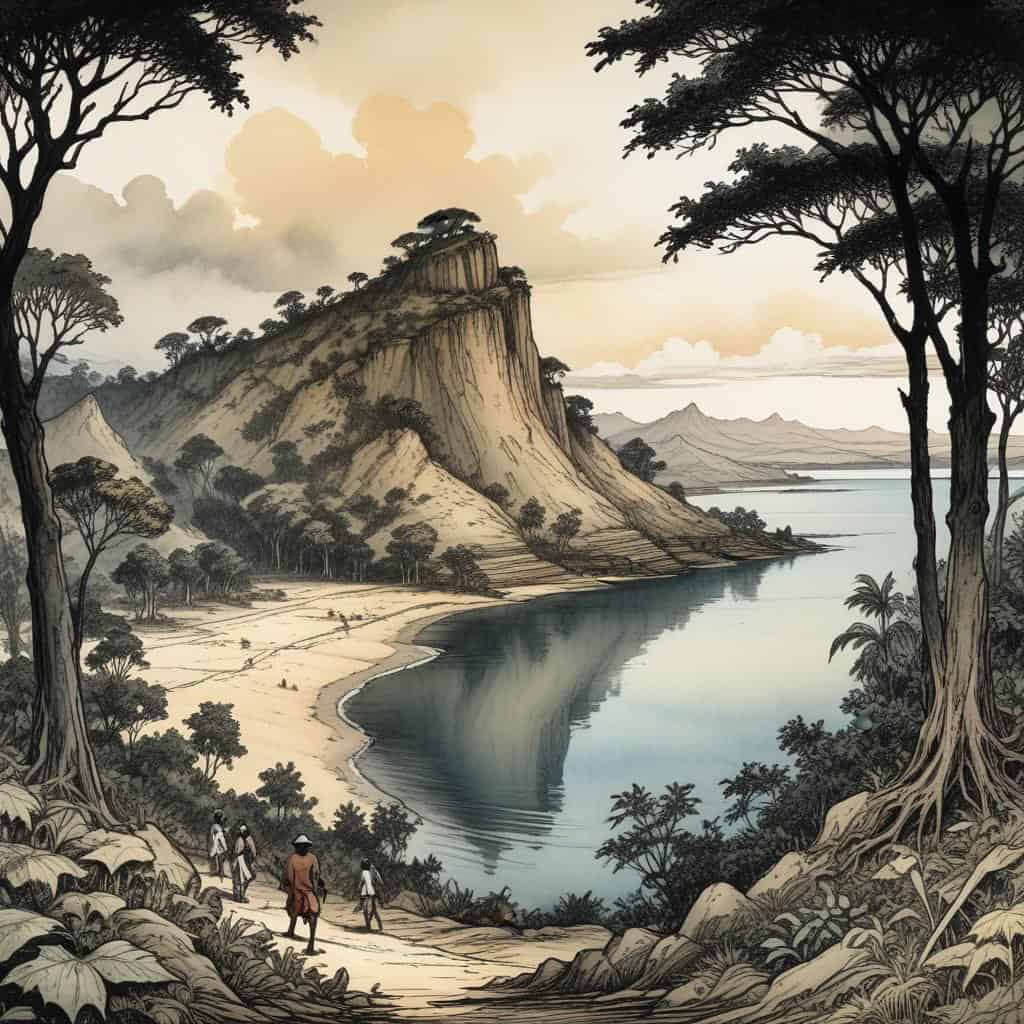
Introduction
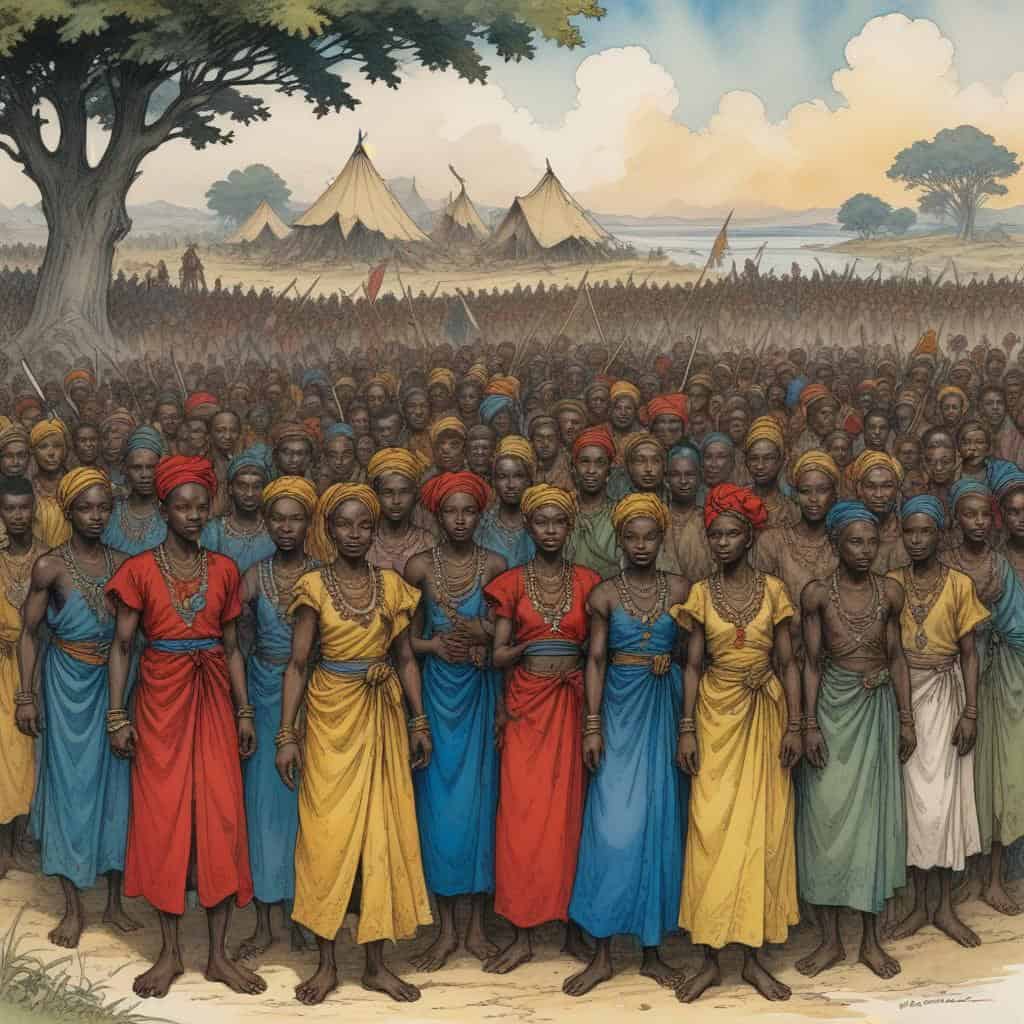
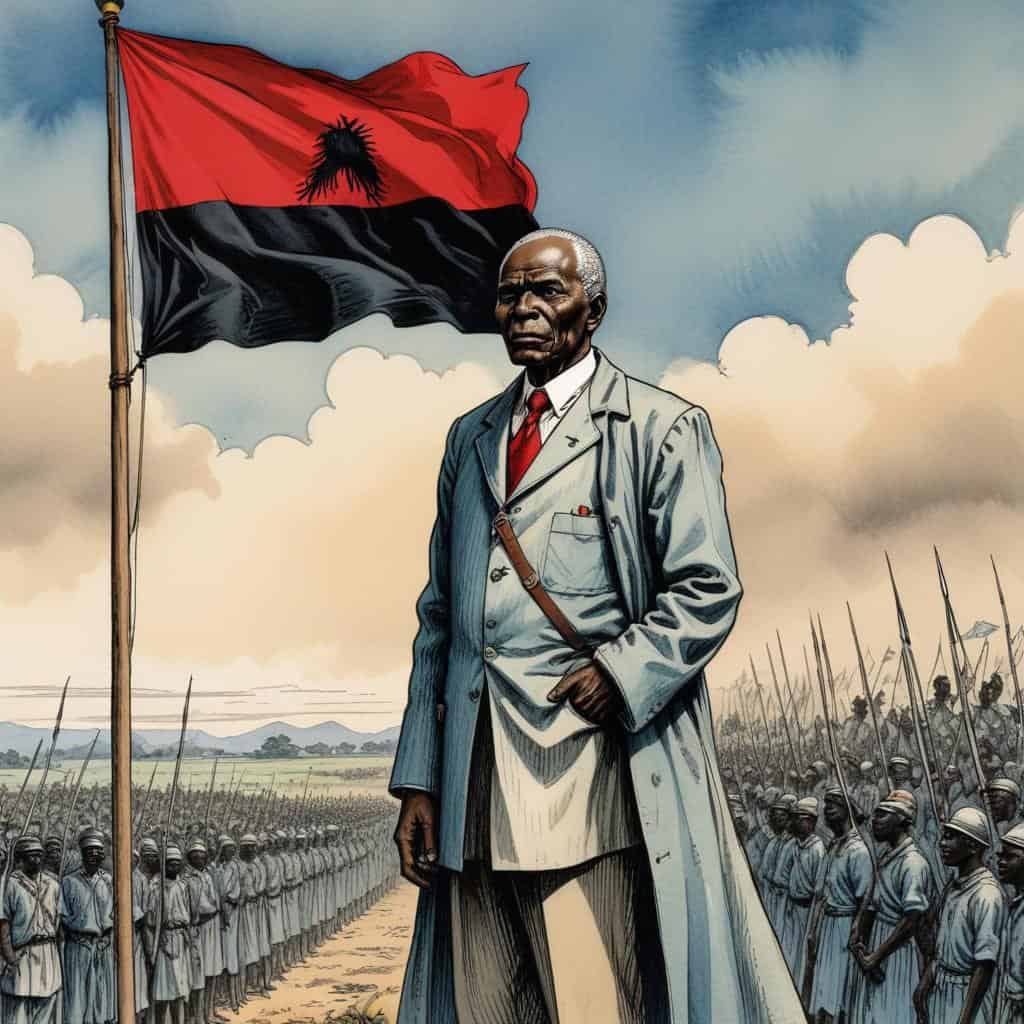
Dr. Hastings Kamuzu Banda
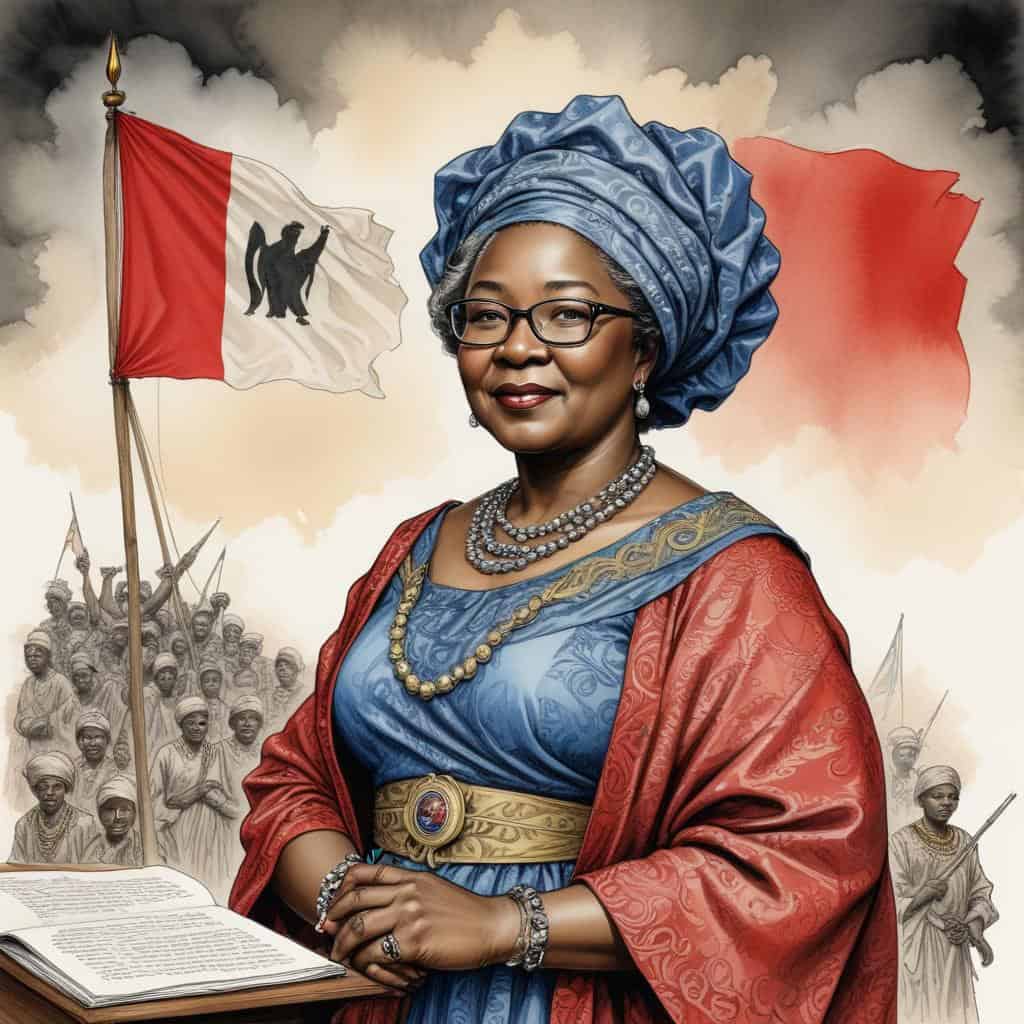
Joyce Banda
Chimamanda Ngozi Adichie
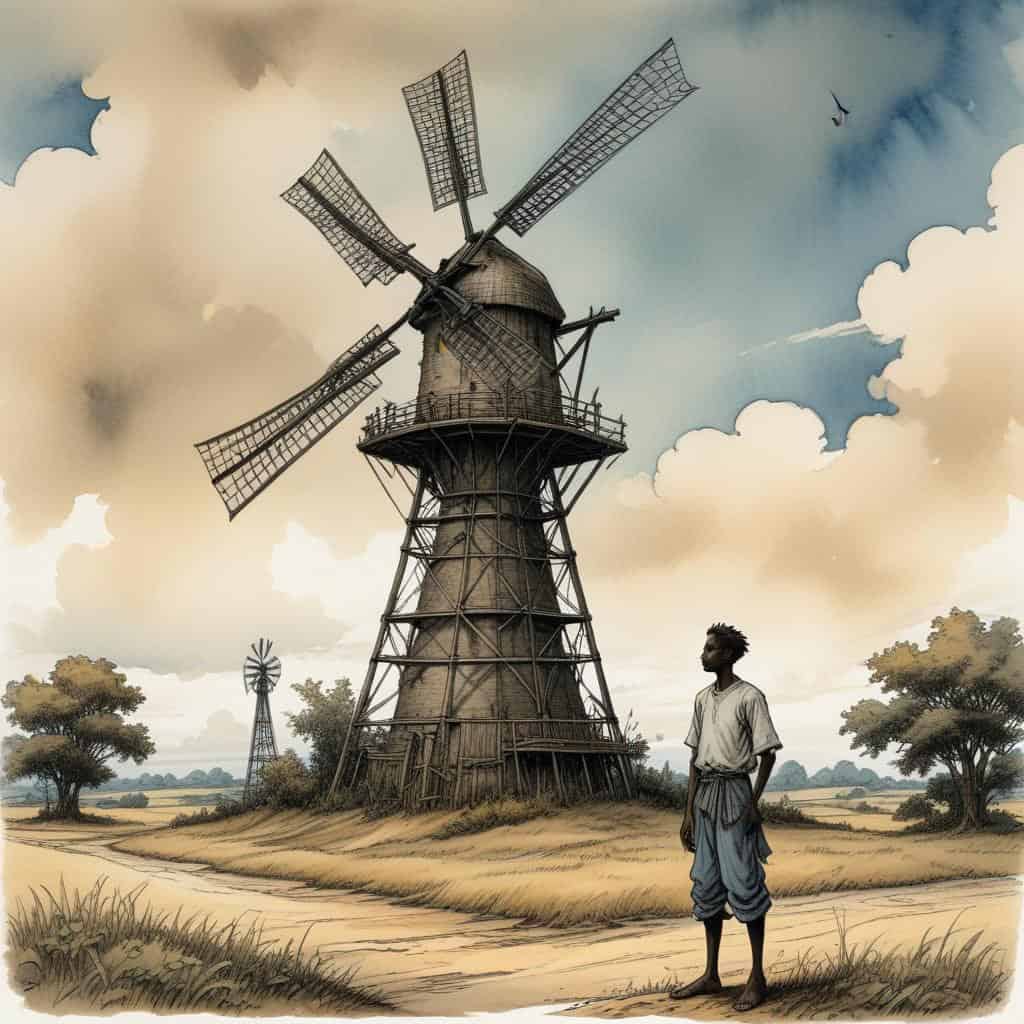
William Kamkwamba
Dr. Thandiwe Banda
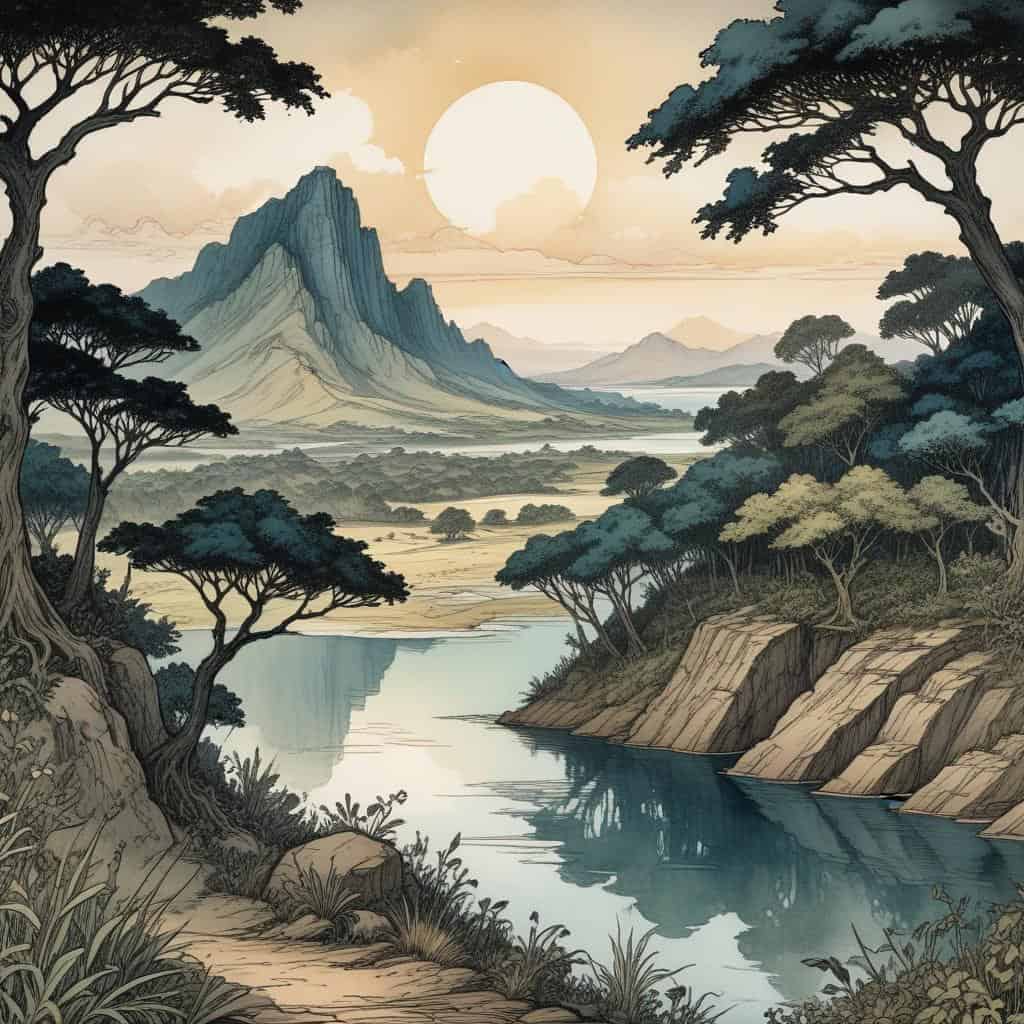
1. Location and Geography
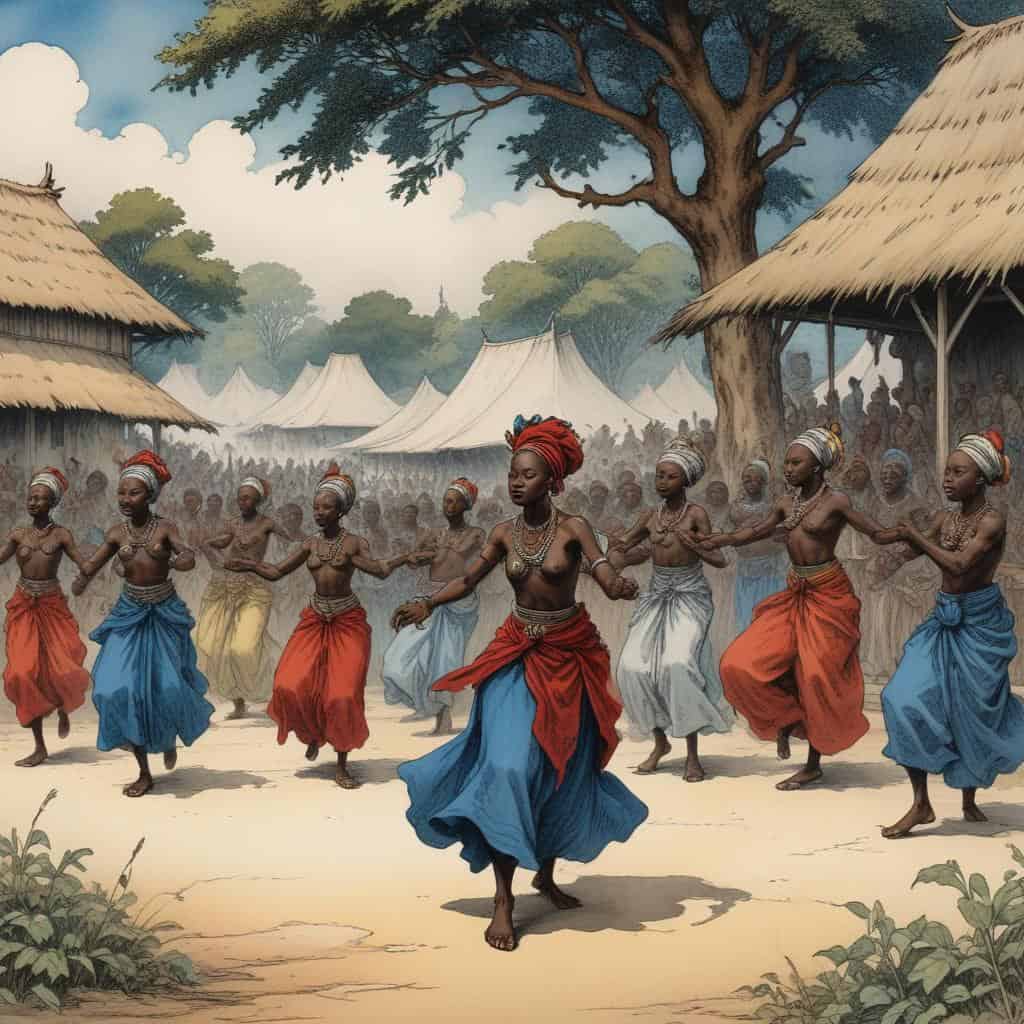
2. History and Culture
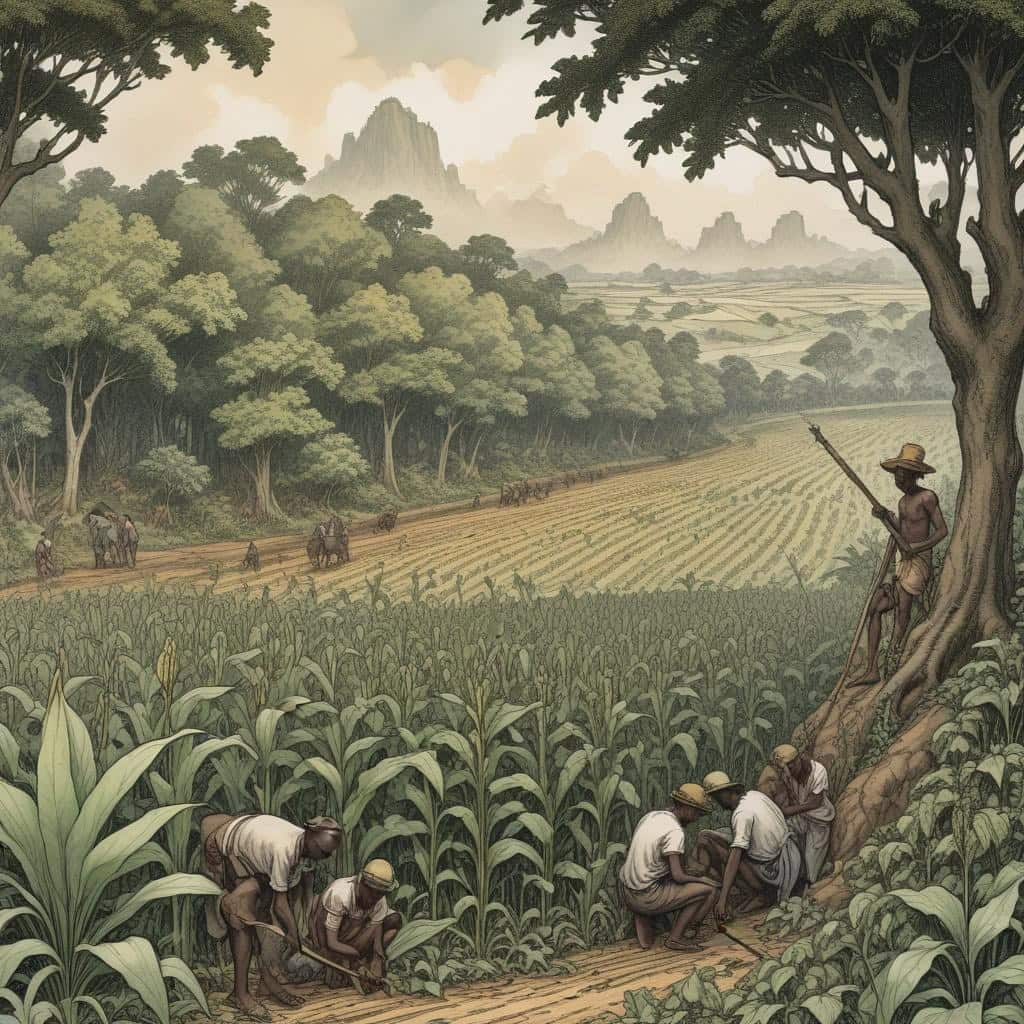
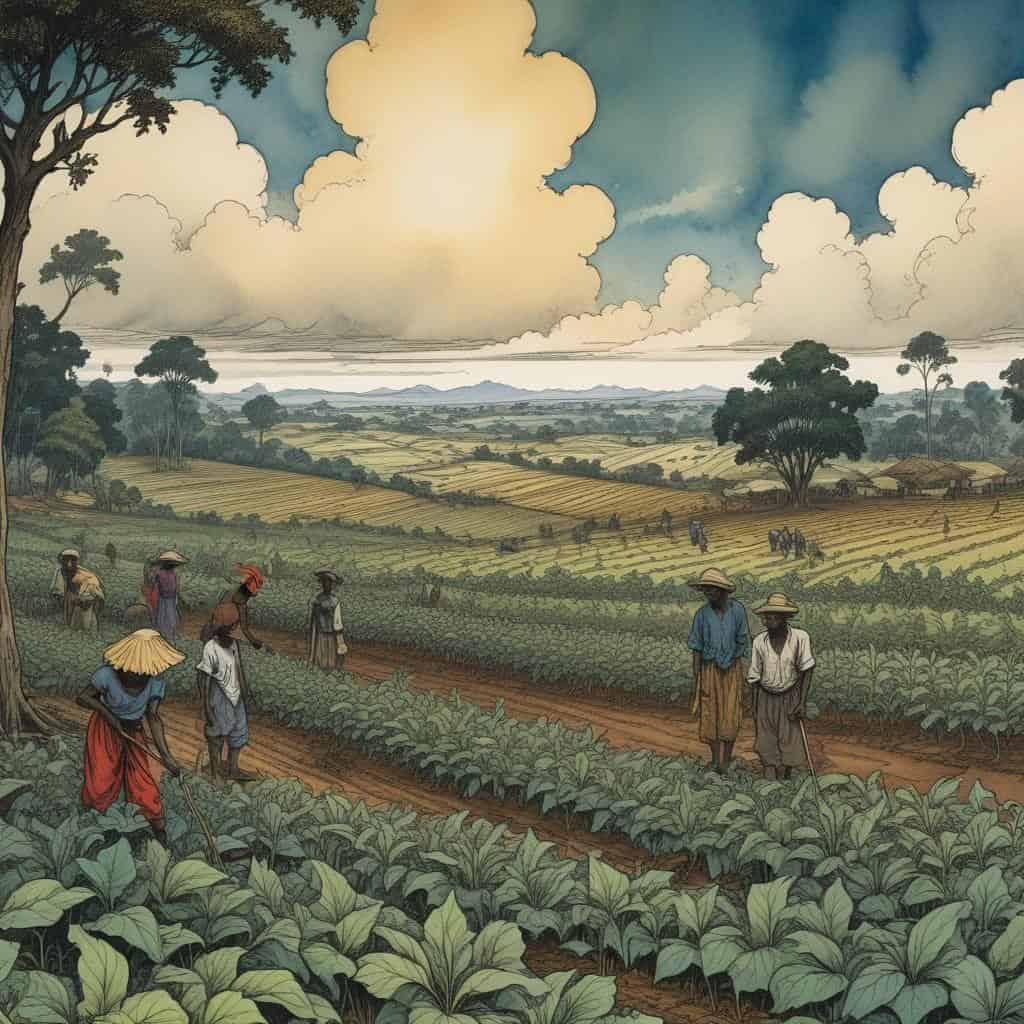
3. Economy and Agriculture
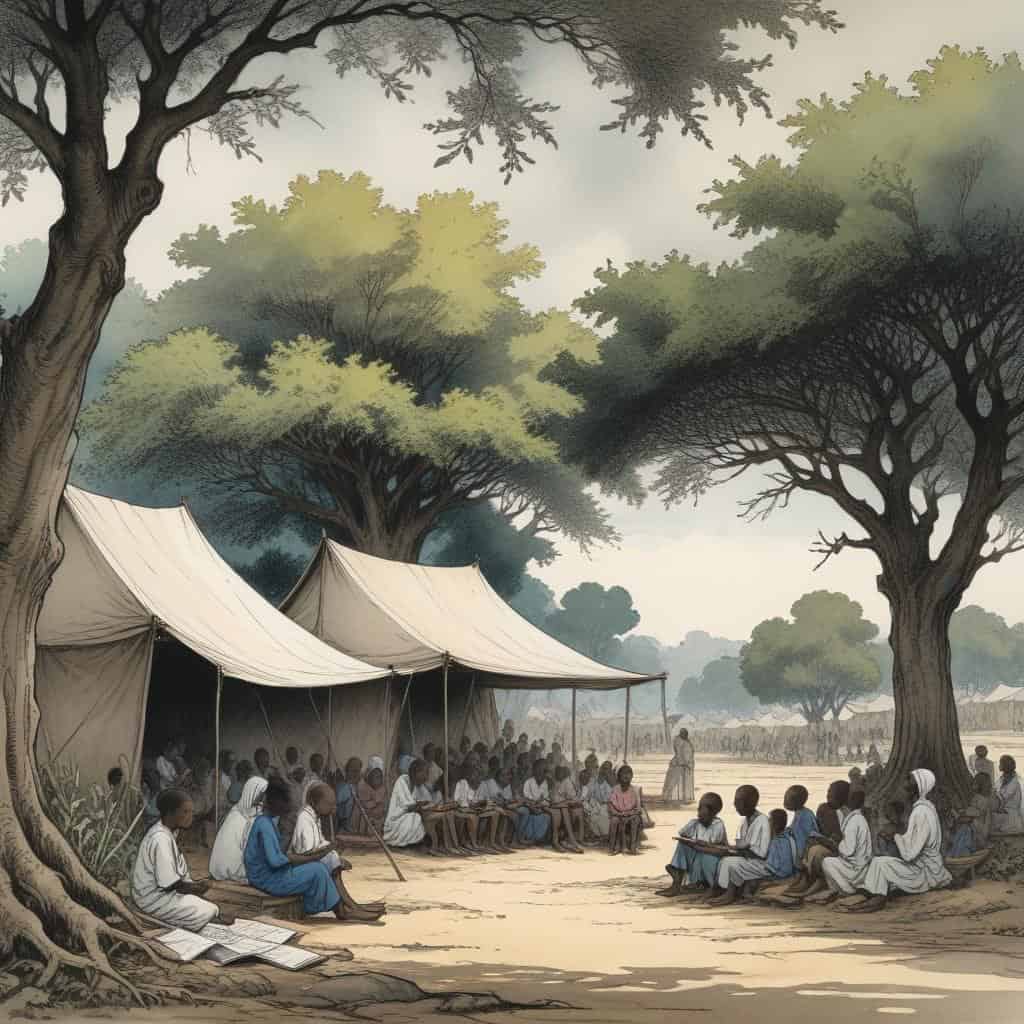
4. Education and Healthcare
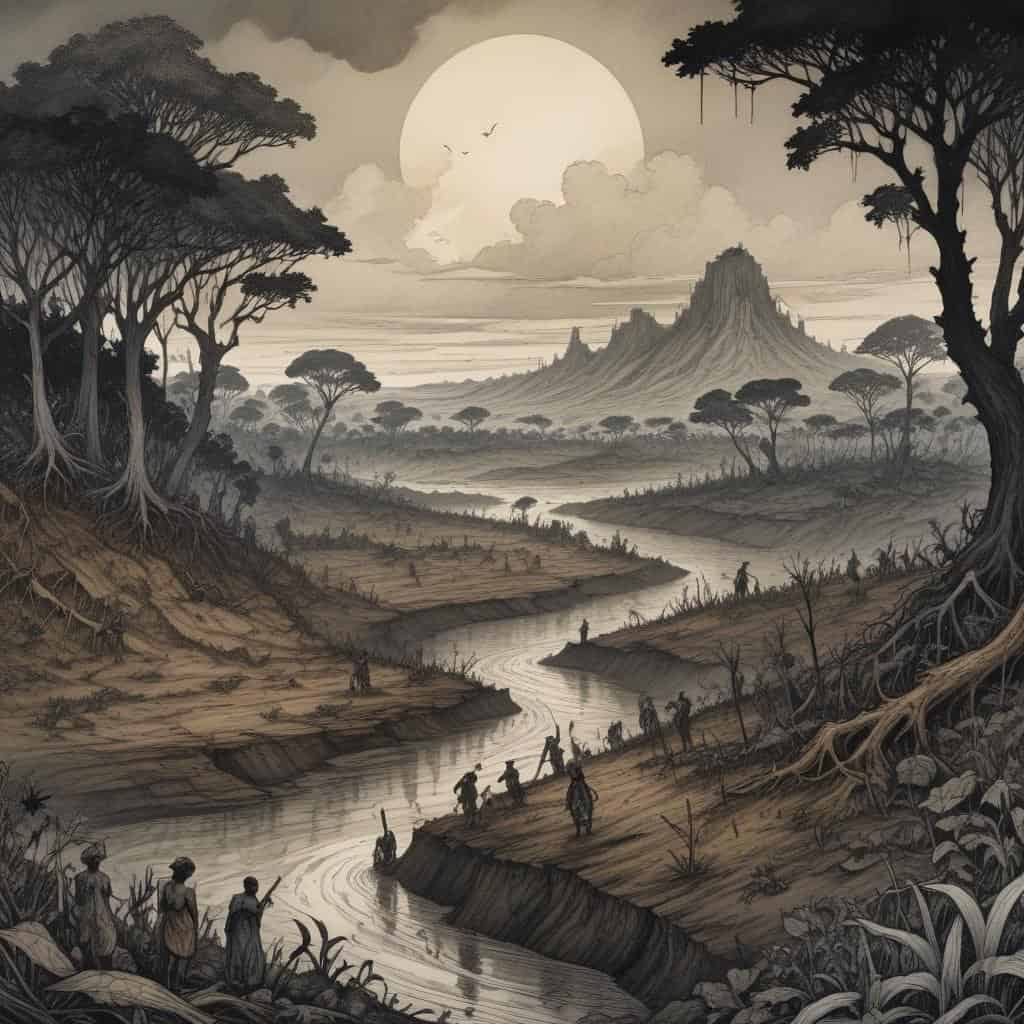
5. Environmental Challenges
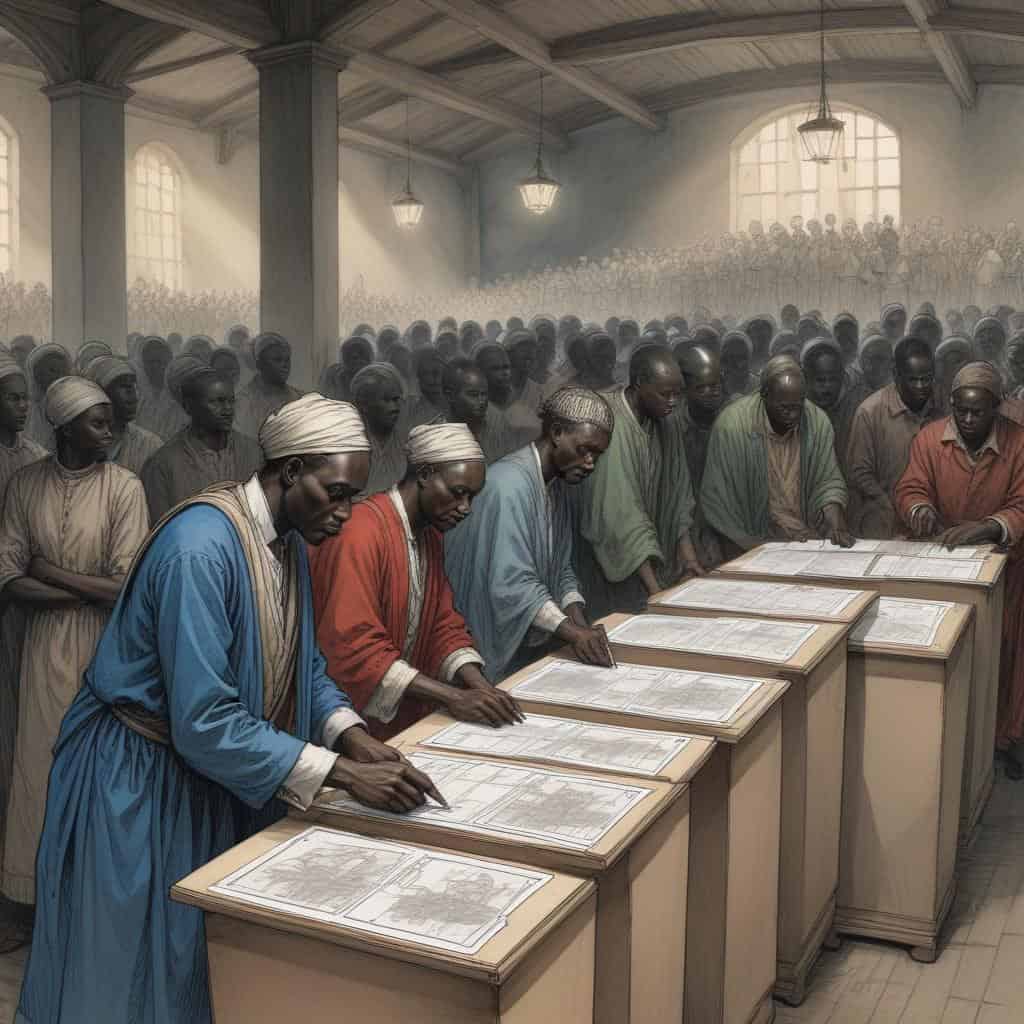
6. Political Landscape
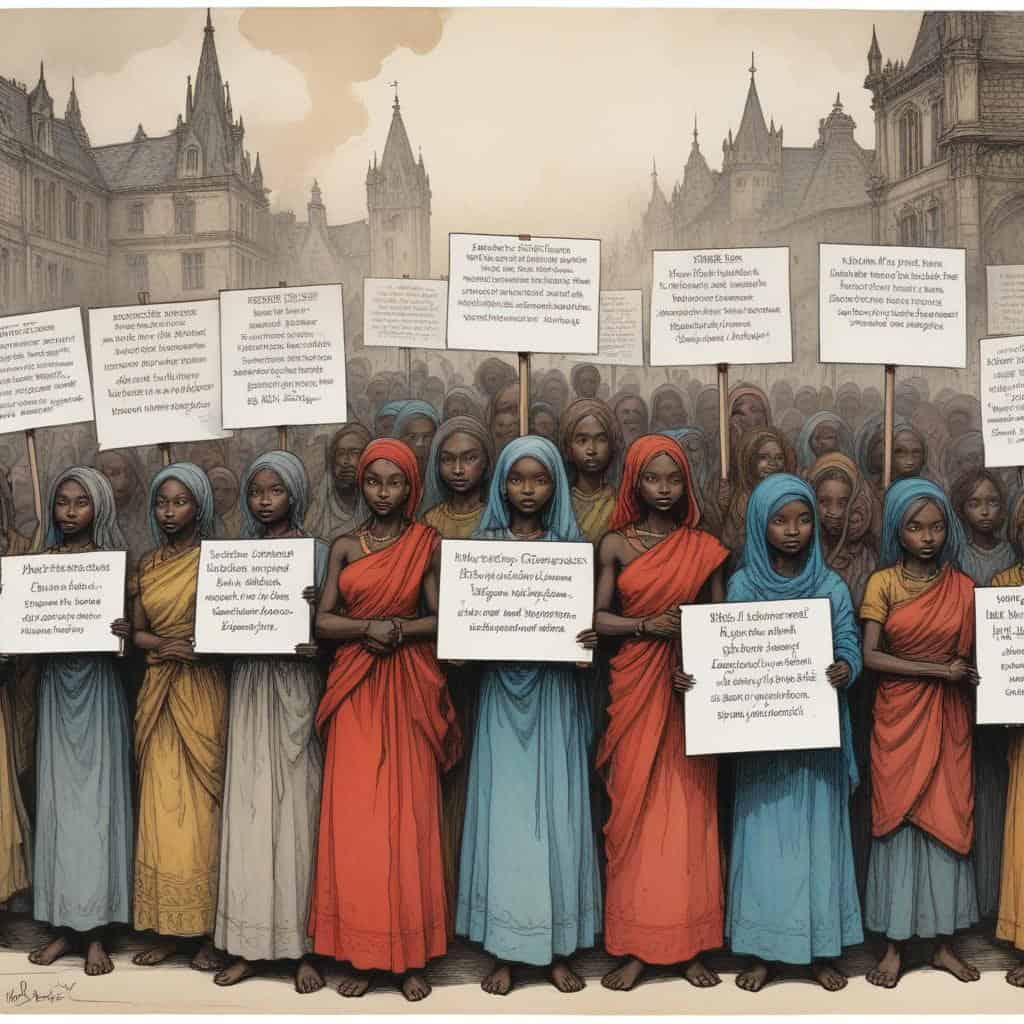
7. Human Rights and Social Issues
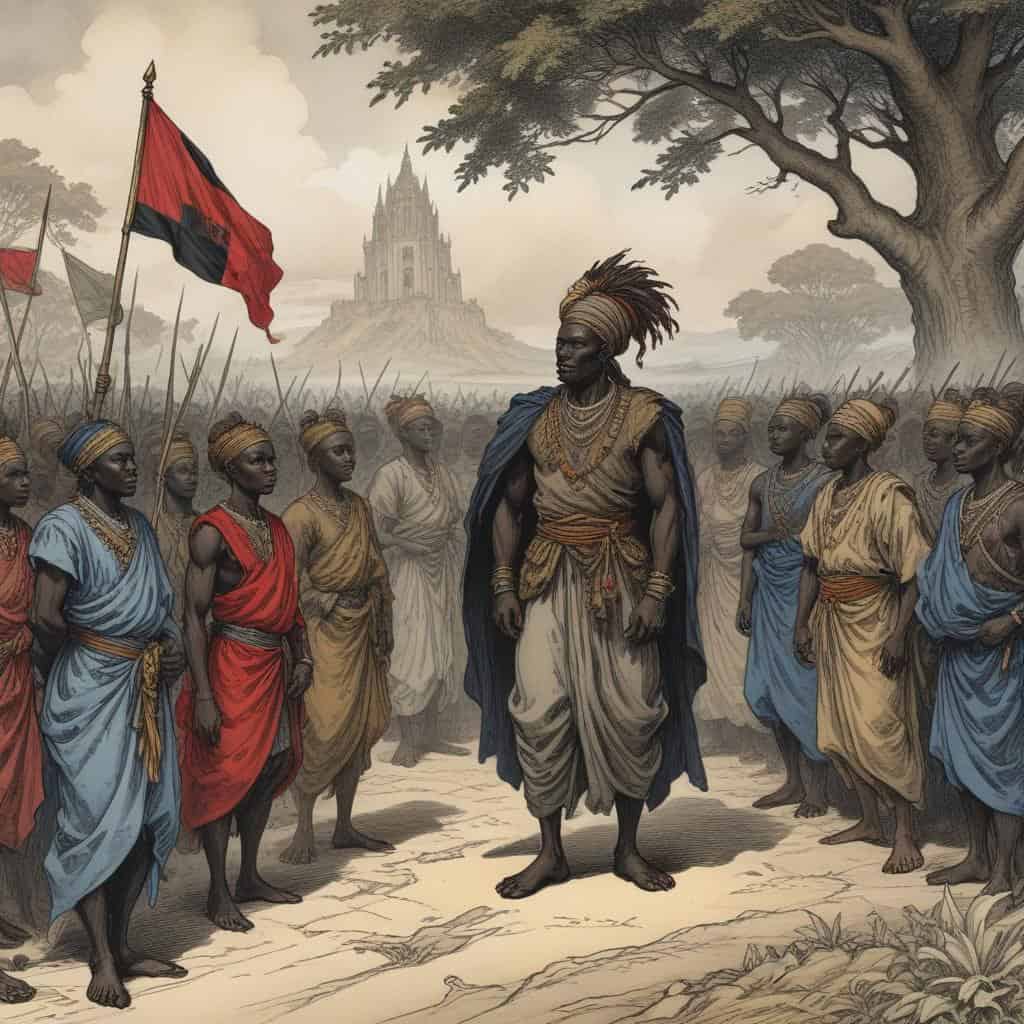
8. International Relations
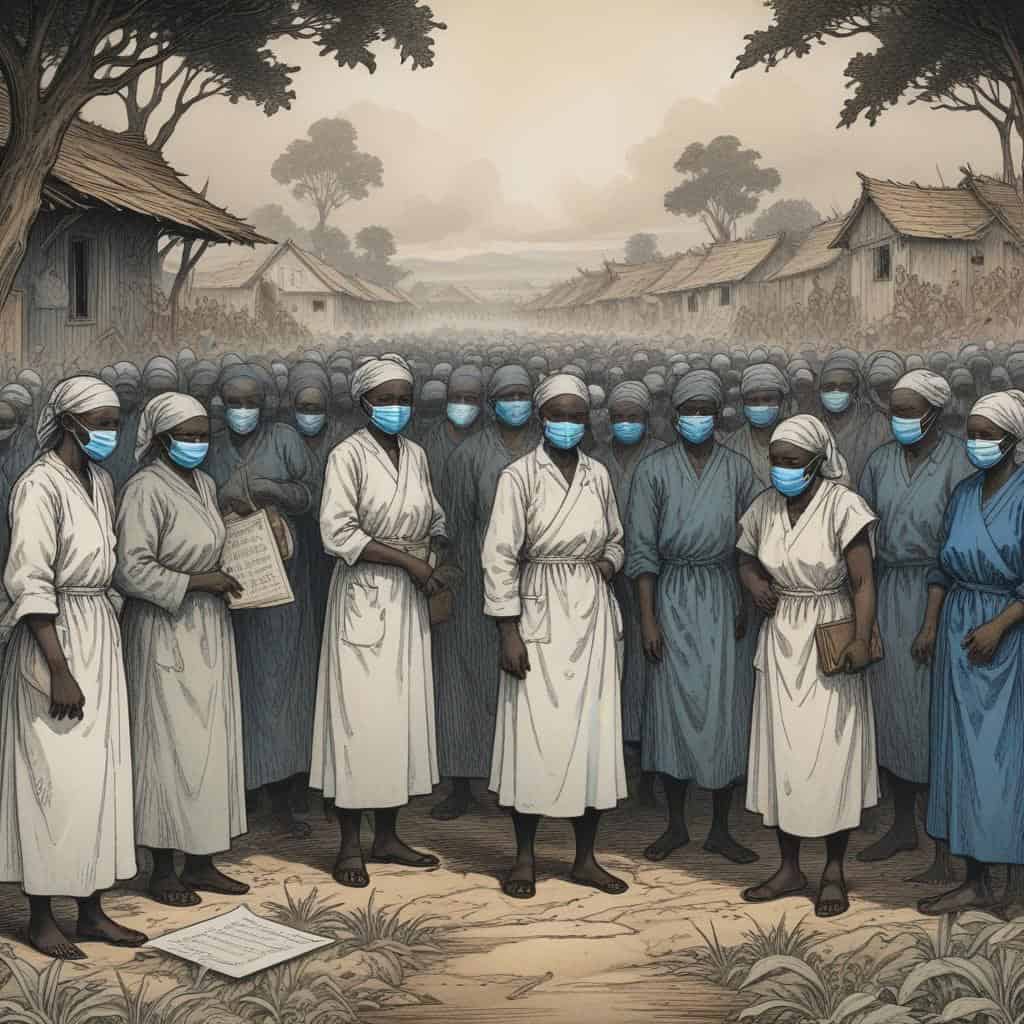
9. COVID-19 Pandemic
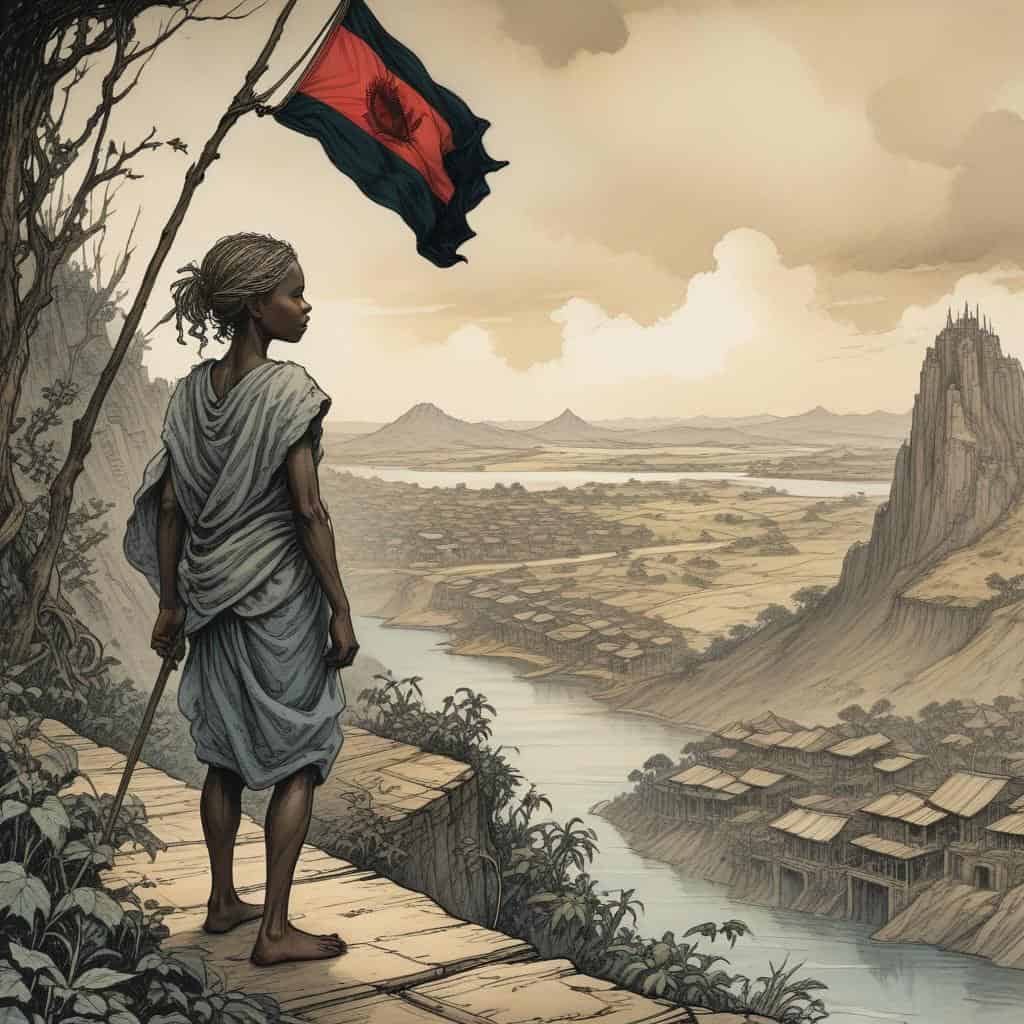
10. Future Outlook
Audio Library
As one of our featured lessons, this topic includes premium audio guides.
Unlock the Wizard's Cram Session
This powerful audio study guide is a Pro-exclusive feature. Upgrade to Memory Wizards Pro to access this and all of our premium learning tools.
Upgrade to ProIn a Nutshell
- Capital: Lilongwe
- Population: Approx. 19.1 million (2021)
- Official Language: Chichewa
- Currency: Malawian kwacha (MWK)
Breaking Down the Country
Key Geography
Malawi, known as the 'Warm Heart of Africa', is landlocked in southeastern Africa, bordered by Zambia, Tanzania, and Mozambique.
Cultural Diversity
With over 12 different ethnic groups, Malawi boasts a rich cultural heritage, vibrant music scene, and colorful traditional ceremonies.
Natural Wonders
From the crystal-clear waters of Lake Malawi to the majestic peaks of Mount Mulanje, Malawi offers breathtaking landscapes and unique wildlife experiences.
Timeline of Malawi
First human settlements in the region
Bantu-speaking peoples migrate into the area
Arab traders establish trade routes in the region
British establish the Nyasaland Protectorate
Chilembwe uprising against British colonial rule
Nyasa African National Congress formed
Malawi gains independence from Britain, becomes a republic
Dr. Hastings Banda becomes the first president of Malawi
Malawi becomes a one-party state under the Malawi Congress Party
Famine in southern Malawi
Muluzi wins presidential election, becomes president
Muluzi is re-elected for a second term
Bingu wa Mutharika elected president
Mutharika dies in office, Joyce Banda becomes president
Peter Mutharika elected president
Protests against government corruption and economic hardship
Lazarus Chakwera wins presidential election
COVID-19 pandemic reaches Malawi
Malawi receives first batch of COVID-19 vaccines
Chakwera announces plans to reform the country's governance system
Vocabulary List
- Lake Malawi
- Lake Malawi is the third largest lake in Africa and is a major tourist attraction in Malawi.
- Lilongwe
- Lilongwe is the capital city of Malawi.
- Chichewa
- Chichewa is the official language of Malawi and is spoken by the majority of the population.
- Nkhotakota Wildlife Reserve
- Nkhotakota Wildlife Reserve is a national park in Malawi known for its diverse wildlife and beautiful landscapes.
- Dzaleka Refugee Camp
- Dzaleka Refugee Camp is a refugee camp in Malawi that houses thousands of refugees from various countries.
- Nkhata Bay
- Nkhata Bay is a popular beach destination on the shores of Lake Malawi in Malawi.
- Zomba Plateau
- Zomba Plateau is a mountainous area in southern Malawi known for its scenic beauty and hiking trails.
- Kasungu National Park
- Kasungu National Park is a national park in Malawi that is home to a variety of wildlife species, including elephants and antelopes.
- Malawian kwacha
- The Malawian kwacha is the official currency of Malawi.
- Nkhata Bay
- Nkhata Bay is a town in northern Malawi known for its sandy beaches and water sports activities.
Key Facts
This is the information used in the fact matching game
- Malawi is known as the 'Warm Heart of Africa' due to the friendliness of its people.
- Lake Malawi, also known as Lake Nyasa, is the third largest lake in Africa.
- The official language of Malawi is English, but Chichewa is also widely spoken.
- Malawi gained independence from British colonial rule in 1964.
- The capital city of Malawi is Lilongwe.
- Malawi is one of the world's least developed countries, with a high poverty rate.
- The currency of Malawi is the Malawian kwacha.
- Malawi is known for its diverse wildlife, including elephants, leopards, and rhinos.
- Mount Mulanje is the highest peak in Malawi, reaching an elevation of 3,002 meters.
- The Malawian flag features a rising sun symbolizing hope for the future.
- The majority of Malawians are Christians, with Islam and traditional beliefs also practiced.
- Malawi is known for its traditional wooden carvings and textiles, which are popular souvenirs for tourists.
- Malawi has a tropical climate with a rainy season from November to April and a dry season from May to October.
- The Malawi Broadcasting Corporation (MBC) is the state-owned broadcaster in Malawi.
- The Malawian government is a multi-party democracy with a president as the head of state.
- Malawi is a landlocked country bordered by Tanzania, Mozambique, and Zambia.
- The economy of Malawi is heavily dependent on agriculture, with tobacco being a major export crop.
- Malawi has a high prevalence of HIV/AIDS, with efforts being made to increase access to treatment and prevention.
- The Malawian education system follows a 8-4-4 structure, with 8 years of primary education, 4 years of secondary education, and 4 years of university education.
- Malawi is home to the Mulanje Cedar tree, which is a critically endangered species found only on Mount Mulanje.
Why It Matters
Geopolitical Significance
Located in southeastern Africa, Malawi’s position along the Great Rift Valley and Lake Malawi gives it strategic importance in the region. Its borders with Mozambique, Zambia, and Tanzania have implications for trade routes and regional stability.
Historical Importance
Malawi has a rich history of pre-colonial kingdoms and later British colonial rule. The country’s struggle for independence and its development as a nation post-independence are key aspects of its historical narrative.
Modern-Day Role
Today, Malawi faces challenges such as poverty and healthcare, but it also plays a role in regional organizations like the African Union. Its efforts in sustainable development and conservation have global significance.
Malawi Games


Take Your Learning Offline
Want a convenient, print-ready study guide for this lesson? Become a Memory Wizards Pro member to unlock the downloadable " Memory Scrolls" for this topic and our entire library!
- ✓ Complete Vocabulary Lists
- ✓ Key Facts & Timelines
- ✓ Beautifully Formatted for Print & Mobile