
How Do You Learn Best?
Learn by Listening
Start with the 3-minute audio summary to get the key facts and narrative highlights quickly.
Learn by Reading
Immerse yourself in the 10-minute visual lesson for a comprehensive understanding of the topic.
Learn by Reviewing
Jump directly to the key facts, timeline, and vocabulary lists to build a solid foundation of details.
Learn by Doing
Challenge yourself! Jump straight into the interactive games to learn by trial, error, and discovery.
Madagascar in 10 Minutes
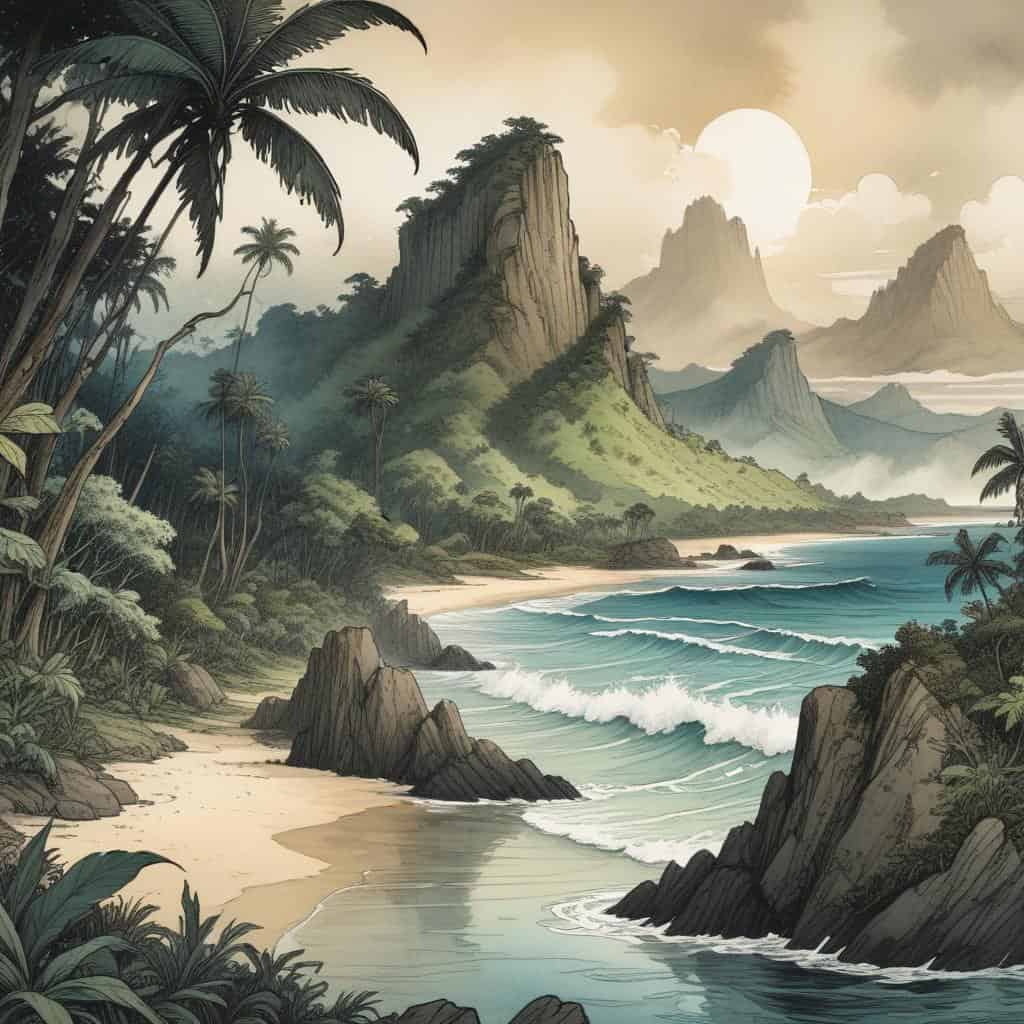
Introduction
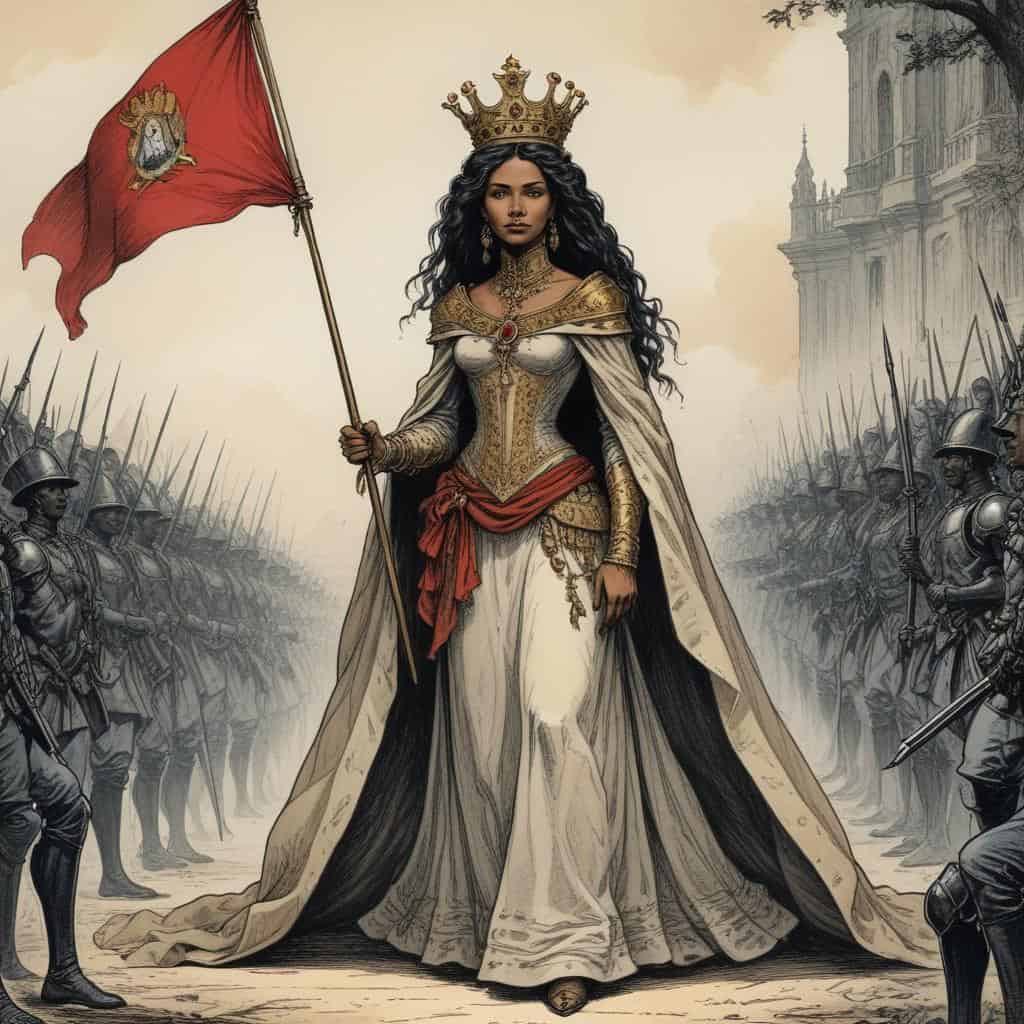
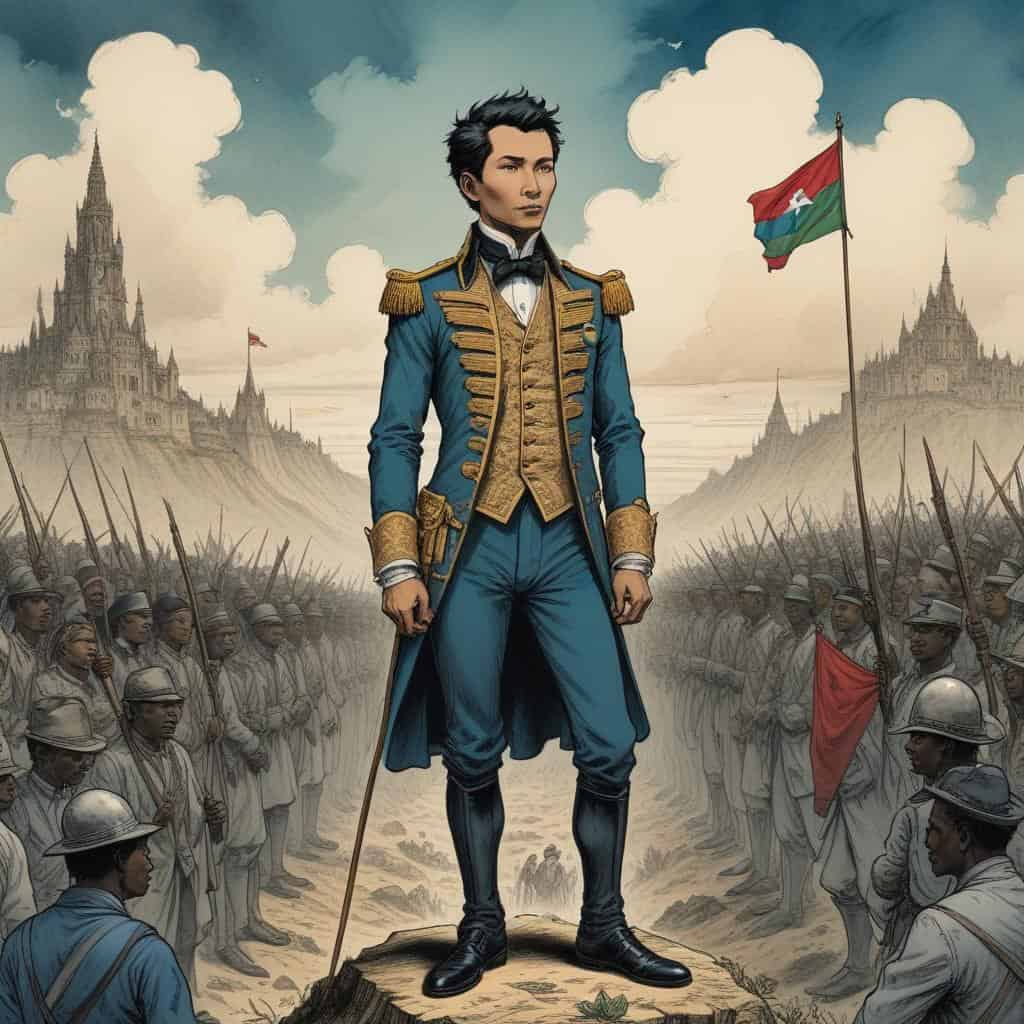
Queen Ranavalona III
Andry Rajoelina
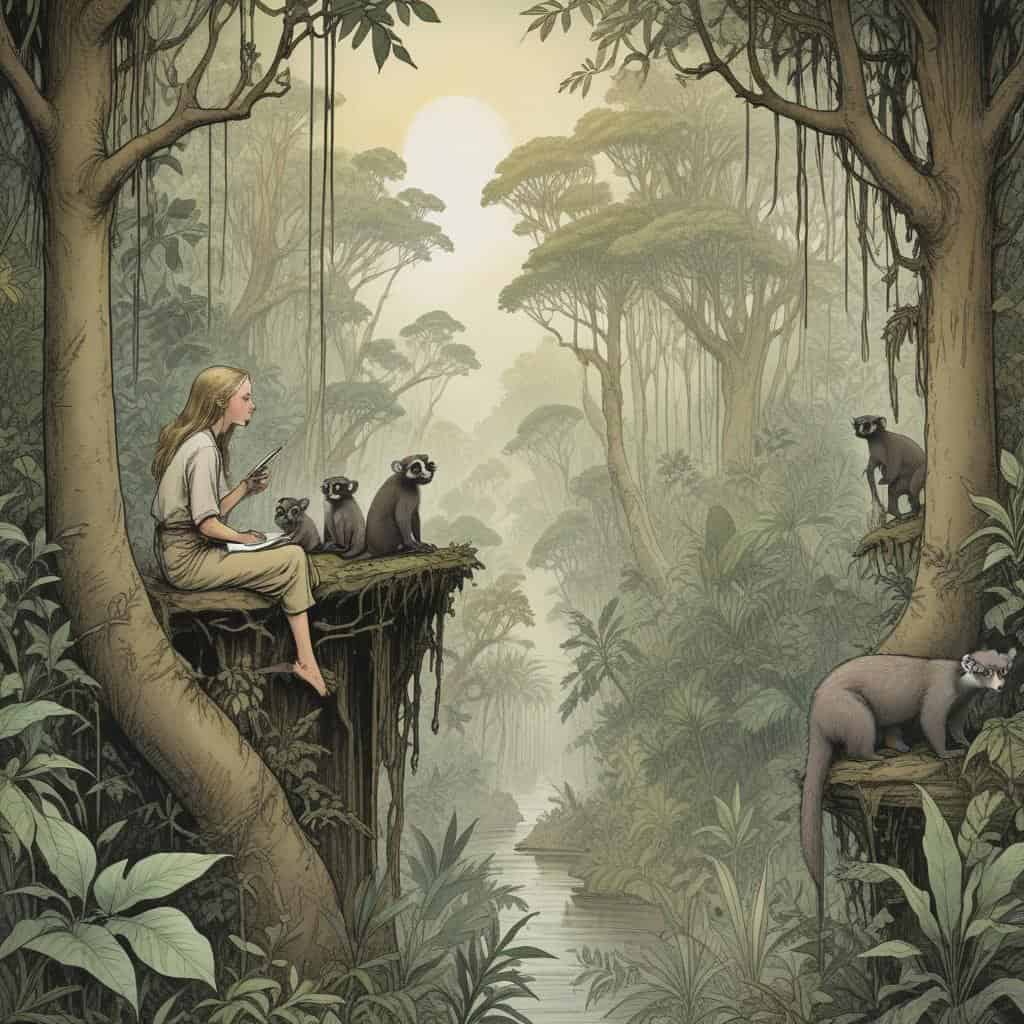
Dr. Jane Goodall
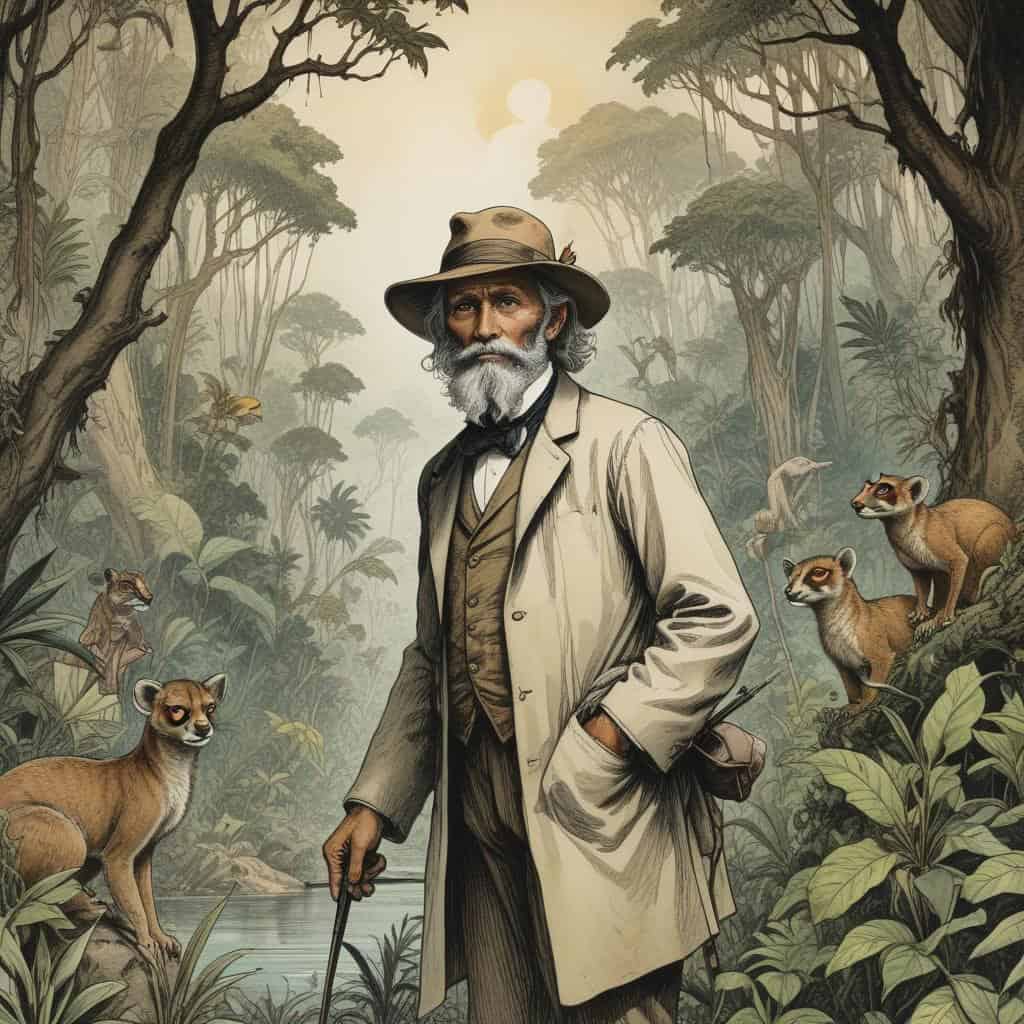
Dr. Lee White
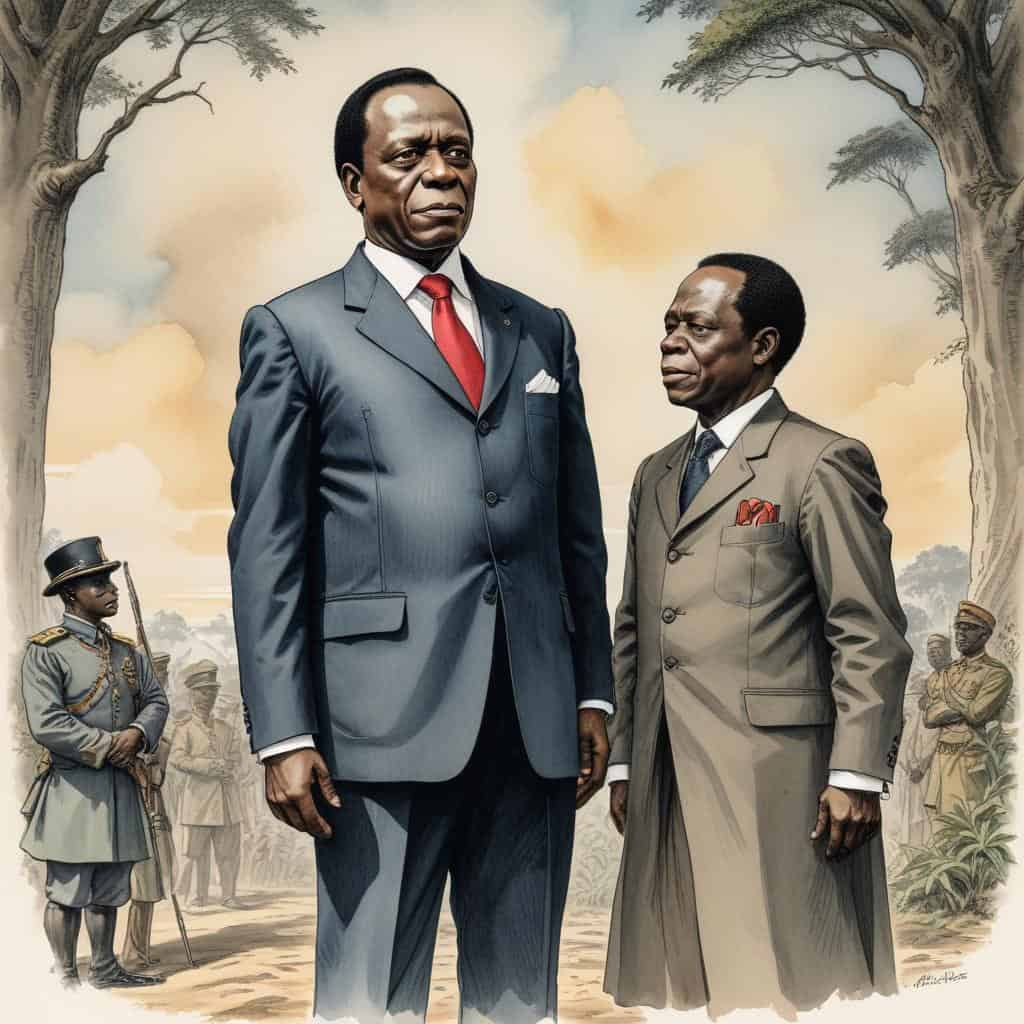
Emmerson Mnangagwa
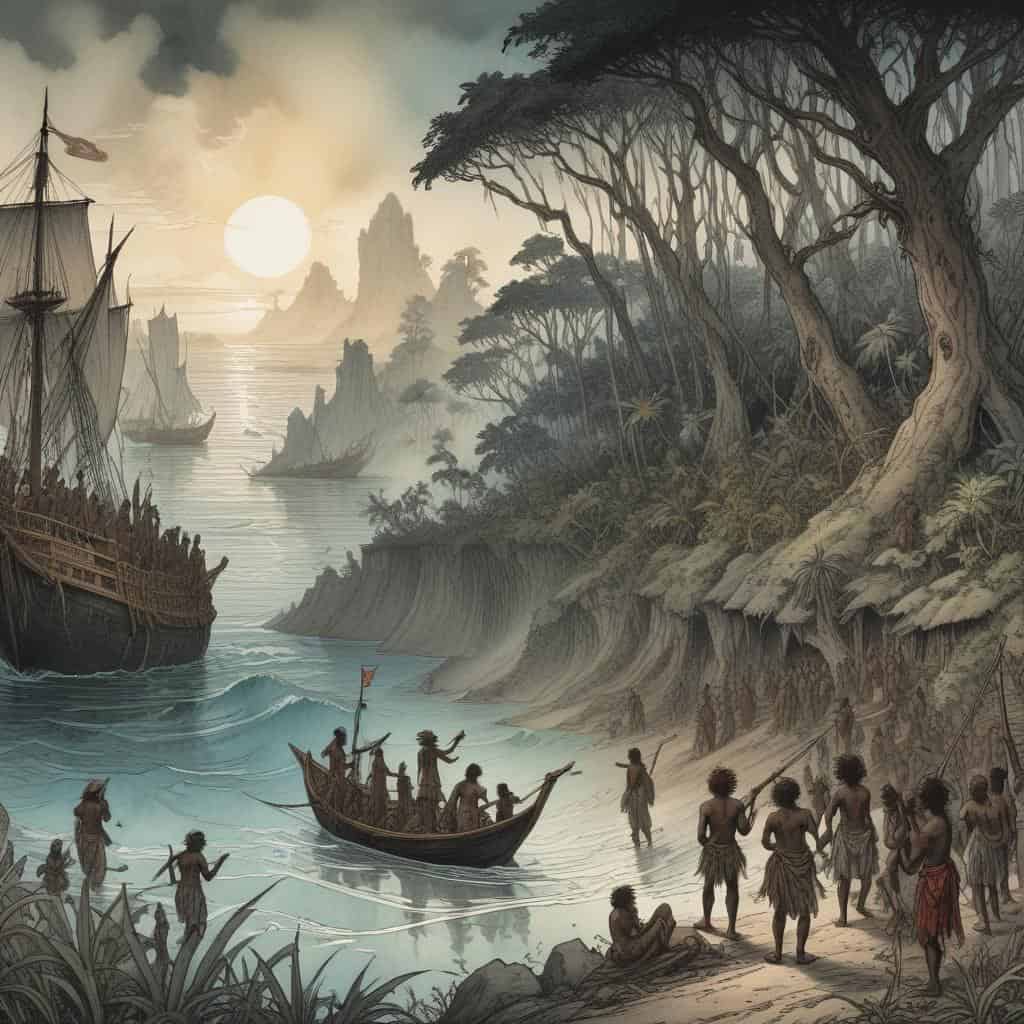
1. Early History
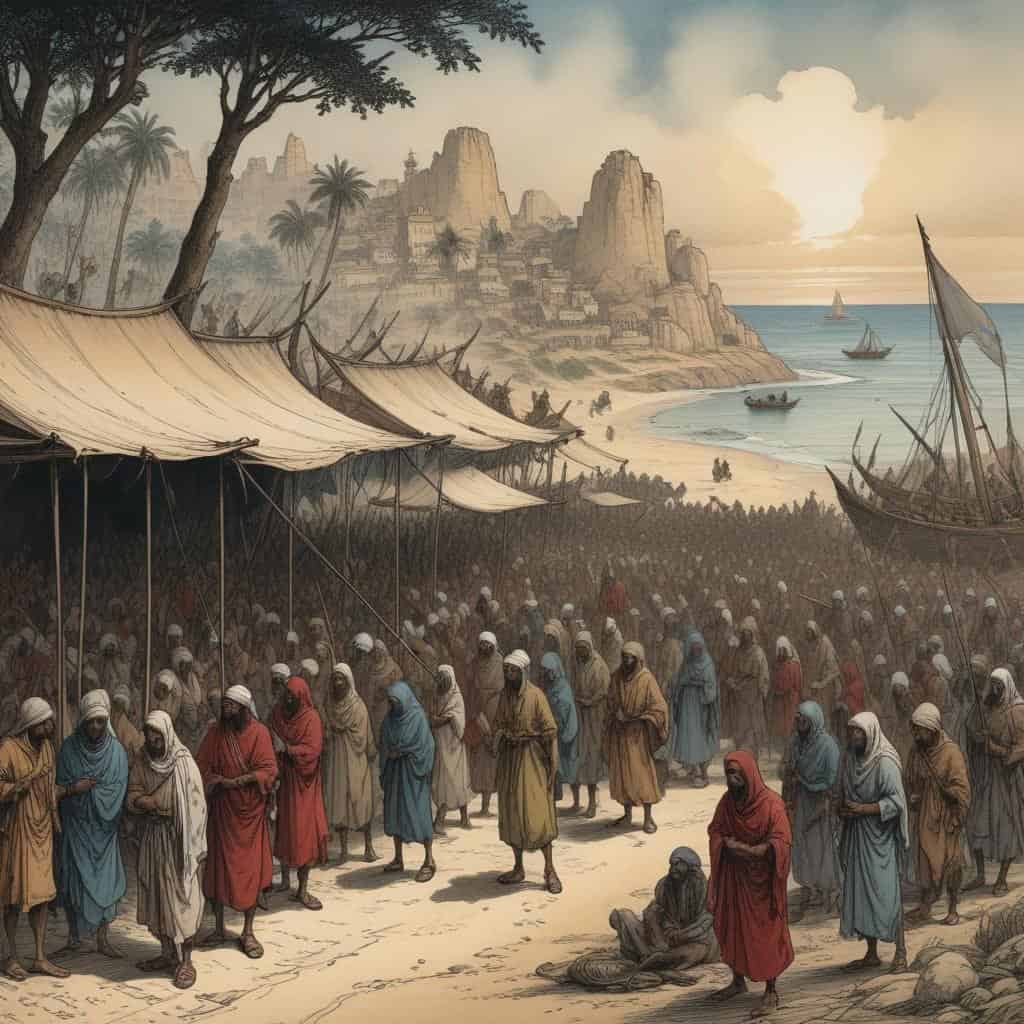
2. Arab and European Influences
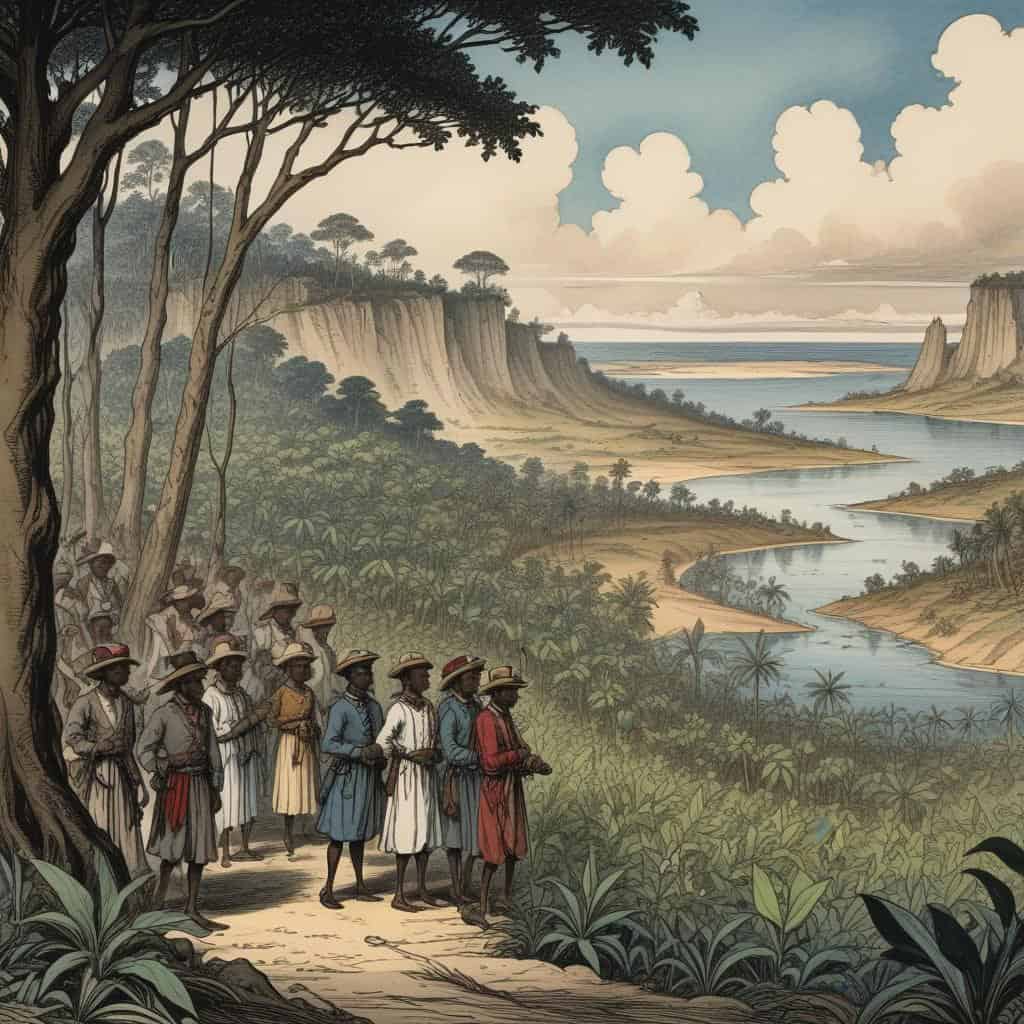
3. French Colonization
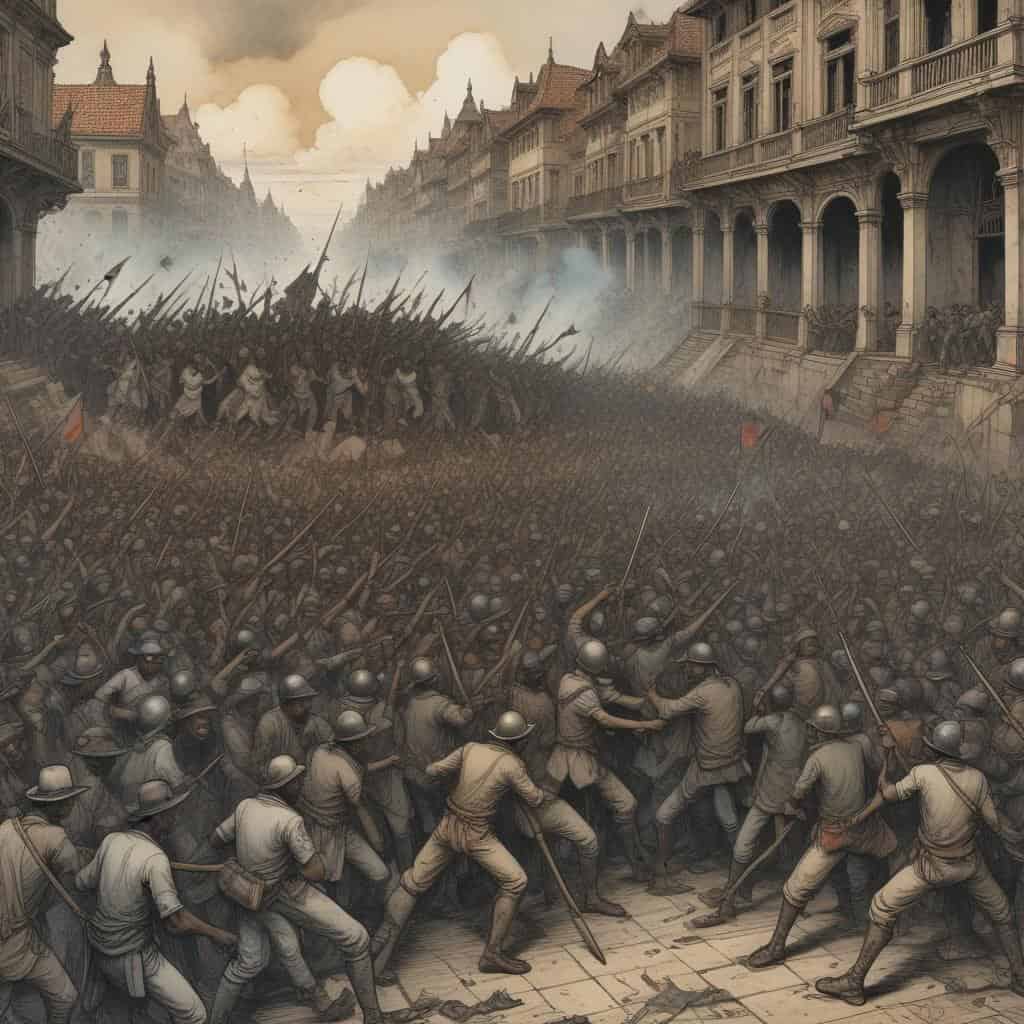
4. Political Turmoil
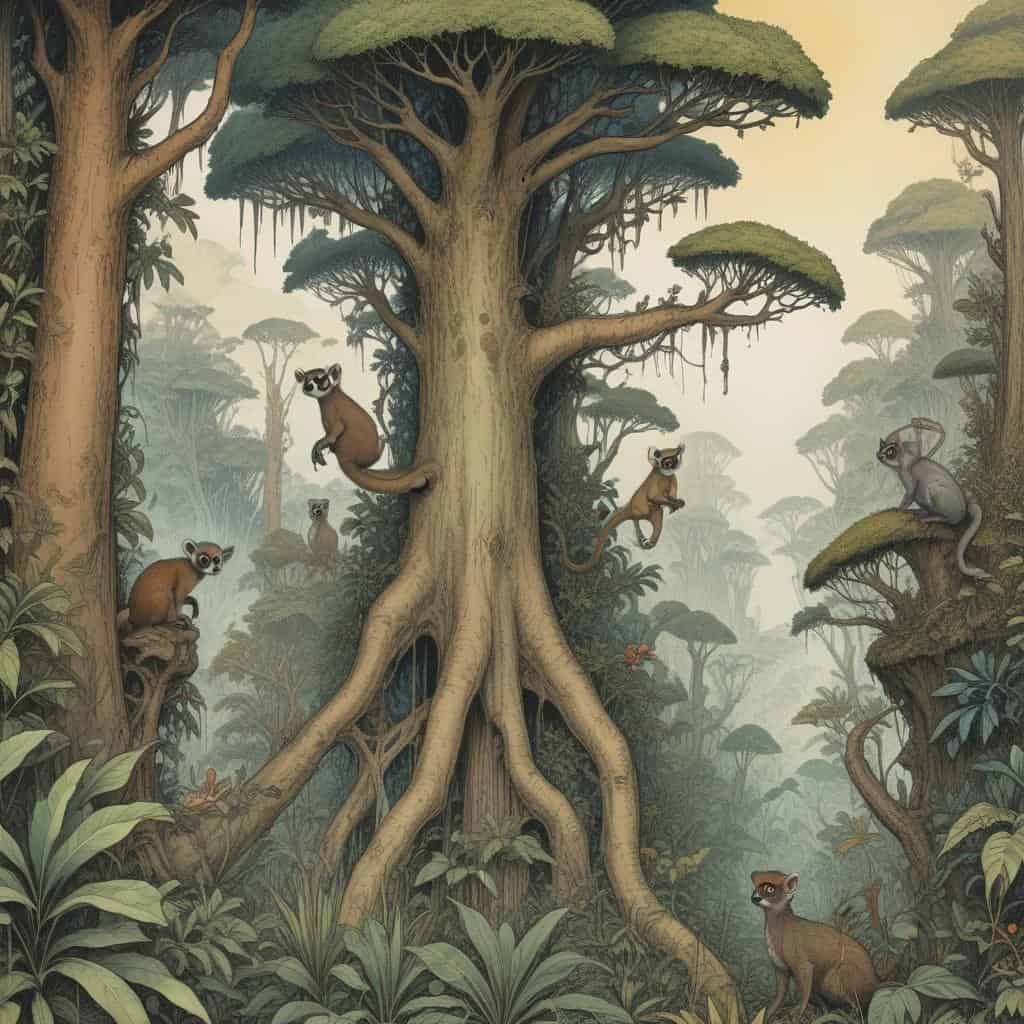
5. Biodiversity
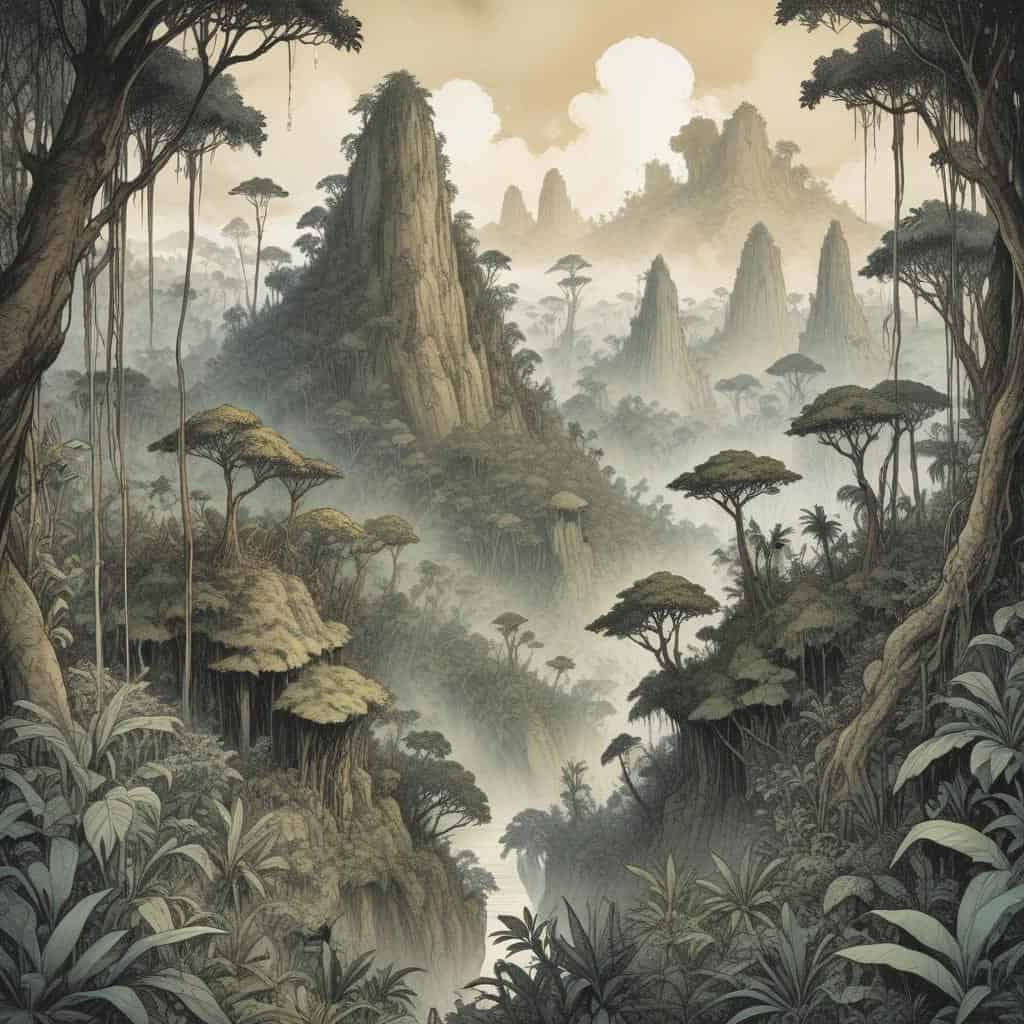
6. National Parks
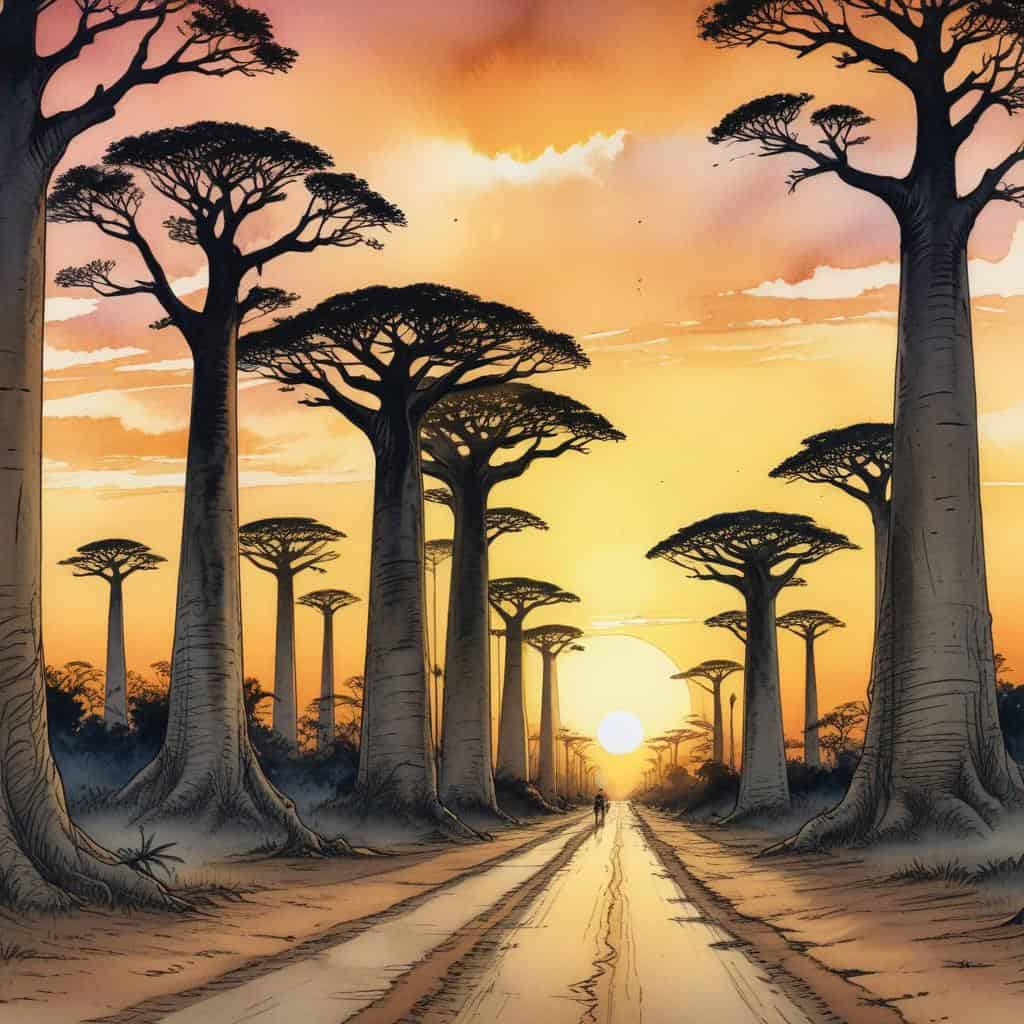
7. Avenue of the Baobabs
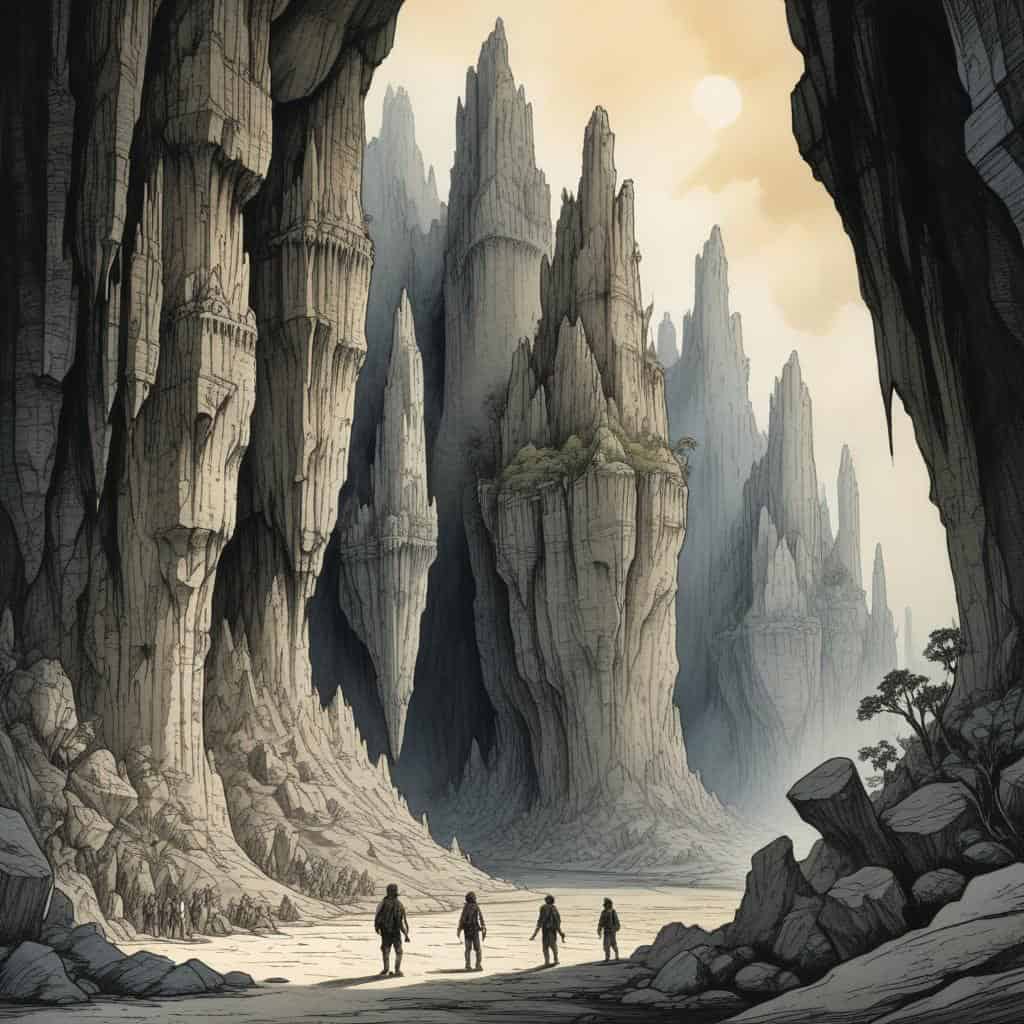
8. Tsingy de Bemaraha
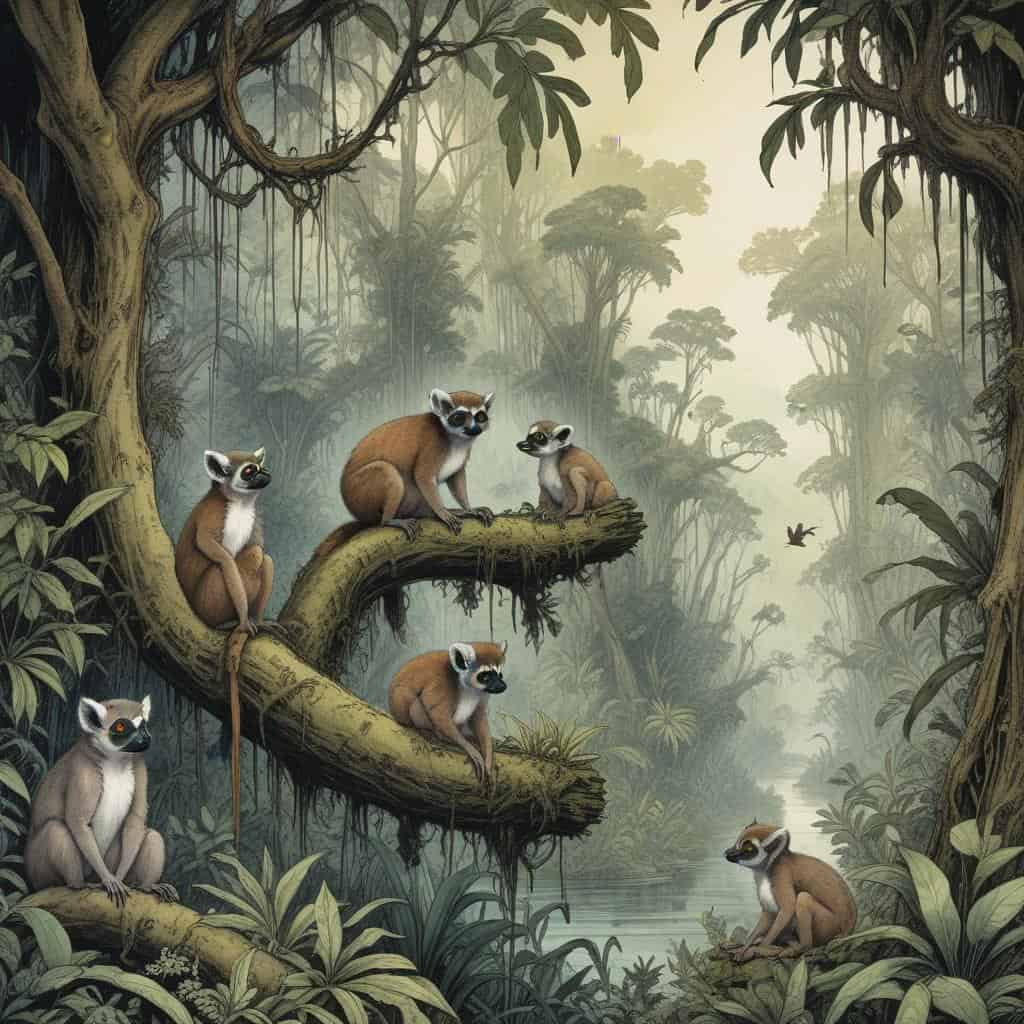
9. Ranomafana National Park
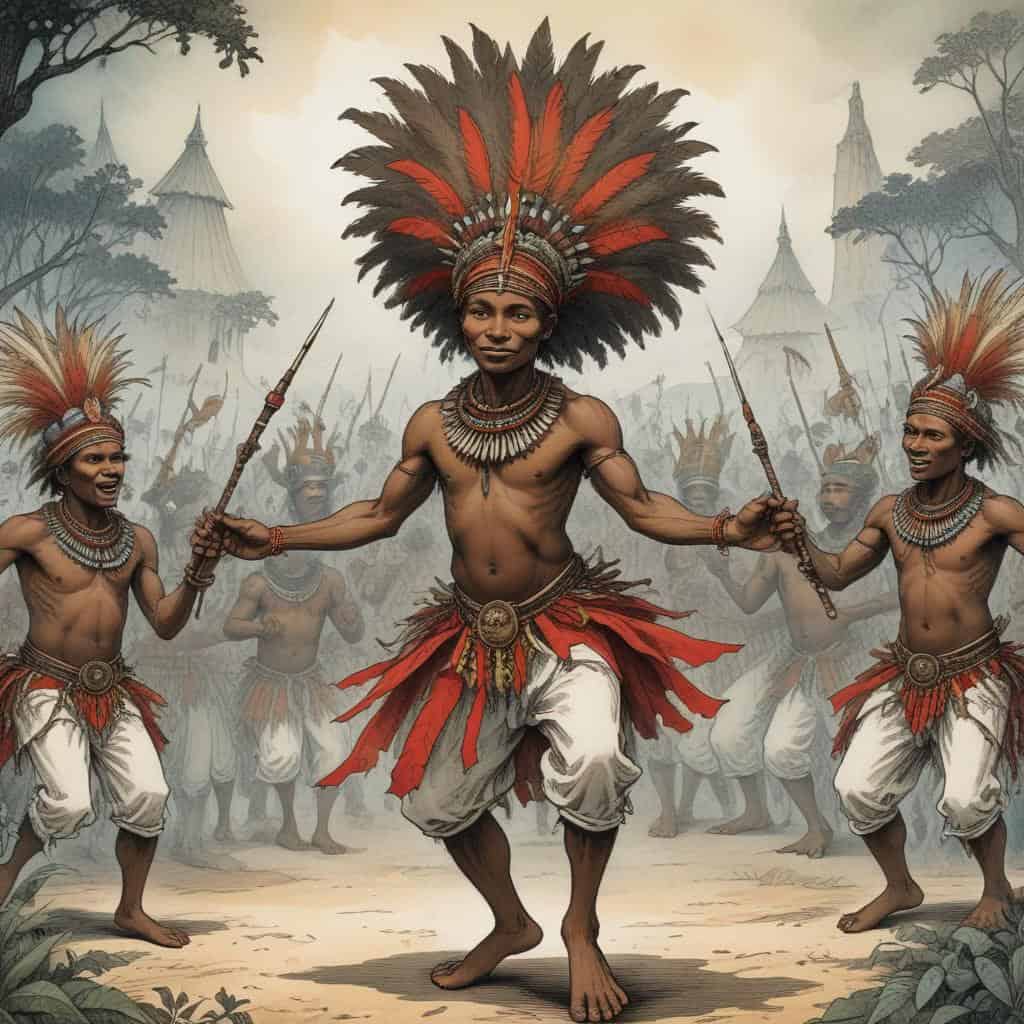
10. Cultural Heritage
Audio Library
As one of our featured lessons, this topic includes premium audio guides.
Unlock the Wizard's Cram Session
This powerful audio study guide is a Pro-exclusive feature. Upgrade to Memory Wizards Pro to access this and all of our premium learning tools.
Upgrade to ProIn a Nutshell
- Capital: Antananarivo
- Population: Approx. 27.7 million (2021)
- Official Language: Malagasy
- Currency: Malagasy ariary (MGA)
Breaking Down the Country
Unique Wildlife
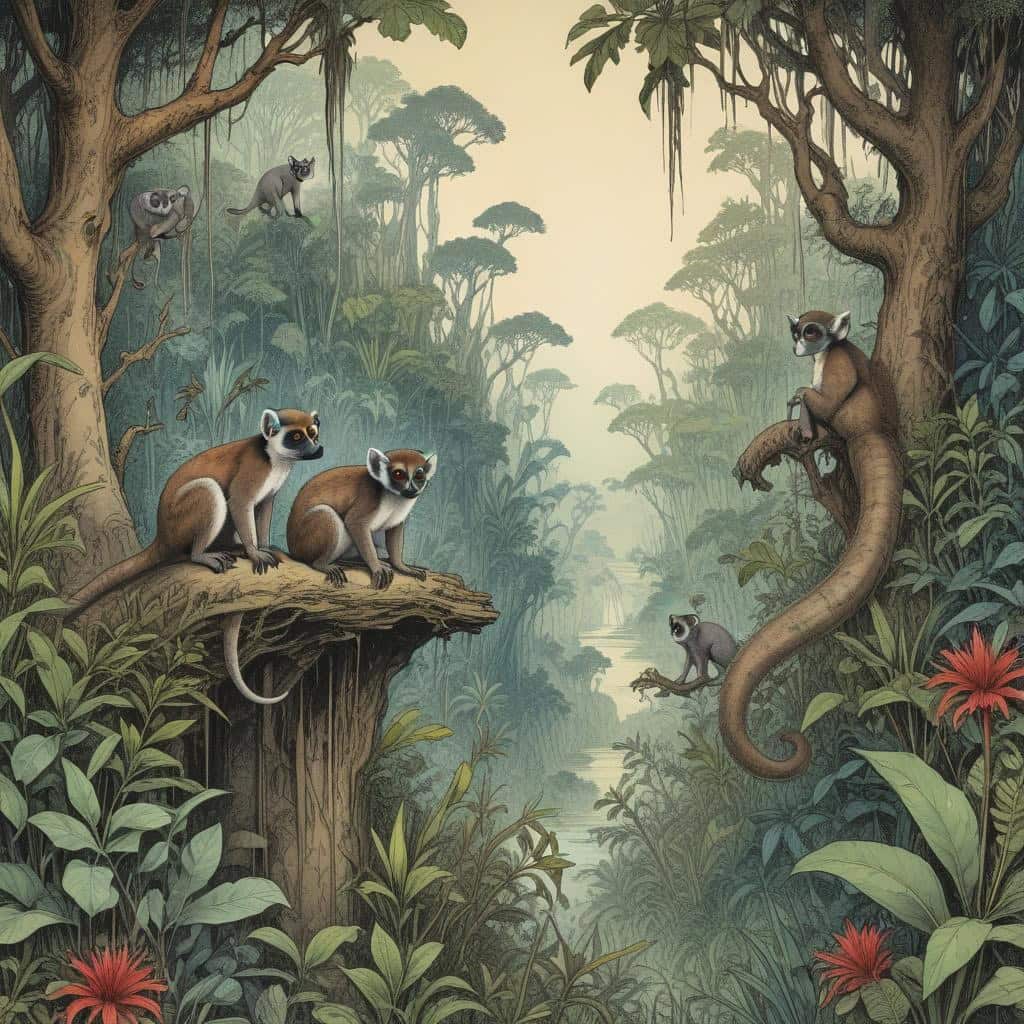
Madagascar is home to a vast array of unique animal species, including lemurs, chameleons, and the fossa, making it a biodiversity hotspot.
Stunning Landscapes
From the iconic Avenue of the Baobabs to the lush rainforests of Masoala National Park, Madagascar boasts diverse and breathtaking natural scenery.
Cultural Diversity
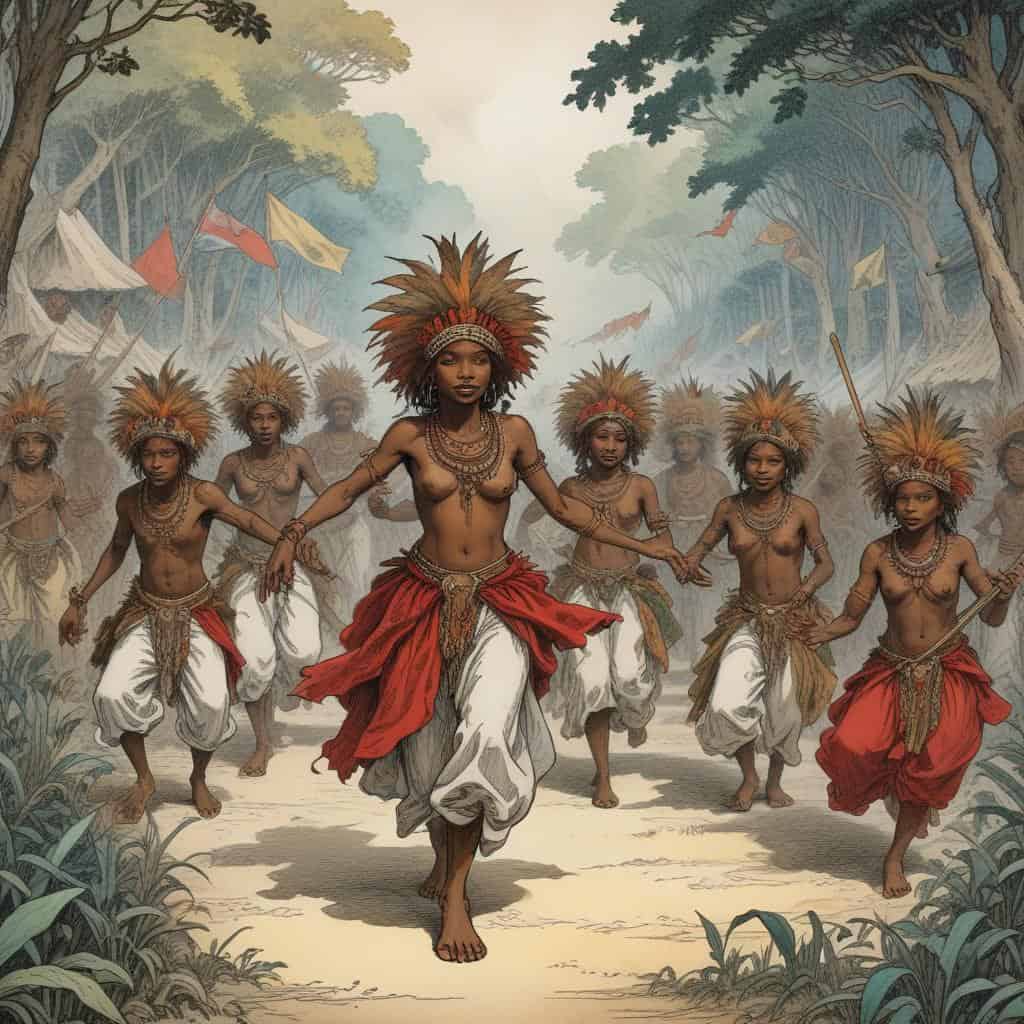
With influences from Africa, Asia, and Europe, Madagascar's culture is a vibrant fusion of traditions, music, dance, and cuisine.
Timeline of Madagascar
First human settlers arrive in Madagascar
Arab traders establish trade routes with Madagascar
Portuguese explorer Diogo Dias sighted Madagascar
French establish a settlement on the island
Madagascar becomes a French protectorate
Madagascar gains independence from France
First democratic elections held in Madagascar
Military coup led by General Gabriel Ramanantsoa
Socialist regime established under Didier Ratsiraka
Multi-party system reintroduced in Madagascar
Marc Ravalomanana elected President of Madagascar
Cyclone Indlala hits Madagascar causing widespread destruction
Andry Rajoelina seizes power in a coup
Constitutional referendum held in Madagascar
Hery Rajaonarimampianina elected President of Madagascar
Cyclone Enawo strikes Madagascar resulting in significant damage
COVID-19 pandemic reaches Madagascar
President Andry Rajoelina launches herbal remedy for COVID-19
Madagascar declares state of emergency due to COVID-19
Presidential election held in Madagascar
Vocabulary List
- Lemur
- One of the iconic animals of Madagascar, lemurs are primates known for their distinctive appearance and behavior.
- Baobab
- The baobab tree is a symbol of Madagascar, with its unique shape and importance in the island's ecosystem.
- Tsingy
- The Tsingy de Bemaraha National Park in Madagascar is known for its unique limestone formations.
- Vanilla
- Madagascar is one of the world's leading producers of vanilla, known for its high quality.
- Sifaka
- The sifaka is a type of lemur found in Madagascar, known for its distinctive way of moving by leaping through trees.
- Tsiky
- Tsiky is a traditional Malagasy dish made with rice, meat, and vegetables, often served at special occasions.
- Ranomafana
- Ranomafana National Park is a popular destination in Madagascar for wildlife enthusiasts, known for its diverse flora and fauna.
- Vazaha
- Vazaha is a Malagasy term for foreigners, often used in a friendly or neutral context.
- Moraingy
- Moraingy is a traditional Malagasy sport similar to wrestling, popular in rural areas.
- Tsara
- Tsara is a Malagasy word meaning 'good' or 'well', often used in conversation to express approval or satisfaction.
Key Facts
This is the information used in the fact matching game
- Madagascar is the fourth largest island in the world.
- Over 90% of the wildlife in Madagascar is found nowhere else on Earth.
- The island of Madagascar split from the Indian subcontinent around 88 million years ago.
- Madagascar is home to the world's smallest chameleon, the Brookesia micra.
- The majority of Madagascar's plant and animal species are endemic.
- The capital and largest city of Madagascar is Antananarivo.
- Madagascar has 6 provinces: Antananarivo, Mahajanga, Toamasina, Antsiranana, Fianarantsoa, and Toliara.
- Madagascar's official languages are Malagasy and French.
- The currency used in Madagascar is the Malagasy Ariary.
- Madagascar is one of the poorest countries in the world, with a high percentage of its population living below the poverty line.
- The Avenue of the Baobabs in Madagascar is a famous group of trees that line a dirt road between Morondava and Belon'i Tsiribihina.
- Madagascar is known for its unique cuisine, which includes dishes like Romazava (a meat and leafy green stew) and Ravitoto (pork with mashed cassava leaves).
- Madagascar is a biodiversity hotspot, with a high concentration of unique plant and animal species.
- The lemurs of Madagascar are among the most endangered primates in the world, with nearly all species facing threats from habitat loss and hunting.
- Madagascar has a tropical climate, with distinct wet and dry seasons.
- Madagascar has a rich cultural heritage, with influences from African, Asian, and European traditions.
- The Tsingy de Bemaraha National Park in Madagascar is known for its unique limestone formations and diverse wildlife.
- Madagascar is a popular destination for ecotourism, with opportunities to see unique wildlife and explore diverse ecosystems.
- Madagascar is famous for its vanilla production, with the country being one of the largest producers in the world.
- The indigenous people of Madagascar are known as the Malagasy, and they have a rich cultural heritage that includes music, dance, and storytelling traditions.
Why It Matters
Geopolitical Significance
Madagascar’s location in the Indian Ocean near the African mainland positions it as a key player in regional politics and trade. Its vast coastline and natural resources make it a strategic partner for countries looking to expand their influence in the region.
Historical Importance
Madagascar has a unique history of colonization by European powers, including France, which has shaped its culture and society. The island’s resistance to foreign domination and its rich traditions have contributed to its identity as a proud and independent nation.
Modern-Day Role
Today, Madagascar faces challenges of poverty and environmental degradation, but it also offers opportunities for sustainable development and conservation. Its biodiversity and natural beauty make it a global hotspot for ecotourism and scientific research, attracting visitors and investors from around the world.
Madagascar Games


Take Your Learning Offline
Want a convenient, print-ready study guide for this lesson? Become a Memory Wizards Pro member to unlock the downloadable " Memory Scrolls" for this topic and our entire library!
- ✓ Complete Vocabulary Lists
- ✓ Key Facts & Timelines
- ✓ Beautifully Formatted for Print & Mobile