
How Do You Learn Best?
Learn by Listening
Start with the 3-minute audio summary to get the key facts and narrative highlights quickly.
Learn by Reading
Immerse yourself in the 10-minute visual lesson for a comprehensive understanding of the topic.
Learn by Reviewing
Jump directly to the key facts, timeline, and vocabulary lists to build a solid foundation of details.
Learn by Doing
Challenge yourself! Jump straight into the interactive games to learn by trial, error, and discovery.
Libya in 10 Minutes
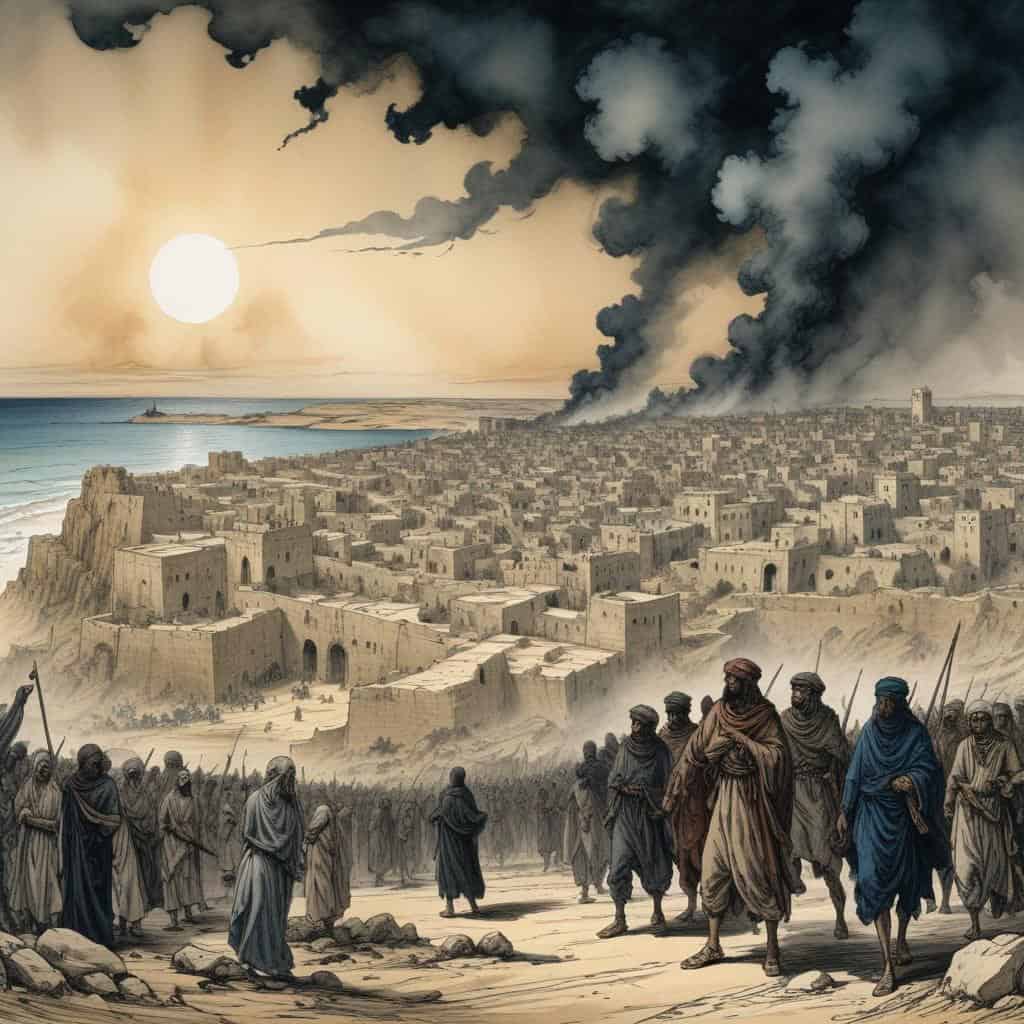
Introduction
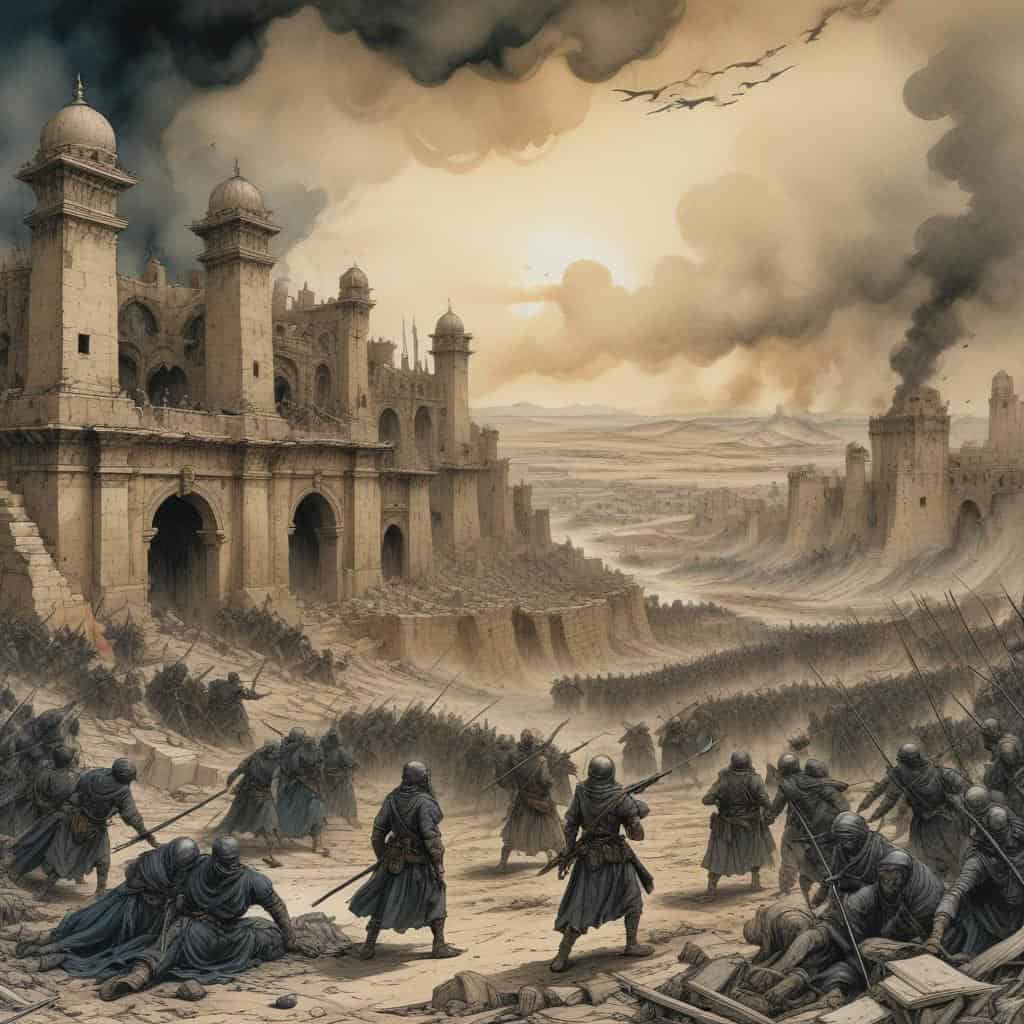
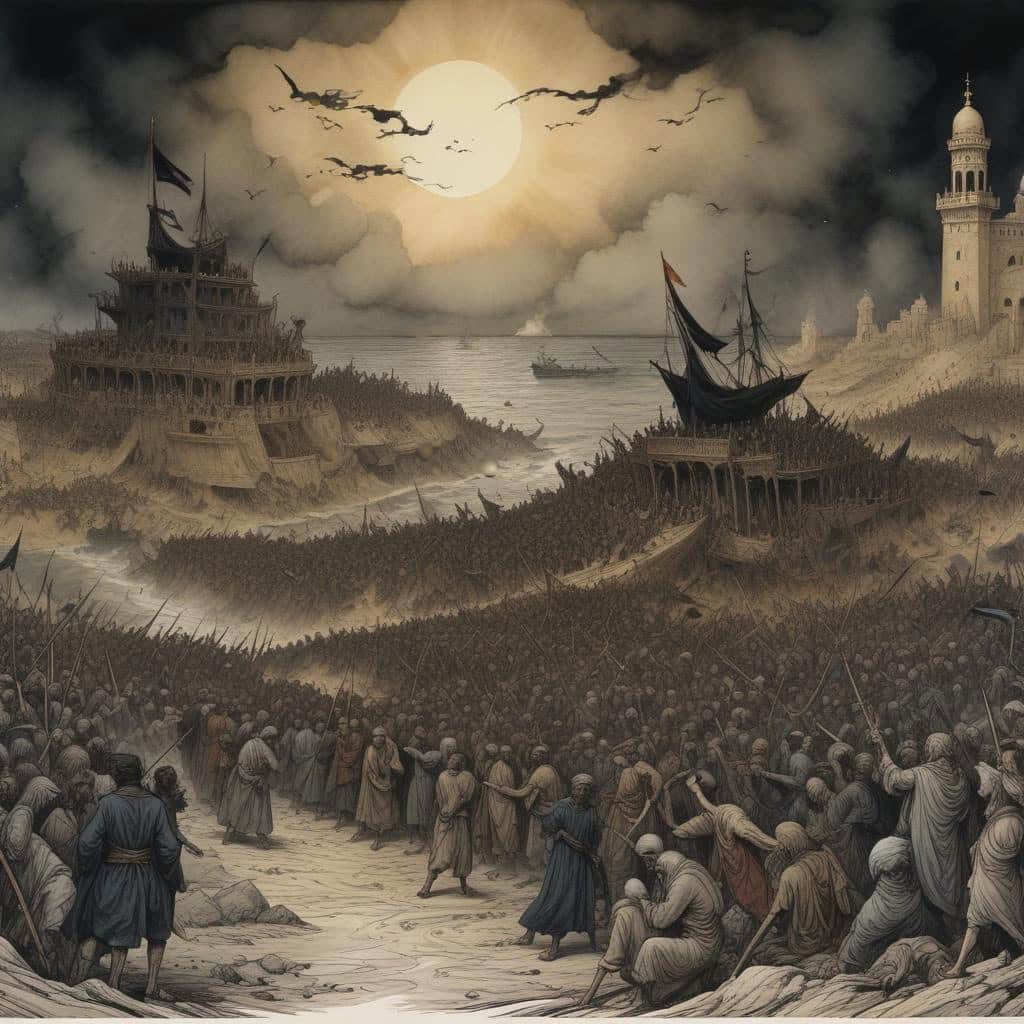
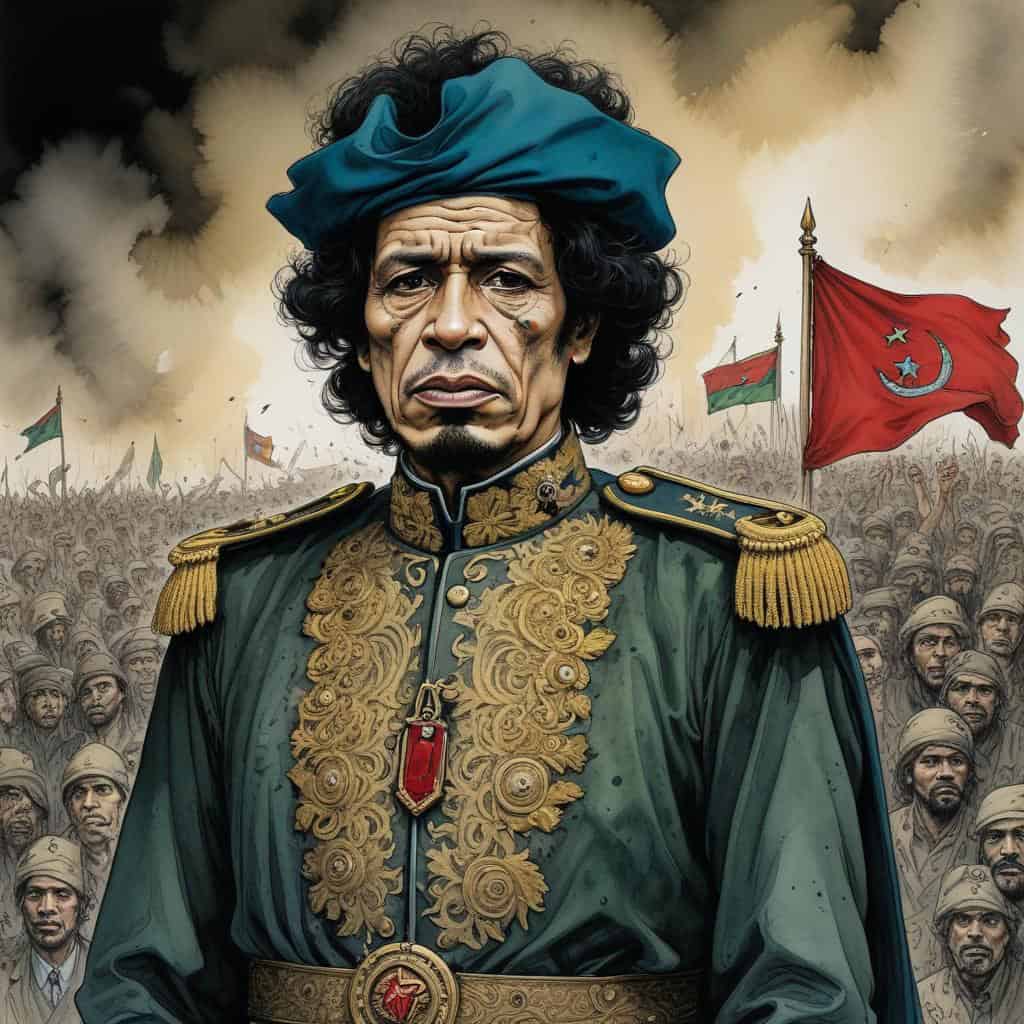
Muammar Gaddafi
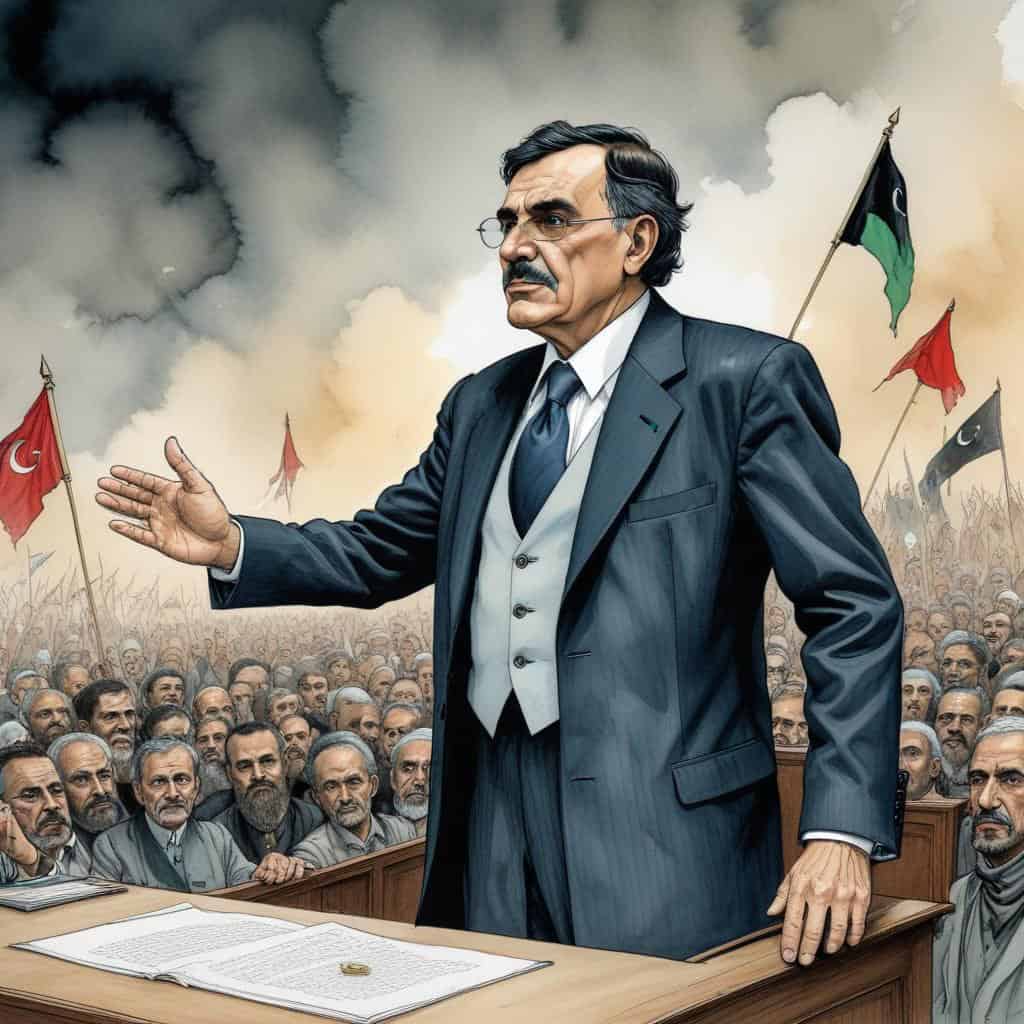
Fayez al-Sarraj
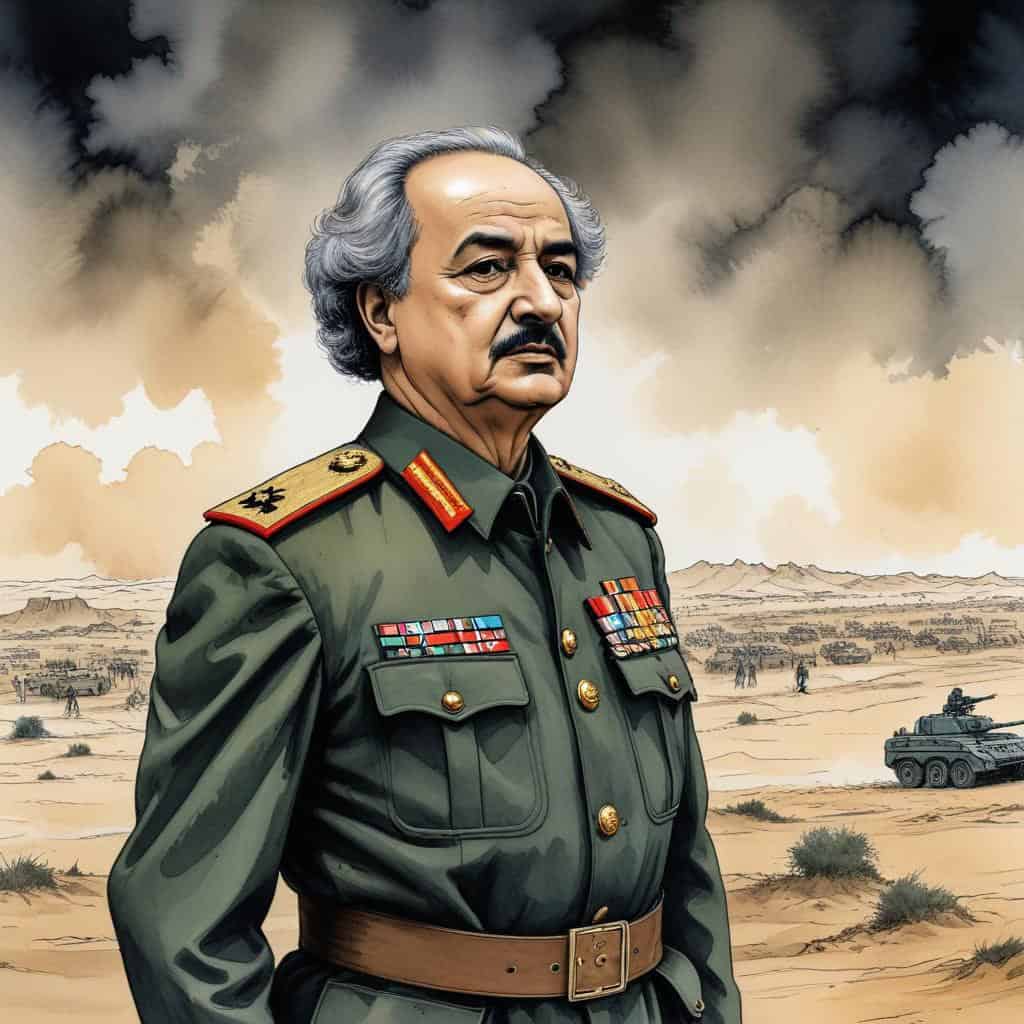
Khalifa Haftar
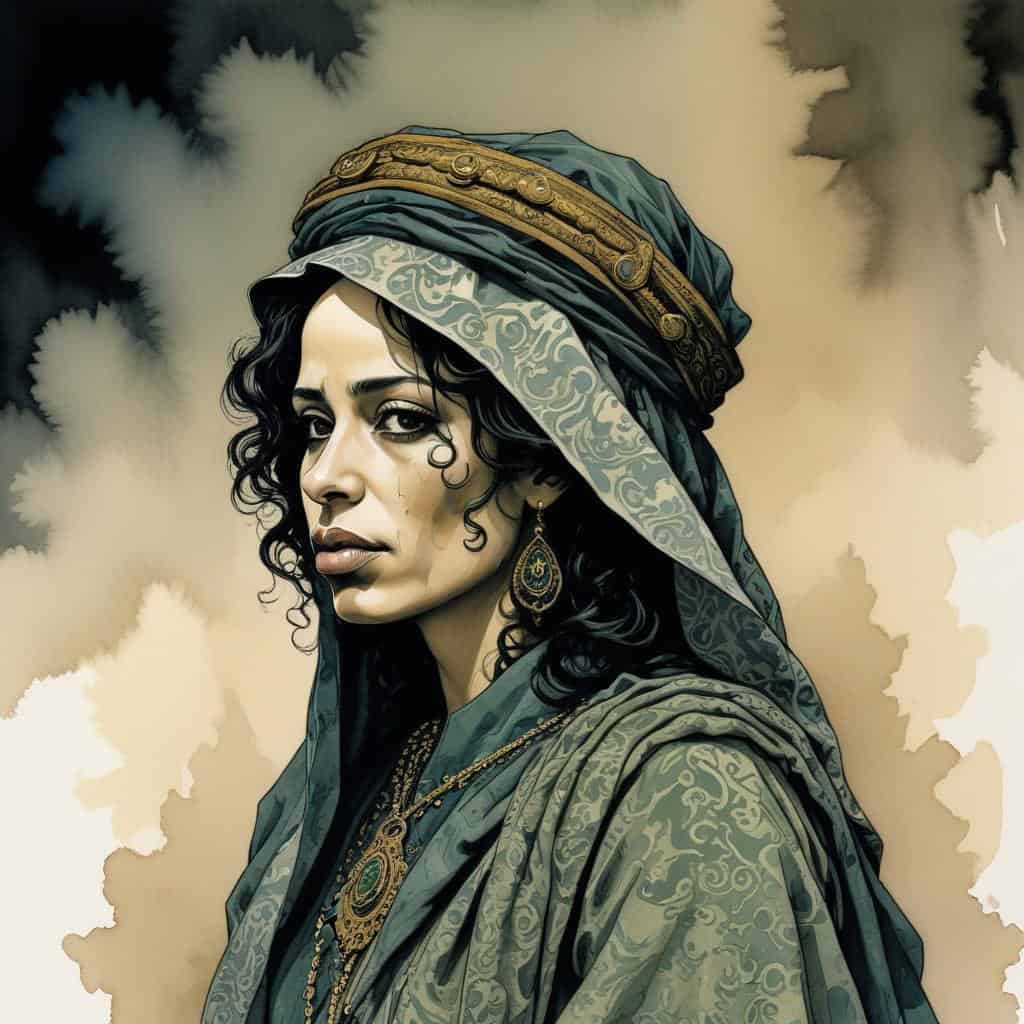
Aisha Gaddafi
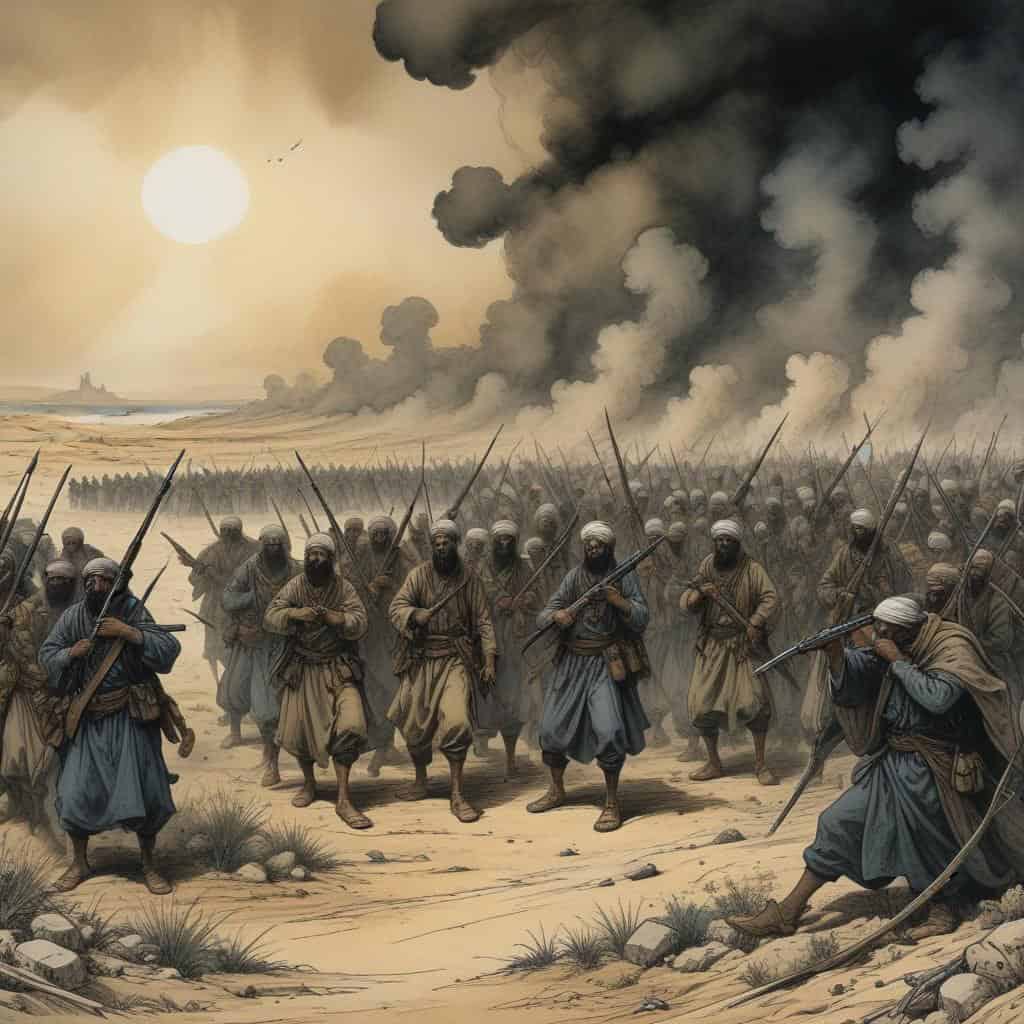
Islamist Militias
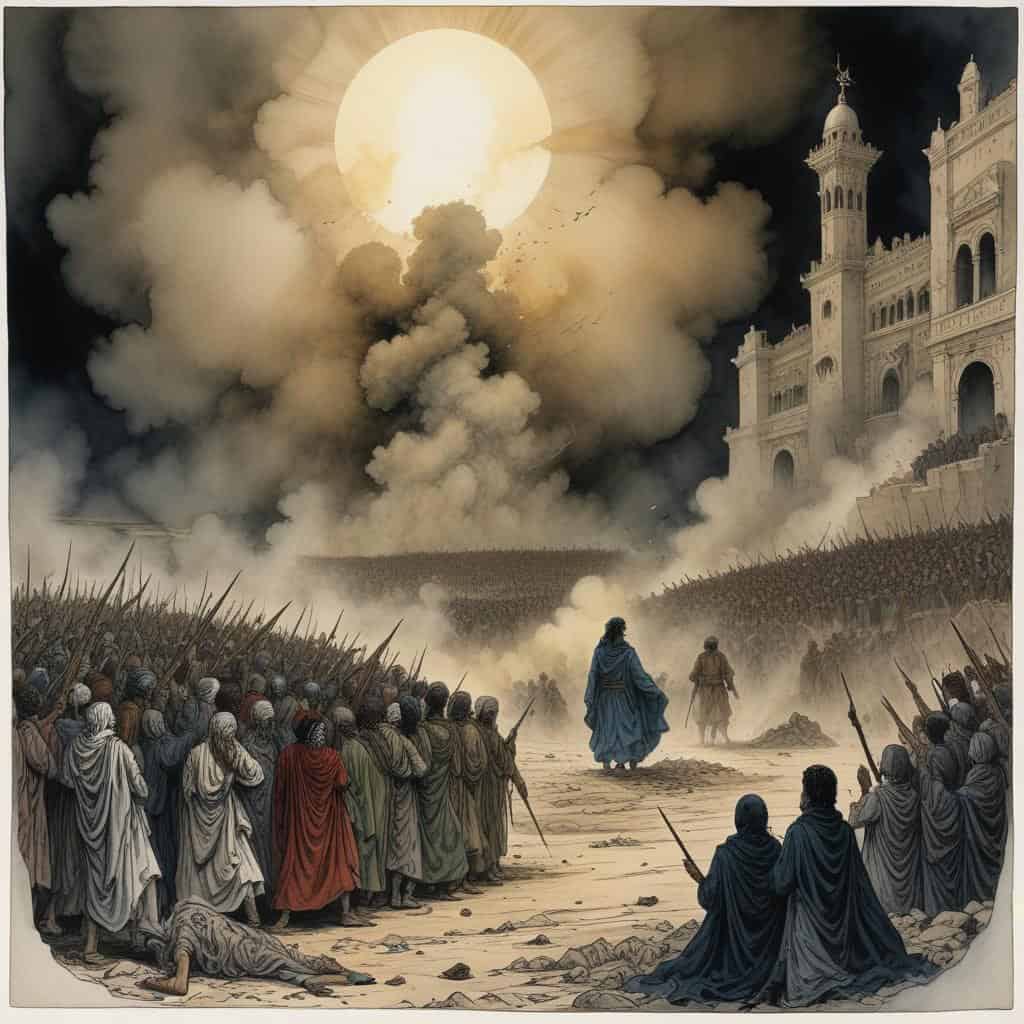
The Fall of Gaddafi
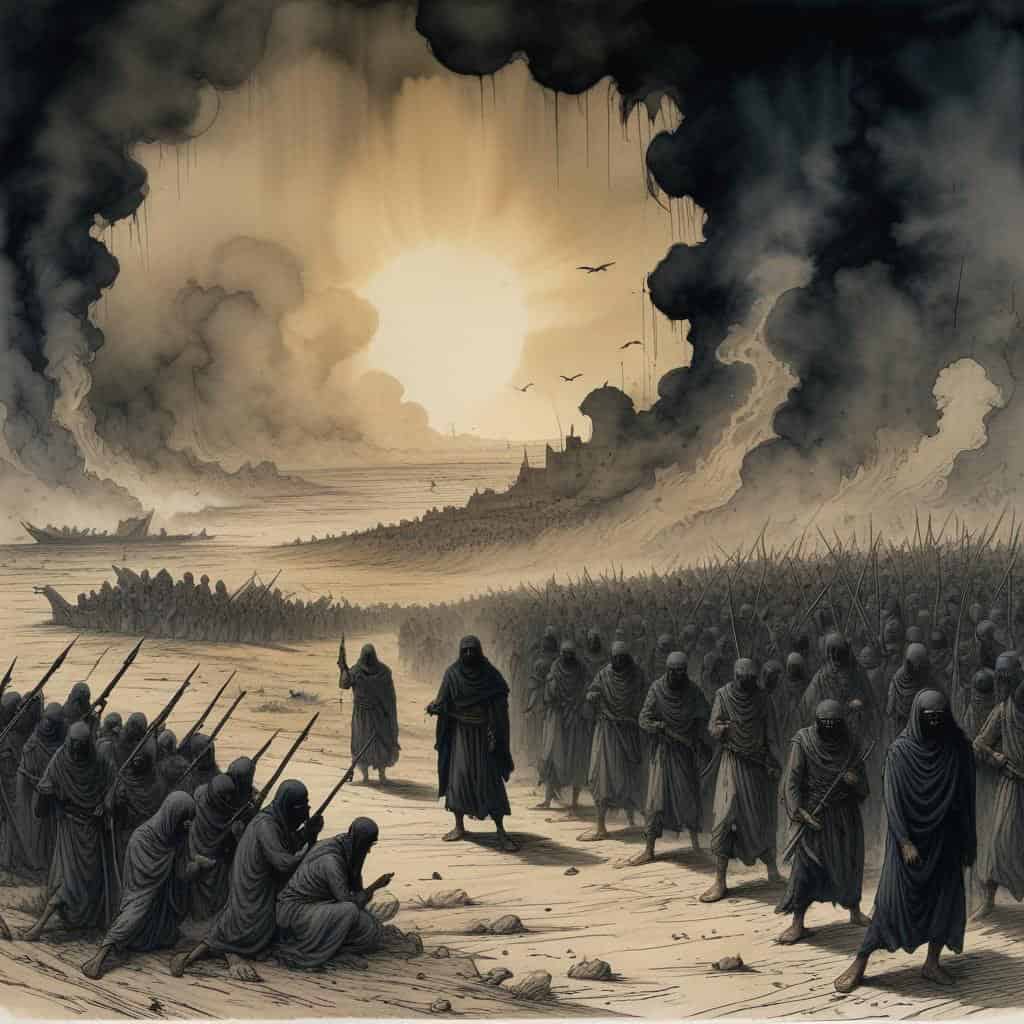
The Rise of ISIS
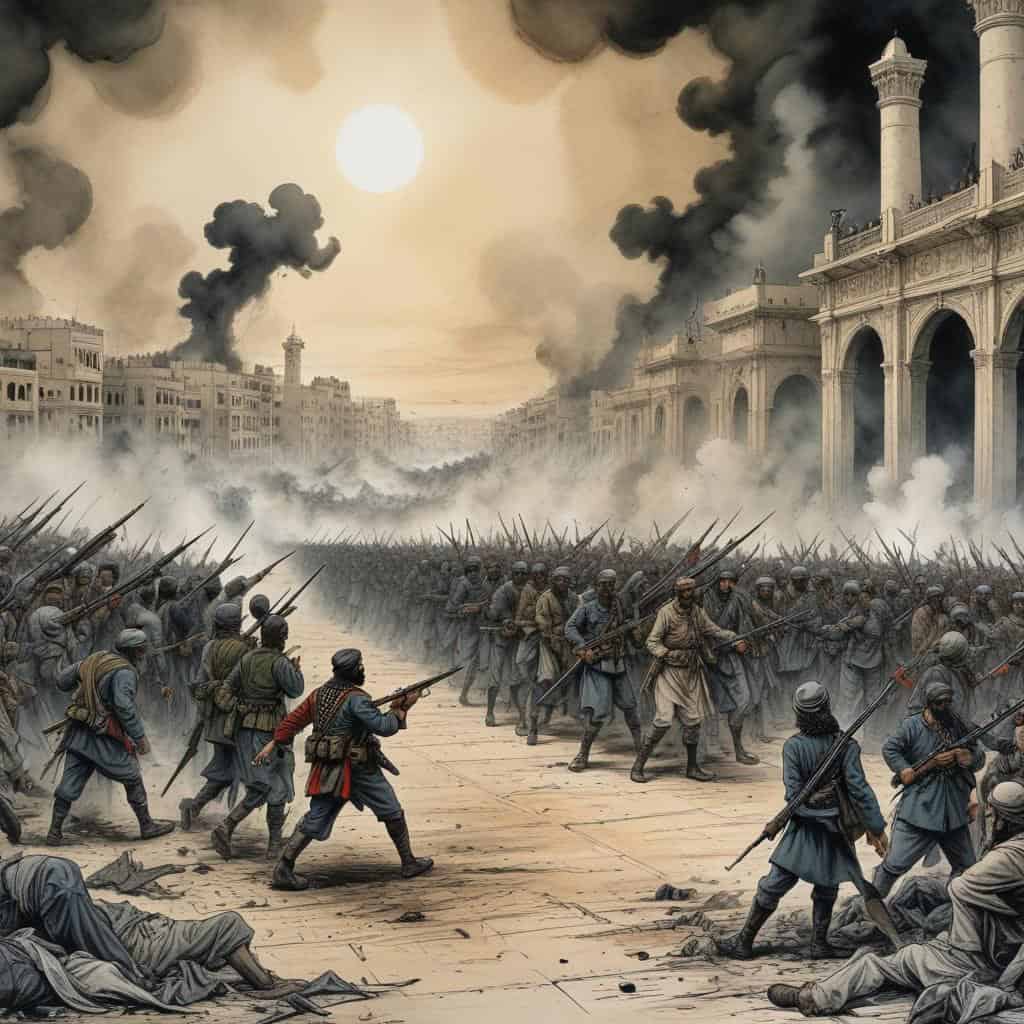
The Civil War
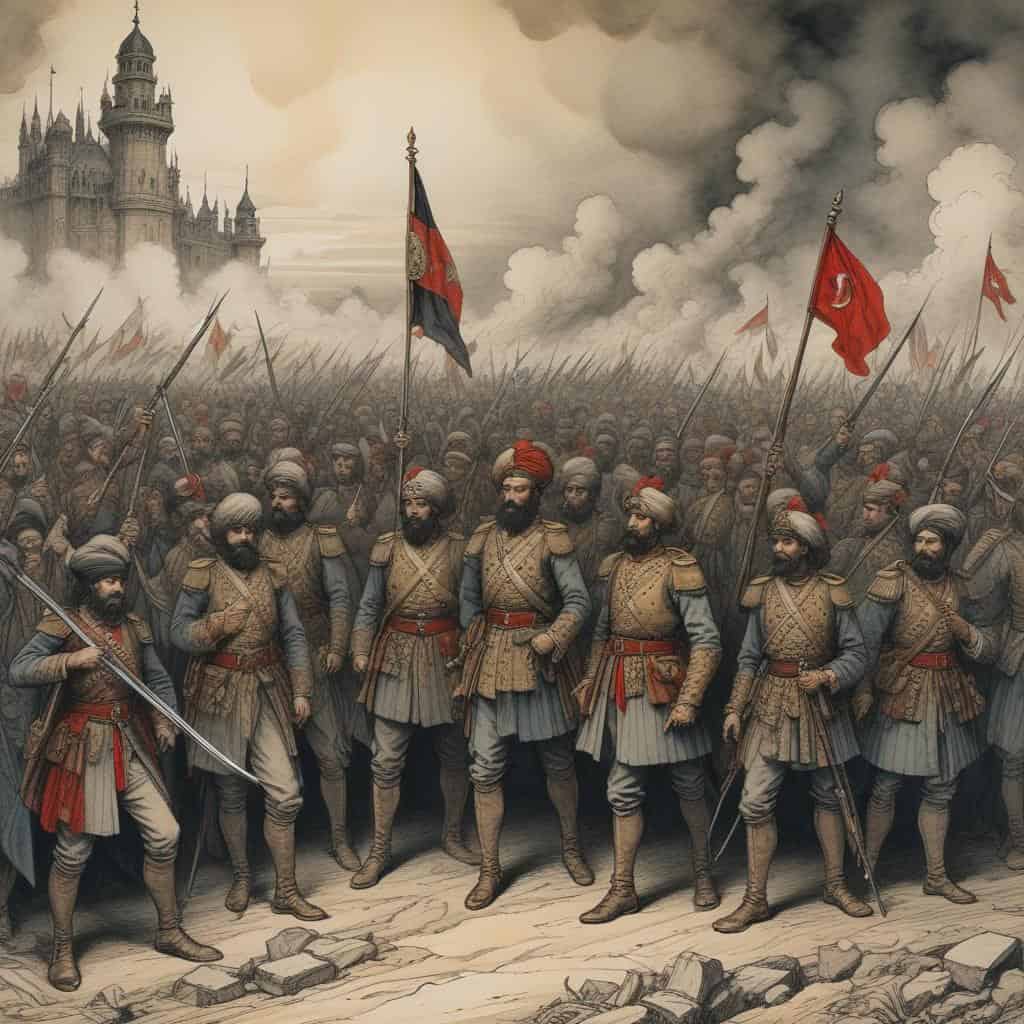
Foreign Intervention
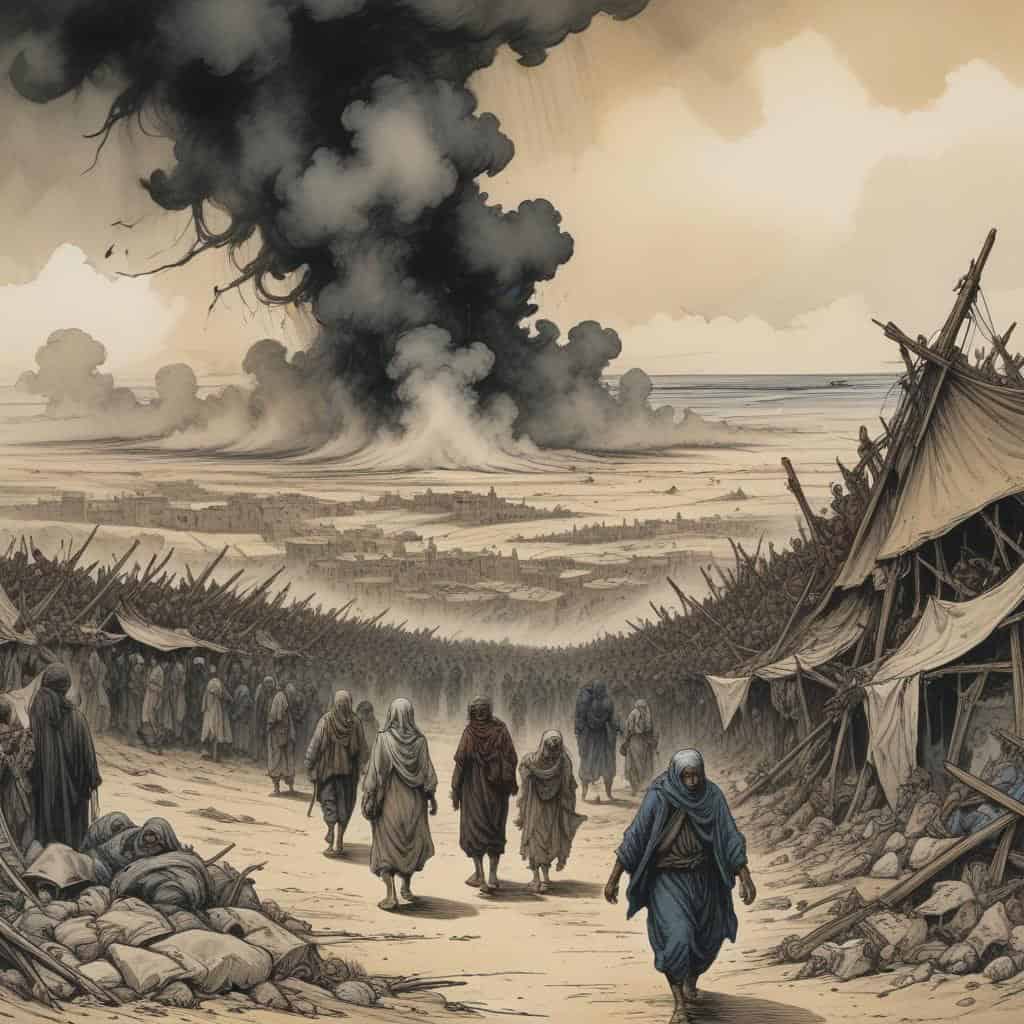
Humanitarian Crisis
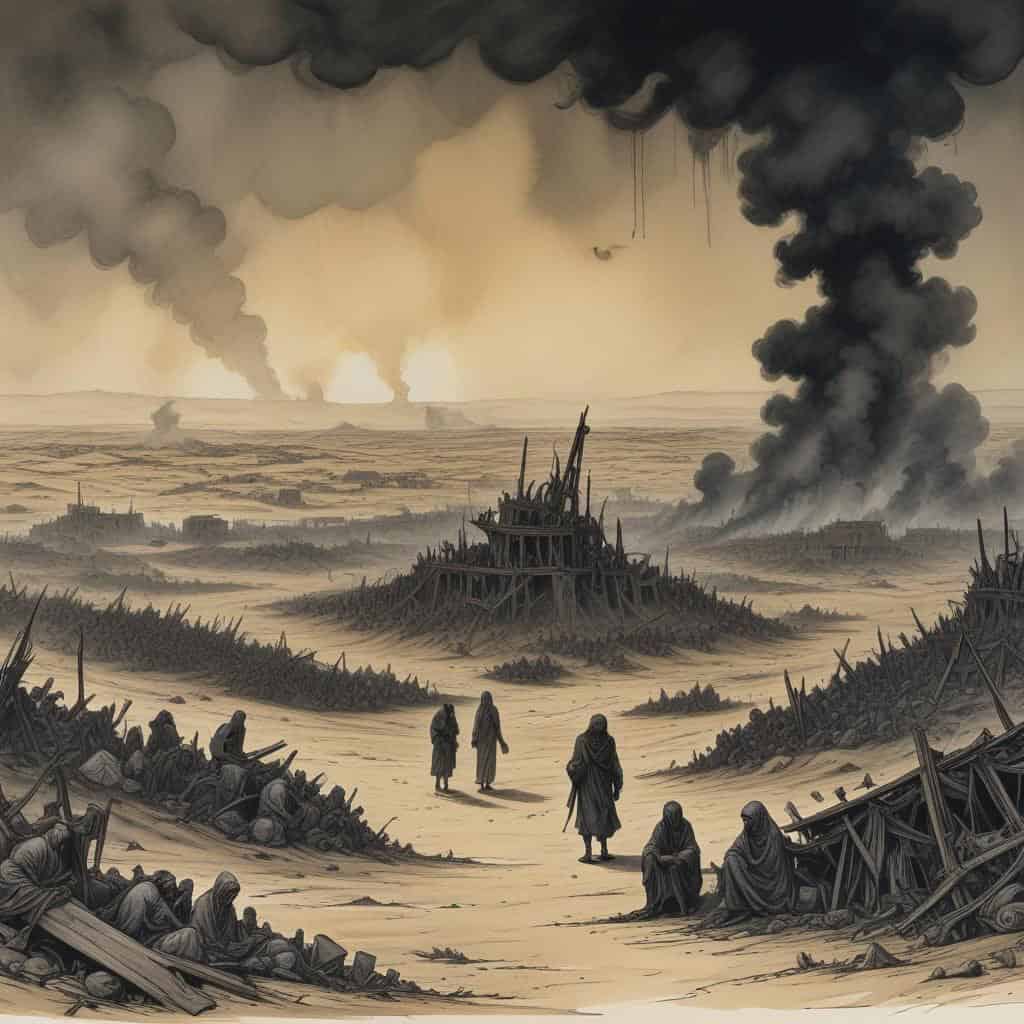
Economic Collapse
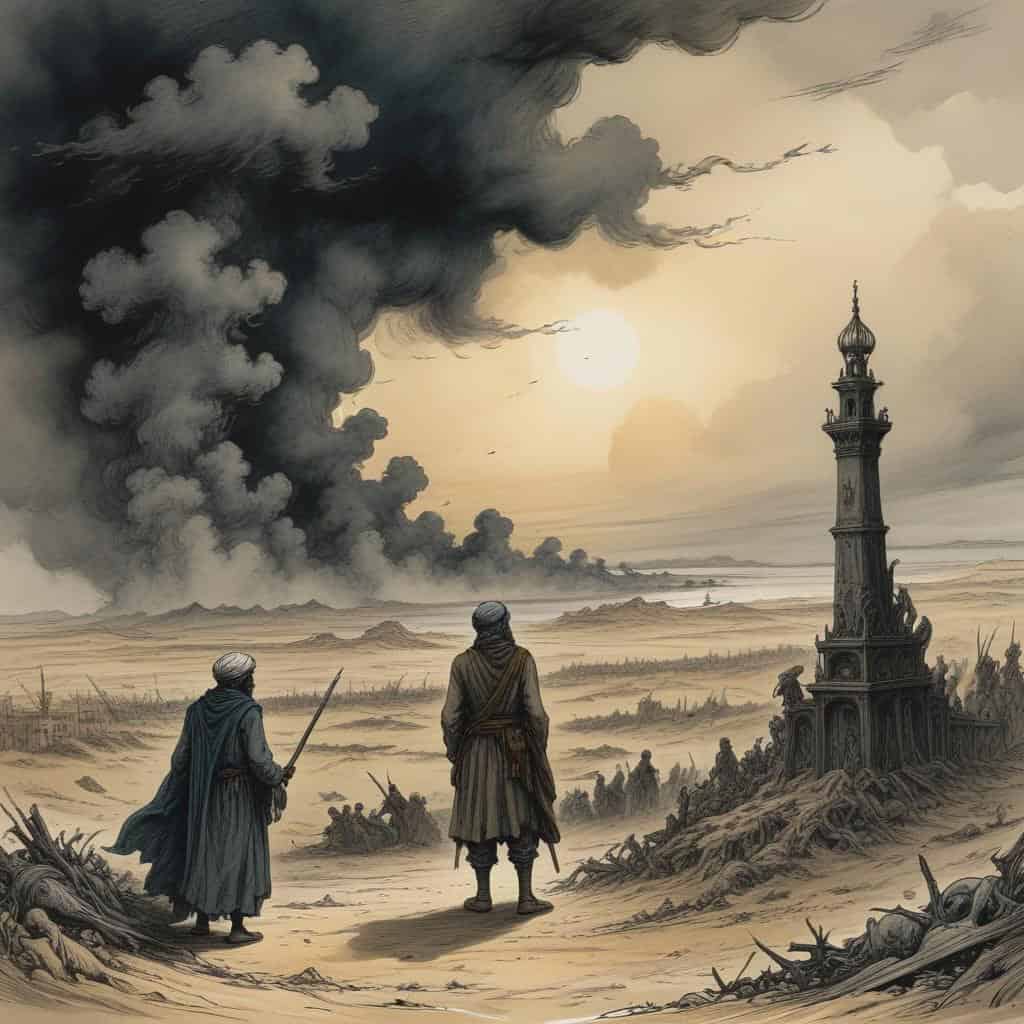
Peace Efforts
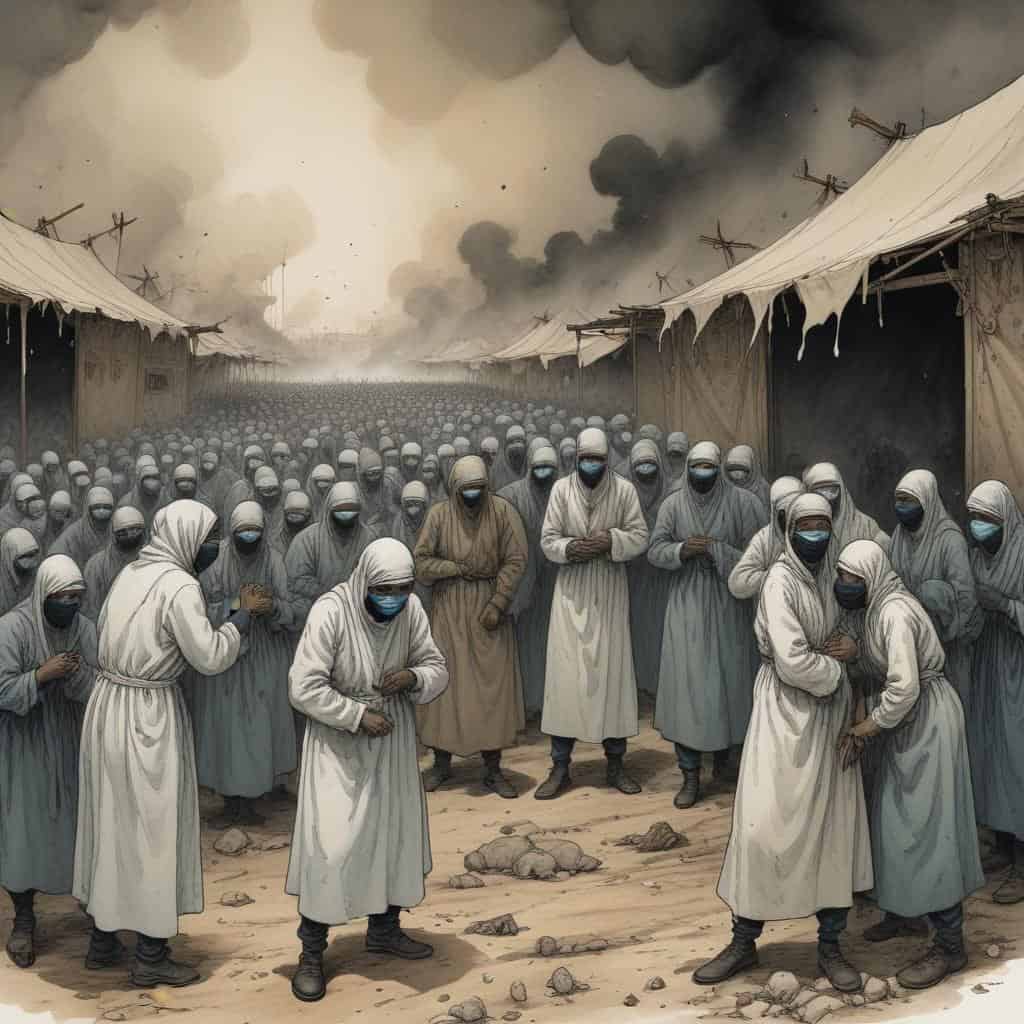
COVID-19 Pandemic
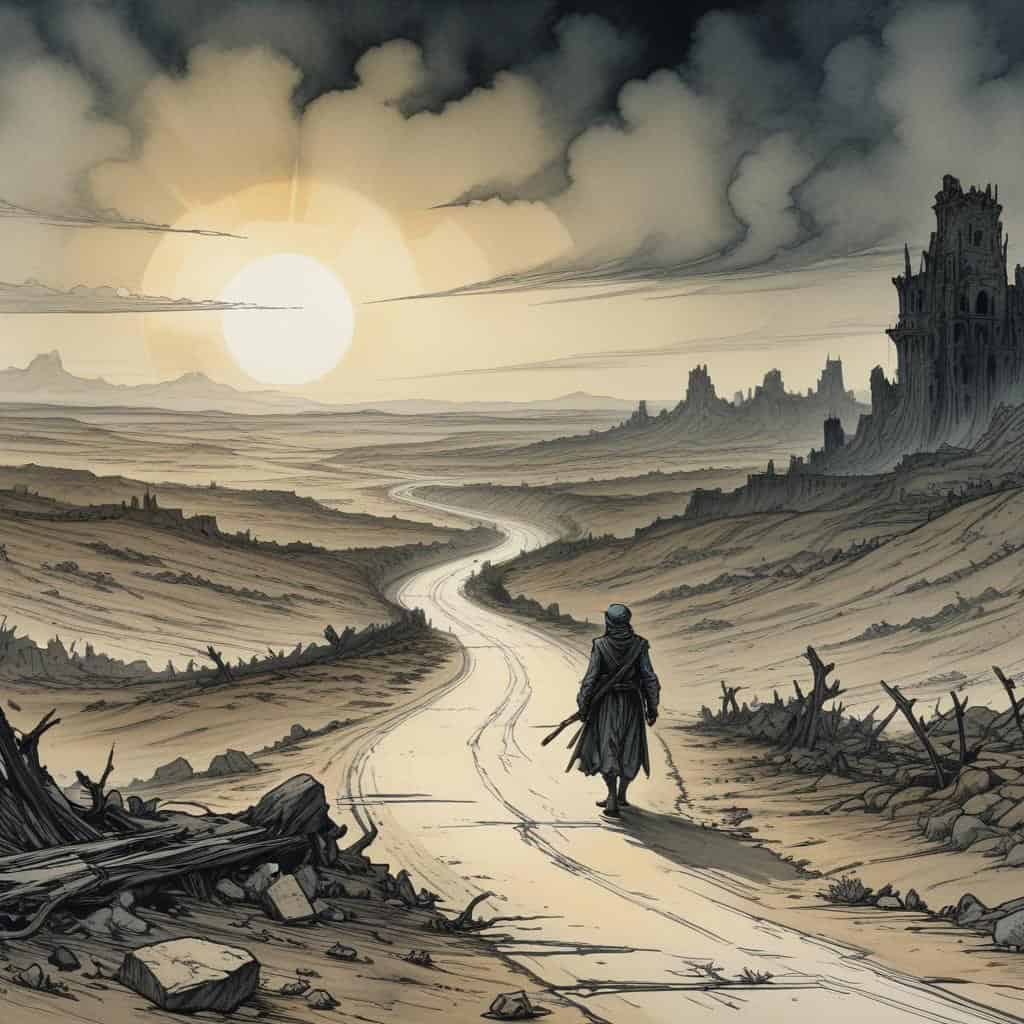
The Road Ahead
Audio Library
As one of our featured lessons, this topic includes premium audio guides.
Unlock the Wizard's Cram Session
This powerful audio study guide is a Pro-exclusive feature. Upgrade to Memory Wizards Pro to access this and all of our premium learning tools.
Upgrade to ProIn a Nutshell
- Capital: Tripoli
- Population: Approx. 6.9 million (2022)
- Official Language: Arabic
- Currency: Libyan dinar (LYD)
Breaking Down the Country
Geographical Diversity
Libya boasts a diverse landscape, from the Sahara Desert in the south to the Mediterranean coastline in the north, offering a unique blend of desert and sea.
Historical Heritage
With a rich history dating back to ancient times, Libya is home to well-preserved Roman ruins, ancient Greek cities, and rock art sites that showcase its past civilizations.
Cultural Traditions
Explore Libya's vibrant culture through its traditional music, cuisine, and festivals that reflect the country's mix of Arab, Berber, and African influences.
Timeline of Libya
Libya gains independence from Italy
King Idris I becomes the first King of Libya
Discovery of oil in Libya leads to economic growth
Colonel Muammar Gaddafi comes to power in a coup d'état
Libya nationalizes its oil industry
Libya supports various militant groups and engages in terrorist activities
United States imposes sanctions on Libya
Libya is accused of being behind the bombing of Pan Am Flight 103 over Lockerbie, Scotland
UN Security Council imposes sanctions on Libya over the Lockerbie bombing
Libya hands over suspects in the Lockerbie bombing for trial
Libya accepts responsibility for the Lockerbie bombing and agrees to compensate victims' families
Libya agrees to dismantle its weapons of mass destruction program
Muammar Gaddafi is overthrown and killed during the Libyan Civil War
National Transitional Council takes control of Libya
Elections are held in Libya
General Khalifa Haftar launches a military campaign against Islamist groups in Libya
Second Libyan Civil War begins
Islamic State establishes a presence in Libya
Libyan Political Agreement signed in Skhirat, Morocco
UN-backed Government of National Accord established in Tripoli
Vocabulary List
- Tripoli
- The capital city of Libya.
- Benghazi
- A major city in eastern Libya.
- Gaddafi
- The former leader of Libya.
- Desert
- Much of Libya is covered by the Sahara Desert.
- Arab Spring
- A series of protests and uprisings in Libya in 2011.
- Oil
- Libya has significant oil reserves.
- Mediterranean
- Libya has a coastline along the Mediterranean Sea.
- Civil War
- Libya has experienced several periods of civil war.
- Tribes
- Tribal affiliations play a significant role in Libyan society.
- Revolution
- The Libyan Revolution of 2011 led to the overthrow of Gaddafi.
Key Facts
This is the information used in the fact matching game
- Libya is located in North Africa.
- The official language of Libya is Arabic.
- Libya has the 10th largest proven oil reserves in the world.
- The capital city of Libya is Tripoli.
- Libya gained independence from Italy in 1951.
- The Libyan flag is the only national flag in the world with just one color and no design or insignia.
- Libya has a population of approximately 7 million people.
- Libya has a desert climate with hot temperatures and very little rainfall.
- Libya has a high literacy rate, with over 90% of the population being literate.
- The Green Square in Tripoli was renamed Martyrs' Square after the fall of Muammar Gaddafi.
- Libya is home to the UNESCO World Heritage Site of Leptis Magna, an ancient Roman city.
- Libya has a history of being ruled by various empires, including the Phoenicians, Greeks, Romans, and Ottomans.
- The Libyan Civil War, which began in 2014, has resulted in a divided government and ongoing conflict in the country.
- Libya is a member of the United Nations and the Arab League.
- The Libyan economy is heavily dependent on oil exports, which account for more than 90% of government revenue.
- Libya has a rich cultural heritage that includes traditional music, dance, and cuisine.
- Libya has a high rate of unemployment, particularly among young people.
- Libya has a diverse population that includes Arab, Berber, and Tuareg ethnic groups.
- The Sahara Desert covers much of southern Libya.
- Libya has a history of tribalism, with many regions and communities being organized along tribal lines.
Why It Matters
Geopolitical Significance
Located in North Africa, Libya holds strategic importance due to its vast oil reserves and its position on the Mediterranean Sea. Its role in regional conflicts and its relationships with neighboring countries impact stability in the Middle East and North Africa.
Historical Importance
Libya’s history is intertwined with ancient civilizations like the Phoenicians, Romans, and Ottomans. It gained independence from Italy in 1951 and played a key role in the Arab Spring. The legacy of figures like Muammar Gaddafi continues to influence the country’s development.
Modern-Day Role
Today, Libya faces challenges including political instability, economic struggles, and security issues. Its oil industry remains crucial to the global market, while ongoing conflicts and efforts for peace impact its future trajectory in the region.
Libya Games


Take Your Learning Offline
Want a convenient, print-ready study guide for this lesson? Become a Memory Wizards Pro member to unlock the downloadable " Memory Scrolls" for this topic and our entire library!
- ✓ Complete Vocabulary Lists
- ✓ Key Facts & Timelines
- ✓ Beautifully Formatted for Print & Mobile