
How Do You Learn Best?
Learn by Listening
Start with the 3-minute audio summary to get the key facts and narrative highlights quickly.
Learn by Reading
Immerse yourself in the 10-minute visual lesson for a comprehensive understanding of the topic.
Learn by Reviewing
Jump directly to the key facts, timeline, and vocabulary lists to build a solid foundation of details.
Learn by Doing
Challenge yourself! Jump straight into the interactive games to learn by trial, error, and discovery.
Ivory Coast in 10 Minutes
Introduction


Yaya Toure
Cote dIvoire National Football Team
Aicha Koné
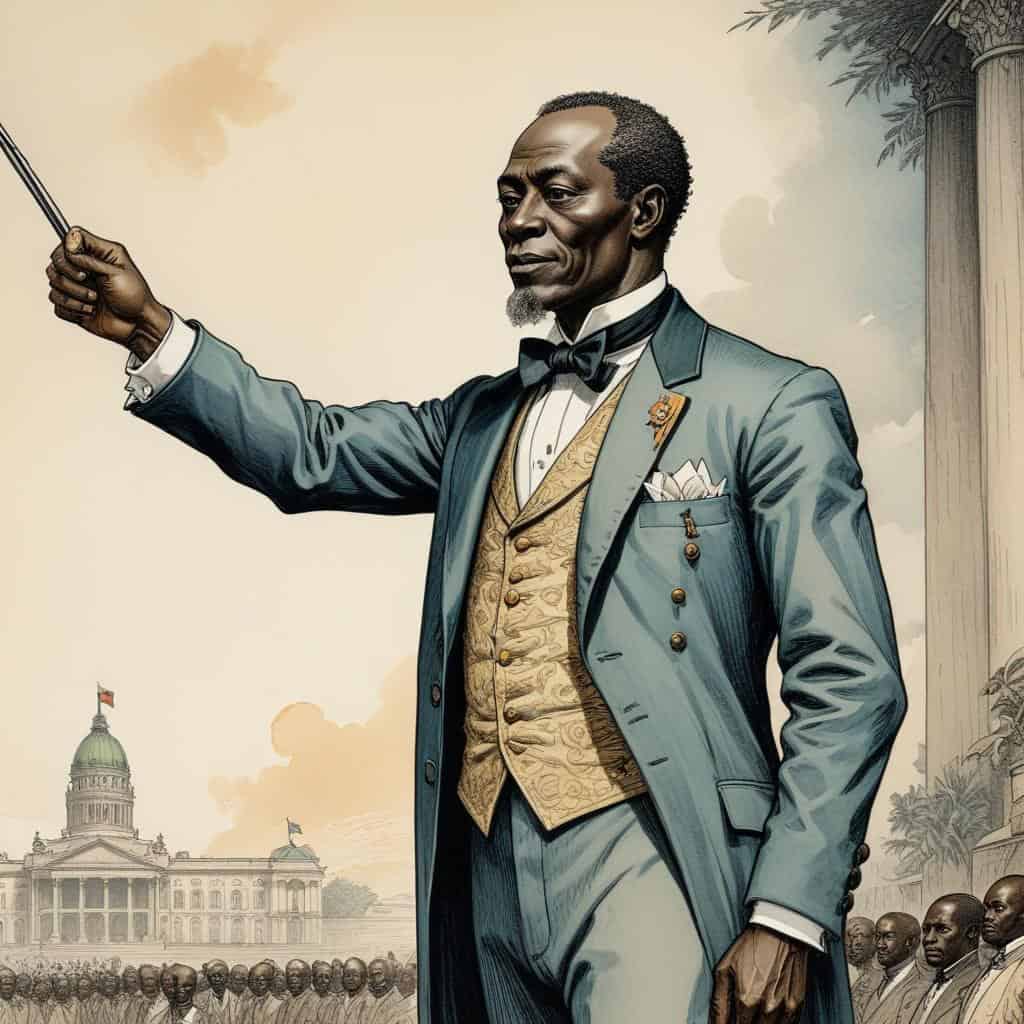
Felix Houphouet-Boigny
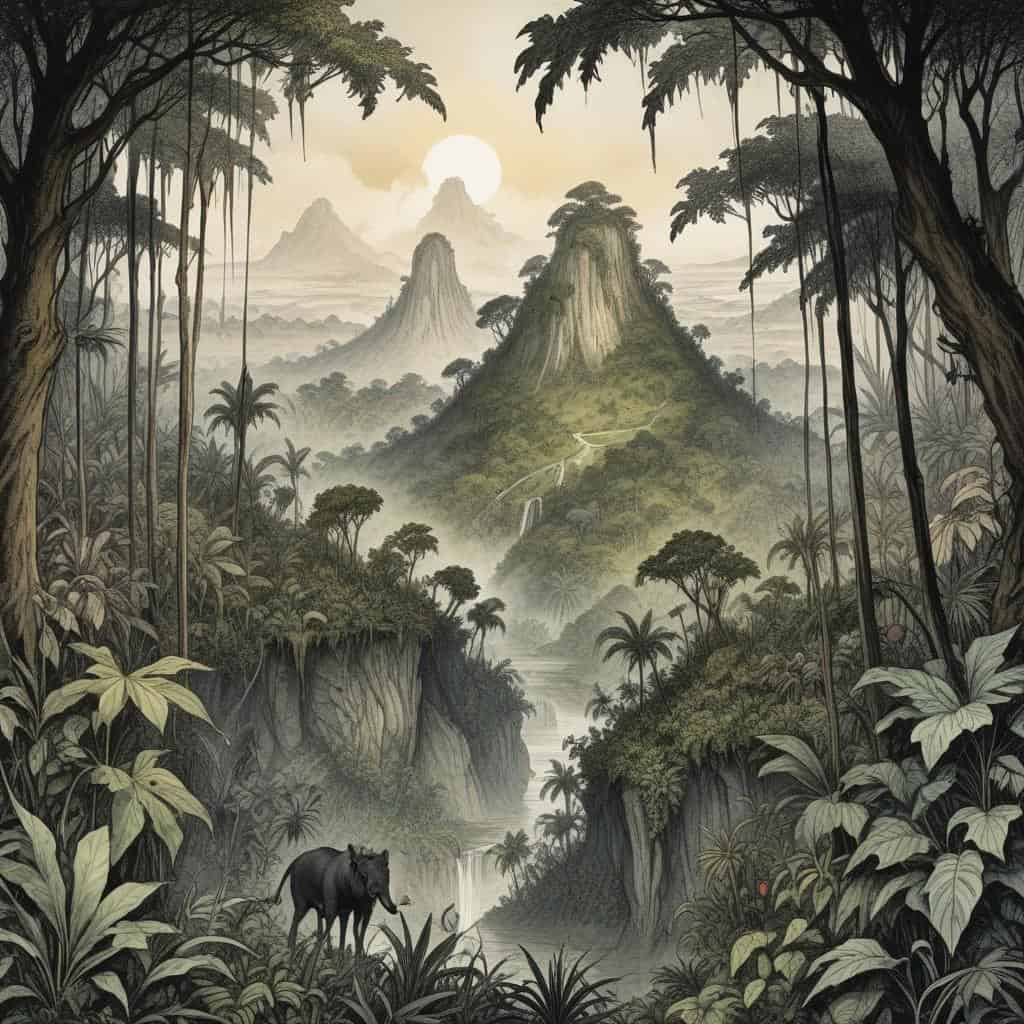
Mount Nimba Strict Nature Reserve
1. Ivory Coast: A Vibrant Destination
2. Discovering the Abidjan Skyline
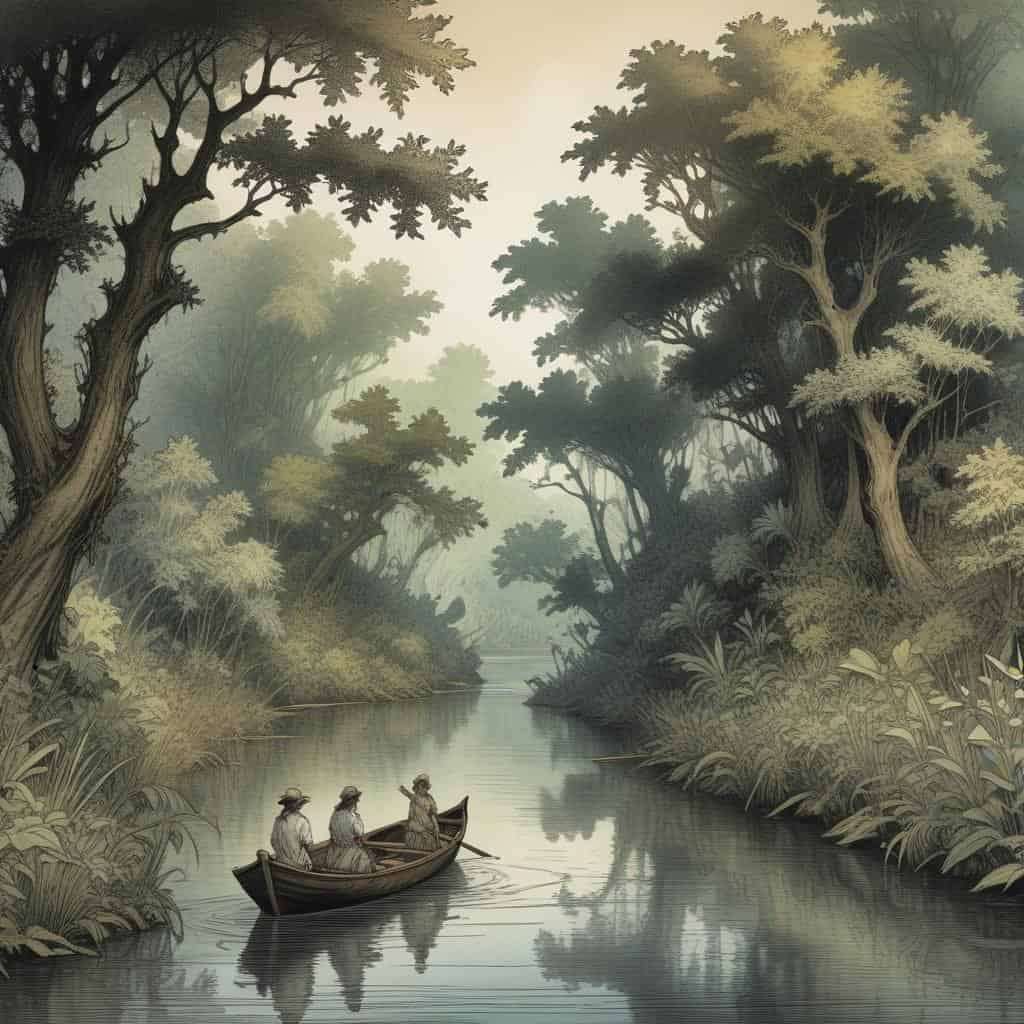
3. Exploring the Sassandra River
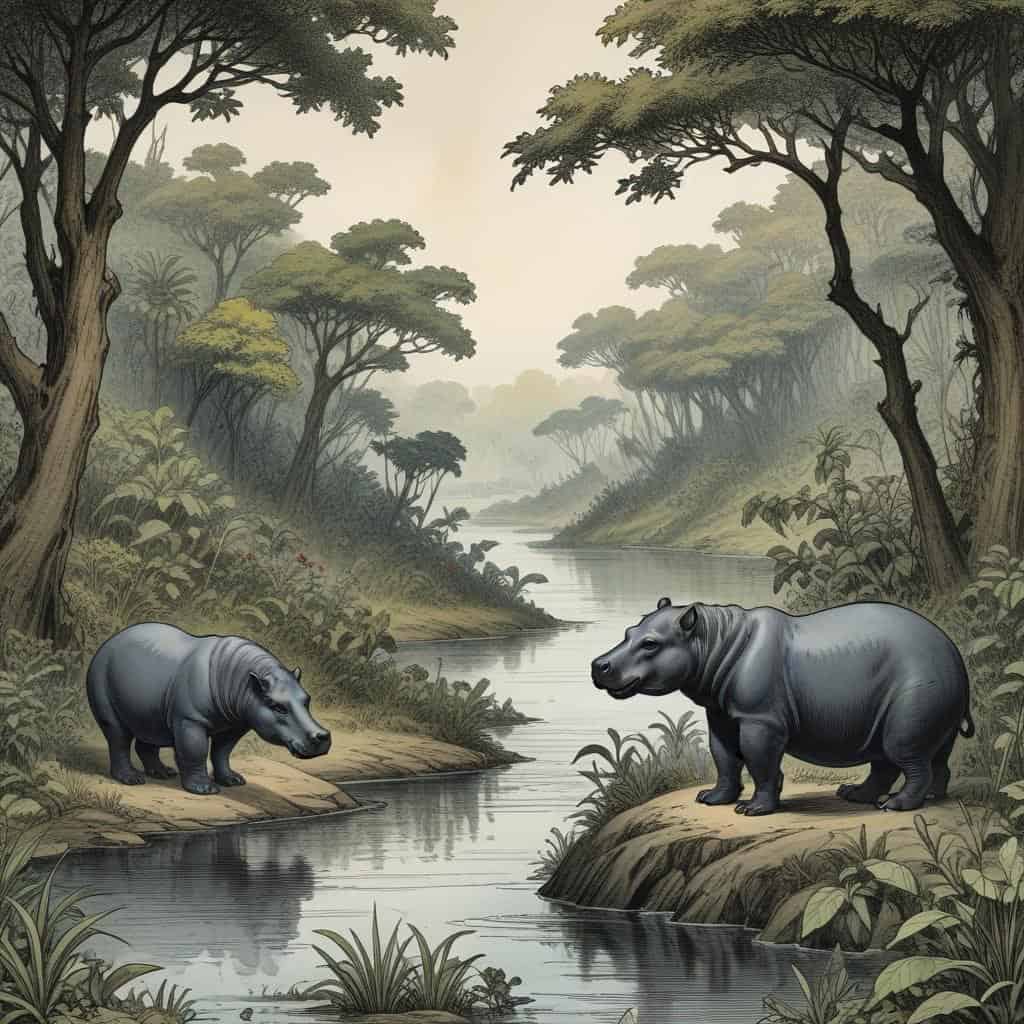
4. The Beauty of Tai National Park
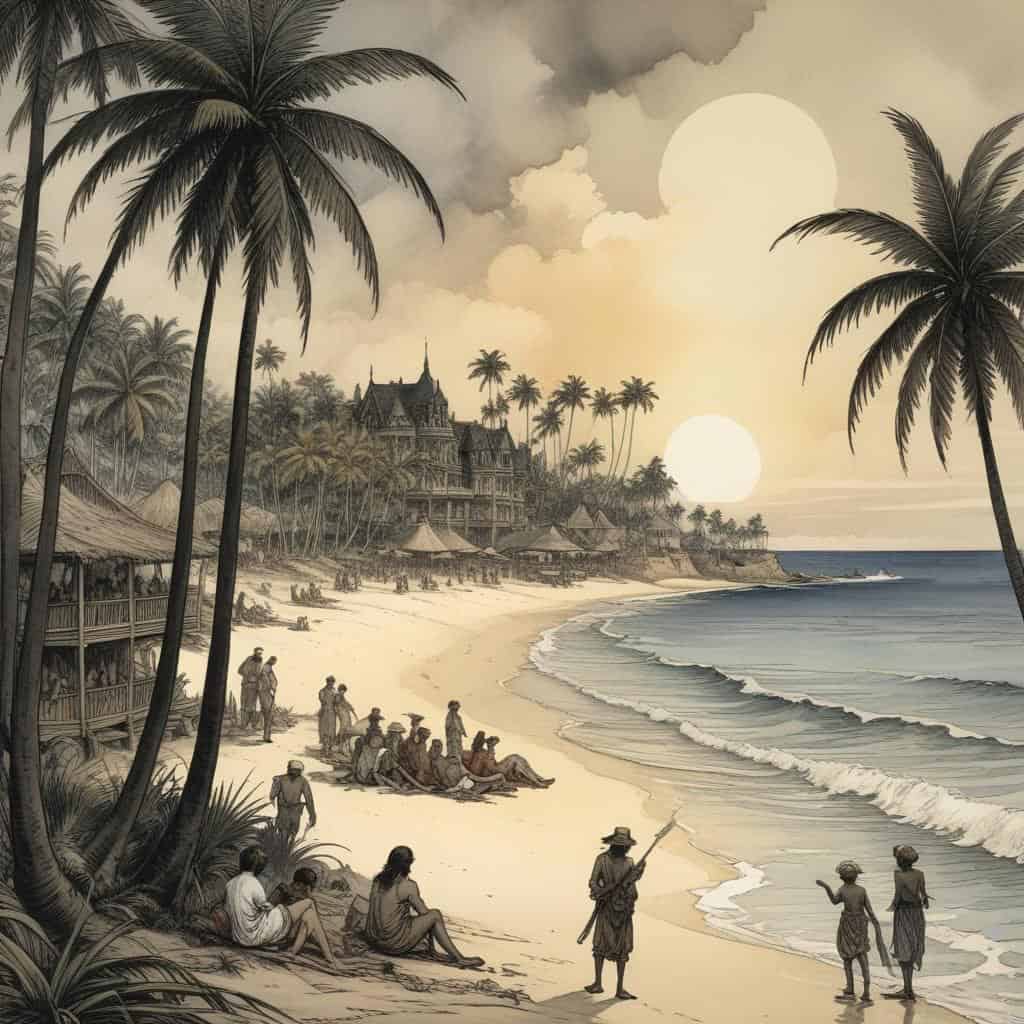
5. Relaxing on the Beaches of Grand-Bassam
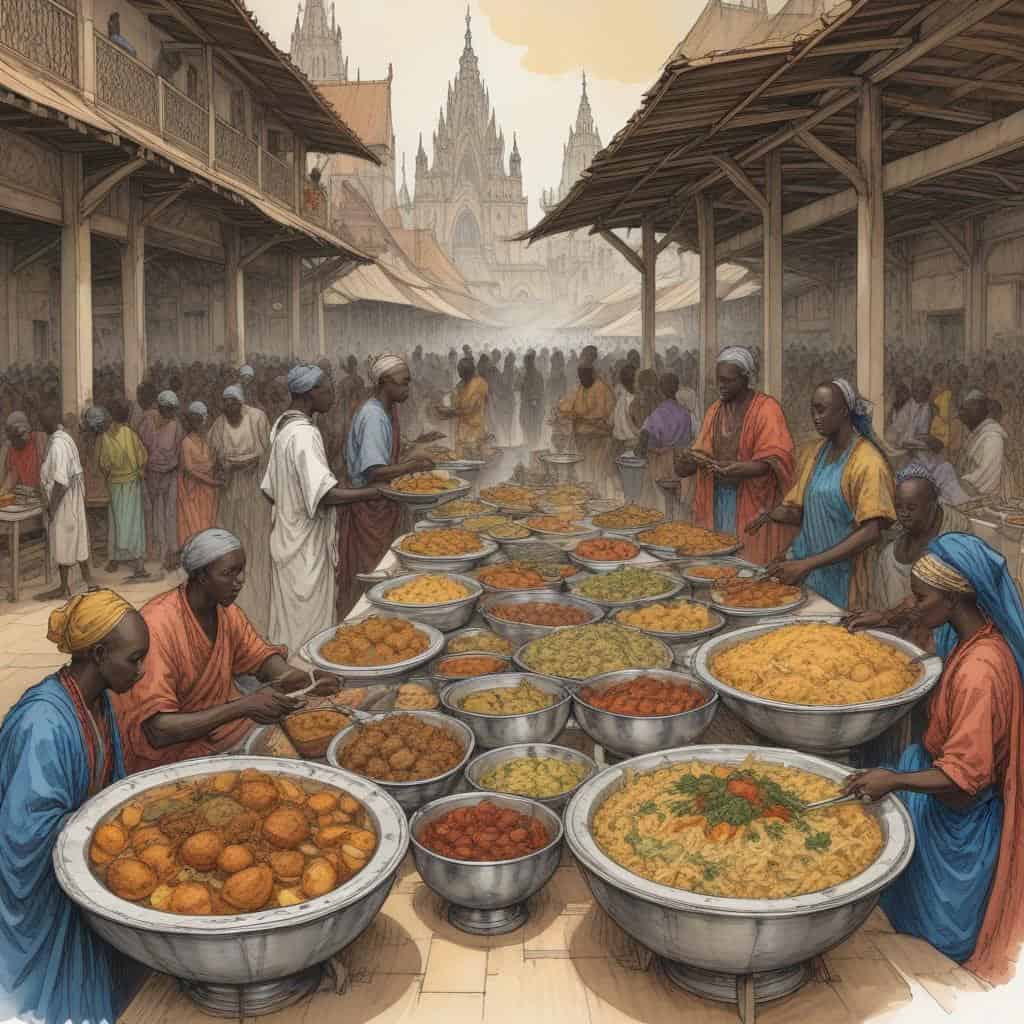
6. Sampling Local Cuisine in Yamoussoukro
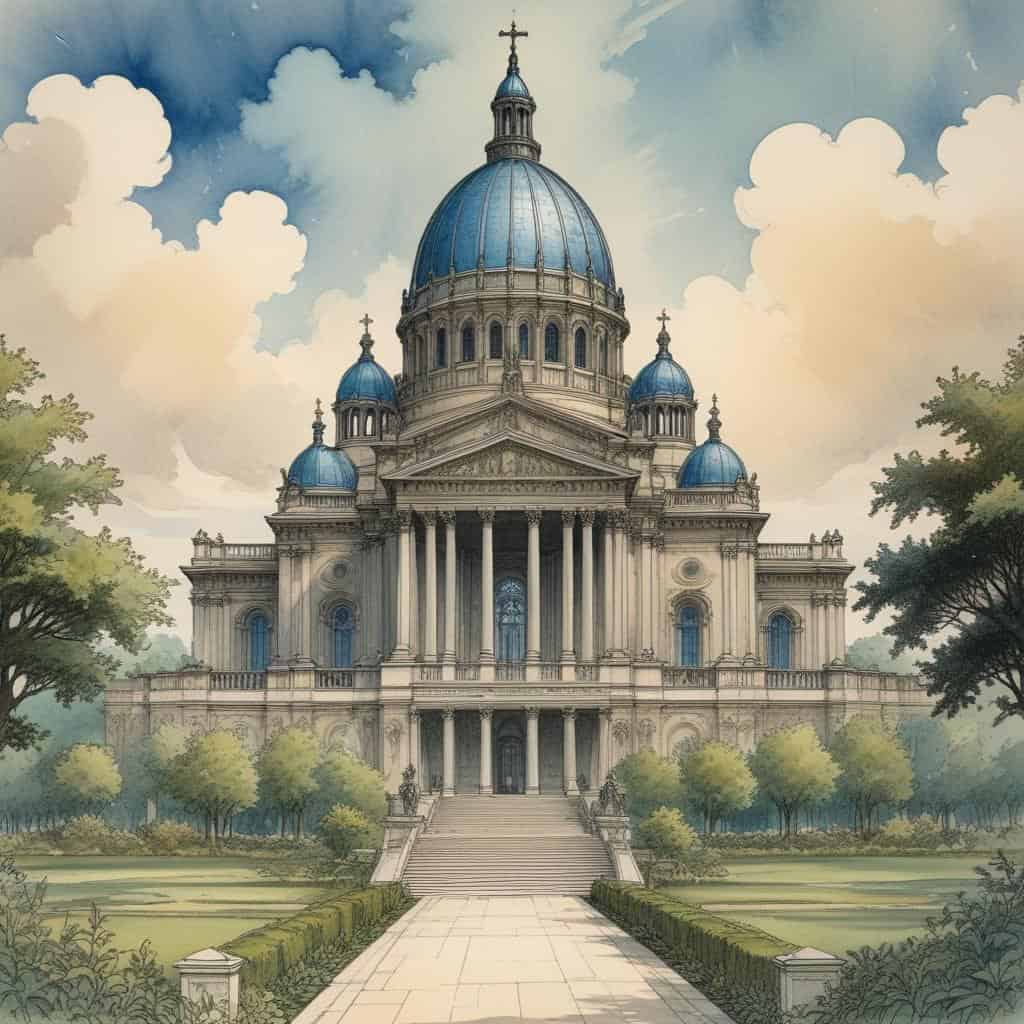
7. Visiting the Basilica of Our Lady of Peace
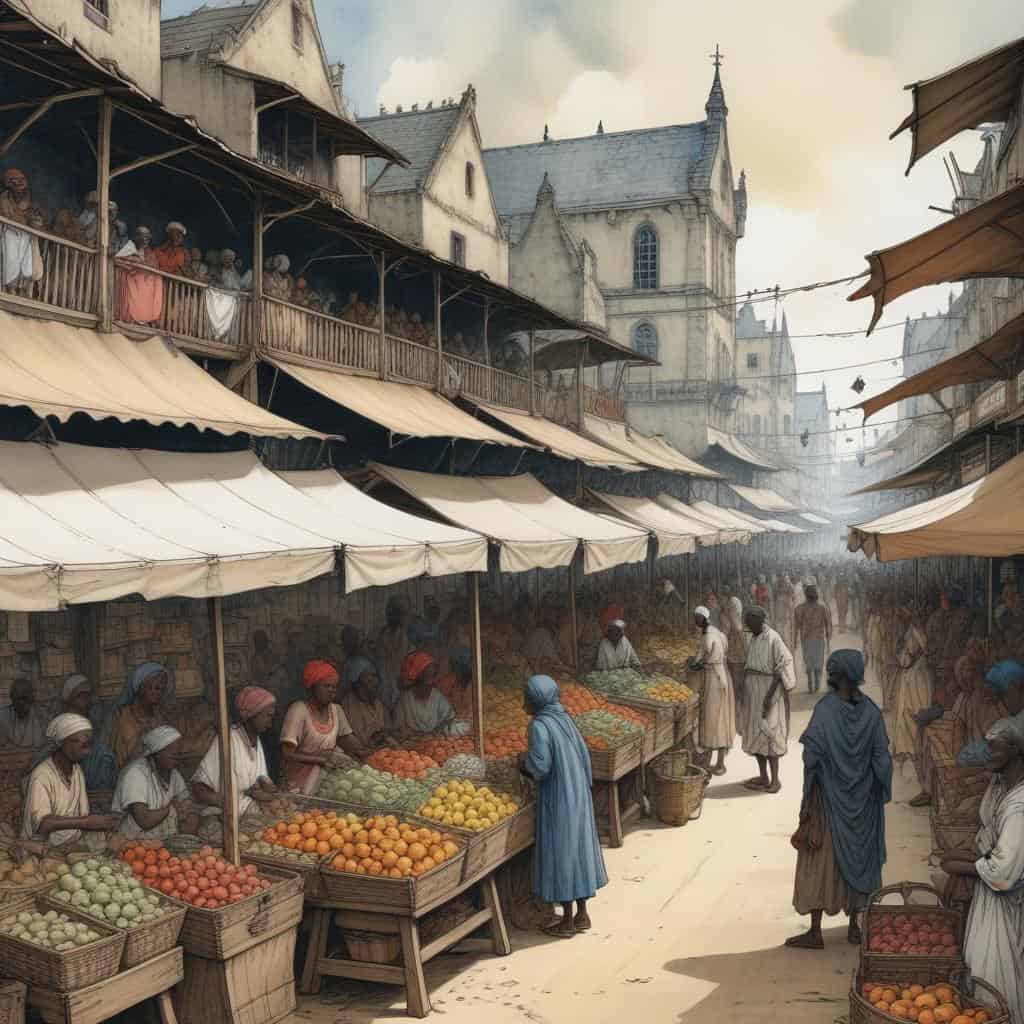
8. Shopping at the Treichville Market
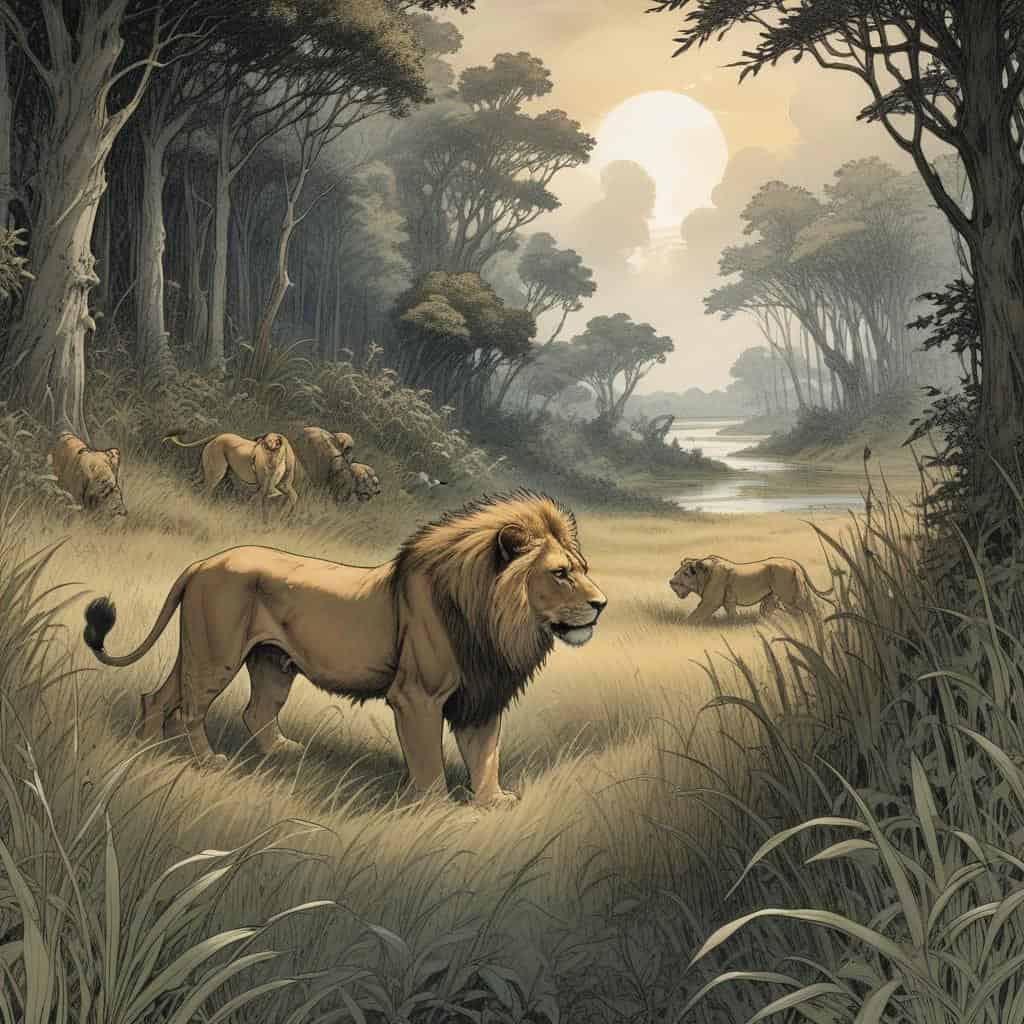
9. Wildlife Spotting in Comoe National Park
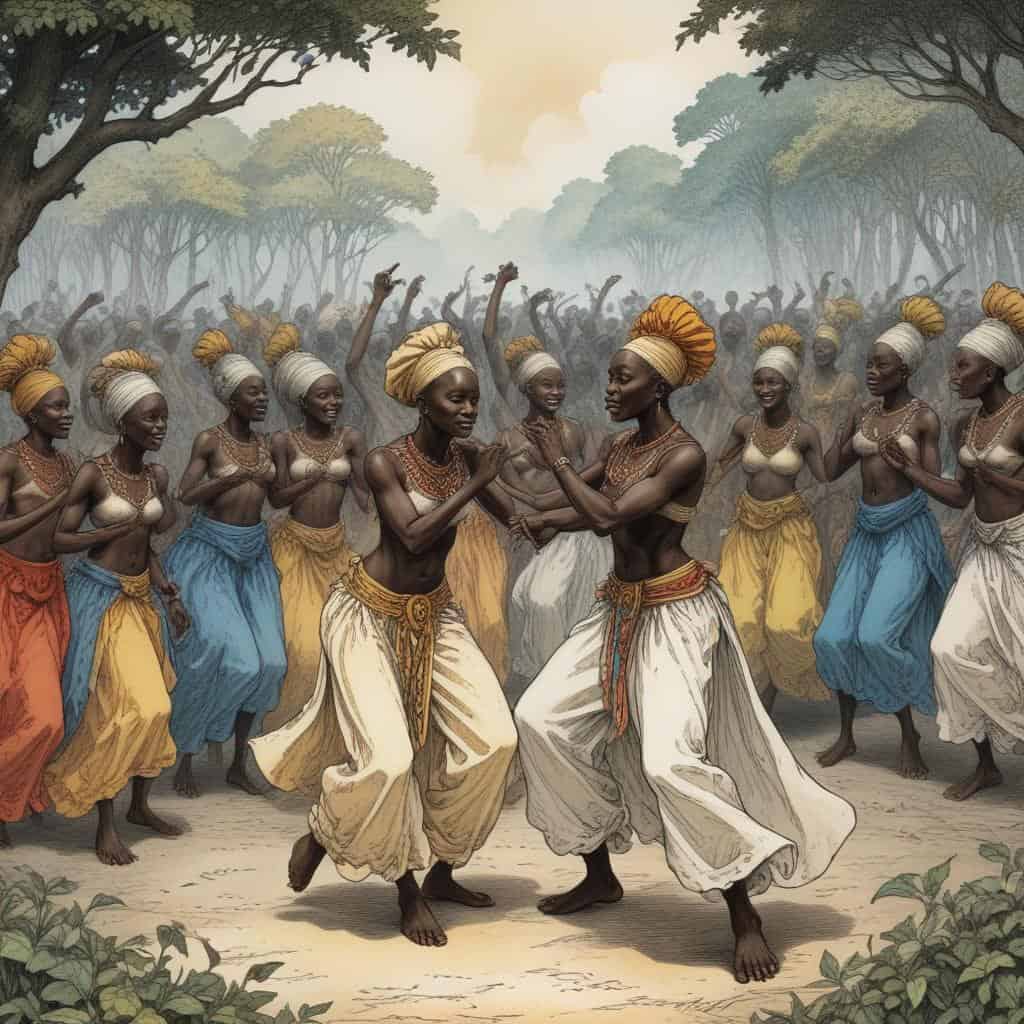
10. Soaking in the Culture of Ivory Coast
Audio Library
As one of our featured lessons, this topic includes premium audio guides.
Unlock the Wizard's Cram Session
This powerful audio study guide is a Pro-exclusive feature. Upgrade to Memory Wizards Pro to access this and all of our premium learning tools.
Upgrade to ProIn a Nutshell
- Capital: Yamoussoukro
- Population: Approx. 26.4 million (2021)
- Official Language: French
- Currency: West African CFA franc (XOF)
Breaking Down the Country
Geographical Diversity
From lush rainforests to sandy beaches, Ivory Coast's landscape offers a rich tapestry of ecosystems and natural beauty.
Cultural Heritage
Experience the vibrant mix of traditional tribal customs, French colonial influence, and modern urban life in Ivory Coast.
Economic Powerhouse
As one of West Africa's largest economies, Ivory Coast is a major player in agriculture, industry, and trade on the continent.
Timeline of Ivory Coast
Ivory Coast becomes a French colony
Construction of the first railway in Ivory Coast
Rise of the cocoa industry in Ivory Coast
Independence from French colonial rule
Félix Houphouët-Boigny becomes the first president of Ivory Coast
Introduction of structural adjustment programs by the IMF and World Bank
Economic decline and political instability in Ivory Coast
Civil war breaks out in Ivory Coast
Peace agreement signed to end civil war
Presidential elections in Ivory Coast
Violent post-election crisis in Ivory Coast
Capture of former President Laurent Gbagbo
Alassane Ouattara becomes president of Ivory Coast
Ivory Coast becomes one of the fastest growing economies in Africa
Investment in infrastructure and agriculture in Ivory Coast
Reforms in the cocoa industry to address child labor and sustainability issues
COVID-19 pandemic impacts Ivory Coast's economy
Presidential elections in Ivory Coast
Re-election of Alassane Ouattara as president
Development of renewable energy projects in Ivory Coast
Vocabulary List
- Savanna
- The northern regions of Ivory Coast are characterized by vast savanna landscapes.
- Mangroves
- The coastal areas of Ivory Coast are lined with dense mangroves that provide important habitats for marine life.
- Plateaus
- The central region of Ivory Coast is dominated by rolling plateaus that are ideal for agriculture.
- Rainforest
- The southwestern region of Ivory Coast is covered in lush rainforest, home to a variety of plant and animal species.
- Lagoons
- The southeastern coast of Ivory Coast is dotted with lagoons that are popular among tourists for their scenic beauty.
- Cocoa plantations
- Ivory Coast is known for its vast cocoa plantations, which have helped drive the country's economy.
- Baobab trees
- The landscape of Ivory Coast is dotted with iconic baobab trees, which are known for their thick trunks and sparse branches.
Key Facts
This is the information used in the fact matching game
- Ivory Coast is located in West Africa and has a diverse landscape that includes beaches, rainforests, and savannas.
- The country has a tropical climate with two main seasons: a wet season from May to October and a dry season from November to April.
- The coastline of Ivory Coast stretches for over 500 kilometers along the Gulf of Guinea, with sandy beaches and palm trees.
- The country is home to several national parks and protected areas, including Comoé National Park and Taï National Park, which are UNESCO World Heritage Sites.
- The landscape of Ivory Coast is characterized by rolling hills, plateaus, and mountains, with Mount Nimba being the highest point at 1,752 meters.
- The country's rainforests are home to a diverse range of plant and animal species, including chimpanzees, leopards, and rare bird species.
- The savannas of Ivory Coast are dominated by grasslands and scattered trees, and are home to species such as elephants, antelopes, and buffalo.
- The country's rivers, including the Bandama and Comoe rivers, provide important water sources for both wildlife and human populations.
- Ivory Coast has a rich agricultural landscape, with crops such as cocoa, coffee, and rubber being important exports for the country.
- The country has faced deforestation and environmental degradation due to factors such as logging, mining, and agriculture.
- Ivory Coast is vulnerable to climate change impacts such as increased flooding, droughts, and rising sea levels, which threaten the country's landscape and biodiversity.
- The government of Ivory Coast has implemented policies and initiatives to promote sustainable land use and conservation efforts to protect the country's landscape and natural resources.
- The country's mangrove forests along the coast provide important habitats for fish, crustaceans, and other marine species, as well as serving as barriers against coastal erosion and storm surges.
- Ivory Coast is known for its vibrant cultural landscape, with diverse ethnic groups, languages, and traditions contributing to the country's rich heritage.
- The country's cities, such as Abidjan and Yamoussoukro, are centers of commerce, culture, and government, with modern infrastructure and urban landscapes.
- Ivory Coast has a high rate of urbanization, with more than half of the population living in urban areas, leading to challenges such as overcrowding, pollution, and inadequate services.
- The country's traditional architecture, such as mud-brick houses and wooden huts, reflects the local climate and materials available in different regions of Ivory Coast.
- Ivory Coast is a popular destination for ecotourism, with opportunities for activities such as birdwatching, hiking, and wildlife safaris in the country's national parks and reserves.
- The landscape of Ivory Coast has inspired artists, writers, and filmmakers, who have depicted the country's natural beauty and cultural diversity in their works.
- The country's landscape and natural resources play a crucial role in the economy and livelihoods of the people of Ivory Coast, contributing to sectors such as agriculture, tourism, and forestry.
Why It Matters
Geopolitical Significance
Located in West Africa, Ivory Coast plays a crucial role in the region’s stability and economy. Its position as a major cocoa producer and exporter influences global commodity prices, while its relations with neighboring countries impact regional trade and politics.
Historical Importance
Ivory Coast’s history is marked by European colonization, independence struggles, and periods of political turmoil. The legacy of its diverse ethnic groups and the impact of colonial rule continue to shape the country’s identity and social dynamics.
Modern-Day Role
Today, Ivory Coast is one of the fastest-growing economies in Africa, with a focus on agriculture, mining, and energy. As a key player in the West African Economic and Monetary Union, the country contributes to regional integration and economic development efforts.
Ivory Coast Games


Take Your Learning Offline
Want a convenient, print-ready study guide for this lesson? Become a Memory Wizards Pro member to unlock the downloadable " Memory Scrolls" for this topic and our entire library!
- ✓ Complete Vocabulary Lists
- ✓ Key Facts & Timelines
- ✓ Beautifully Formatted for Print & Mobile