
How Do You Learn Best?
Learn by Listening
Start with the 3-minute audio summary to get the key facts and narrative highlights quickly.
Learn by Reading
Immerse yourself in the 10-minute visual lesson for a comprehensive understanding of the topic.
Learn by Reviewing
Jump directly to the key facts, timeline, and vocabulary lists to build a solid foundation of details.
Learn by Doing
Challenge yourself! Jump straight into the interactive games to learn by trial, error, and discovery.
Guinea-bissau in 10 Minutes
Introduction
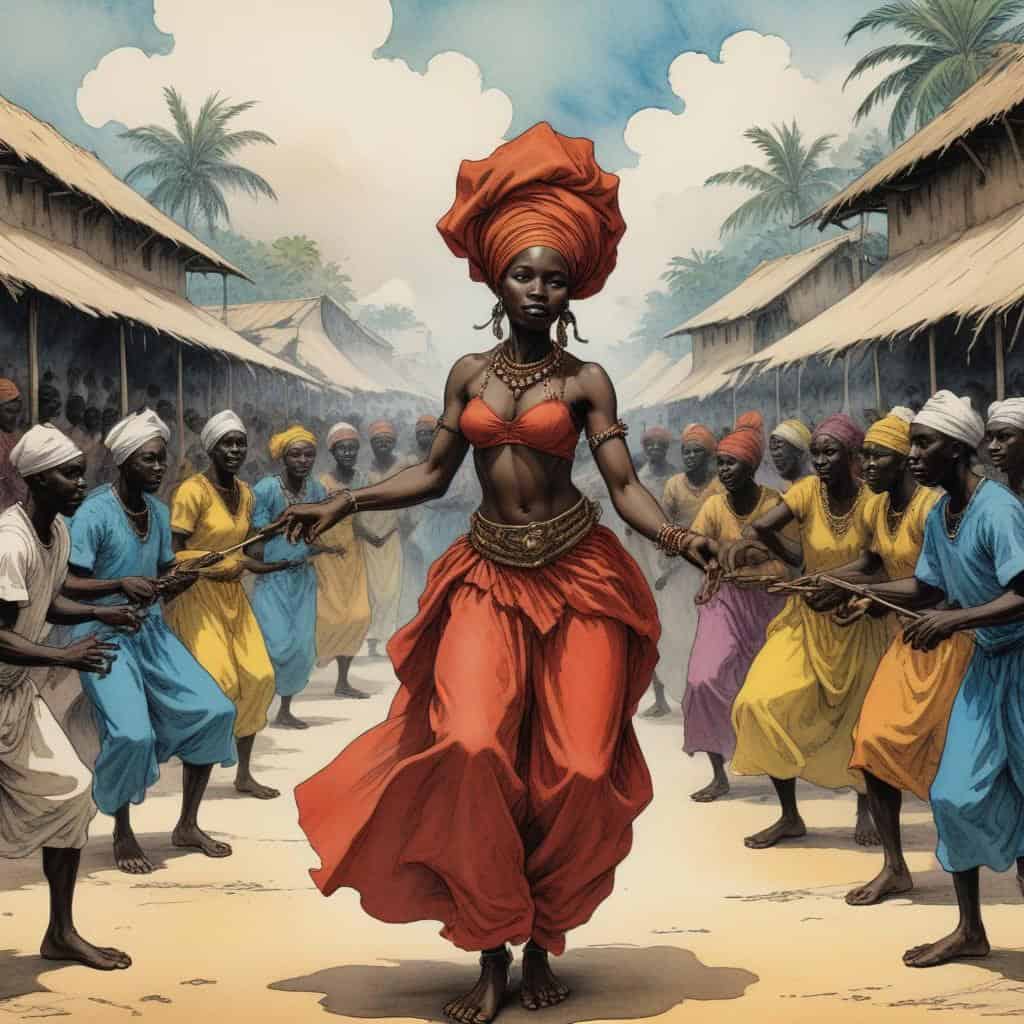
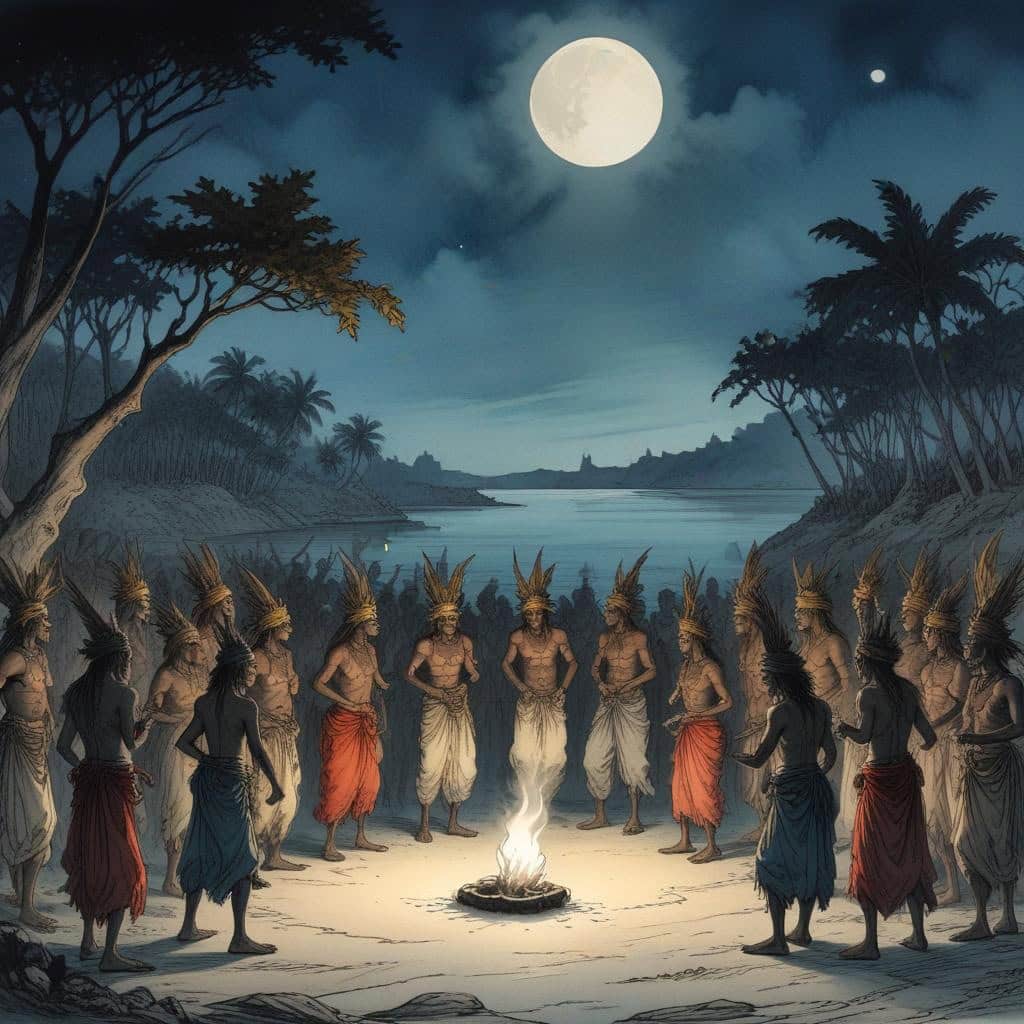
1. The Bijagos People
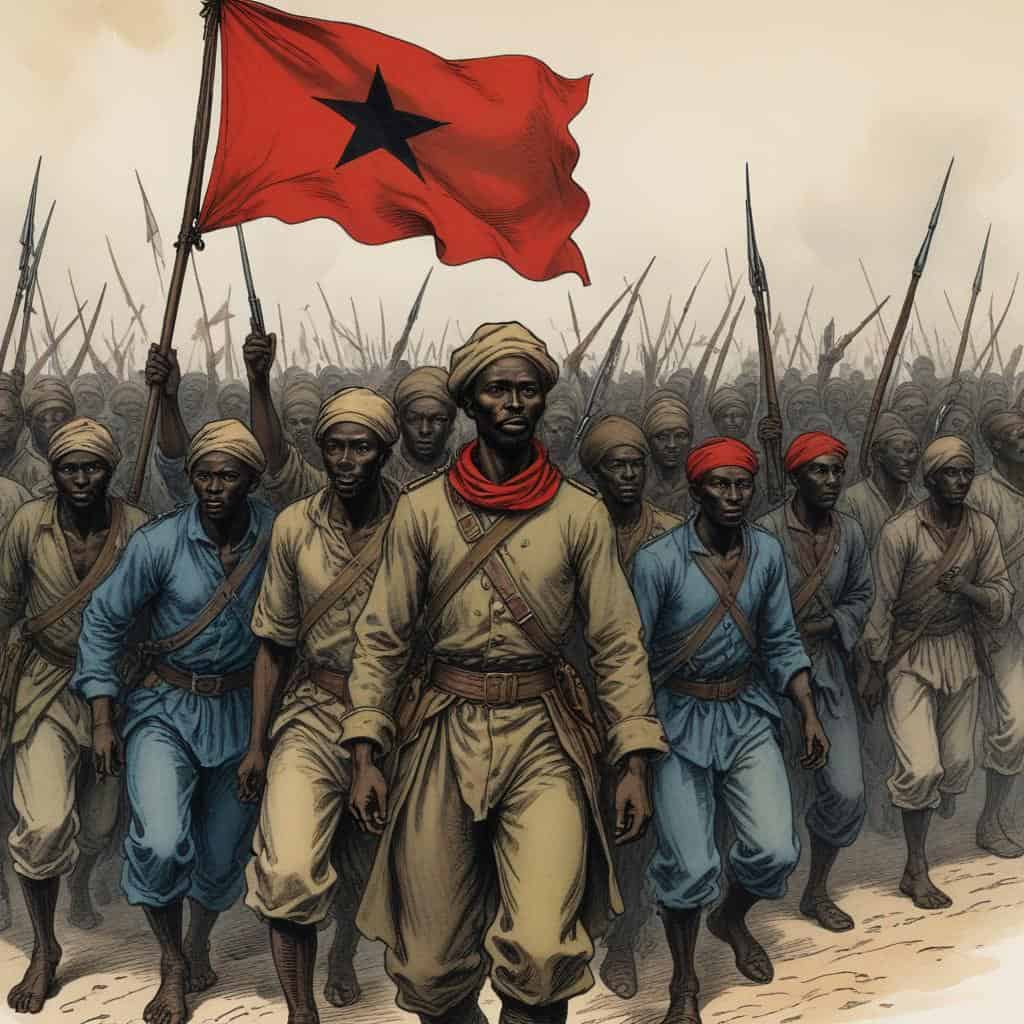
2. Amílcar Cabral
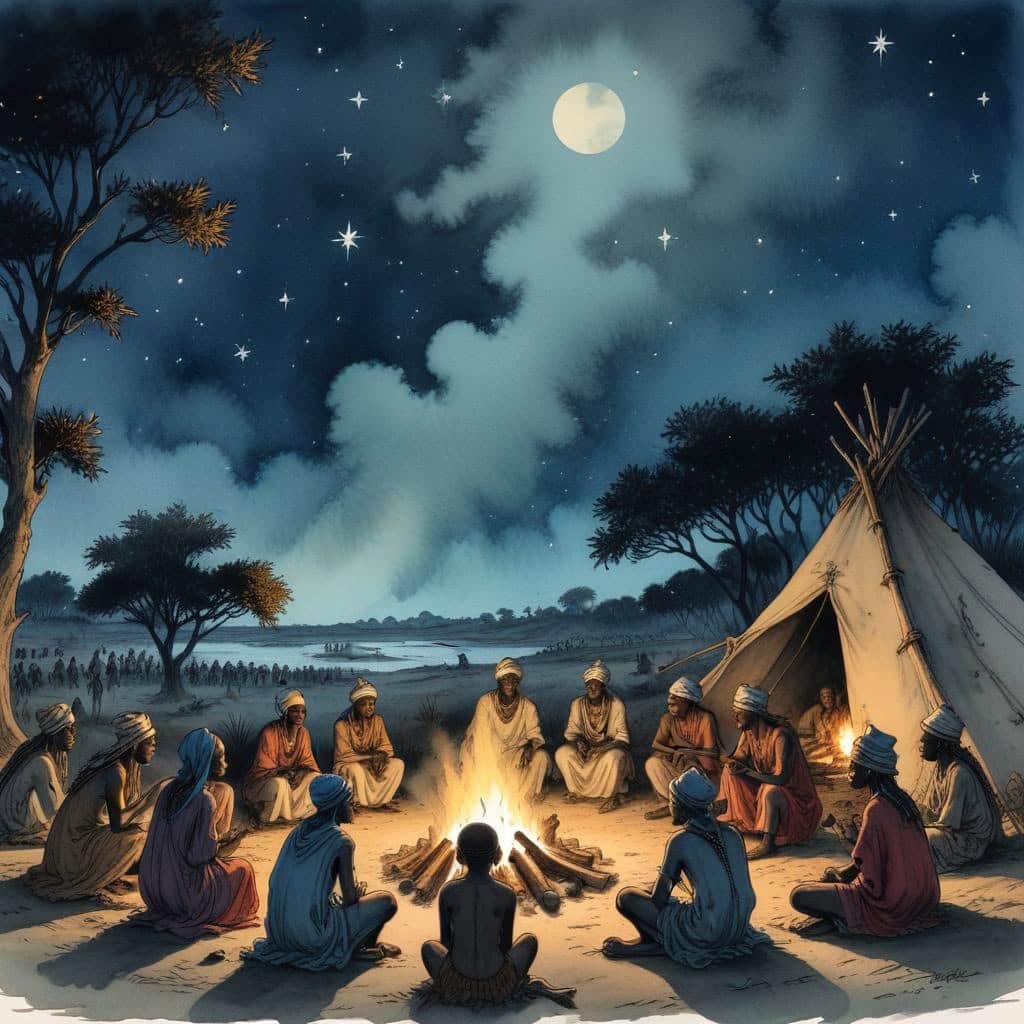
3. The Fulani Tribe
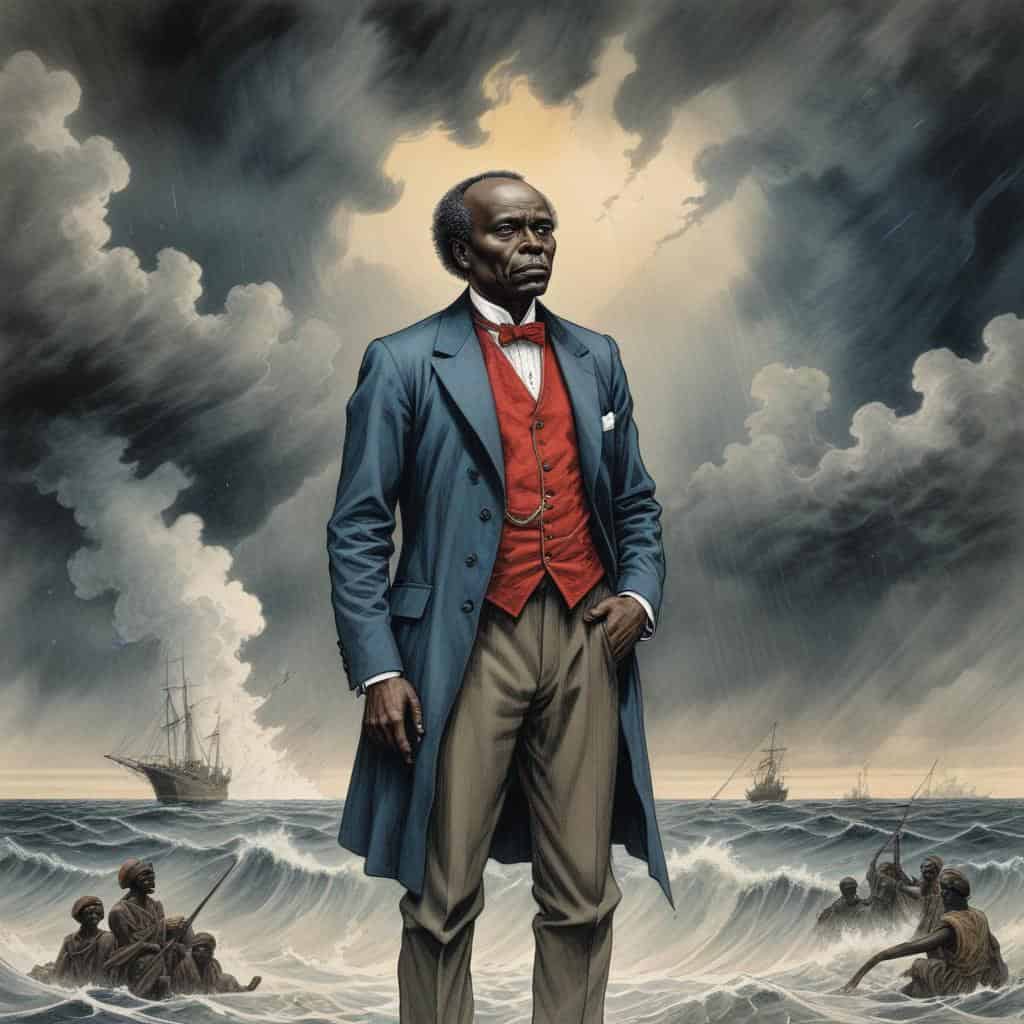
4. José Mario Vaz
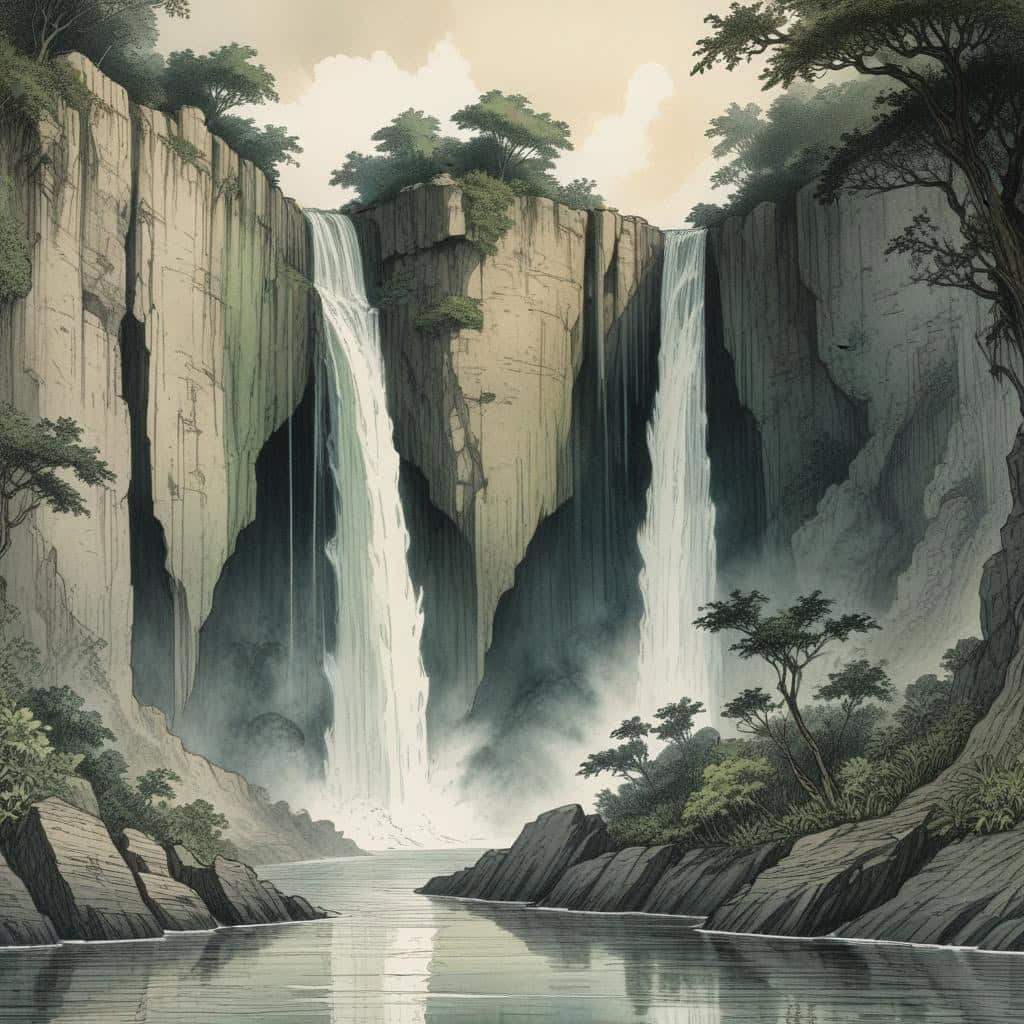
5. The Saltinho Waterfall
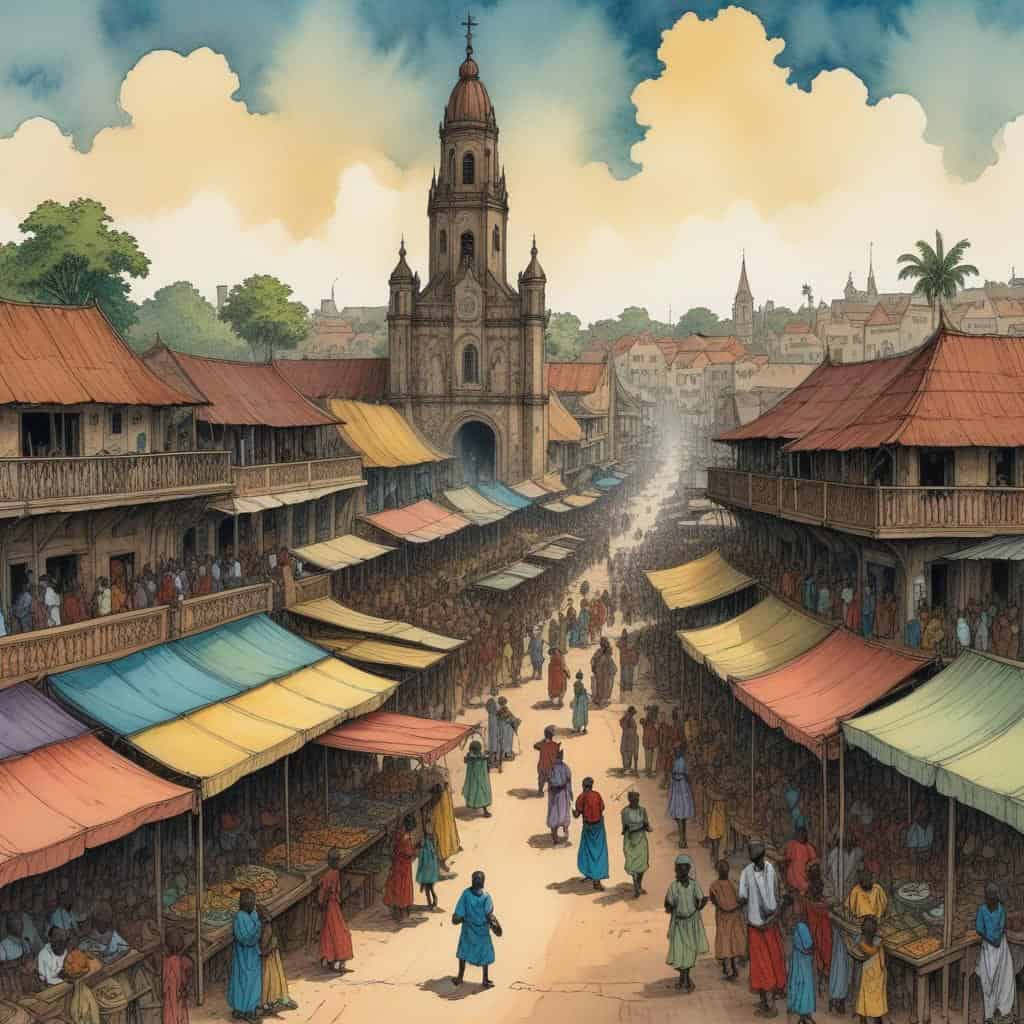
1. Bissau: The Capital City
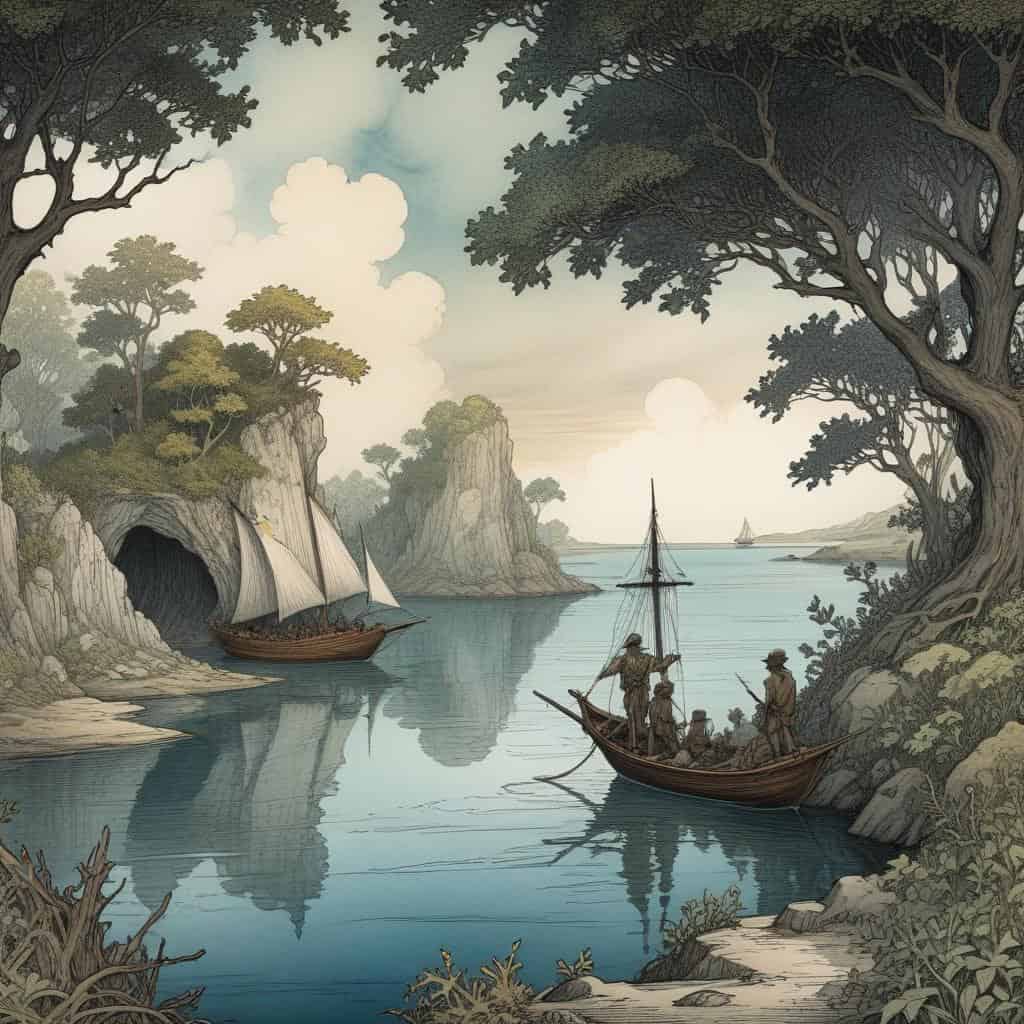
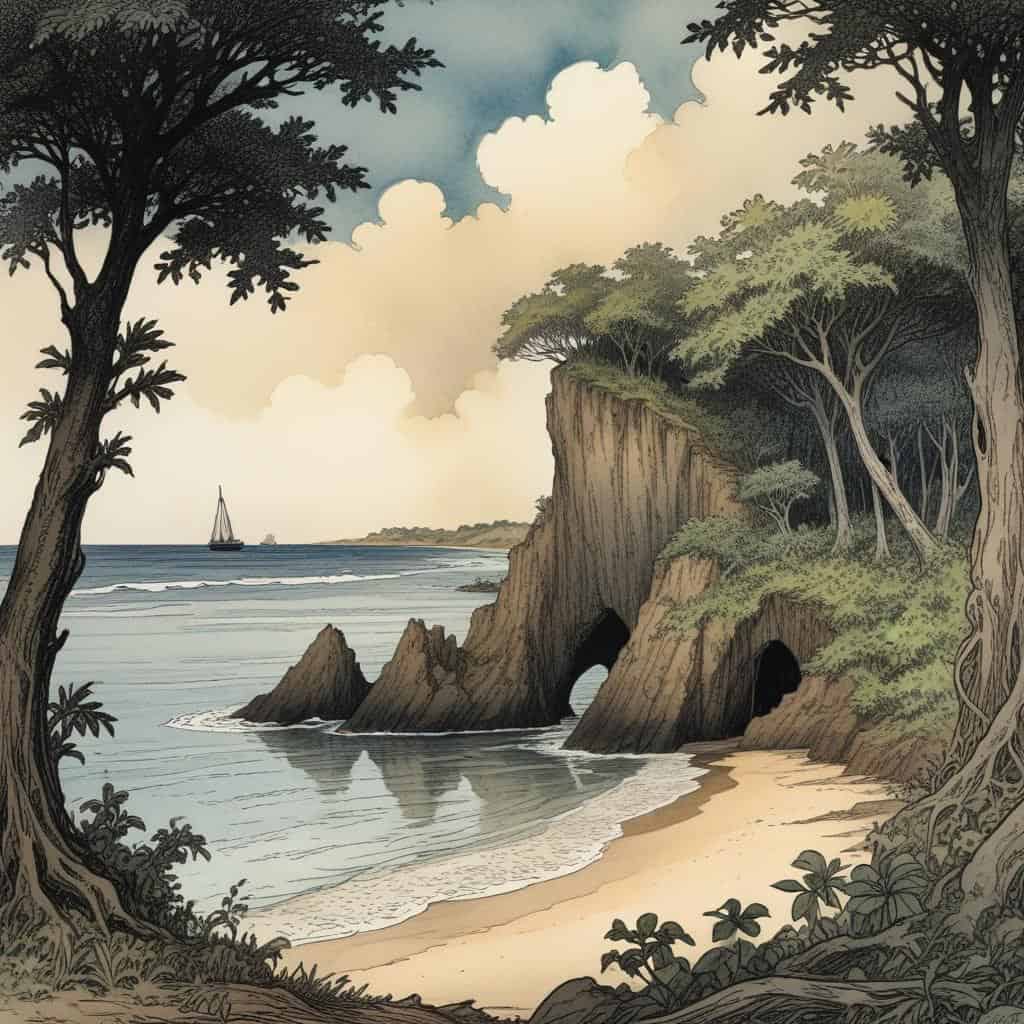
2. Bijagos Archipelago: A Natural Wonder
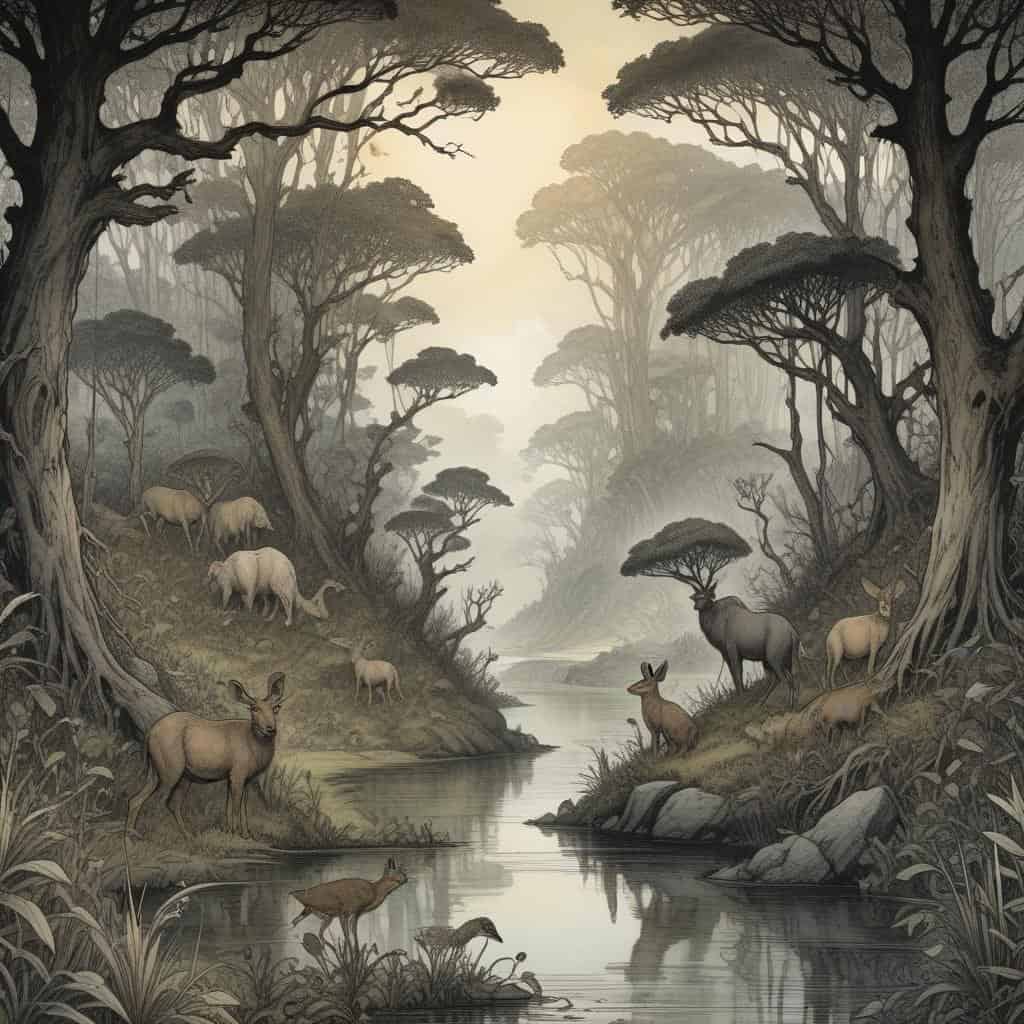
3. Orango National Park: A Sanctuary for Wildlife
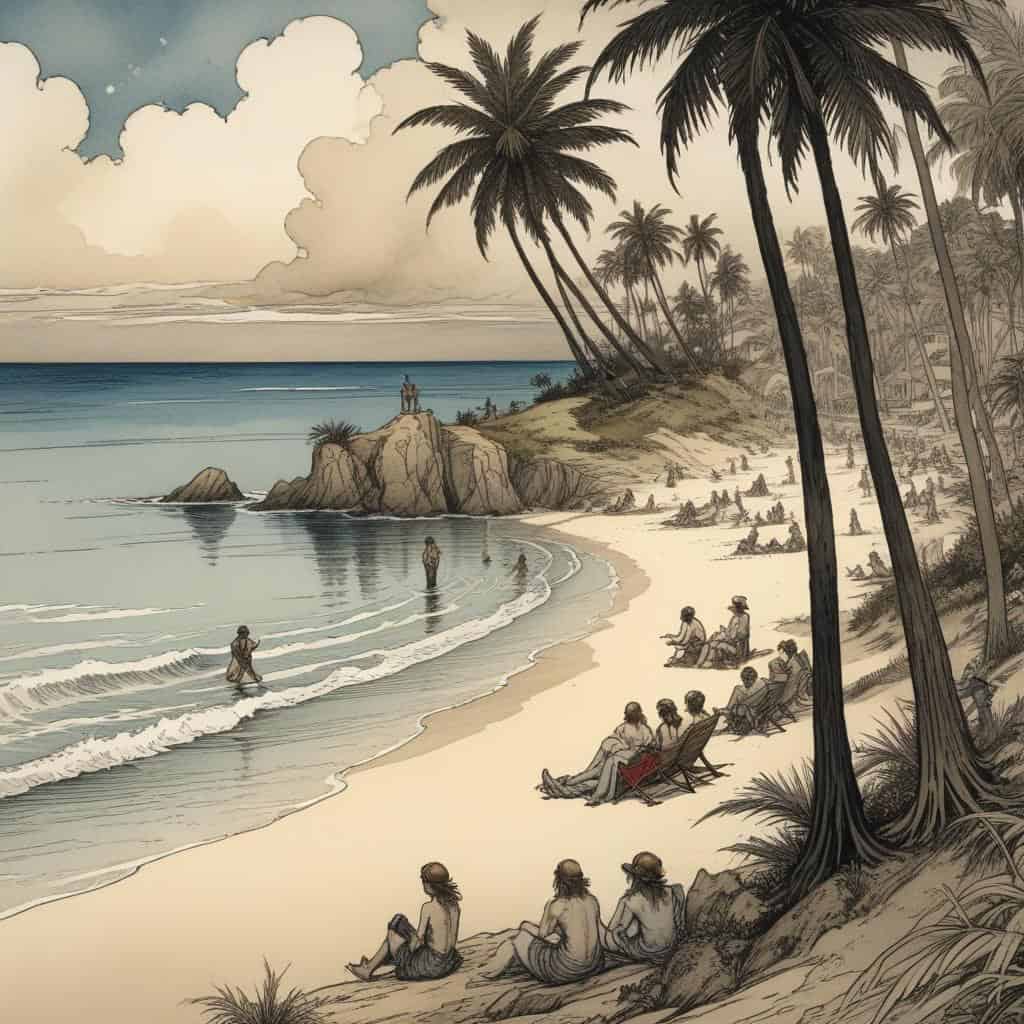
4. Varela Beach: A Relaxing Retreat

5. Cacheu: A Historic Town
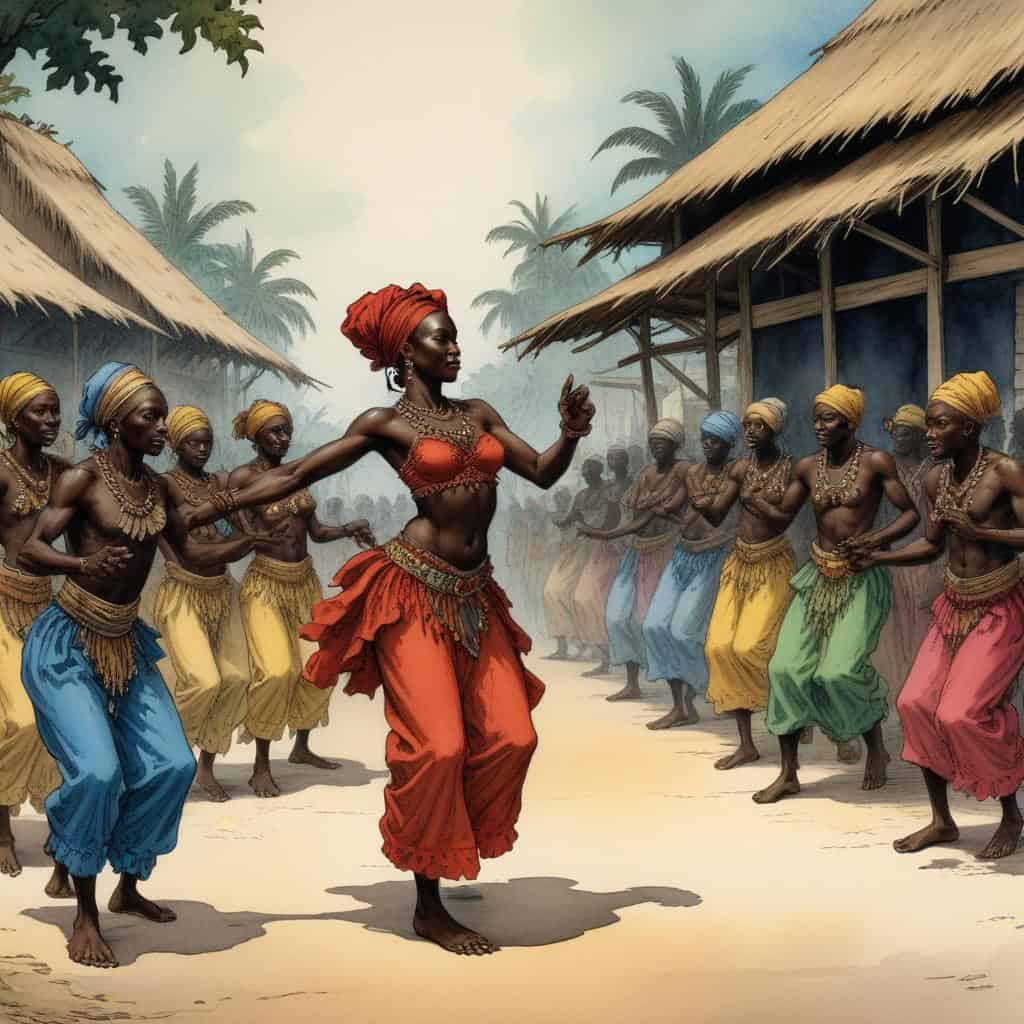
6. Gabu: A Cultural Gem
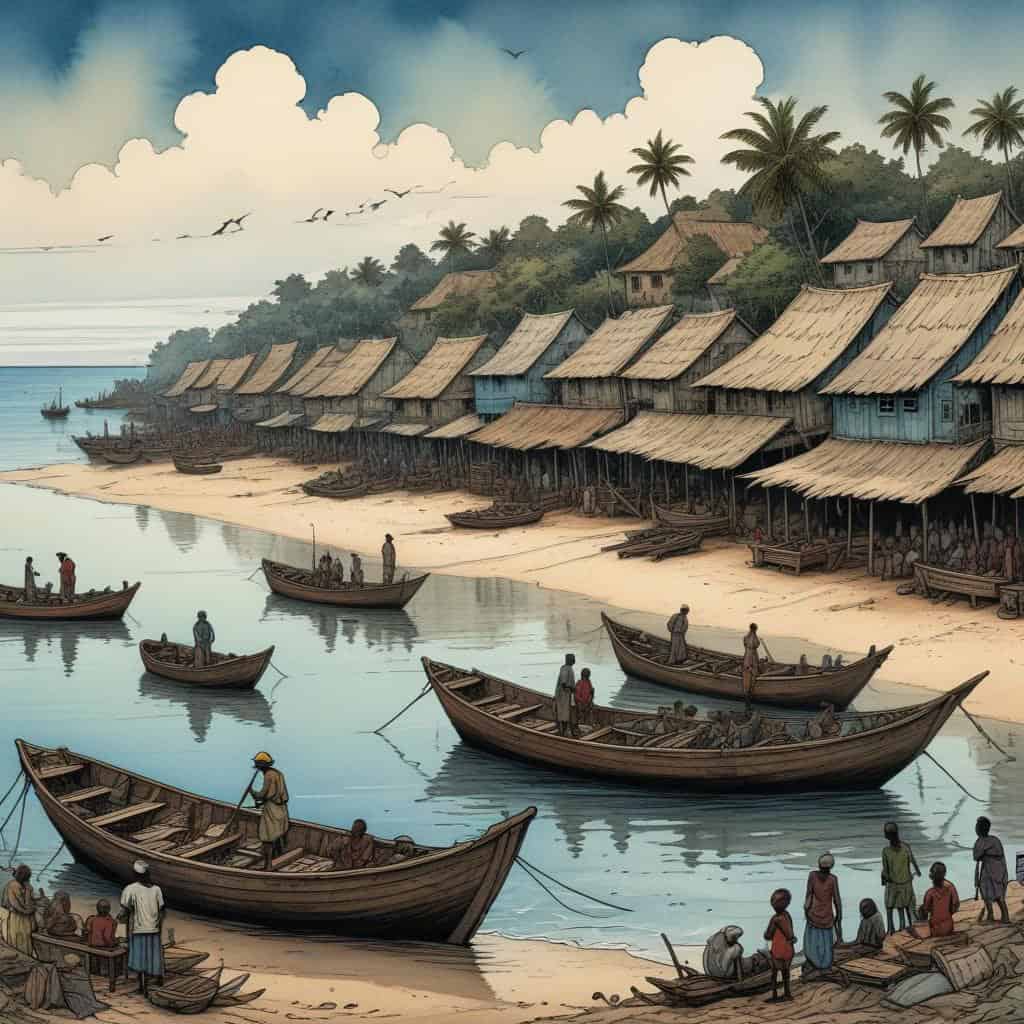
7. Pecixe: A Fishing Village
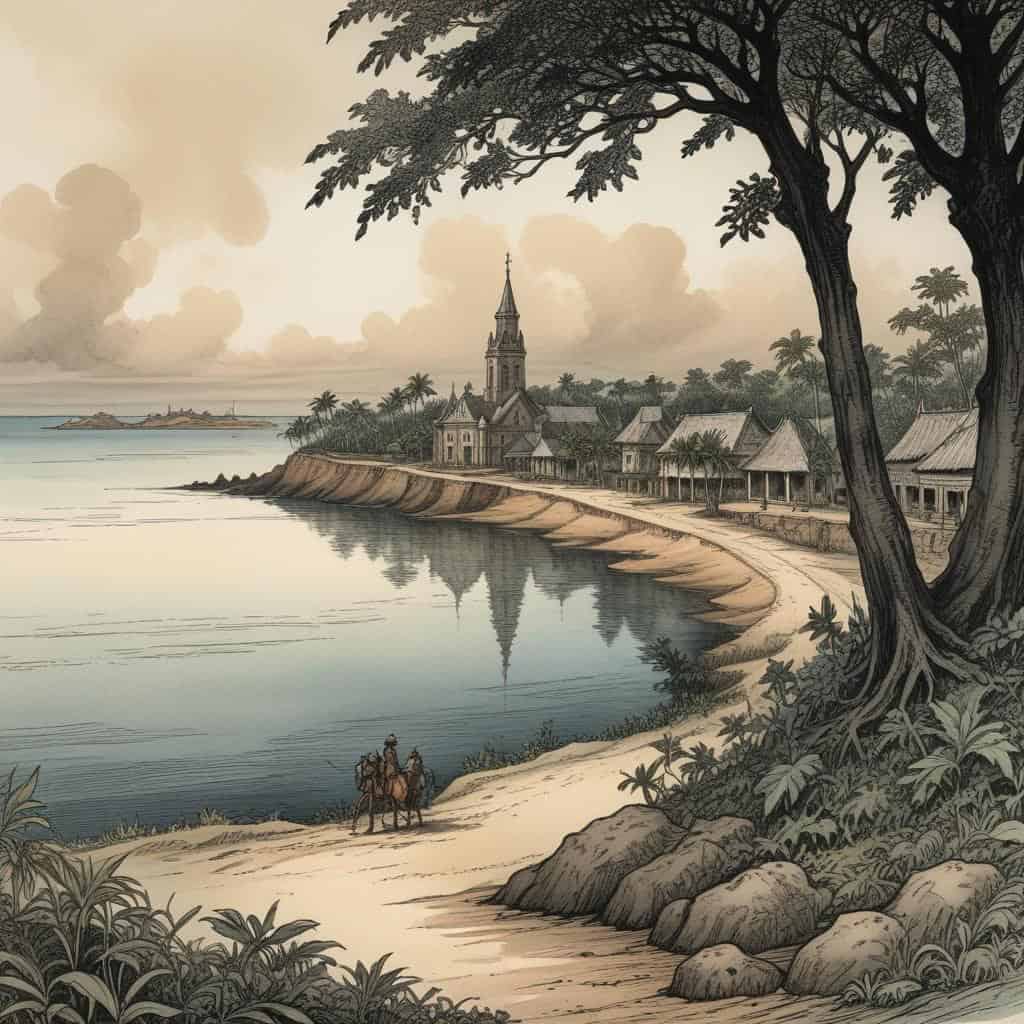
8. Bolama: An Architectural Gem
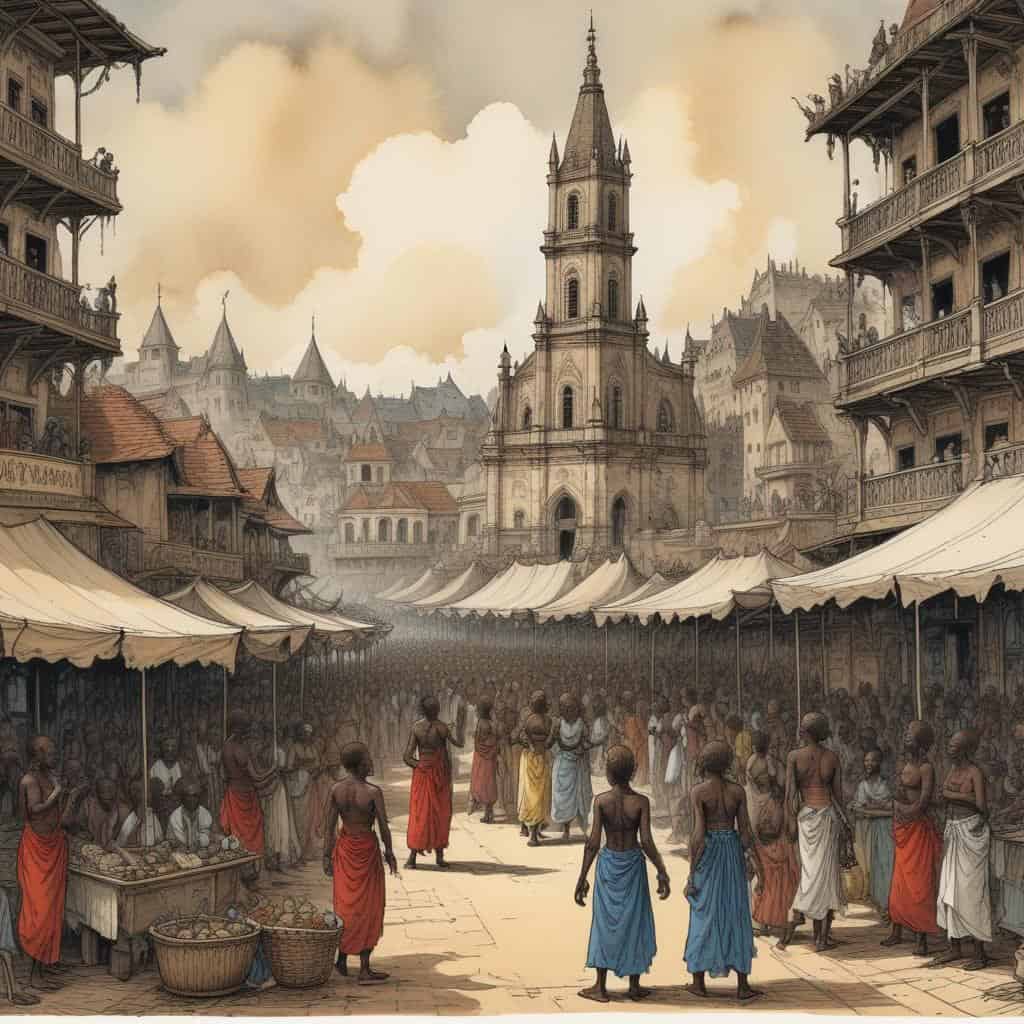
9. Bafata: A Cultural Capital
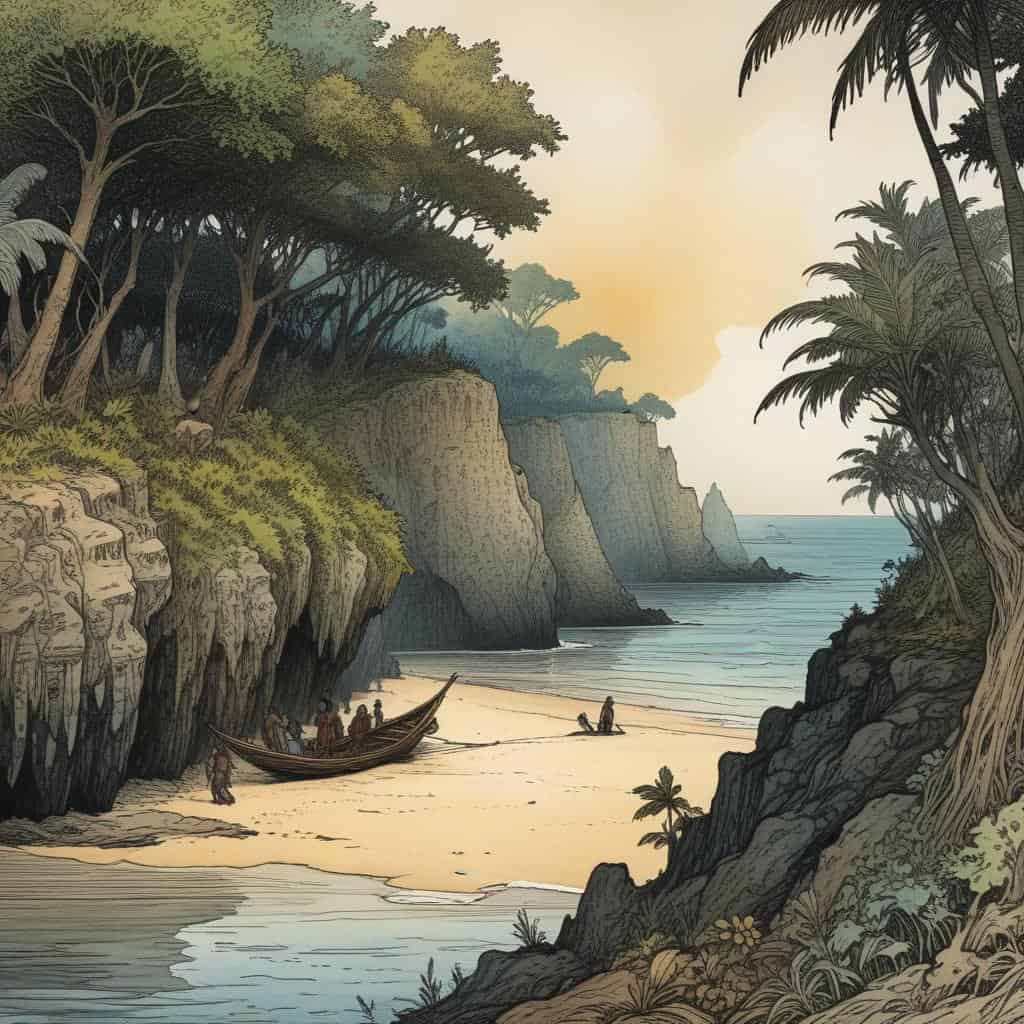
10. Guinea-Bissau: A Hidden Gem
Audio Library
As one of our featured lessons, this topic includes premium audio guides.
Unlock the Wizard's Cram Session
This powerful audio study guide is a Pro-exclusive feature. Upgrade to Memory Wizards Pro to access this and all of our premium learning tools.
Upgrade to ProIn a Nutshell
- Capital: Bissau
- Population: Approx. 1.9 million (2021)
- Official Language: Portuguese
- Currency: West African CFA franc (XOF)
Breaking Down the Country
Location
Located on the West African coast, Guinea-Bissau is bordered by Senegal to the north and Guinea to the south and east.
Colonial History
Formerly a Portuguese colony, Guinea-Bissau gained independence in 1973 after a long struggle against colonial rule.
Biodiversity
Home to diverse ecosystems including mangrove swamps, savannas, and tropical forests, Guinea-Bissau is a haven for birdwatchers and nature enthusiasts.
Timeline of Guinea-bissau
Portuguese explorers reach Guinea-Bissau coast
Portuguese establish trading posts along the coast
Guinea-Bissau becomes part of Portuguese Guinea
African Party for the Independence of Guinea and Cape Verde (PAIGC) founded
Guinea-Bissau declares independence from Portugal
Amilcar Cabral, leader of PAIGC, assassinated
Guinea-Bissau becomes independent
Civil war breaks out in Guinea-Bissau
Peace agreement signed, ending civil war
Kumba Yala elected president
Military coup ousts Kumba Yala
Joao Bernardo Vieira re-elected president
Joao Bernardo Vieira assassinated
Presidential elections held, Carlos Gomes Junior elected president
Military coup ousts Carlos Gomes Junior
Presidential elections held, Jose Mario Vaz elected president
Political instability continues in Guinea-Bissau
UN Peacebuilding Commission establishes Guinea-Bissau configuration
Presidential elections held, Umaro Sissoco Embalo elected president
COVID-19 pandemic impacts Guinea-Bissau
Vocabulary List
- Mangrove
- The coastal areas of Guinea-Bissau are covered in lush mangrove forests, providing important habitats for various species.
- Estuary
- The Bijagos Archipelago in Guinea-Bissau is known for its stunning estuaries where rivers meet the sea.
- Savanna
- The interior regions of Guinea-Bissau are characterized by vast expanses of savanna grasslands.
- Lagoon
- Guinea-Bissau is home to several picturesque lagoons, offering opportunities for birdwatching and relaxation.
- Delta
- The Cacheu River forms a beautiful delta as it empties into the Atlantic Ocean in Guinea-Bissau.
- Plateau
- The Fouta Djallon Plateau in Guinea-Bissau is a highland region known for its stunning landscapes and waterfalls.
- Wetland
- The wetlands of Guinea-Bissau are important for biodiversity and provide crucial ecosystem services.
- Mangrove
- Mangrove forests in Guinea-Bissau serve as important breeding grounds for fish and other marine species.
- Riverine
- The riverine habitats of Guinea-Bissau support a diverse array of flora and fauna.
Key Facts
This is the information used in the fact matching game
- Guinea-Bissau is a small country located in West Africa, bordered by Senegal to the north and Guinea to the south and east.
- The landscape of Guinea-Bissau is characterized by low-lying coastal plains, mangrove swamps, and scattered hills.
- The Bijagos Archipelago, a group of islands off the coast of Guinea-Bissau, is known for its pristine beaches and rich biodiversity.
- The Cacheu River, one of the major rivers in Guinea-Bissau, flows through mangrove forests and wetlands before emptying into the Atlantic Ocean.
- The interior regions of Guinea-Bissau are mostly savanna grasslands, with scattered trees and shrubs.
- The highest point in Guinea-Bissau is an unnamed hill in the northeast near the border with Guinea, reaching a height of 300 meters (984 feet).
- The country experiences a tropical climate with a rainy season from June to October and a dry season from November to May.
- Mangrove forests cover a significant portion of Guinea-Bissau's coastline, providing important habitats for diverse marine and bird species.
- The Bafata Plateau in central Guinea-Bissau is a region of rolling hills and farmland, known for its agricultural production.
- The Oio River, another major river in Guinea-Bissau, runs through the central part of the country and is an important water source for agriculture.
- Guinea-Bissau is home to several national parks and protected areas, including the Cantanhez Forests and the Cufada Lagoon Natural Park.
- The landscape of Guinea-Bissau is heavily influenced by the annual flooding of rivers during the rainy season, which helps to replenish soil nutrients and support agriculture.
- The coastal plains of Guinea-Bissau are dotted with small fishing villages, where communities rely on marine resources for their livelihoods.
- The country has a diverse range of ecosystems, including estuaries, wetlands, savannas, and forests, supporting a wide variety of plant and animal species.
- Guinea-Bissau is prone to natural disasters such as flooding, erosion, and droughts, which can have significant impacts on the landscape and local communities.
- The landscape of Guinea-Bissau is under threat from deforestation, overfishing, and pollution, leading to loss of biodiversity and degradation of natural habitats.
- The country has a rich cultural heritage, with traditional farming practices, fishing techniques, and spiritual beliefs that are closely tied to the landscape and natural environment.
- Guinea-Bissau is known for its vibrant music and dance traditions, which often reflect themes of nature, landscape, and rural life.
- The coastal waters of Guinea-Bissau are home to a variety of marine species, including dolphins, sea turtles, and numerous fish species, making it a popular destination for eco-tourism.
- The landscape of Guinea-Bissau is a unique blend of natural beauty, cultural diversity, and ecological significance, making it a fascinating destination for travelers and researchers alike.
Why It Matters
Geopolitical Significance
Located on the West African coast, Guinea-Bissau’s position has historically made it a hub for trade and colonization. Its proximity to the Atlantic Ocean has influenced its relationship with European powers and its role in regional politics.
Historical Importance
Guinea-Bissau has a history of resistance against colonial powers, particularly Portugal. The country’s struggle for independence and its role in the African liberation movements of the 20th century have shaped its national identity and its place in the global community.
Modern-Day Role
Today, Guinea-Bissau faces challenges such as political instability and poverty. Its efforts to build a stable democracy and address economic development are crucial not only for the country’s future but also for the broader efforts towards peace and prosperity in West Africa.
Guinea-bissau Games


Take Your Learning Offline
Want a convenient, print-ready study guide for this lesson? Become a Memory Wizards Pro member to unlock the downloadable " Memory Scrolls" for this topic and our entire library!
- ✓ Complete Vocabulary Lists
- ✓ Key Facts & Timelines
- ✓ Beautifully Formatted for Print & Mobile