
How Do You Learn Best?
Learn by Listening
Start with the 3-minute audio summary to get the key facts and narrative highlights quickly.
Learn by Reading
Immerse yourself in the 10-minute visual lesson for a comprehensive understanding of the topic.
Learn by Reviewing
Jump directly to the key facts, timeline, and vocabulary lists to build a solid foundation of details.
Learn by Doing
Challenge yourself! Jump straight into the interactive games to learn by trial, error, and discovery.
Guinea in 10 Minutes
Introduction
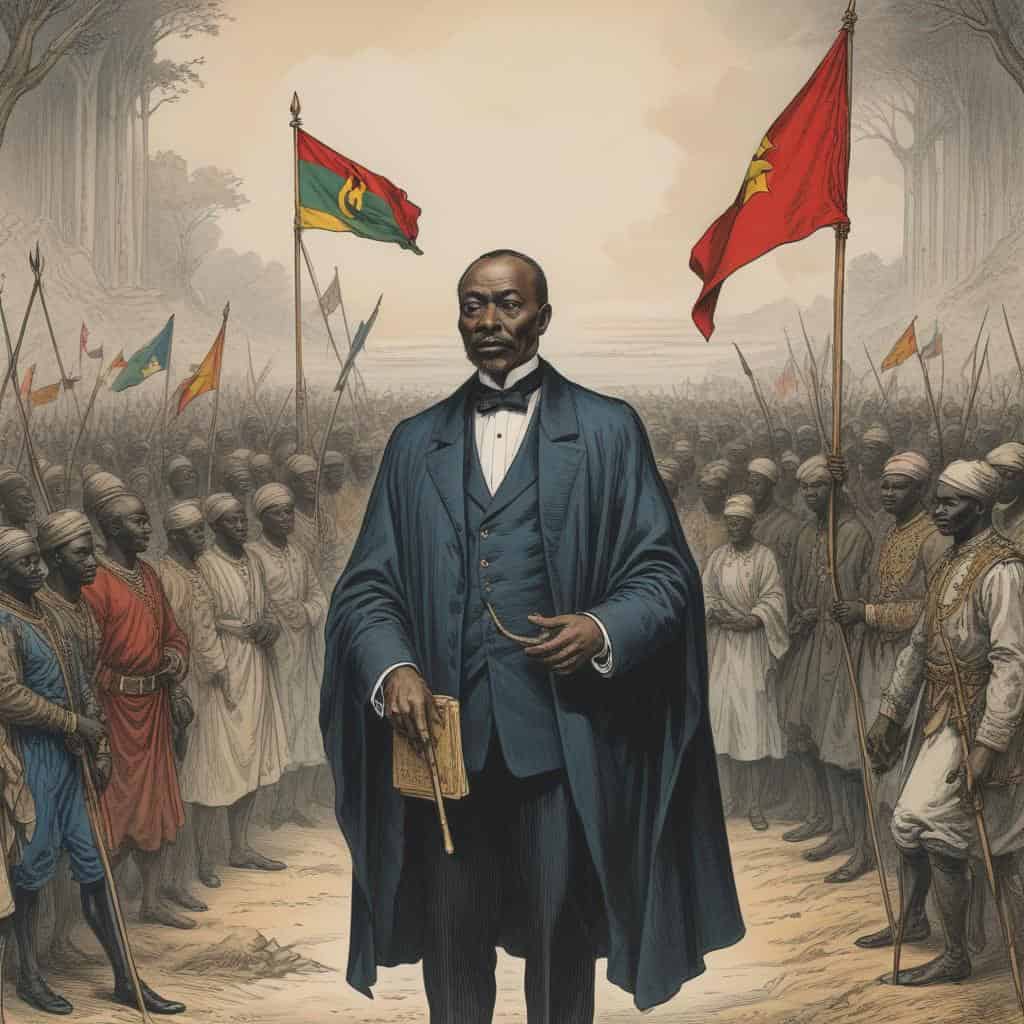
Alpha Condé

Mount Nimba
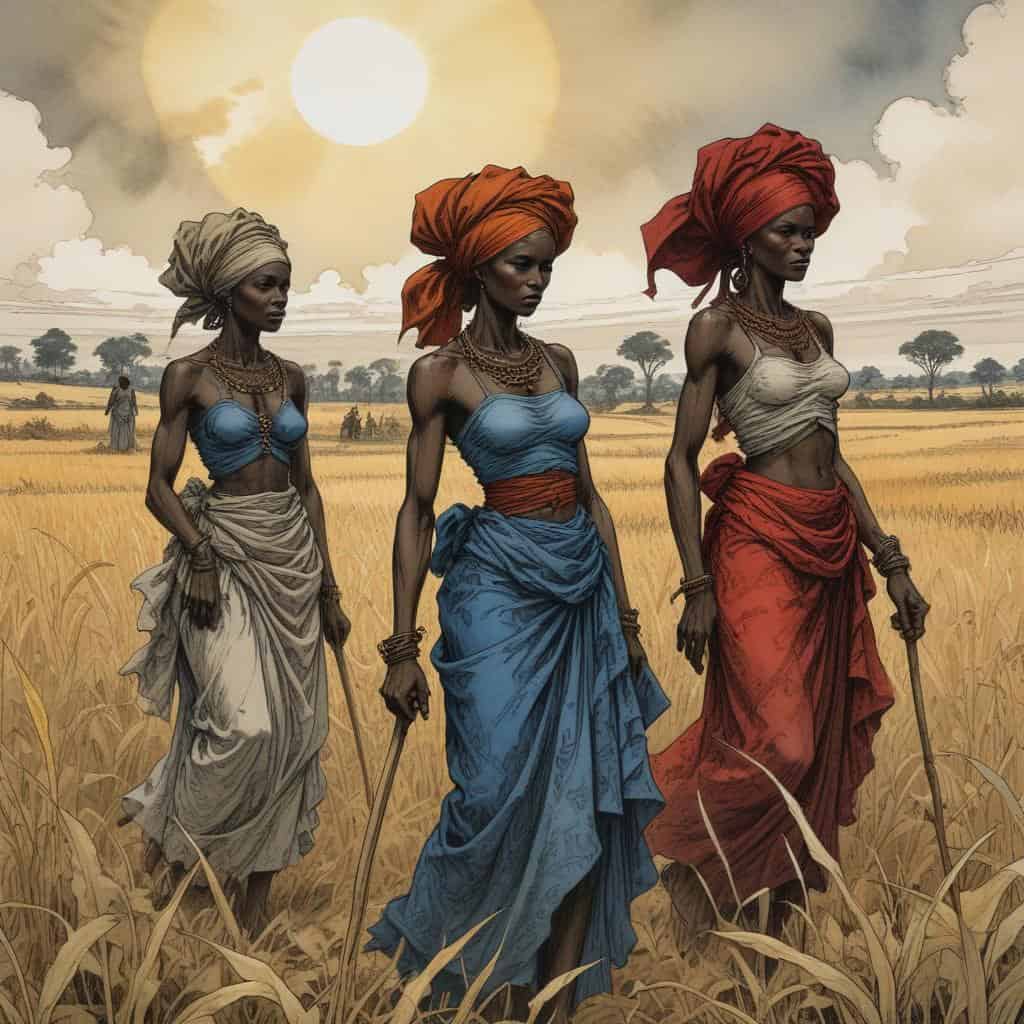
Guinean Women
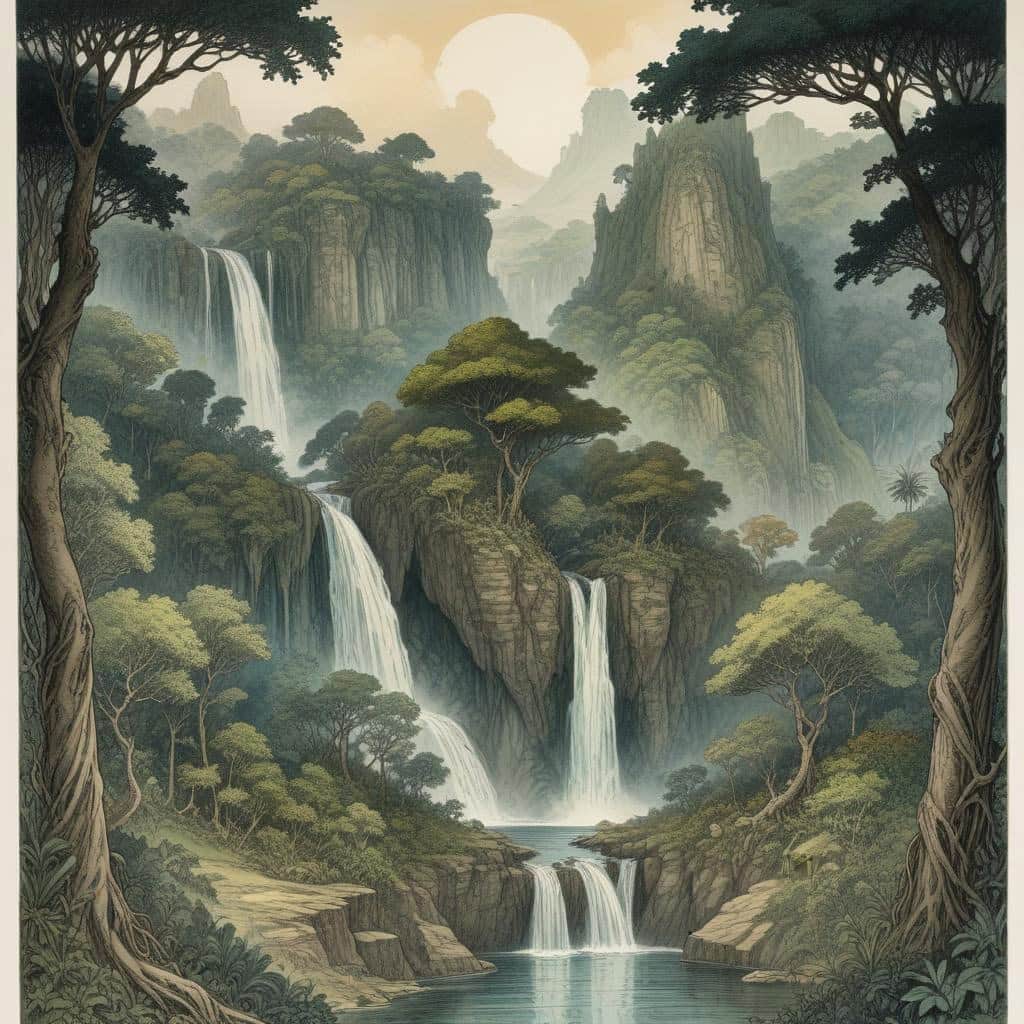
Fouta Djallon

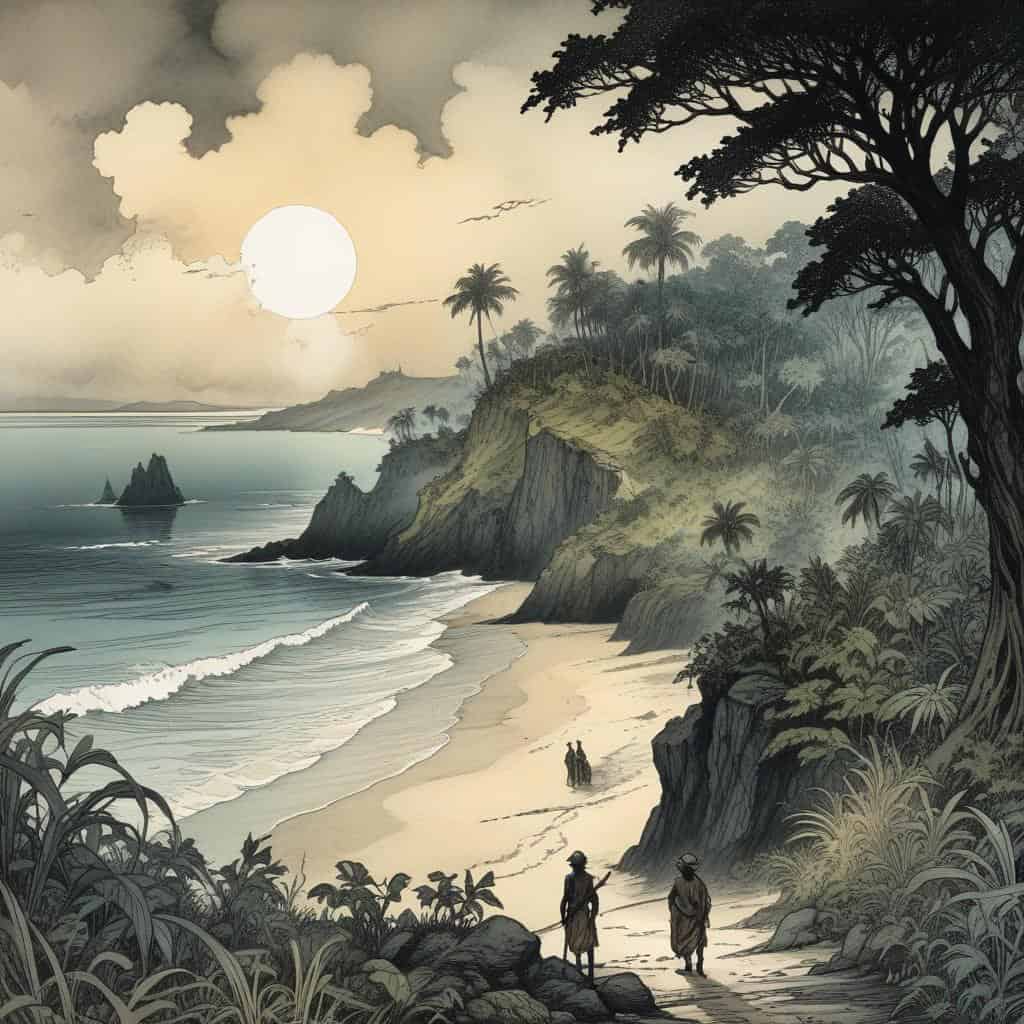
1. Beautiful Beaches
2. Lush Rainforests
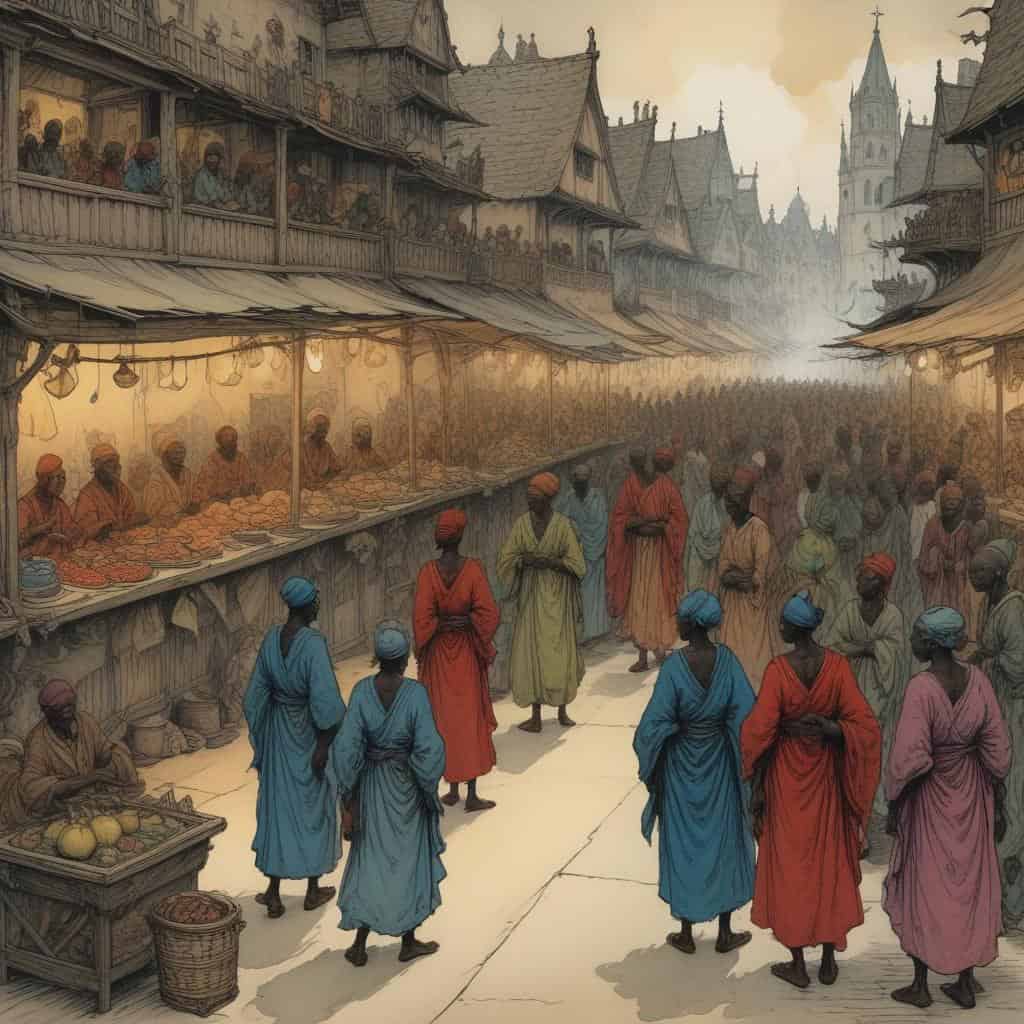
3. Vibrant Markets
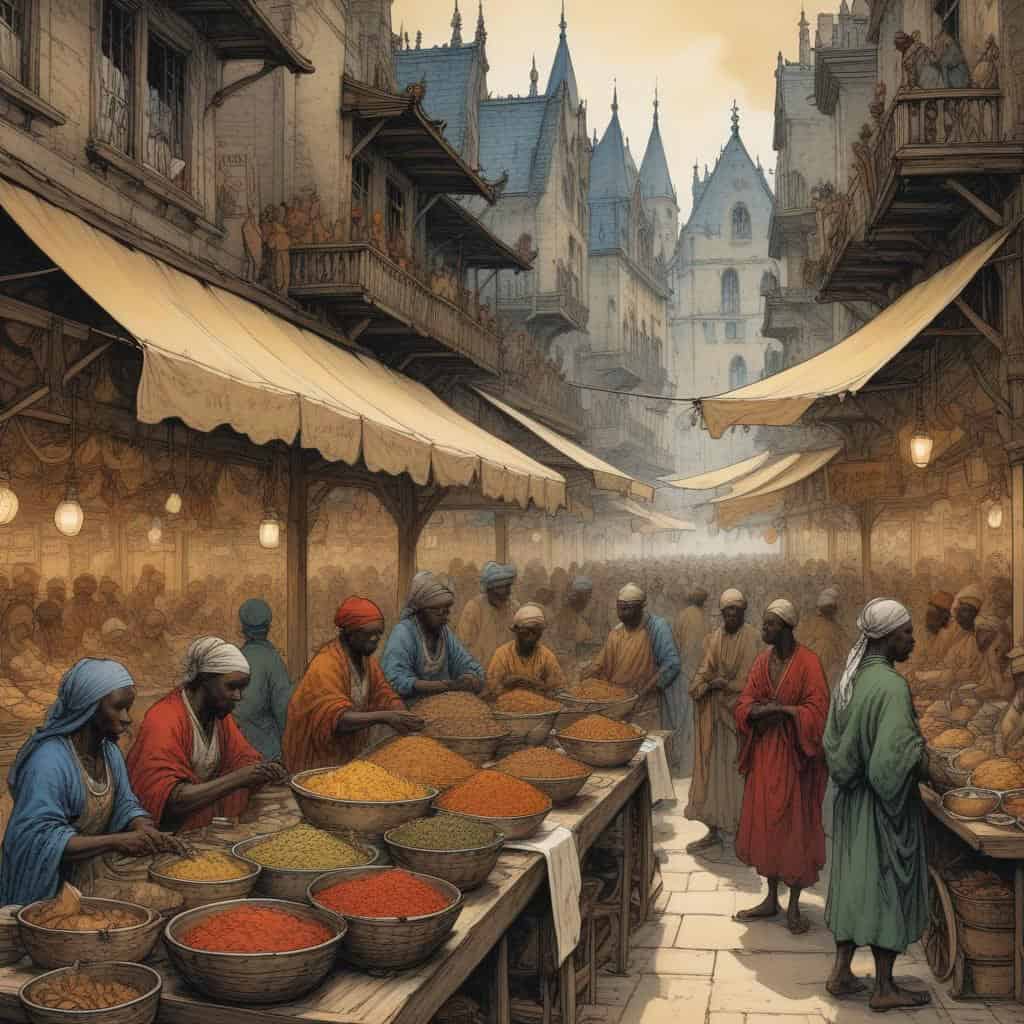
4. Delicious Cuisine
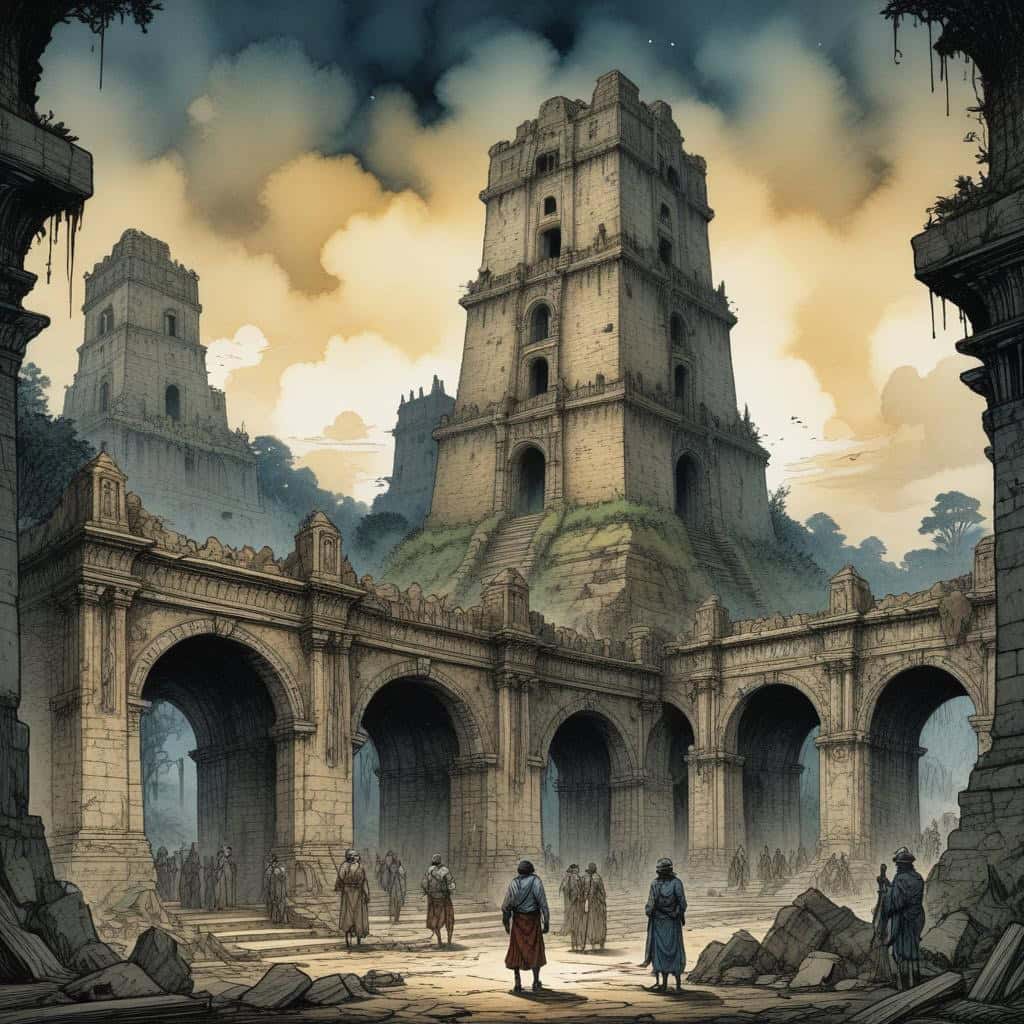
5. Historical Sites
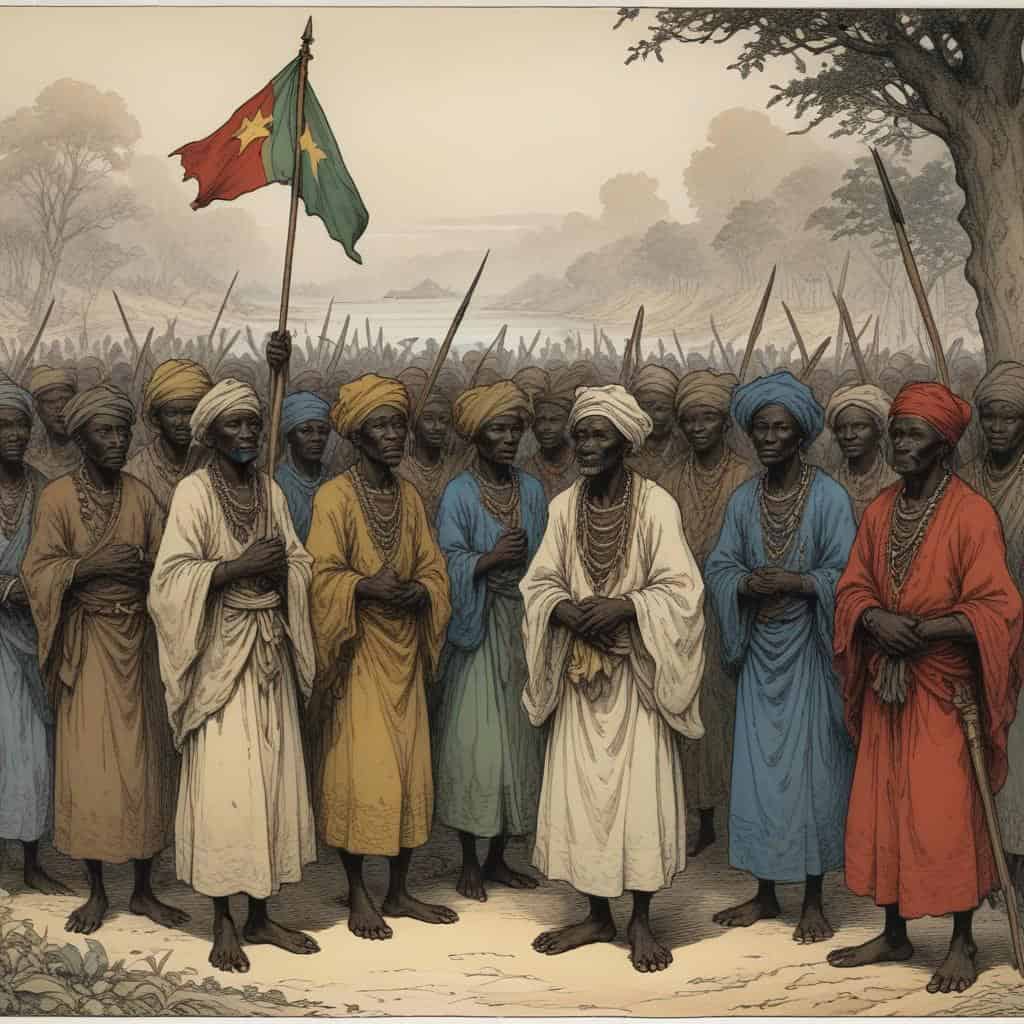
6. Friendly Locals
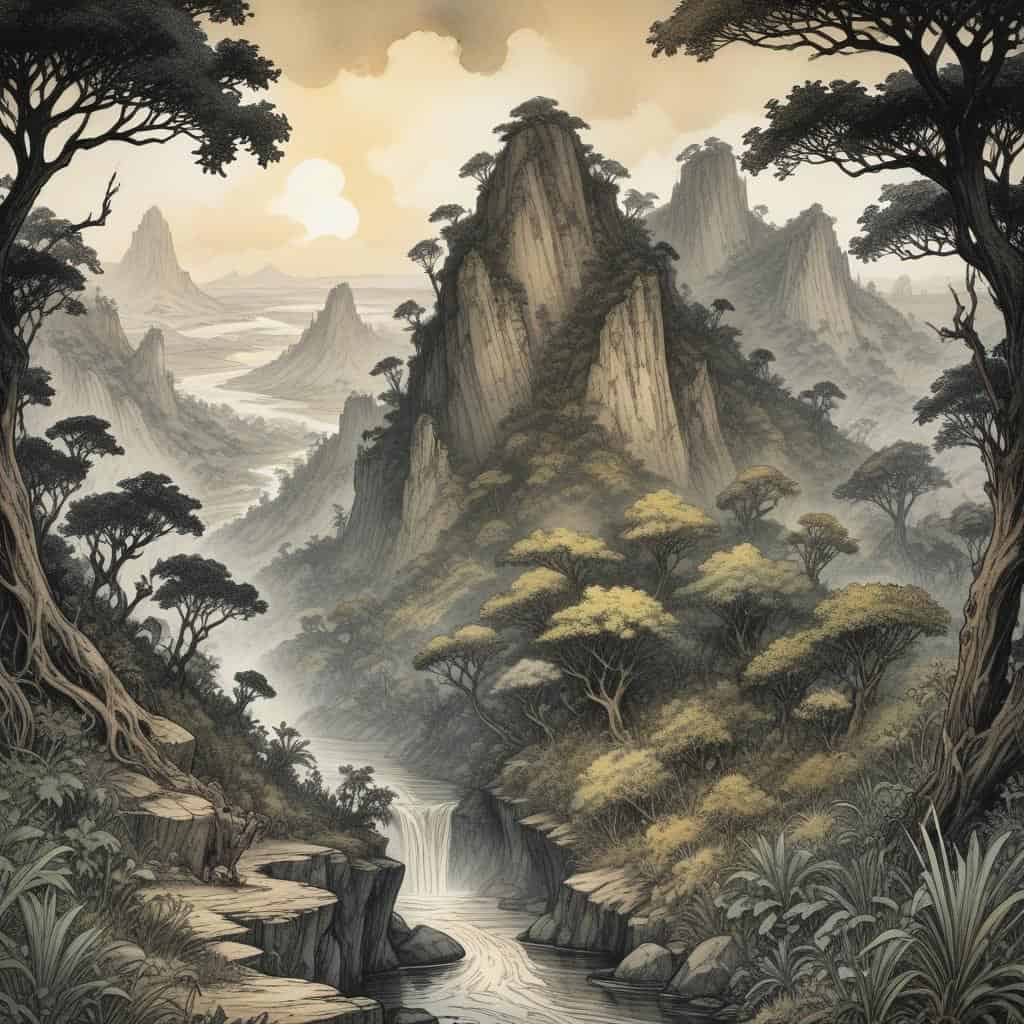
7. Diverse Landscapes
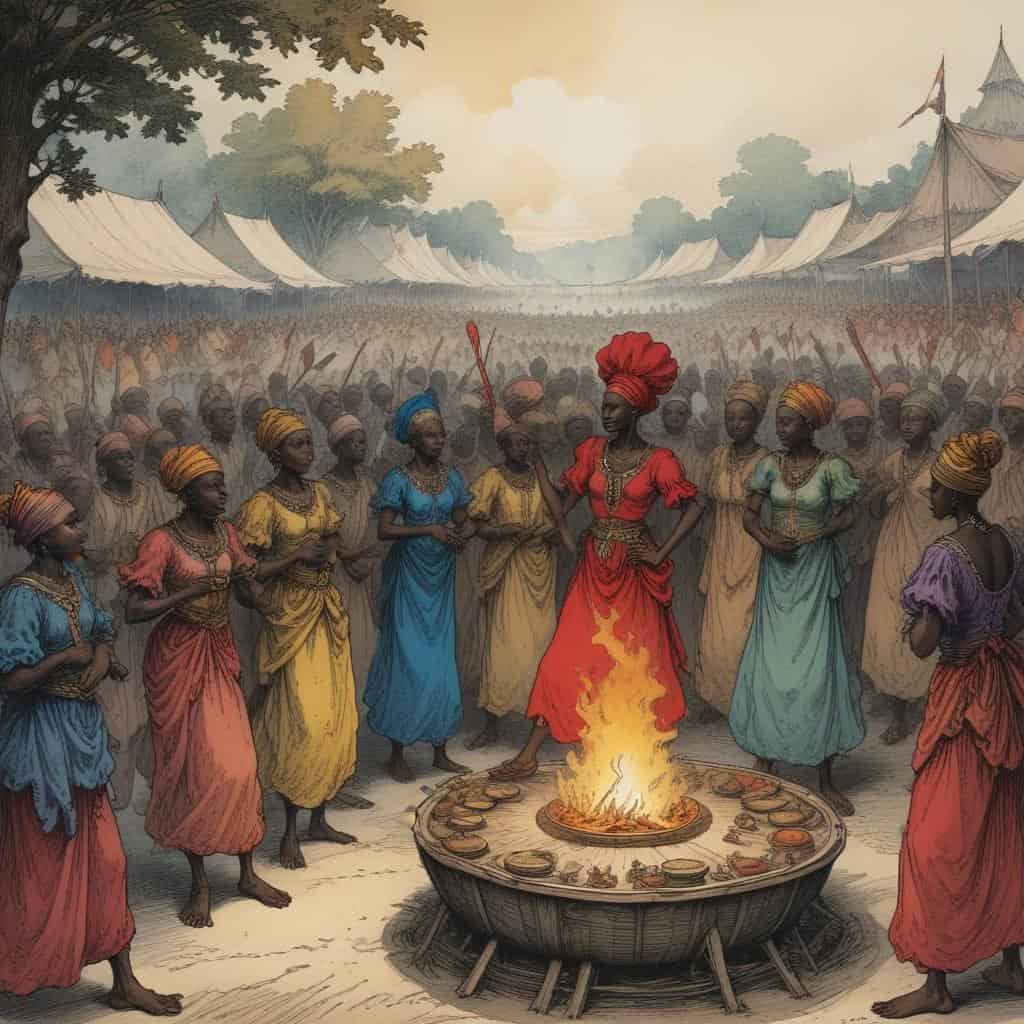
8. Colorful Festivals
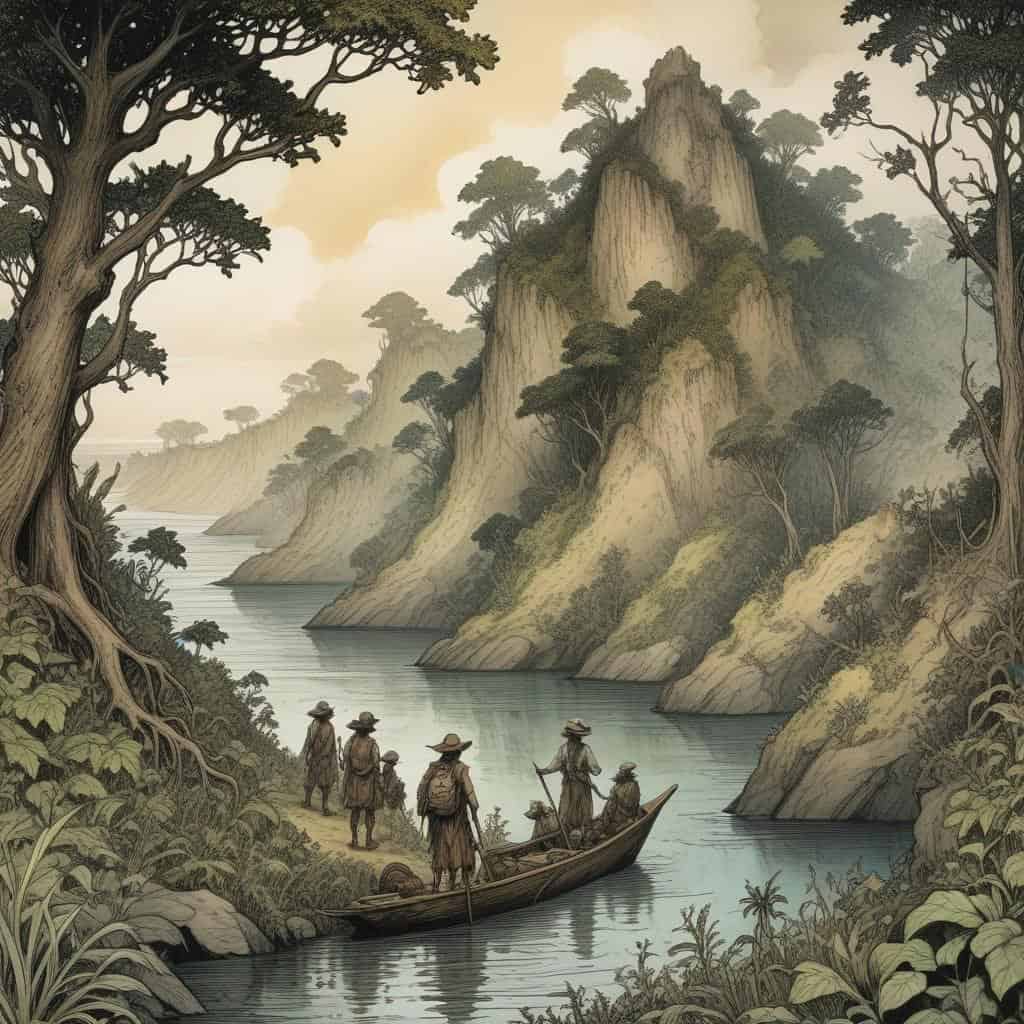
9. Eco-Tourism Opportunities
10. Unforgettable Sunsets
Audio Library
As one of our featured lessons, this topic includes premium audio guides.
Unlock the Wizard's Cram Session
This powerful audio study guide is a Pro-exclusive feature. Upgrade to Memory Wizards Pro to access this and all of our premium learning tools.
Upgrade to ProIn a Nutshell
- Capital: Conakry
- Population: Approx. 13.1 million (2021)
- Official Language: French
- Currency: Guinean franc (GNF)
Breaking Down the Country
No composition analysis points available.
Timeline of Guinea
French colonization of Guinea begins
Guinea becomes part of French West Africa
Guinea gains independence from France
Ahmed Sékou Touré becomes the first President of Guinea
Guinea declares itself a one-party state under the Democratic Party of Guinea
Guinea becomes a founding member of the Organization of African Unity (OAU)
Guinea nationalizes its economy and adopts socialist policies
Guinea experiences economic decline and political repression under Ahmed Sékou Touré
Ahmed Sékou Touré dies, Lansana Conté becomes President
Guinea experiences political instability and economic challenges under Lansana Conté
Guinea holds its first multi-party elections
Alpha Condé becomes President of Guinea
Guinea experiences Ebola outbreak
Guinea holds presidential elections, Alpha Condé re-elected for a second term
Protests and political unrest in Guinea over disputed election results
Guinea experiences military coup, Alpha Condé ousted from power
Colonel Mamady Doumbouya declares himself President of Guinea
Colonel Mamady Doumbouya appoints a civilian Prime Minister
Guinea suspended from African Union and ECOWAS in response to military coup
Guinea begins transition to civilian rule with plans for elections in the future
Vocabulary List
- Conakry
- The capital city of Guinea.
- Guinean
- A person from Guinea.
- Fulani
- An ethnic group in Guinea.
- Mandinka
- Another ethnic group in Guinea.
- Boké
- A city in Guinea known for its mining industry.
- Francophone
- Referring to French-speaking countries, including Guinea.
- Sekou Toure
- The first President of Guinea after independence.
- Ebola
- A deadly virus that affected Guinea in recent years.
- N’Zérékoré
- A city in southeastern Guinea.
- Kankan
- A city in eastern Guinea.
Key Facts
This is the information used in the fact matching game
- Guinea is located in West Africa and is bordered by Guinea-Bissau, Senegal, Mali, Ivory Coast, Liberia, and Sierra Leone.
- The official language of Guinea is French.
- Guinea gained independence from France in 1958.
- The capital city of Guinea is Conakry.
- Guinea has a population of over 12 million people.
- Guinea is known for its rich cultural heritage, including traditional music and dance.
- The economy of Guinea is heavily reliant on agriculture, with crops such as rice, bananas, and pineapples being major exports.
- Guinea has significant mineral resources, including bauxite, iron ore, and gold.
- The country has a tropical climate with a wet season from June to November and a dry season from December to May.
- Guinea is one of the world's top producers of bauxite, a key ingredient in aluminum production.
- The country has a diverse population made up of over 24 ethnic groups, each with its own language and customs.
- Guinea has a high rate of poverty, with over half of the population living below the poverty line.
- Guinea has a rich history, with archaeological sites dating back thousands of years.
- The country has a diverse wildlife population, including elephants, hippos, and chimpanzees.
- Guinea has a growing tourism industry, with attractions such as the Fouta Djallon highlands and the Nimba Nature Reserve.
- Guinea has a high rate of infectious diseases, including malaria, yellow fever, and cholera.
- The country has a limited healthcare infrastructure, with many people lacking access to basic medical care.
- Guinea has a young population, with a median age of around 19 years.
- The country has a high rate of illiteracy, with only around 30% of adults able to read and write.
Why It Matters
Geopolitical Significance
Located in West Africa, Guinea is strategically positioned with its coastline on the Atlantic Ocean. This has influenced its role in regional trade and its relationships with neighboring countries. Guinea’s natural resources, such as bauxite and gold, also contribute to its geopolitical importance.
Historical Importance
Guinea has a significant historical legacy as part of the Mali and Songhai Empires, as well as its later colonization by European powers. The country’s struggle for independence, led by figures like Sekou Toure, has shaped its national identity and continues to impact its development.
Modern-Day Role
Today, Guinea plays a key role in regional politics and economics, particularly within the Economic Community of West African States (ECOWAS). Its mining industry, agricultural sector, and ongoing efforts towards democratic governance are central to its modern identity and influence in the region.
Guinea Games


Take Your Learning Offline
Want a convenient, print-ready study guide for this lesson? Become a Memory Wizards Pro member to unlock the downloadable " Memory Scrolls" for this topic and our entire library!
- ✓ Complete Vocabulary Lists
- ✓ Key Facts & Timelines
- ✓ Beautifully Formatted for Print & Mobile