
How Do You Learn Best?
Learn by Listening
Start with the 3-minute audio summary to get the key facts and narrative highlights quickly.
Learn by Reading
Immerse yourself in the 10-minute visual lesson for a comprehensive understanding of the topic.
Learn by Reviewing
Jump directly to the key facts, timeline, and vocabulary lists to build a solid foundation of details.
Learn by Doing
Challenge yourself! Jump straight into the interactive games to learn by trial, error, and discovery.
Ghana in 10 Minutes
Introduction
Kwame Nkrumah
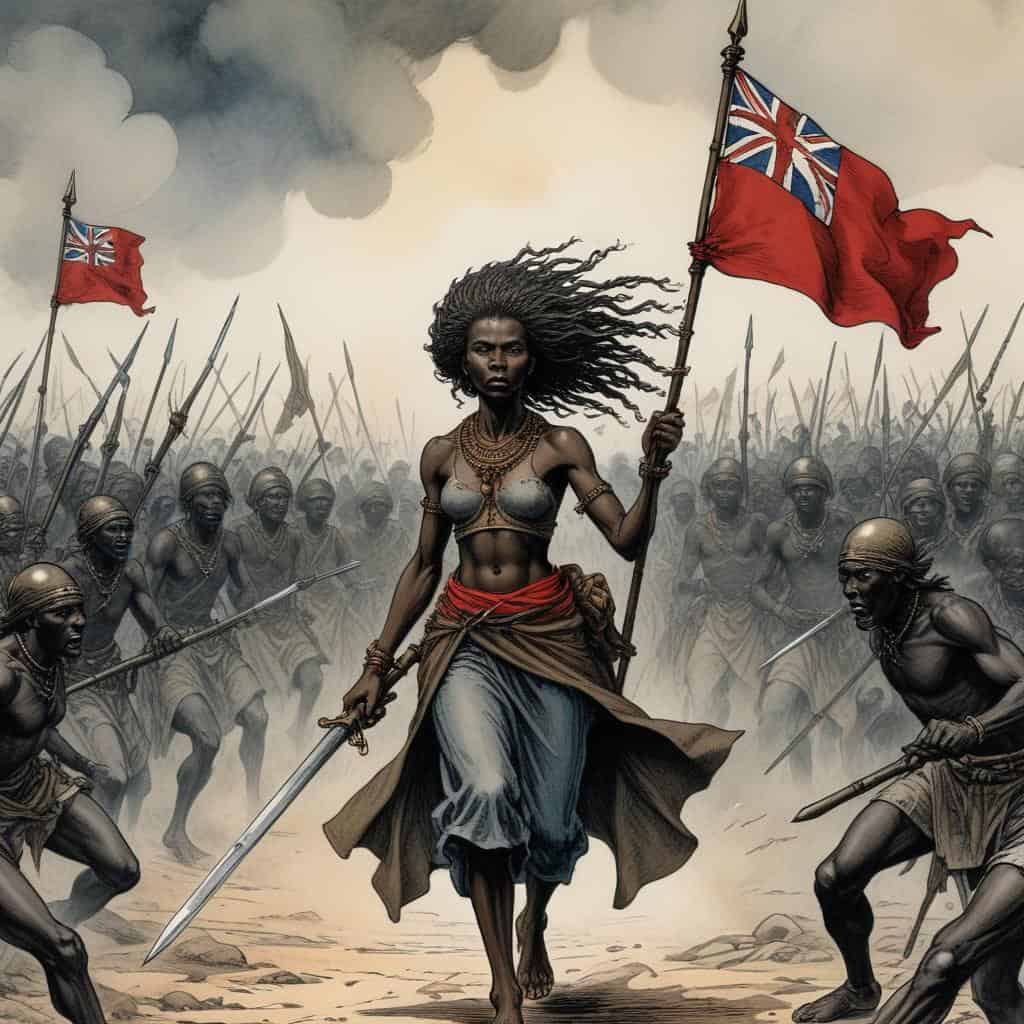
Yaa Asantewaa

Asamoah Gyan
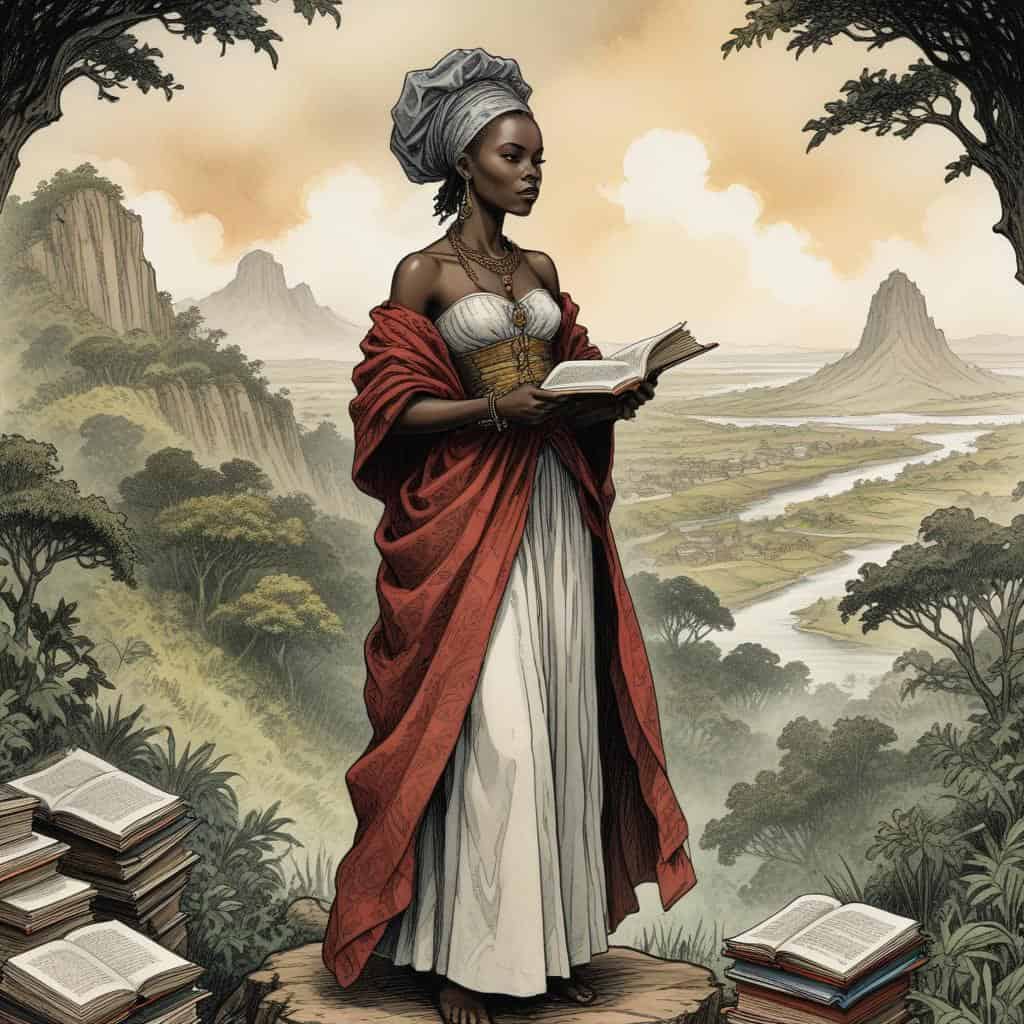
Abena Busia
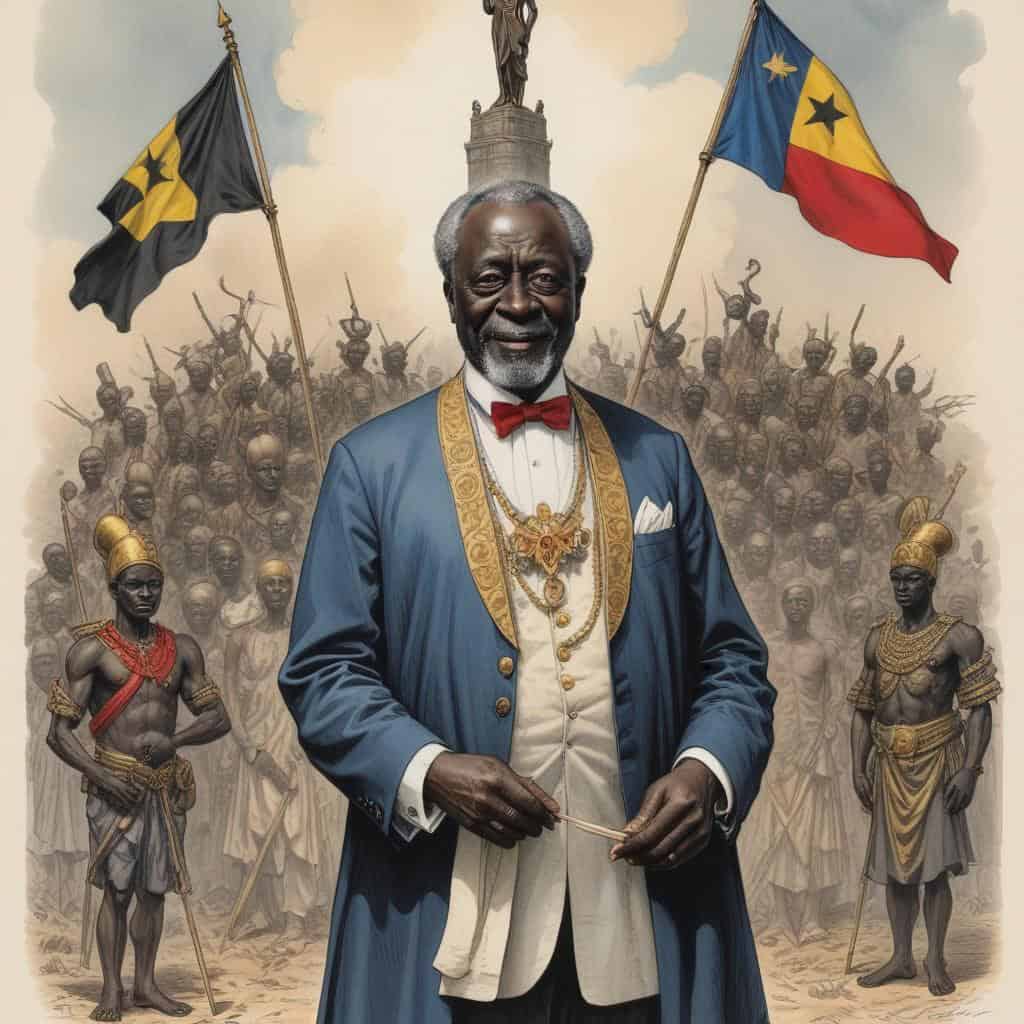
John Kufuor

Ghanas History
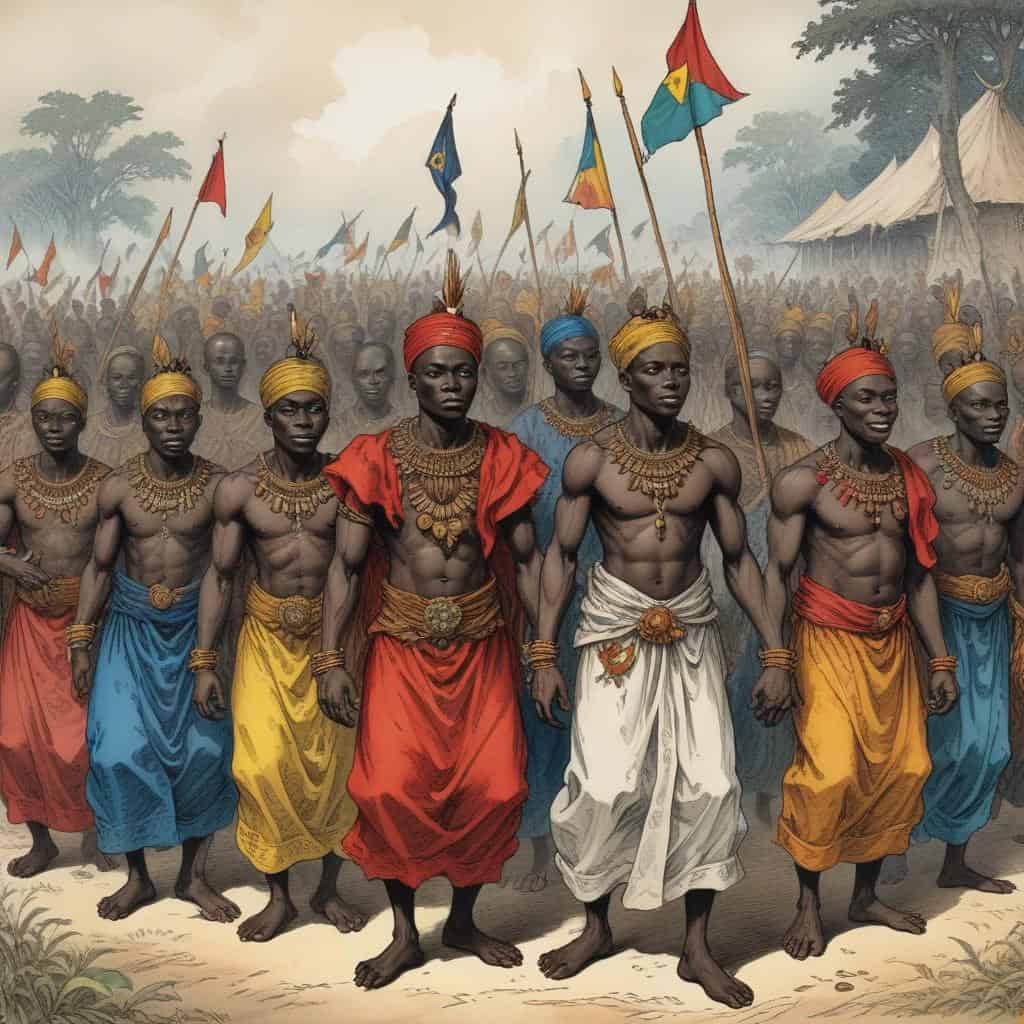
Culture and Traditions

Economy and Industry
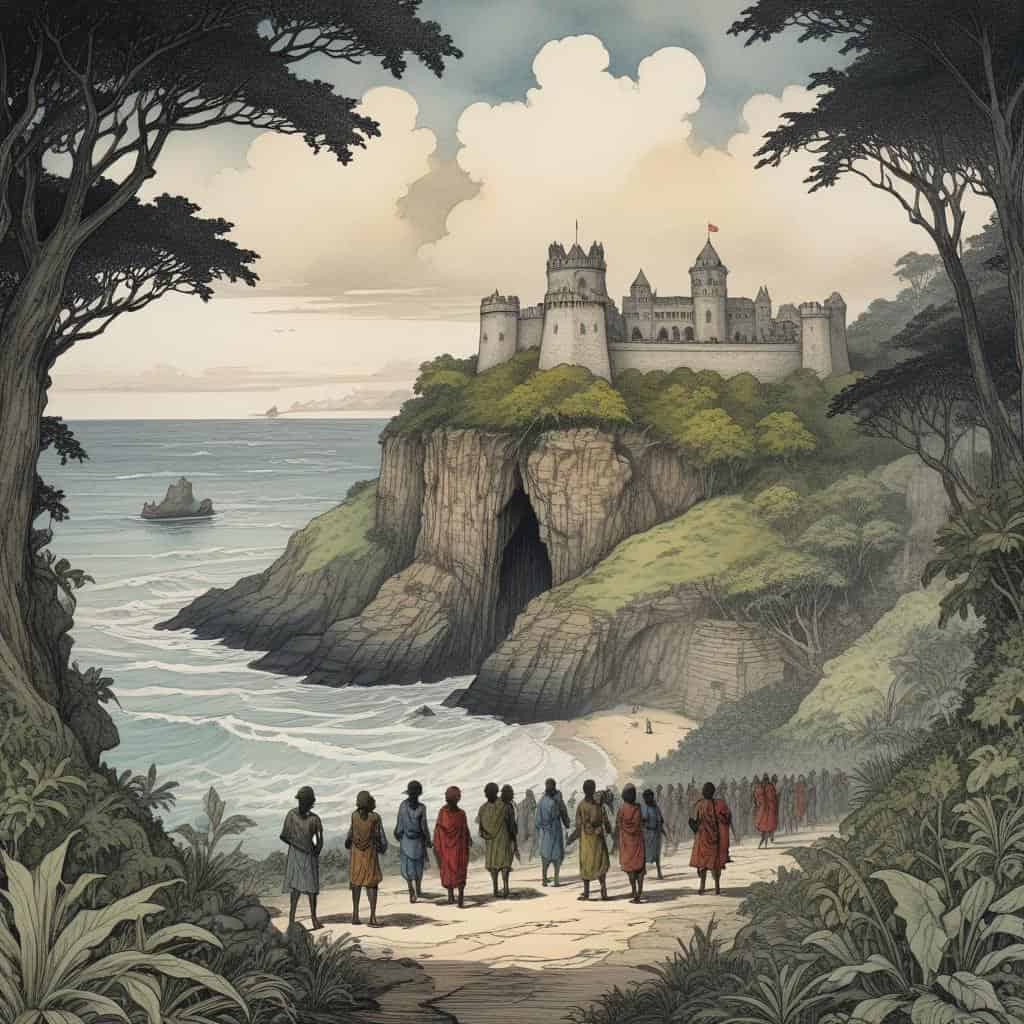
Tourism and Attractions
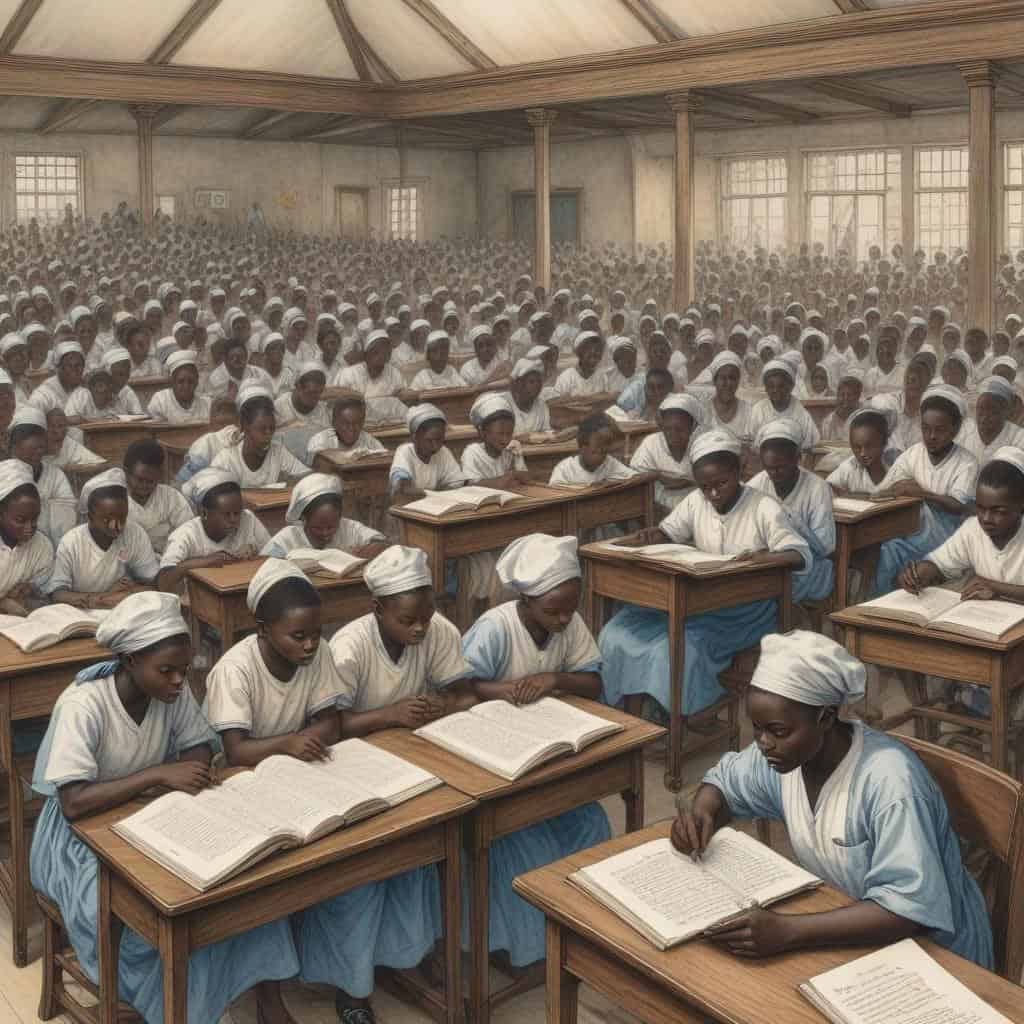
Education and Healthcare
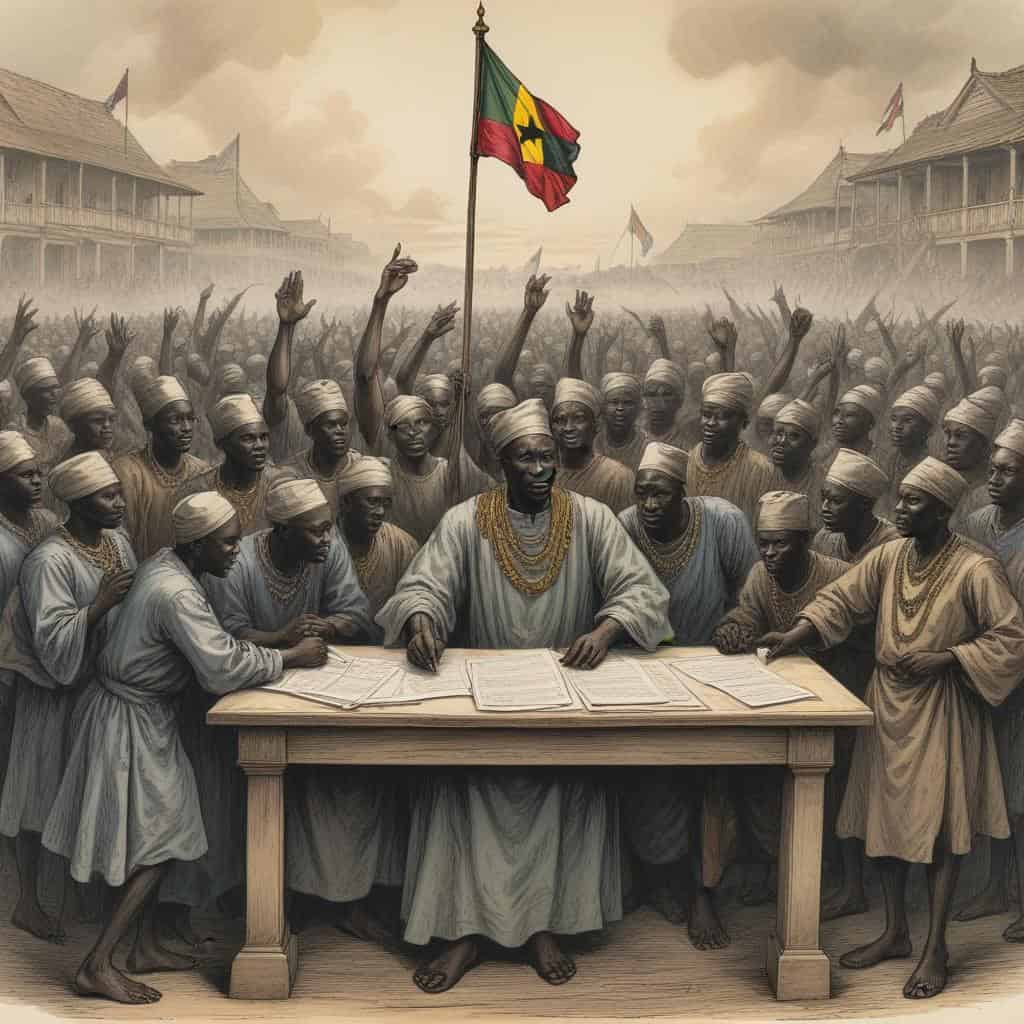
Politics and Government
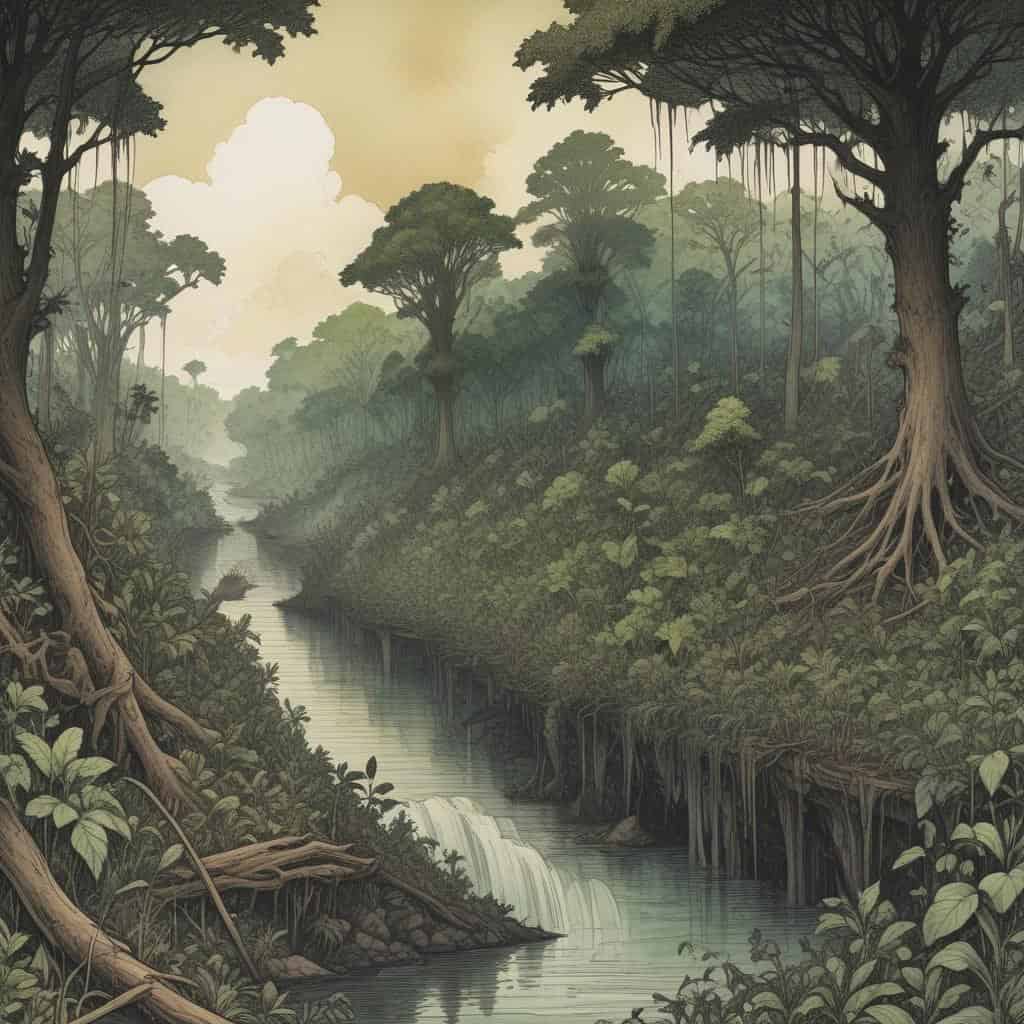
Environmental Issues
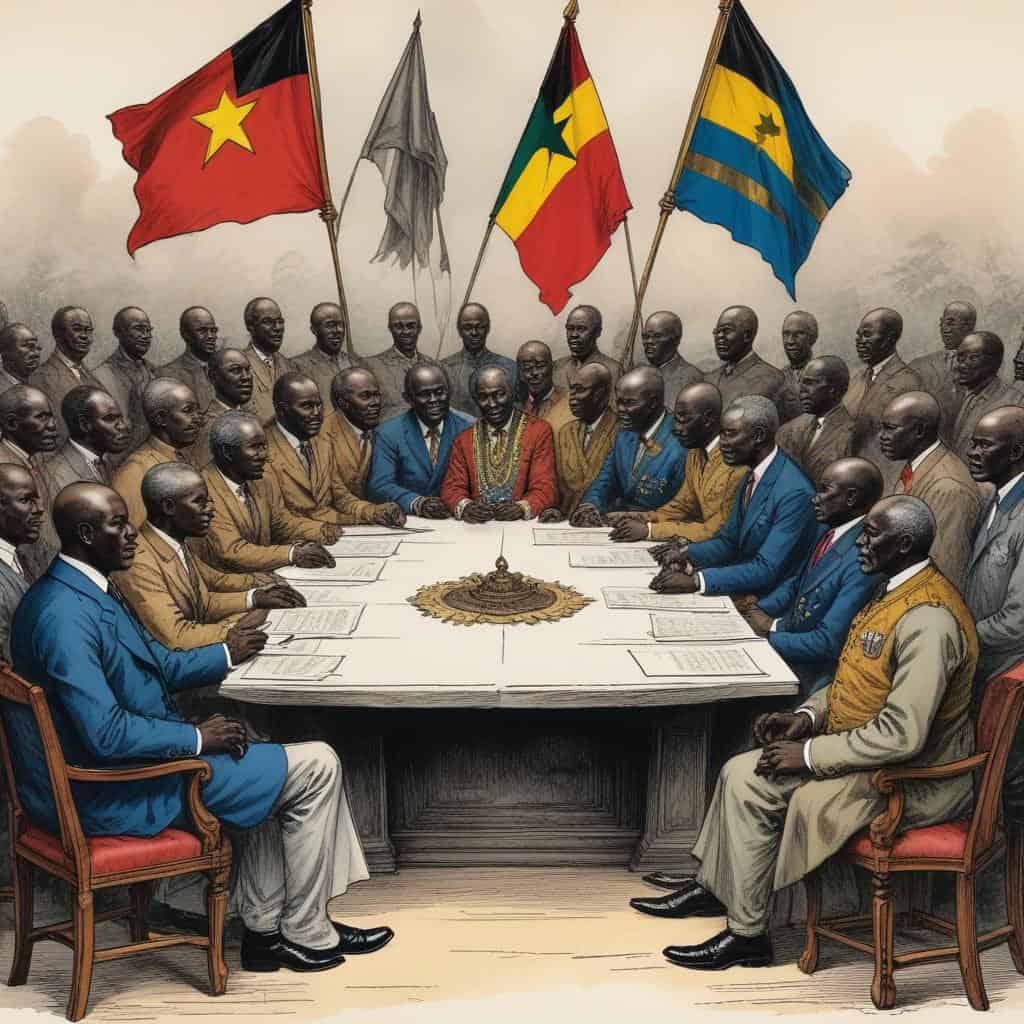
International Relations
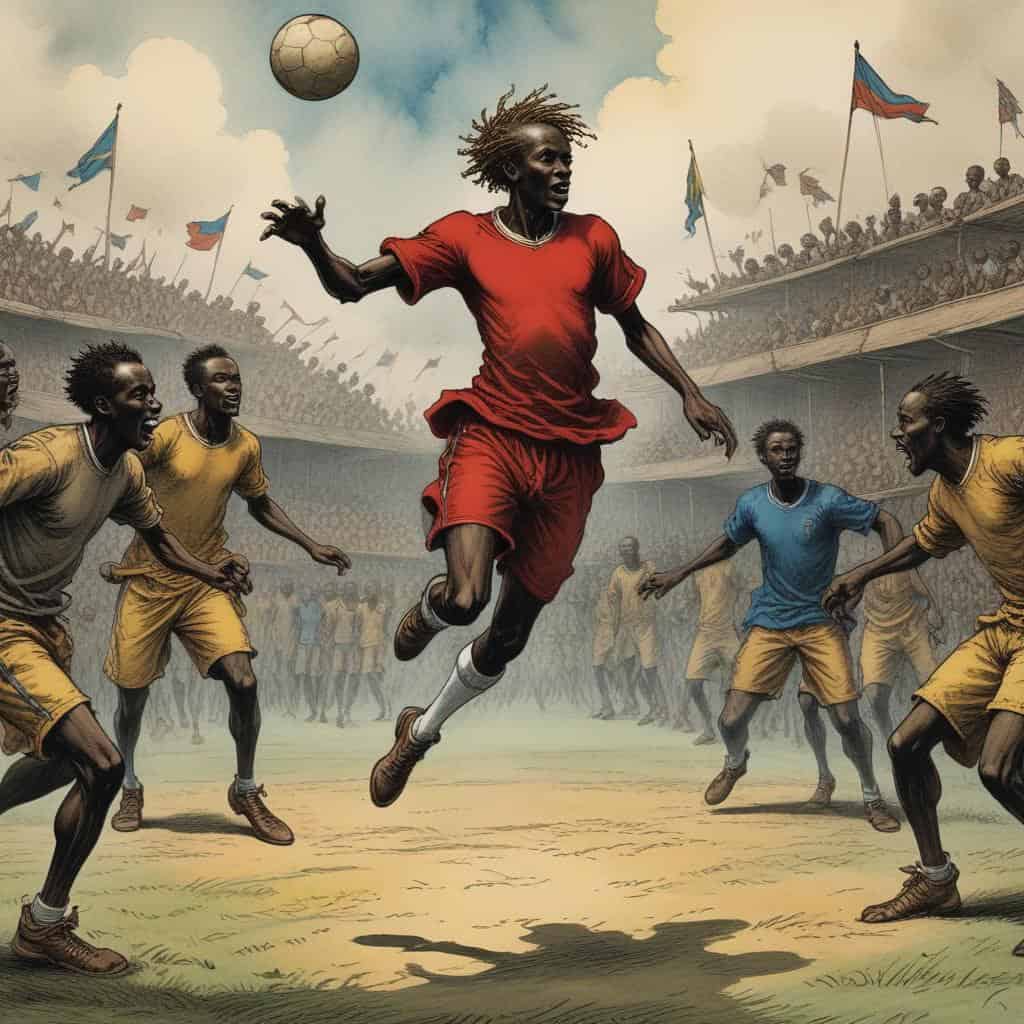
Sports and Entertainment
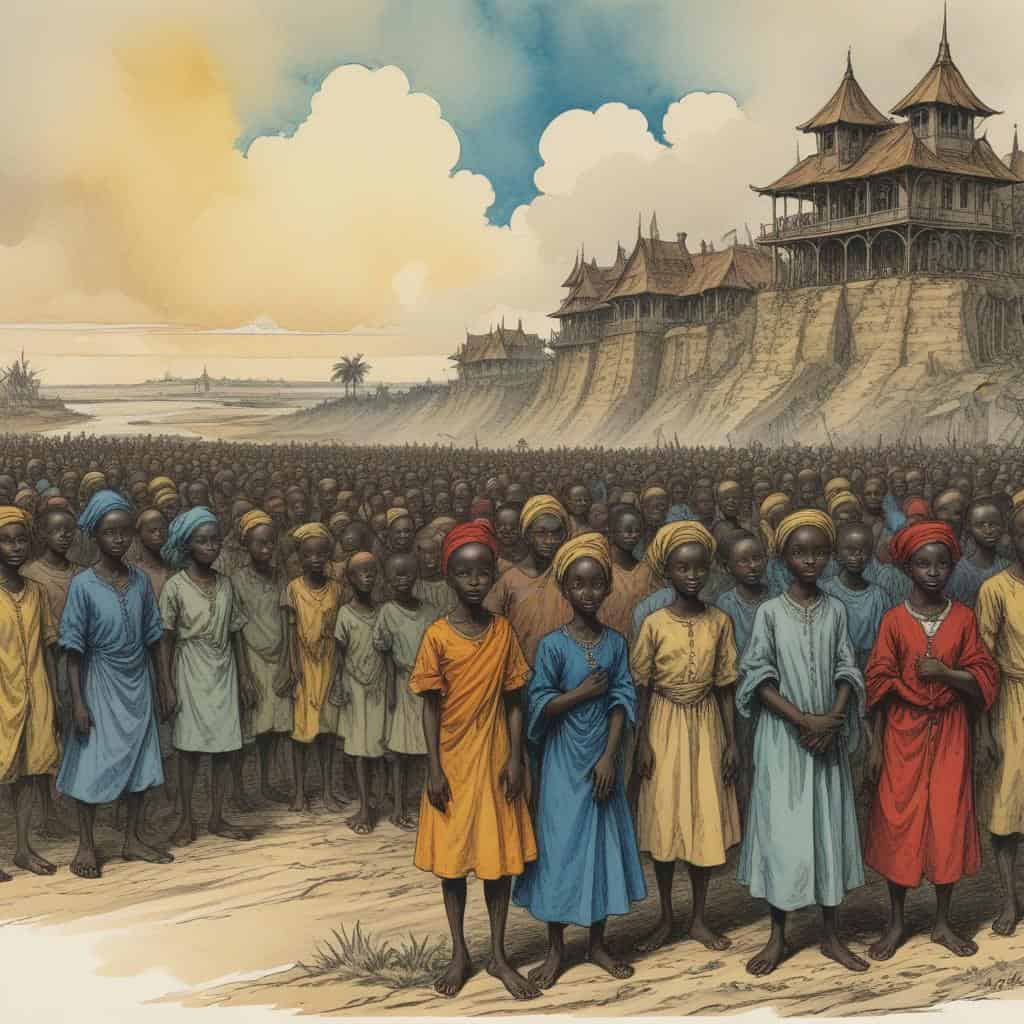
Future Prospects
Audio Library
As one of our featured lessons, this topic includes premium audio guides.
Unlock the Wizard's Cram Session
This powerful audio study guide is a Pro-exclusive feature. Upgrade to Memory Wizards Pro to access this and all of our premium learning tools.
Upgrade to ProIn a Nutshell
- Capital: Accra
- Population: Approx. 31 million (2021)
- Official Language: English
- Currency: Ghanaian cedi (GHS)
Breaking Down the Country
Geographical Diversity
From lush rainforests to savannahs, Ghana boasts a diverse landscape, rich in natural beauty and wildlife.
Cultural Heritage
Explore Ghana's vibrant culture through its traditional festivals, music, dance, and arts, reflecting its history and traditions.
Colonial Legacy
Discover the impact of British colonial rule on Ghana's history, economy, and society, shaping its present-day identity.
Timeline of Ghana
Ghana Empire founded in the region of present-day Ghana
Ghana Empire reaches its peak under the rule of King Tunka Menin
Ghana Empire begins to decline due to internal conflicts and invasions
Portuguese explorers arrive on the coast of present-day Ghana
British establish a fort at Cape Coast
British formally colonize the Gold Coast (modern-day Ghana)
Gold Coast becomes a British colony
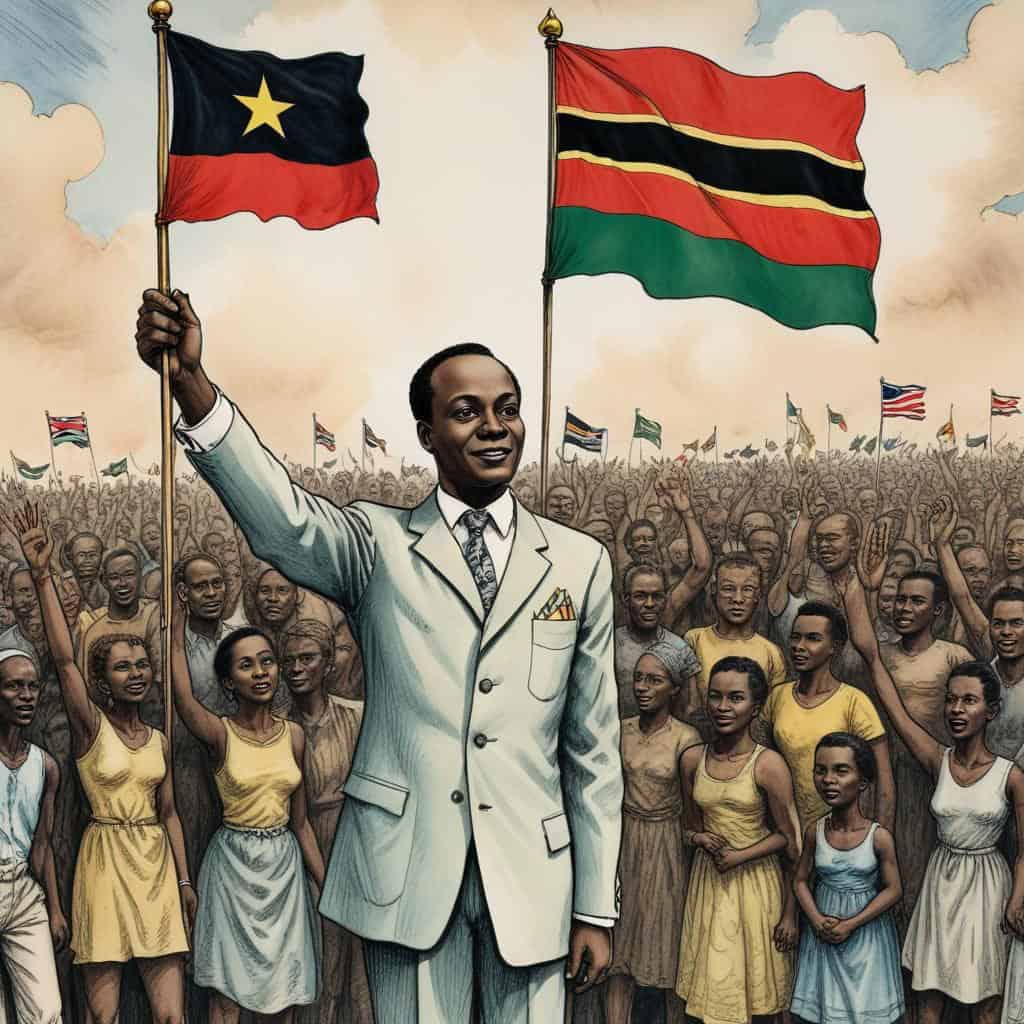
Ghana becomes independent from British colonial rule, Kwame Nkrumah becomes first Prime Minister
Ghana becomes a republic with Kwame Nkrumah as President
Kwame Nkrumah overthrown in a military coup led by General Joseph Ankrah
Military coups and political instability plague Ghana in the following decades
Jerry Rawlings comes to power in a coup, later transitions to democratic rule
Ghana adopts a new constitution and holds multi-party elections
John Kufuor becomes President of Ghana
Discovery of oil offshore Ghana boosts the economy
John Atta Mills elected President of Ghana
John Mahama becomes President of Ghana following the death of John Atta Mills
Nana Akufo-Addo elected President of Ghana
Ghana celebrates its 60th anniversary of independence
Ghana launches the 'Year of Return' initiative to encourage African diaspora to visit
Vocabulary List
- Ghana
- Ghana is a country located in West Africa.
- Accra
- Accra is the capital city of Ghana.
- Ashanti
- The Ashanti people are one of the largest ethnic groups in Ghana.
- Jollof rice
- Jollof rice is a popular dish in Ghana and other West African countries.
- Kente
- Kente cloth is a traditional Ghanaian textile made by the Ashanti people.
- Adinkra
- Adinkra symbols are visual symbols that represent concepts or aphorisms originating from the Akan people of Ghana.
- Fufu
- Fufu is a staple food in Ghana made from cassava and plantains.
- Damba
- Damba is a festival celebrated by the people of the Northern Region of Ghana.
- Cape Coast
- Cape Coast is a coastal city in Ghana known for its role in the transatlantic slave trade.
Key Facts
This is the information used in the fact matching game
- Ghana was the first sub-Saharan African country to gain independence from colonial rule in 1957.
- Ghana was formerly known as the Gold Coast due to its abundance of gold resources.
- The capital city of Ghana is Accra, which is also the largest city in the country.
- Ghana is known for its diverse culture and vibrant arts scene, including traditional music and dance forms like Highlife and Azonto.
- Ghana is one of the world's largest producers of cocoa beans, making it a major player in the global chocolate industry.
- Ghana is home to Lake Volta, which is the largest artificial lake by surface area in the world.
- The official language of Ghana is English, but there are over 40 indigenous languages spoken throughout the country.
- Ghana is known for its rich history of ancient empires, including the Ashanti Empire which was one of the most powerful in West Africa.
- Ghana is a member of the Economic Community of West African States (ECOWAS) and the African Union.
- Ghana has a tropical climate with two main seasons: the wet season from April to October and the dry season from November to March.
- Ghana is known for its vibrant kente cloth, a traditional woven fabric that is often worn on special occasions.
- Ghana is a stable democracy with a multi-party political system and regular peaceful elections.
- Ghana has a rich culinary tradition, with dishes like fufu, banku, and jollof rice being popular staples.
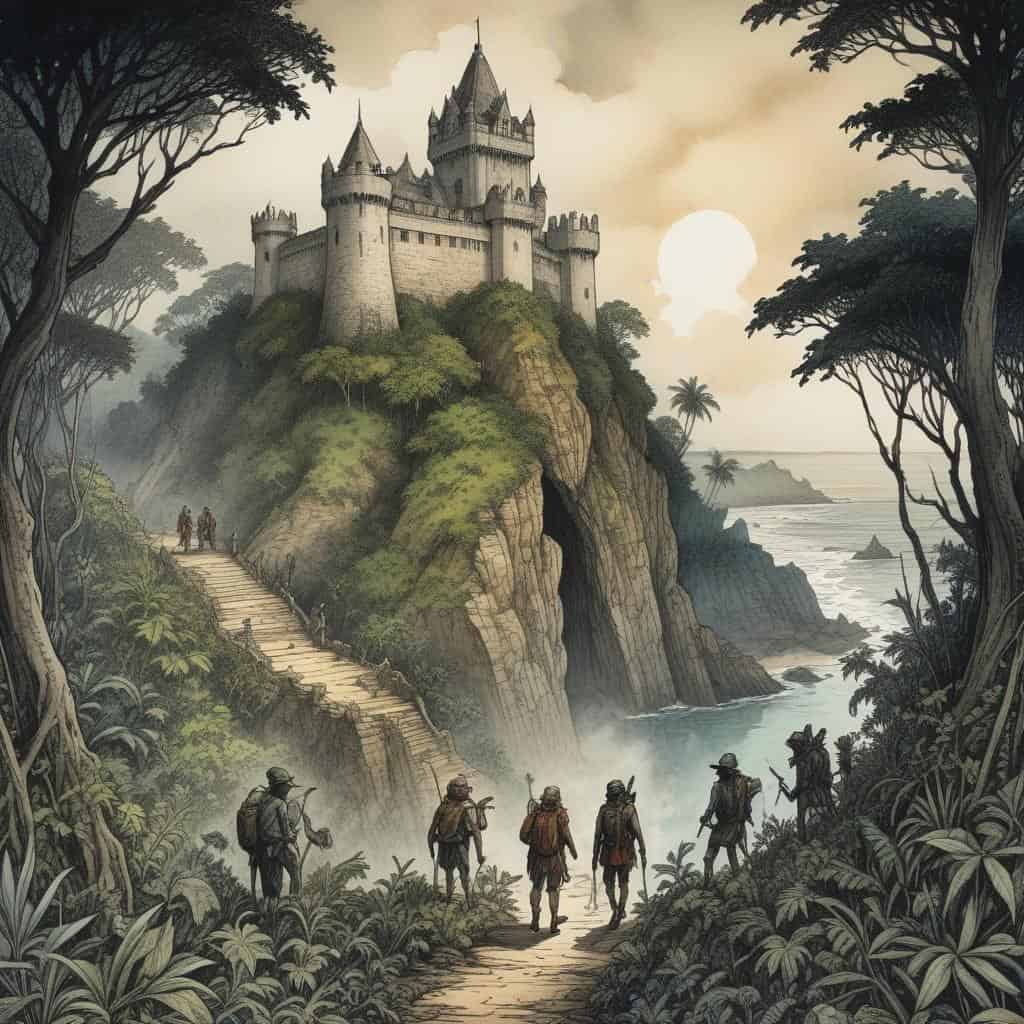
- Ghana is home to the Cape Coast Castle and Elmina Castle, which were used in the transatlantic slave trade and are now UNESCO World Heritage Sites.
- Ghana's national football team, the Black Stars, has been a powerhouse in African football and has qualified for the FIFA World Cup multiple times.
- Ghana is a leading producer of gold in Africa and the world, with major gold mining companies operating in the country.
- Ghana is known for its vibrant and colorful festivals, including the Homowo festival in Accra and the Aboakyir festival in Winneba.
- Ghana is a popular destination for tourists, with attractions like the Wli Waterfalls, Mole National Park, and Kakum National Park.
- Ghana has a strong tradition of storytelling and oral literature, with folktales and proverbs being an important part of the culture.
- Ghana is working towards achieving the United Nations Sustainable Development Goals (SDGs) to improve the lives of its citizens and protect the environment.
Why It Matters
Geopolitical Significance
Located on the Gulf of Guinea, Ghana serves as a gateway to West Africa, with a stable government and growing economy. Its peaceful transitions of power and commitment to democracy make it a key player in regional politics and stability.
Historical Importance
Ghana was the first sub-Saharan African country to gain independence from colonial rule, setting an example for the rest of the continent. It played a significant role in the transatlantic slave trade and has a rich cultural heritage, including the legendary Ashanti Empire.
Modern-Day Role
Today, Ghana is a leader in economic growth in Africa, with a diverse economy driven by agriculture, mining, and services. It continues to be a hub for Pan-Africanism and is known for its peaceful and democratic approach to governance, setting an example for other nations in the region.
Ghana Games


Take Your Learning Offline
Want a convenient, print-ready study guide for this lesson? Become a Memory Wizards Pro member to unlock the downloadable " Memory Scrolls" for this topic and our entire library!
- ✓ Complete Vocabulary Lists
- ✓ Key Facts & Timelines
- ✓ Beautifully Formatted for Print & Mobile