
How Do You Learn Best?
Learn by Listening
Start with the 3-minute audio summary to get the key facts and narrative highlights quickly.
Learn by Reading
Immerse yourself in the 10-minute visual lesson for a comprehensive understanding of the topic.
Learn by Reviewing
Jump directly to the key facts, timeline, and vocabulary lists to build a solid foundation of details.
Learn by Doing
Challenge yourself! Jump straight into the interactive games to learn by trial, error, and discovery.
Ethiopia in 10 Minutes
Introduction
Haile Selassie

Abebe Bikila

Lucy
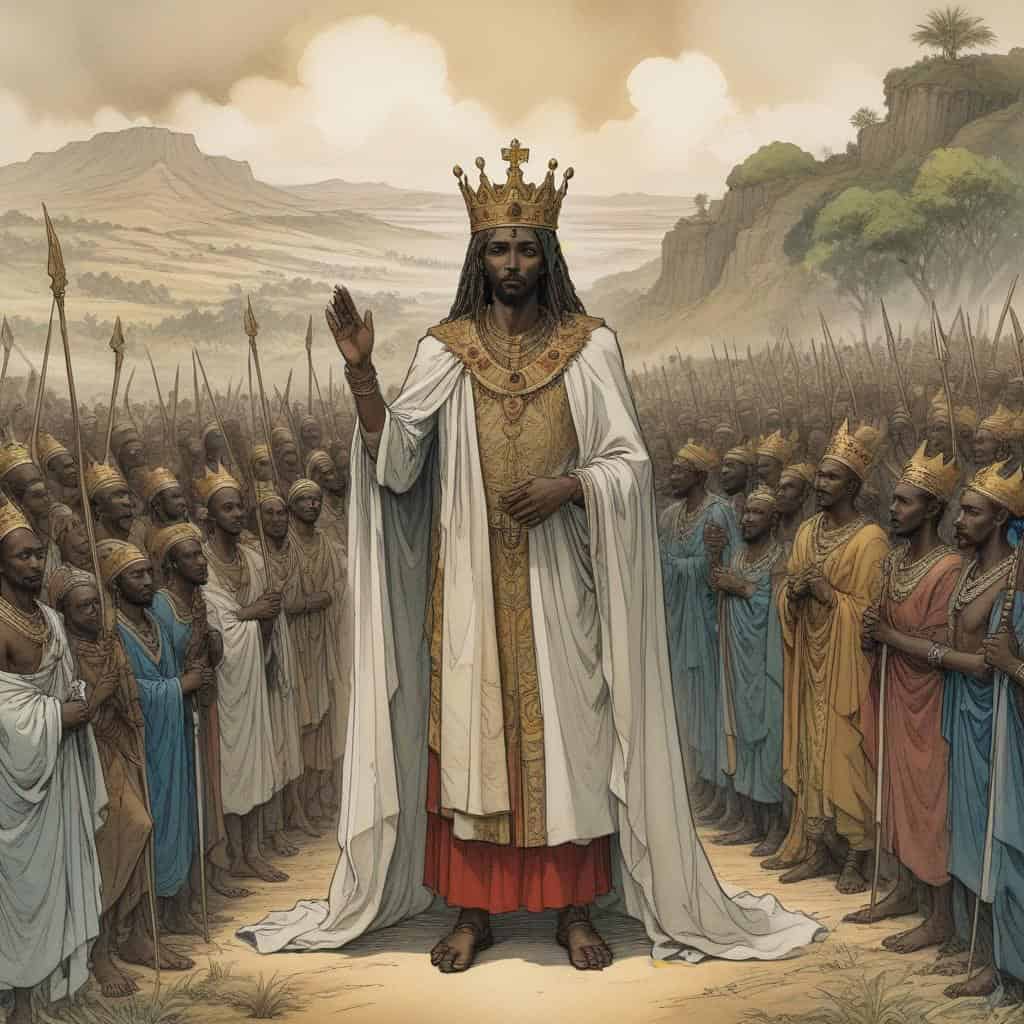
Yohannes IV
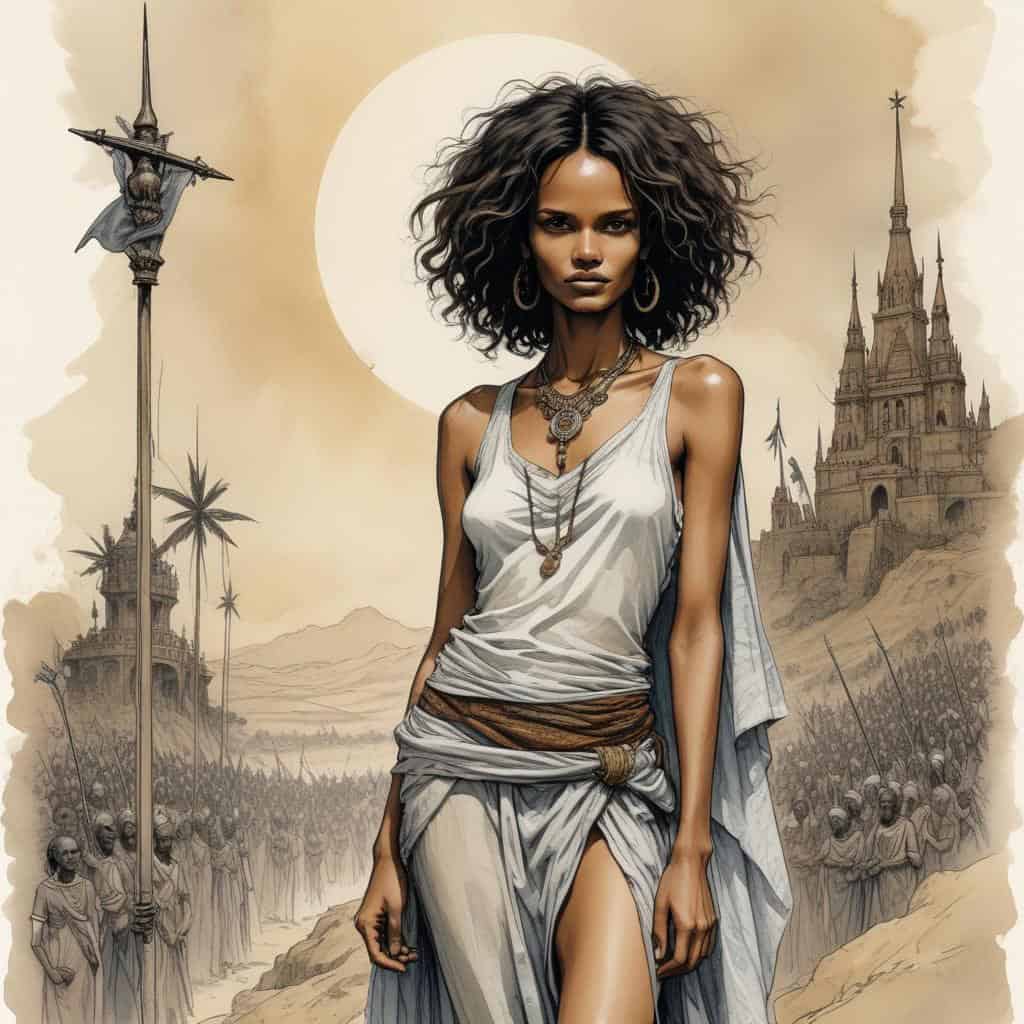
Liya Kebede
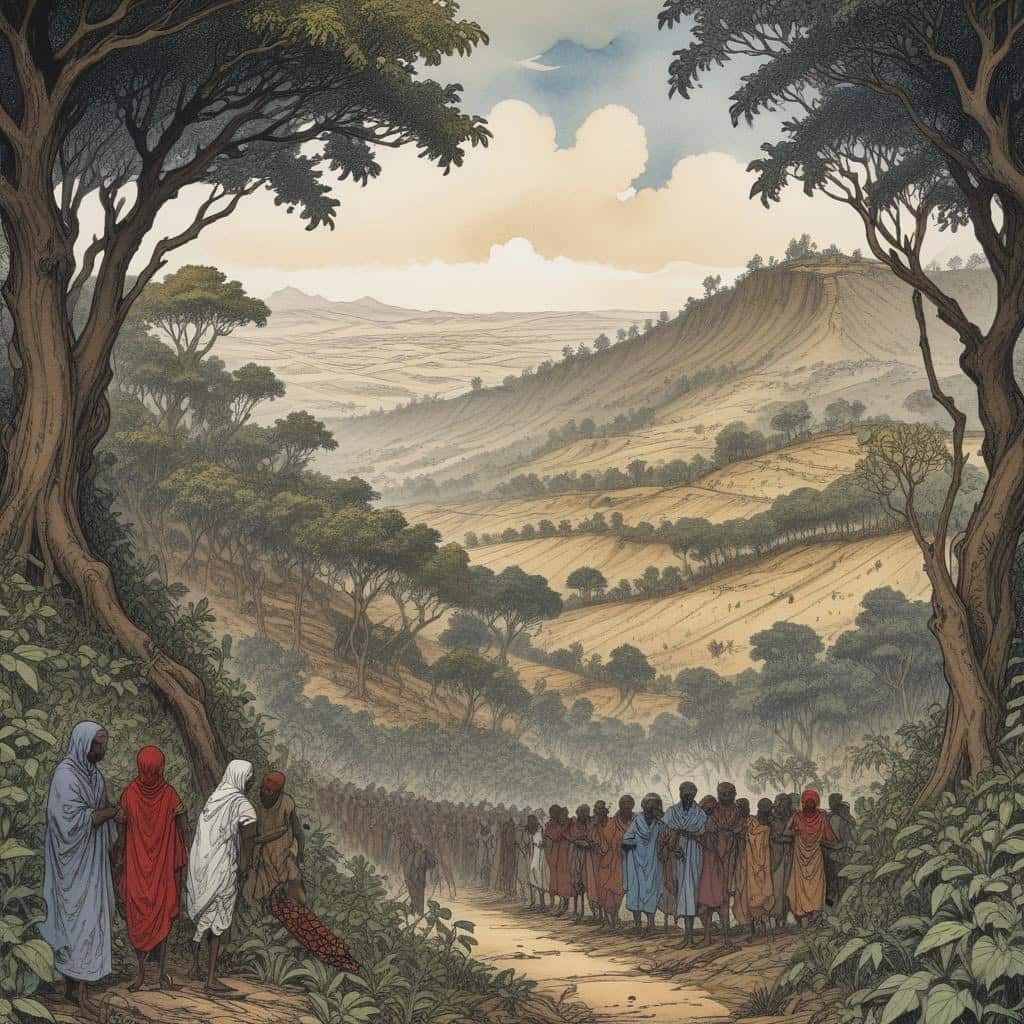
The Birthplace of Coffee

Ancient History
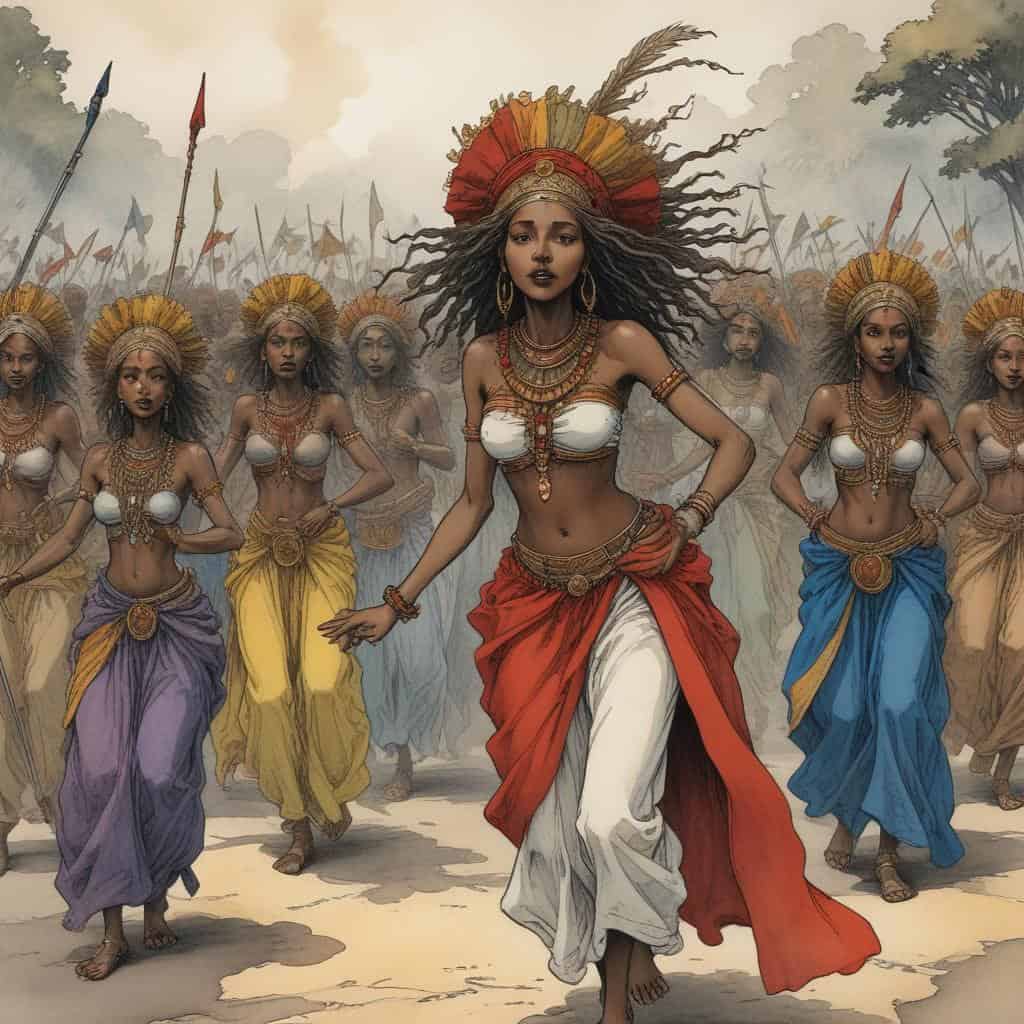
Cultural Diversity
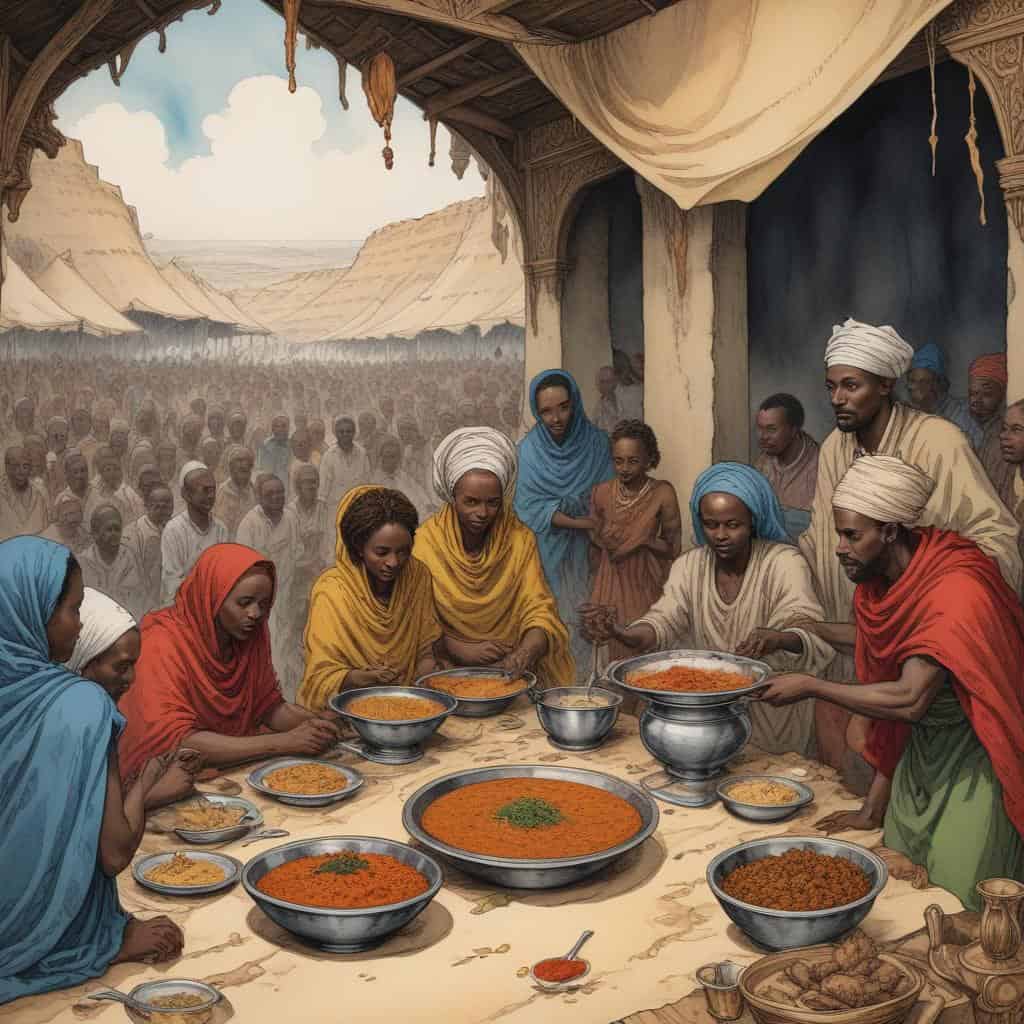
Unique Cuisine
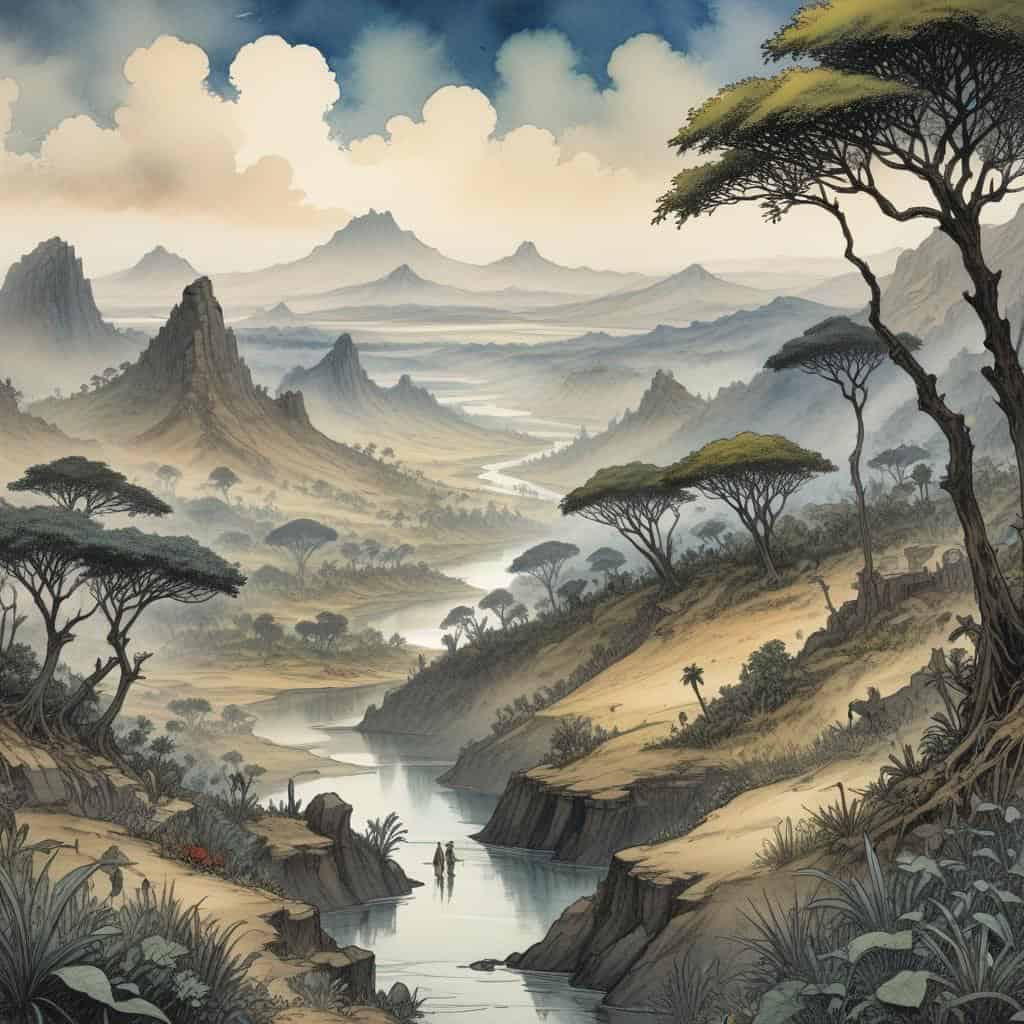
Natural Beauty
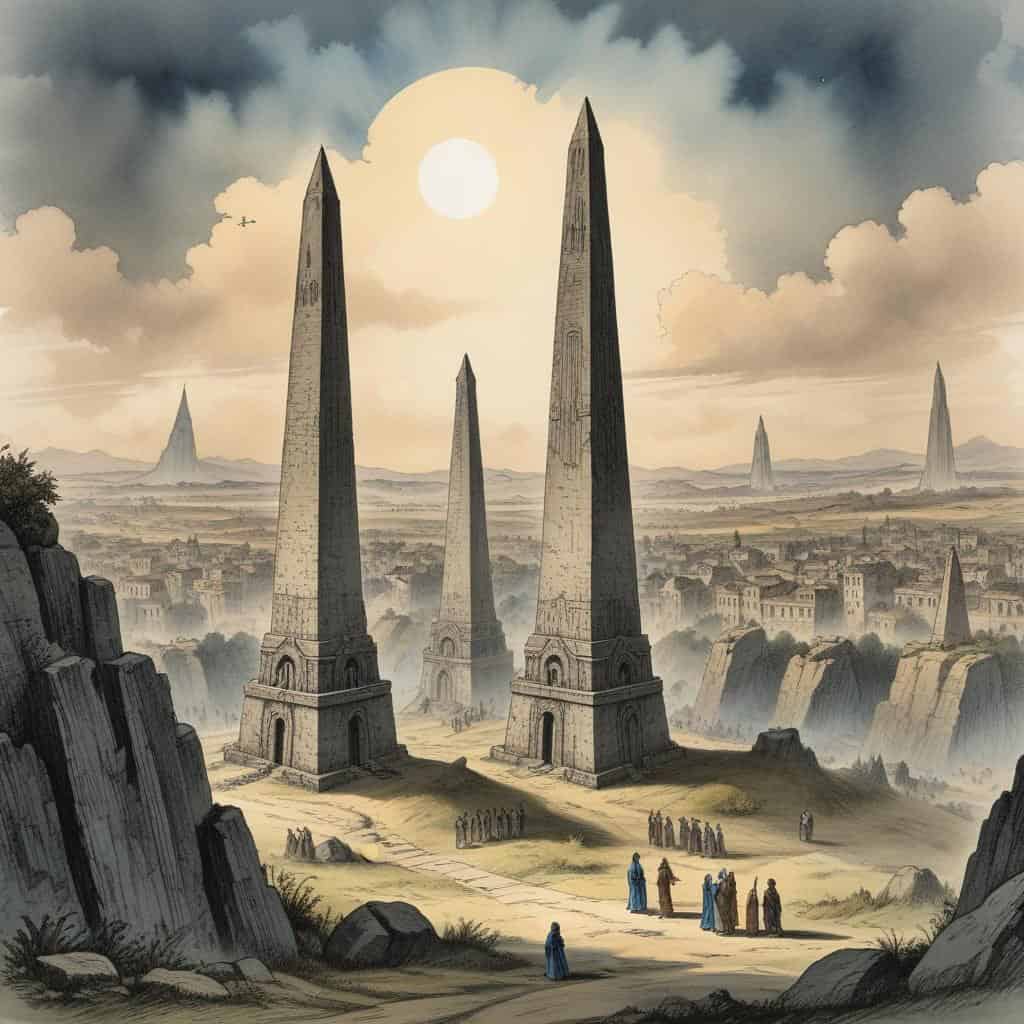
Axum Obelisks
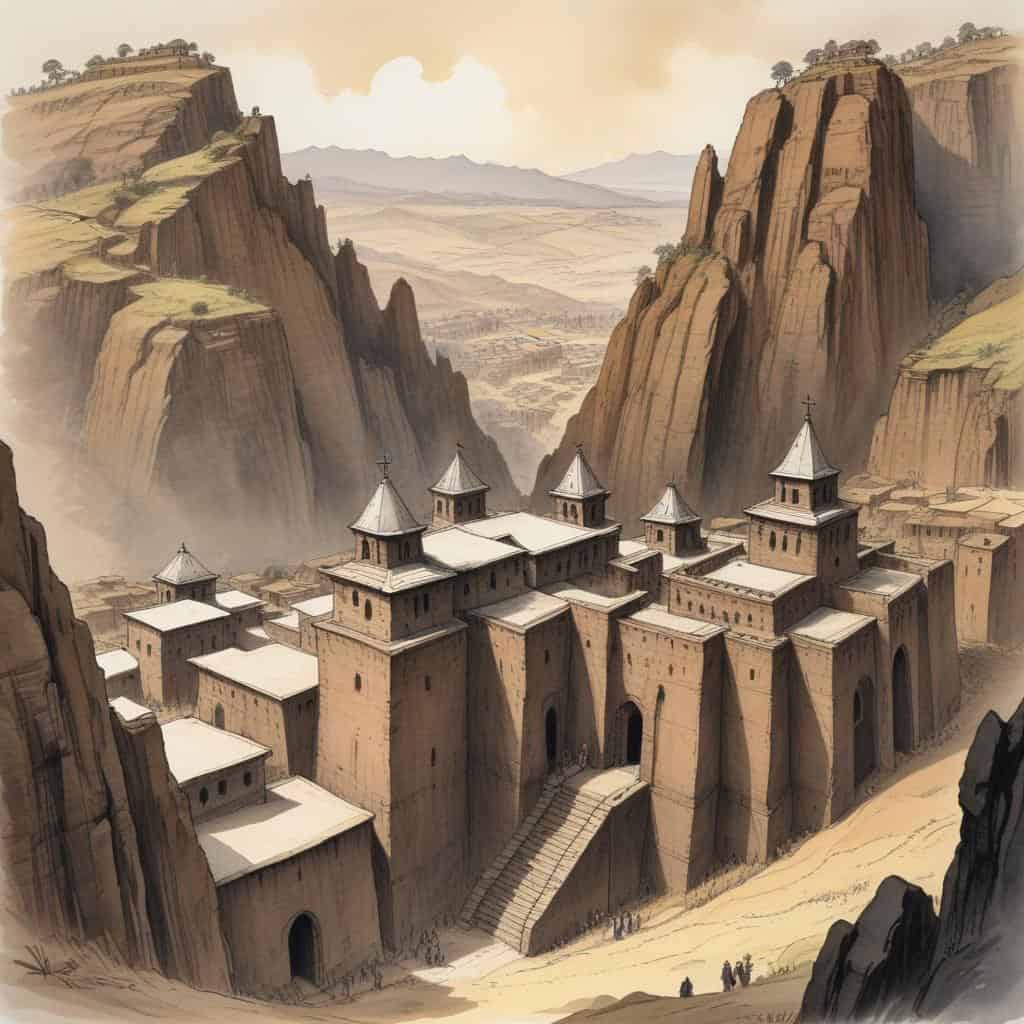
Religious Sites
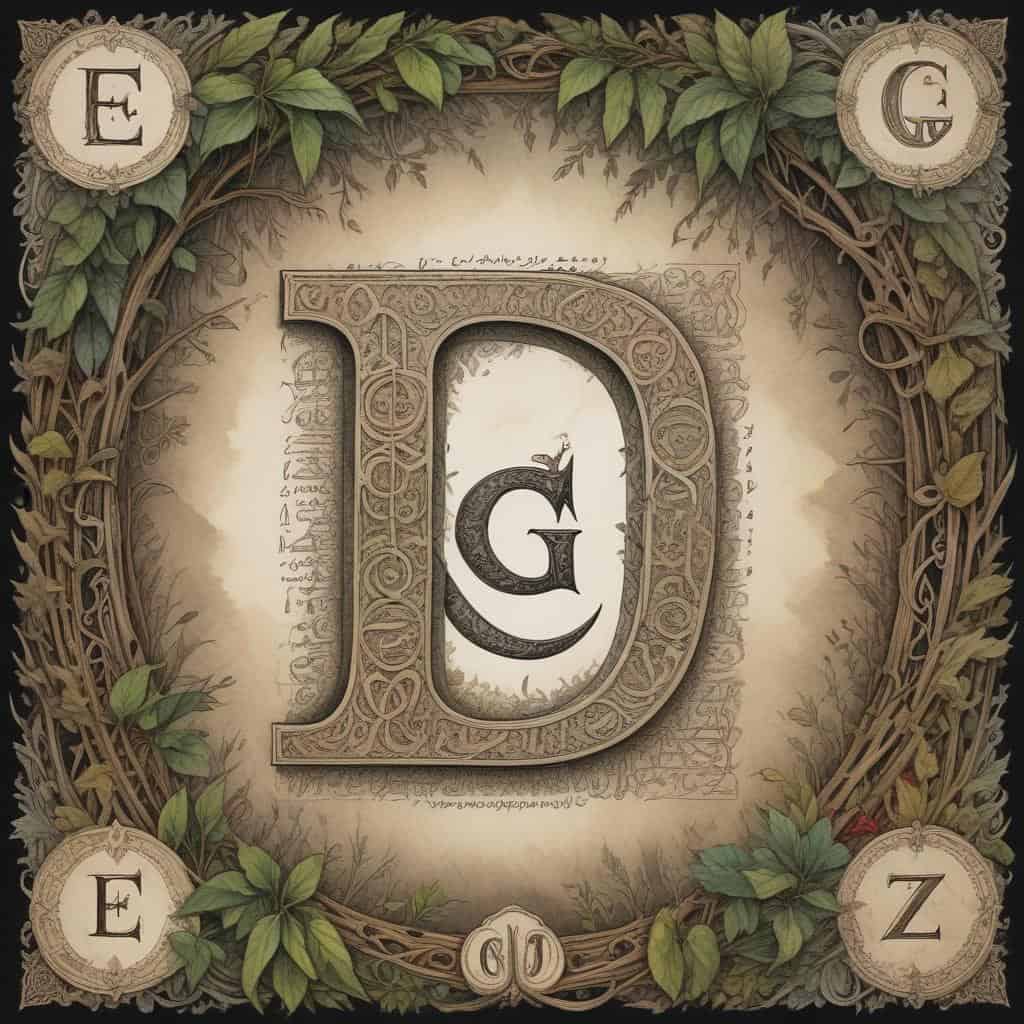
Unique Alphabet

Legendary Queen
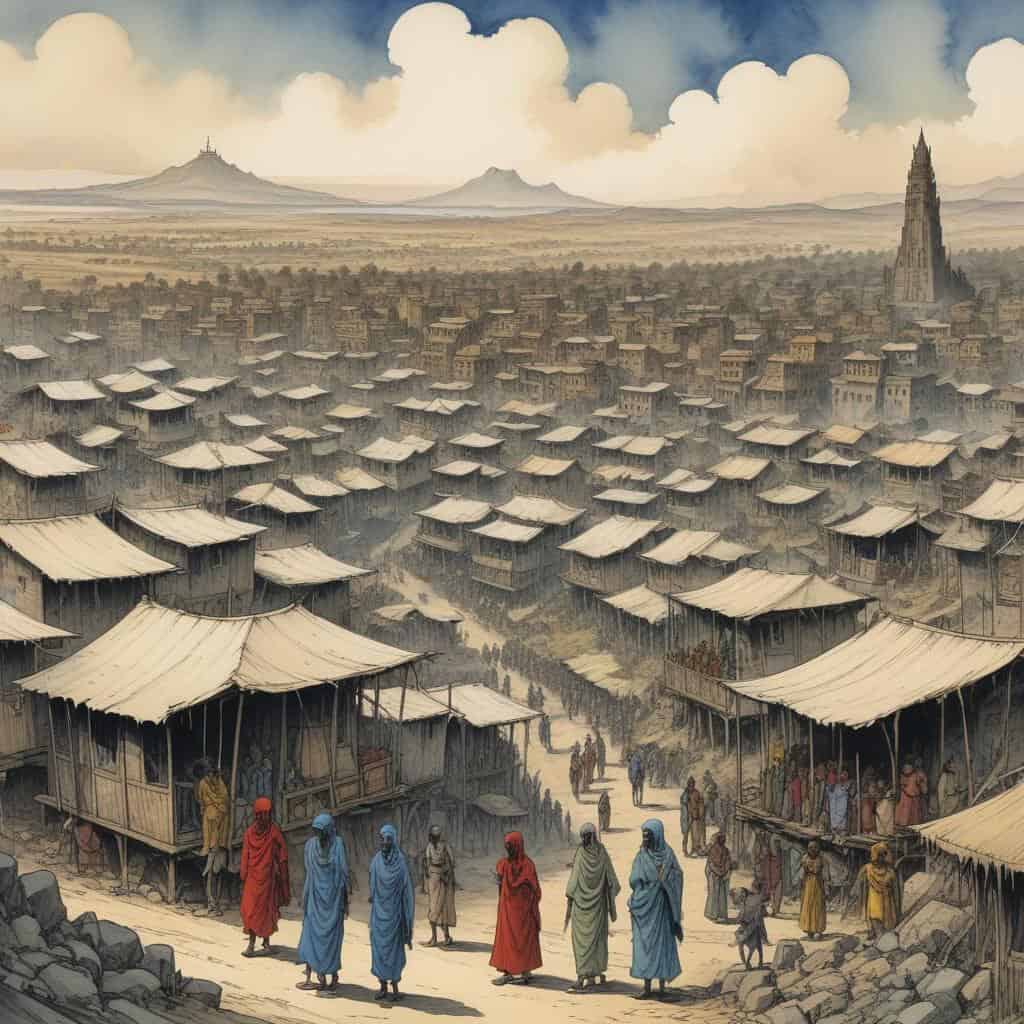
Modern Developments
Audio Library
As one of our featured lessons, this topic includes premium audio guides.
Unlock the Wizard's Cram Session
This powerful audio study guide is a Pro-exclusive feature. Upgrade to Memory Wizards Pro to access this and all of our premium learning tools.
Upgrade to ProIn a Nutshell
- Capital: Addis Ababa
- Population: Approx. 118 million (2021)
- Official Language: Amharic
- Currency: Ethiopian Birr (ETB)
Breaking Down the Country
Historical Landmarks
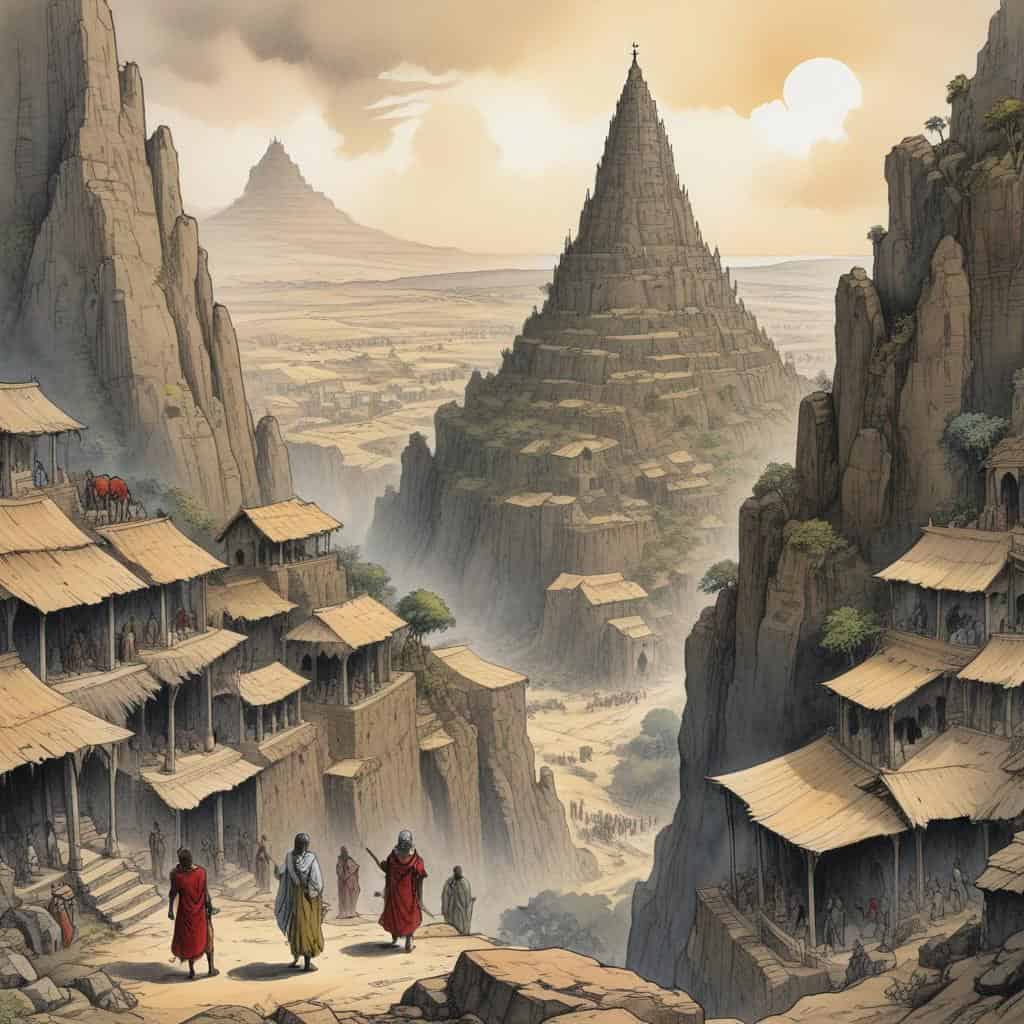
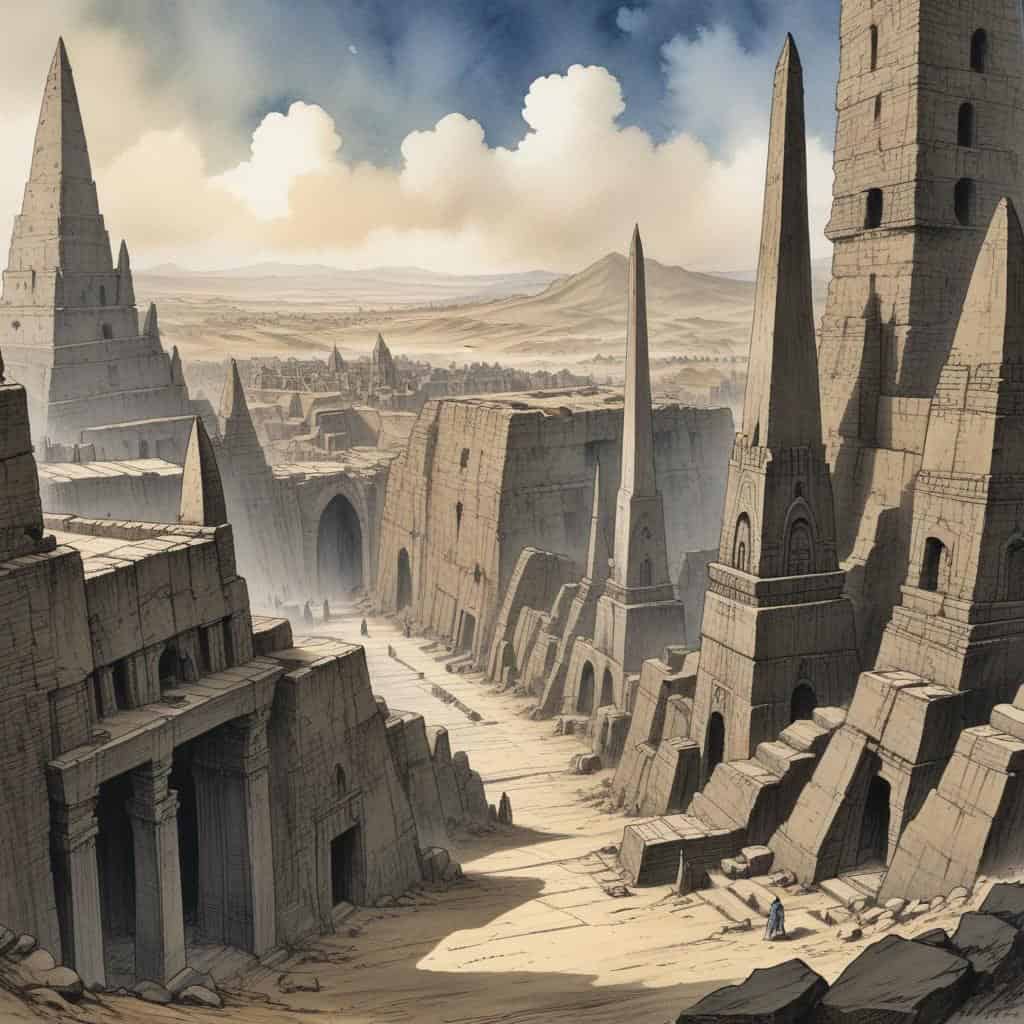
Discover Ethiopia's rich history through iconic landmarks like the rock-hewn churches of Lalibela and the ancient obelisks of Aksum.
Cultural Diversity
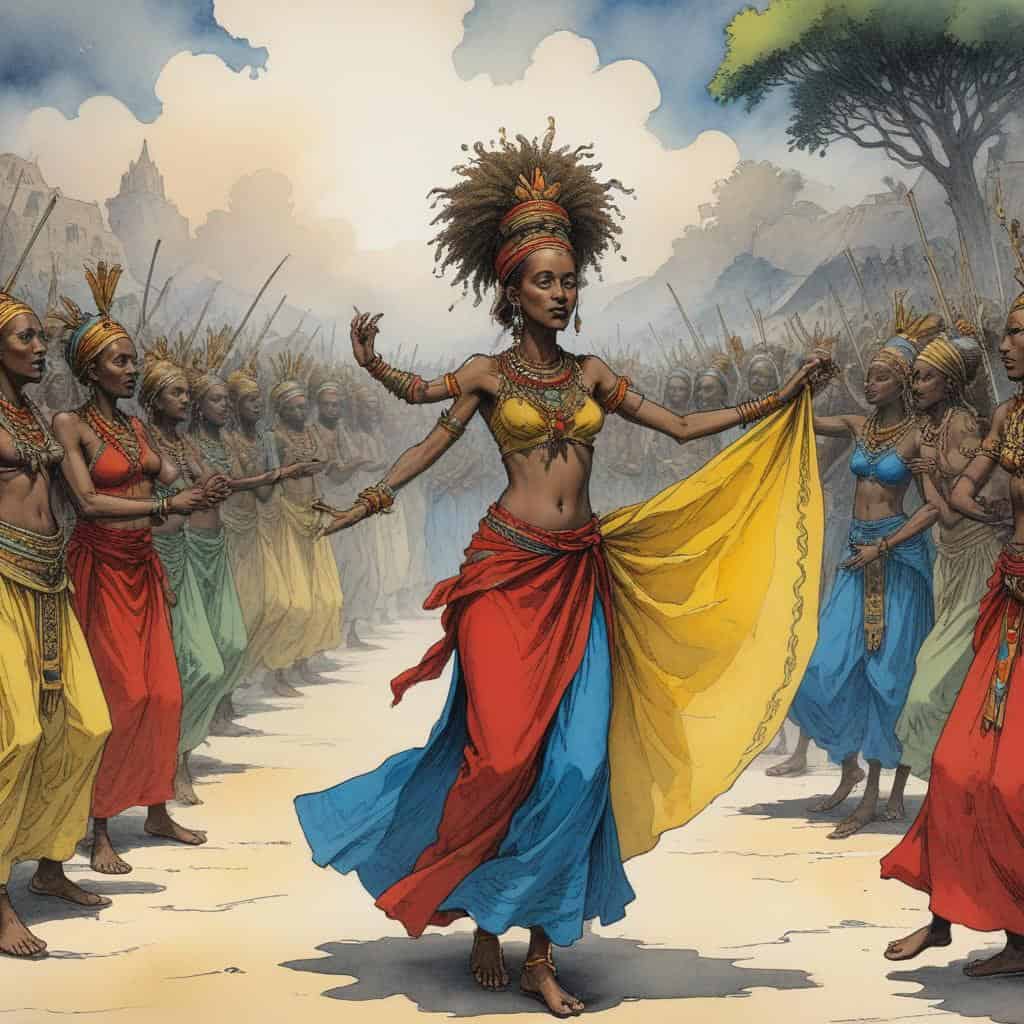
Explore Ethiopia's diverse cultural tapestry, from the traditional music and dance of the Oromo people to the unique cuisine of the Amhara region.
Natural Wonders
Experience the breathtaking beauty of Ethiopia's landscapes, from the Simien Mountains to the otherworldly Danakil Depression.
Timeline of Ethiopia
King Ezana converts to Christianity
Ethiopian Empire founded by Menelik I
Ethiopia adopts Christianity as state religion
Ethiopian-Adal War
Battle of Adwa, Ethiopia defeats Italy
Haile Selassie becomes Emperor of Ethiopia
Italian occupation of Ethiopia begins
End of Italian occupation, Ethiopia regains independence
Ethiopian Civil War begins
Ethiopian famine kills hundreds of thousands
Ethiopian People's Revolutionary Democratic Front takes power
Ethiopian-Eritrean War begins
Ethiopian Airlines Flight 302 crashes
Ethiopia begins filling the Grand Ethiopian Renaissance Dam
Tigray War begins
Ethiopian general elections held
Abiy Ahmed re-elected as Prime Minister of Ethiopia
Ethiopia declares state of emergency in Tigray region
Ethiopian government declares victory in Tigray War
Ethiopia celebrates 50th anniversary of African Union headquarters in Addis Ababa
Vocabulary List
- Addis Ababa
- The capital city of Ethiopia.
- Amharic
- The official language of Ethiopia.
- Ethiopian Orthodox Tewahedo Church
- The predominant Christian denomination in Ethiopia.
- Oromo
- The largest ethnic group in Ethiopia.
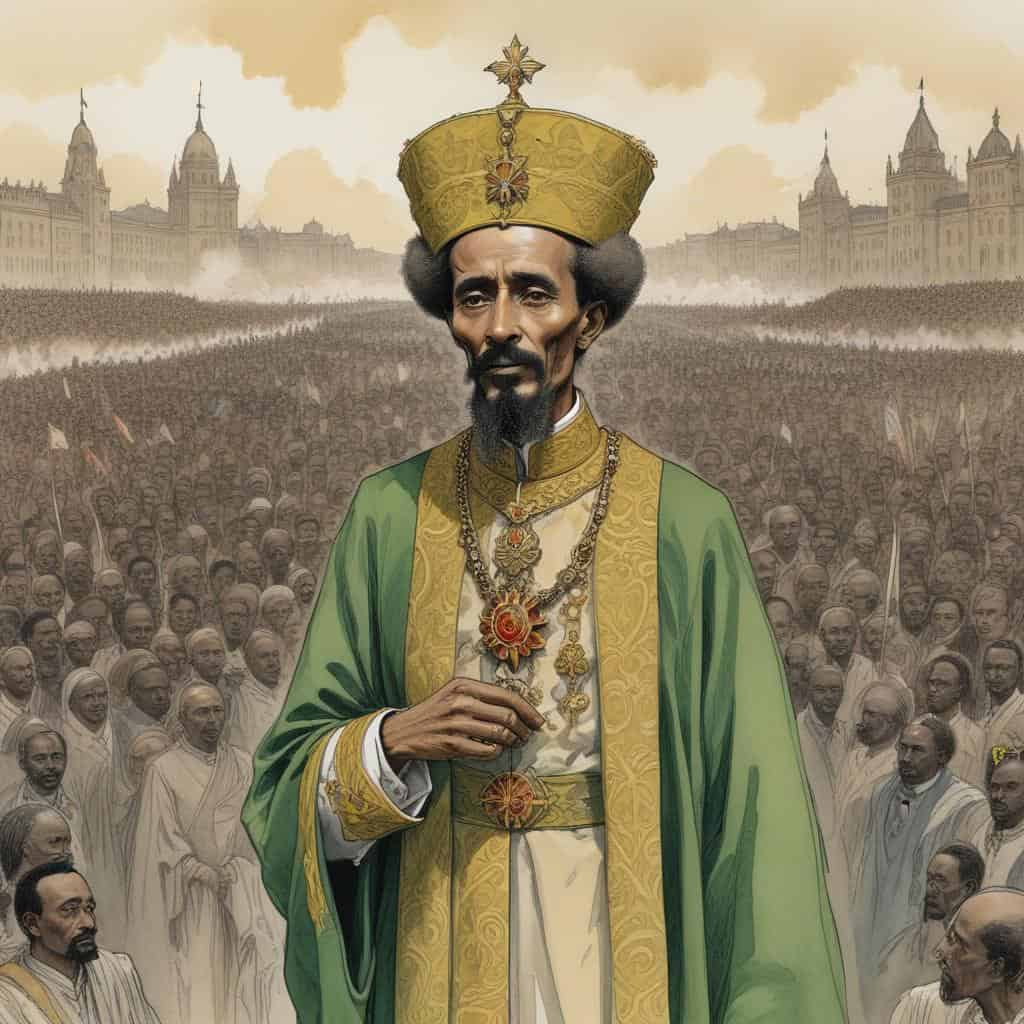
- Haile Selassie
- Former Emperor of Ethiopia.
- Abyssinian
- Historical term for Ethiopia and its people.
- Coffee
- Ethiopia is known as the birthplace of coffee.
- Lucy
- The nickname for the fossilized skeleton of a hominid found in Ethiopia.
Key Facts
This is the information used in the fact matching game
- Ethiopia is the second most populous country in Africa, with over 115 million people.
- Ethiopia is the only country in Africa to have its own unique alphabet and script.
- Ethiopia is home to the African Union headquarters, located in the capital city of Addis Ababa.
- Ethiopia has never been colonized by a European power, making it one of the oldest independent countries in Africa.
- Ethiopia is known as the 'Cradle of Mankind' due to the discovery of some of the oldest human remains in the world, dating back over 3 million years.
- Ethiopia is the birthplace of coffee, with the first known cultivation of coffee plants dating back to the 9th century.
- Ethiopia is famous for its distinctive cuisine, which includes dishes like injera (a sourdough flatbread) and wat (a spicy stew).
- Ethiopia has its own calendar, which is about 7-8 years behind the Gregorian calendar used in most of the world.
- Ethiopia is home to more than 80 different ethnic groups, each with its own language and cultural traditions.
- Ethiopia is one of the world's oldest Christian nations, with Christianity being the dominant religion in the country.
- Ethiopia is known for its stunning landscapes, including the Simien Mountains and the Danakil Depression.
- Ethiopia is one of the fastest-growing economies in Africa, with an average annual GDP growth rate of around 10%.
- Ethiopia is the largest producer of coffee in Africa and the fifth largest producer in the world.
- Ethiopia is known for its unique style of music, including traditional genres like Amharic music and modern styles like Ethio-jazz.
- Ethiopia is home to the largest livestock population in Africa, with over 50 million cattle, sheep, and goats.
- Ethiopia has a long and rich history, with ancient ruins and monuments dating back thousands of years.
- Ethiopia is known for its unique traditional clothing, including the habesha kemis (a dress for women) and the shamma (a wraparound cloth for men).
- Ethiopia is one of the top honey-producing countries in Africa, with a rich tradition of beekeeping.
- Ethiopia is home to some of the world's oldest churches, including the rock-hewn churches of Lalibela.
- Ethiopia is a landlocked country located in the Horn of Africa, bordered by Eritrea, Sudan, South Sudan, Kenya, and Somalia.
Why It Matters
Geopolitical Significance
Ethiopia’s location in the Horn of Africa gives it strategic importance as a gateway to the region. It borders several unstable countries, making it a key player in regional security and diplomacy. Additionally, it is home to the African Union headquarters, further solidifying its geopolitical significance.
Historical Importance
With a history dating back thousands of years, Ethiopia is one of the oldest nations in the world. It has never been colonized, preserving its unique culture and identity. From the ancient kingdom of Aksum to the Rastafarian movement, Ethiopia’s history continues to shape its people and their pride.
Modern-Day Role
Today, Ethiopia is one of the fastest-growing economies in Africa, attracting foreign investment and becoming a hub for technology and innovation. As the second-most populous country on the continent, Ethiopia plays a crucial role in regional stability, economic development, and African Union affairs.
Ethiopia Games


Take Your Learning Offline
Want a convenient, print-ready study guide for this lesson? Become a Memory Wizards Pro member to unlock the downloadable " Memory Scrolls" for this topic and our entire library!
- ✓ Complete Vocabulary Lists
- ✓ Key Facts & Timelines
- ✓ Beautifully Formatted for Print & Mobile