
How Do You Learn Best?
Learn by Listening
Start with the 3-minute audio summary to get the key facts and narrative highlights quickly.
Learn by Reading
Immerse yourself in the 10-minute visual lesson for a comprehensive understanding of the topic.
Learn by Reviewing
Jump directly to the key facts, timeline, and vocabulary lists to build a solid foundation of details.
Learn by Doing
Challenge yourself! Jump straight into the interactive games to learn by trial, error, and discovery.
Eritrea in 10 Minutes
Introduction
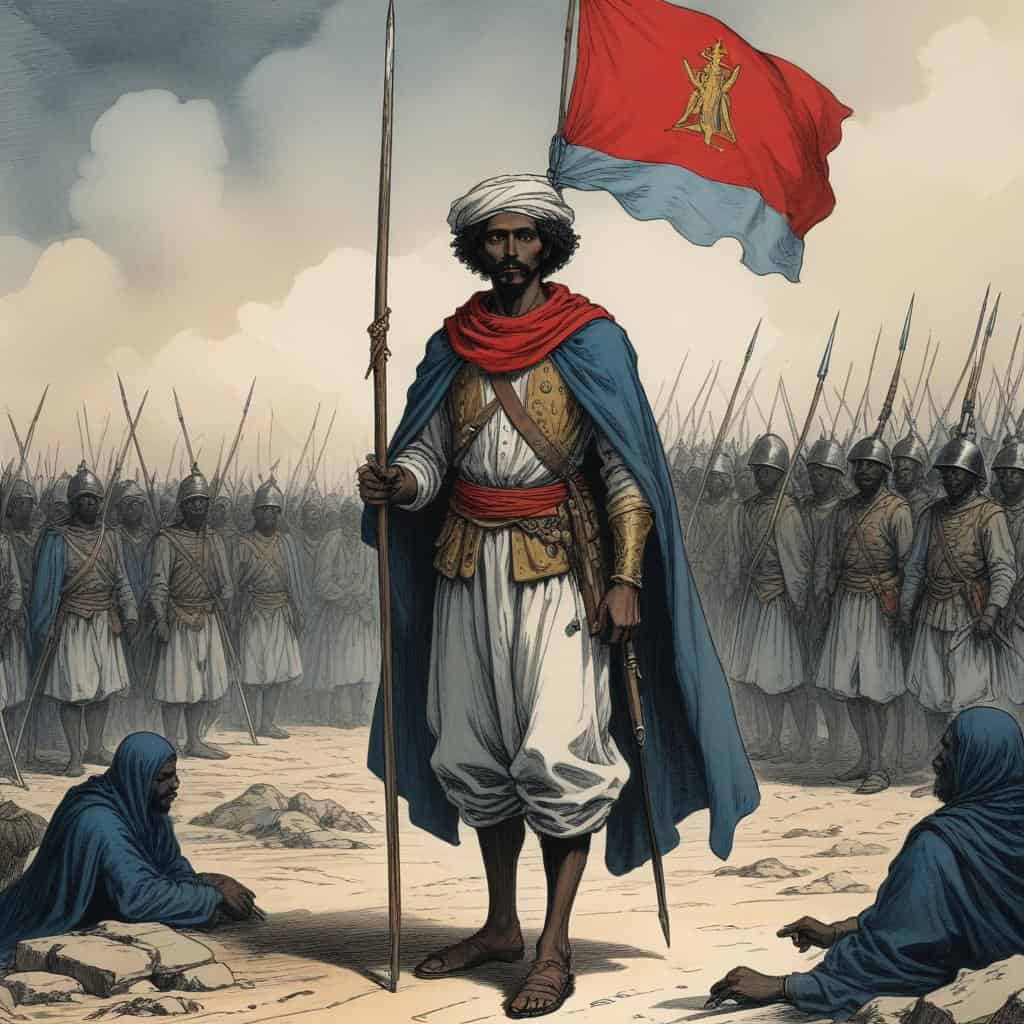
Isaias Afwerki
Yohannes IV
Sophia Tesfamariam
Abraham Afewerki
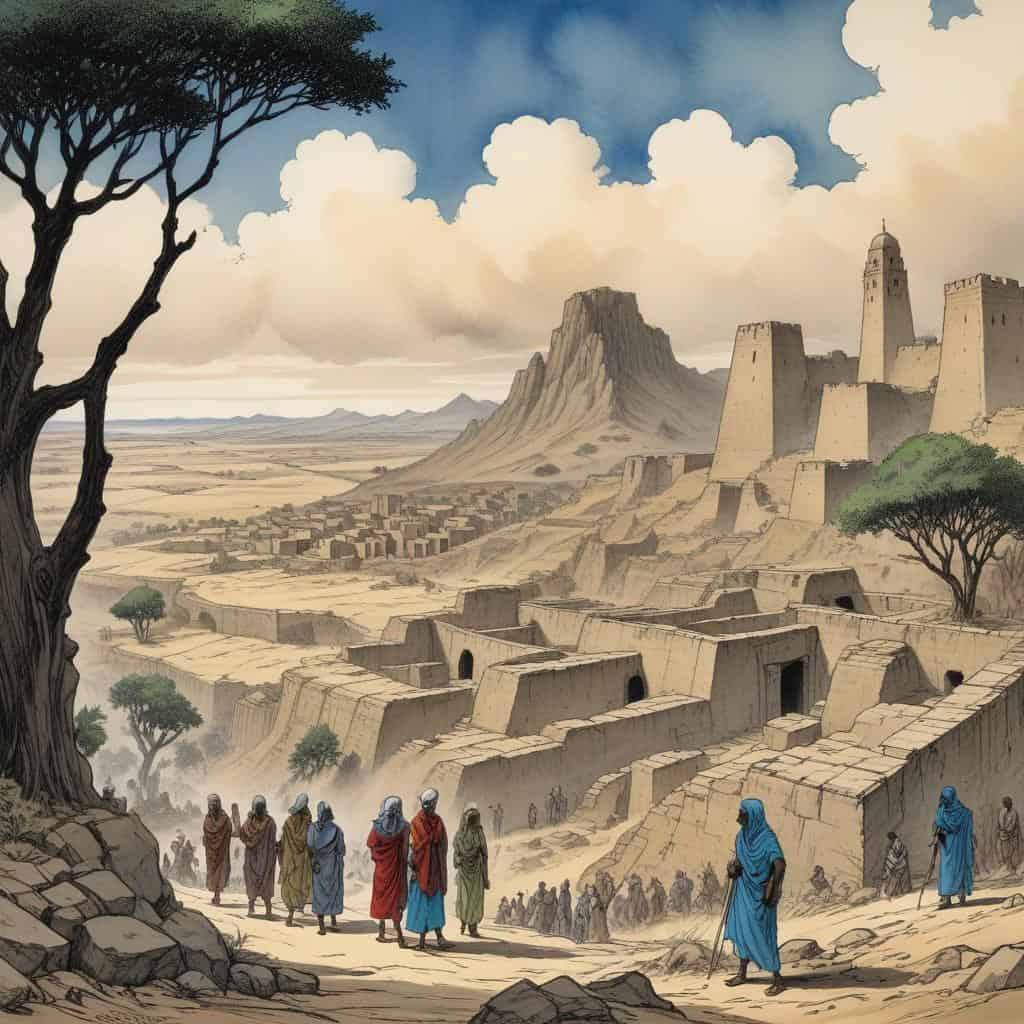
Historical Background
Geography and Climate
Culture and Language
Food and Cuisine
Wildlife and Nature
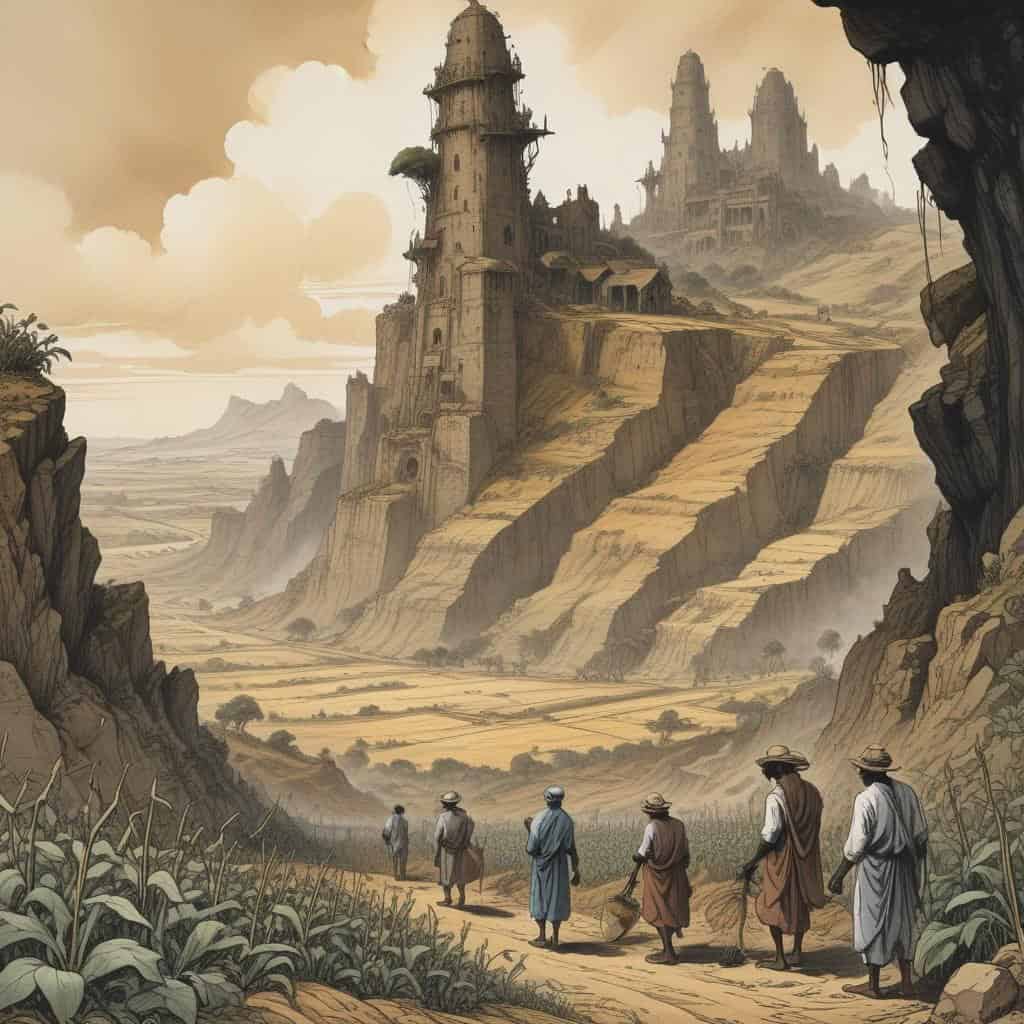
Economy and Industry
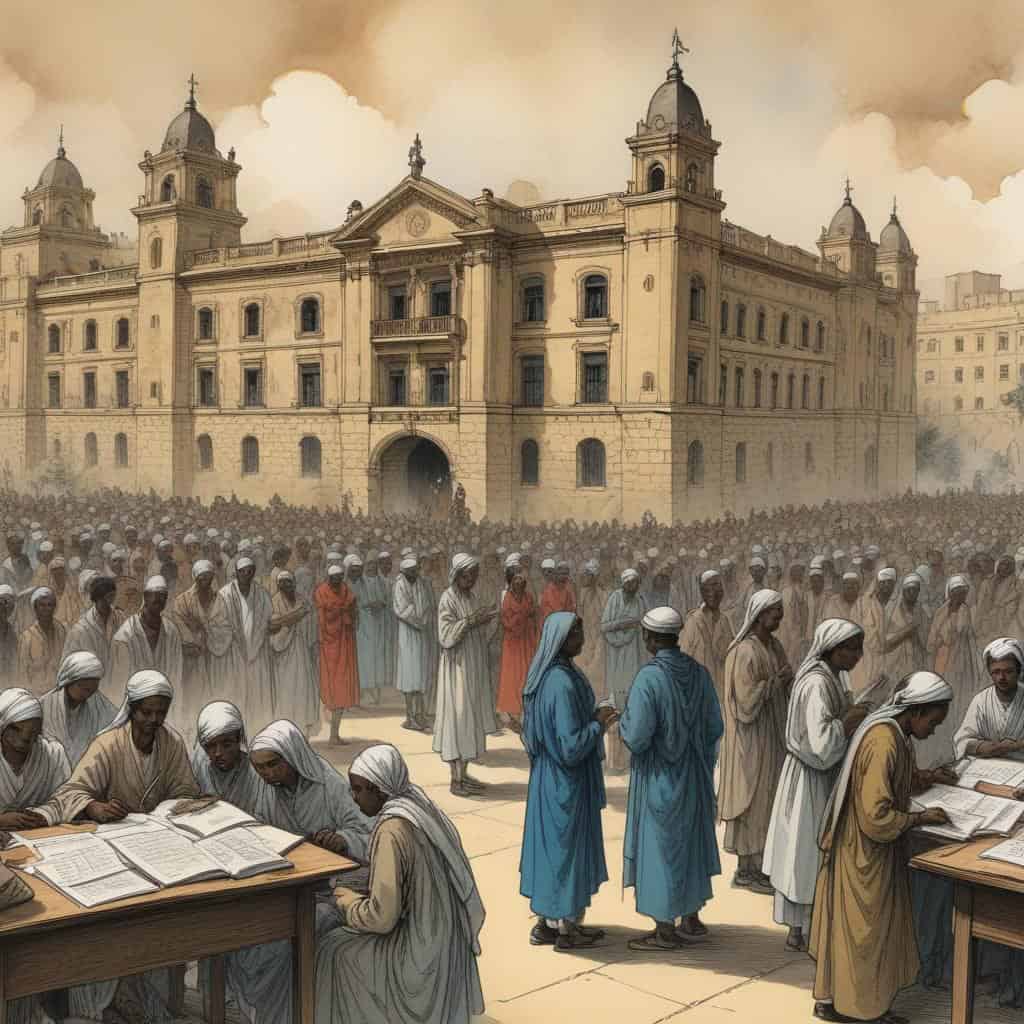
Education and Healthcare
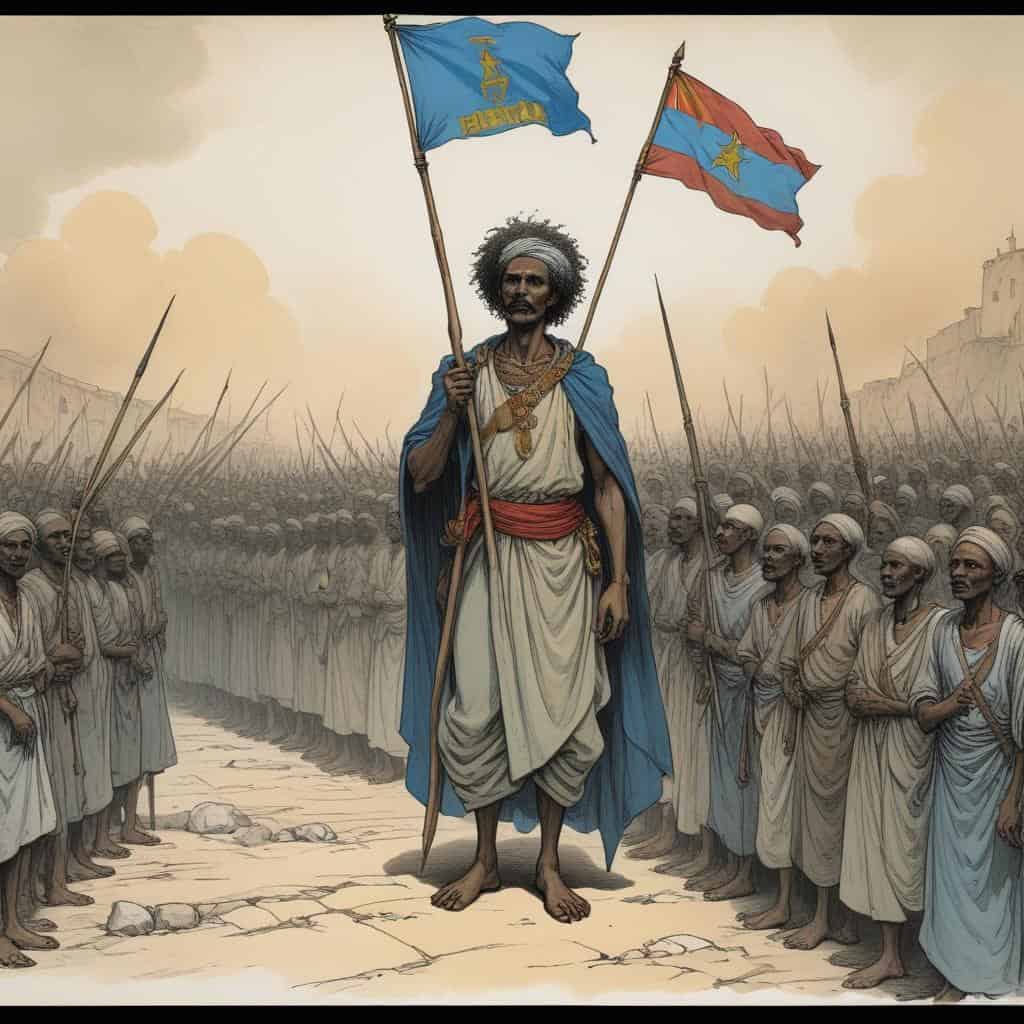
Politics and Government
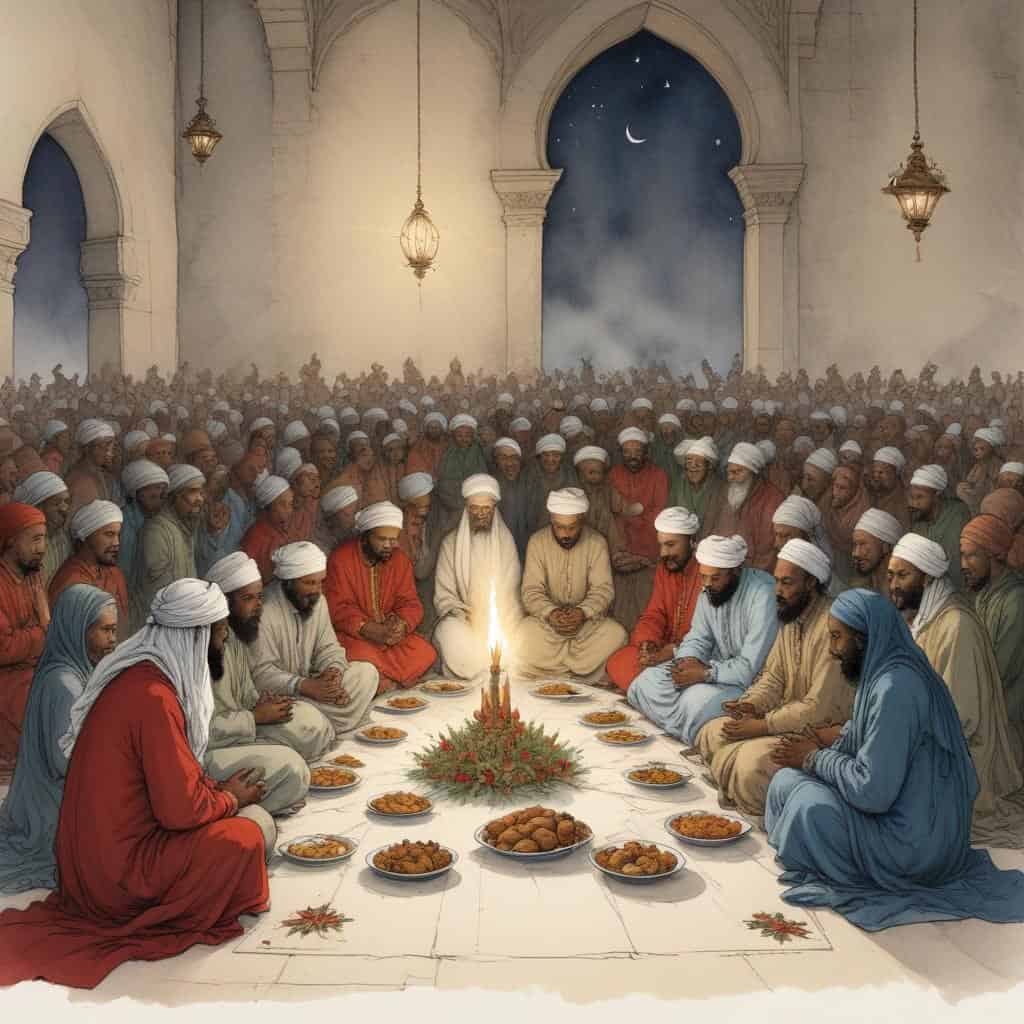
Religion and Festivals
Future Prospects
Audio Library
As one of our featured lessons, this topic includes premium audio guides.
Unlock the Wizard's Cram Session
This powerful audio study guide is a Pro-exclusive feature. Upgrade to Memory Wizards Pro to access this and all of our premium learning tools.
Upgrade to ProIn a Nutshell
- Capital: Asmara
- Population: Approx. 3.5 million (2021)
- Official Language: Tigrinya, Arabic, English
- Currency: Eritrean nakfa (ERN)
Breaking Down the Country
Geographical Diversity
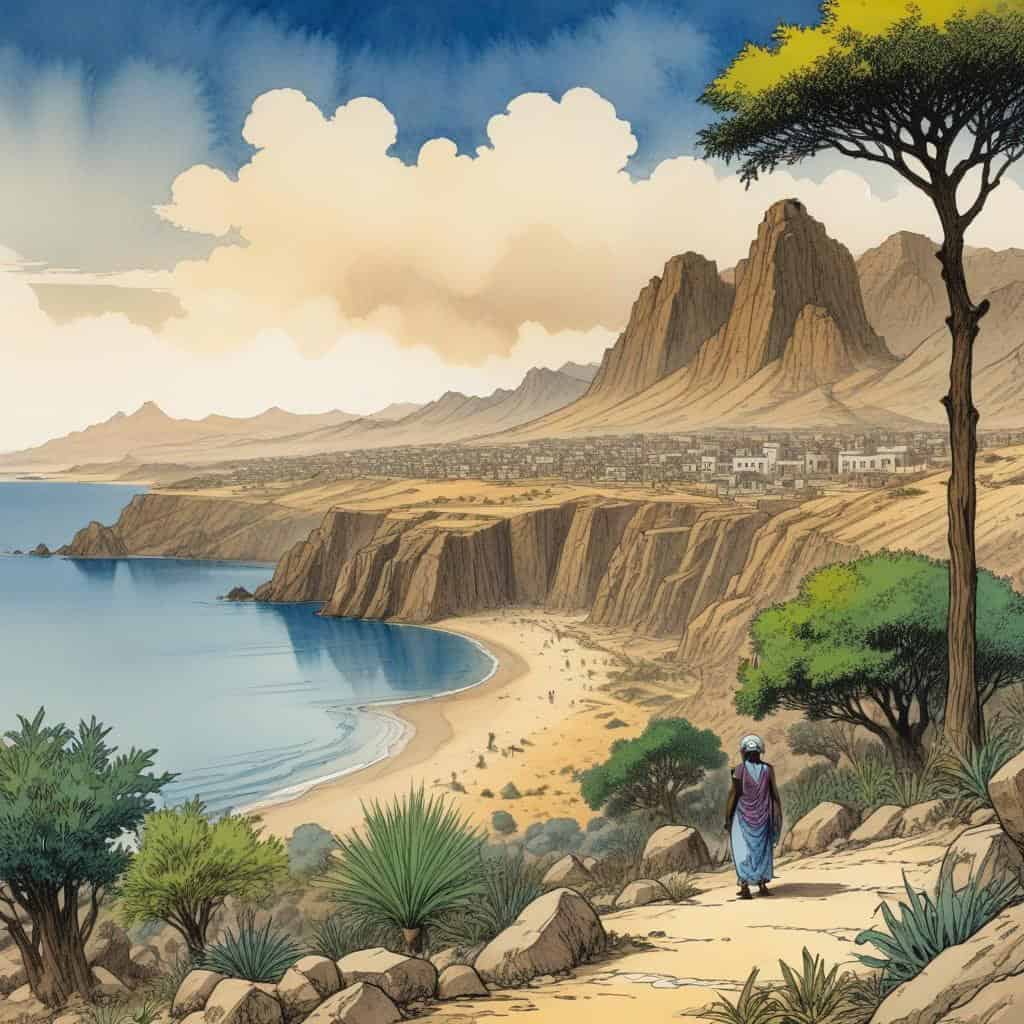
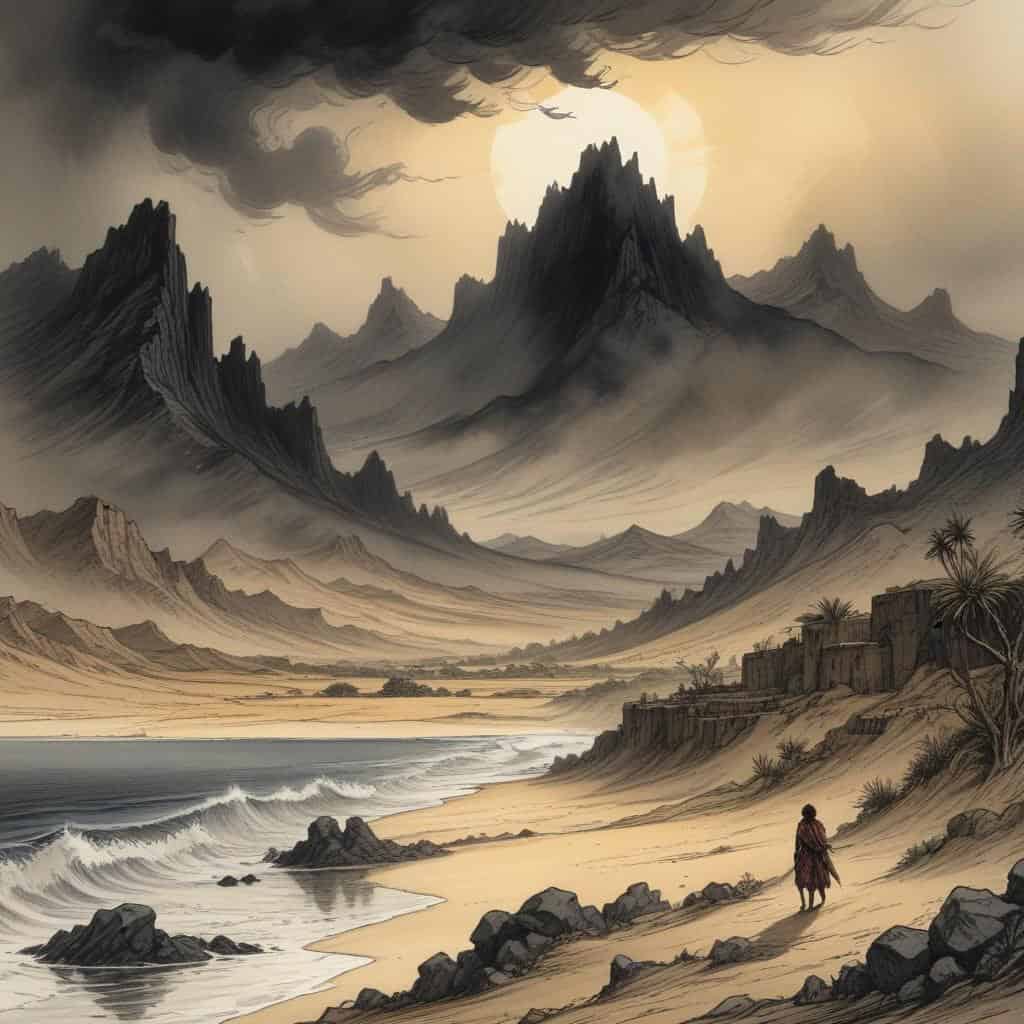
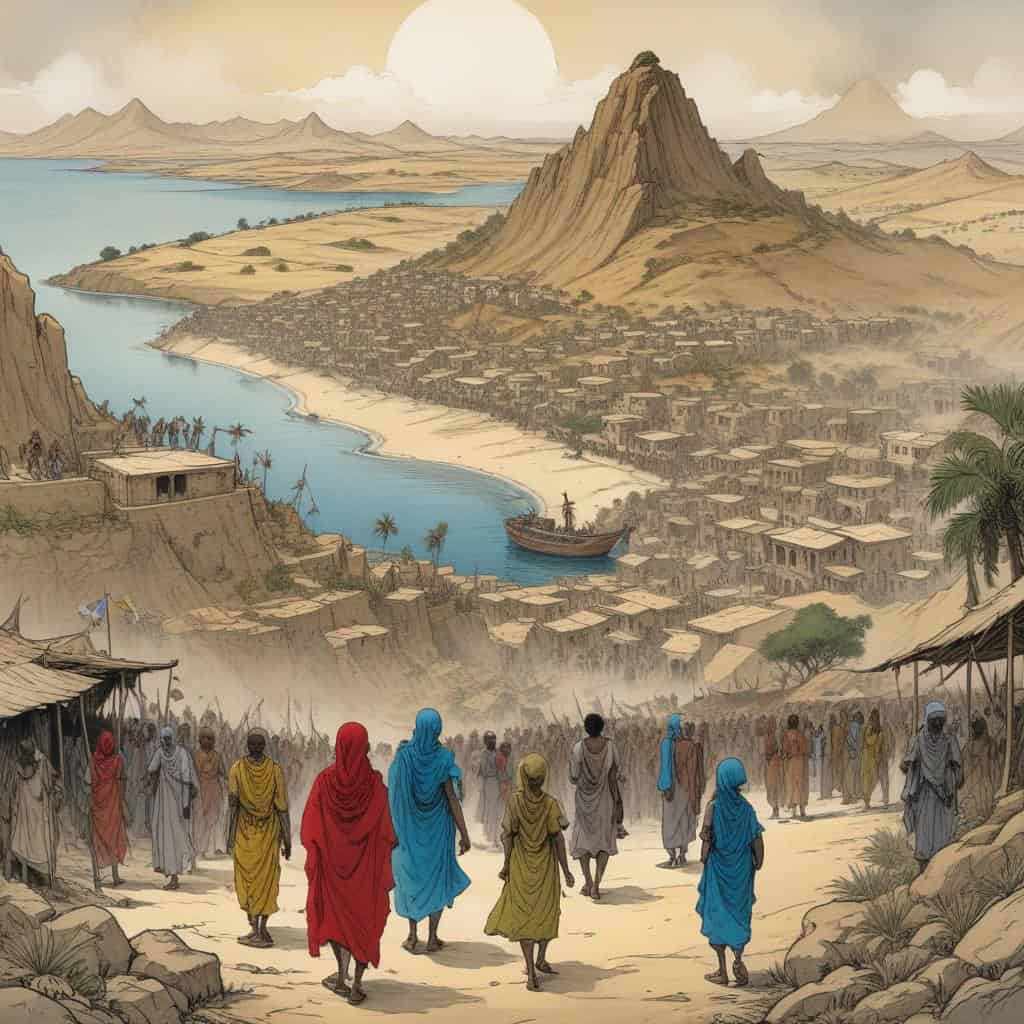
Eritrea boasts diverse landscapes from the lush central highlands to the arid coastal plains along the Red Sea, offering a range of climates and ecosystems.
Cultural Heritage
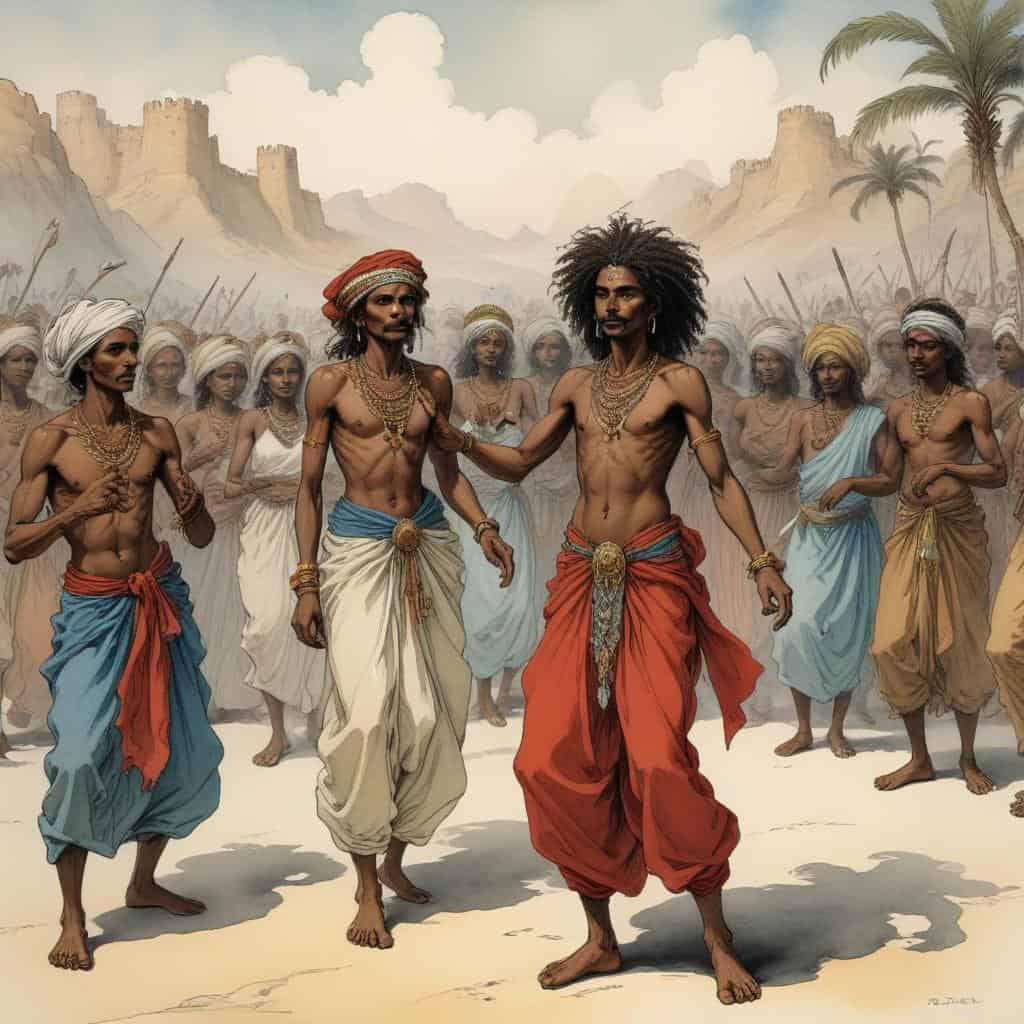
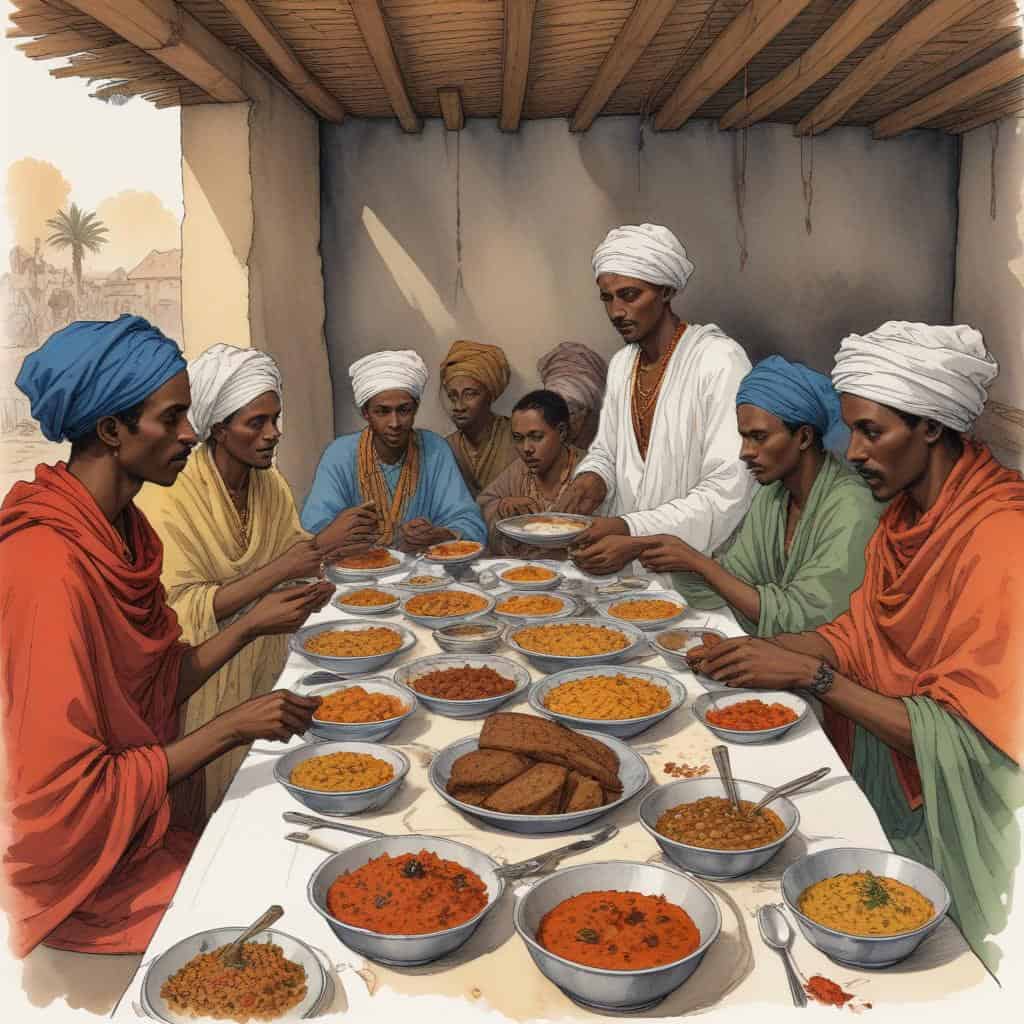
With a rich history influenced by ancient civilizations, Eritrea's culture is a unique blend of African, Middle Eastern, and European traditions, evident in its art, music, and cuisine.
Languages and Ethnicities
Eritrea is home to a variety of ethnic groups, each with its distinct language and customs. Explore the diverse tapestry of identities that make up this captivating country.
Timeline of Eritrea
Italian Eritrea established as a colony
Eritrea becomes part of Italian East Africa
British forces capture Eritrea from Italy
Eritrea becomes a UN Trust Territory under British administration
Eritrean Liberation Front (ELF) is formed
Eritrean War of Independence begins
Eritrea gains independence from Ethiopia
Eritrean People's Liberation Front (EPLF) takes control of Eritrea
Eritrea becomes a de facto one-party state
Eritrea adopts its constitution
Eritrea and Ethiopia border war begins
Eritrea-Ethiopia border war ends
Eritrea withdraws from the African Union
Eritrea accuses Ethiopia of supporting Somali militants
Eritrea faces UN sanctions for alleged support of militants
Eritrea re-joins the African Union
Eritrea and Ethiopia sign peace agreement
Eritrea reopens embassy in Ethiopia
Eritrea and Djibouti agree to normalize relations
Eritrea and Somalia normalize relations
Eritrea and Ethiopia reopen border crossings
Vocabulary List
- Asmara
- The capital city of Eritrea.
- Red Sea
- Eritrea has a coastline along the Red Sea.
- Tigrinya
- One of the main languages spoken in Eritrea.
- Independence
- Eritrea gained independence from Ethiopia in 1993.
- Dahlak Islands
- An archipelago off the coast of Eritrea.
- Massawa
- A port city in Eritrea.
- Horn of Africa
- Eritrea is located in the Horn of Africa region.
- Sawa
- A military training camp in Eritrea.
- Bilen
- An ethnic group in Eritrea.
- Agriculture
- A major sector of the economy in Eritrea.
Key Facts
This is the information used in the fact matching game
- Eritrea gained independence from Ethiopia in 1993 after a 30-year-long war.
- Eritrea is located in the Horn of Africa, bordered by Ethiopia to the south, Sudan to the west, and Djibouti and the Red Sea to the east.
- The capital city of Eritrea is Asmara, which is known for its well-preserved Italian colonial architecture.
- Eritrea is a one-party state, with the People's Front for Democracy and Justice (PFDJ) as the ruling party.
- Eritrea has a population of approximately 6 million people, with nine recognized ethnic groups.
- Eritrea has a diverse mix of religions, including Christianity, Islam, and indigenous beliefs.
- The Eritrean economy is largely based on agriculture, with subsistence farming being the dominant form of agriculture.
- Eritrea has one of the lowest GDP per capita in the world, with a significant portion of the population living below the poverty line.
- Eritrea has a mandatory national service program, which requires all citizens between the ages of 18 and 40 to serve in the military or other government institutions for an indefinite period.
- Eritrea has been criticized for its human rights record, including arbitrary detention, torture, and restrictions on freedom of expression.
- Eritrea is home to several ethnic groups, including the Tigrinya, Tigre, Saho, Bilen, Afar, Kunama, and Rashaida.
- Eritrea has a rich cultural heritage, with traditional music, dance, and cuisine playing an important role in Eritrean society.
- Eritrea has nine national languages, with Tigrinya, Arabic, and English being the most widely spoken.
- Eritrea is known for its beautiful coastline along the Red Sea, with pristine beaches and coral reefs.
- Eritrea has a strong tradition of coffee culture, with traditional coffee ceremonies being an important social ritual.
- Eritrea has a unique form of architecture known as the Fiat Tagliero Building, which is a futuristic-style building in Asmara.
- Eritrea has a rich history of resistance against colonial powers, including the Italians, British, and Ethiopians.
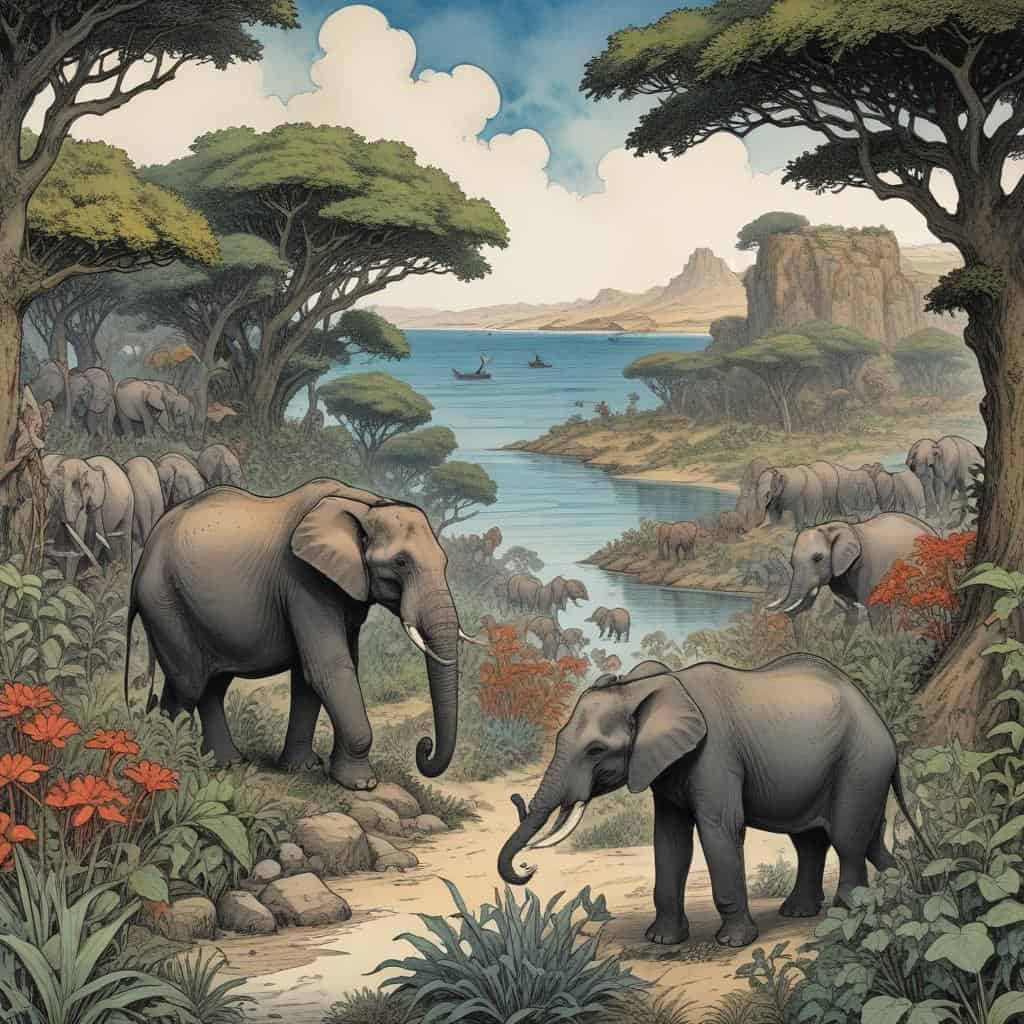
- Eritrea has a diverse landscape, with highlands, lowlands, and coastal areas, providing a variety of ecosystems and natural resources.
- Eritrea has a strong tradition of traditional medicine, with herbal remedies and spiritual healing practices being common.
- Eritrea has a unique national dress called the zuria, which is a white cotton dress worn by women for special occasions.
Why It Matters
Geopolitical Significance
Located in the Horn of Africa, Eritrea holds strategic importance due to its proximity to the Red Sea and the Bab-el-Mandeb strait. Its borders with Sudan, Ethiopia, and Djibouti have played a crucial role in regional conflicts and alliances, shaping the political dynamics of the area.
Historical Importance
Eritrea’s history is marked by colonization, independence struggles, and conflicts. From ancient civilizations to Italian and British rule, the country’s past has shaped its unique culture and identity. The legacy of independence leaders like Isaias Afwerki continues to influence Eritrean nationalism.
Modern-Day Role
Today, Eritrea faces challenges of economic development and political stability. Its role in regional security, particularly in the Horn of Africa, is significant. Eritrea’s relationship with neighboring countries, as well as its internal governance, will continue to impact the country’s future trajectory.
Eritrea Games


Take Your Learning Offline
Want a convenient, print-ready study guide for this lesson? Become a Memory Wizards Pro member to unlock the downloadable " Memory Scrolls" for this topic and our entire library!
- ✓ Complete Vocabulary Lists
- ✓ Key Facts & Timelines
- ✓ Beautifully Formatted for Print & Mobile