
How Do You Learn Best?
Learn by Listening
Start with the 3-minute audio summary to get the key facts and narrative highlights quickly.
Learn by Reading
Immerse yourself in the 10-minute visual lesson for a comprehensive understanding of the topic.
Learn by Reviewing
Jump directly to the key facts, timeline, and vocabulary lists to build a solid foundation of details.
Learn by Doing
Challenge yourself! Jump straight into the interactive games to learn by trial, error, and discovery.
Democratic Republic Of The Congo in 10 Minutes
Introduction
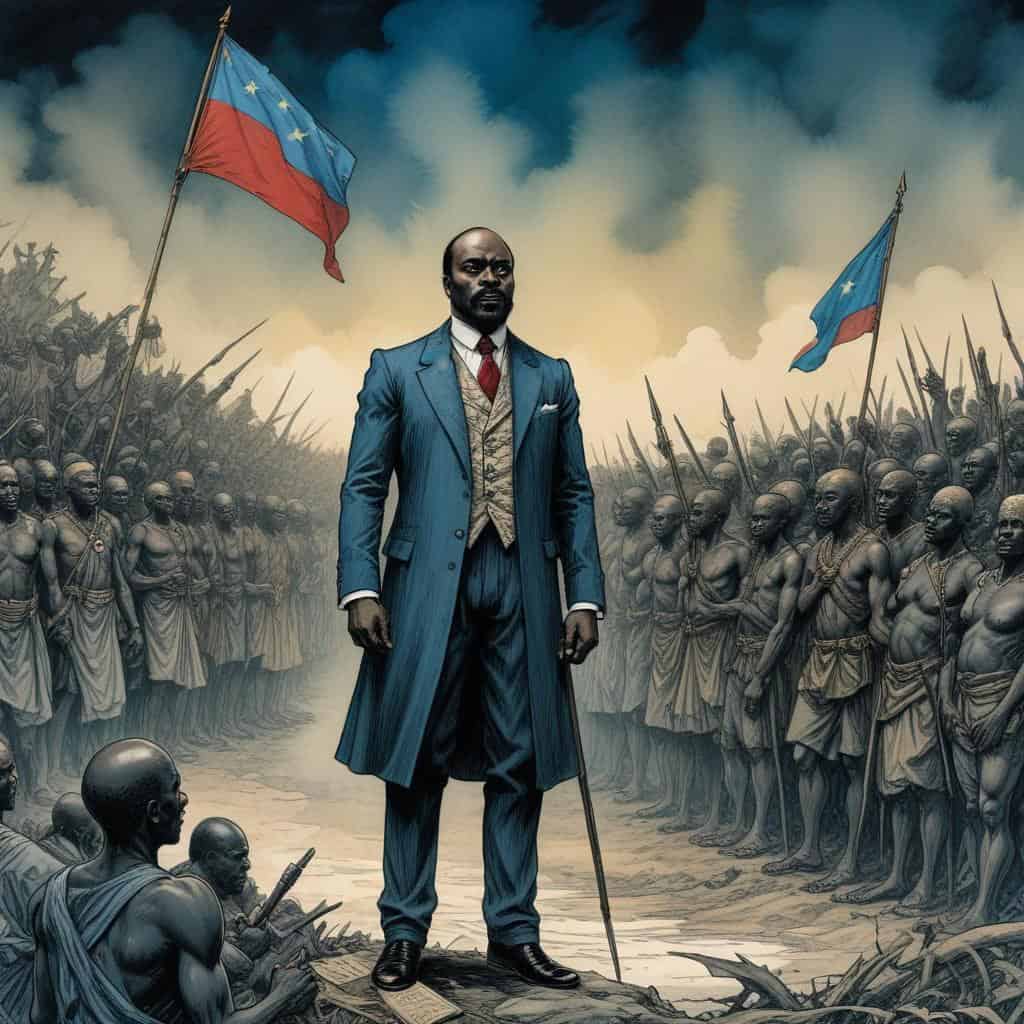
Patrice Lumumba
Joseph Kabila
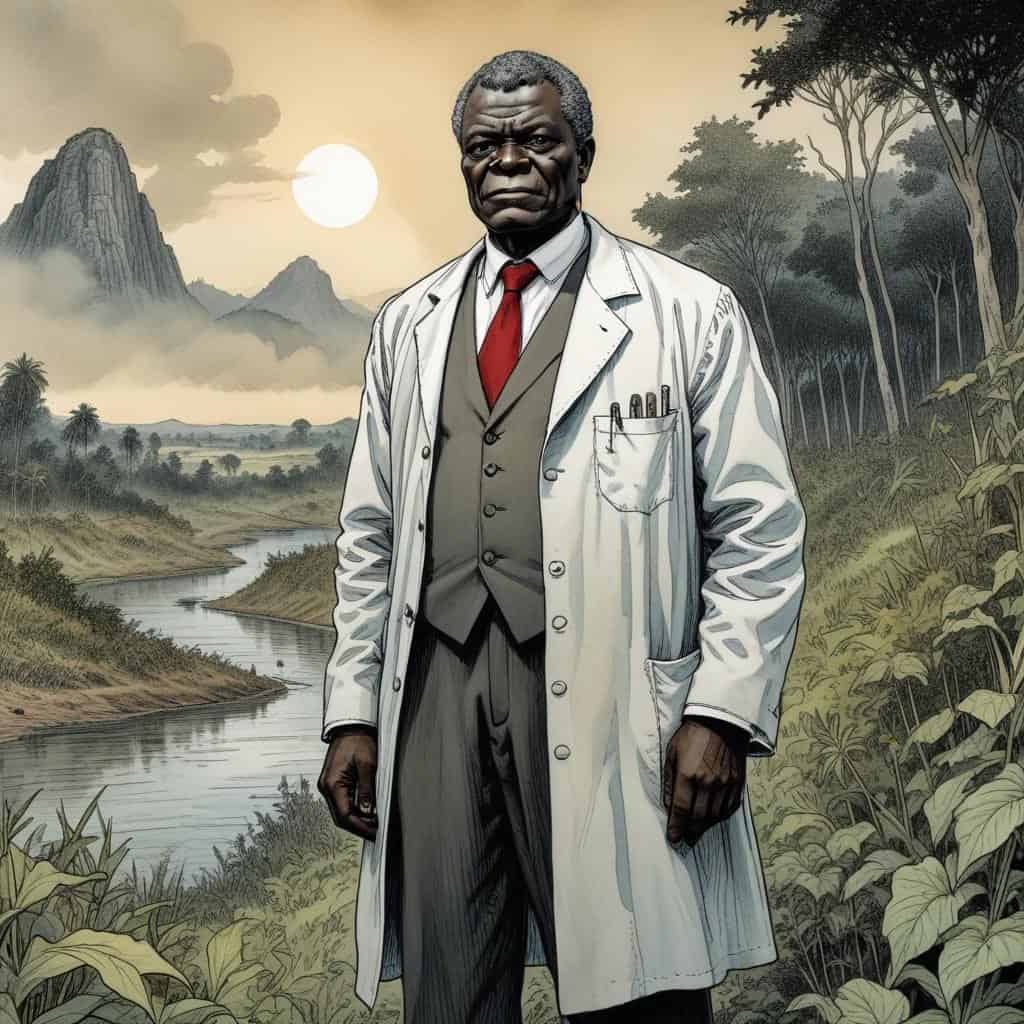
Denis Mukwege
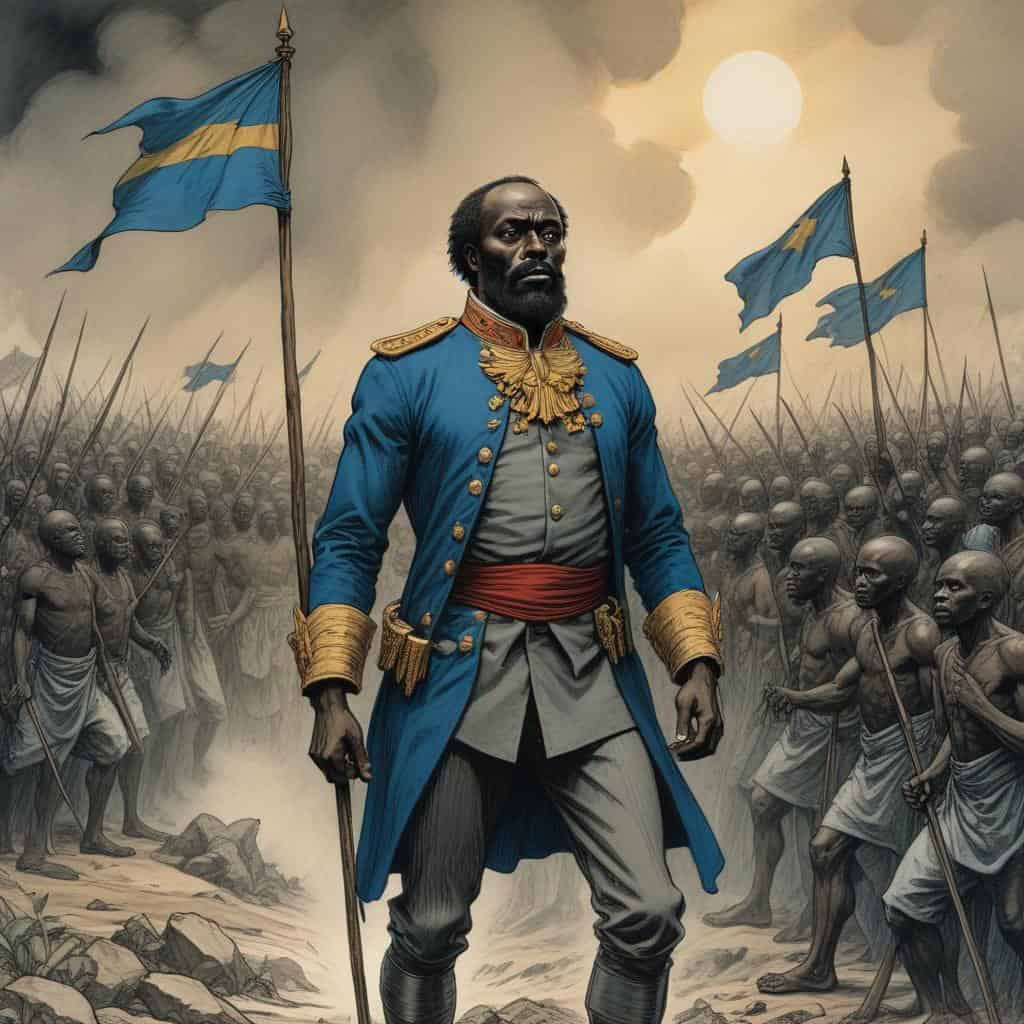
Laurent-Désiré Kabila
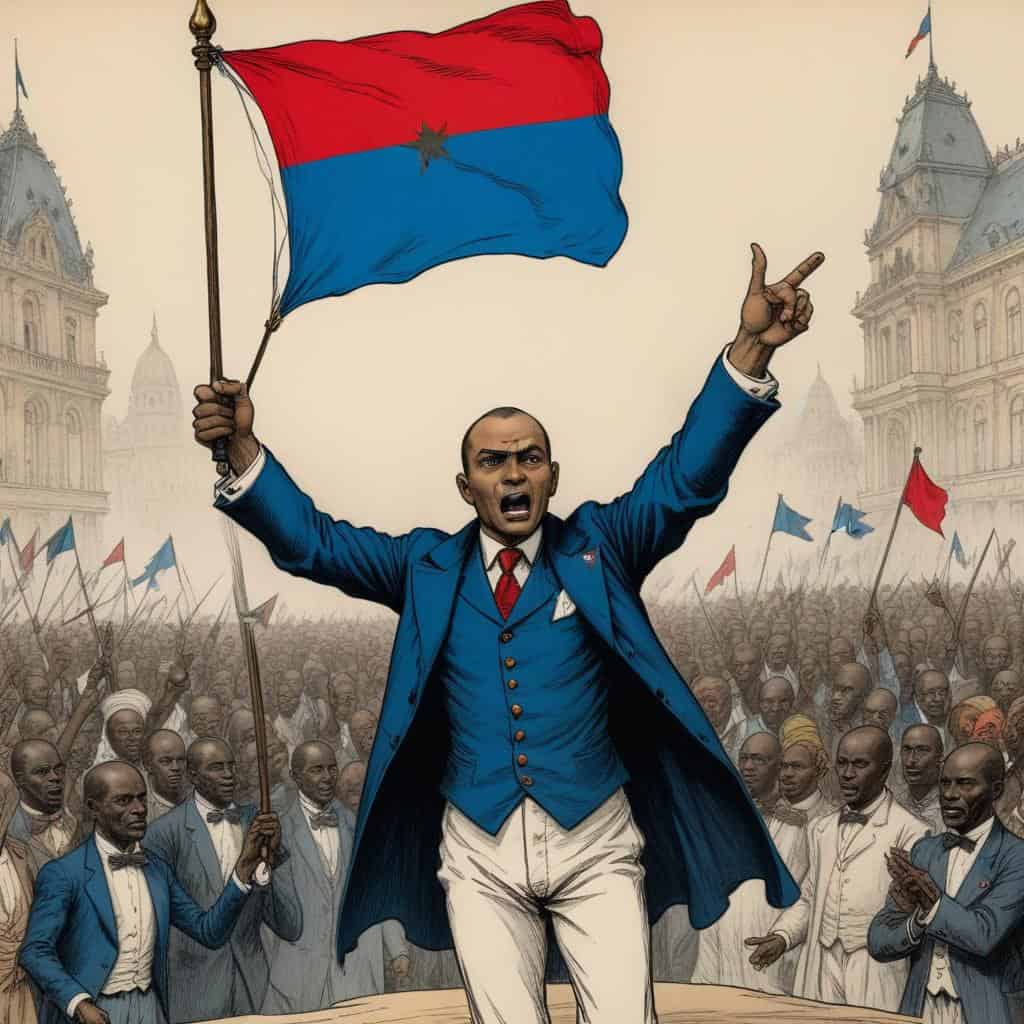
Moïse Katumbi
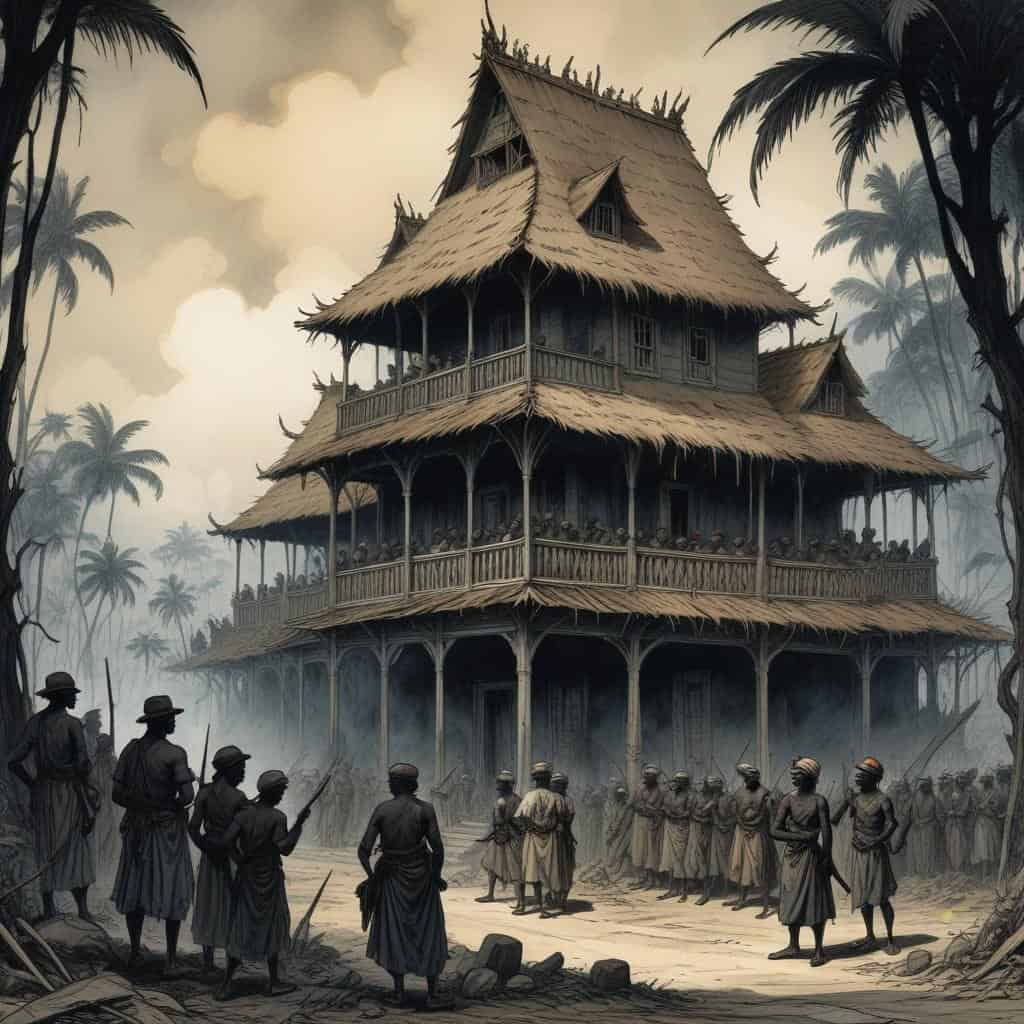
Colonial Rule
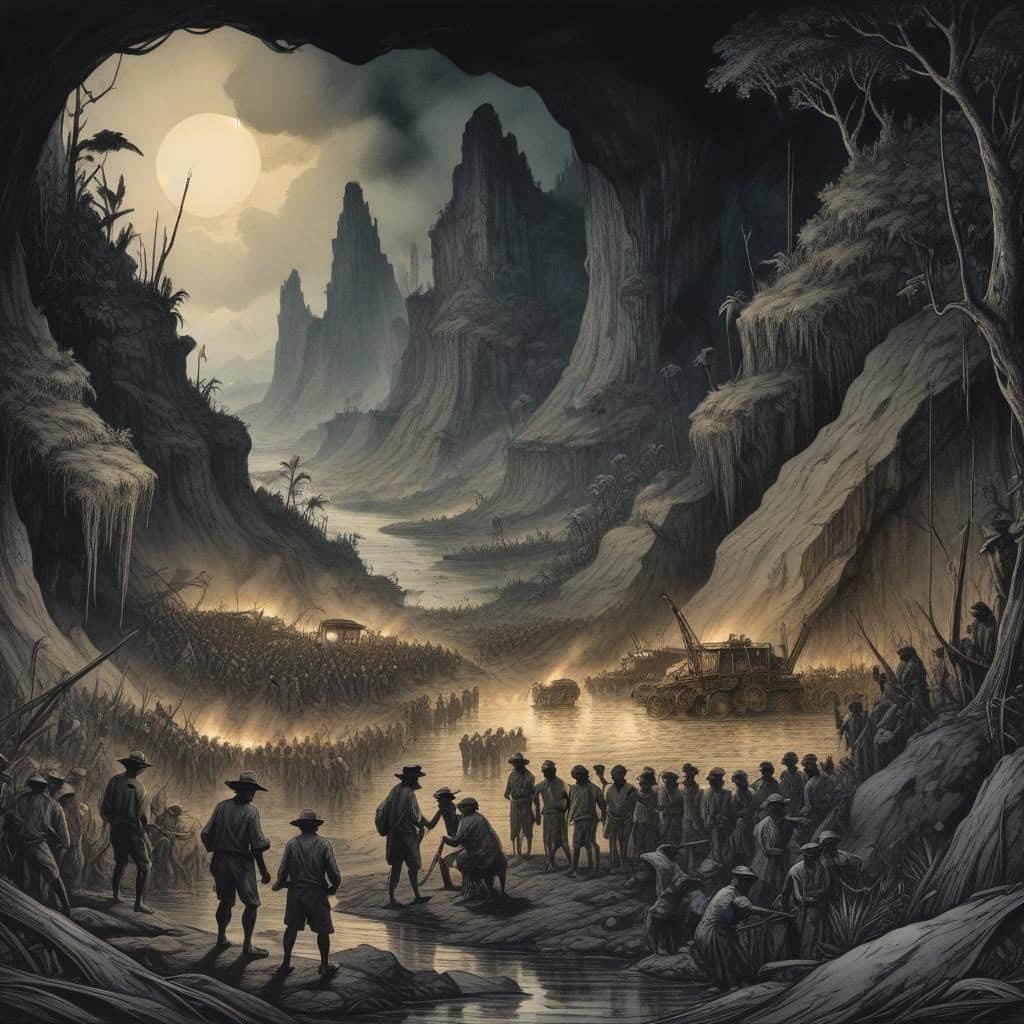
Resource Wealth
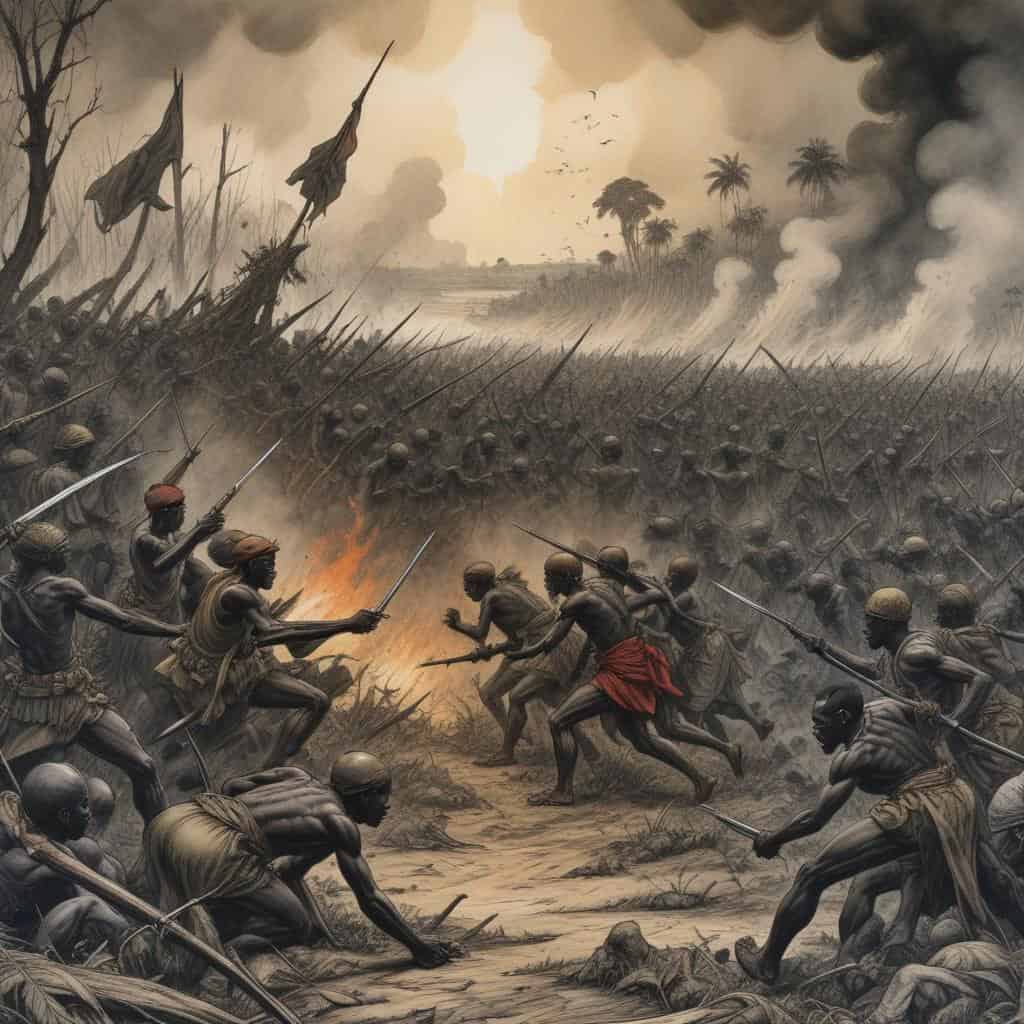
First Congo War
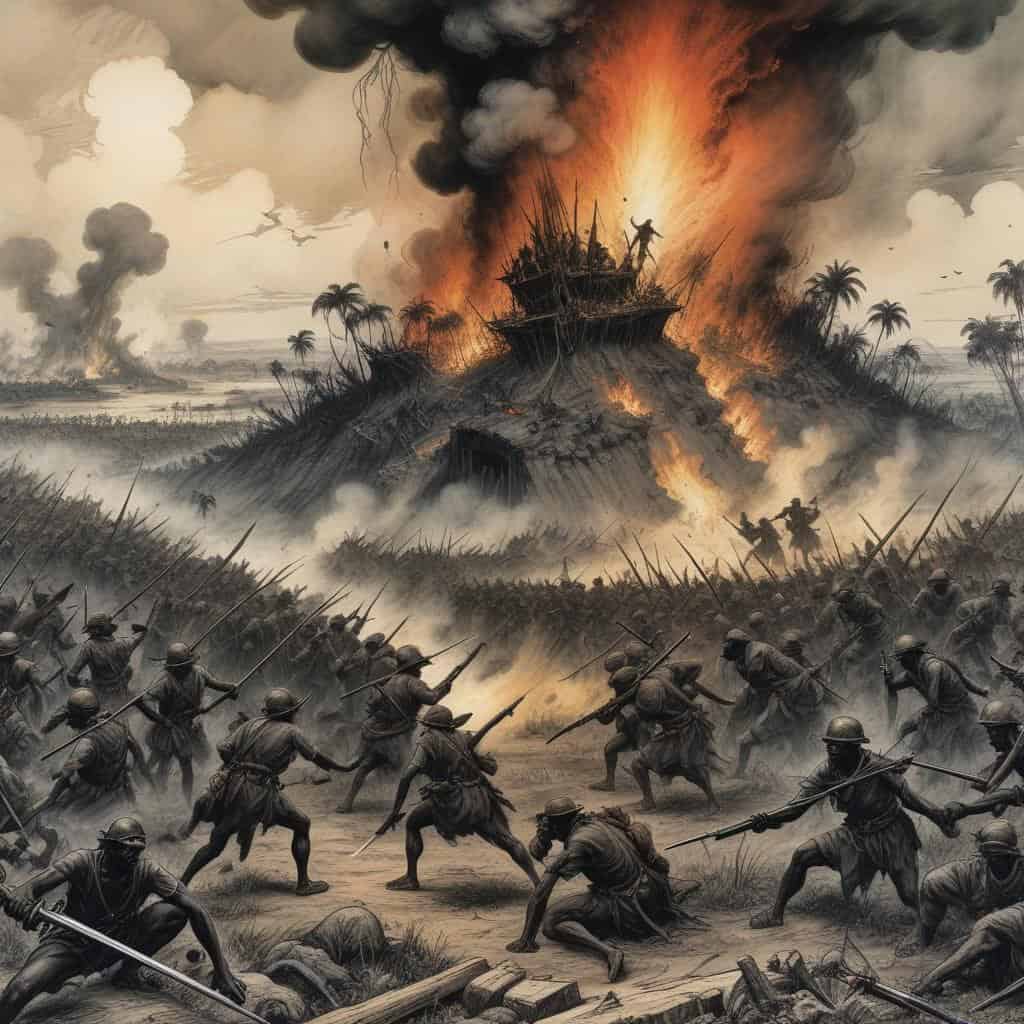
Second Congo War
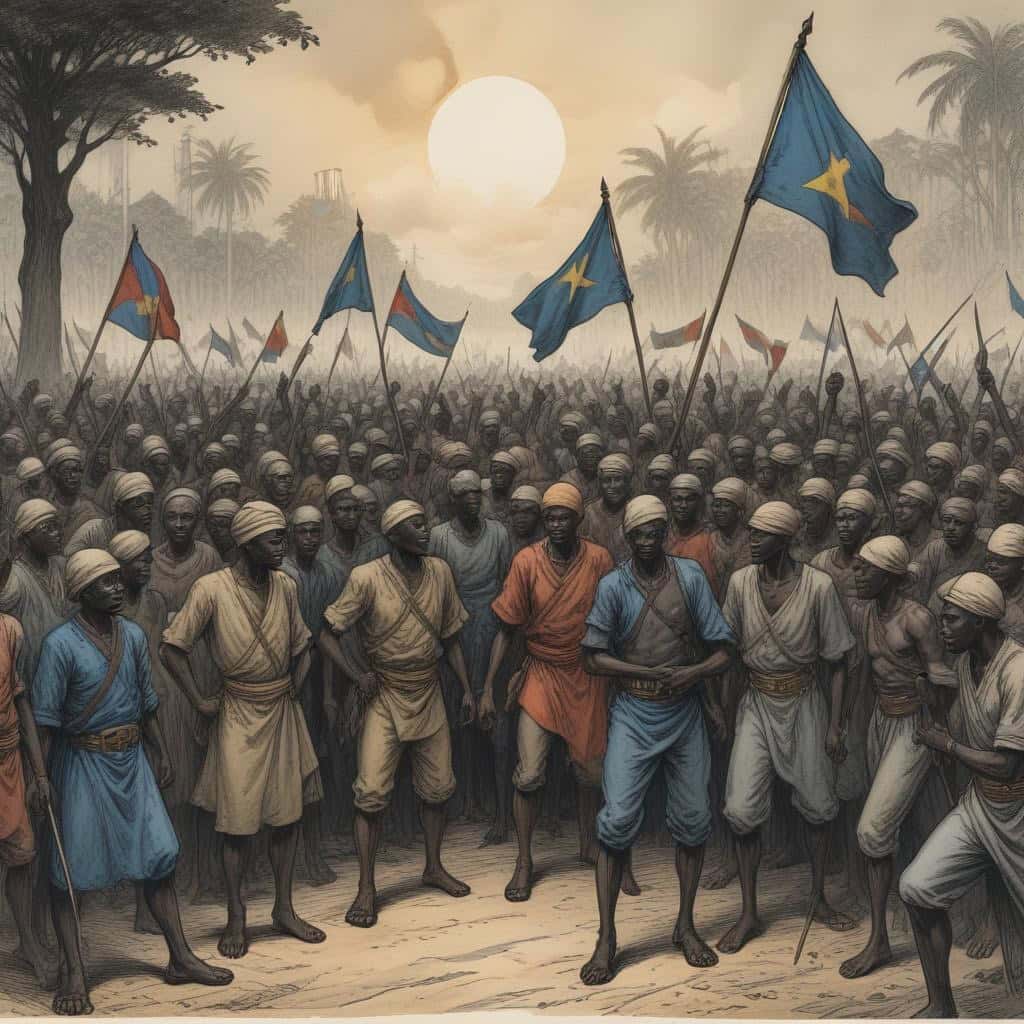
Transition to Democracy
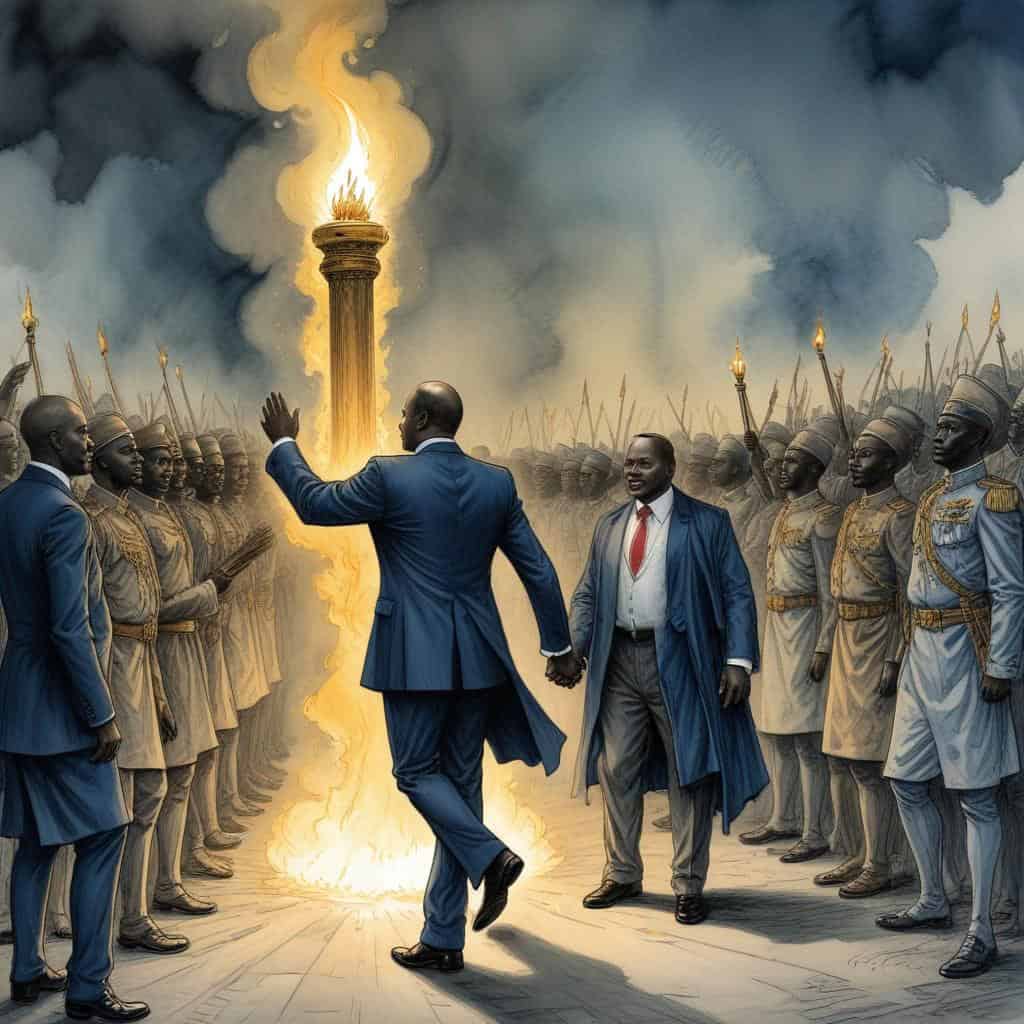
Recent Events
Audio Library
As one of our featured lessons, this topic includes premium audio guides.
Unlock the Wizard's Cram Session
This powerful audio study guide is a Pro-exclusive feature. Upgrade to Memory Wizards Pro to access this and all of our premium learning tools.
Upgrade to ProIn a Nutshell
- Capital: Kinshasa
- Population: Approx. 105 million (2021)
- Official Language: French
- Currency: Congolese franc (CDF)
Breaking Down the Country
Geographic Diversity
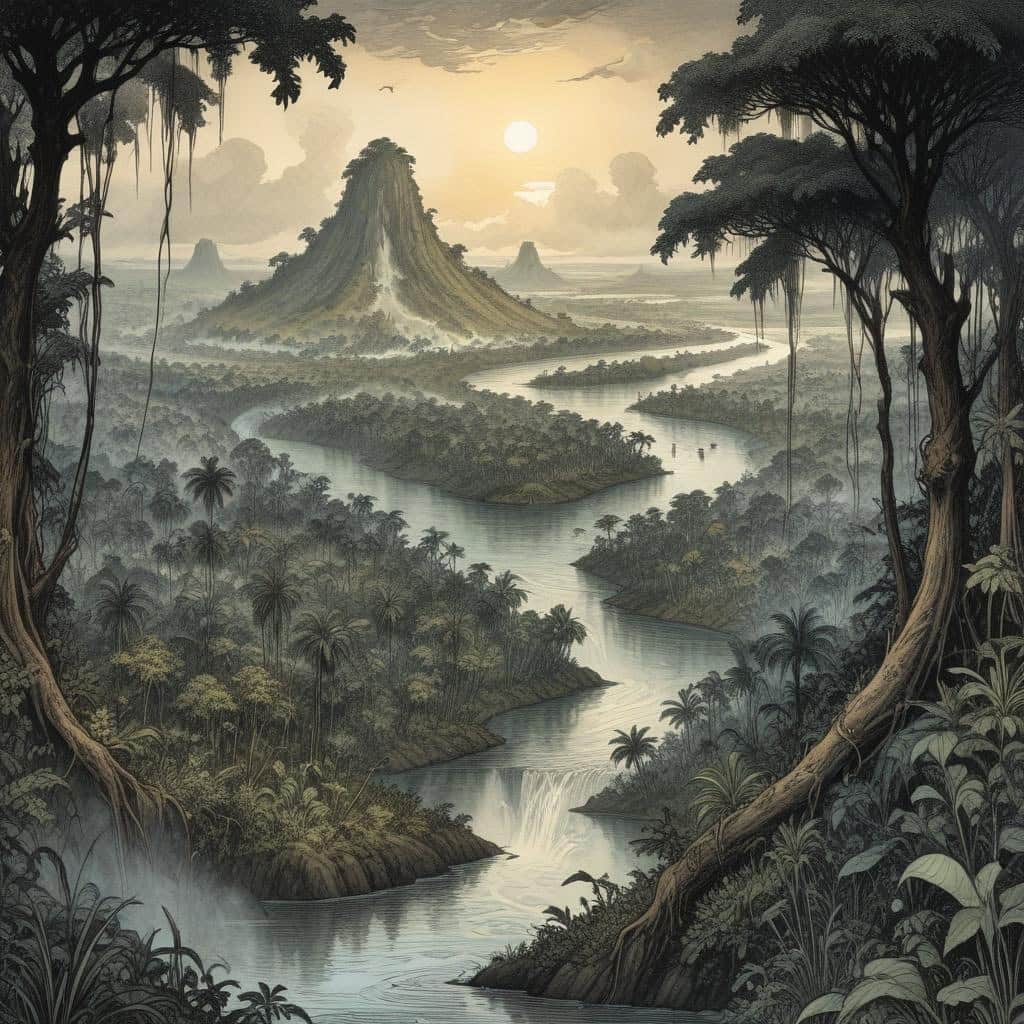
From dense rainforests to the mighty Congo River, the Democratic Republic of the Congo boasts a wide range of landscapes and natural wonders.
Cultural Richness
With over 200 ethnic groups and a vibrant arts scene, the DRC's culture is a tapestry of traditions, music, dance, and storytelling.
Colonial Legacy
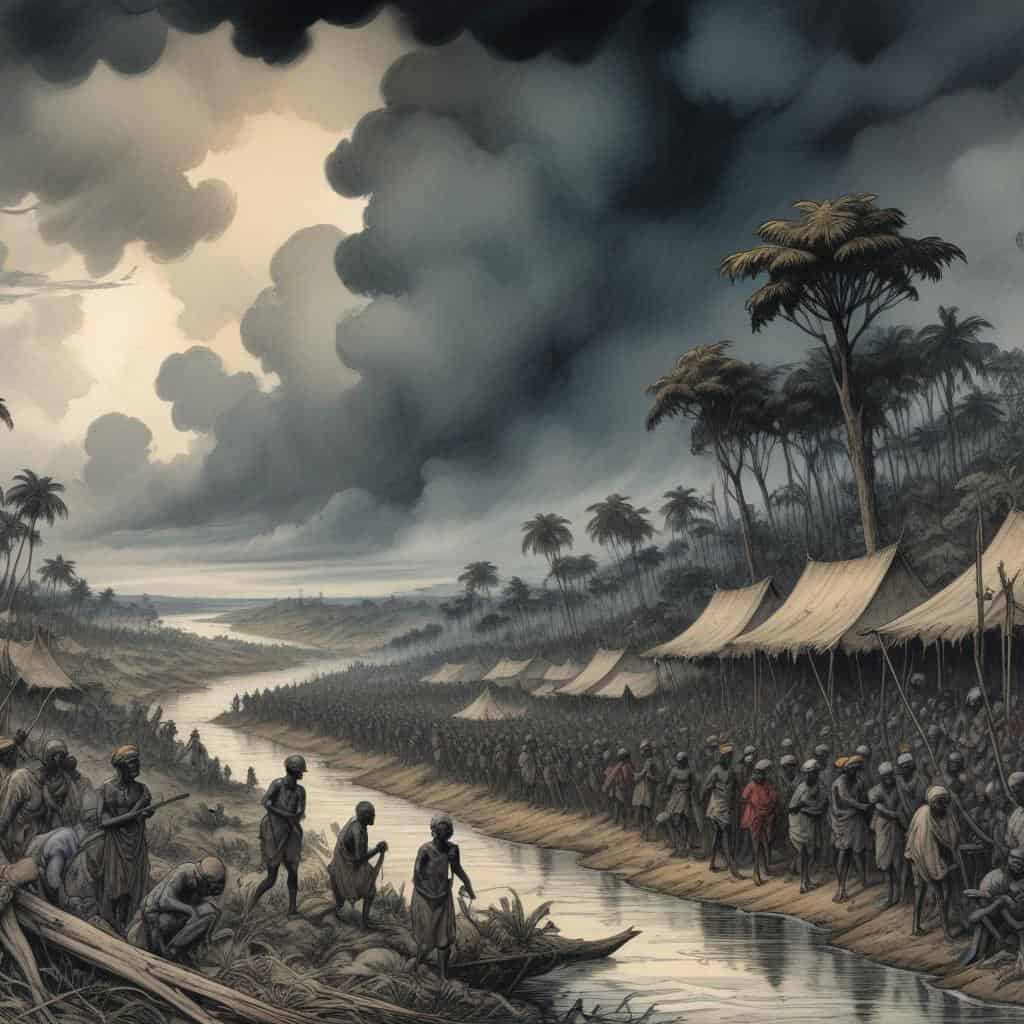
Explore the complex history of Belgian colonial rule and its lasting impact on the political and social landscape of the Democratic Republic of the Congo.
Timeline of Democratic Republic Of The Congo
Congo Free State established by King Leopold II of Belgium
Congo Free State becomes a Belgian colony
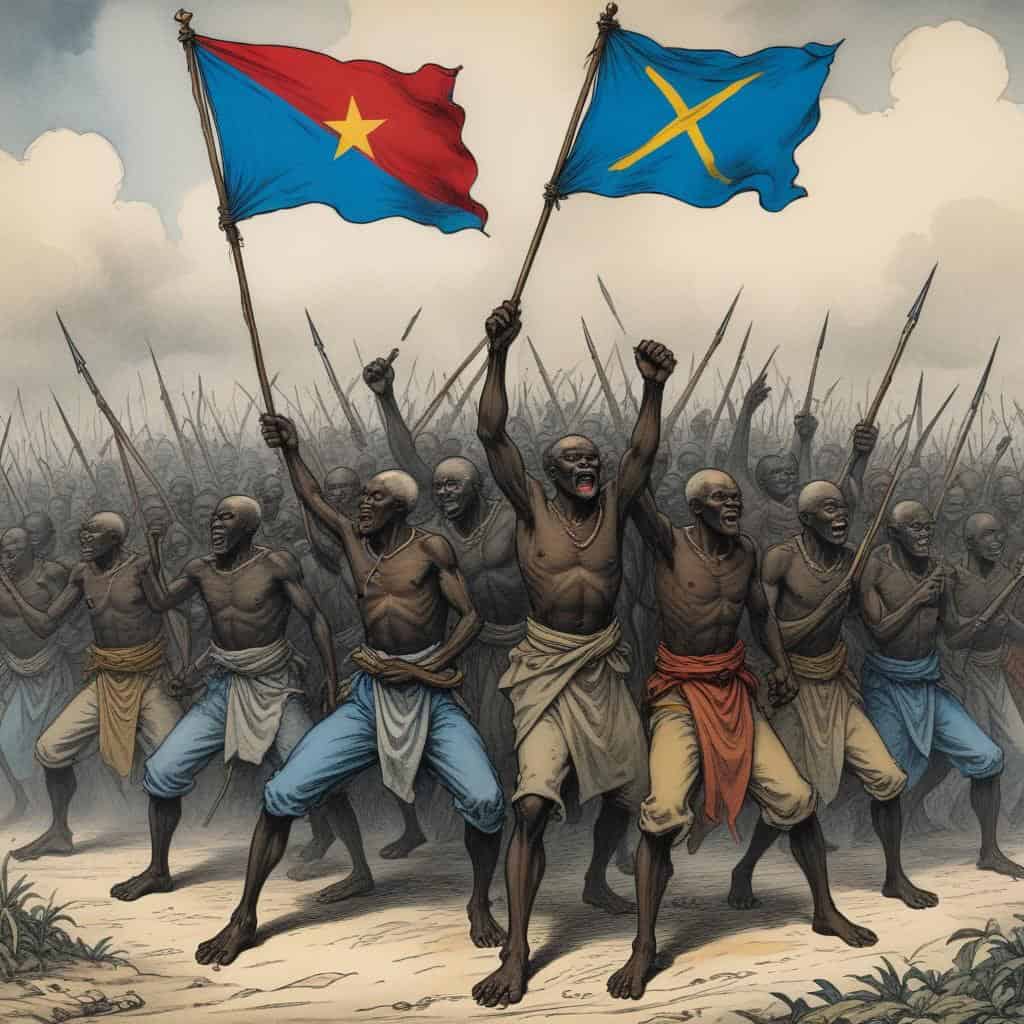
Independence from Belgium, Republic of the Congo established
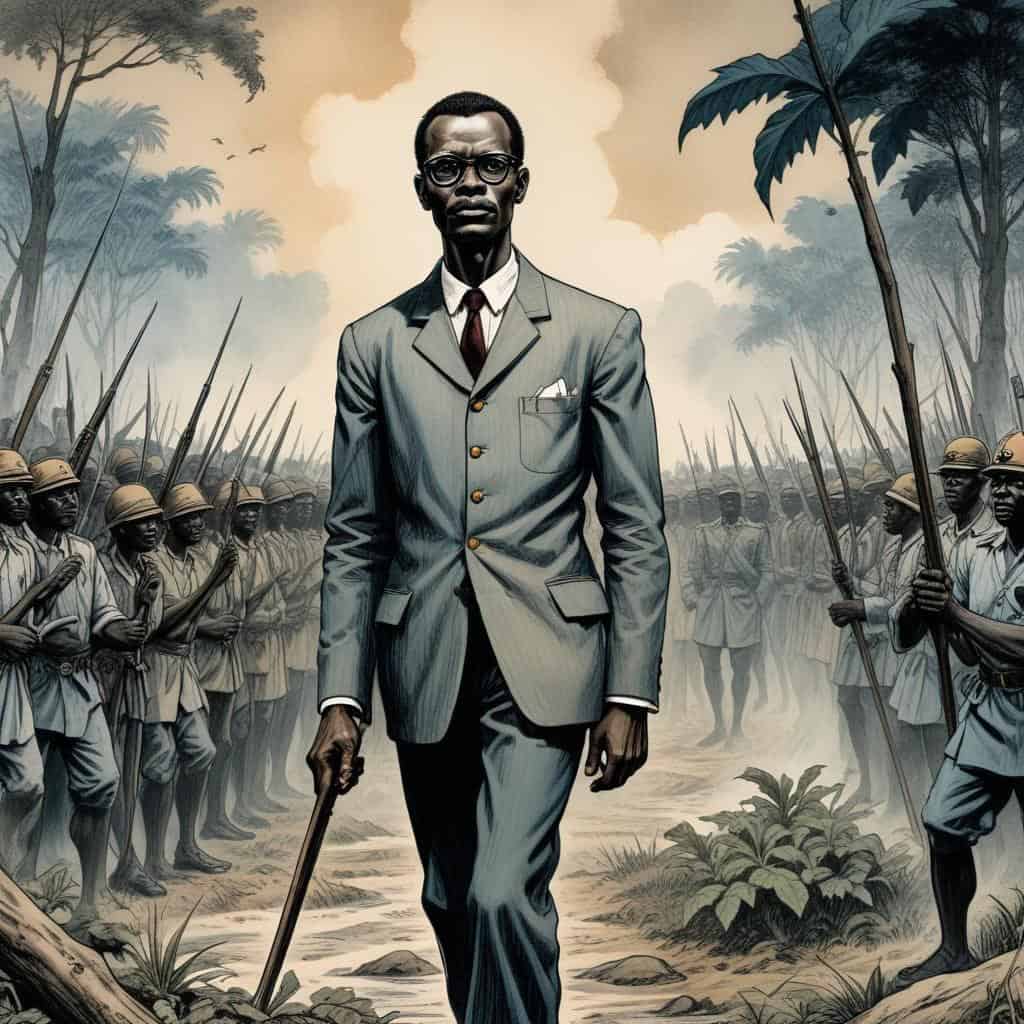
Patrice Lumumba becomes prime minister
Congo Crisis begins
Joseph Mobutu seizes power in a coup
Mobutu changes the country's name to Zaire
Mobutu declares a one-party state
Second Congo War begins
Laurent Kabila becomes president
Laurent Kabila assassinated, succeeded by his son Joseph Kabila
First democratic elections held in DRC
Joseph Kabila re-elected as president
Joseph Kabila steps down after controversial elections, Felix Tshisekedi becomes president
Ebola outbreak in DRC
COVID-19 pandemic reaches DRC
Volcanic eruption in Goma, displacing thousands
Protests and violence erupt following election results
UN peacekeeping mission in DRC, MONUSCO, ends after 20 years
Ongoing conflict and instability in eastern DRC
Vocabulary List
- Kinshasa
- The capital city of the Democratic Republic of the Congo.
- Lingala
- One of the official languages spoken in the Democratic Republic of the Congo.
- Conflict minerals
- Minerals such as coltan and gold mined in the Democratic Republic of the Congo that are often associated with funding armed conflict.
- Pygmy
- Ethnic group in the Democratic Republic of the Congo known for their hunter-gatherer lifestyle.
- UN peacekeeping mission
- The United Nations has had a peacekeeping mission in the Democratic Republic of the Congo to help maintain stability.
- Virunga National Park
- A UNESCO World Heritage Site located in the Democratic Republic of the Congo known for its diverse wildlife.
- Kivu
- Region in the eastern part of the Democratic Republic of the Congo known for its mineral wealth and ongoing conflict.
- Bantu
- Ethnic group that makes up the majority of the population in the Democratic Republic of the Congo.
- Rwenzori Mountains
- Mountain range located in the Democratic Republic of the Congo known for its glaciers and biodiversity.
- Mobutu Sese Seko
- Former president of the Democratic Republic of the Congo known for his dictatorship and corruption.
Key Facts
This is the information used in the fact matching game
- The Democratic Republic of the Congo is the largest country in sub-Saharan Africa by area.
- The country has a population of over 85 million people, making it the fourth most populous country in Africa.
- The Democratic Republic of the Congo was formerly known as Zaire.
- The country has a diverse range of ethnic groups, with over 200 different ethnicities and languages spoken.
- The capital city of the Democratic Republic of the Congo is Kinshasa.
- The Democratic Republic of the Congo gained independence from Belgium in 1960.
- The country is rich in natural resources, including minerals like cobalt, copper, and diamonds.
- The Democratic Republic of the Congo has experienced decades of conflict and instability, including civil wars and political unrest.
- The Second Congo War, which lasted from 1998 to 2003, is considered the deadliest conflict since World War II, resulting in millions of deaths.
- The Democratic Republic of the Congo has one of the lowest GDP per capita rates in the world, despite its abundant natural resources.
- The country has a tropical climate, with rainforests covering a significant portion of its land.
- The Democratic Republic of the Congo is home to the critically endangered mountain gorilla population in Virunga National Park.
- The country has a high rate of child malnutrition, with over 40% of children under the age of 5 suffering from stunted growth.
- The Democratic Republic of the Congo has one of the highest rates of maternal mortality in the world, with an estimated 693 deaths per 100,000 live births.
- The country has a rich cultural heritage, with traditional music and dance playing an important role in society.
- The Democratic Republic of the Congo is a member of the African Union and the United Nations.
- The country has a system of government that includes a president, a prime minister, and a bicameral parliament.
- The Democratic Republic of the Congo is known for its vibrant art scene, with many artists gaining international recognition.
- The country has a high prevalence of HIV/AIDS, with an estimated 1.2 million people living with the virus in 2020.
- The Democratic Republic of the Congo has a history of conflict over control of its mineral resources, leading to the term 'conflict minerals' being associated with the country.
Why It Matters
Geopolitical Significance
The Democratic Republic of the Congo holds significant geopolitical importance due to its vast mineral wealth and strategic location in Central Africa. It has been a focal point for regional conflicts and international interventions, shaping the political landscape of the African continent.
Historical Importance
The history of the Democratic Republic of the Congo is marked by colonization, independence struggles, and the legacy of brutal colonial rule. Its past as a Belgian colony and subsequent independence movements have had lasting impacts on its society and political development.
Modern-Day Role
Today, the Democratic Republic of the Congo continues to face challenges related to governance, human rights, and economic development. As one of the largest and most populous countries in Africa, its stability and prosperity are crucial for the region’s overall progress and security.
Democratic Republic Of The Congo Games


Take Your Learning Offline
Want a convenient, print-ready study guide for this lesson? Become a Memory Wizards Pro member to unlock the downloadable " Memory Scrolls" for this topic and our entire library!
- ✓ Complete Vocabulary Lists
- ✓ Key Facts & Timelines
- ✓ Beautifully Formatted for Print & Mobile