
How Do You Learn Best?
Learn by Listening
Start with the 3-minute audio summary to get the key facts and narrative highlights quickly.
Learn by Reading
Immerse yourself in the 10-minute visual lesson for a comprehensive understanding of the topic.
Learn by Reviewing
Jump directly to the key facts, timeline, and vocabulary lists to build a solid foundation of details.
Learn by Doing
Challenge yourself! Jump straight into the interactive games to learn by trial, error, and discovery.
Djibouti in 10 Minutes
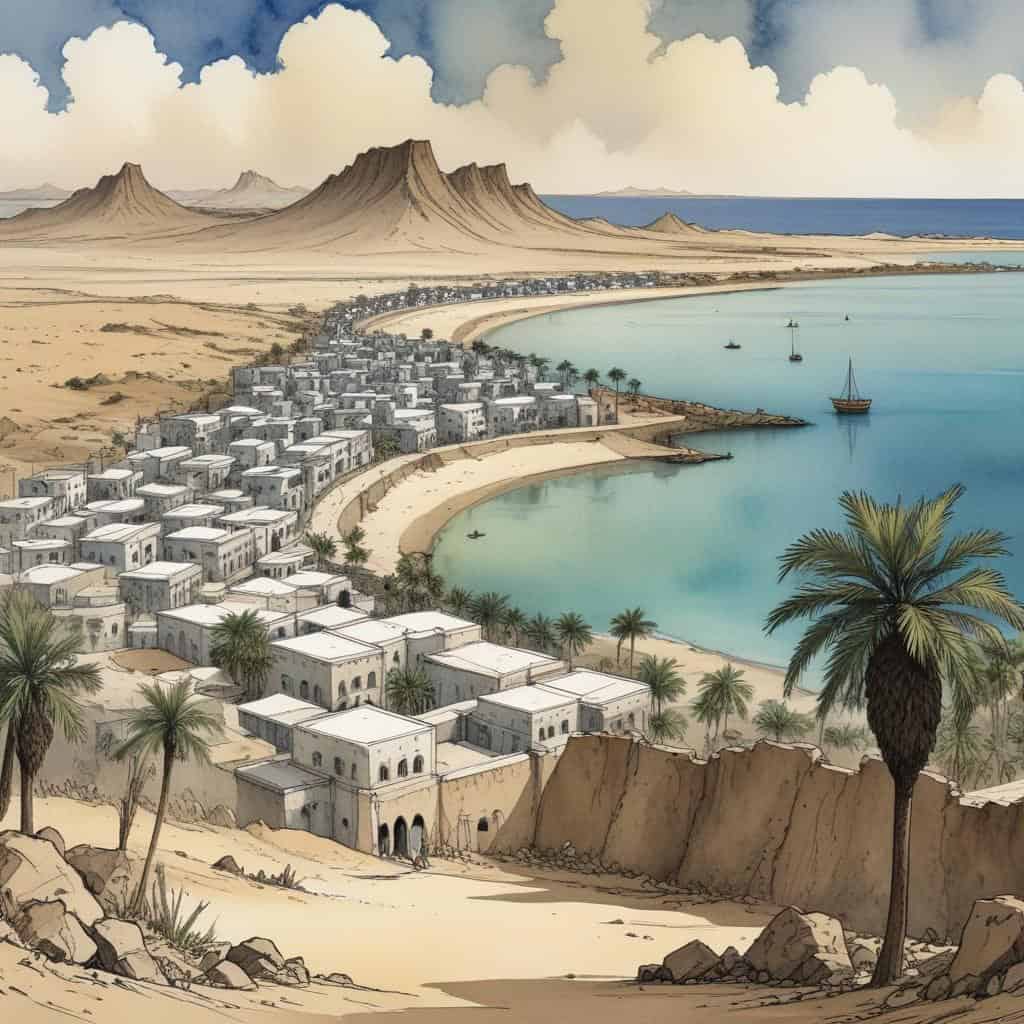
Introduction
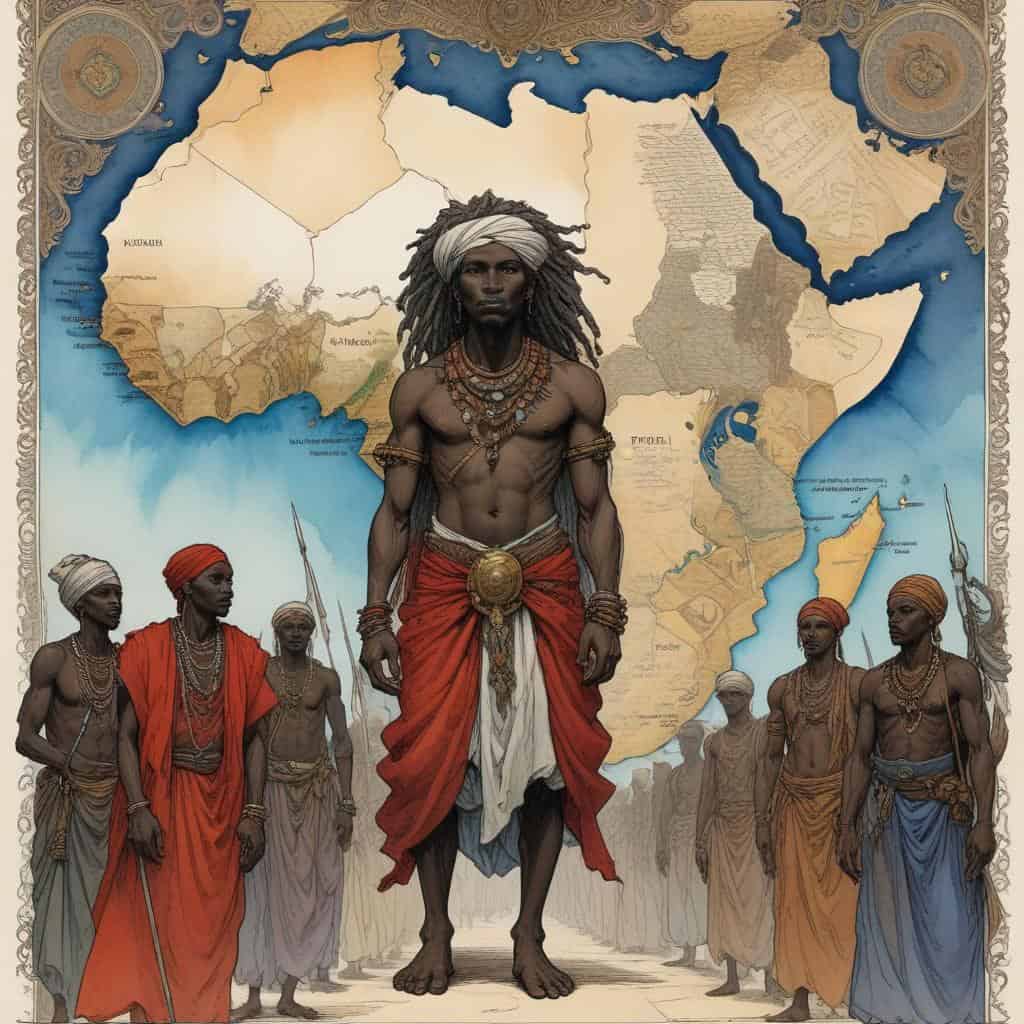
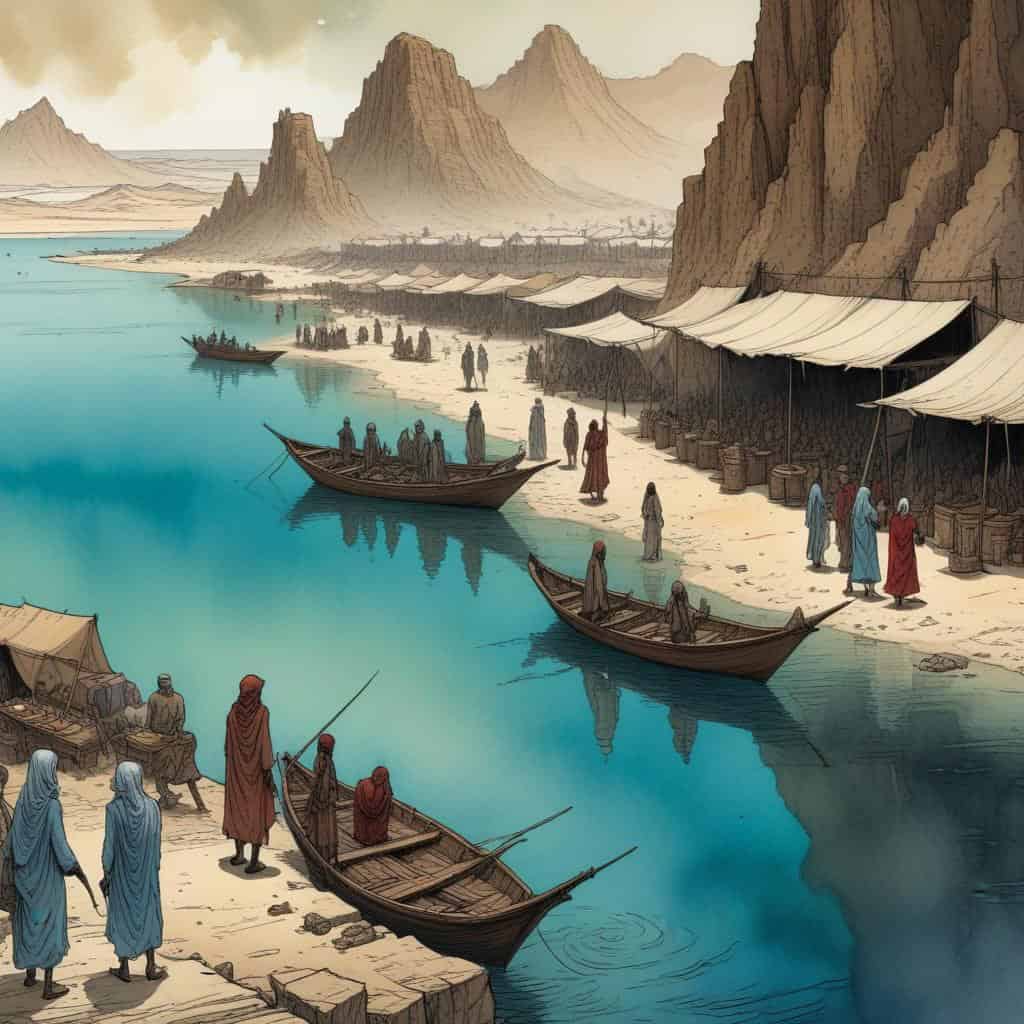

President Ismaïl Omar Guelleh
Abdourahman Waberi
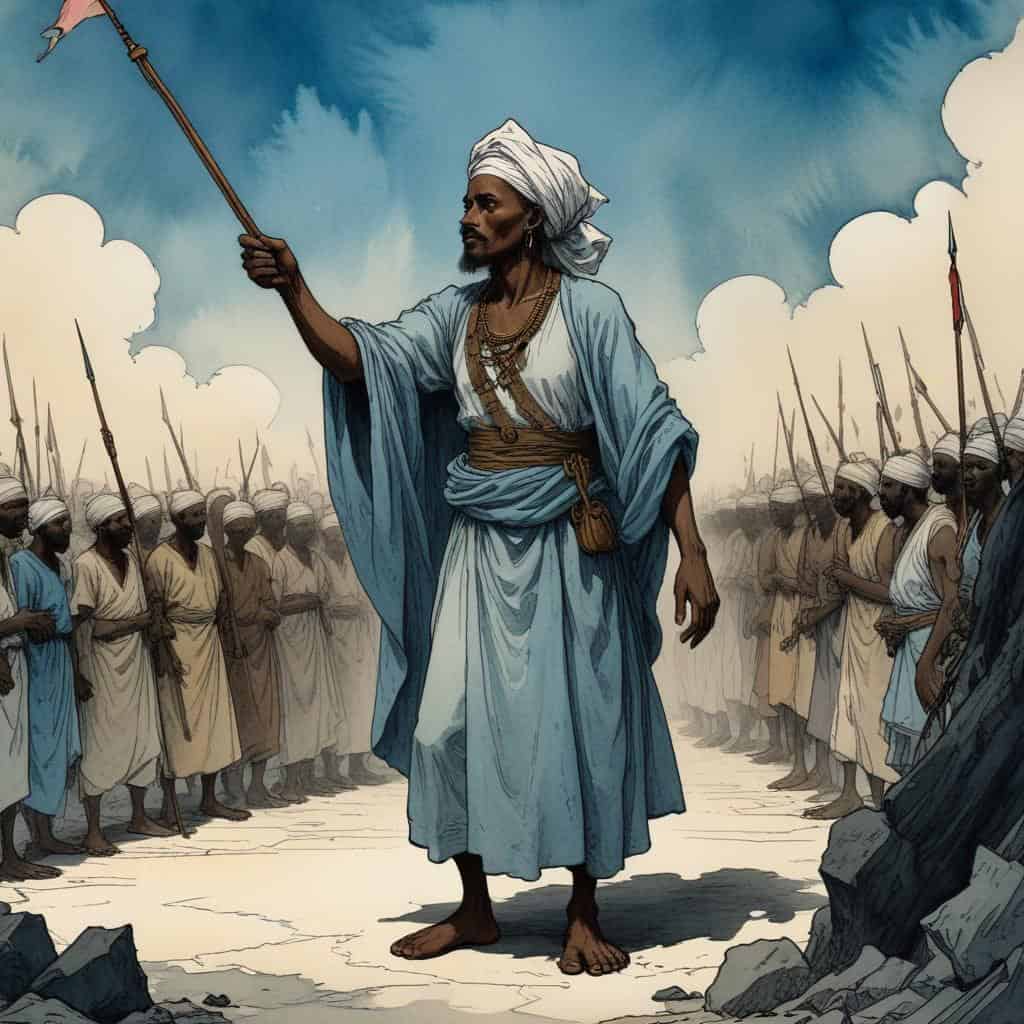
Kadra Mahamoud Haid
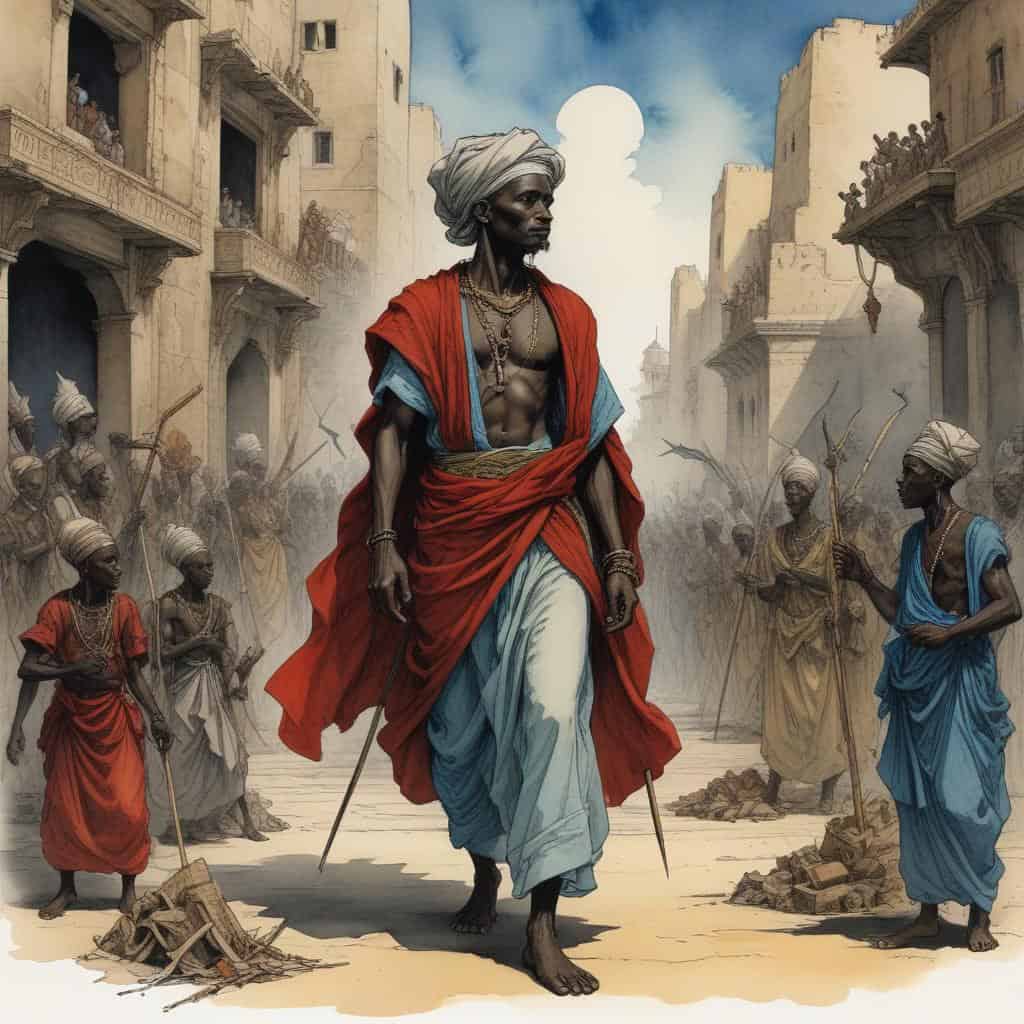
Djama Elmi Okieh

Ayanleh Souleiman
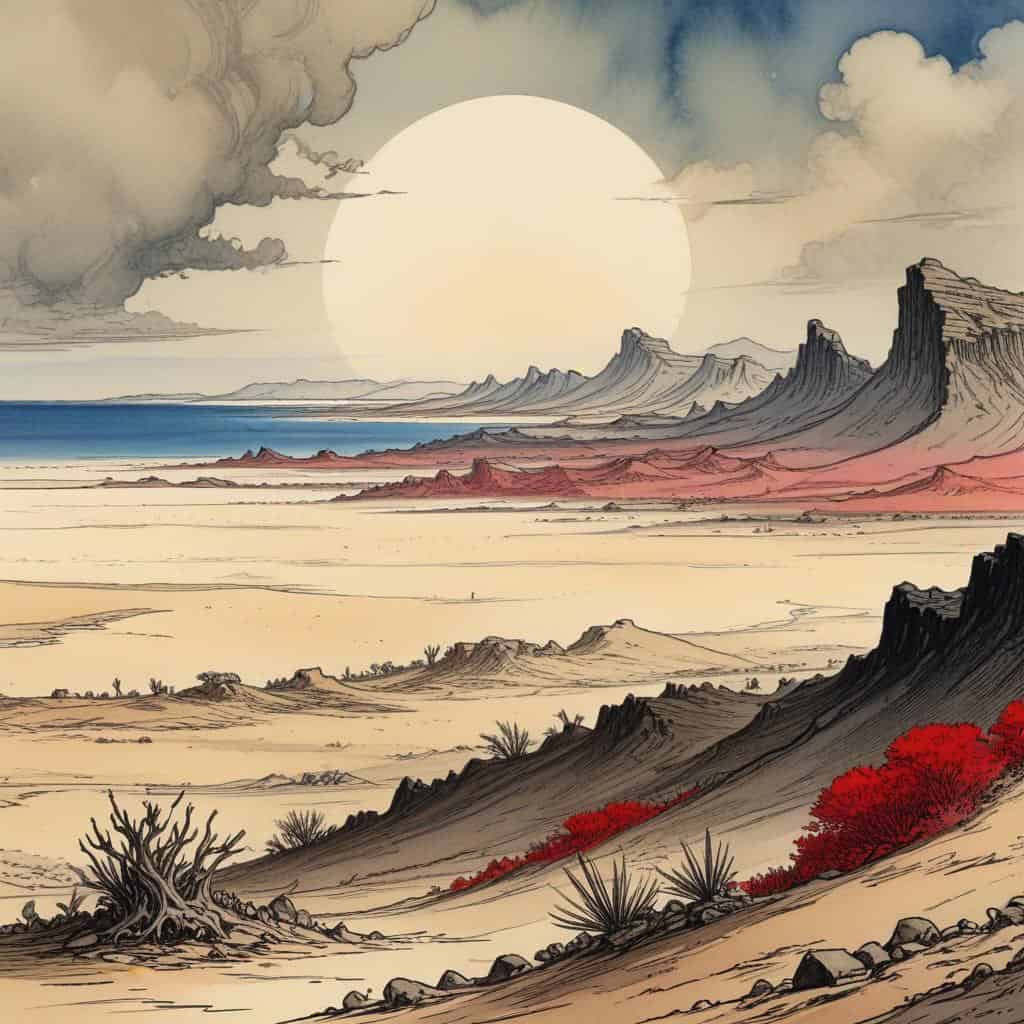
1. Location and Geography
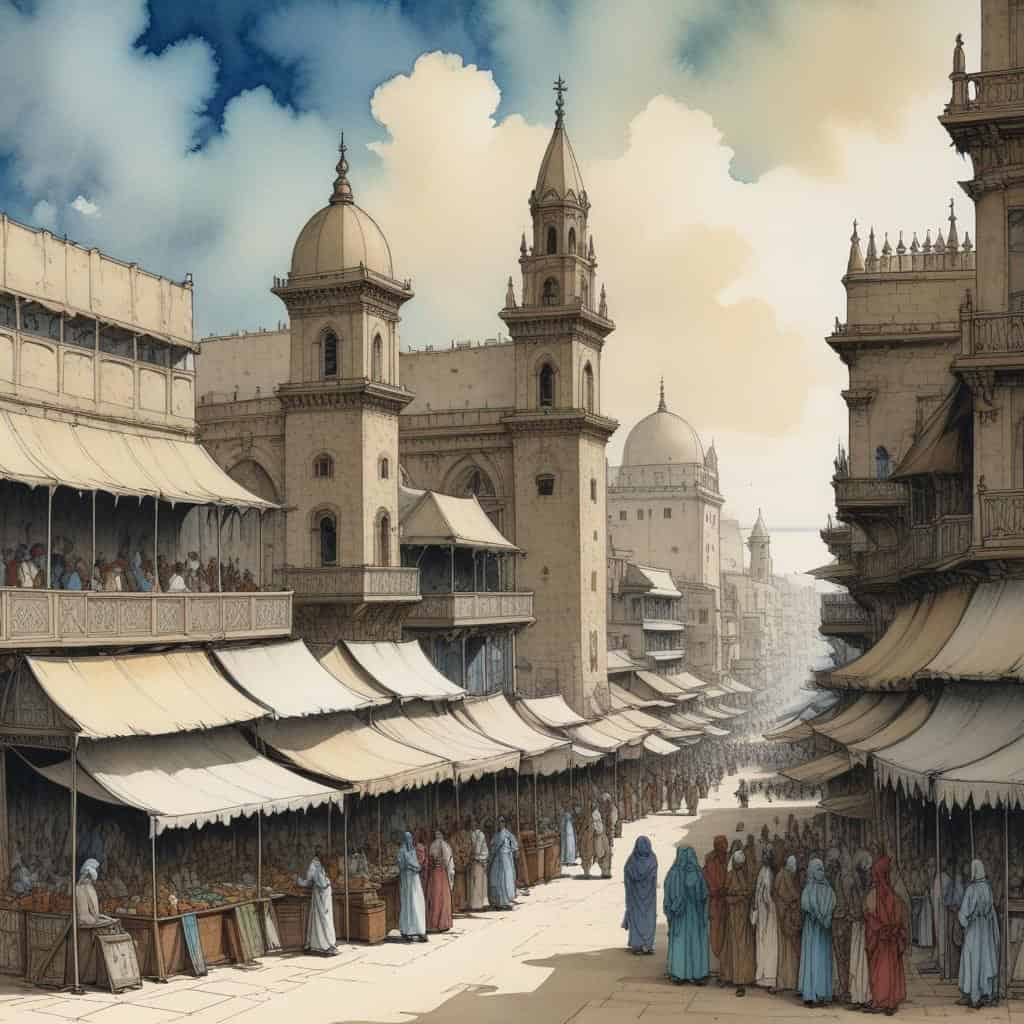
2. Capital City
3. Population and Languages
4. Culture and Traditions
5. Economy
6. Wildlife and Conservation
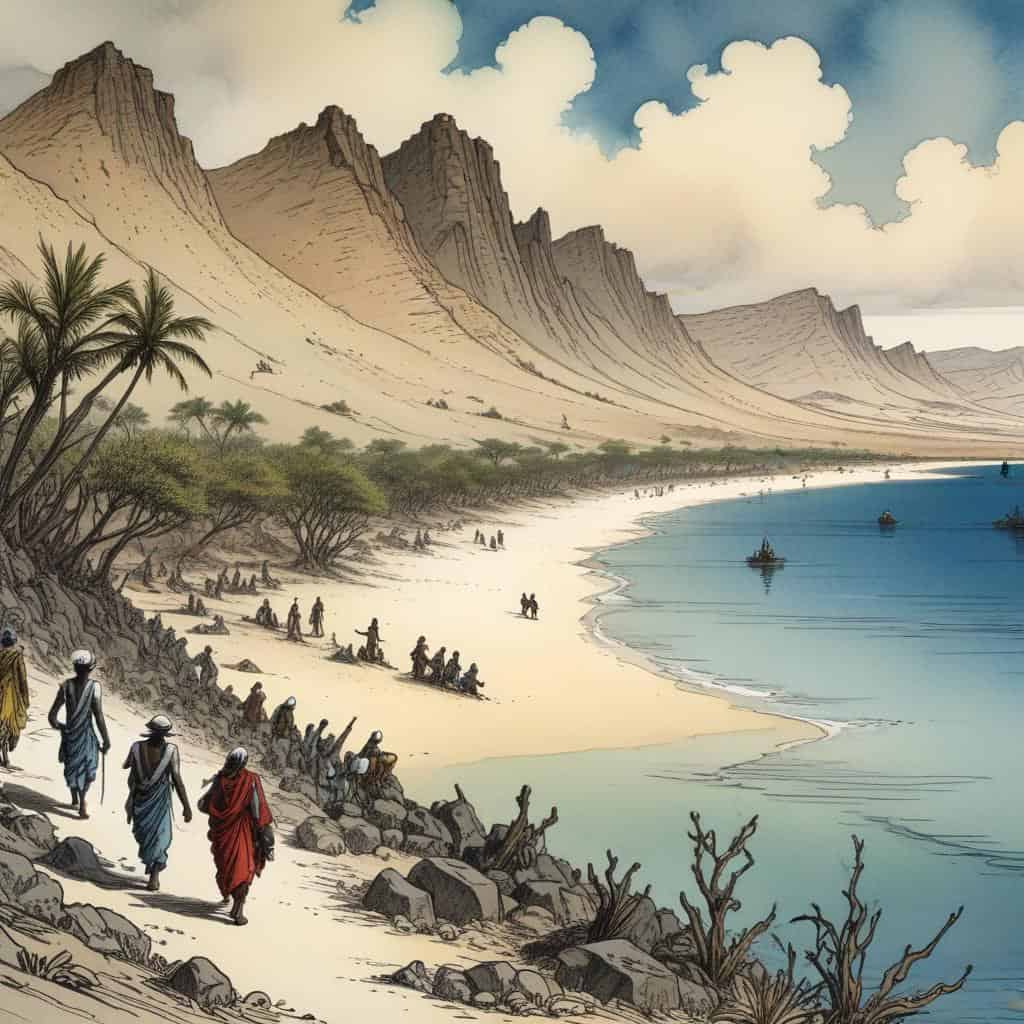
7. Landmarks and Attractions
8. Climate
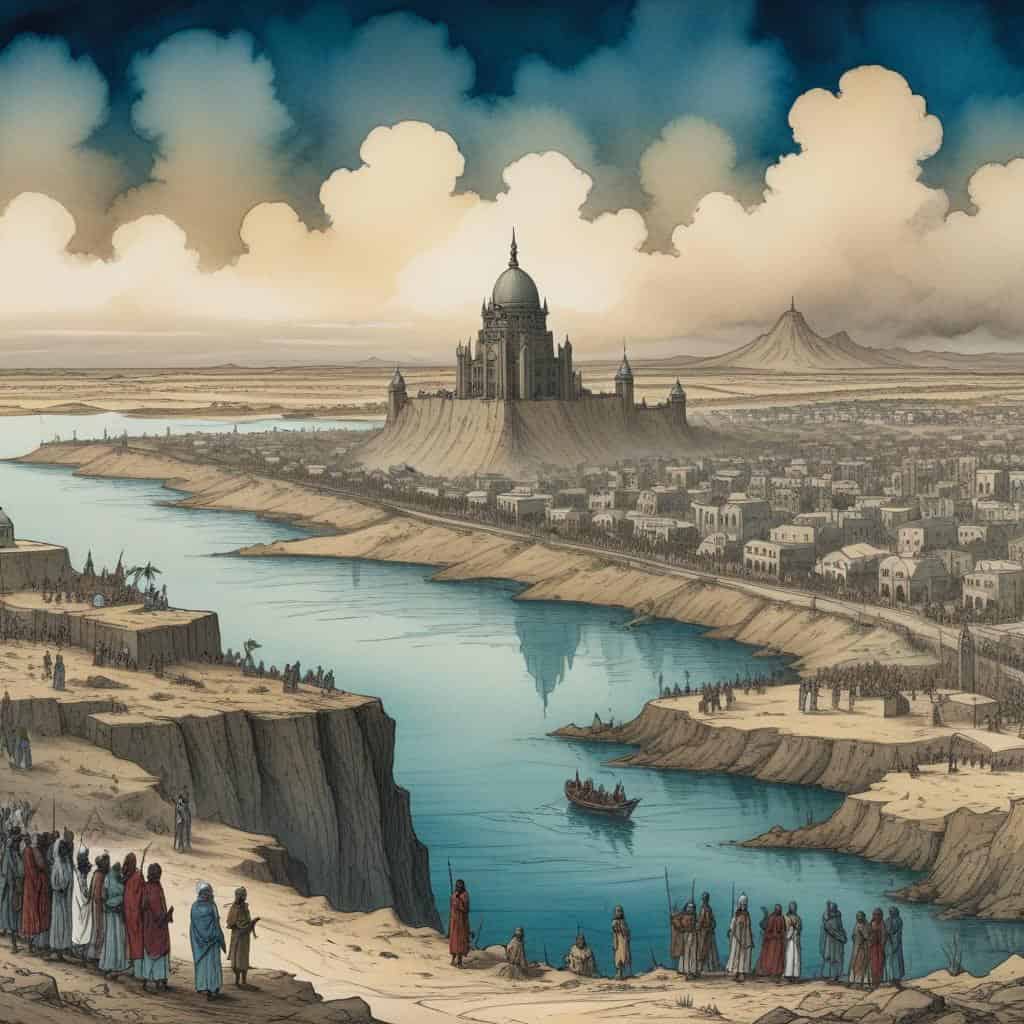
9. Political Landscape
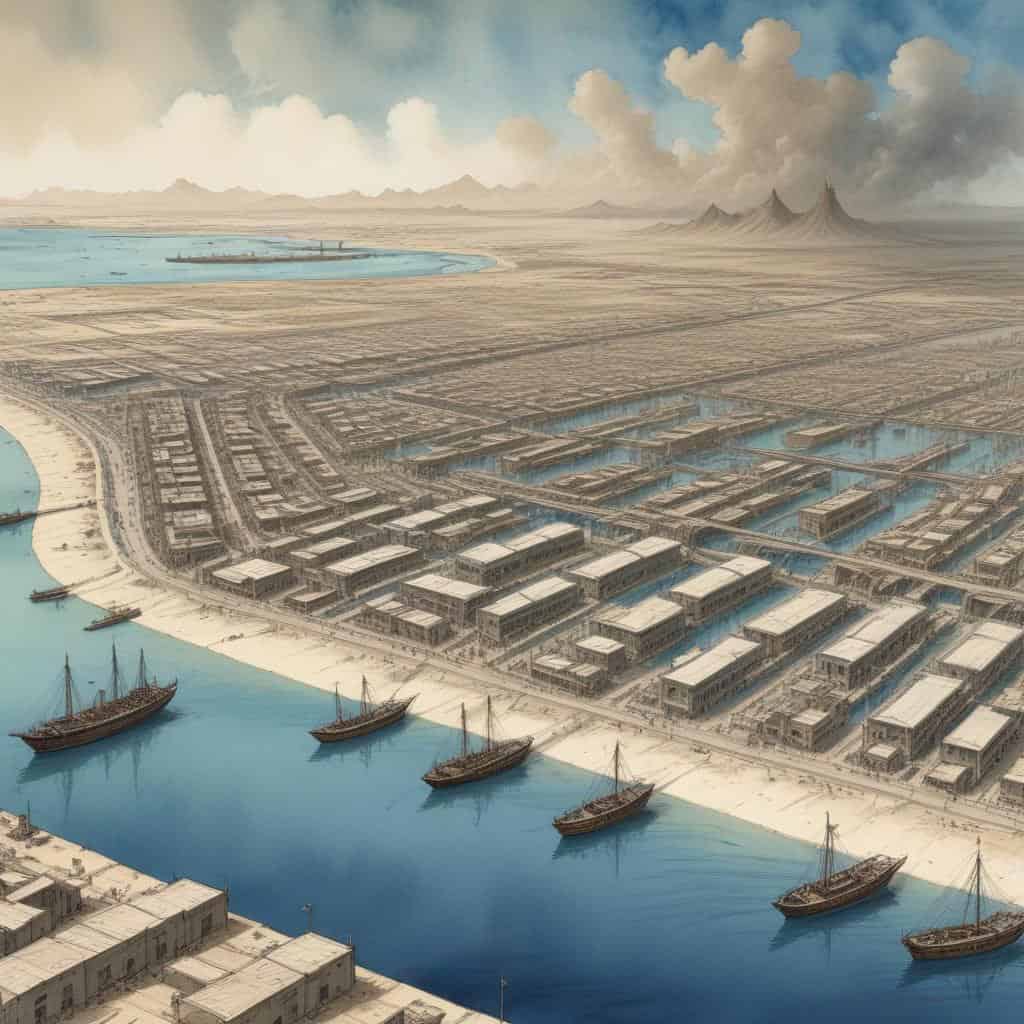
10. Future Development
Audio Library
As one of our featured lessons, this topic includes premium audio guides.
Unlock the Wizard's Cram Session
This powerful audio study guide is a Pro-exclusive feature. Upgrade to Memory Wizards Pro to access this and all of our premium learning tools.
Upgrade to ProIn a Nutshell
- Capital: Djibouti
- Population: Approx. 988,000 (2022)
- Official Language: French, Arabic
- Currency: Djiboutian franc (DJF)
Breaking Down the Country
Geopolitical Importance
Strategically located at the crossroads of Africa and the Middle East, Djibouti serves as a key hub for international trade and military operations.
Diverse Culture & Heritage
With influences from Somali, Afar, and French traditions, Djibouti boasts a rich tapestry of customs, languages, and vibrant artistic expressions.
Gateway to the Red Sea
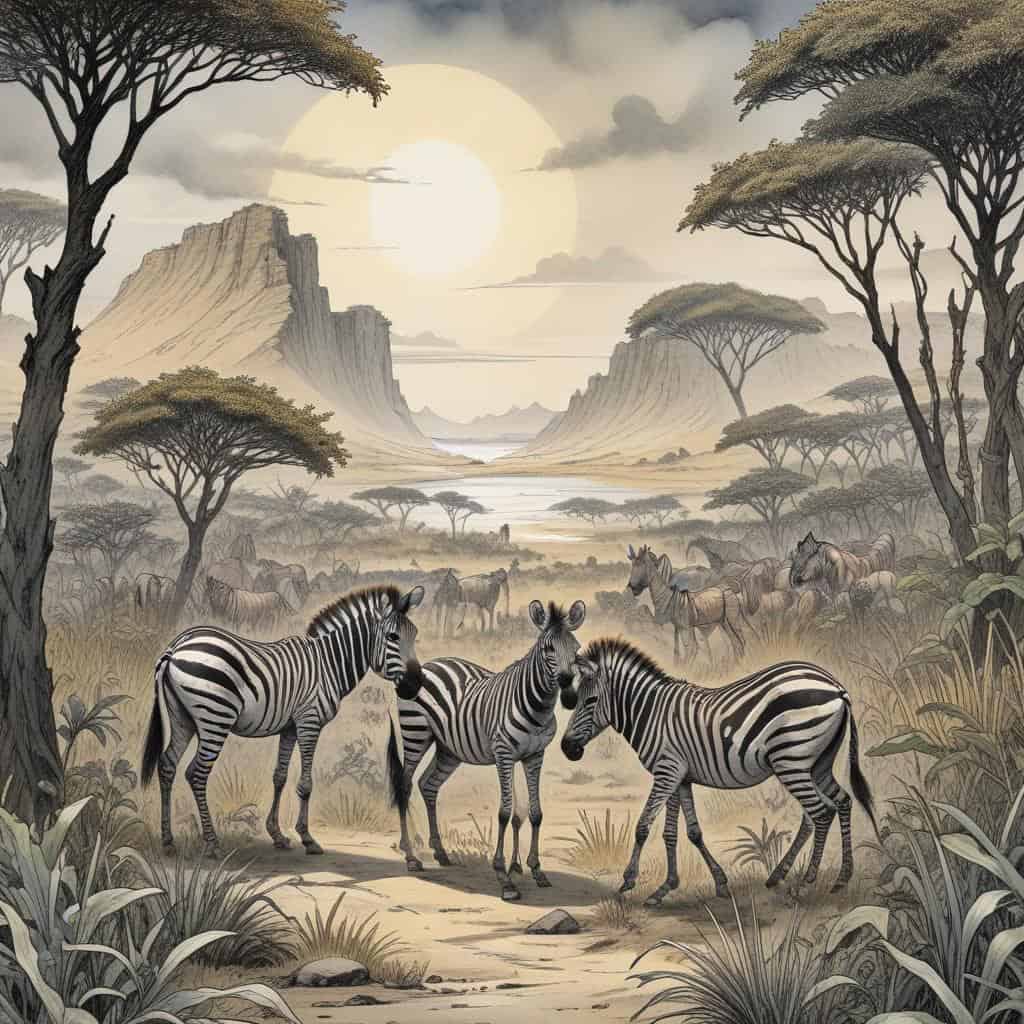
Explore Djibouti's stunning beaches, pristine coral reefs, and unique wildlife, making it a paradise for divers and nature enthusiasts.
Timeline of Djibouti
First recorded settlement in Djibouti by the Afar people
Arrival of Arab traders in Djibouti
Establishment of the Ifat Sultanate in Djibouti
Ottoman Empire gains control of Djibouti
French establish a presence in Djibouti
French Somaliland established in Djibouti
Djibouti becomes part of French Territory of the Afars and Issas
Independence of Djibouti from France
Start of the Djiboutian Civil War
Peace agreement signed to end the Djiboutian Civil War
Djibouti becomes a member of the Arab League
Djibouti hosts a U.S. military base
China establishes its first overseas military base in Djibouti
Djibouti becomes a key player in the Horn of Africa in the fight against terrorism
Djibouti signs a deal with China to build a free trade zone
Djibouti becomes a member of the International Monetary Fund and the World Bank
Djibouti hosts the headquarters of the Intergovernmental Authority on Development (IGAD)
Djibouti hosts a summit between the U.S. and North Korea
Djibouti signs a deal with the European Investment Bank for development projects
Djibouti experiences economic growth due to its strategic location for trade and military bases
Vocabulary List
- Djibouti
- Djibouti is a small country located in the Horn of Africa.
- Horn of Africa
- The Horn of Africa is a region in Northeast Africa that includes Djibouti, Eritrea, Ethiopia, and Somalia.
- Red Sea
- Djibouti is located on the coast of the Red Sea, making it an important strategic location for maritime trade.
- Capital
- The capital of Djibouti is also called Djibouti, and it is the largest city in the country.
- French Colonialism
- Djibouti was a French colony until it gained independence in 1977.
- Somali
- Djibouti has a significant Somali population, and Somali is one of the official languages of the country.
- Afar
- The Afar people are one of the main ethnic groups in Djibouti, and the Afar language is also spoken in the country.
- Geothermal Energy
- Djibouti is exploring the use of geothermal energy as a renewable energy source to reduce its reliance on fossil fuels.
- Arid Climate
- Djibouti has a hot and arid climate, with very little rainfall throughout the year.
- Maritime Trade
- Djibouti's strategic location on the Red Sea has made it an important hub for maritime trade in the region.
Key Facts
This is the information used in the fact matching game
- Djibouti is located in the Horn of Africa, bordered by Eritrea, Ethiopia, and Somalia.
- The official languages of Djibouti are French and Arabic.
- Djibouti gained independence from France in 1977.
- The capital and largest city of Djibouti is Djibouti City.
- Djibouti has a strategic location at the entrance to the Red Sea and the Gulf of Aden.
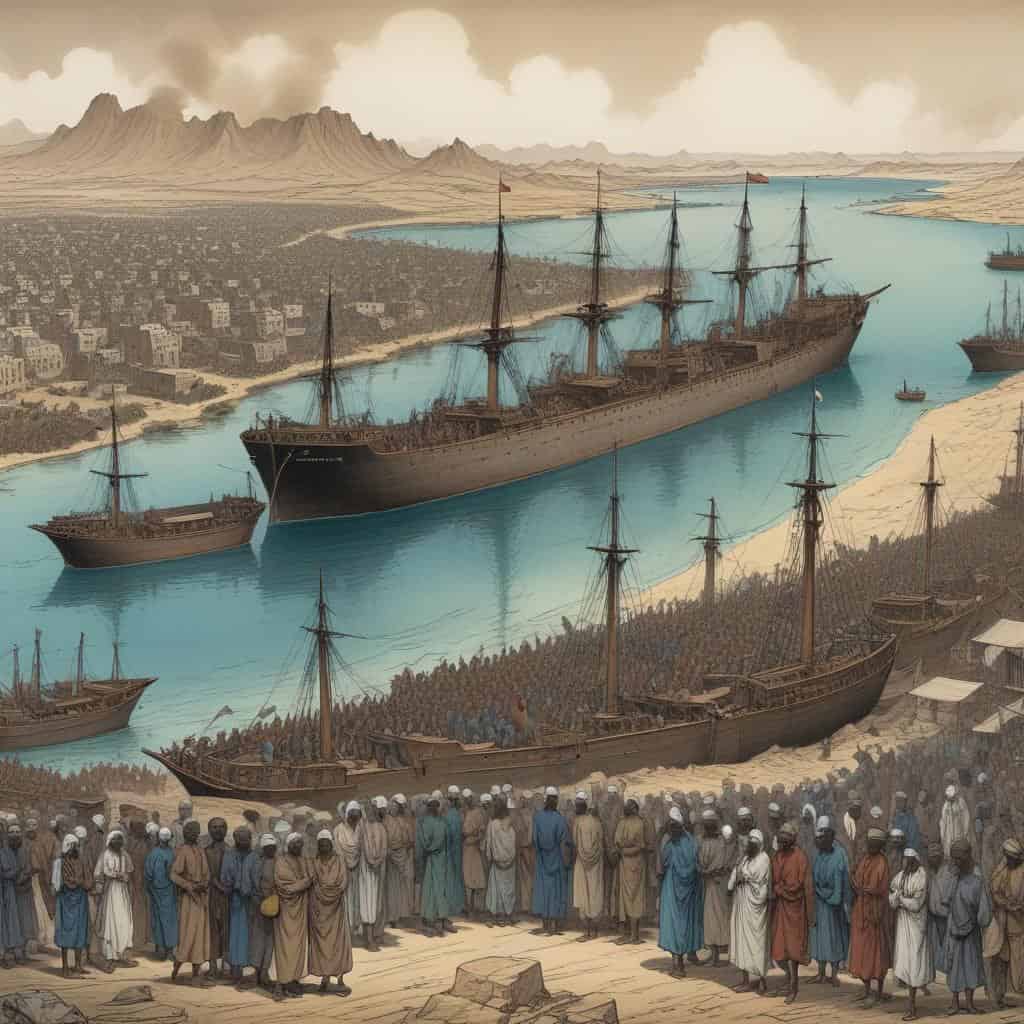
- The economy of Djibouti is largely based on services, including port services and tourism.
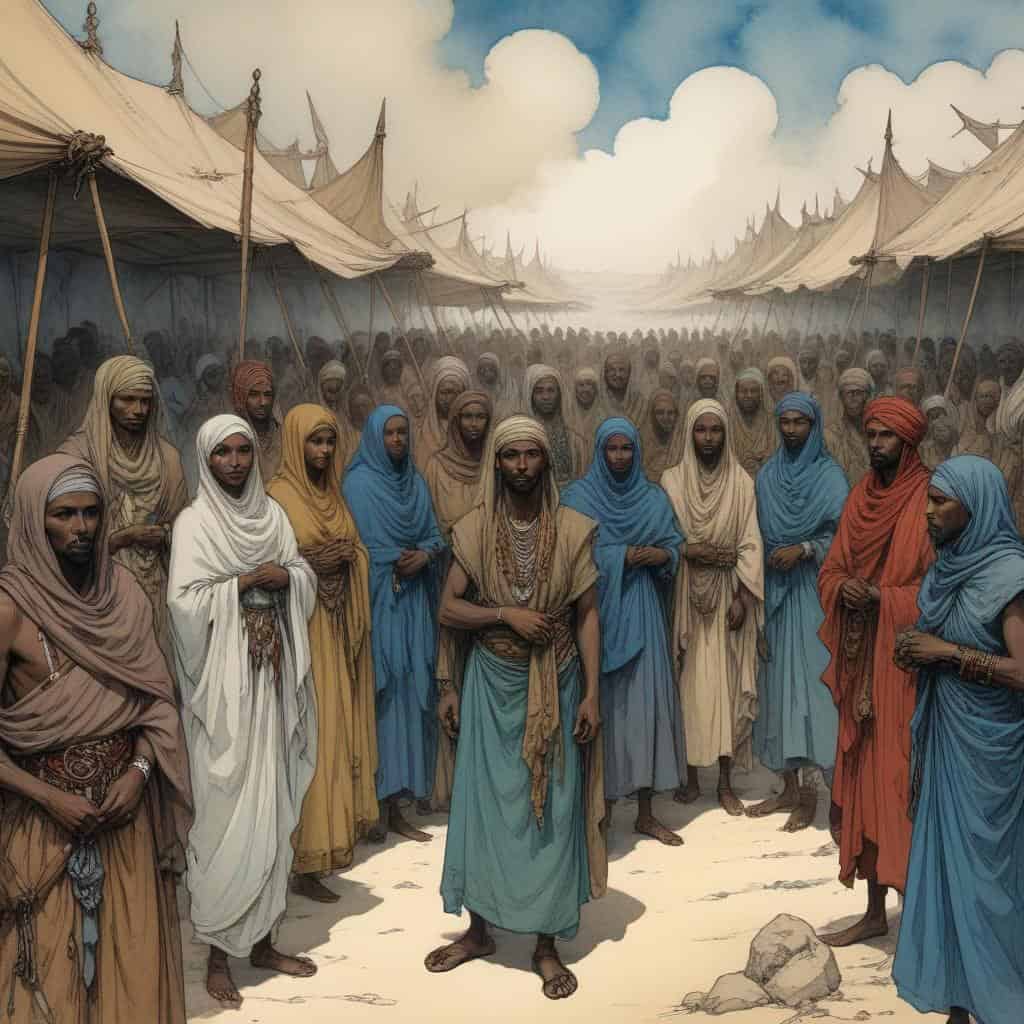
- Djibouti is a multi-ethnic country with a diverse population that includes Afar, Issa, and Somali ethnic groups.
- Djibouti has a hot desert climate with very high temperatures year-round.
- The unemployment rate in Djibouti is high, particularly among youth and women.
- Djibouti is a member of the African Union, Arab League, and Intergovernmental Authority on Development (IGAD).
- The country is home to Lake Assal, which is the lowest point in Africa and the third lowest point on Earth.
- Djibouti hosts military bases for several countries, including the United States, France, and China.
- The Djibouti-Ethiopia Railway is a key transportation link between Djibouti's port and landlocked Ethiopia.
- The country has a small but growing tourism industry, with attractions such as whale shark diving and hiking in the Goda Mountains.
- Djibouti has a high prevalence of HIV/AIDS, with an estimated 2.8% of the adult population living with the virus.
- The Djibouti Franc is the official currency of Djibouti.
- Djibouti has one of the highest population growth rates in the world, with a fertility rate of around 3.6 children per woman.
- The country faces challenges of water scarcity and desertification, with limited natural resources.
- Djibouti has a small but growing film industry, with the annual Djibouti Film Festival showcasing local and international talent.
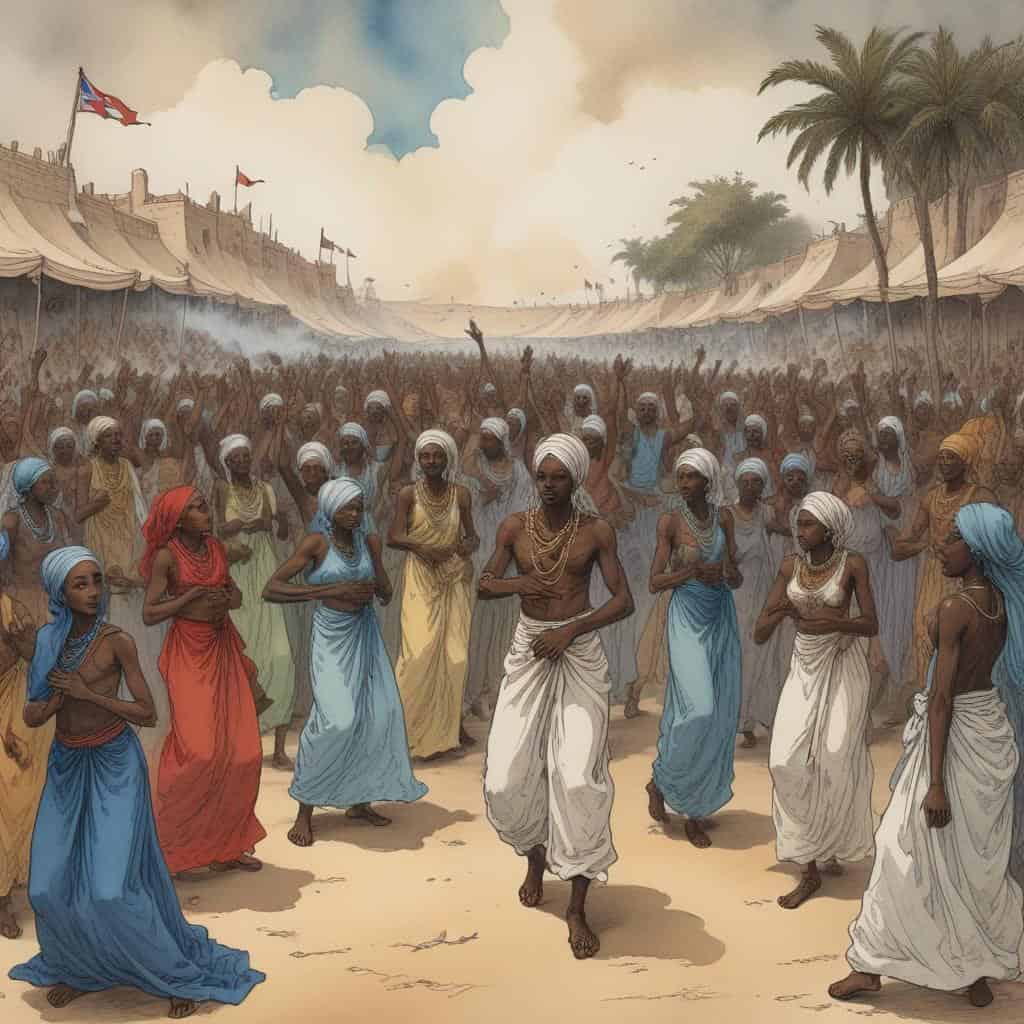
- Djibouti is known for its vibrant marketplaces, where locals sell everything from traditional textiles to spices and handicrafts.
Why It Matters
Geopolitical Significance
Strategically located at the entrance to the Red Sea, Djibouti serves as a vital gateway to the Suez Canal and the Indian Ocean, making it a key player in global trade and military operations. Its proximity to conflict zones in the Horn of Africa also positions it as a crucial hub for international security efforts.
Historical Importance
With a history shaped by Arab, Ottoman, and European influences, Djibouti has long been a melting pot of cultures and a crossroads for trade between Africa and the Middle East. Its colonial past and strategic location have left a lasting impact on its development and identity.
Modern-Day Role
Today, Djibouti hosts military bases for several foreign powers, including the United States, China, and France, reflecting its continued significance in global security affairs. Its stable government and strategic partnerships have made it a key player in regional stability and economic development initiatives.
Djibouti Games


Take Your Learning Offline
Want a convenient, print-ready study guide for this lesson? Become a Memory Wizards Pro member to unlock the downloadable " Memory Scrolls" for this topic and our entire library!
- ✓ Complete Vocabulary Lists
- ✓ Key Facts & Timelines
- ✓ Beautifully Formatted for Print & Mobile