
How Do You Learn Best?
Learn by Listening
Start with the 3-minute audio summary to get the key facts and narrative highlights quickly.
Learn by Reading
Immerse yourself in the 10-minute visual lesson for a comprehensive understanding of the topic.
Learn by Reviewing
Jump directly to the key facts, timeline, and vocabulary lists to build a solid foundation of details.
Learn by Doing
Challenge yourself! Jump straight into the interactive games to learn by trial, error, and discovery.
Central African Republic in 10 Minutes

Introduction
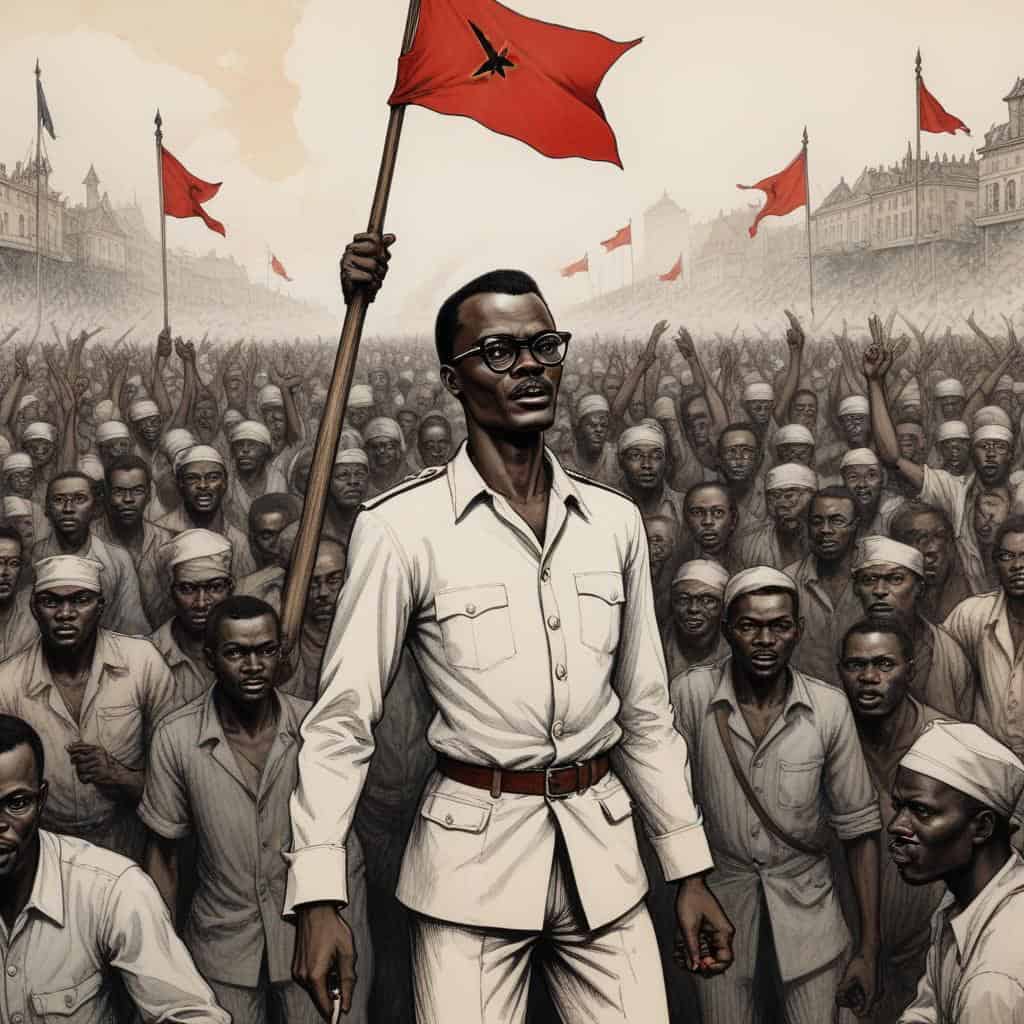
Patrice Lumumba
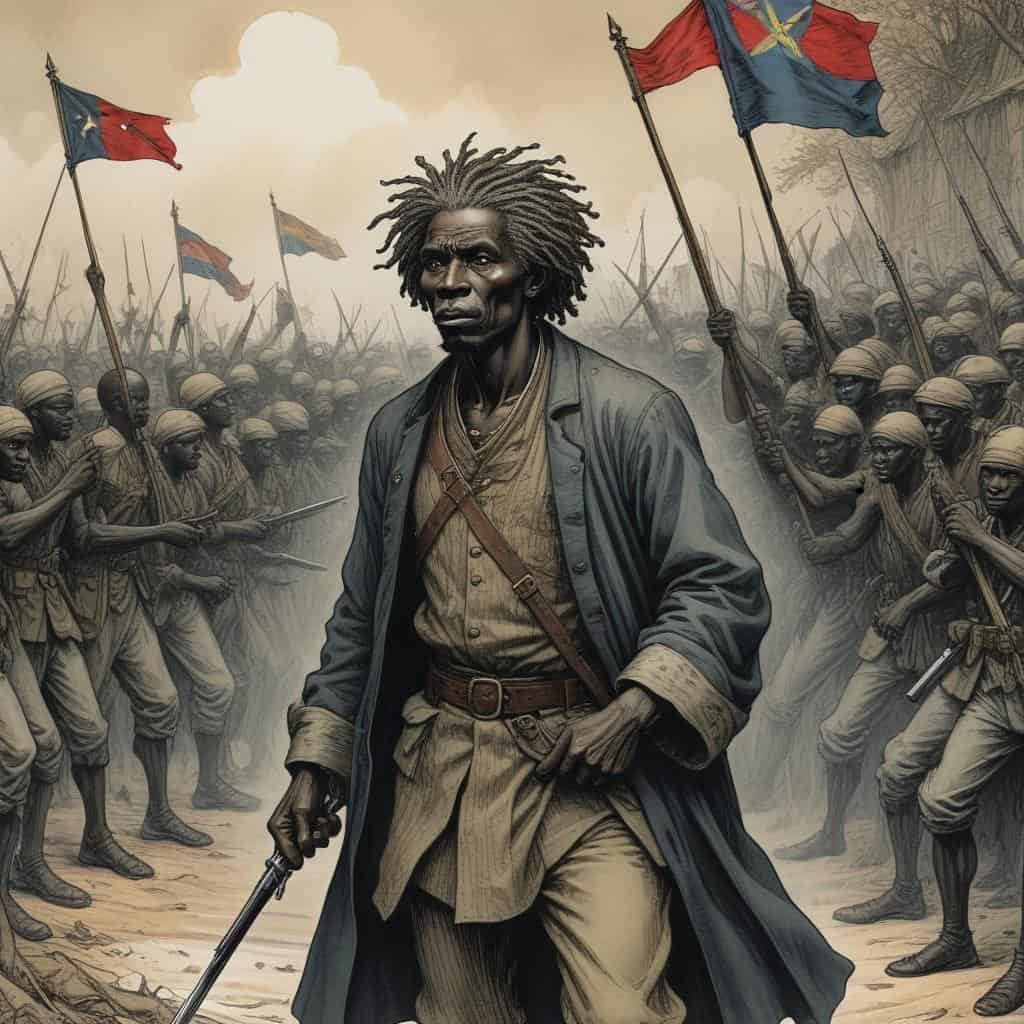
François Bozizé
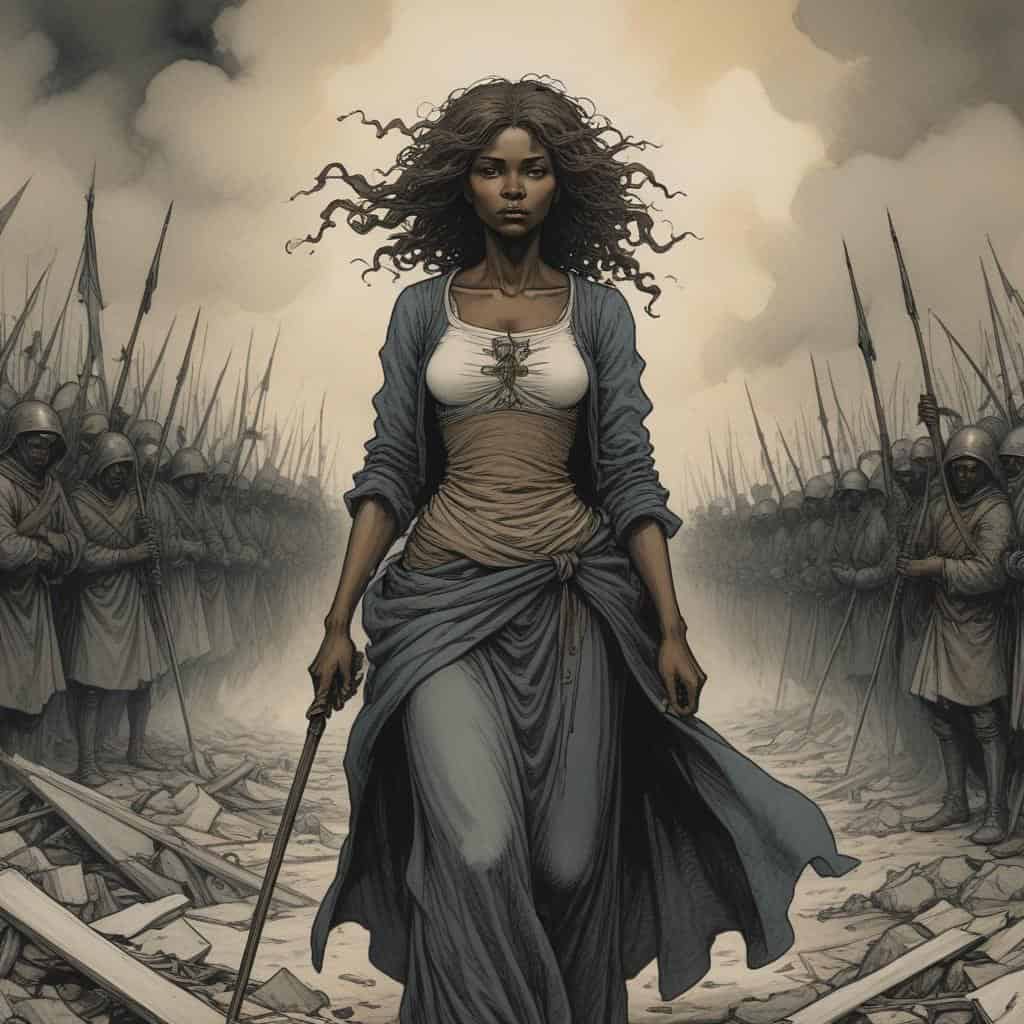
Catherine Samba-Panza
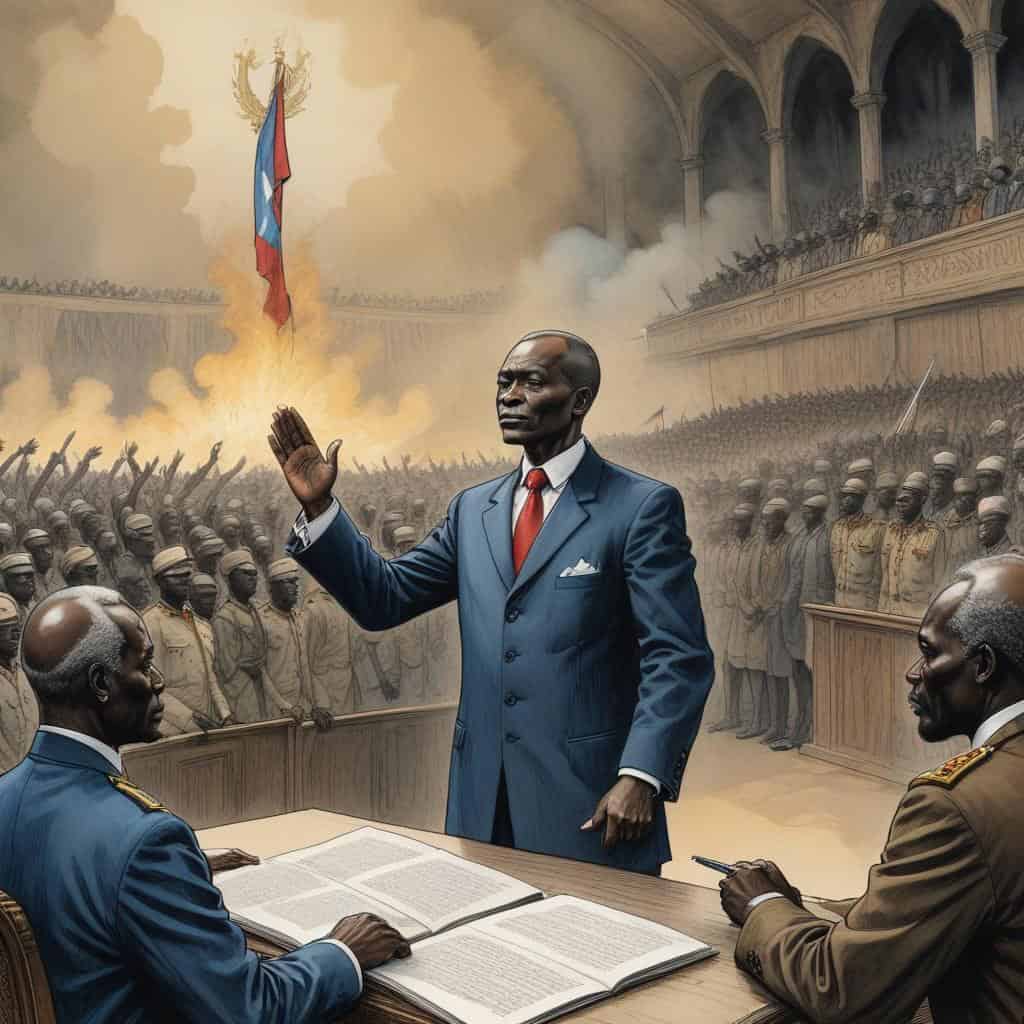
Michel Djotodia
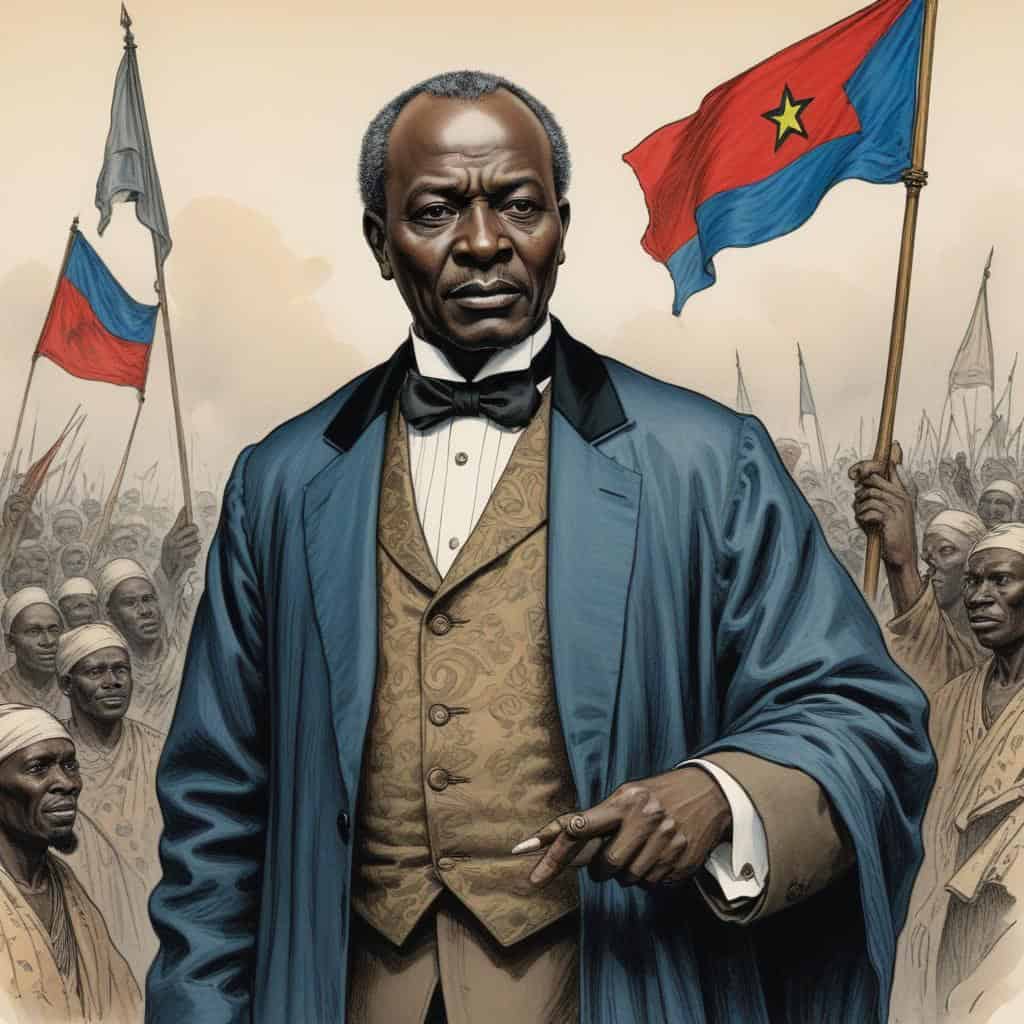
Antoine Gbalea
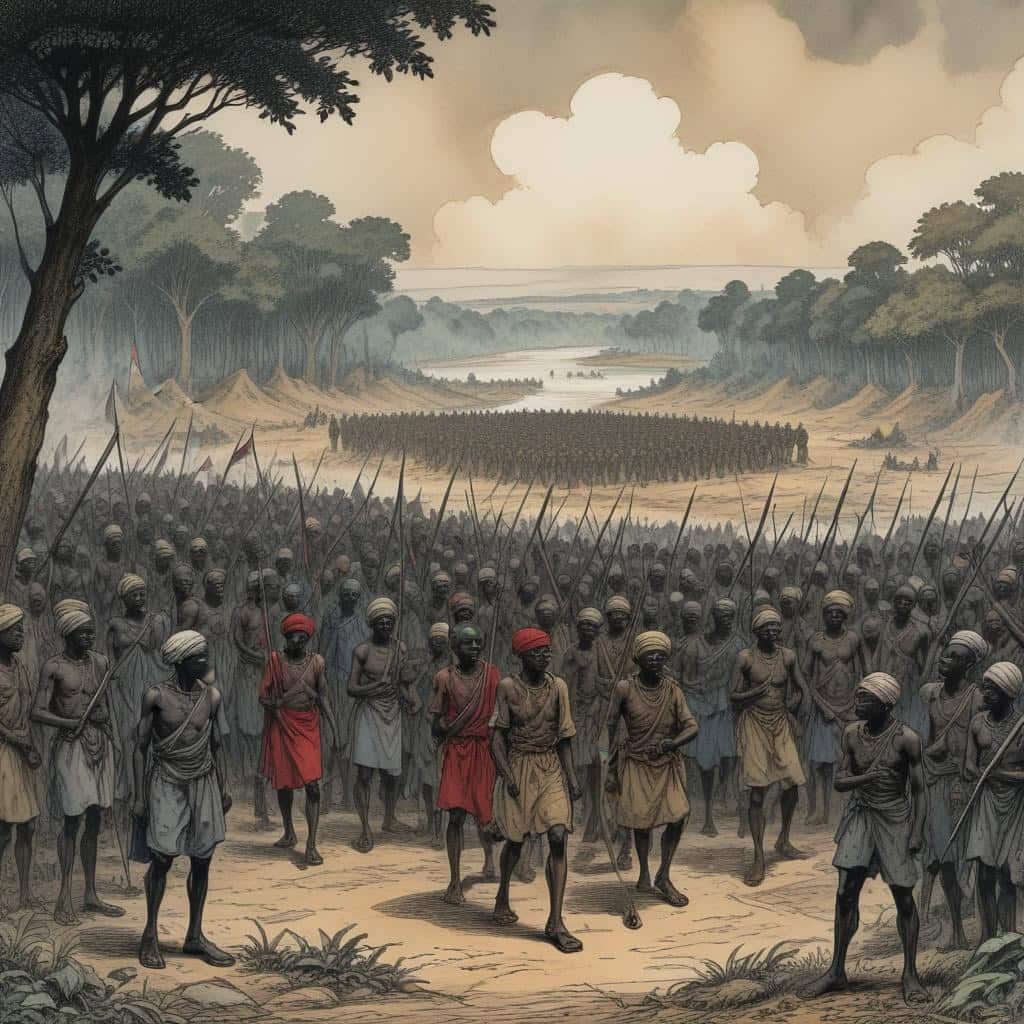
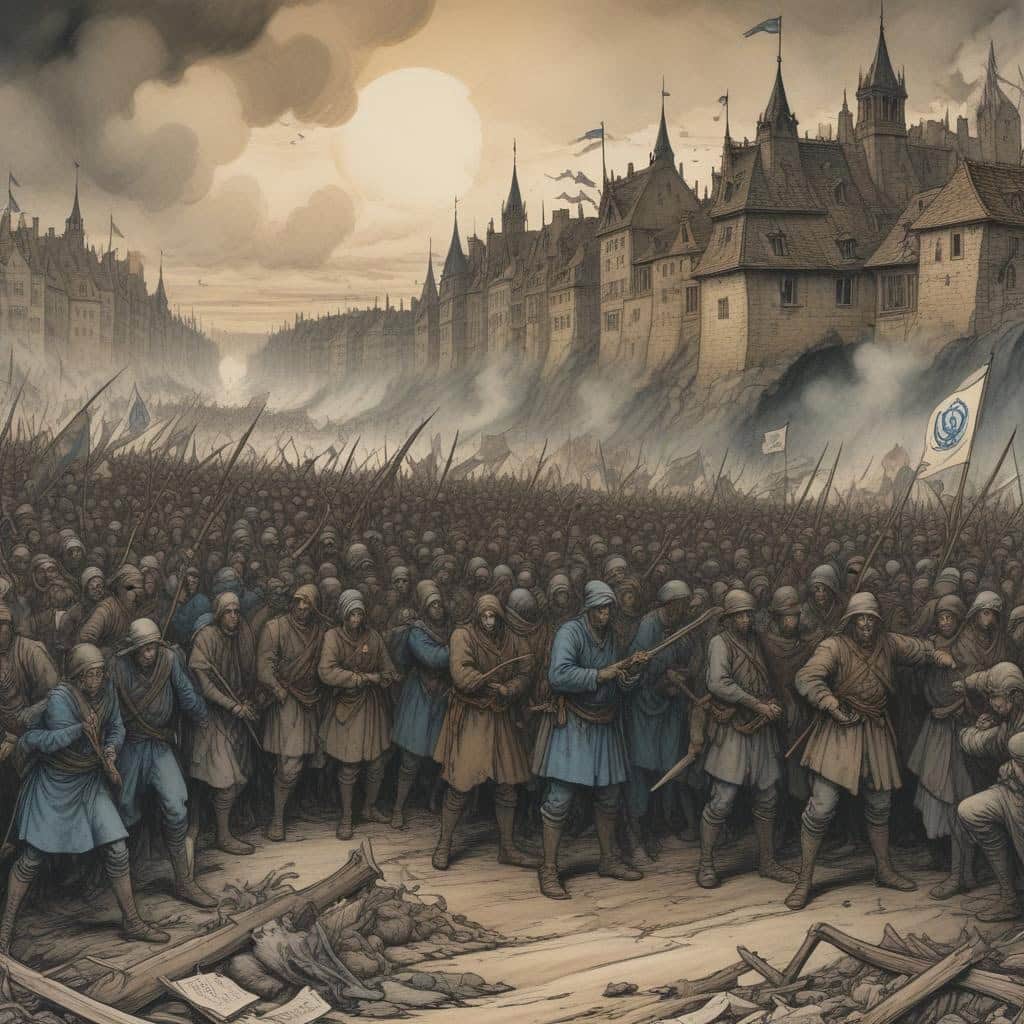
History of Central African Republic

Geography and Climate
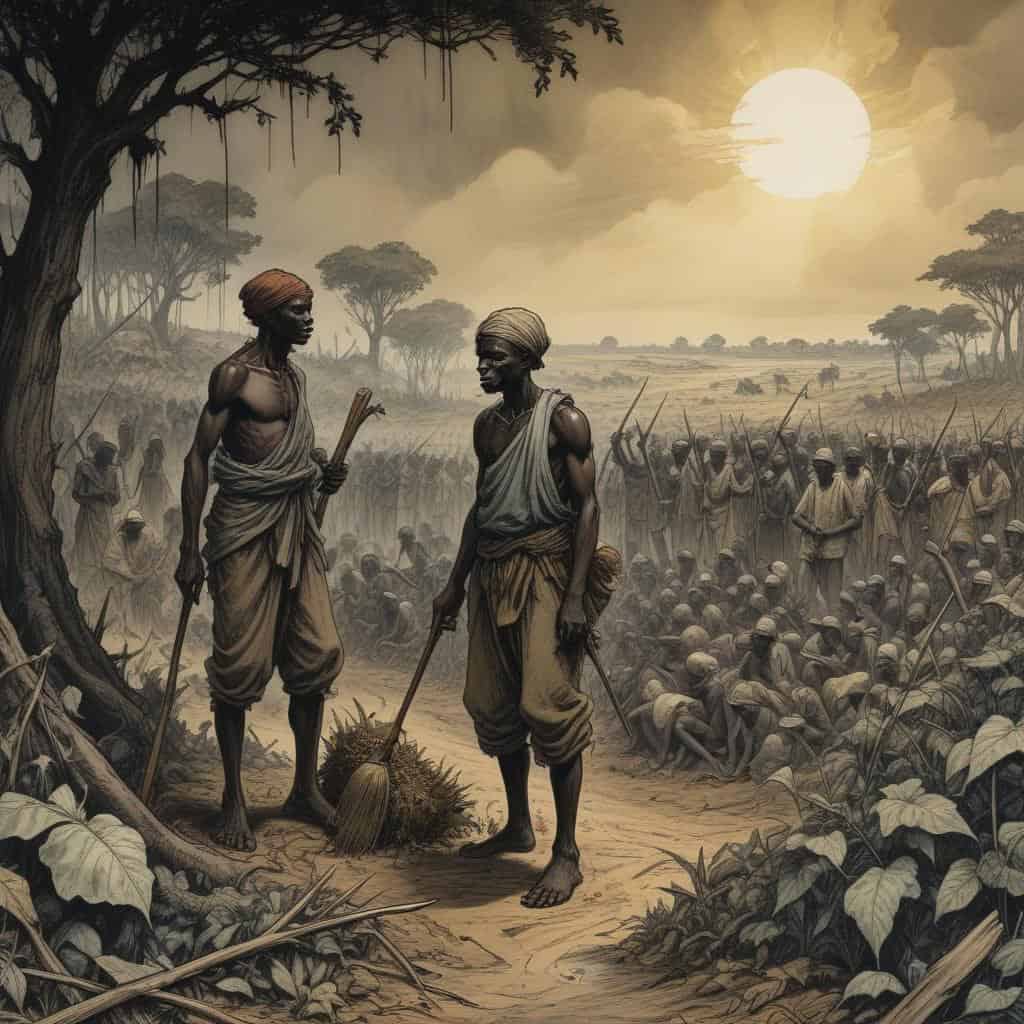
Economy and Natural Resources
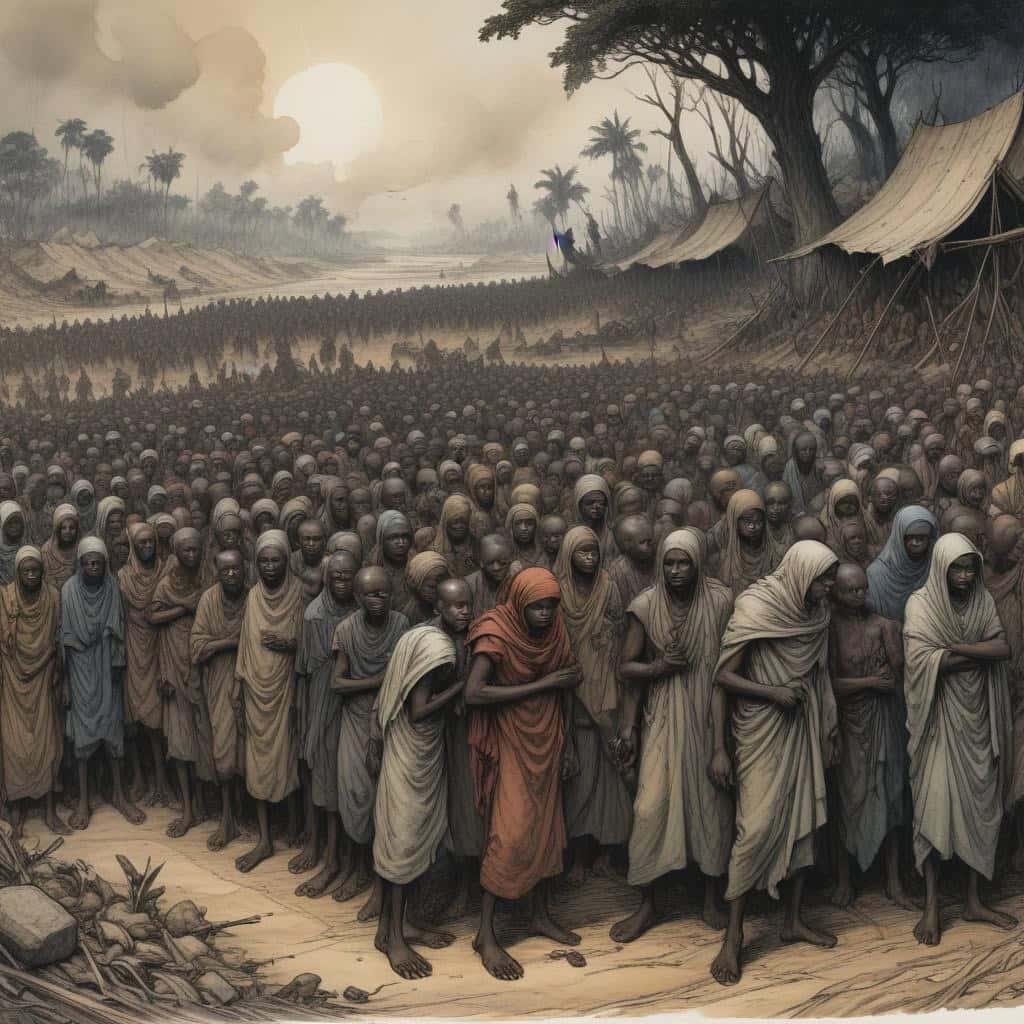
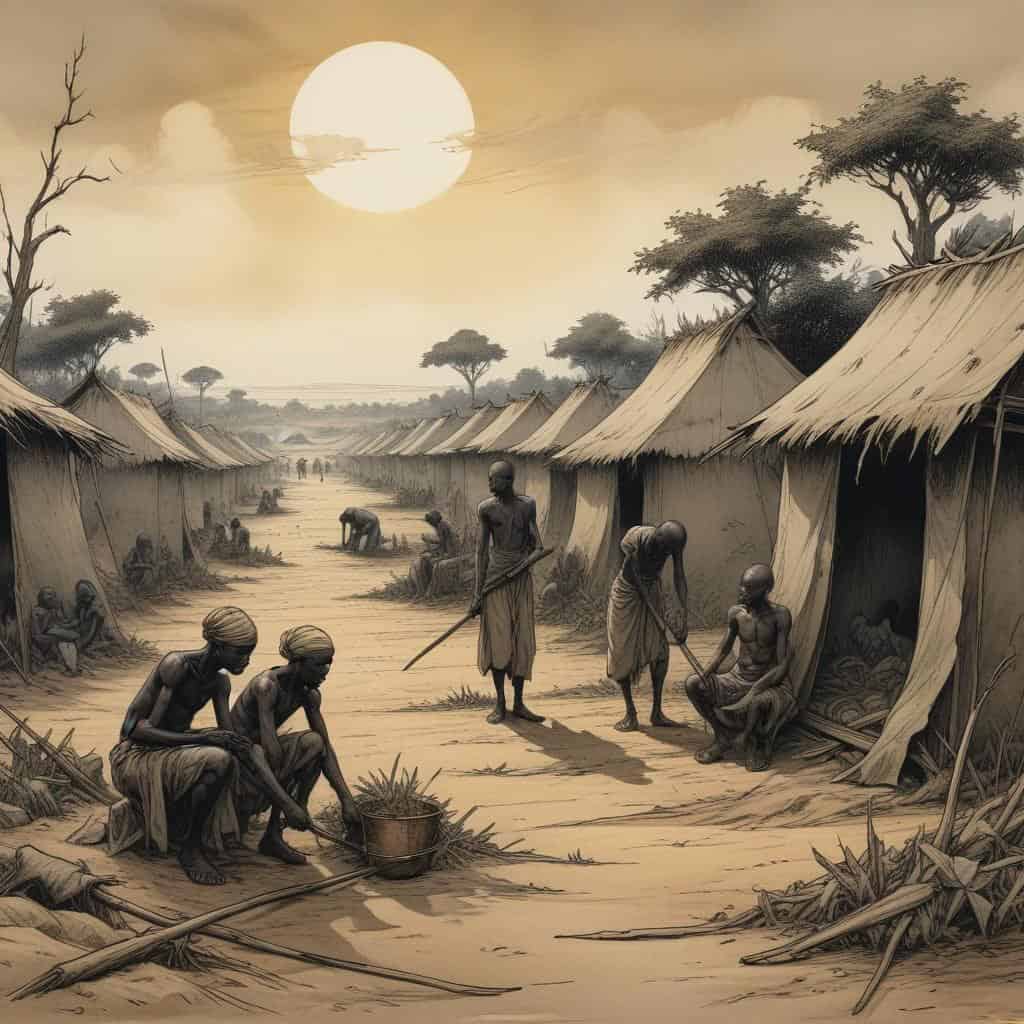
Humanitarian Crisis
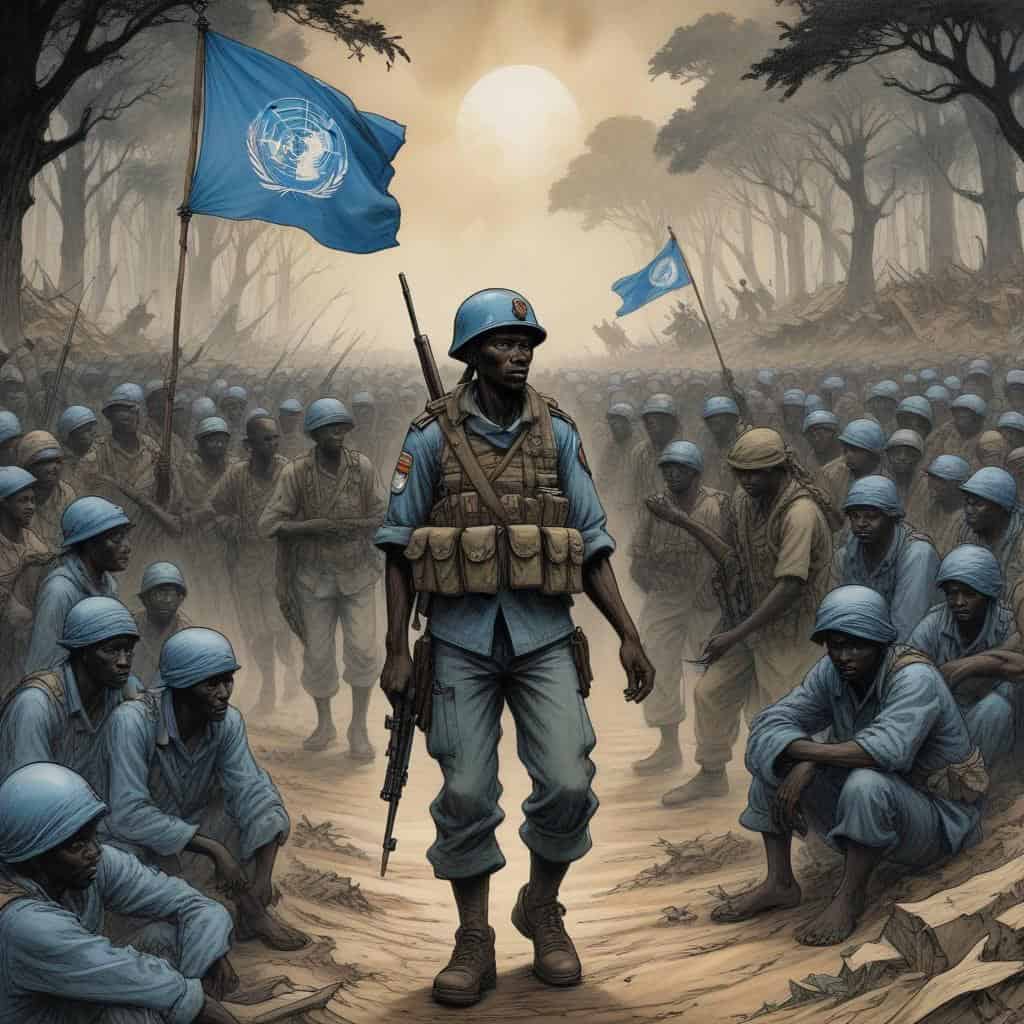
International Involvement
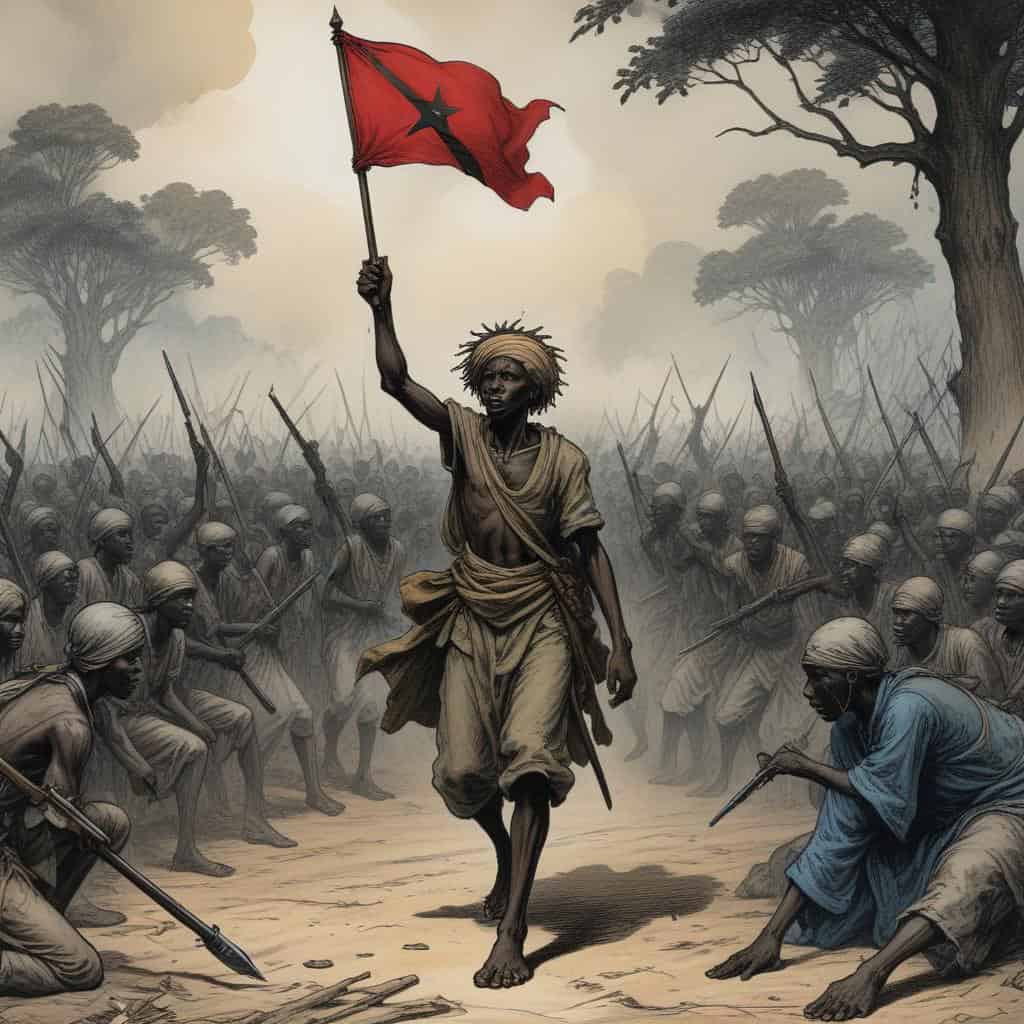
Current Situation
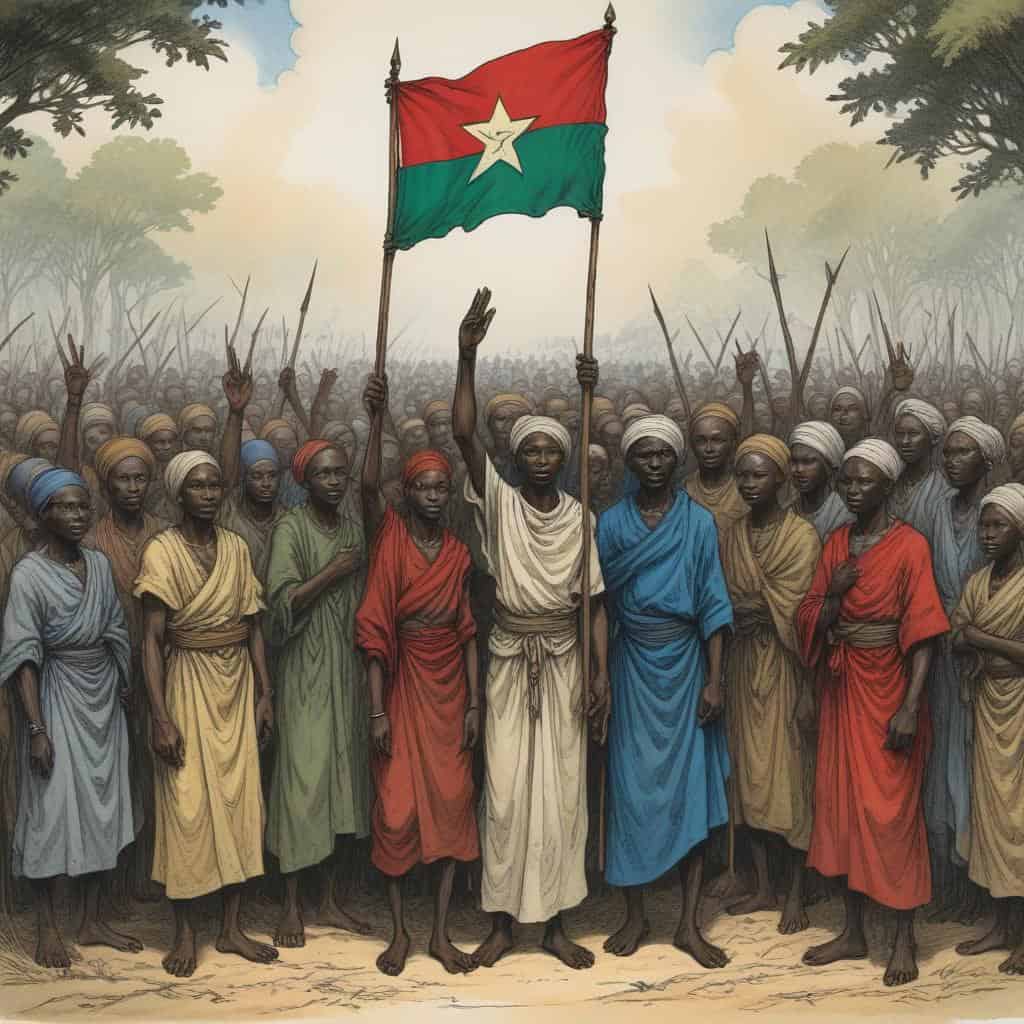
Future Prospects
Audio Library
As one of our featured lessons, this topic includes premium audio guides.
Unlock the Wizard's Cram Session
This powerful audio study guide is a Pro-exclusive feature. Upgrade to Memory Wizards Pro to access this and all of our premium learning tools.
Upgrade to ProIn a Nutshell
- Capital: Bangui
- Population: Approx. 4.9 million (2021)
- Official Language: French, Sango
- Currency: Central African CFA franc (XAF)
Breaking Down the Country
Central Location
Central African Republic is located in the heart of Africa, bordered by six countries and known for its diverse landscapes and wildlife.
Cultural Diversity
Home to over 80 ethnic groups, Central African Republic celebrates a rich tapestry of traditions, languages, and customs.
Colonial Legacy
Shaped by French colonial rule, Central African Republic has a complex history that has influenced its modern society and governance.
Timeline of Central African Republic
Central African Republic gains independence from France
First President David Dacko comes to power
Military coup led by Jean-Bédel Bokassa ousts Dacko
Central African Empire declared with Bokassa as Emperor
Bokassa overthrown in a French-supported coup
Country reverts to a republic with David Dacko as President
André Kolingba takes power in a military coup
Multi-party elections held, Ange-Félix Patassé wins presidency
Civil war breaks out between government and rebel forces
Peace agreement signed between warring factions
Ange-Félix Patassé re-elected as President
François Bozizé seizes power in a military coup
Bozizé wins disputed presidential election
Rebel coalition ousts Bozizé from power
Michel Djotodia declares himself President
Violence escalates leading to humanitarian crisis
Transitional government established
Faustin-Archange Touadéra elected President
UN peacekeeping mission established in CAR
Ongoing conflict and instability in the country
Vocabulary List
- Bangui
- The capital and largest city of the Central African Republic.
- Sangha River
- A major river in the Central African Republic that flows through the country.
- Séléka
- A rebel coalition that took control of the Central African Republic in 2013.
- Diamonds
- One of the country's major exports, contributing to its economy.
- French
- The official language of the Central African Republic.
- Chimpanzees
- A species of great ape found in the rainforests of the Central African Republic.
Key Facts
This is the information used in the fact matching game
- The Central African Republic is a landlocked country located in Central Africa.
- The capital city of the Central African Republic is Bangui.
- Central African Republic gained independence from France in 1960.
- The official languages of Central African Republic are French and Sango.
- Central African Republic has a population of approximately 5 million people.
- The country has a tropical climate with distinct wet and dry seasons.
- The economy of Central African Republic is primarily based on agriculture, with diamonds and timber also being important exports.
- Central African Republic is known for its rich biodiversity, including national parks and wildlife reserves.
- The country has faced political instability and conflict in recent years, leading to humanitarian crises.
- Central African Republic is one of the poorest countries in the world, with high levels of poverty and limited access to basic services.
- The official currency of Central African Republic is the Central African CFA franc.
- The Central African Republic is a member of the United Nations and the African Union.
- The country has a diverse cultural heritage, with traditional music, dance, and art forms.
- Central African Republic is home to a variety of ethnic groups, including the Baya, Banda, and Sara.
- The healthcare system in Central African Republic faces challenges, with limited access to medical care in rural areas.
- The Central African Republic has a history of coups and political instability since gaining independence.
- The country is known for its traditional cuisine, which includes dishes such as cassava, plantains, and peanut sauce.
- Central African Republic has a high rate of child malnutrition, with many children suffering from stunted growth.
- The Central African Republic has a history of conflict between Christian and Muslim communities, leading to sectarian violence.
- The country is known for its traditional crafts, including pottery, basket weaving, and beadwork.
Why It Matters
Geopolitical Significance
The Central African Republic’s location in the heart of Africa gives it strategic importance as a landlocked country bordering six nations. Its stability and relationships with neighboring countries impact regional security and economic dynamics, especially in the context of conflicts and humanitarian crises in the region.
Historical Importance
The Central African Republic has a complex history shaped by colonialism, independence struggles, and political instability. It has experienced periods of violence and conflict, including civil wars and coups, which have had lasting effects on its society and development. Understanding this history is crucial to grasping its current challenges and opportunities.
Modern-Day Role
Today, the Central African Republic faces ongoing challenges related to governance, security, and development. International efforts to support peacebuilding, humanitarian aid, and sustainable development are crucial for the country’s future. Its role in regional organizations and partnerships also influences efforts to promote stability and prosperity in Central Africa.
Central African Republic Games


Take Your Learning Offline
Want a convenient, print-ready study guide for this lesson? Become a Memory Wizards Pro member to unlock the downloadable " Memory Scrolls" for this topic and our entire library!
- ✓ Complete Vocabulary Lists
- ✓ Key Facts & Timelines
- ✓ Beautifully Formatted for Print & Mobile