
How Do You Learn Best?
Learn by Listening
Start with the 3-minute audio summary to get the key facts and narrative highlights quickly.
Learn by Reading
Immerse yourself in the 10-minute visual lesson for a comprehensive understanding of the topic.
Learn by Reviewing
Jump directly to the key facts, timeline, and vocabulary lists to build a solid foundation of details.
Learn by Doing
Challenge yourself! Jump straight into the interactive games to learn by trial, error, and discovery.
Cameroon in 10 Minutes
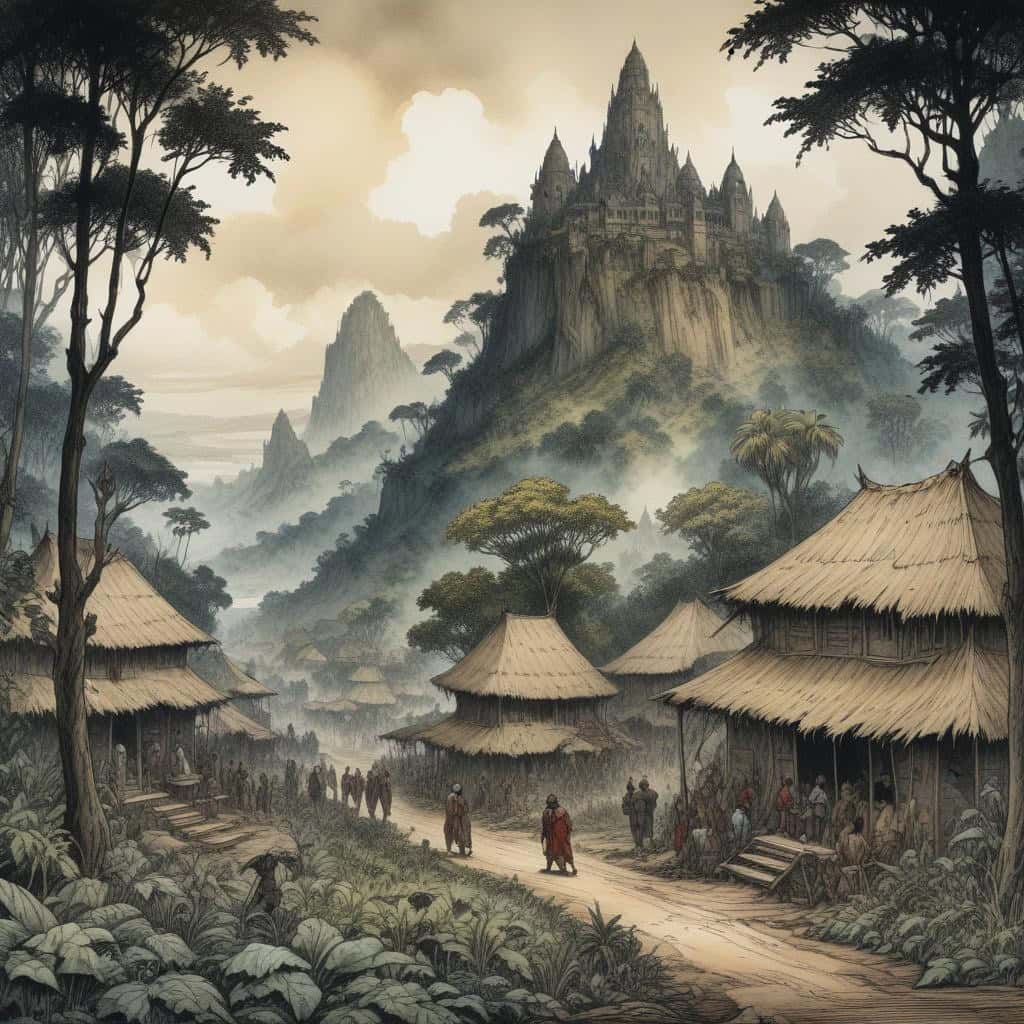
Introduction


Paul Biya
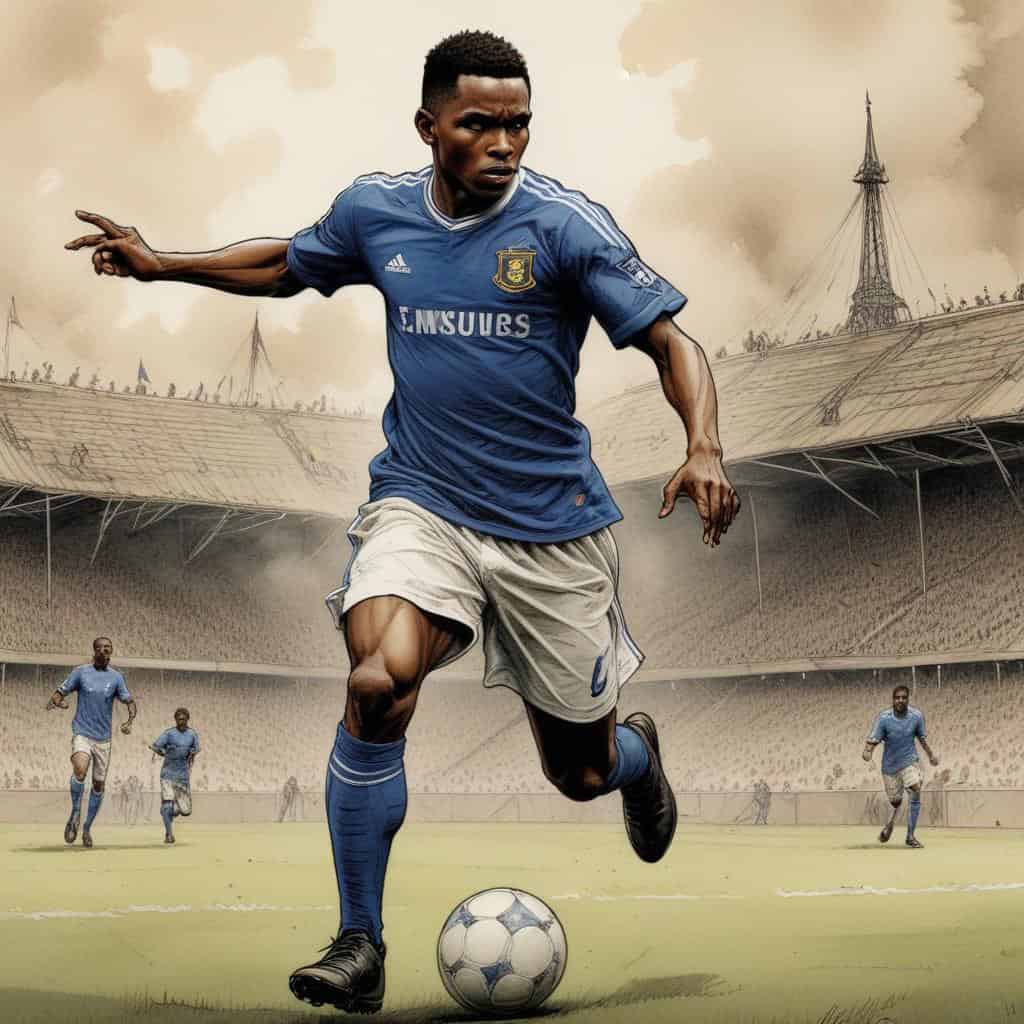
Samuel Etoo

Manu Dibango
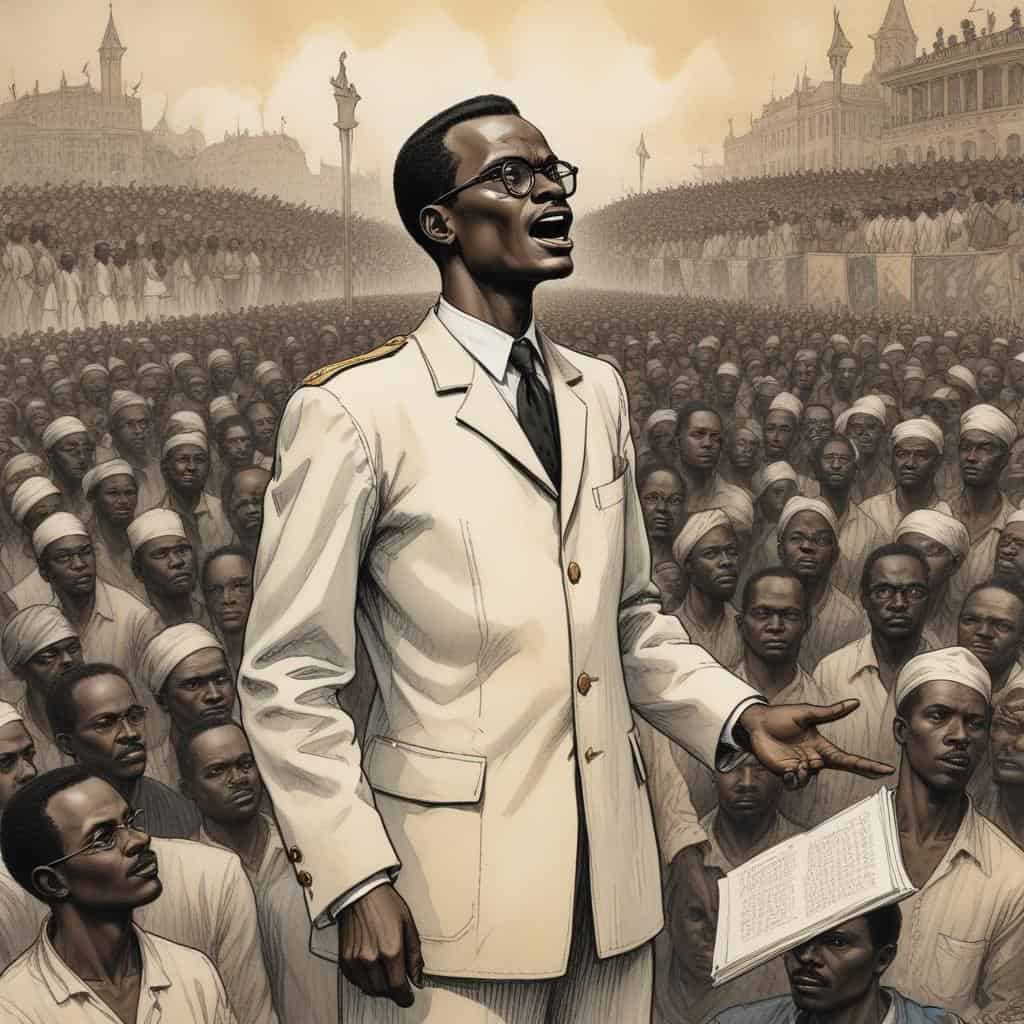
Patrice Lumumba
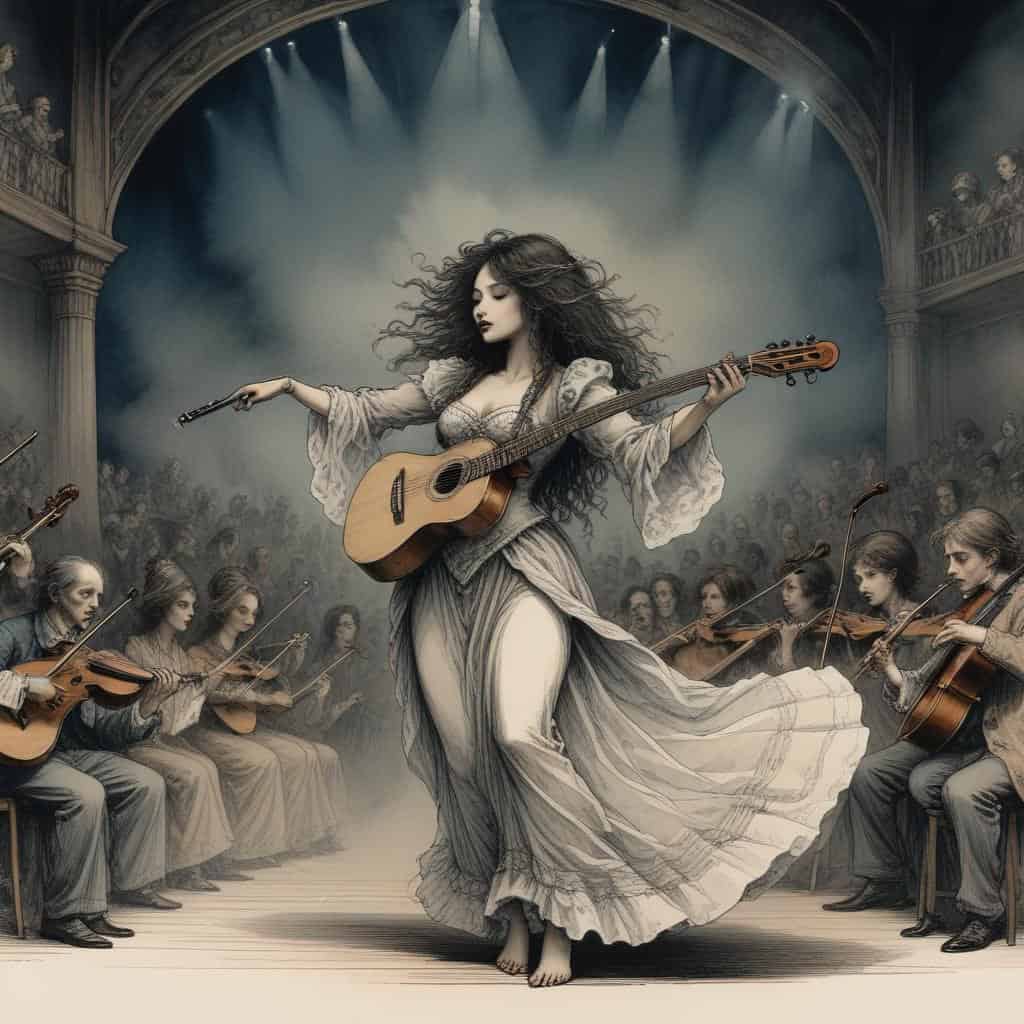
Charlotte Dipanda

1. Colonial History
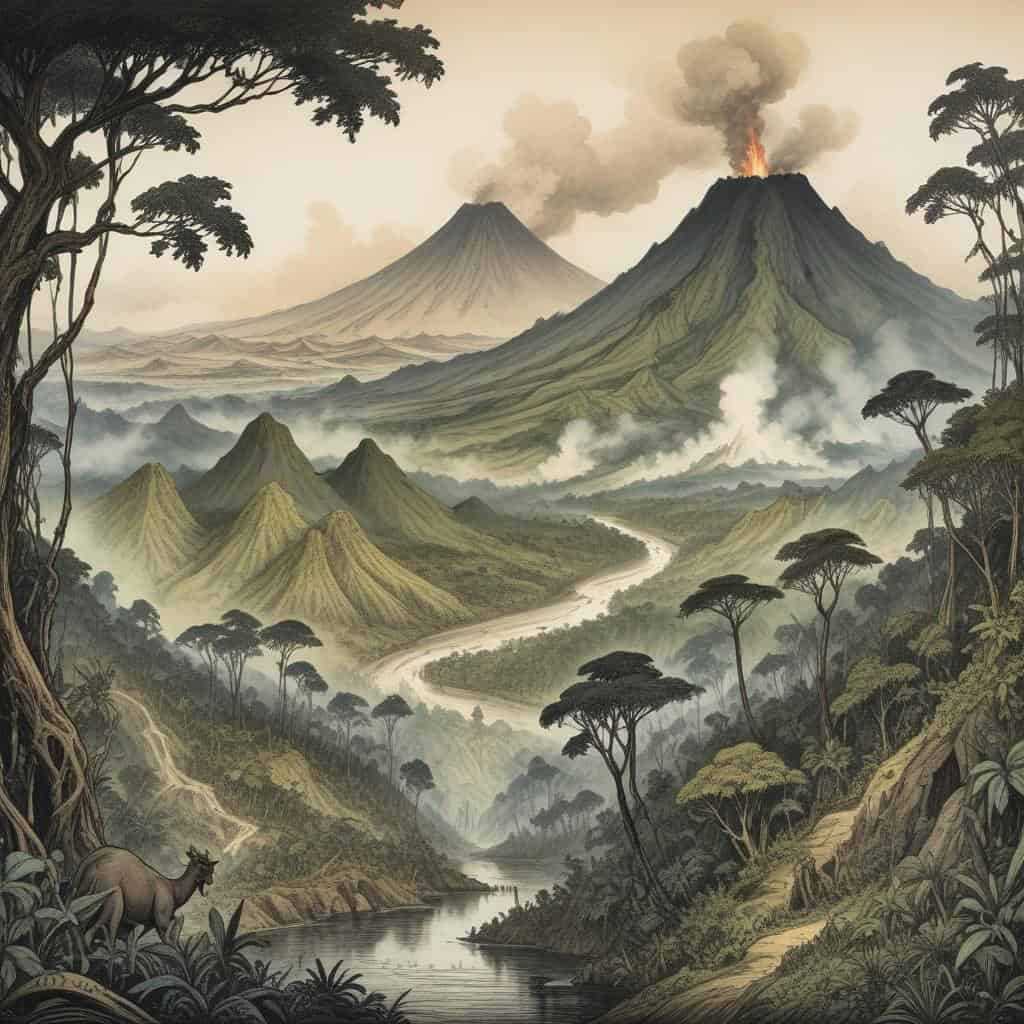
2. Geographical Diversity
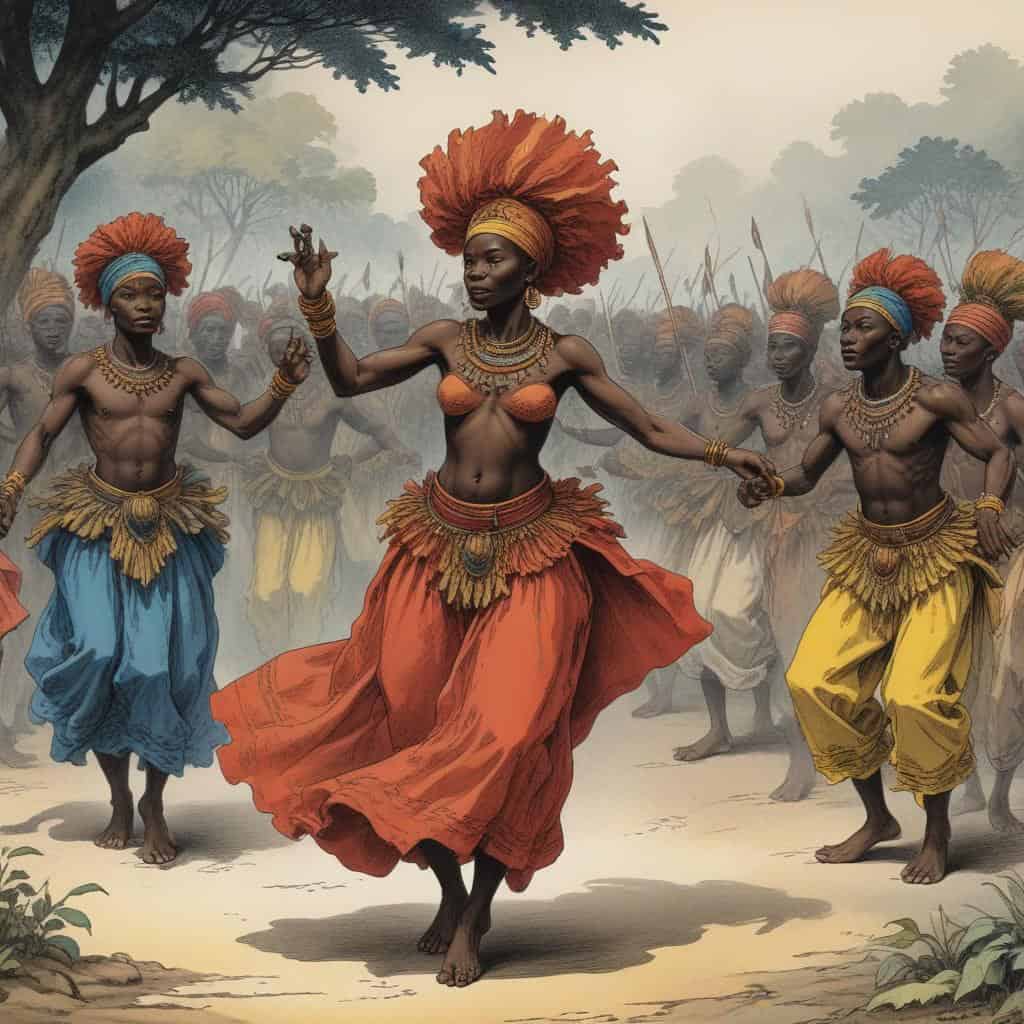
3. Languages and Culture
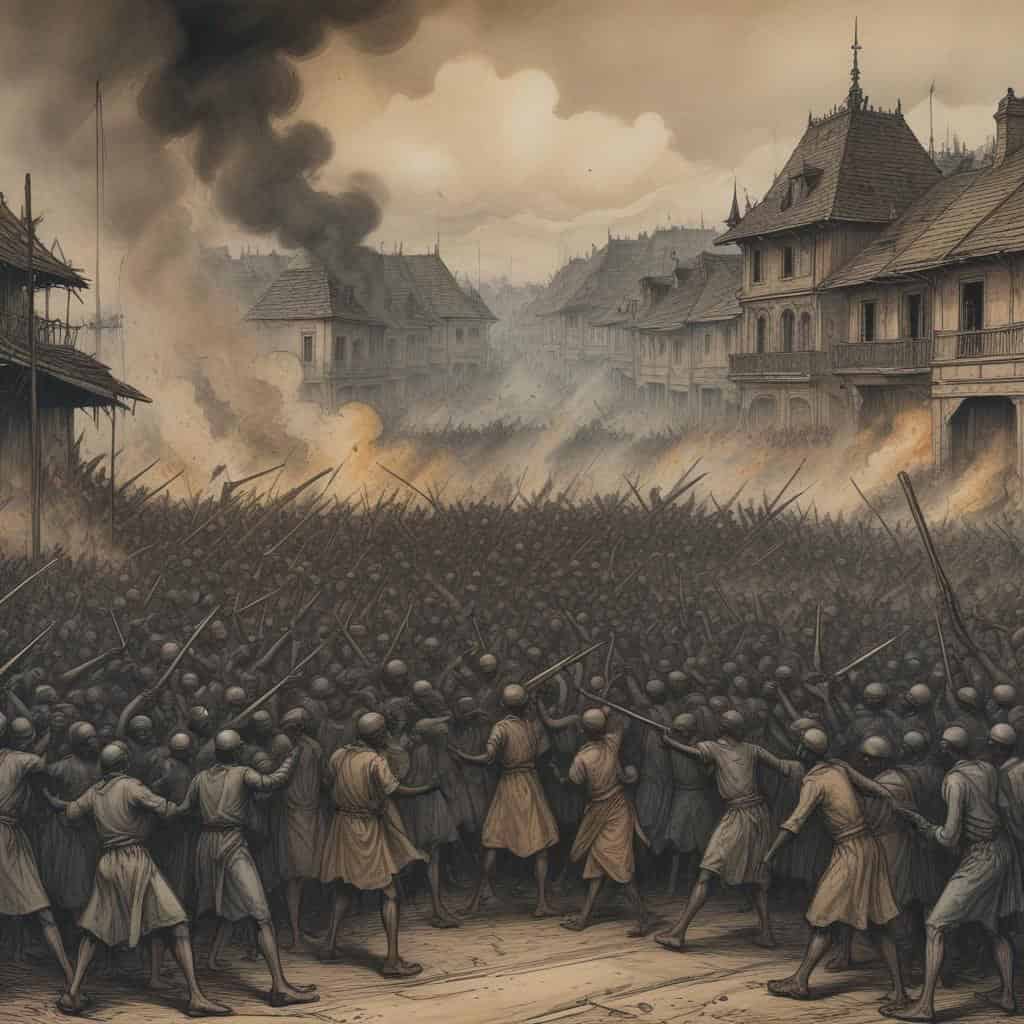
4. Political Turmoil
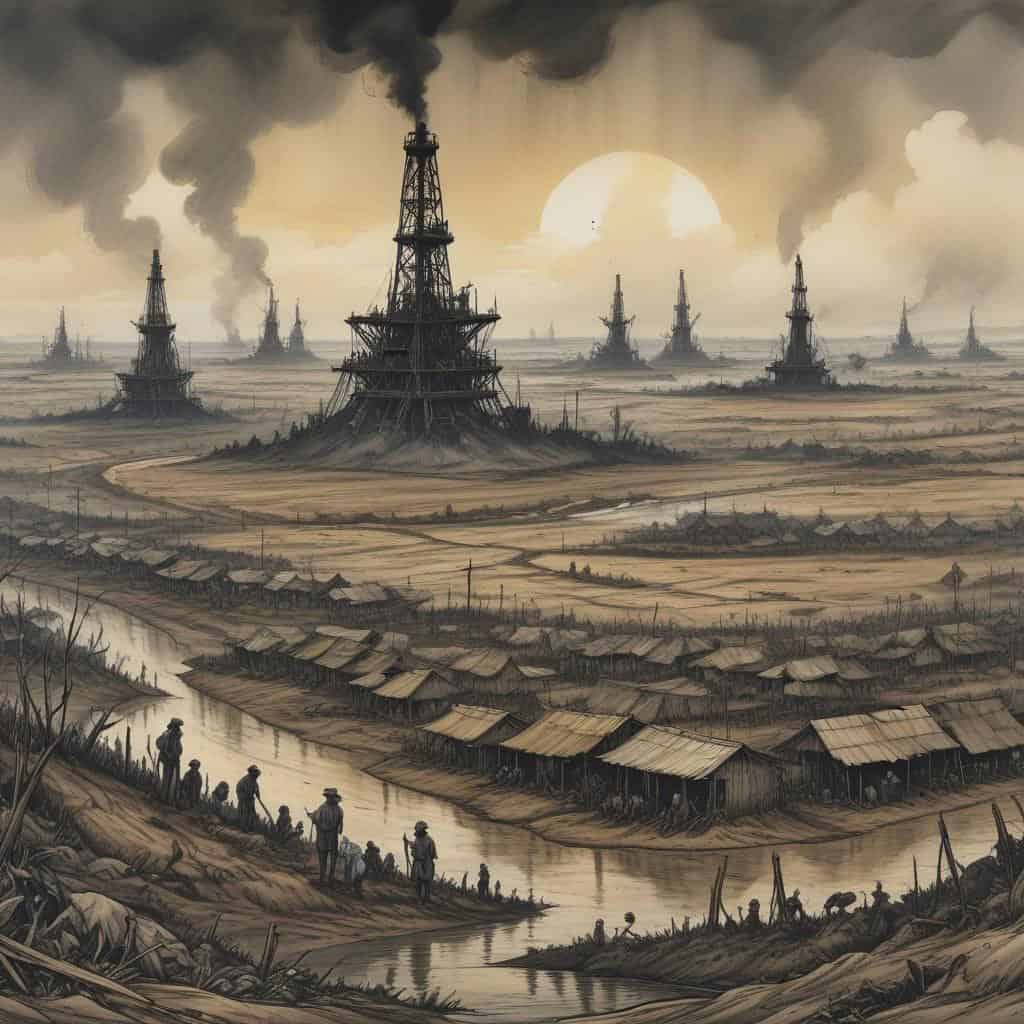
5. Economic Challenges

6. Wildlife and Conservation
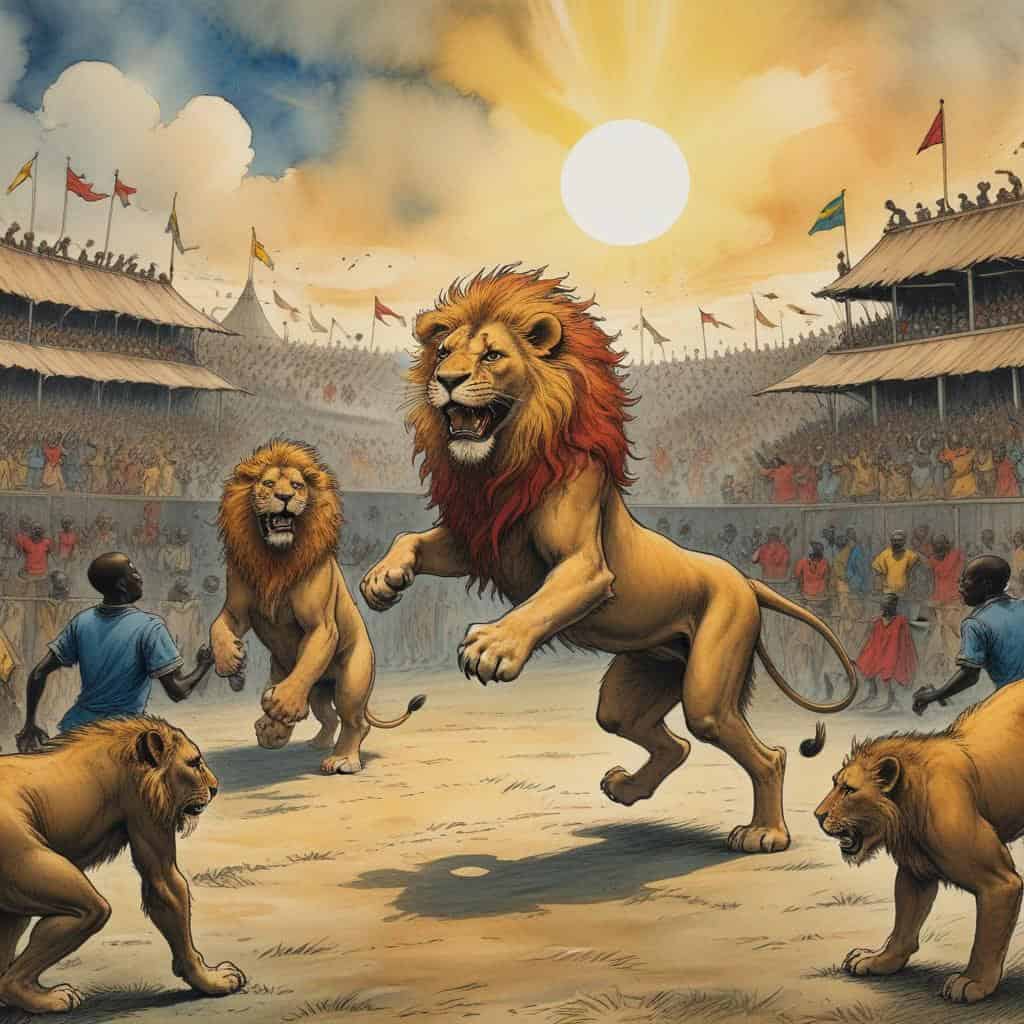
7. Sports and Recreation
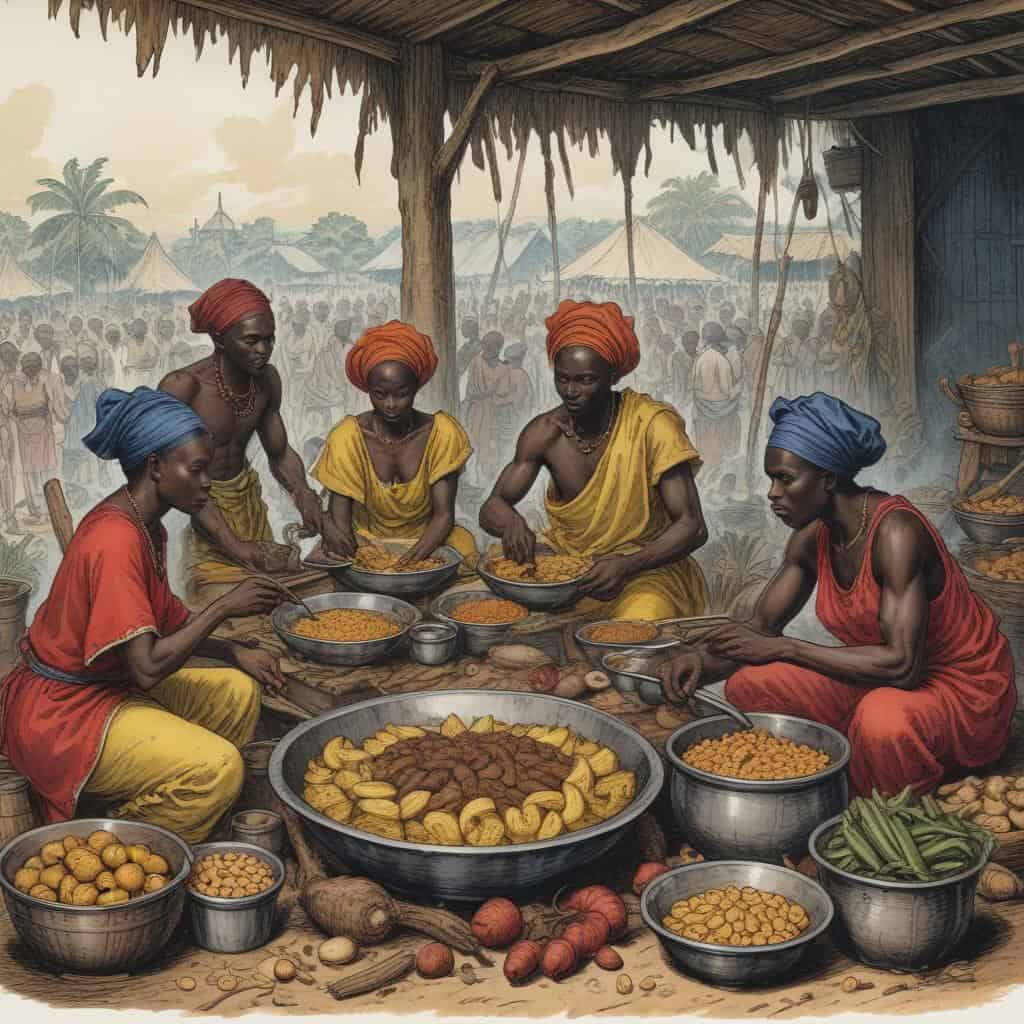
8. Cuisine and Food Culture
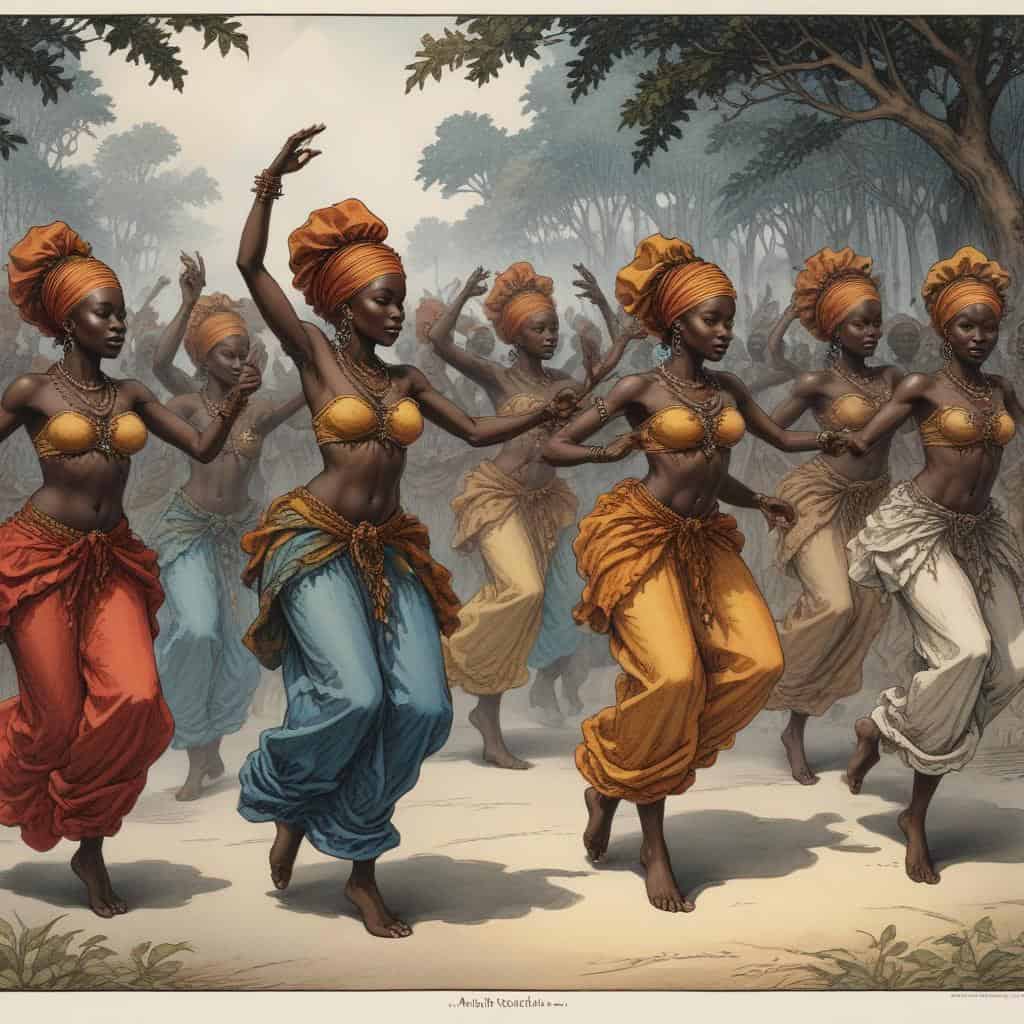
9. Music and Dance
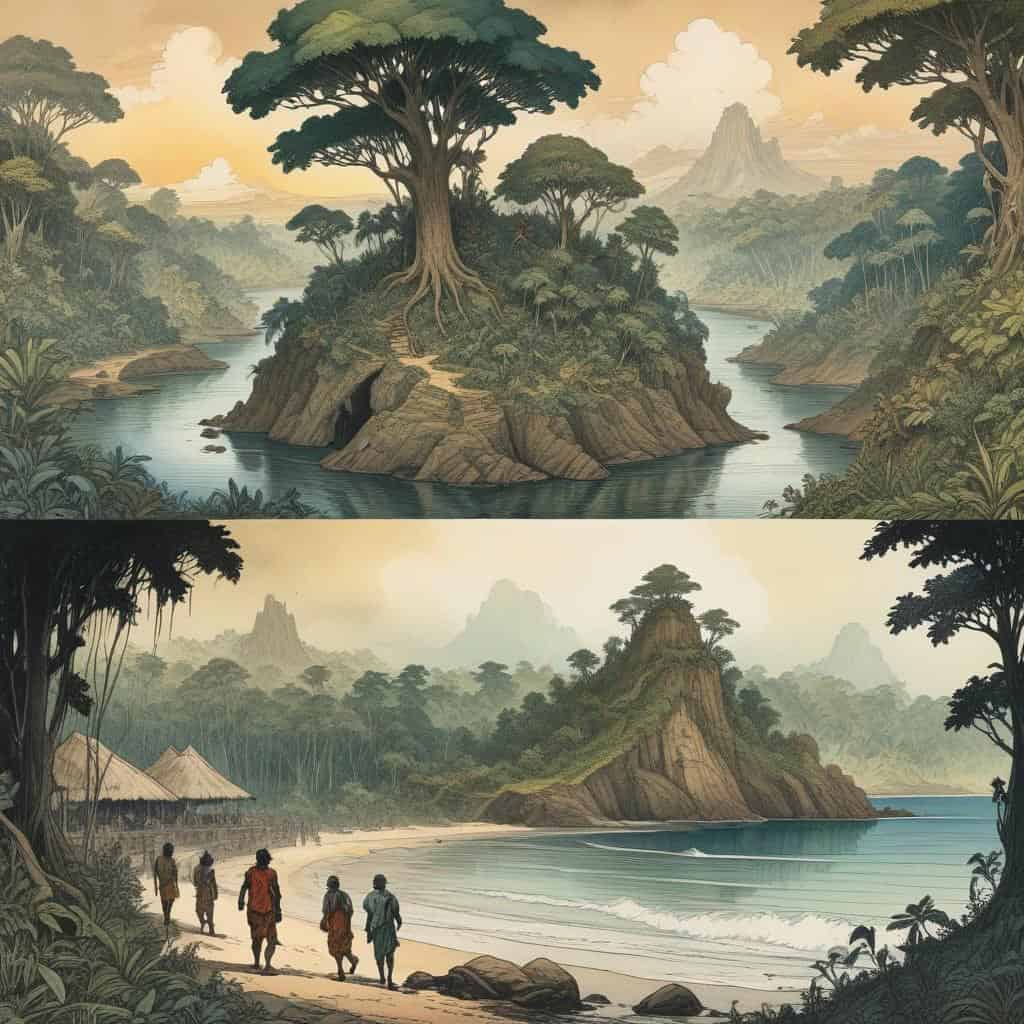
10. Tourism and Attractions
Audio Library
As one of our featured lessons, this topic includes premium audio guides.
Unlock the Wizard's Cram Session
This powerful audio study guide is a Pro-exclusive feature. Upgrade to Memory Wizards Pro to access this and all of our premium learning tools.
Upgrade to ProIn a Nutshell
- Capital: Yaoundé
- Population: Approx. 26.5 million (2021)
- Official Language: French, English
- Currency: Central African CFA franc (XAF)
Breaking Down the Country
Geographical Diversity
From the lush rainforests of the south to the savannas in the north, Cameroon boasts a diverse landscape filled with unique flora and fauna.
Cultural Melting Pot
With over 250 ethnic groups, Cameroon is a vibrant tapestry of languages, traditions, and customs, making it a rich cultural experience for visitors.
Colonial Legacy
Shaped by French and British colonization, Cameroon's history reflects a blend of European influence and traditional African heritage, creating a dynamic society.
Timeline of Cameroon
German explorer Gustav Nachtigal signs a treaty with local rulers establishing a German protectorate in Cameroon
Cameroon becomes a German colony known as Kamerun
Germany loses control of Cameroon to British and French forces during World War I
Cameroon is divided into British and French-administered territories by the League of Nations
Cameroon becomes a United Nations Trust Territory after World War II
Cameroon gains independence from France
Southern Cameroon opts to join Nigeria while Northern Cameroon opts to join Cameroon after a United Nations plebiscite
Ahmadou Ahidjo becomes the first President of Cameroon
Cameroon becomes a one-party state under the Cameroon National Union (CNU)
Paul Biya becomes President of Cameroon after Ahmadou Ahidjo resigns
Cameroon adopts a new constitution establishing a multi-party system
Cameroon qualifies for the FIFA World Cup for the first time
Cameroon wins the Africa Cup of Nations for the fourth time
Cameroon experiences a separatist conflict in the Anglophone regions
Paul Biya wins re-election as President of Cameroon
Cameroon hosts the Africa Cup of Nations
Cameroon celebrates its 60th Independence Day
Cameroon's national football team wins the Africa Cup of Nations for the fifth time
Cameroon becomes a member of the Commonwealth of Nations
Cameroon becomes a member of the Economic Community of Central African States (ECCAS)
Vocabulary List
- Yaoundé
- The capital city of Cameroon.
- Bamenda
- A city in northwestern Cameroon known for its cool climate and natural beauty.
- Douala
- The largest city in Cameroon and its economic capital.
- Bantu
- One of the largest ethnic groups in Cameroon.
- Mount Cameroon
- The highest mountain in West Africa, located in southwestern Cameroon.
- Francophone
- Referring to countries or regions where French is the main language, including Cameroon.
- Sub-Saharan Africa
- The region of Africa located south of the Sahara Desert, including Cameroon.
- Pidgin English
- A creole language spoken in Cameroon, particularly in urban areas.
- Sawa
- An ethnic group in Cameroon known for their traditional dance and music.
- Wildlife Conservation Society
- An organization that works to protect wildlife and habitats in Cameroon.
Key Facts
This is the information used in the fact matching game
- Cameroon is known as 'Africa in miniature' because it exhibits all major climates and vegetation of the continent.
- Cameroon has over 200 different linguistic groups, making it one of the most linguistically diverse countries in Africa.
- The capital city of Cameroon is Yaoundé.
- Cameroon gained independence from France and the United Kingdom in 1960.
- The official languages of Cameroon are French and English.
- Mount Cameroon, an active volcano, is the highest peak in West Africa.
- Cameroon is known for its rich cultural heritage, including traditional music, dance, and art.
- The country is a major producer of cocoa beans, which are used to make chocolate.
- Cameroon is home to the Baka people, a hunter-gatherer group known for their music and dance traditions.
- The flag of Cameroon features three vertical stripes of green, red, and yellow, with a gold star in the center.
- Cameroon has a diverse range of wildlife, including elephants, lions, and gorillas.
- The country has a tropical climate, with a rainy season from June to October and a dry season from November to May.
- Cameroon is a member of the African Union and the Commonwealth of Nations.
- The national dish of Cameroon is Ndolé, a stew made with bitterleaf greens, peanuts, and meat or fish.
- Cameroon has a high rate of deforestation, with over 40% of its forests lost between 1990 and 2010.
- The country has a diverse range of traditional masks used in ceremonies and rituals.
- Cameroon has a mix of religions, including Christianity, Islam, and indigenous beliefs.
- The national football team of Cameroon is known as the Indomitable Lions.
- Cameroon has a rich tradition of storytelling, with folk tales and legends passed down through generations.
- The country has significant oil reserves, making it a key player in the oil industry in Africa.
Why It Matters
Geopolitical Significance
Cameroon’s location in Central Africa gives it strategic importance as a gateway to the region. It shares borders with Nigeria, Chad, and Central African Republic, influencing regional stability and trade. Its diverse population and languages reflect its role as a crossroads of cultures and traditions.
Historical Importance
Cameroon’s history is marked by colonization and independence struggles. From German rule to French and British control, its past has shaped its multicultural society. The legacy of leaders like Ruben Um Nyobé and Ahmadou Ahidjo continues to influence modern politics and identity.
Modern-Day Role
In the present day, Cameroon is a key player in African politics and economics. As a member of the African Union and a major producer of oil and cocoa, it plays a crucial role in regional development. Challenges like linguistic diversity and political stability remain relevant in shaping its future.
Cameroon Games


Take Your Learning Offline
Want a convenient, print-ready study guide for this lesson? Become a Memory Wizards Pro member to unlock the downloadable " Memory Scrolls" for this topic and our entire library!
- ✓ Complete Vocabulary Lists
- ✓ Key Facts & Timelines
- ✓ Beautifully Formatted for Print & Mobile