
How Do You Learn Best?
Learn by Listening
Start with the 3-minute audio summary to get the key facts and narrative highlights quickly.
Learn by Reading
Immerse yourself in the 10-minute visual lesson for a comprehensive understanding of the topic.
Learn by Reviewing
Jump directly to the key facts, timeline, and vocabulary lists to build a solid foundation of details.
Learn by Doing
Challenge yourself! Jump straight into the interactive games to learn by trial, error, and discovery.
Burundi in 10 Minutes

Introduction
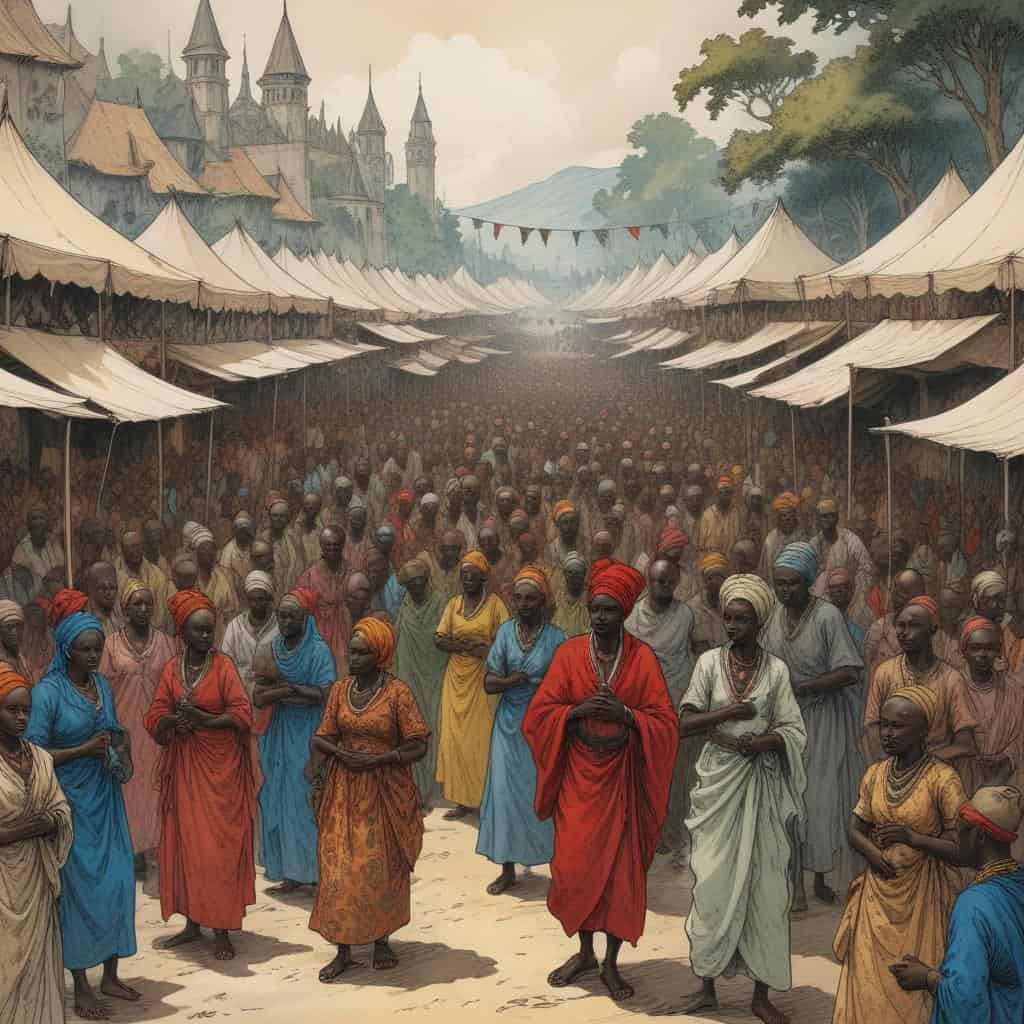
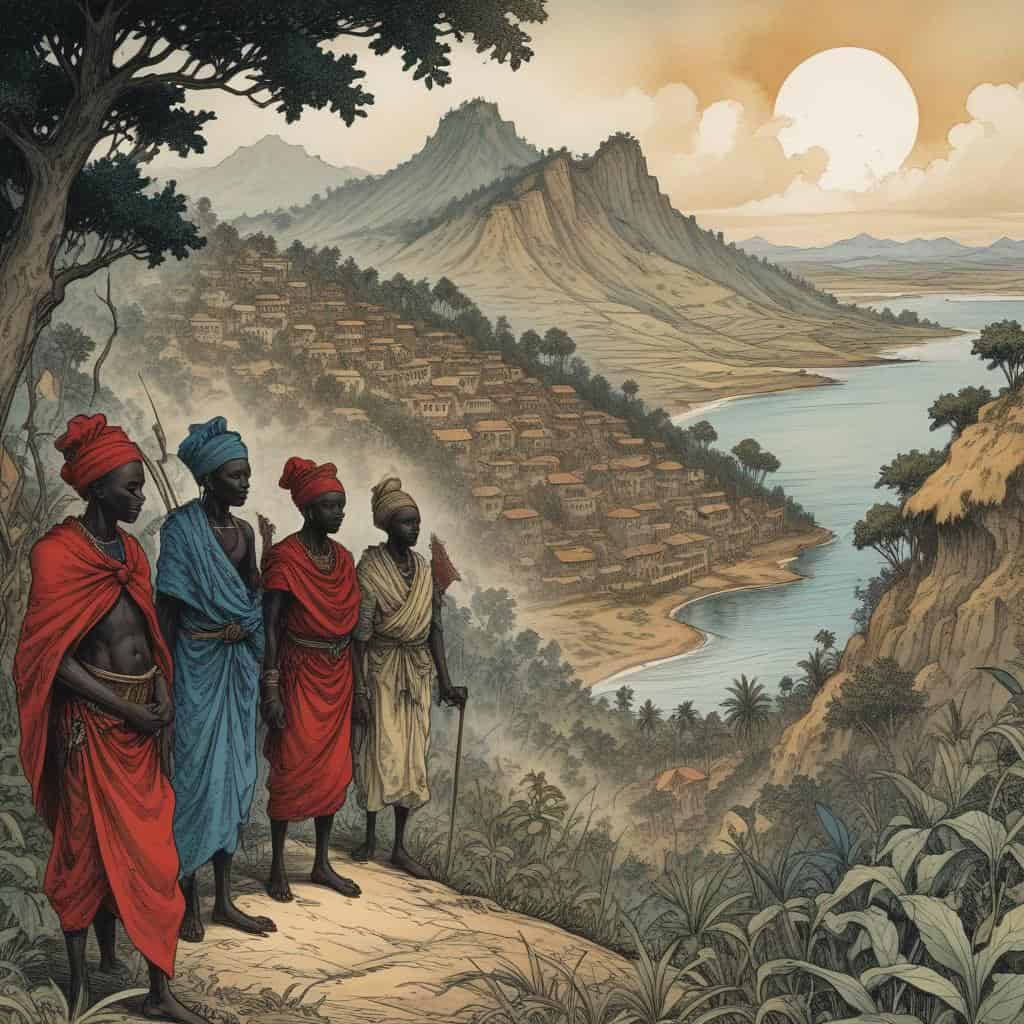
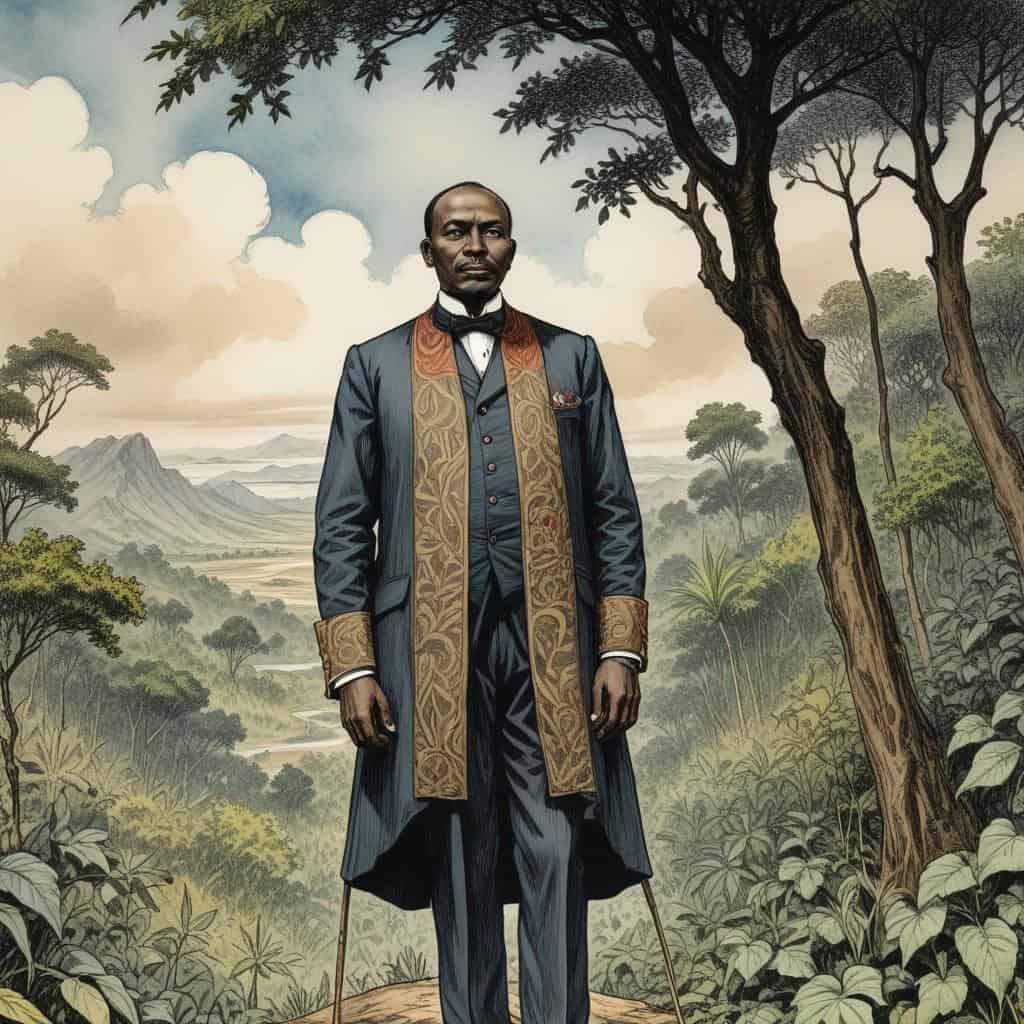
President Evariste Ndayishimiye
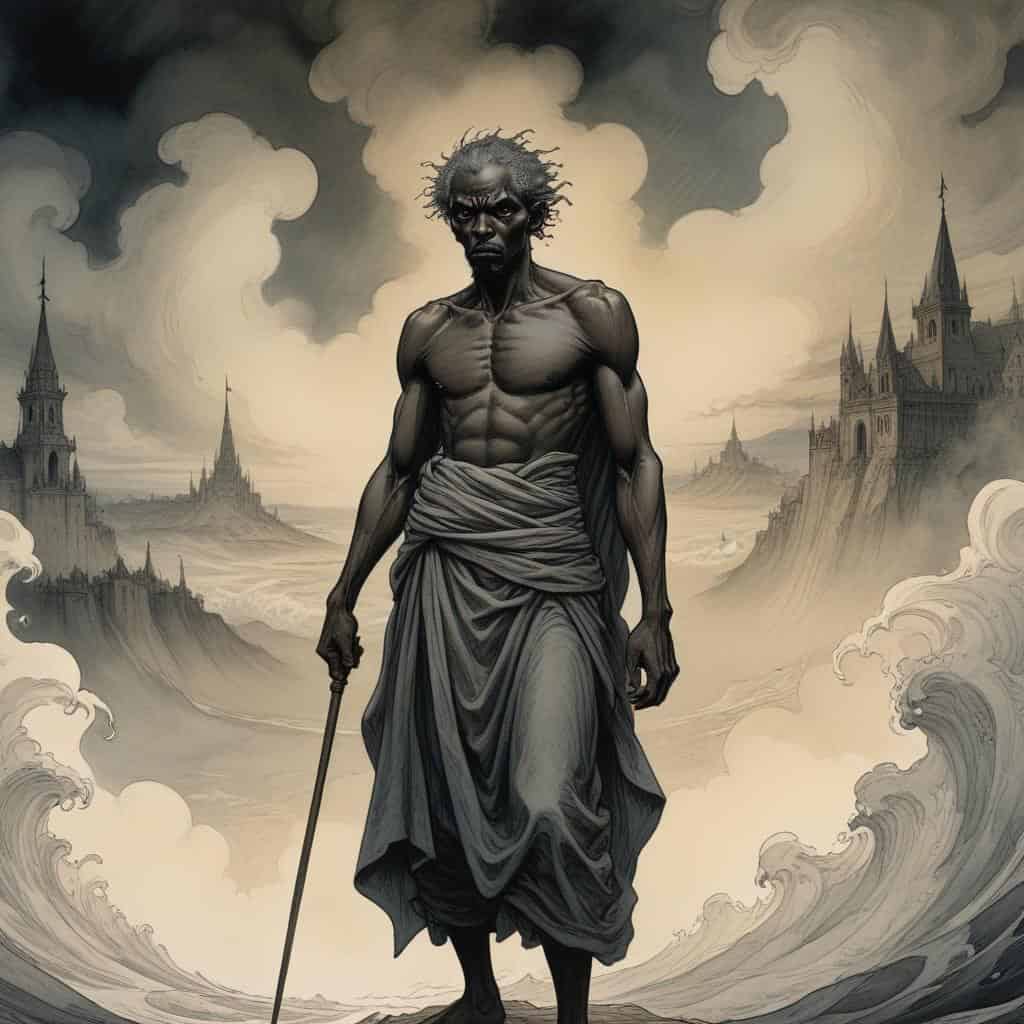
Agathon Rwasa
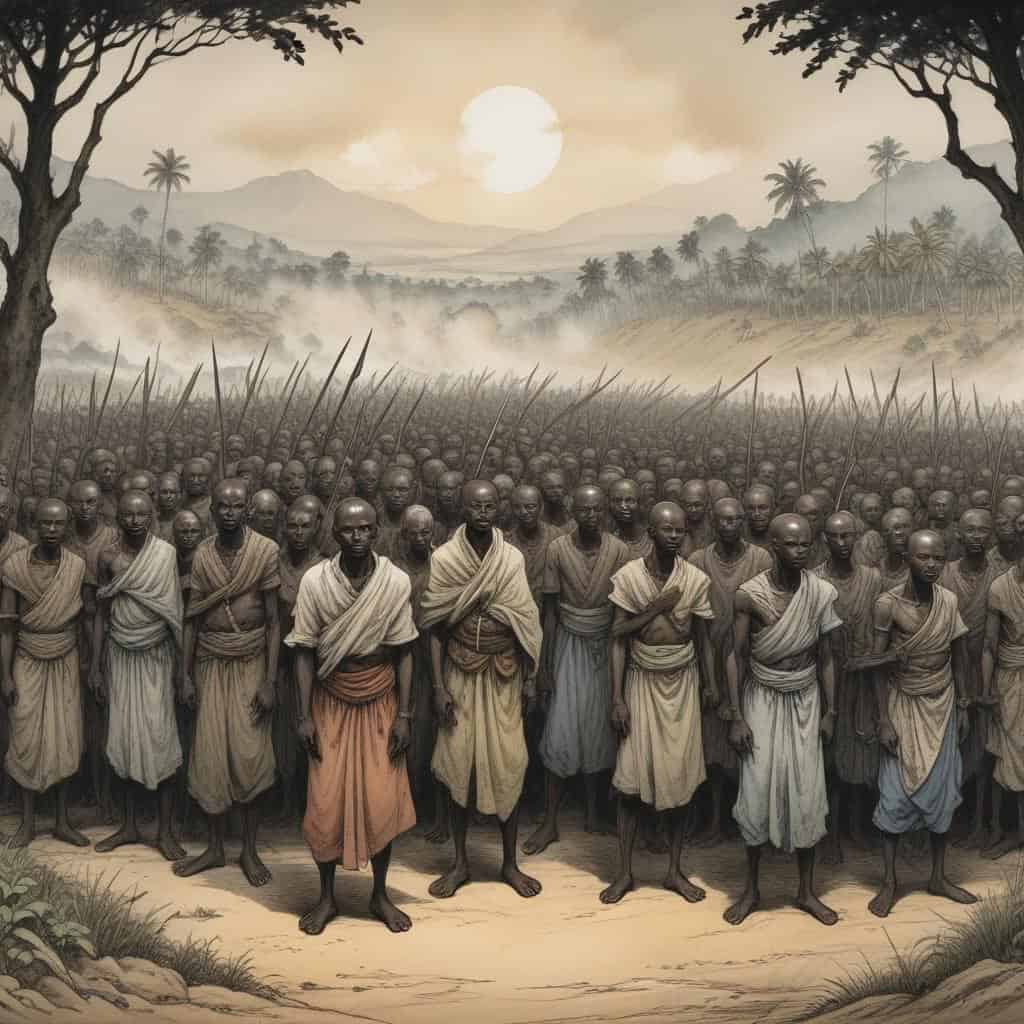
Tutsi Minority
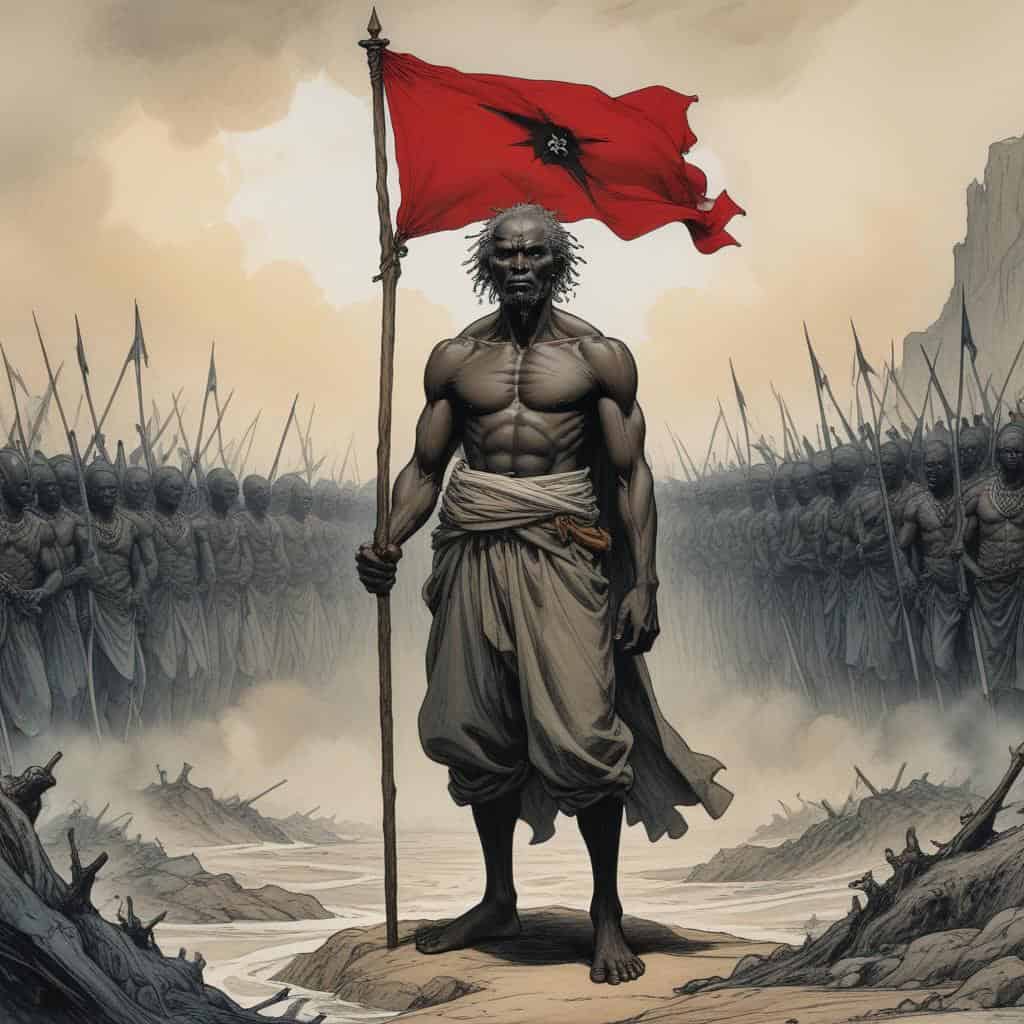
Agathon Rwasa
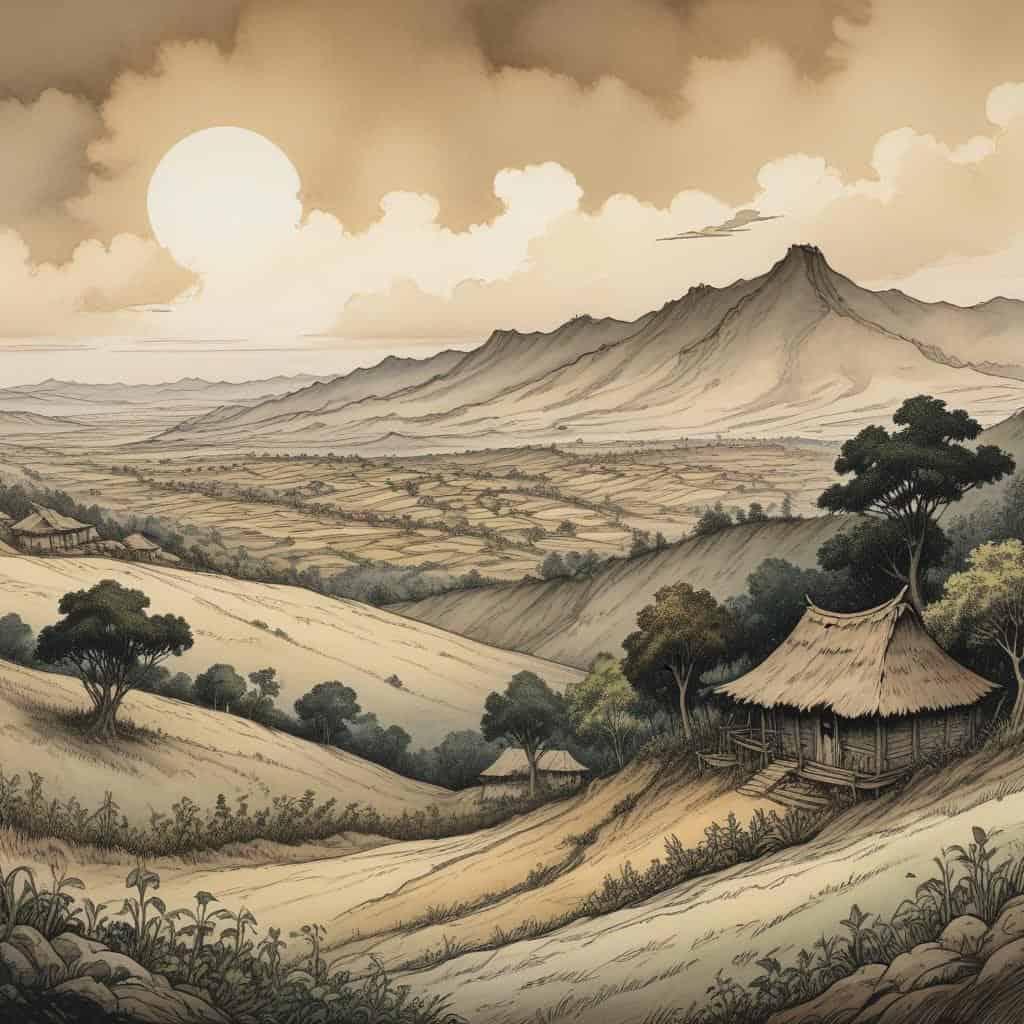
1. Overview of Burundi
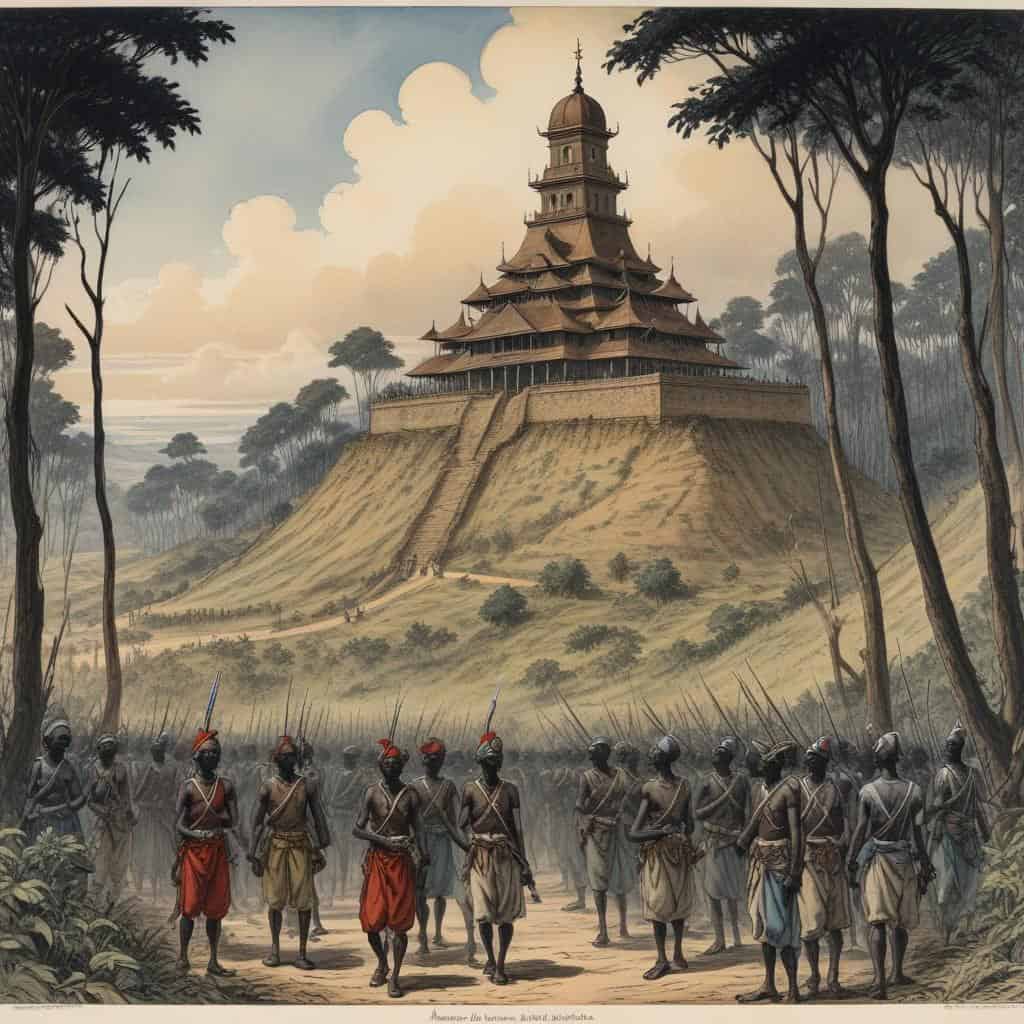
2. Colonial History
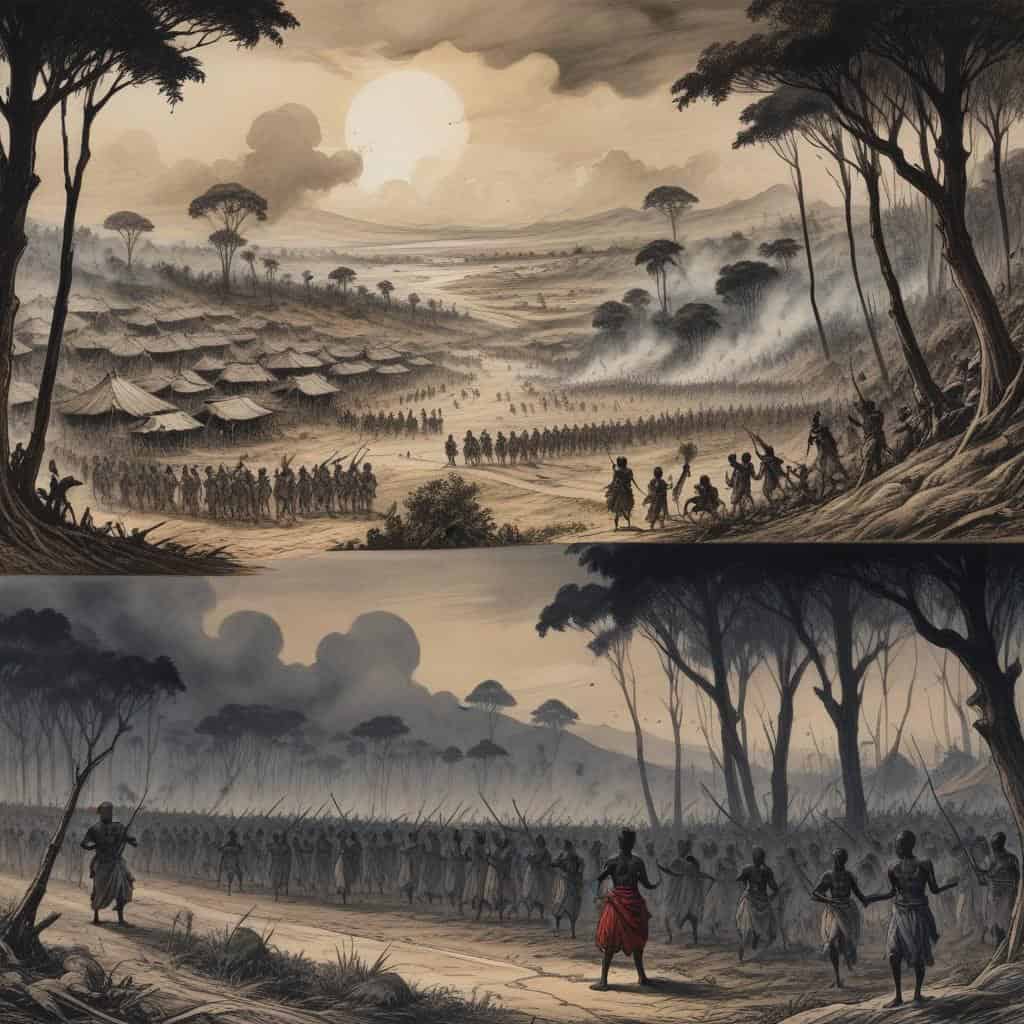
3. Ethnic Conflict
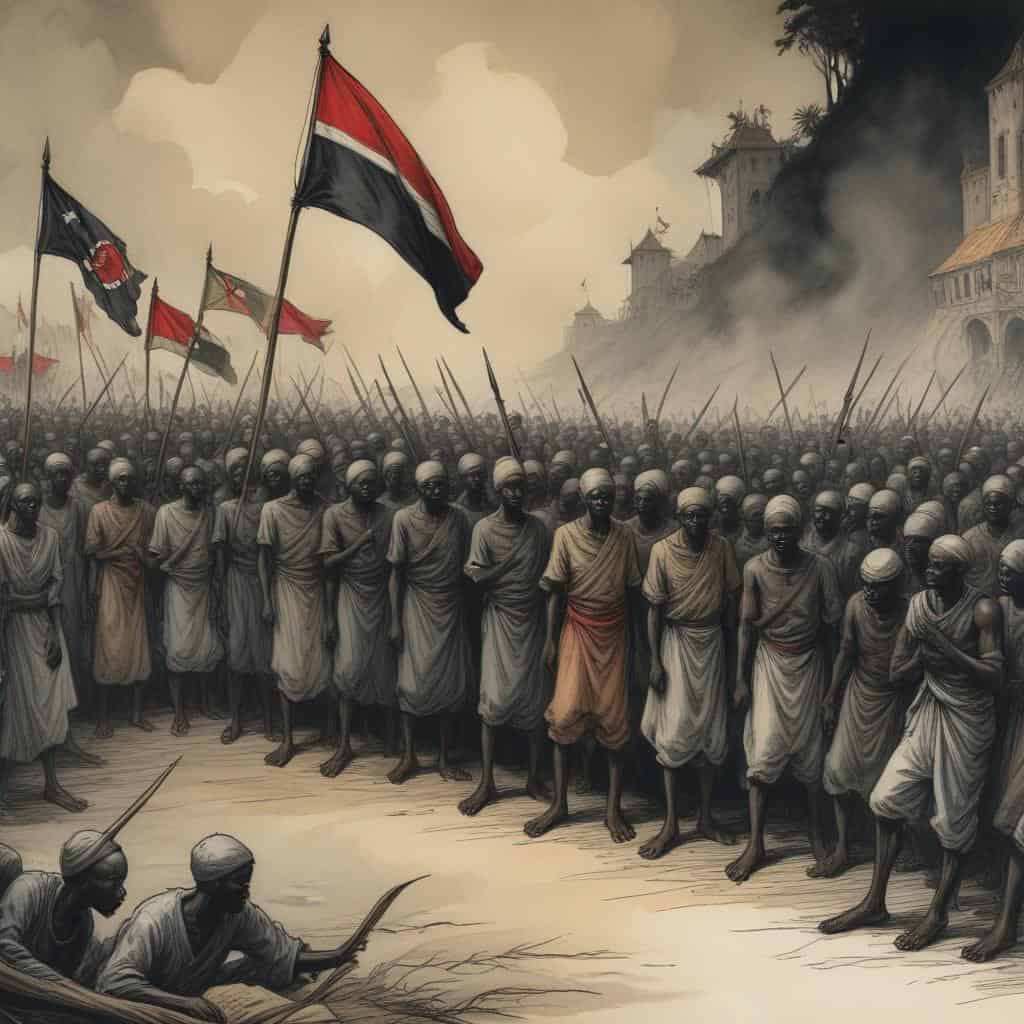
4. Political Instability
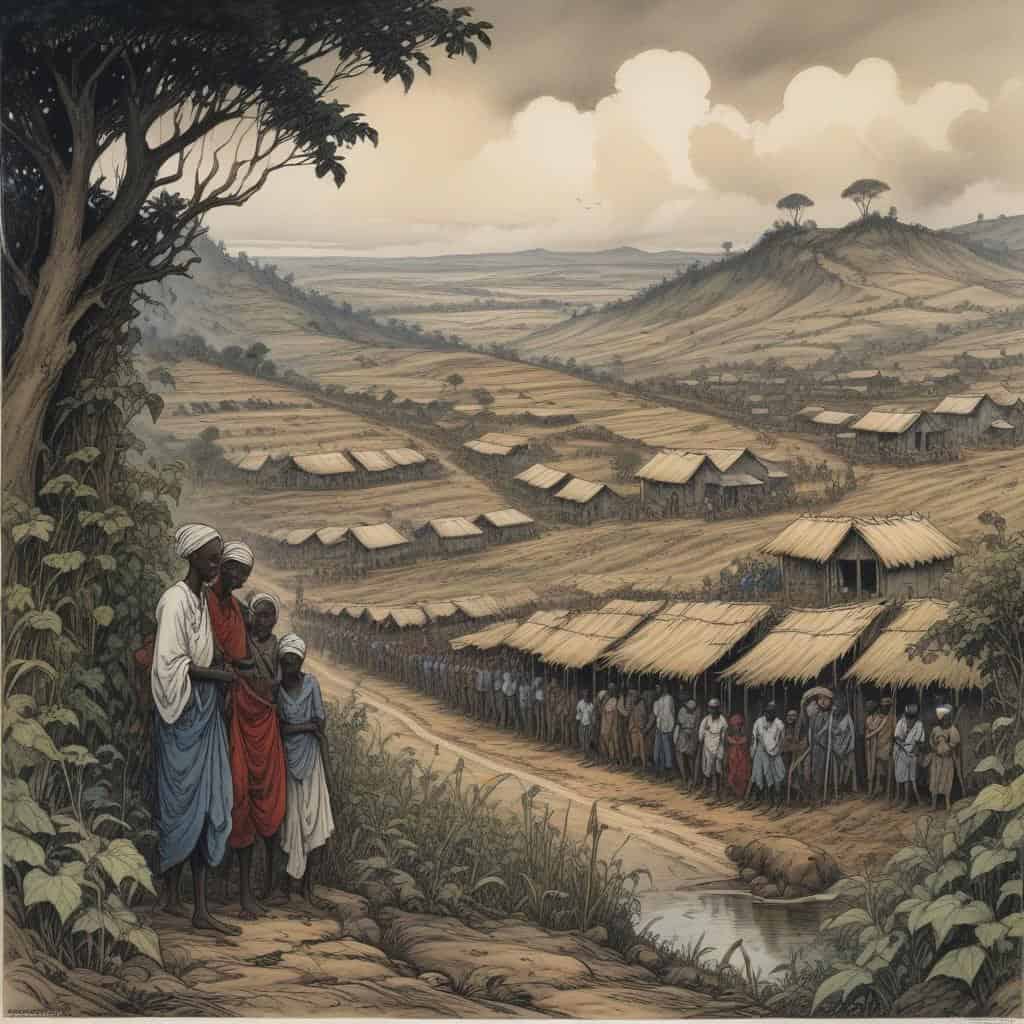
5. Economic Challenges
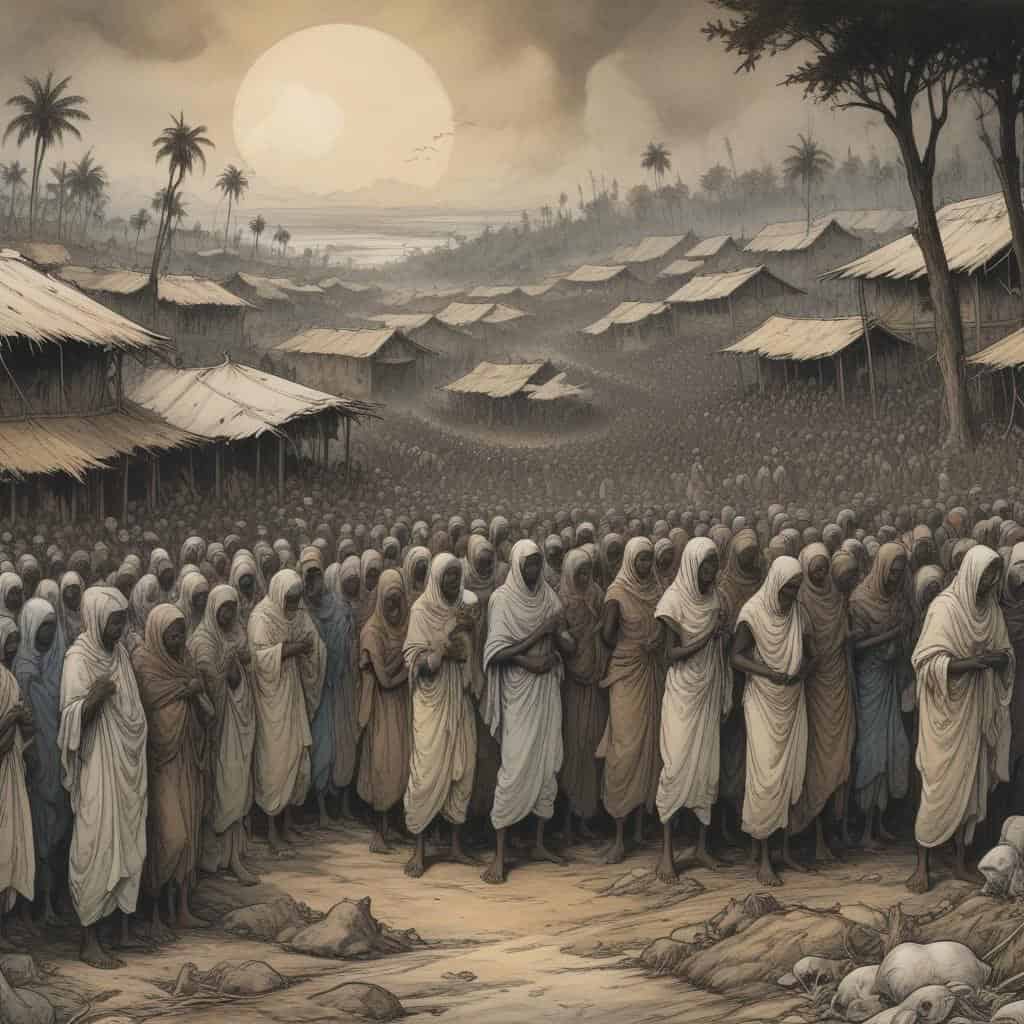
6. Humanitarian Crisis
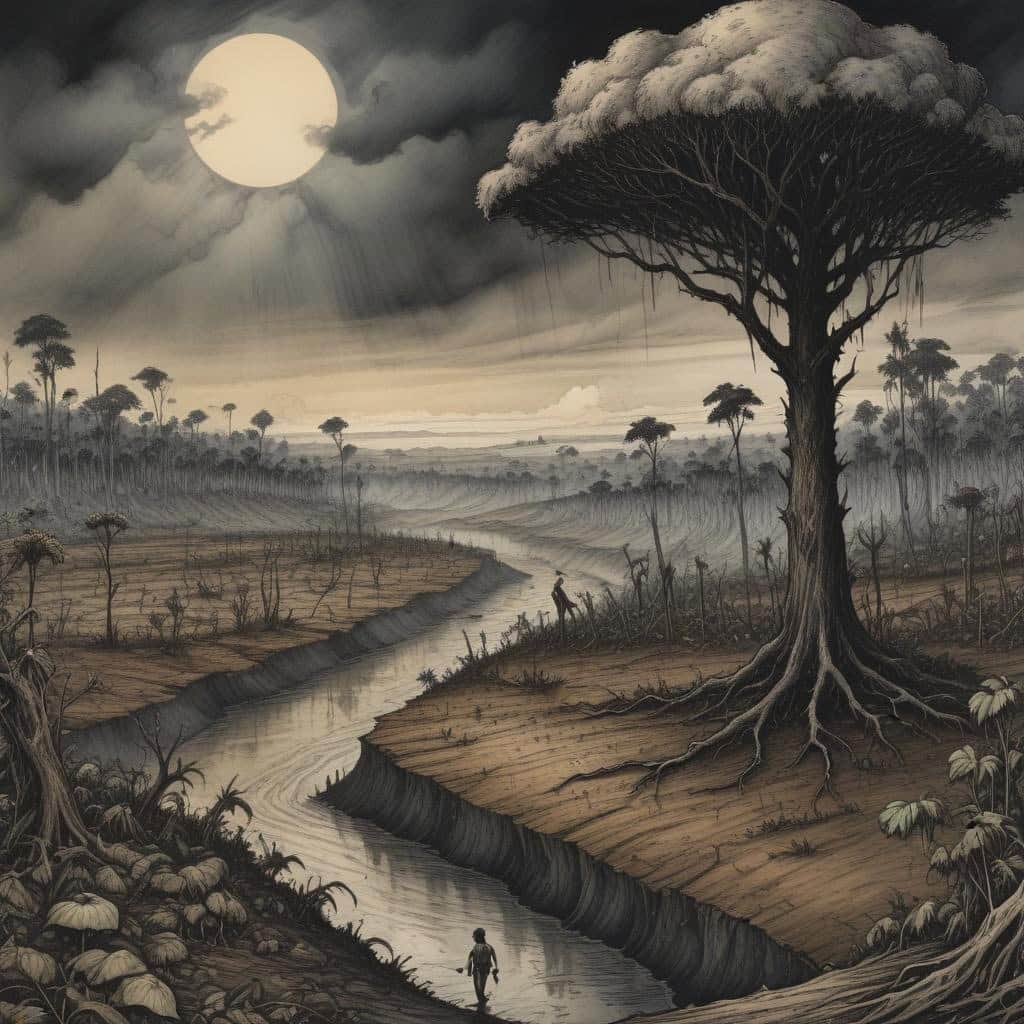
7. Environmental Issues
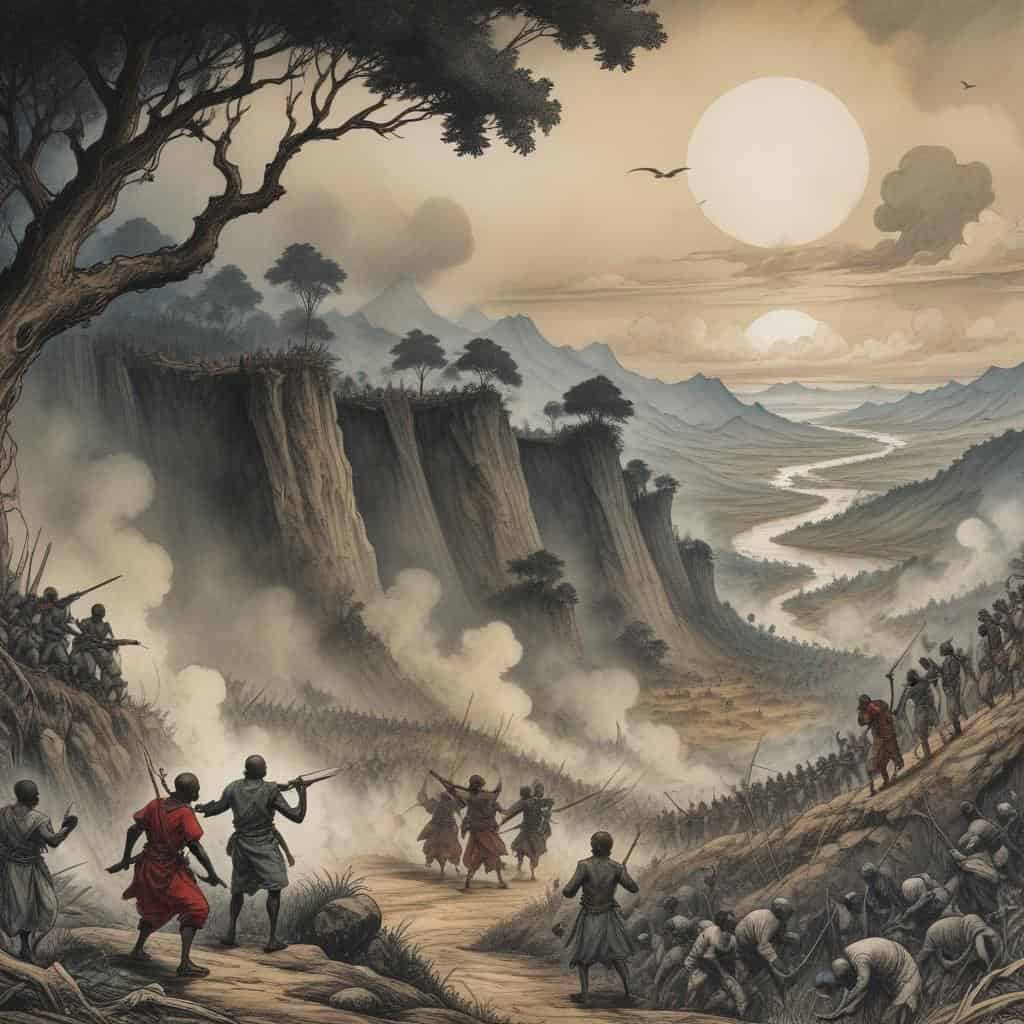
8. International Relations
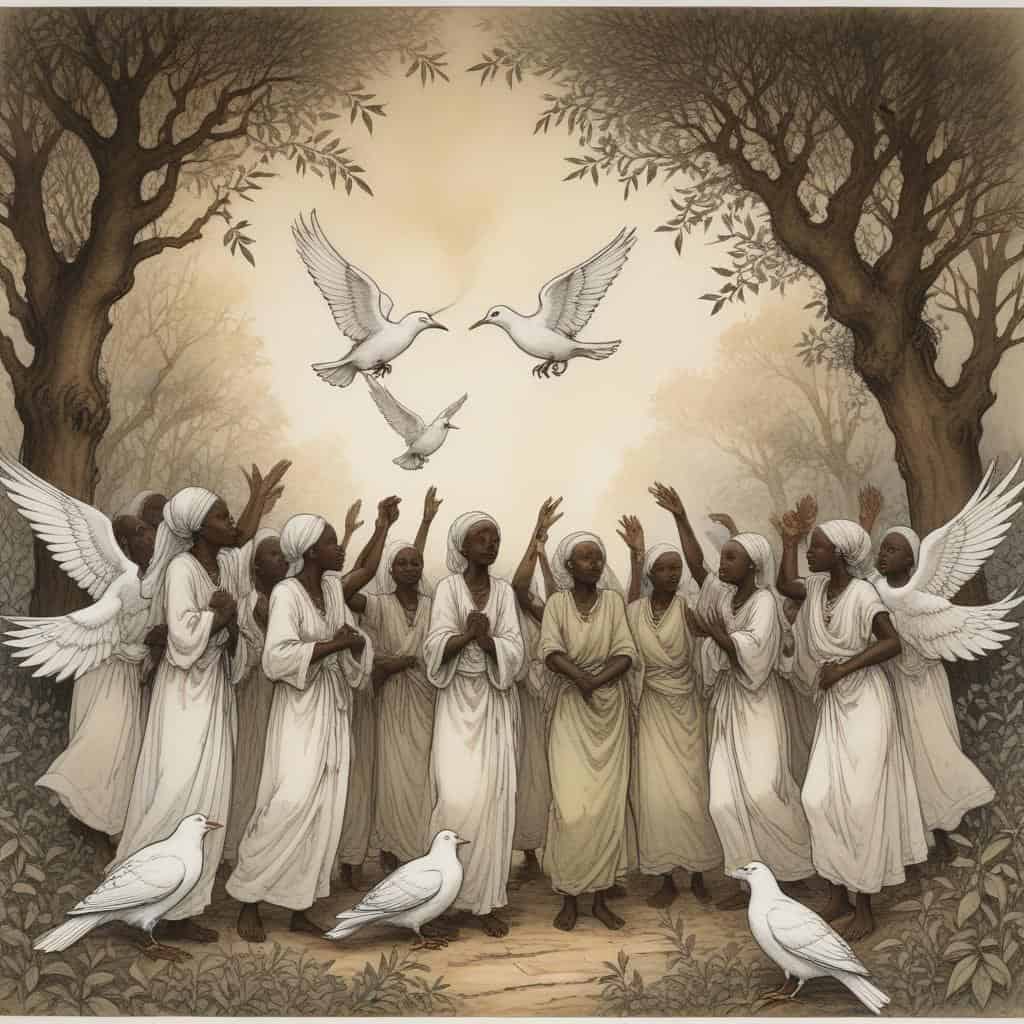
9. Efforts for Peace and Reconciliation
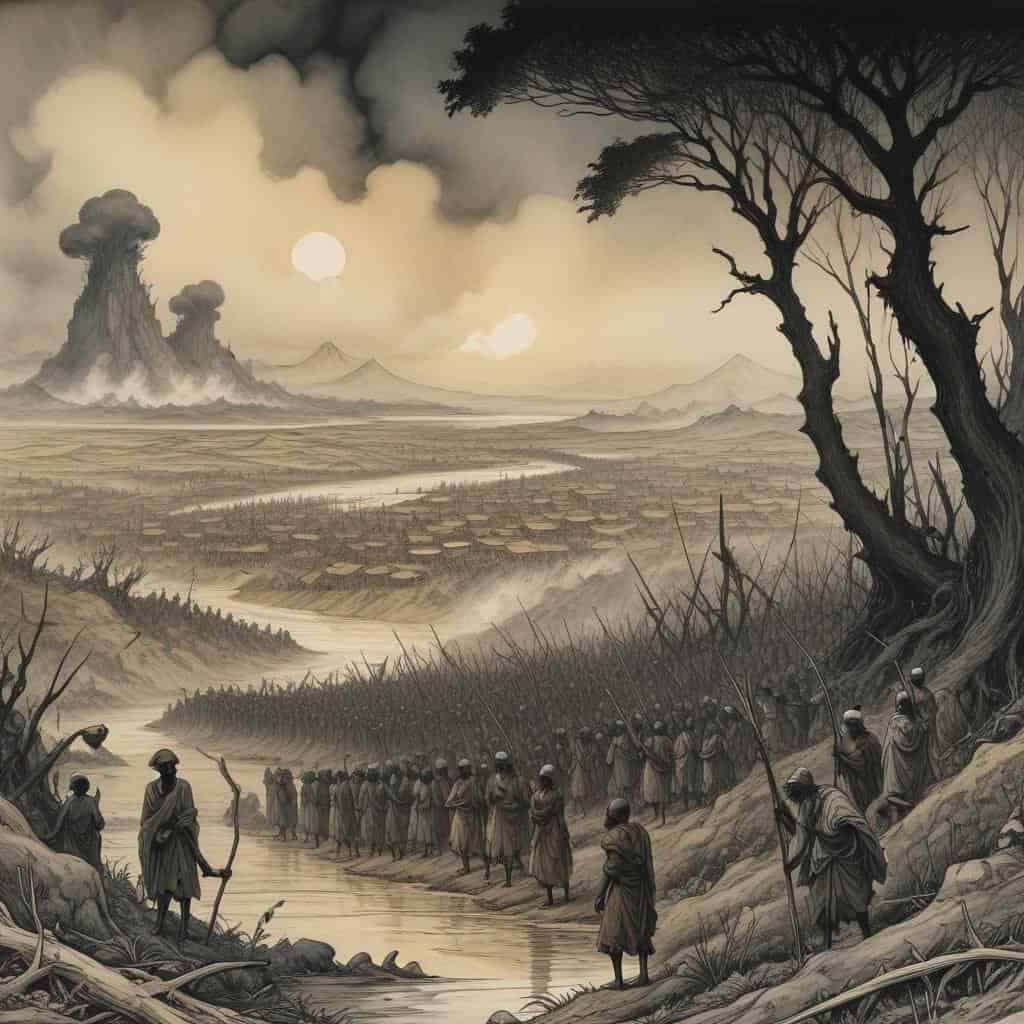
10. Future Prospects
Audio Library
As one of our featured lessons, this topic includes premium audio guides.
Unlock the Wizard's Cram Session
This powerful audio study guide is a Pro-exclusive feature. Upgrade to Memory Wizards Pro to access this and all of our premium learning tools.
Upgrade to ProIn a Nutshell
- Capital: Bujumbura
- Population: Approx. 11.5 million (2021)
- Official Language: Kirundi, French
- Currency: Burundian franc (BIF)
Breaking Down the Country
Geographic Diversity
From the lush green hills of the highlands to the shimmering shores of Lake Tanganyika, Burundi's landscape is as diverse as it is breathtaking.
Cultural Heritage
Experience the vibrant traditions of the Twa, Hutu, and Tutsi peoples, as well as the unique blend of African and French influences in Burundi's art, music, and cuisine.
Wildlife Wonder
Explore the rich biodiversity of Burundi's national parks, home to rare species like mountain gorillas, chimpanzees, and the iconic African elephant.
Timeline of Burundi
Burundi becomes a German protectorate
Independence from Belgium
First democratically elected president assassinated
Civil war breaks out between Hutu and Tutsi ethnic groups
Tutsi-led military coup takes power
Peace agreement signed between warring factions
Burundi joins East African Community
Pierre Nkurunziza elected president
President Nkurunziza announces intention to seek third term
Protests and violence erupt over third term bid
Nkurunziza wins controversial third term election
Burundi withdraws from International Criminal Court
UN accuses Burundi government of human rights abuses
President Nkurunziza dies suddenly
Evariste Ndayishimiye sworn in as president
Burundi holds peaceful elections
Burundi reopens land borders after COVID-19 lockdown
Burundi marks 59th anniversary of independence
Burundi celebrates National Unity Day
Burundi hosts East African Community Heads of State Summit
Vocabulary List
- Gitega
- Gitega is the capital city of Burundi.
- Kirundi
- Kirundi is the official language of Burundi.
- Hutu
- The majority of the population in Burundi are Hutu.
- Tutsi
- There is a history of conflict between the Hutu and Tutsi ethnic groups in Burundi.
- Lake Tanganyika
- Lake Tanganyika is a major body of water that borders Burundi.
Key Facts
This is the information used in the fact matching game
- Burundi is a landlocked country located in East Africa.
- The official languages of Burundi are Kirundi and French.
- Burundi gained independence from Belgium in 1962.
- The capital city of Burundi is Bujumbura.
- Burundi has a population of approximately 11 million people.
- The currency of Burundi is the Burundian franc.
- Burundi is one of the poorest countries in the world, with a high poverty rate.
- Burundi has a tropical climate with two main seasons: a rainy season and a dry season.
- Coffee is one of the main exports of Burundi.
- Burundi has a high population density, with over 400 people per square kilometer.
- Burundi has been plagued by ethnic conflict between the Hutu and Tutsi populations.
- Burundi is a member of the East African Community (EAC).
- The traditional drumming of Burundi is recognized as a UNESCO Intangible Cultural Heritage.
- Burundi has a diverse wildlife population, including elephants, hippos, and chimpanzees.
- Burundi has a high prevalence of malaria, with over 8 million cases reported annually.
- Burundi has a rich tradition of basket weaving, with intricately designed baskets made by local artisans.
- Burundi has a literacy rate of around 67%, with higher rates for males than females.
- Burundi is known for its traditional dance performances, which often feature acrobatics and vibrant costumes.
- Burundi has a high fertility rate, with an average of over 5 children per woman.
- Burundi has a history of political instability and civil conflict, including a civil war that lasted from 1993 to 2005.
Why It Matters
Geopolitical Significance
Burundi’s location in the African Great Lakes region makes it a key player in regional politics and trade. Its borders with Rwanda, Tanzania, and the Democratic Republic of the Congo have historically influenced alliances and conflicts in the area. The country’s stability is crucial for maintaining peace in the region.
Historical Importance
Burundi’s history is marked by a complex interplay of kingdoms, colonial rule, and ethnic tensions. The legacy of the Tutsi and Hutu populations, as well as the impact of Belgian colonialism, continue to shape the country’s social and political landscape. Understanding this history is essential for comprehending Burundi’s present challenges.
Modern-Day Role
Today, Burundi faces ongoing political instability and human rights concerns. As a member of the East African Community, the country plays a role in regional economic and security initiatives. International attention on Burundi’s governance and human rights practices highlights its importance in global efforts towards peace and development.
Burundi Games


Take Your Learning Offline
Want a convenient, print-ready study guide for this lesson? Become a Memory Wizards Pro member to unlock the downloadable " Memory Scrolls" for this topic and our entire library!
- ✓ Complete Vocabulary Lists
- ✓ Key Facts & Timelines
- ✓ Beautifully Formatted for Print & Mobile