
How Do You Learn Best?
Learn by Listening
Start with the 3-minute audio summary to get the key facts and narrative highlights quickly.
Learn by Reading
Immerse yourself in the 10-minute visual lesson for a comprehensive understanding of the topic.
Learn by Reviewing
Jump directly to the key facts, timeline, and vocabulary lists to build a solid foundation of details.
Learn by Doing
Challenge yourself! Jump straight into the interactive games to learn by trial, error, and discovery.
Benin in 10 Minutes

Introduction
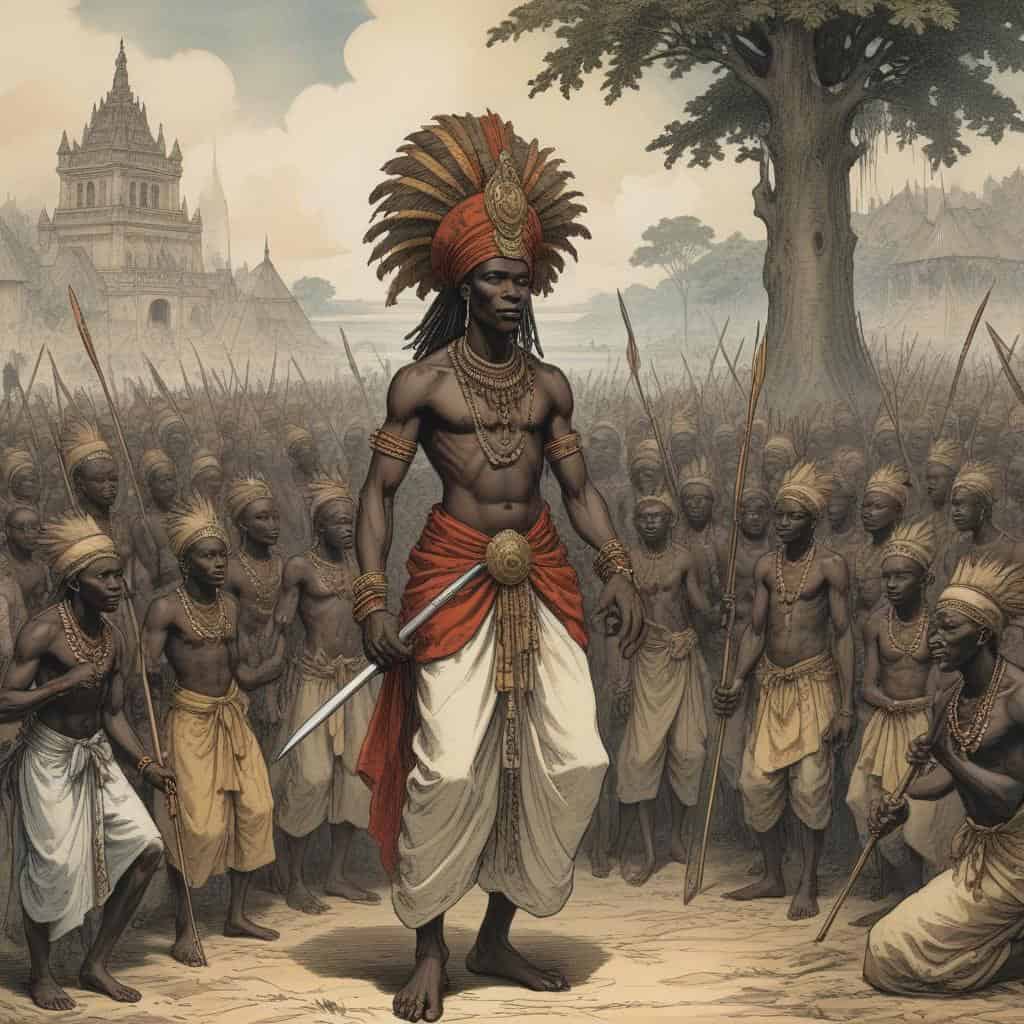
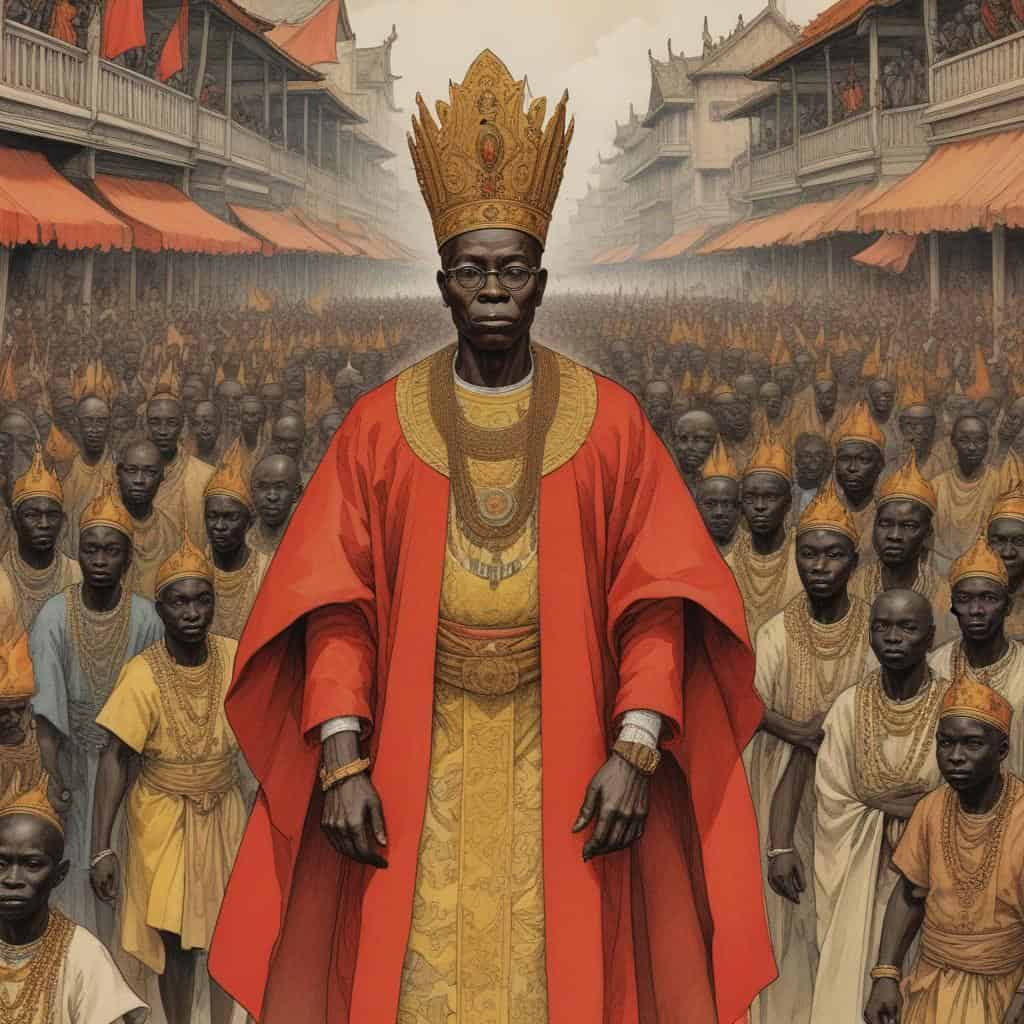
Oba of Benin
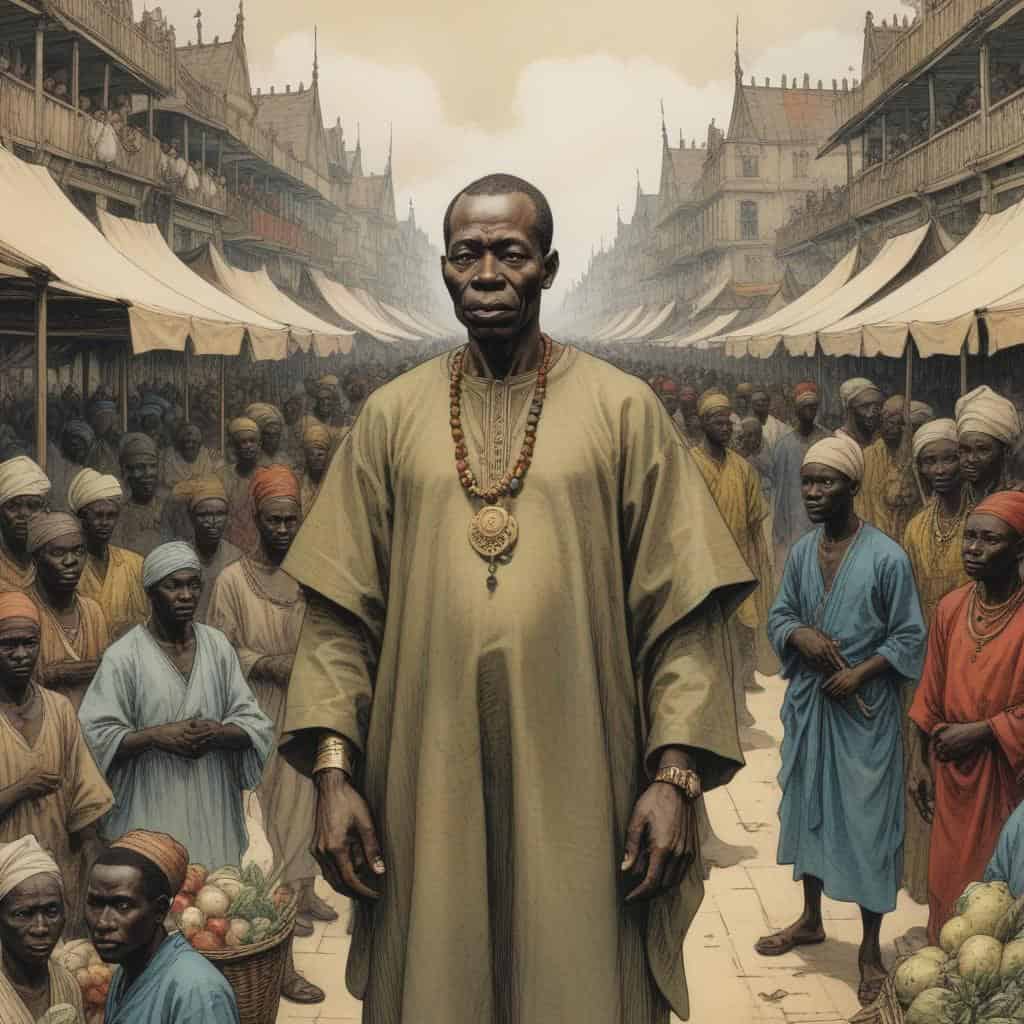
Yayi Boni
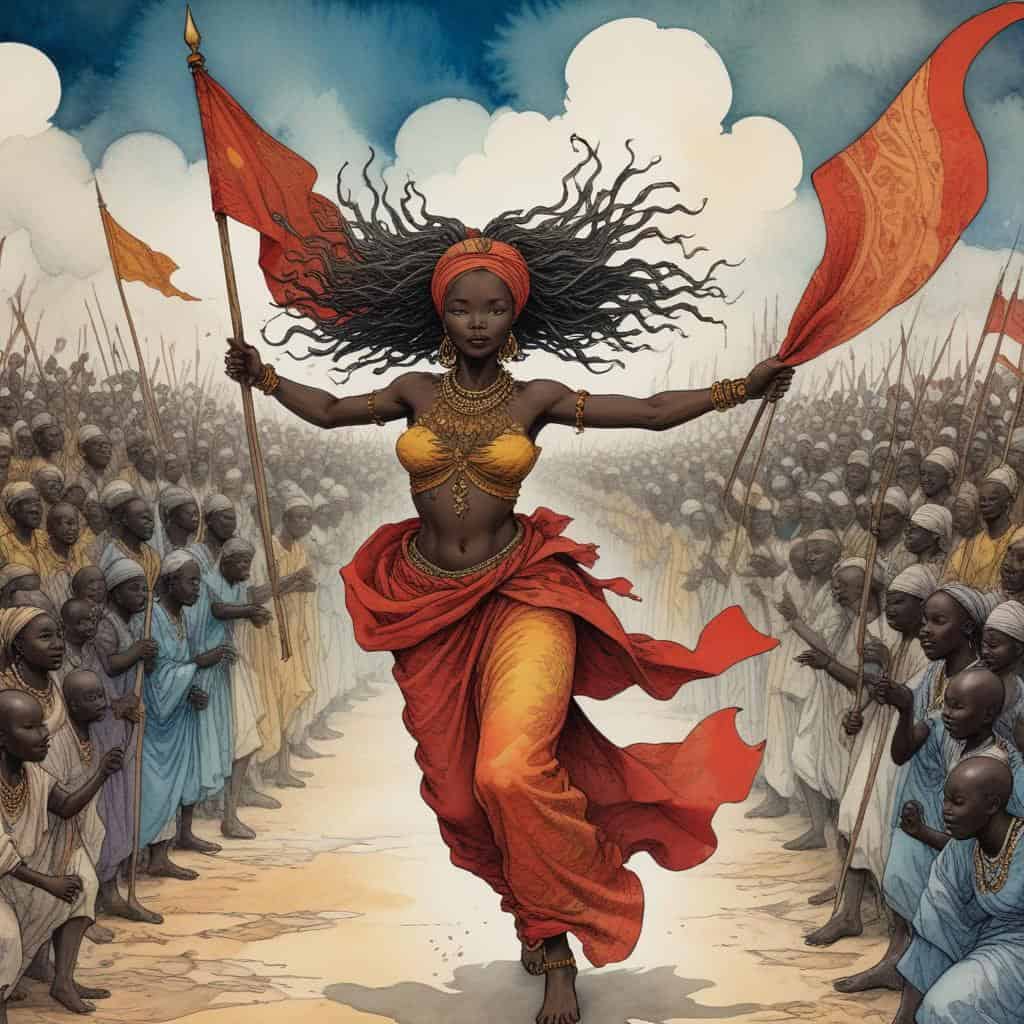
Ange Nkoue
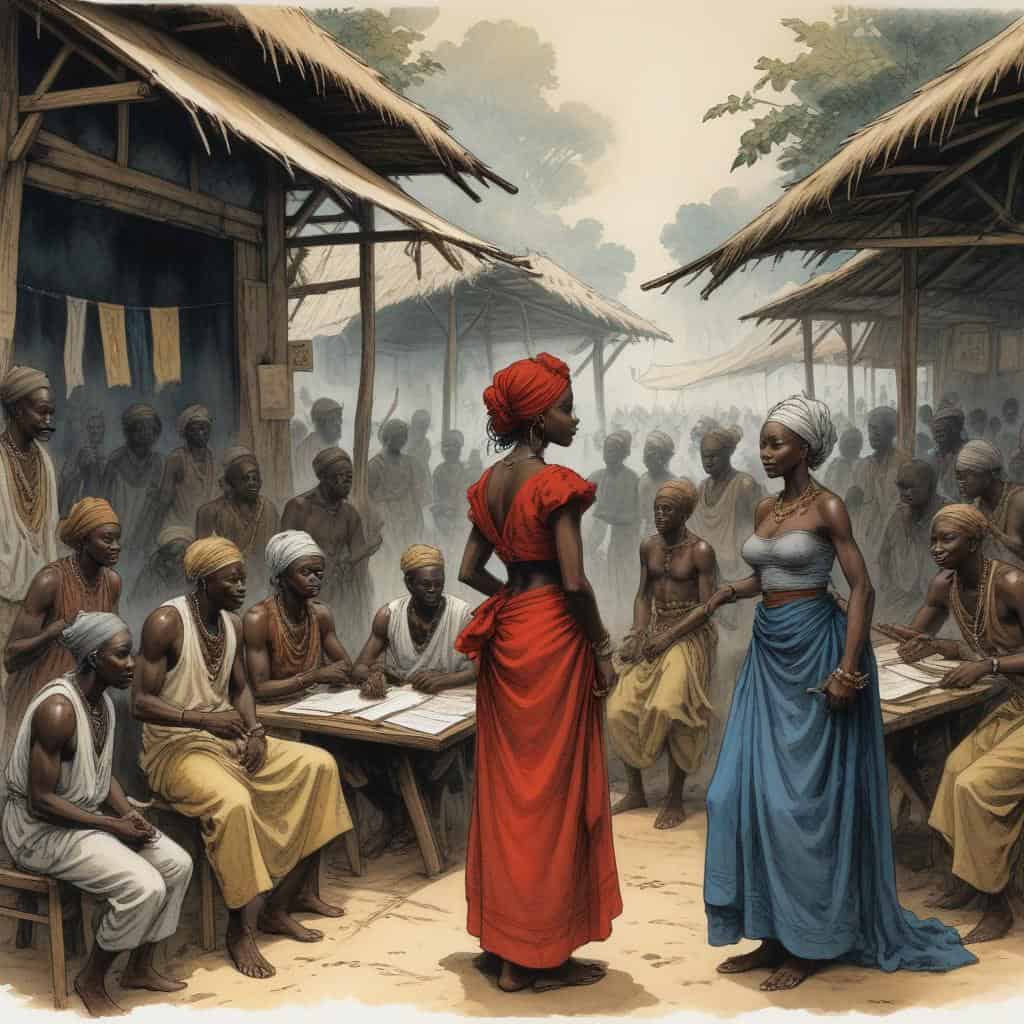
Christine Adjahi
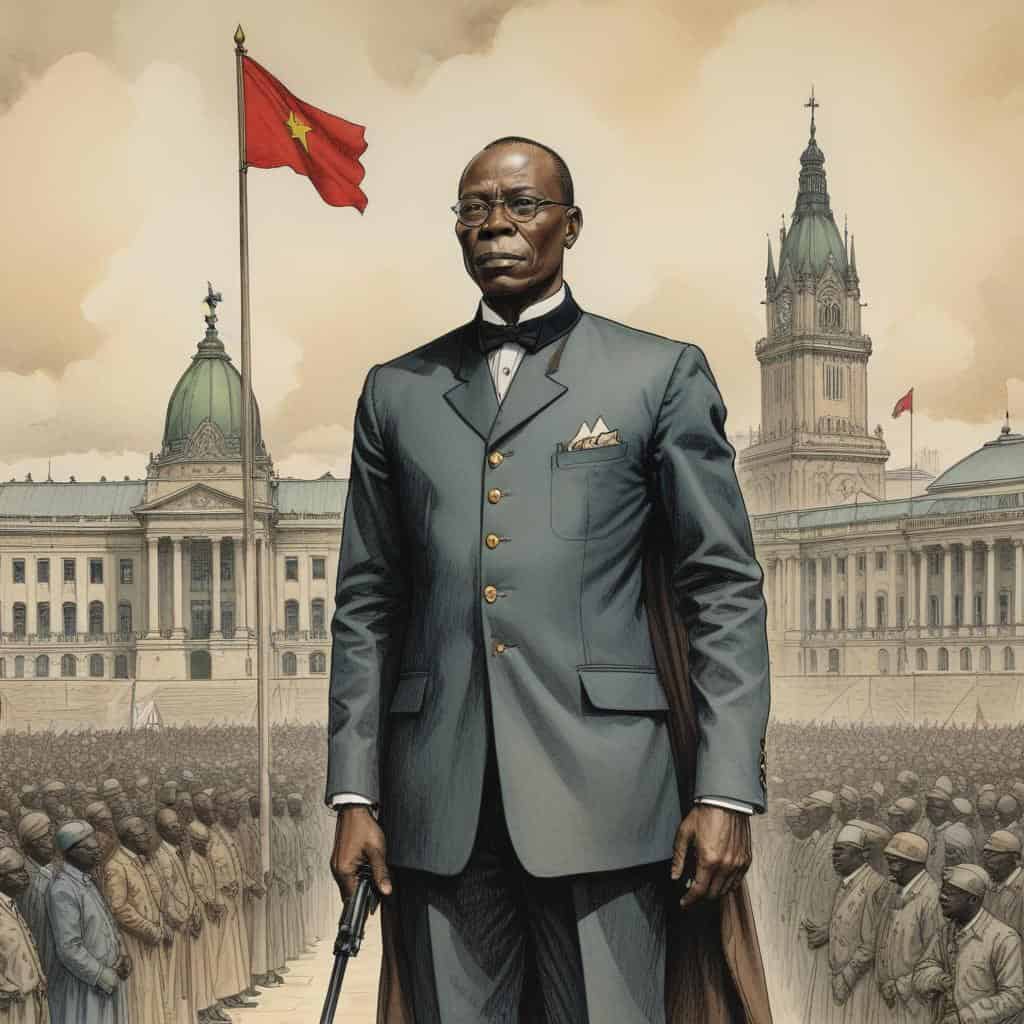
Patrice Talon
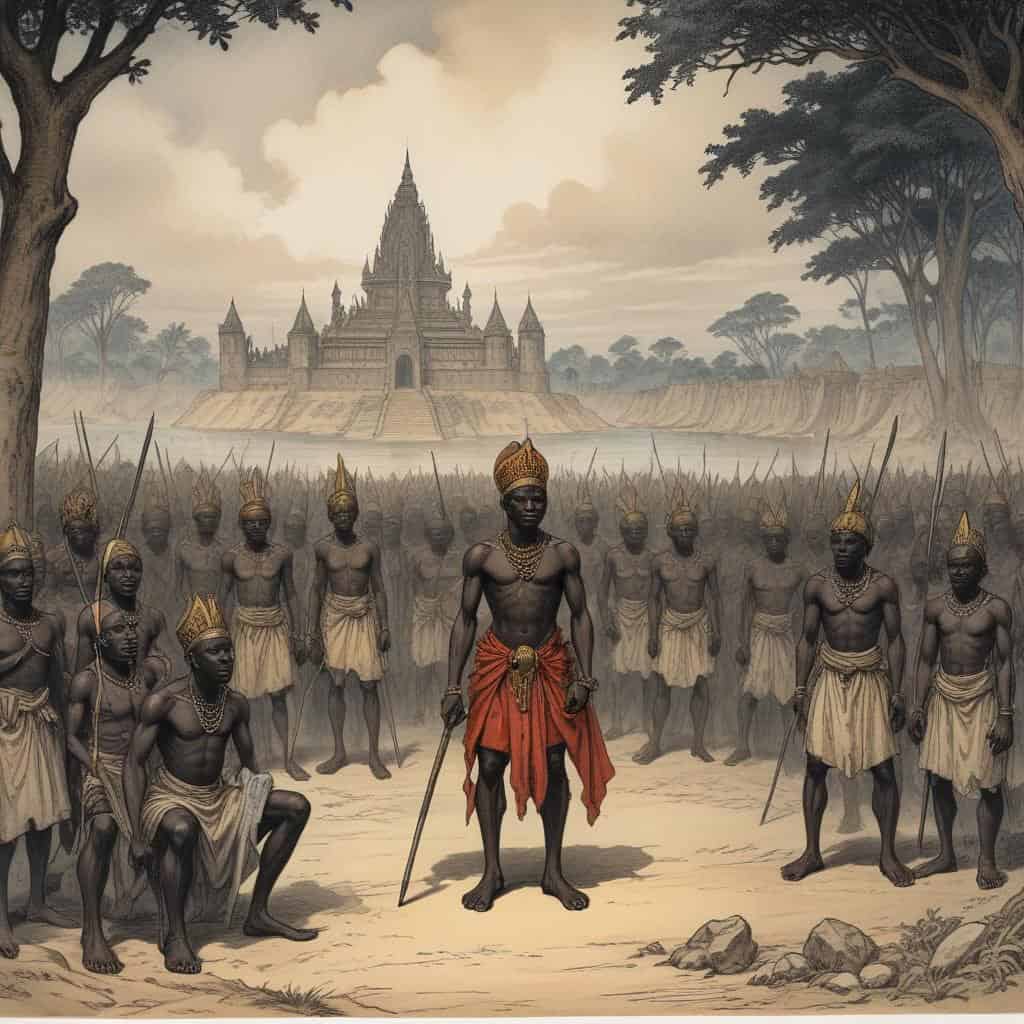
History of Benin
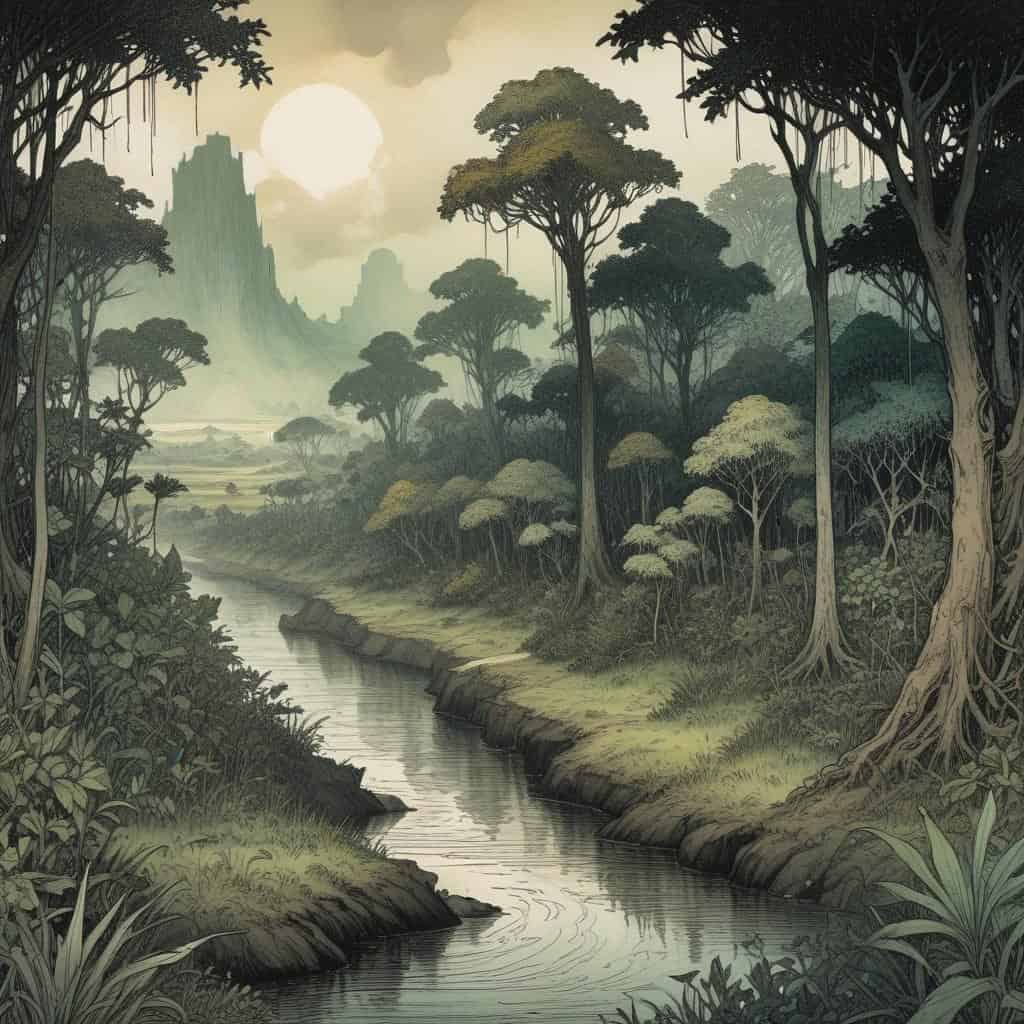
Geography and Climate
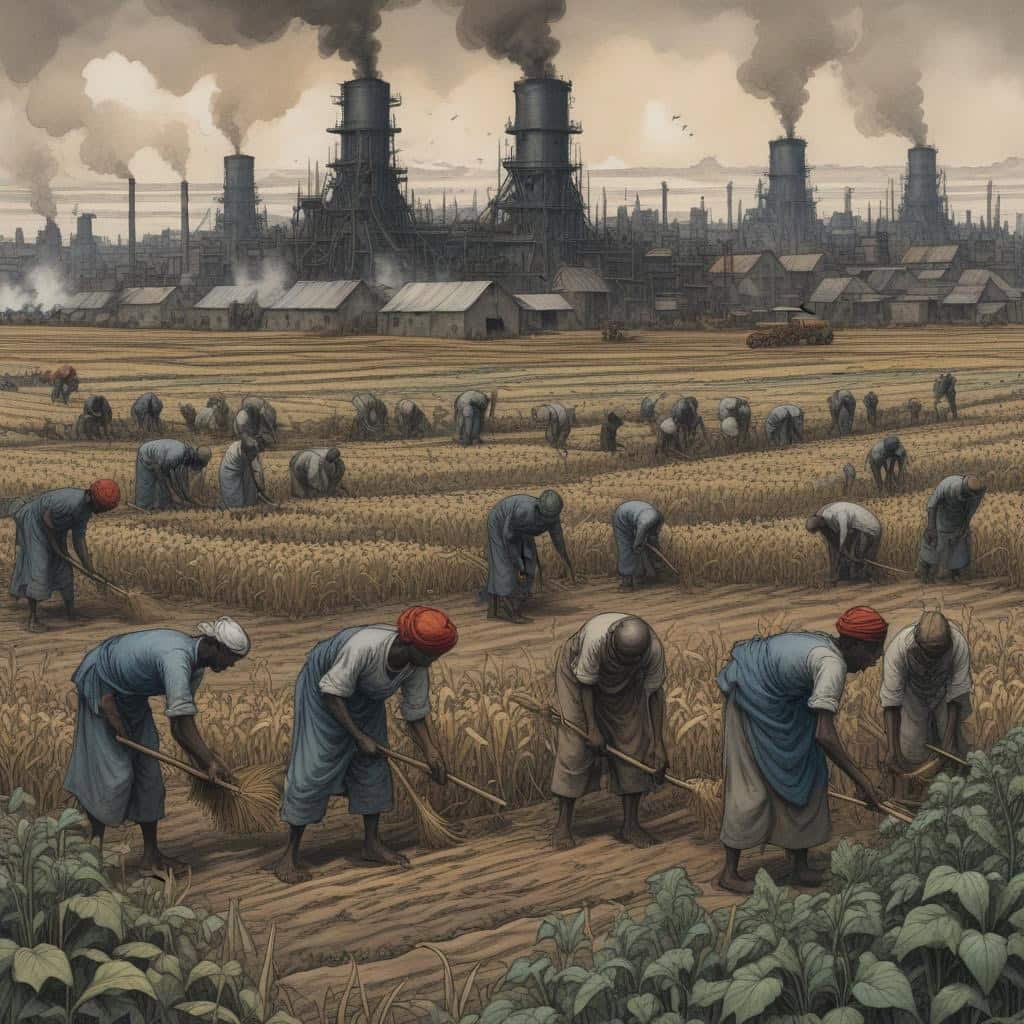
Economy and Industry
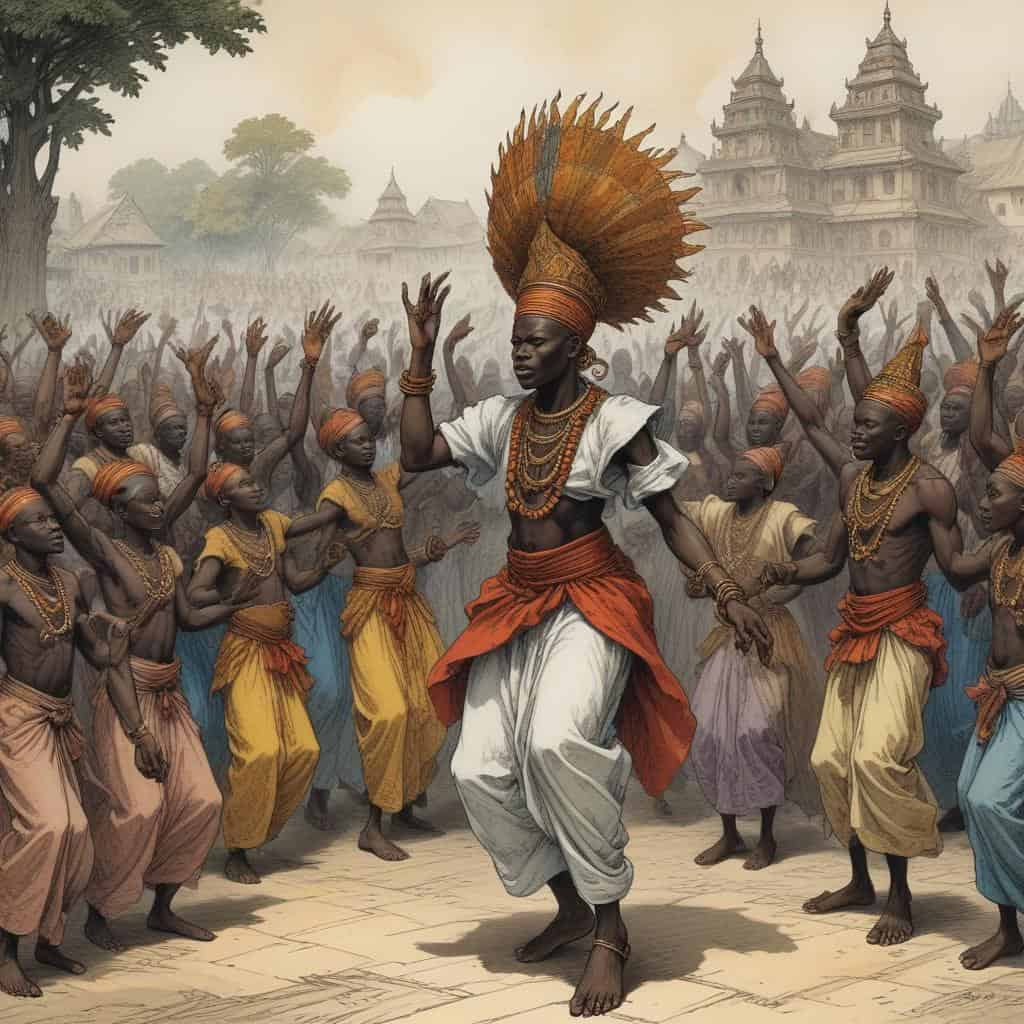
People and Culture
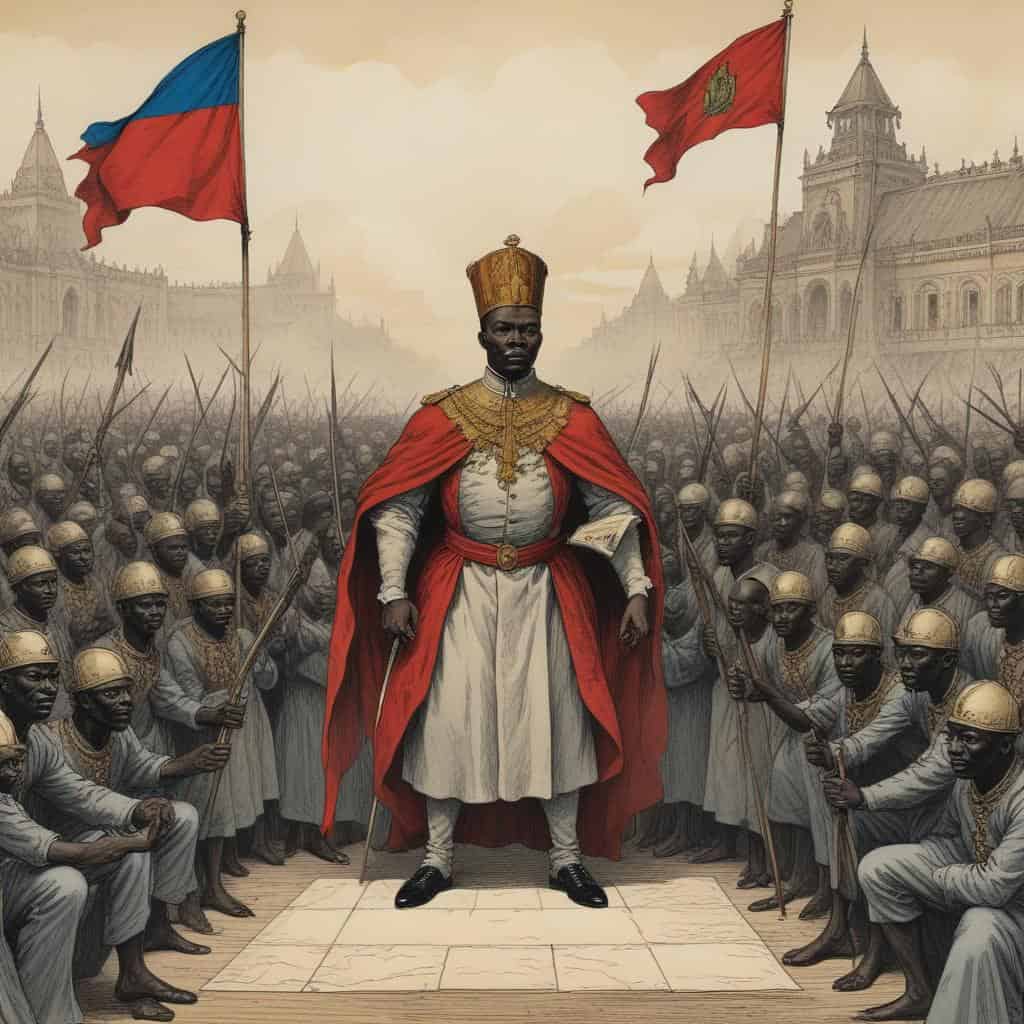
Government and Politics
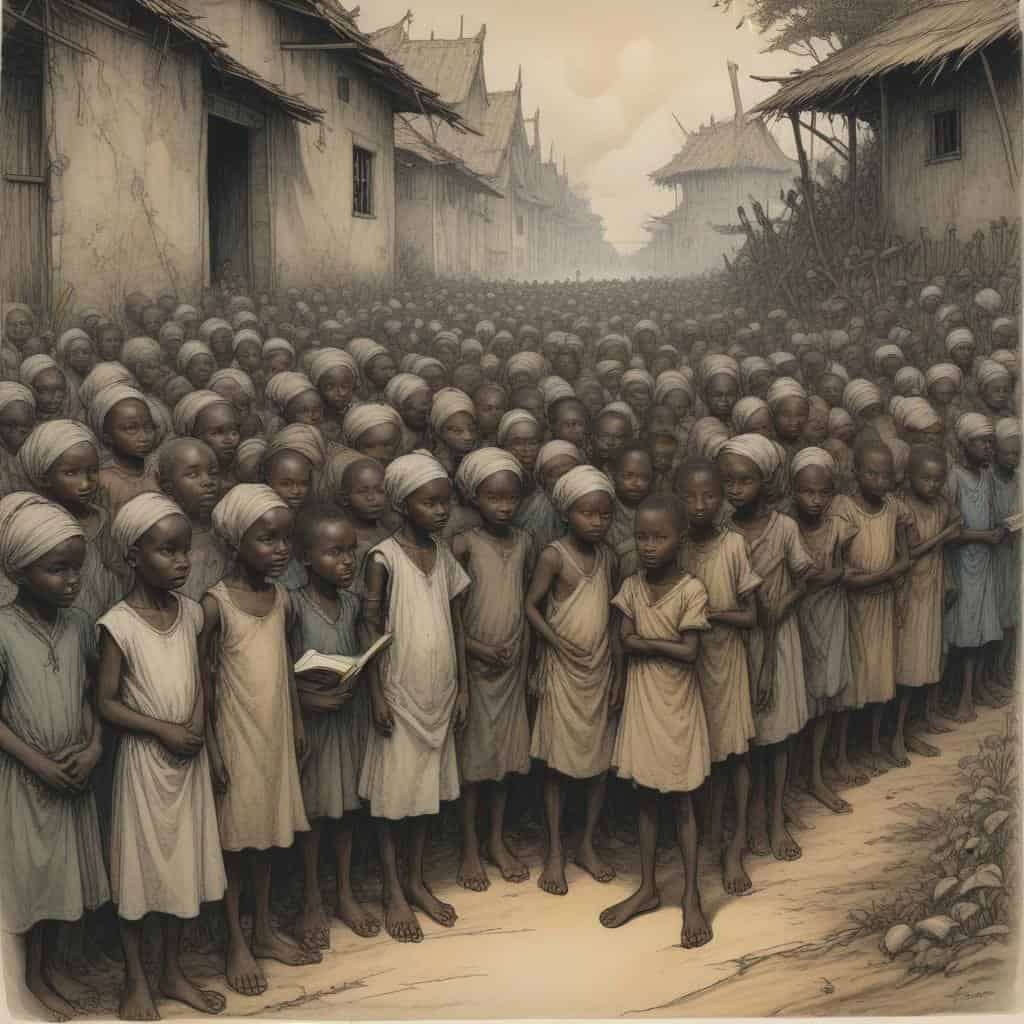
Education and Health
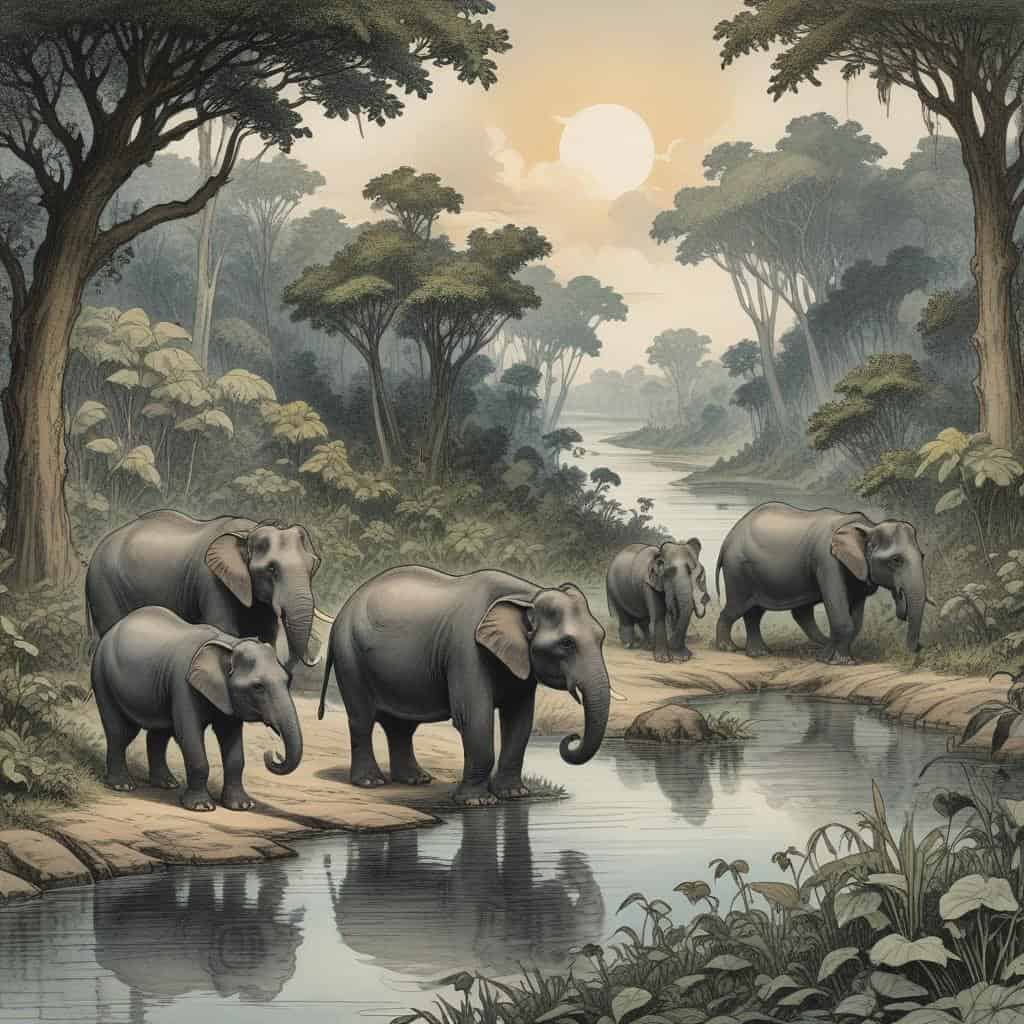
Wildlife and Conservation
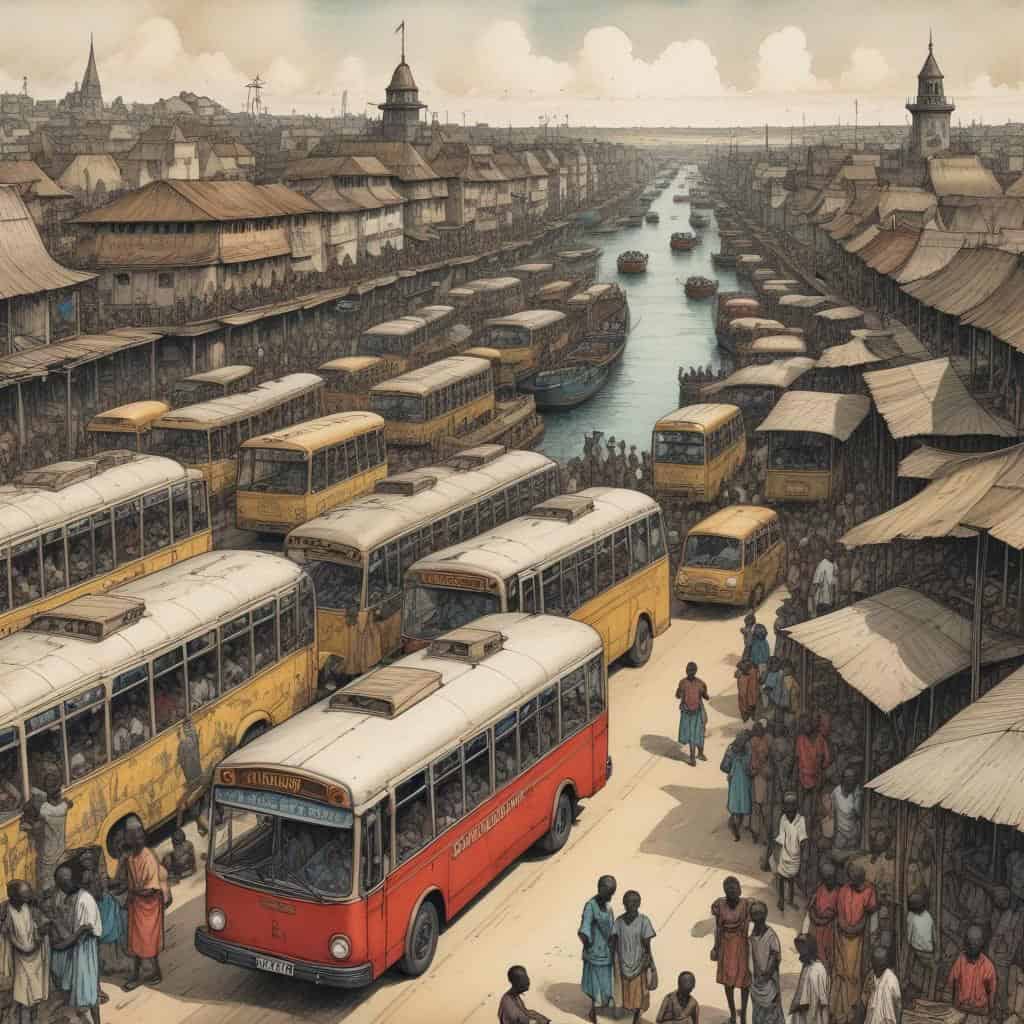
Infrastructure and Transportation
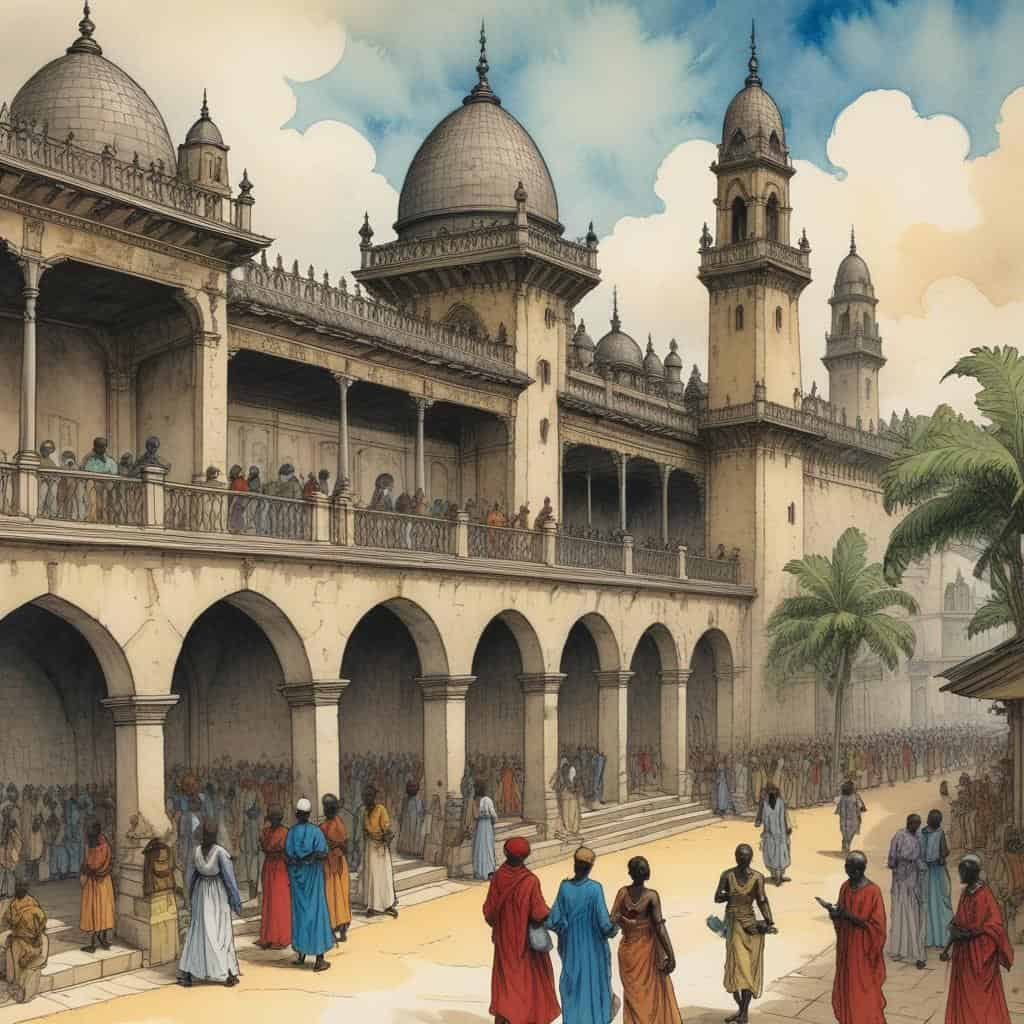
Tourism and Attractions
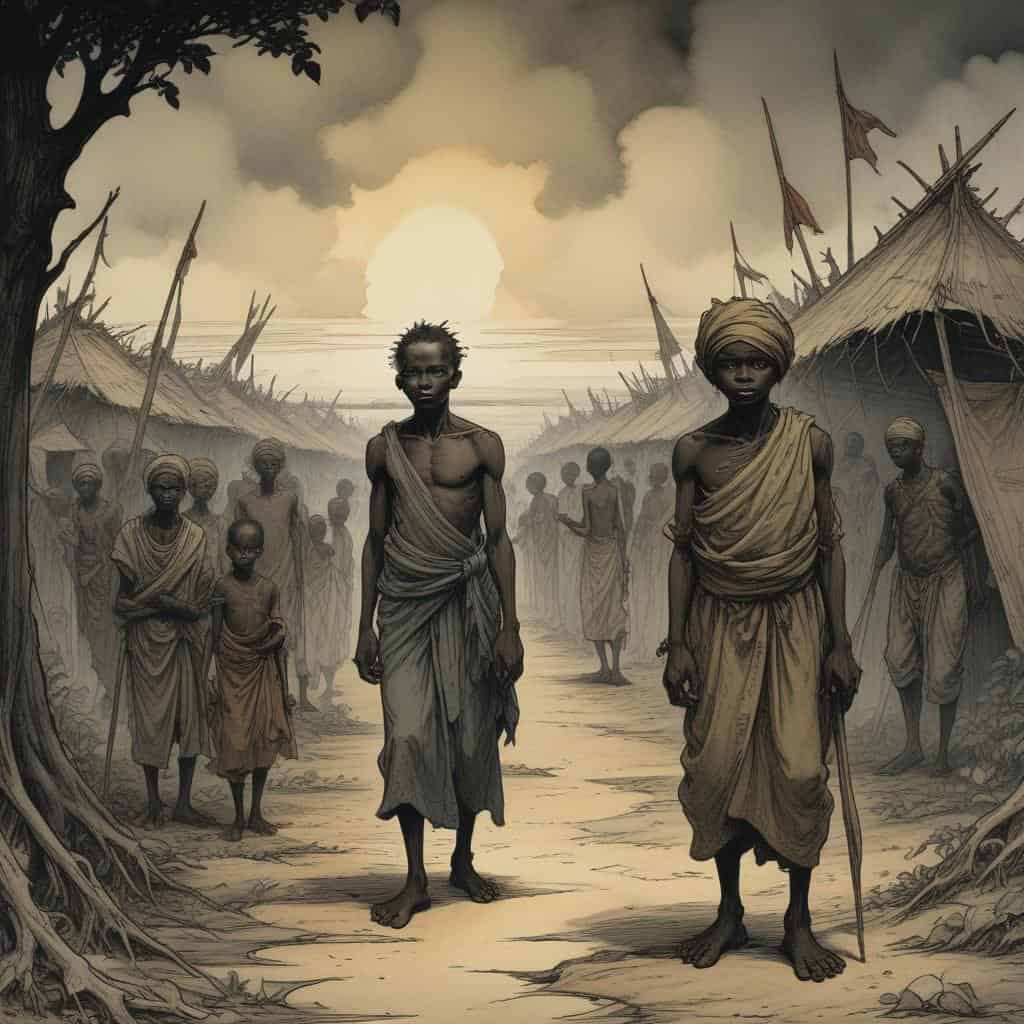
Challenges and Opportunities
Audio Library
As one of our featured lessons, this topic includes premium audio guides.
Unlock the Wizard's Cram Session
This powerful audio study guide is a Pro-exclusive feature. Upgrade to Memory Wizards Pro to access this and all of our premium learning tools.
Upgrade to ProIn a Nutshell
- Capital: Porto-Novo
- Population: Approx. 12.1 million (2021)
- Official Language: French
- Currency: West African CFA franc (XOF)
Breaking Down the Country
Geographical Diversity
From lush forests in the south to the semi-arid Sahel region in the north, Benin boasts a varied landscape rich in biodiversity.
Vibrant Culture
Experience the colorful traditions of Benin, with its renowned music, dance, and festivals that showcase the country's rich heritage.
Historical Heritage
Explore the fascinating history of Benin, from the powerful Dahomey Kingdom to its role in the transatlantic slave trade and colonial era.
Timeline of Benin
Kingdom of Benin is established
Construction of the Benin City walls begins
Contact with Portuguese explorers and traders
Peak of the Kingdom of Benin's power and influence
First European trading post established in Benin
Benin City becomes a major center of trade in West Africa
Dutch establish a trading post in Benin
British establish a trading post in Benin
Benin City is sacked by British forces
Kingdom of Benin is annexed by the British Empire
Benin becomes part of British West Africa Protectorate
Benin gains independence from British rule
Benin becomes a republic with a democratic government
Military coup in Benin establishes a dictatorship
Return to democratic rule in Benin
Benin joins the West African Economic and Monetary Union
Benin hosts the Africa Cup of Nations football tournament
Benin celebrates 50 years of independence
Benin holds presidential elections
Benin experiences political unrest and protests
Vocabulary List
- Vodun
- Vodun is a traditional religion practiced in Benin.
- Dahomey
- Dahomey was the name of the kingdom that existed in present-day Benin.
- Cotonou
- Cotonou is the largest city and economic center of Benin.
- Yoruba
- The Yoruba people are one of the ethnic groups in Benin.
- Porto-Novo
- Porto-Novo is the capital city of Benin.
- Dance
- Traditional dance is an important part of Beninese culture.
- Fon
- The Fon people are one of the largest ethnic groups in Benin.
- Slave trade
- Benin was heavily involved in the transatlantic slave trade.
- Somba
- The Somba people are known for their unique architectural style in Benin.
- Zangbeto
- Zangbeto is a traditional masked figure in Benin used for protection.
Key Facts
This is the information used in the fact matching game
- Benin is a country located in West Africa.
- The official language of Benin is French.
- Benin gained independence from France in 1960.
- The capital city of Benin is Porto-Novo.
- Benin has a population of over 11 million people.
- The currency used in Benin is the West African CFA franc.
- Benin is known for its vibrant culture and music.
- The largest ethnic group in Benin is the Fon.
- Benin is a major producer of cotton.
- The national dish of Benin is Fufu, a starchy side dish often served with soup or sauce.
- Benin is home to the Pendjari National Park, known for its diverse wildlife.
- The former Kingdom of Dahomey, located in present-day Benin, was known for its powerful military and female warriors called Amazons.
- Benin is a member of the African Union and the United Nations.
- Benin has a tropical climate with a rainy season from April to July and a dry season from August to October.
- The economy of Benin is primarily based on agriculture, trade, and services.
- Benin was named after the body of water on which it lies, the Bight of Benin.
- The national flag of Benin consists of green, yellow, and red vertical stripes with a five-pointed red star in the upper left corner.
- Voodoo is an important part of the culture and religion in Benin.
- Benin has a rich history of traditional craftsmanship, including bronze and wood carvings.
- The literacy rate in Benin is around 42%, with a higher rate among males than females.
Why It Matters
Geopolitical Significance
Located in West Africa, Benin is strategically positioned with access to the Gulf of Guinea. Its stable government and peaceful relations with neighboring countries contribute to regional stability in a historically volatile region. Benin’s location also plays a key role in trade routes and economic development in the area.
Historical Importance
Benin has a rich history dating back to powerful kingdoms and trading empires. The Kingdom of Dahomey, known for its military prowess and complex social structure, left a lasting legacy. The colonial period and subsequent independence have shaped Benin’s culture and society to this day.
Modern-Day Role
Today, Benin is a democratic nation with a growing economy and diverse cultural heritage. Its role as a peaceful mediator in regional conflicts and its efforts to promote sustainable development have garnered international attention. Benin’s unique history and modern achievements continue to shape its significance on the global stage.
Benin Games


Take Your Learning Offline
Want a convenient, print-ready study guide for this lesson? Become a Memory Wizards Pro member to unlock the downloadable " Memory Scrolls" for this topic and our entire library!
- ✓ Complete Vocabulary Lists
- ✓ Key Facts & Timelines
- ✓ Beautifully Formatted for Print & Mobile