
How Do You Learn Best?
Learn by Listening
Start with the 3-minute audio summary to get the key facts and narrative highlights quickly.
Learn by Reading
Immerse yourself in the 10-minute visual lesson for a comprehensive understanding of the topic.
Learn by Reviewing
Jump directly to the key facts, timeline, and vocabulary lists to build a solid foundation of details.
Learn by Doing
Challenge yourself! Jump straight into the interactive games to learn by trial, error, and discovery.
Angola in 10 Minutes
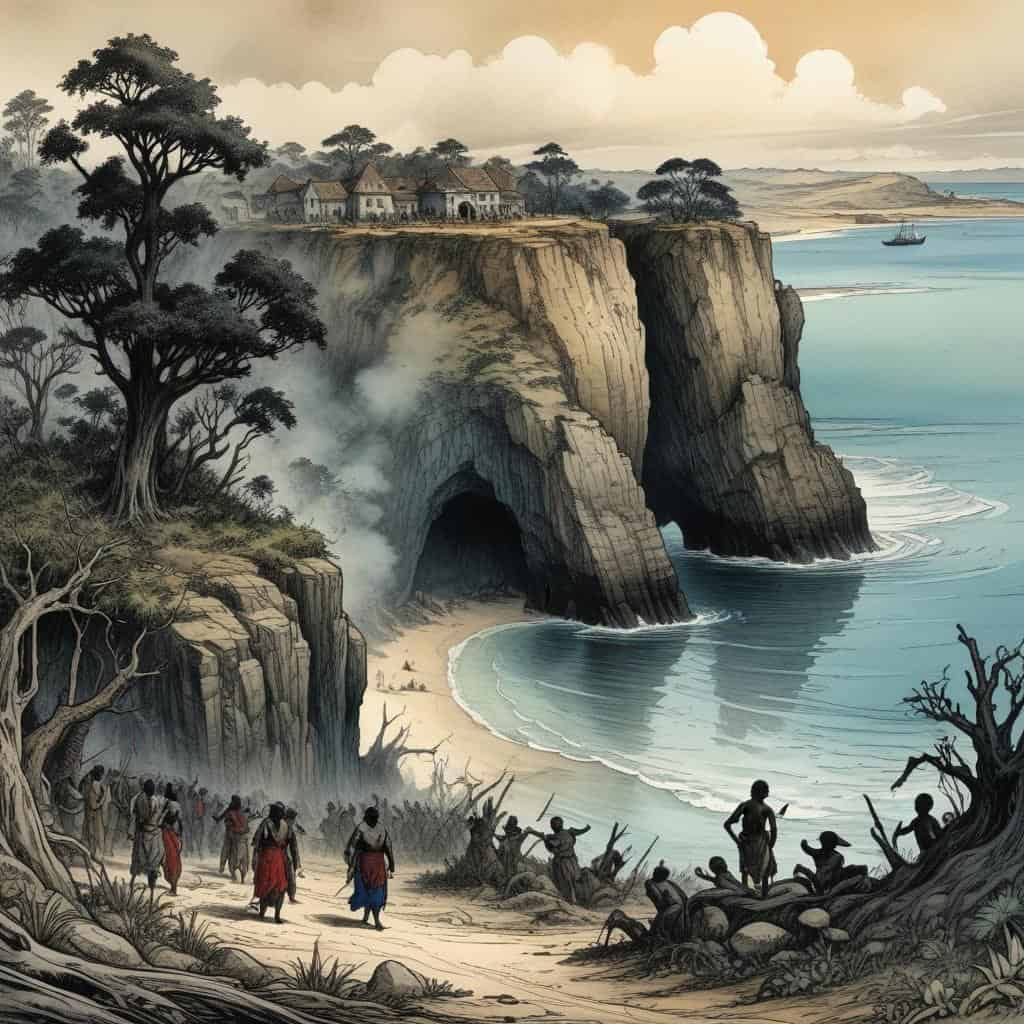
Introduction
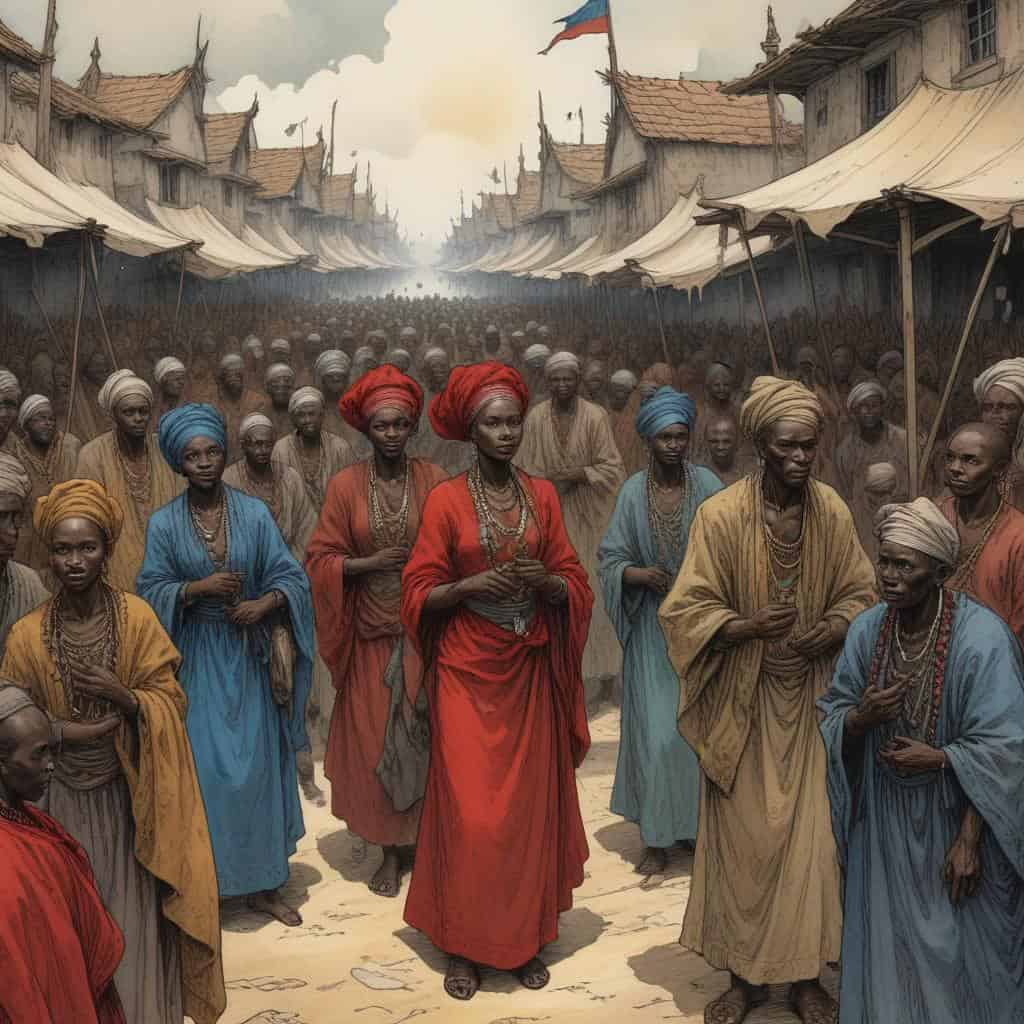
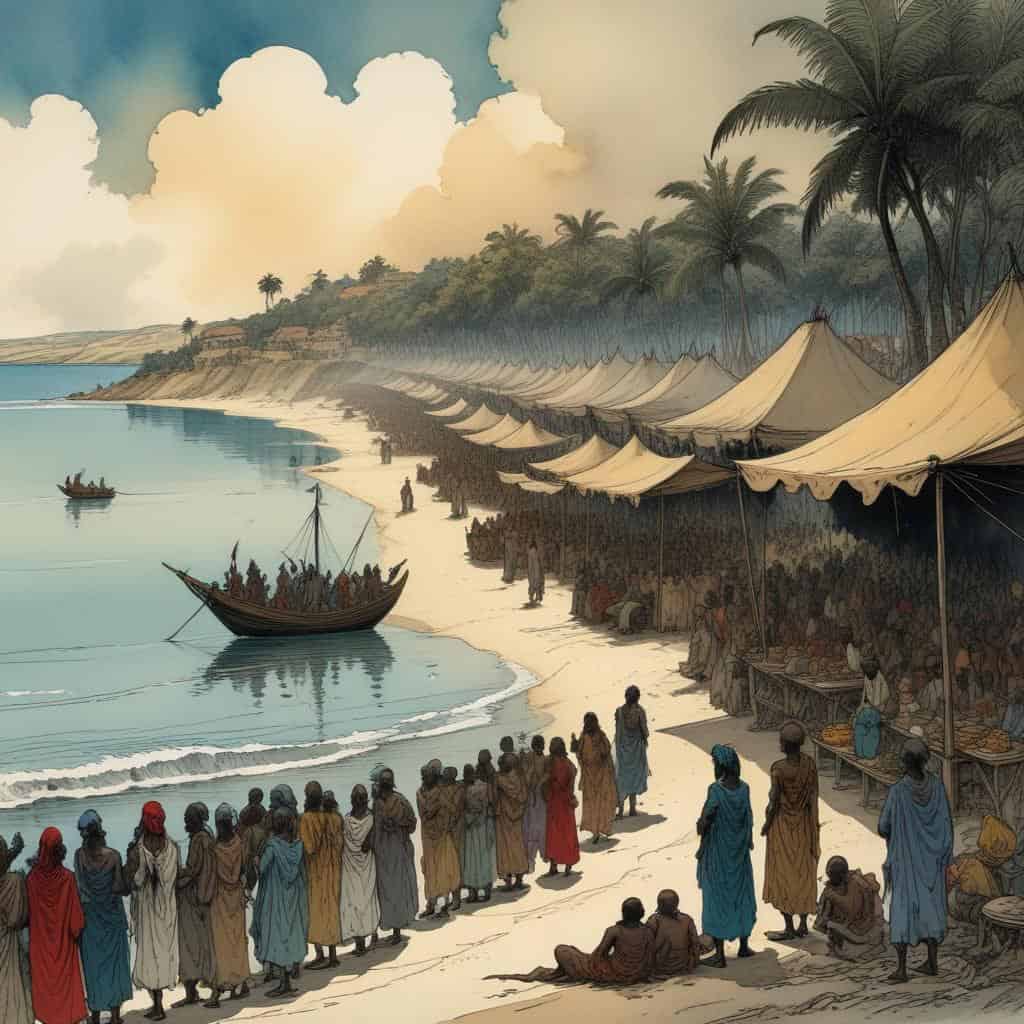

1. Maria
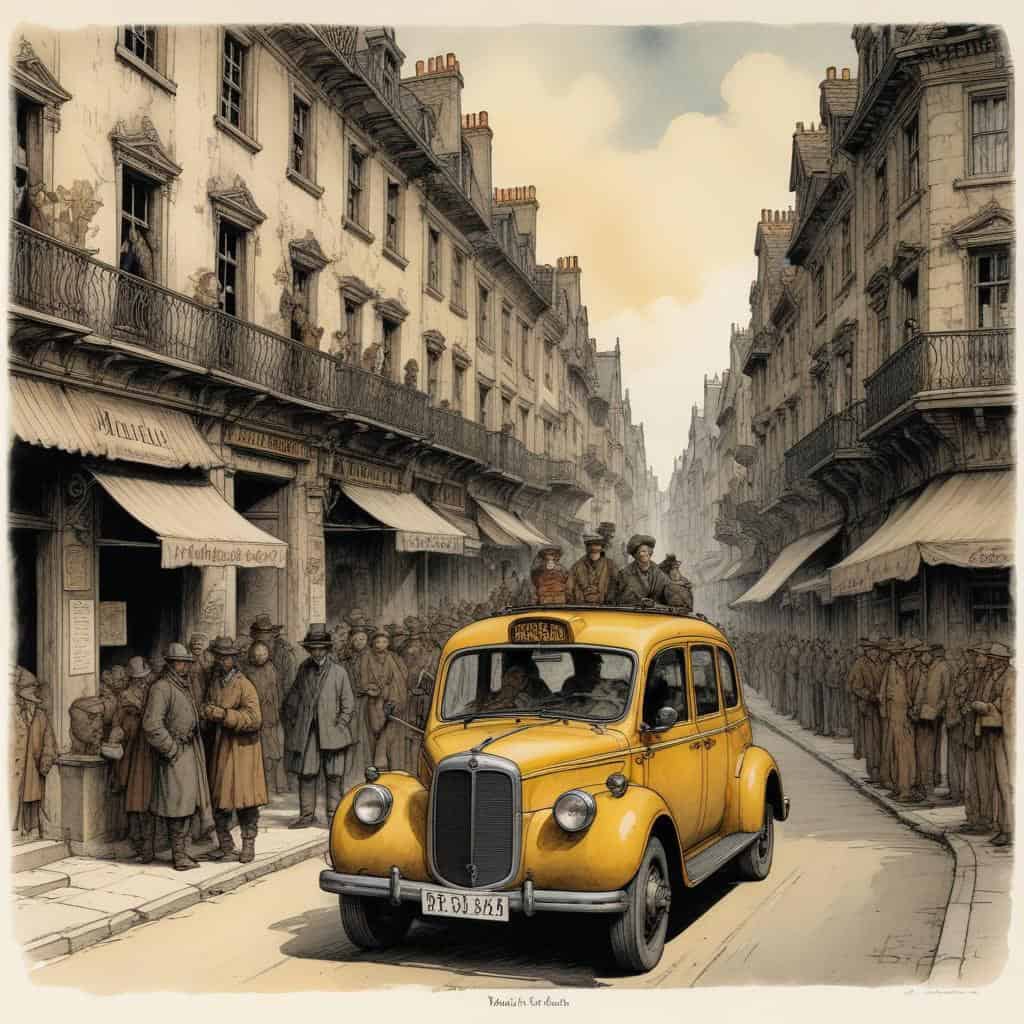
2. Manuel

3. Sofia
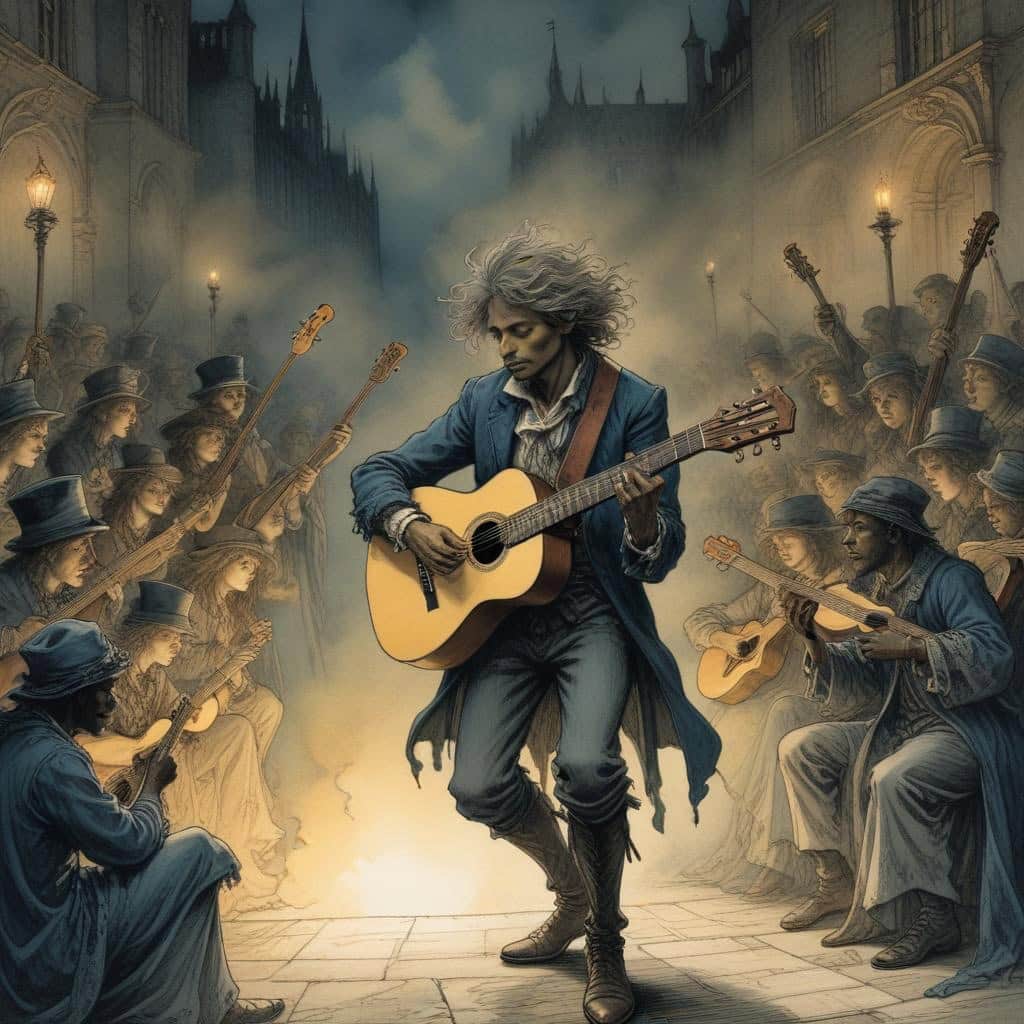
4. Carlos
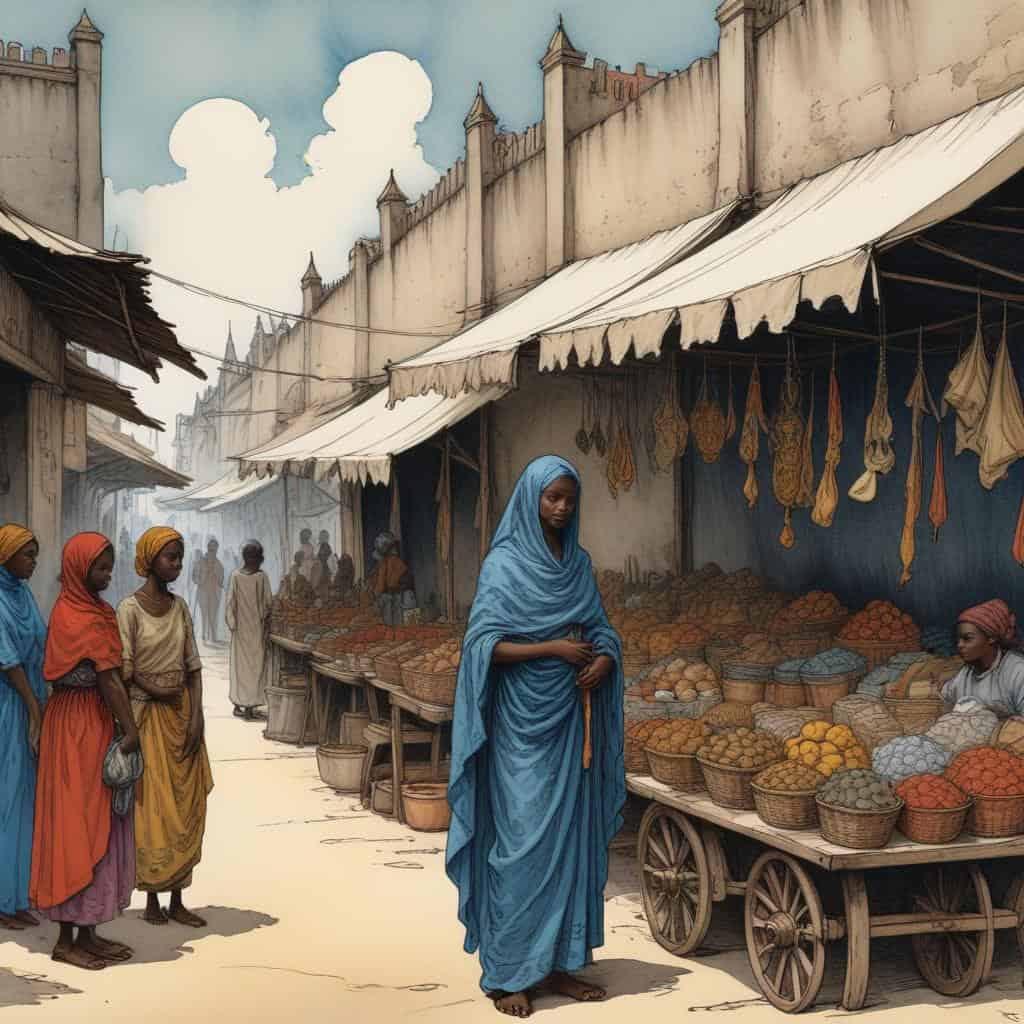
5. Fatima
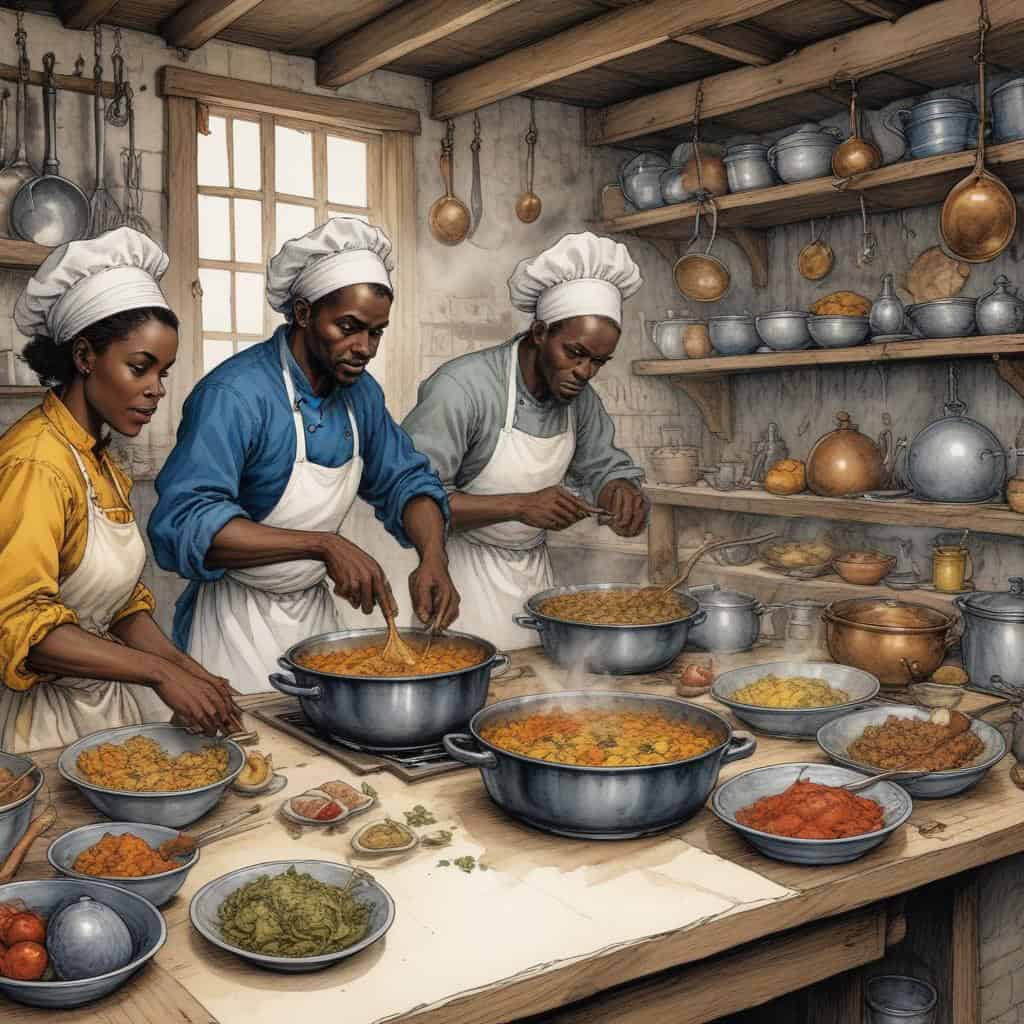
Traditional Cuisine
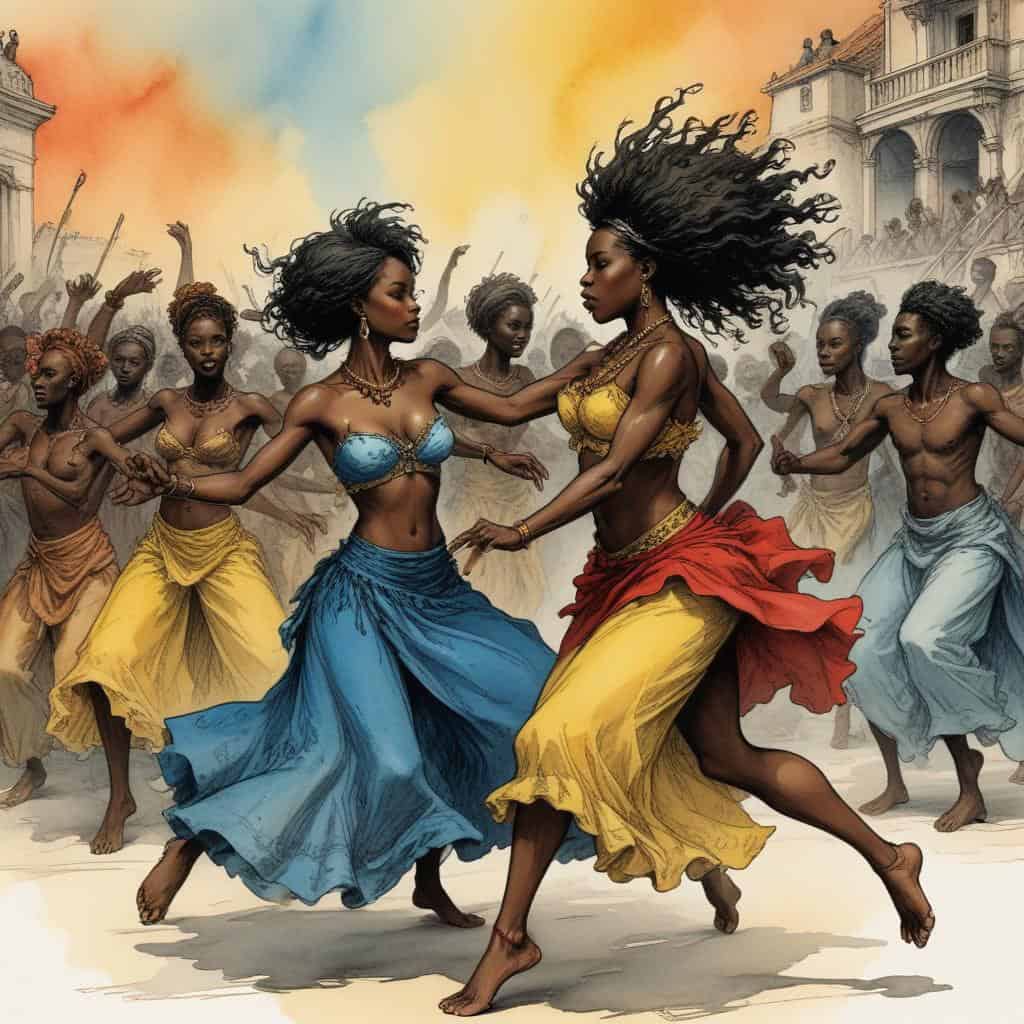
Music and Dance

Religious Practices

Marketplaces
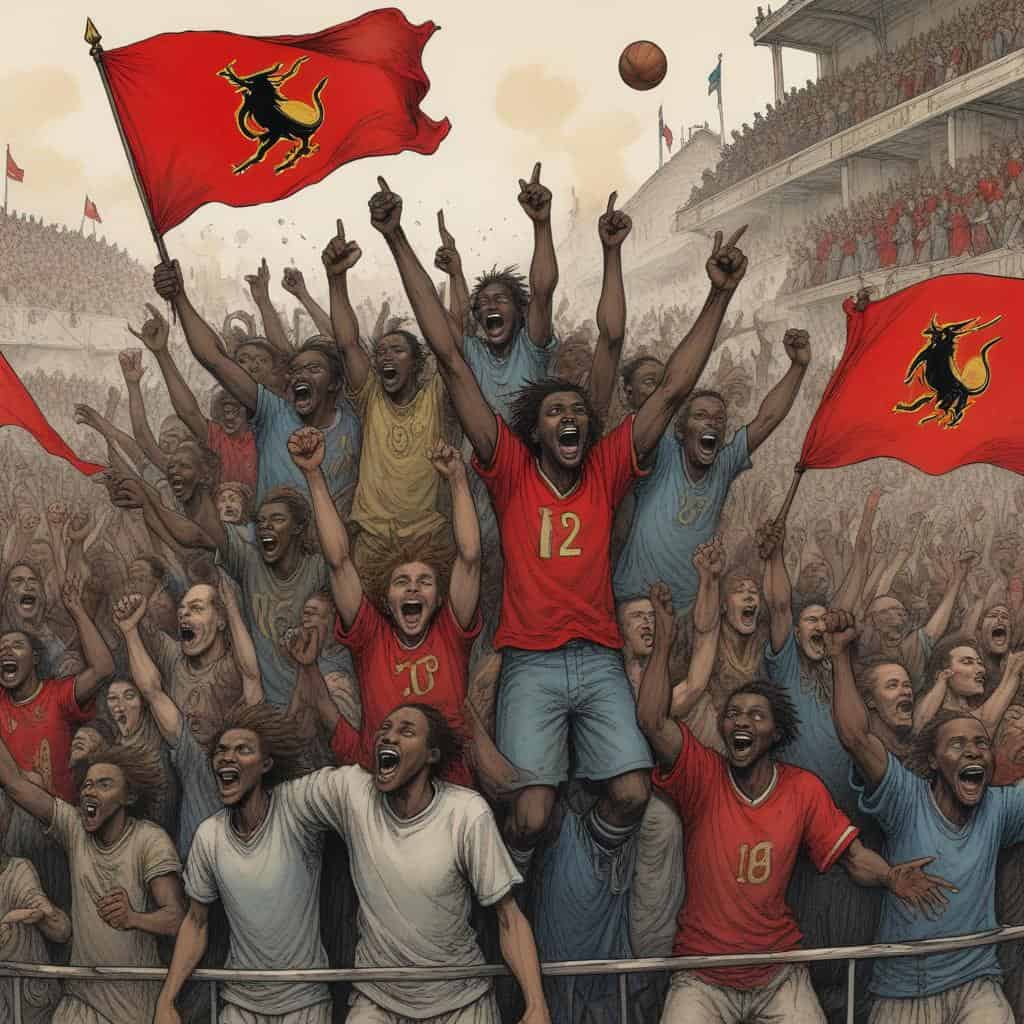
Sports and Recreation
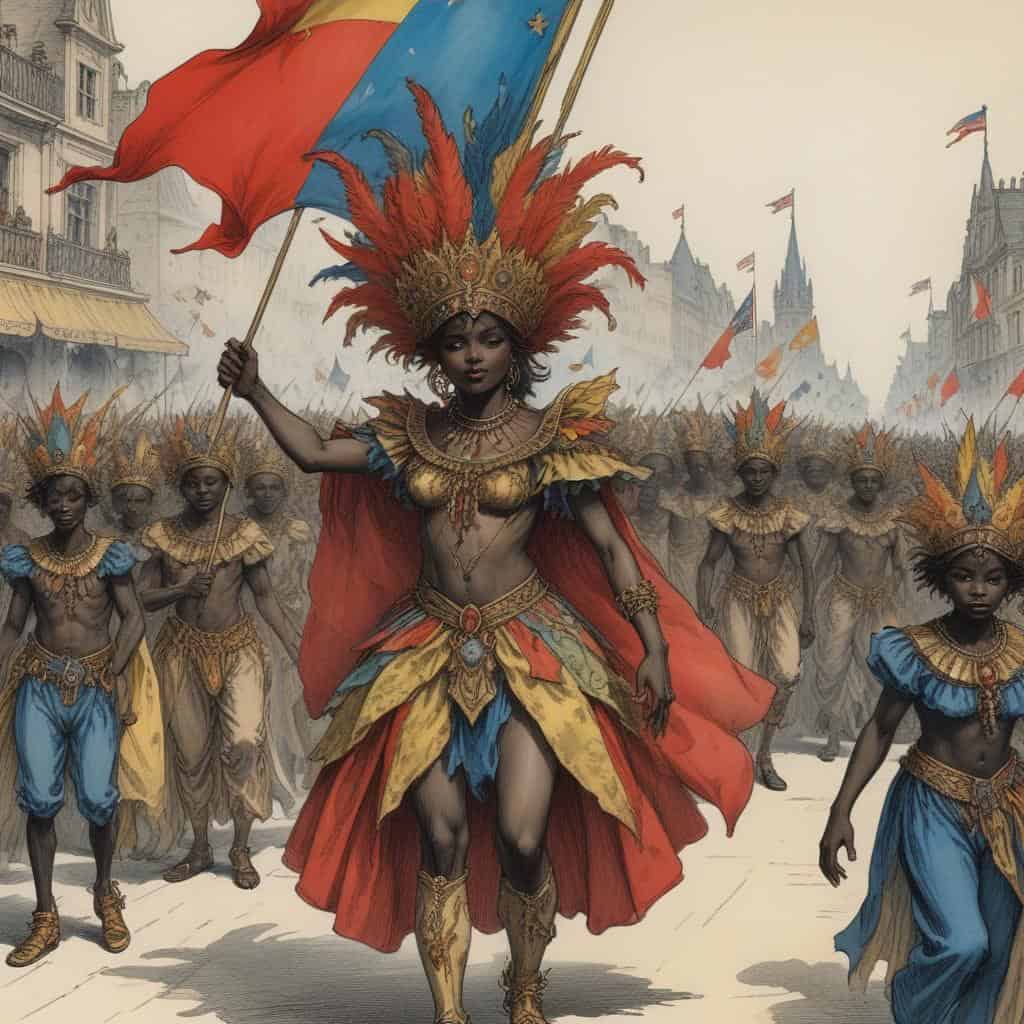
Celebrations and Festivals
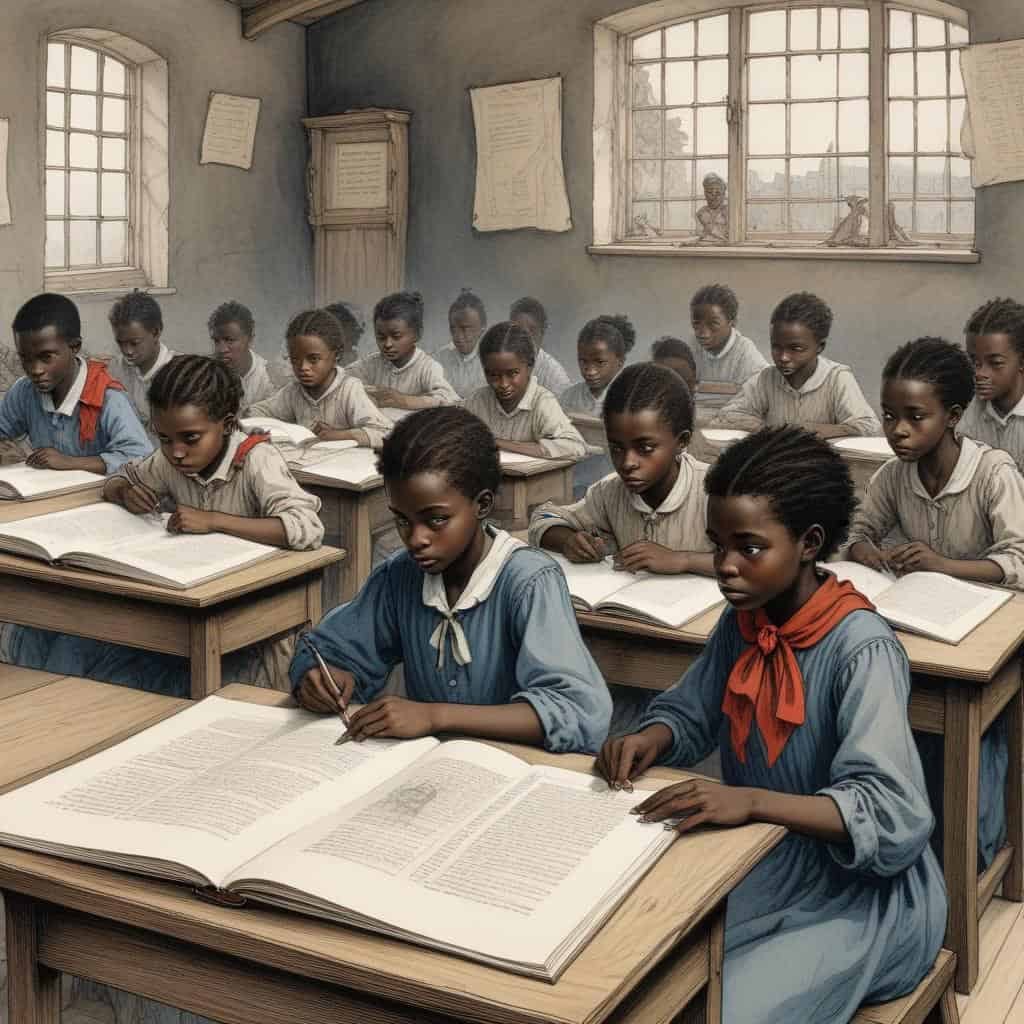
Education System
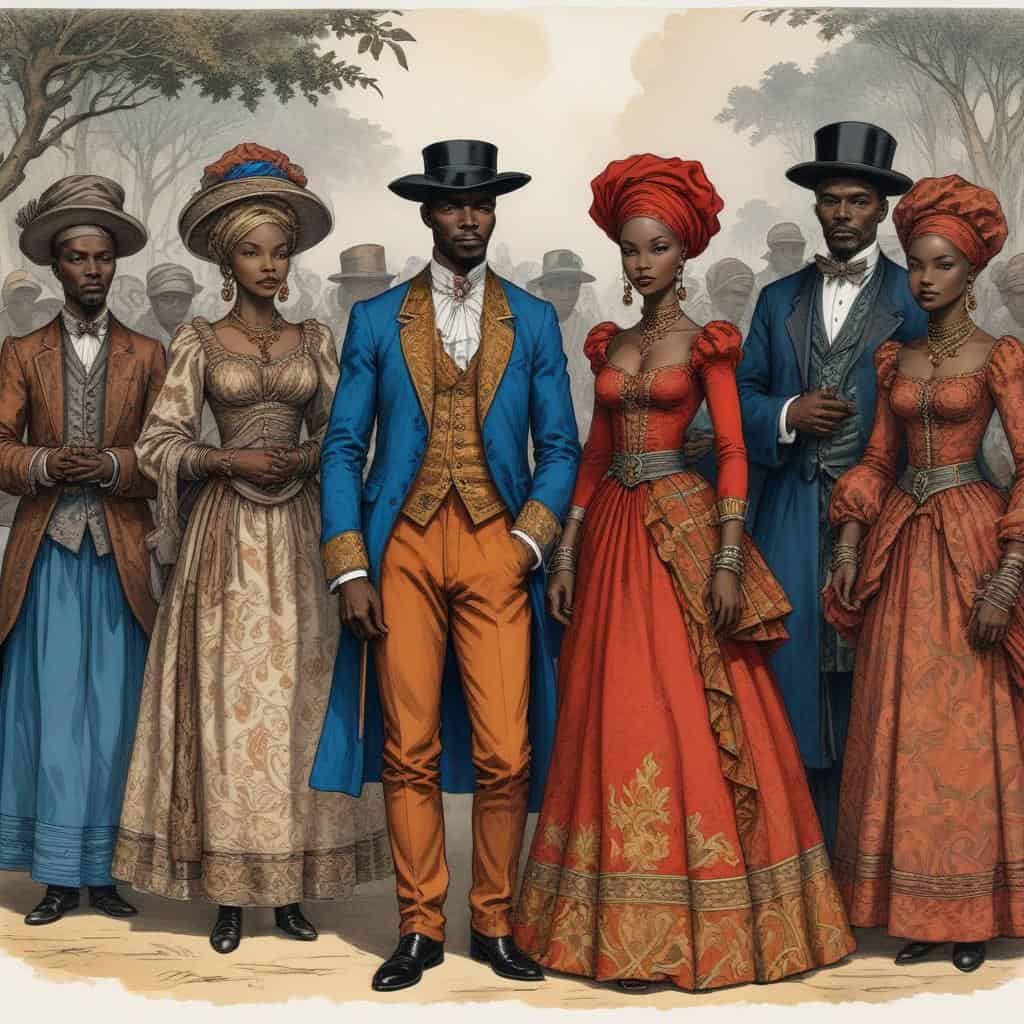
Traditional Attire
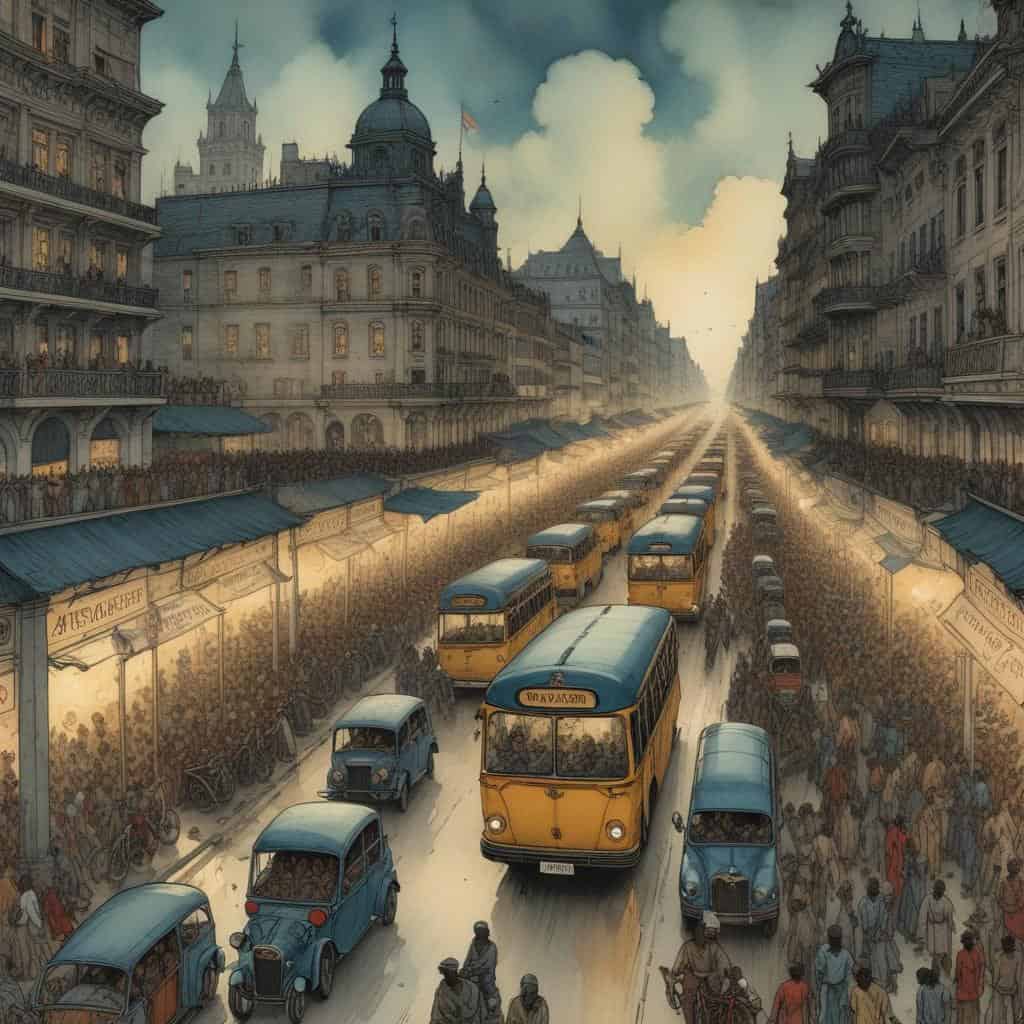
Transportation
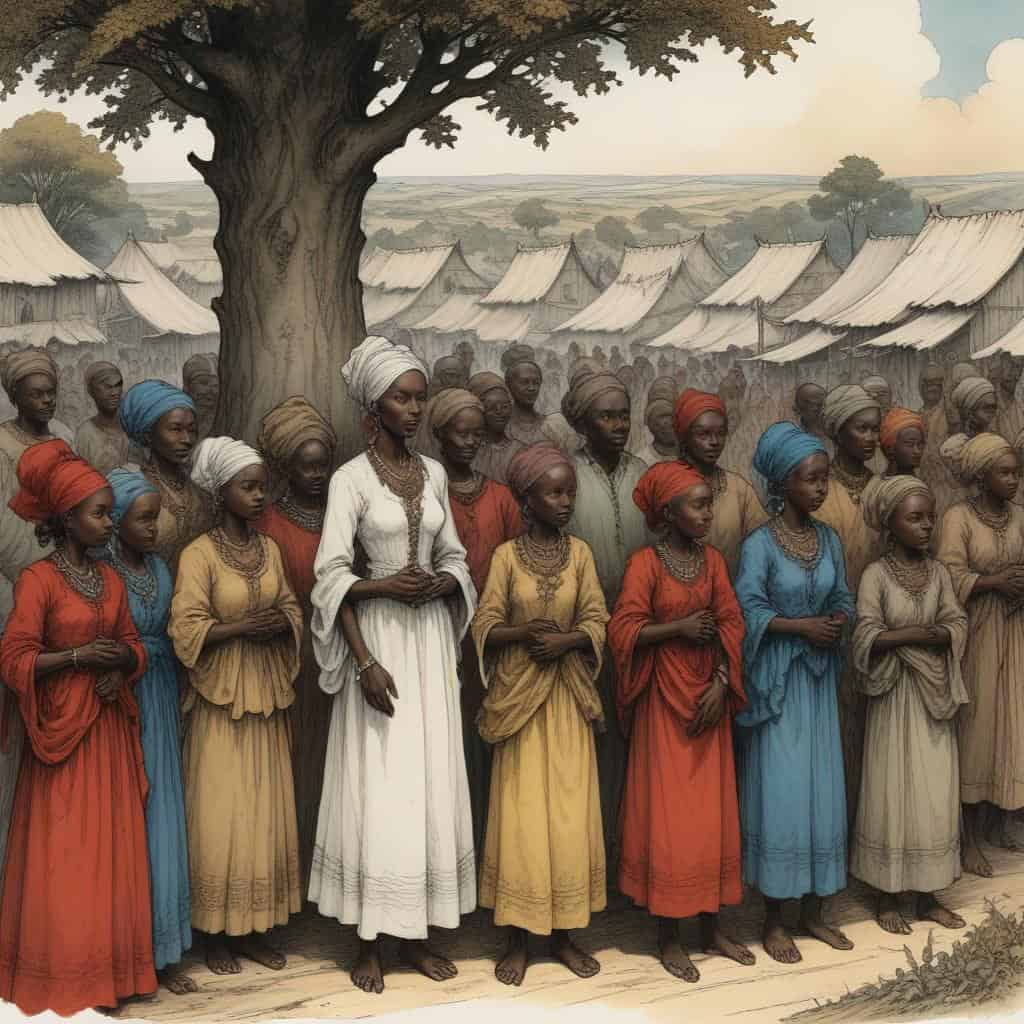
Family and Community
Audio Library
As one of our featured lessons, this topic includes premium audio guides.
Unlock the Wizard's Cram Session
This powerful audio study guide is a Pro-exclusive feature. Upgrade to Memory Wizards Pro to access this and all of our premium learning tools.
Upgrade to ProIn a Nutshell
- Capital: Luanda
- Population: Approx. 32.9 million (2021)
- Official Language: Portuguese
- Currency: Angolan Kwanza (AOA)
Breaking Down the Country
Geographical Diversity
From the arid Namib Desert to lush rainforests, Angola boasts a wide range of landscapes that support diverse flora and fauna.
Colonial Legacy
Having been a Portuguese colony for centuries, Angola's culture reflects a blend of African traditions with European influences.
Cultural Richness
Experience Angola's vibrant music, dance, and art scenes, which are deeply rooted in the country's history and ethnic diversity.
Timeline of Angola
Portuguese explorer Diogo Cão reaches the mouth of the Congo River, marking the first European contact with Angola
Portuguese begin colonizing Angola, establishing trading posts along the coast
Slavery becomes a major industry in Angola, with thousands of Africans being forcibly taken to the Americas
Angola becomes a Portuguese colony
Angolan War of Independence begins, with various groups fighting against Portuguese rule
Angola gains independence from Portugal, becoming a socialist country
Civil war breaks out between the ruling MPLA government and rebel groups UNITA and FNLA
Famine and economic crisis devastate Angola
Peace agreement signed between MPLA and UNITA, officially ending the civil war
Angola becomes one of the fastest growing economies in the world due to its oil reserves
President Jose Eduardo dos Santos steps down after 38 years in power, Joao Lourenco becomes the new president
Angola holds its first post-war parliamentary elections
Angola's capital Luanda named the most expensive city in the world for expatriates
Angola hosts the Africa Cup of Nations football tournament
Angola celebrates 40 years of independence
Angola faces criticism for human rights abuses and lack of political freedoms
Angola begins diversifying its economy away from oil towards agriculture and tourism
Angola launches a national vaccination campaign against yellow fever
Angola experiences a cholera outbreak in Luanda
Angola's national football team wins the Africa Cup of Nations
Angola experiences a yellow fever outbreak, leading to a mass vaccination campaign
Vocabulary List
- Luanda
- The capital and largest city of Angola.
- Kwanza
- The currency of Angola.
- Cabinda
- An exclave province of Angola located on the Atlantic coast.
- Agostinho Neto
- The first president of Angola after independence from Portugal.
- Portuguese
- The official language of Angola.
- Ovimbundu
- One of the largest ethnic groups in Angola.
- MPLA
- The ruling political party in Angola.
- Cuito Cuanavale
- A town in Angola where a significant battle took place during the Angolan Civil War.
Key Facts
This is the information used in the fact matching game
- Angola is the seventh largest country in Africa.
- Angola gained independence from Portugal in 1975.
- Angola is the second largest oil producer in Africa.
- The official language of Angola is Portuguese.
- The capital city of Angola is Luanda.
- Angola has a population of over 31 million people.
- Angola is known for its rich cultural heritage and diverse ethnic groups.
- The Angolan Civil War lasted from 1975 to 2002.
- Angola is one of the world's largest diamond producers.
- Angola is a member of the Southern African Development Community (SADC).
- The currency of Angola is the Angolan kwanza.
- Angola is home to the Kalandula Falls, one of the largest waterfalls in Africa.
- Angola has a tropical climate with distinct wet and dry seasons.
- Angola has a diverse wildlife population, including elephants, lions, and hippos.
- Angola has a high prevalence of HIV/AIDS, with an estimated 310,000 people living with the disease.
- Angola is a major coffee producer, with coffee being one of its top exports.
- Angola has a diverse music scene, with genres like kizomba and semba being popular.
- Angola is home to the Iona National Park, a protected area known for its diverse landscapes and wildlife.
- Angola has a rapidly growing economy, fueled by its oil and mineral exports.
- Angola has a rich history of traditional art and craftwork, including pottery, weaving, and sculpture.
Why It Matters
Geopolitical Significance
Angola holds strategic importance due to its vast natural resources, including oil and diamonds, which have attracted international investment and political interest. Its position on the Atlantic coast gives it a key role in regional trade and maritime security, influencing relationships with neighboring countries and global powers.
Historical Importance
Angola’s history is marked by centuries of colonization, resistance, and civil conflict. The legacy of colonial rule, the struggle for independence, and the impact of the civil war continue to shape its society and politics today. Understanding Angola’s past is crucial to grasp its present challenges and aspirations.
Modern-Day Role
As one of Africa’s largest oil producers, Angola plays a significant role in the global energy market. Its ongoing efforts to diversify its economy, improve infrastructure, and address social issues are closely watched by the international community. Angola’s position in regional organizations and its relations with other African nations are key factors in shaping the continent’s future.
Angola Games


Take Your Learning Offline
Want a convenient, print-ready study guide for this lesson? Become a Memory Wizards Pro member to unlock the downloadable " Memory Scrolls" for this topic and our entire library!
- ✓ Complete Vocabulary Lists
- ✓ Key Facts & Timelines
- ✓ Beautifully Formatted for Print & Mobile