
How Do You Learn Best?
Learn by Listening
Start with the 3-minute audio summary to get the key facts and narrative highlights quickly.
Learn by Reading
Immerse yourself in the 10-minute visual lesson for a comprehensive understanding of the topic.
Learn by Reviewing
Jump directly to the key facts, timeline, and vocabulary lists to build a solid foundation of details.
Learn by Doing
Challenge yourself! Jump straight into the interactive games to learn by trial, error, and discovery.
Algeria in 10 Minutes
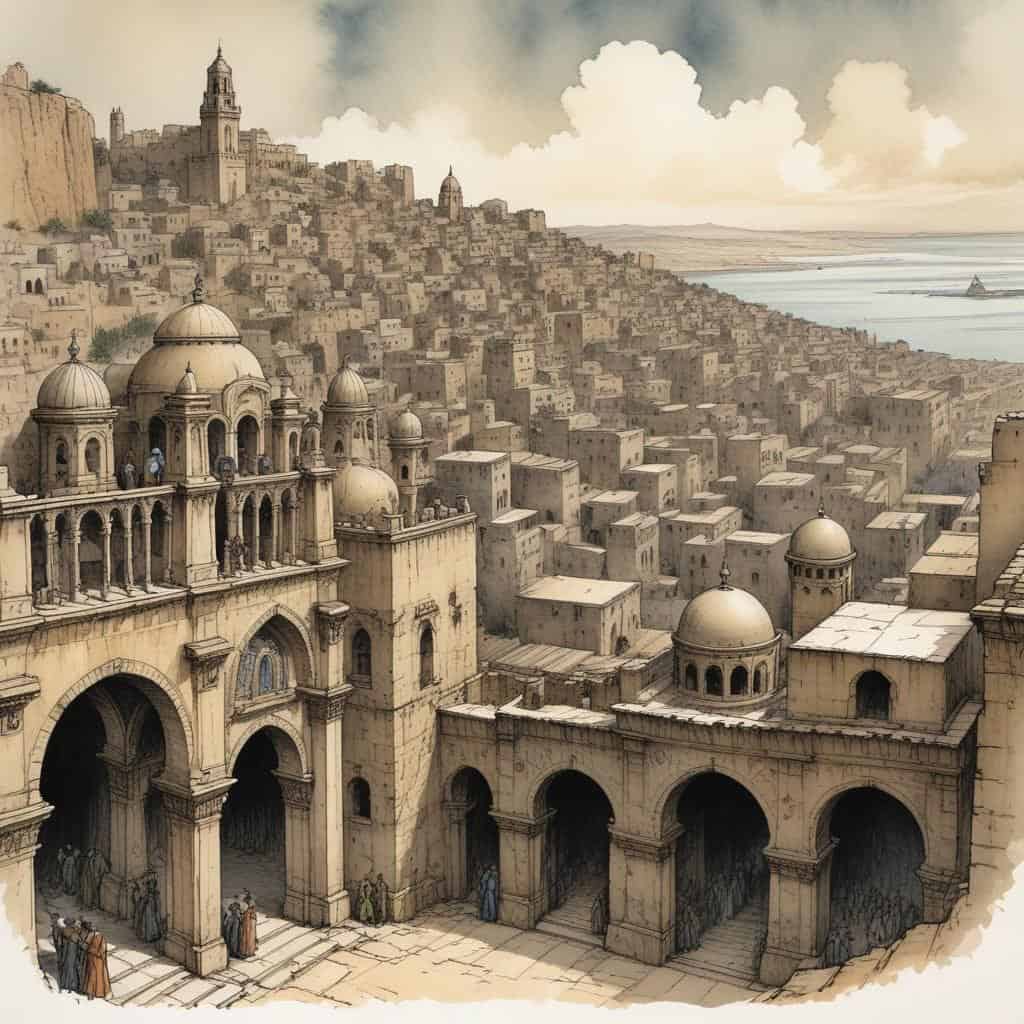
Introduction

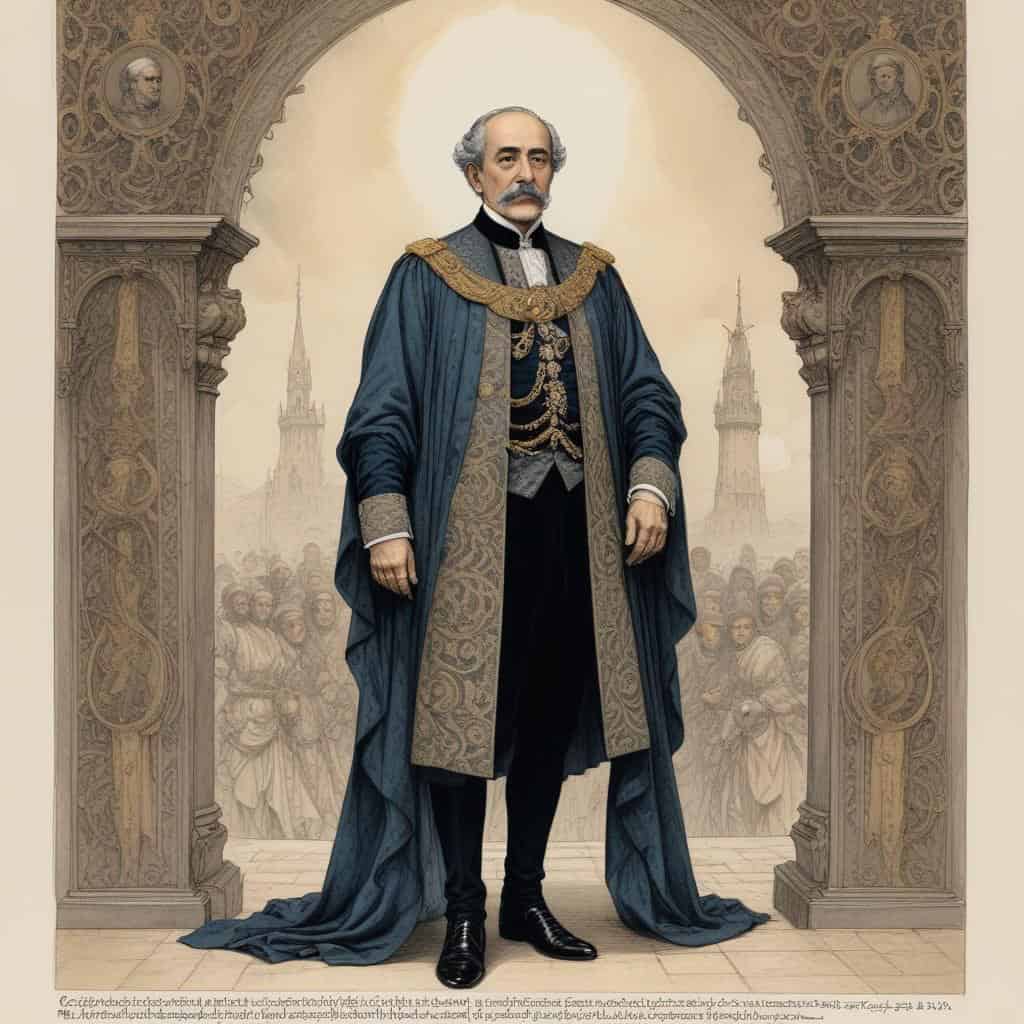
President Abdelmadjid Tebboune
Amel Bouchoucha
Raïssa Tounsi
Rachid Bouchareb
Historical Background
Cultural Diversity
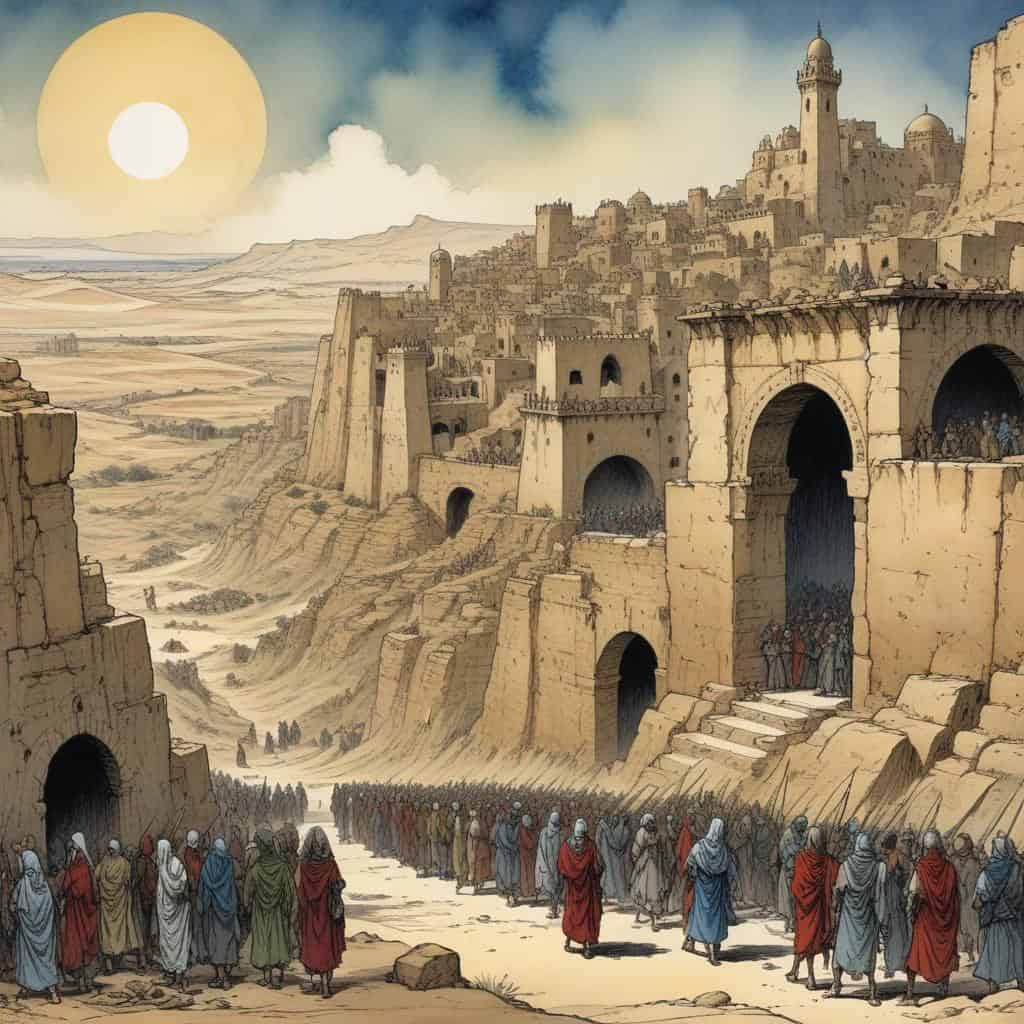
Economy and Industry
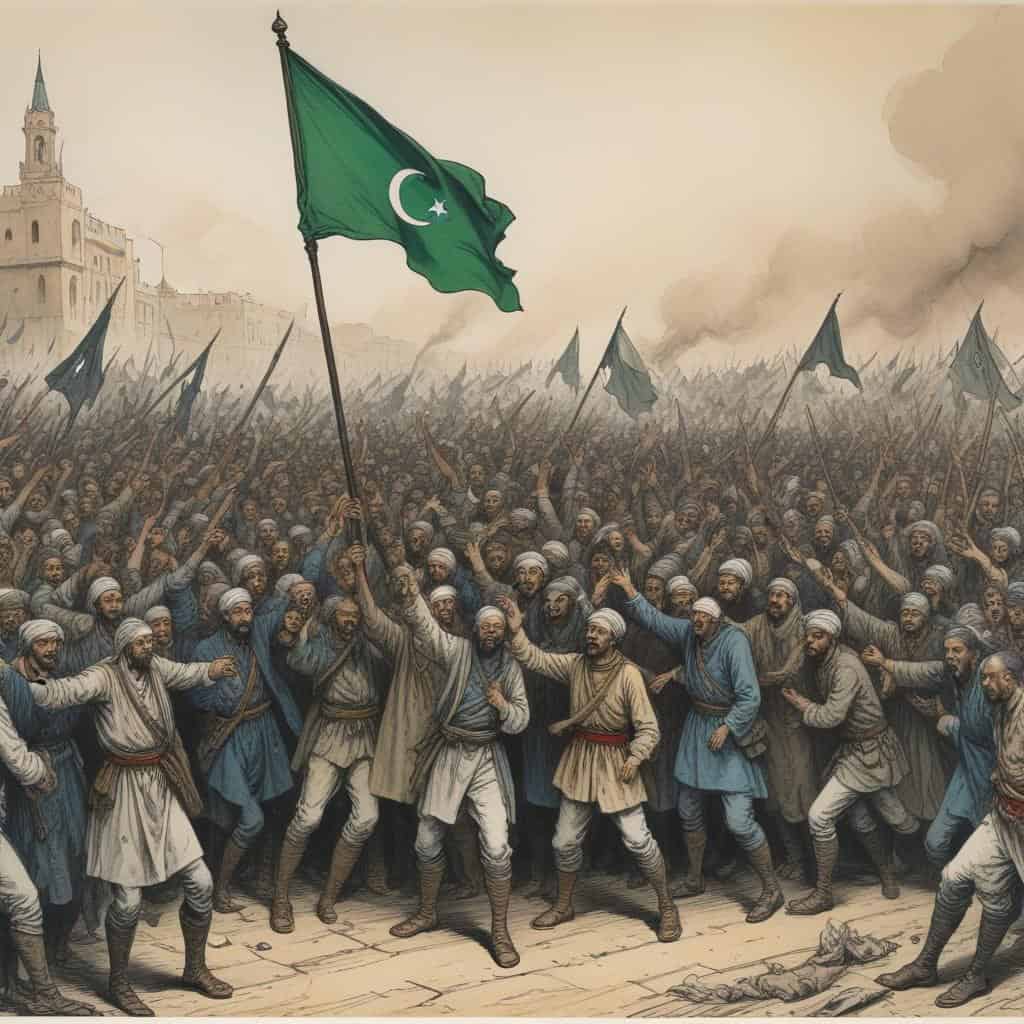
Political Landscape
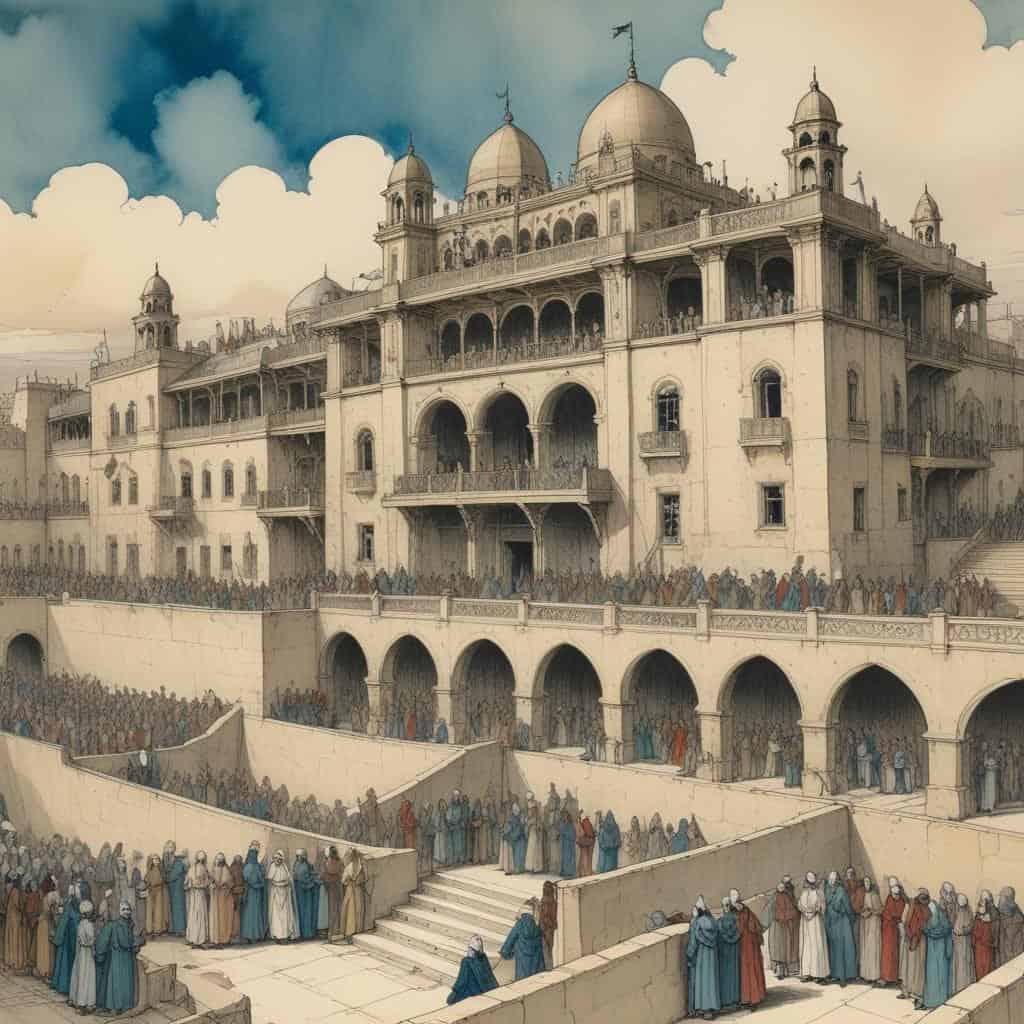
Education and Health
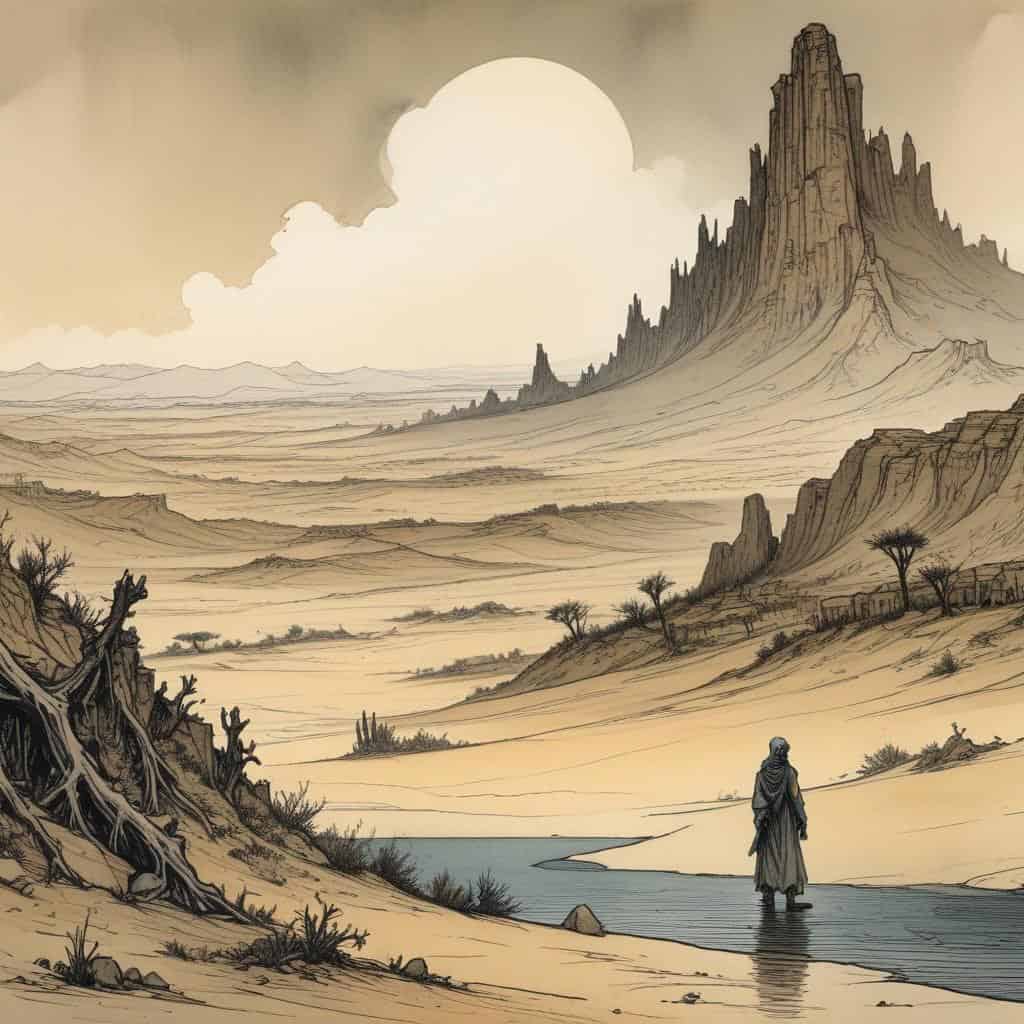
Environmental Challenges
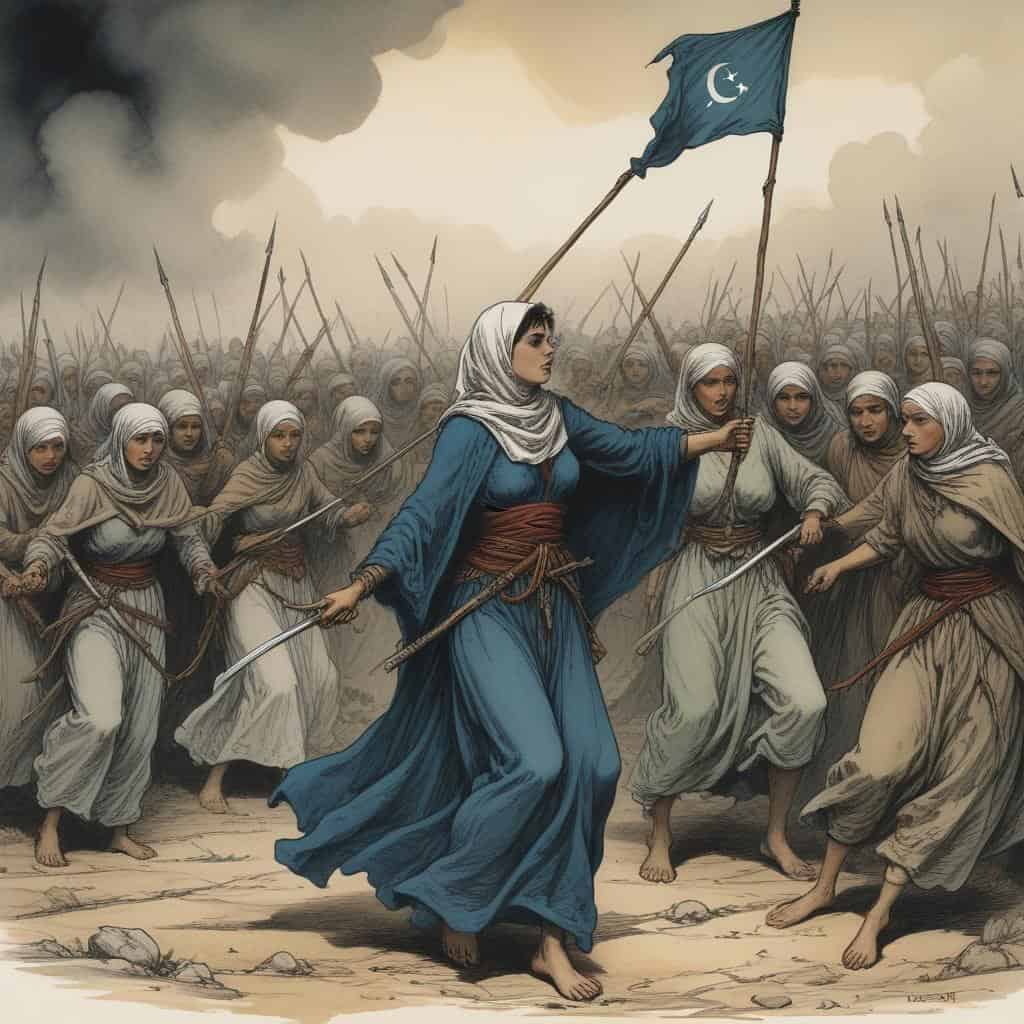
Womens Rights
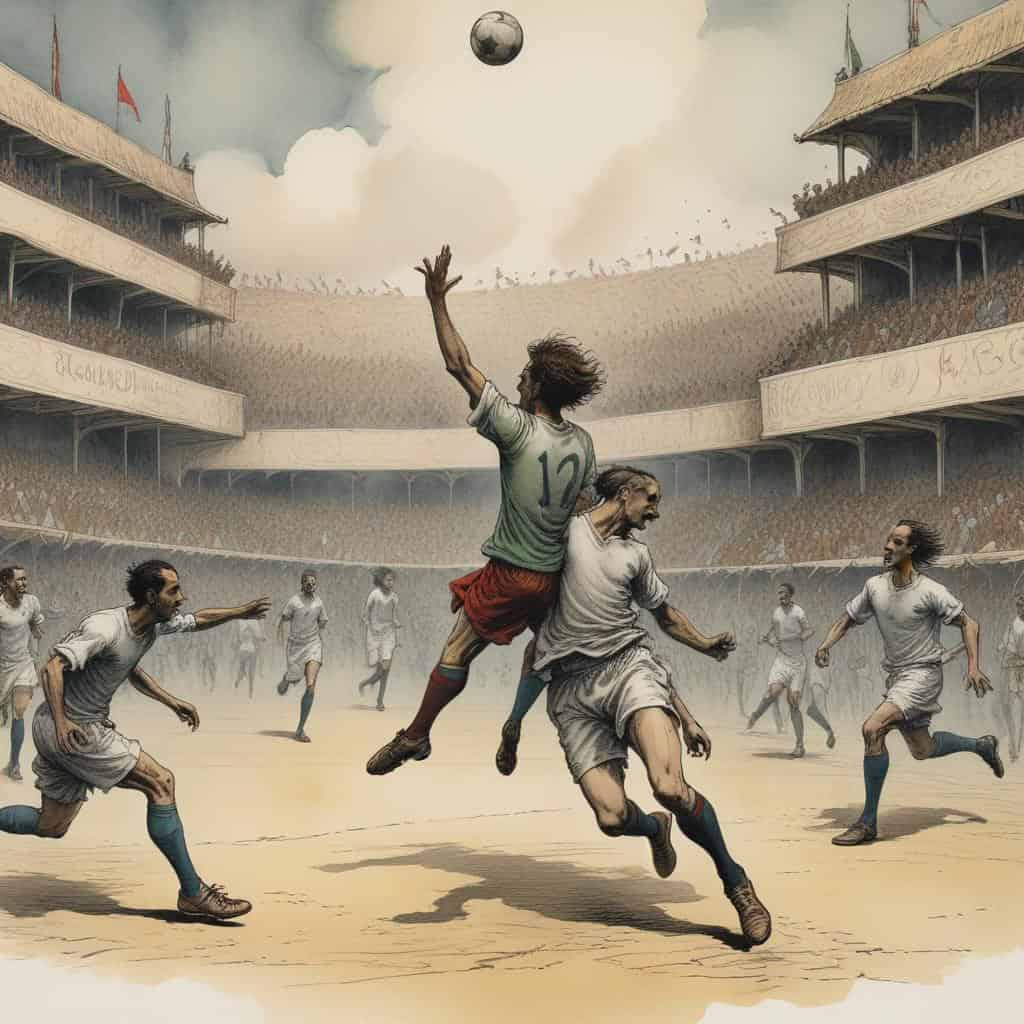
Sports and Recreation
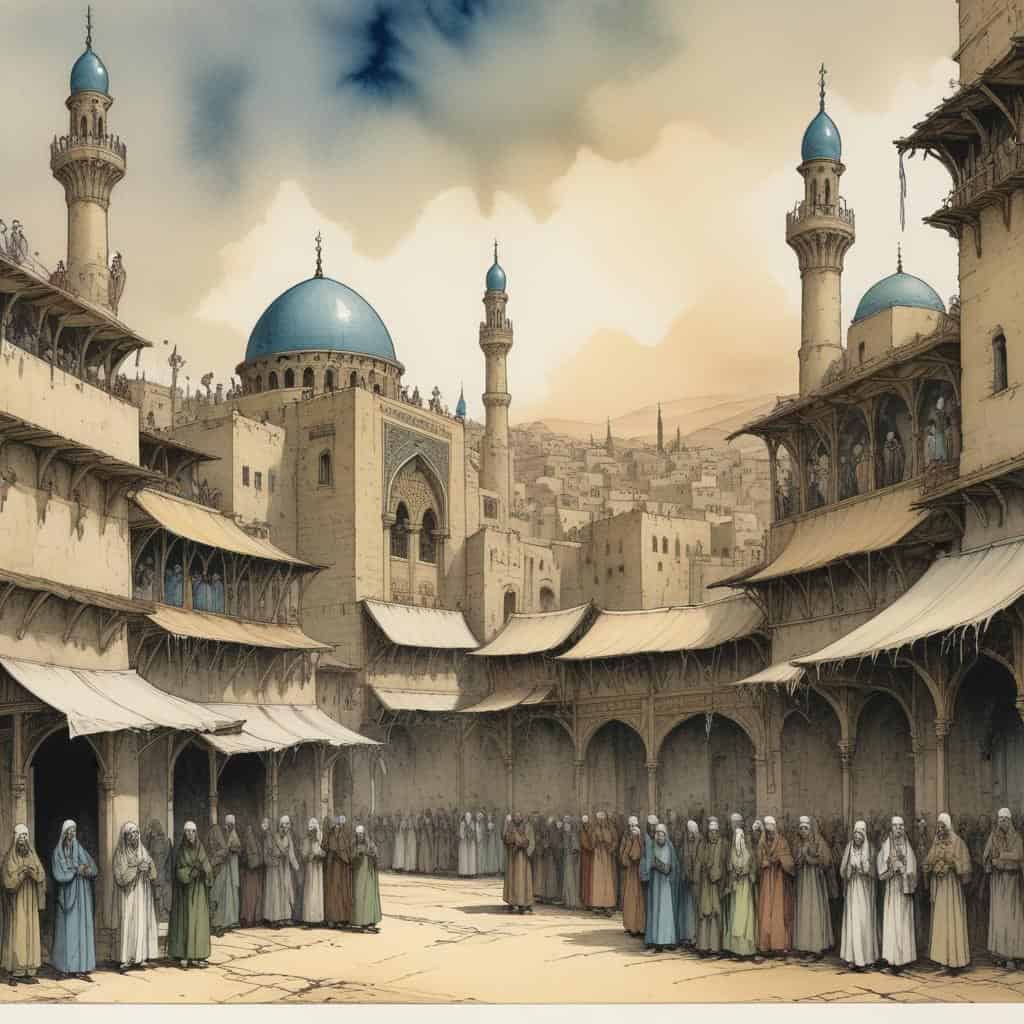
Religion and Society
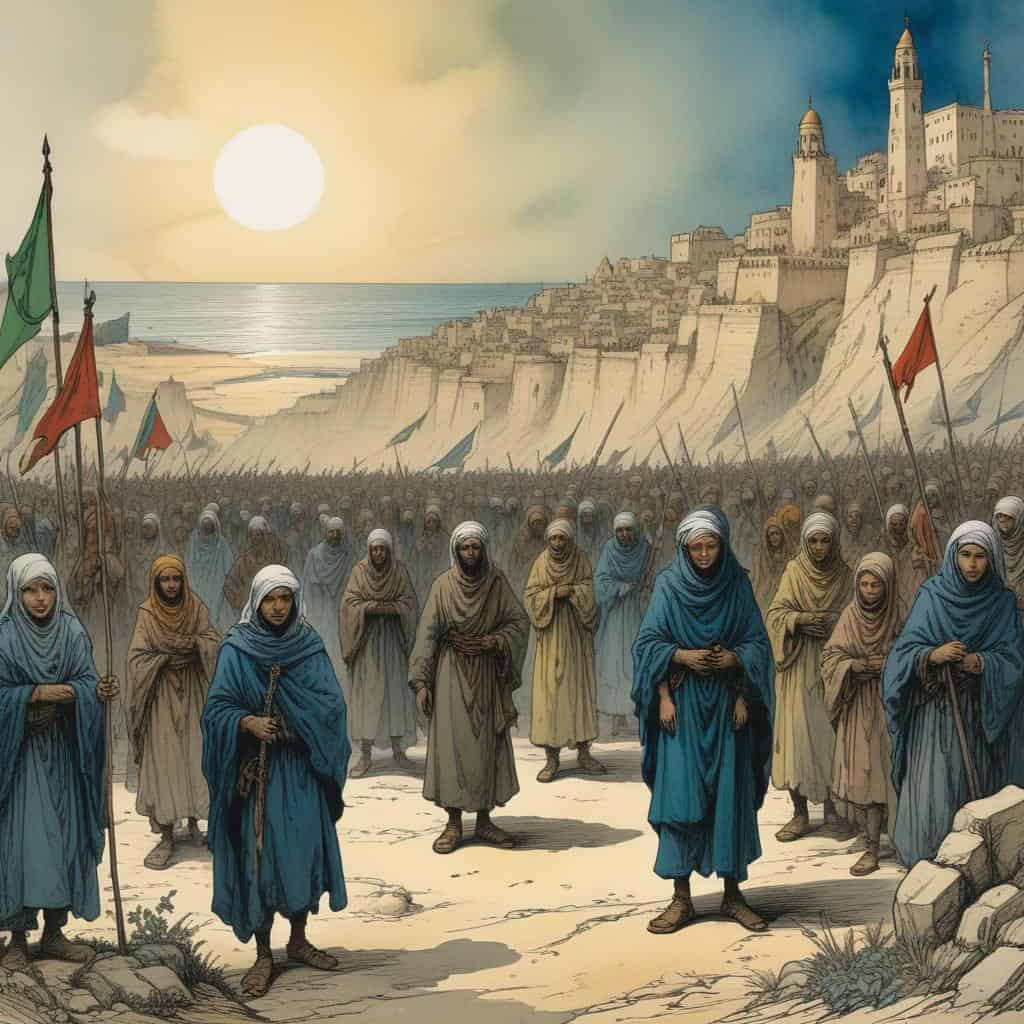
Future Outlook
Audio Library
As one of our featured lessons, this topic includes premium audio guides.
Unlock the Wizard's Cram Session
This powerful audio study guide is a Pro-exclusive feature. Upgrade to Memory Wizards Pro to access this and all of our premium learning tools.
Upgrade to ProIn a Nutshell
- Capital: Algiers
- Population: Approx. 44.6 million (2021)
- Official Language: Arabic
- Currency: Algerian Dinar (DZD)
Breaking Down the Country
Geographical Diversity
From the Sahara Desert in the south to the rugged Atlas Mountains in the north, Algeria boasts a diverse landscape waiting to be explored.
Rich History & Heritage
With a history spanning ancient Berber tribes, Roman rule, and the struggle for independence, Algeria's heritage is as vibrant as its culture.
Culinary Delights
Discover the flavors of Algeria through its traditional dishes like couscous, tagine, and mint tea, reflecting a blend of Arabic, Berber, and French influences.
Timeline of Algeria
French colonization of Algeria begins
Battle of Algiers
Algerian War of Independence
Algeria gains independence from France
National Liberation Front (FLN) founded
First Algerian constitution adopted
Bouteflika elected President of Algeria
Algerian Civil War begins
End of Algerian Civil War
Algeria joins OPEC
Algeria hosts the All-Africa Games
Algeria national football team wins African Cup of Nations
Algeria hosts the Arab League Summit
Algerian protests against President Bouteflika's 5th term
Abdelmadjid Tebboune elected President of Algeria
COVID-19 pandemic reaches Algeria
Algerian constitutional referendum
Algeria celebrates its Independence Day
Algeria celebrates Revolution Day
Algeria becomes a member of the African Union
Vocabulary List
- Maghreb
- Algeria is located in the Maghreb region of North Africa.
- Berber
- The Berber people are one of the indigenous groups of Algeria.
- Casbah
- The Casbah of Algiers is a historic citadel and UNESCO World Heritage Site.
- Hirak
- The Hirak movement in Algeria called for political reform and social justice.
- Couscous
- Couscous is a popular dish in Algeria, often served with meat and vegetables.
- Kabyle
- The Kabyle people are a Berber ethnic group in Algeria.
- Sahara
- The Sahara Desert covers a large part of southern Algeria.
- Arabic
- Arabic is the official language of Algeria.
- Islam
- Islam is the predominant religion in Algeria.
- Mediterranean
- Algeria has a coastline along the Mediterranean Sea.
Key Facts
This is the information used in the fact matching game
- Algeria is the largest country in Africa by land area.
- Algeria gained independence from France in 1962 after a long and bloody war.
- The official language of Algeria is Arabic, but French is also widely spoken.
- The capital city of Algeria is Algiers.
- Algeria is a major producer of oil and natural gas, making it one of the wealthiest countries in Africa.
- The Sahara Desert covers much of southern Algeria.
- Algeria is home to the ancient Roman ruins of Timgad and Djemila, which are UNESCO World Heritage Sites.
- The national dish of Algeria is couscous, a staple food made from semolina.
- The Algerian flag consists of two equal vertical bands of green and white, with a red star and crescent in the center.
- Algeria has a diverse landscape that includes mountains, forests, and coastlines along the Mediterranean Sea.
- Football (soccer) is the most popular sport in Algeria, with the national team winning the Africa Cup of Nations in 1990.
- Algeria has a population of over 43 million people, with a majority of the population being of Arab-Berber descent.
- The currency of Algeria is the Algerian dinar.
- Algeria has a high rate of youth unemployment, leading to social and economic challenges.
- Algeria has a rich history of music, including traditional Berber music and modern rai music.
- Algeria is a member of the African Union, the Arab League, and the United Nations.
- The Algerian War of Independence from France lasted from 1954 to 1962 and resulted in the deaths of an estimated 1 million Algerians.
- Algeria has a Mediterranean climate along the coast, with hot, dry summers and mild, wet winters.
- Algeria is home to the Hoggar Mountains, a range in the Sahara Desert that includes Mount Tahat, the highest peak in Algeria.
- Algeria has a strong tradition of arts and crafts, including pottery, weaving, and metalwork.
Why It Matters
Geopolitical Significance
Algeria’s location in North Africa grants it strategic importance as a gateway between Africa and Europe. With borders shared by multiple countries and access to the Mediterranean Sea, Algeria’s geopolitical position influences regional dynamics and trade routes.
Historical Importance
Algeria has a rich history shaped by Berber, Arab, and French influences. From ancient civilizations to colonial rule and independence struggles, Algeria’s past is a tapestry of diverse cultures and experiences that have shaped its identity and national pride.
Modern-Day Role
Today, Algeria is a key player in the global energy market as a major producer of oil and natural gas. Its stability and influence in North Africa contribute to regional security and economic partnerships, making it a significant actor in the African continent.
Algeria Games


Take Your Learning Offline
Want a convenient, print-ready study guide for this lesson? Become a Memory Wizards Pro member to unlock the downloadable " Memory Scrolls" for this topic and our entire library!
- ✓ Complete Vocabulary Lists
- ✓ Key Facts & Timelines
- ✓ Beautifully Formatted for Print & Mobile