
Sir Ernest Shackleton: A Polar Explorer’s Biography
The fearless explorer who led the Endurance expedition to Antarctica's icy heart.
How Do You Learn Best?
Learn by Reading
Immerse yourself in the 10-minute visual lesson for a comprehensive understanding of the topic.
Learn by Reviewing
Jump directly to the key facts, timeline, and vocabulary lists to build a solid foundation of details.
Learn by Doing
Challenge yourself! Jump straight into the interactive games to learn by trial, error, and discovery.
Sir Ernest Shackleton: A Polar Explorer’s Biography in 10 Minutes
Introduction
Frank Worsley
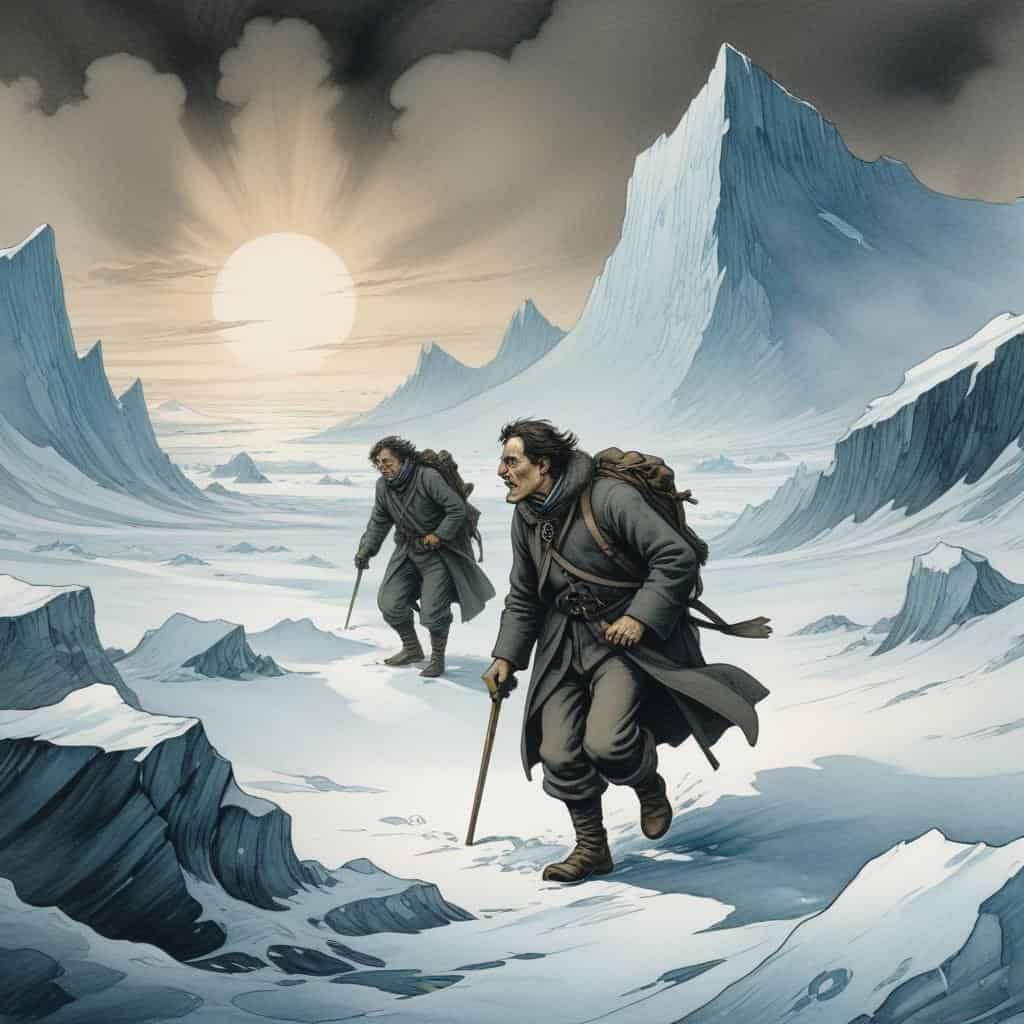
Tom Crean
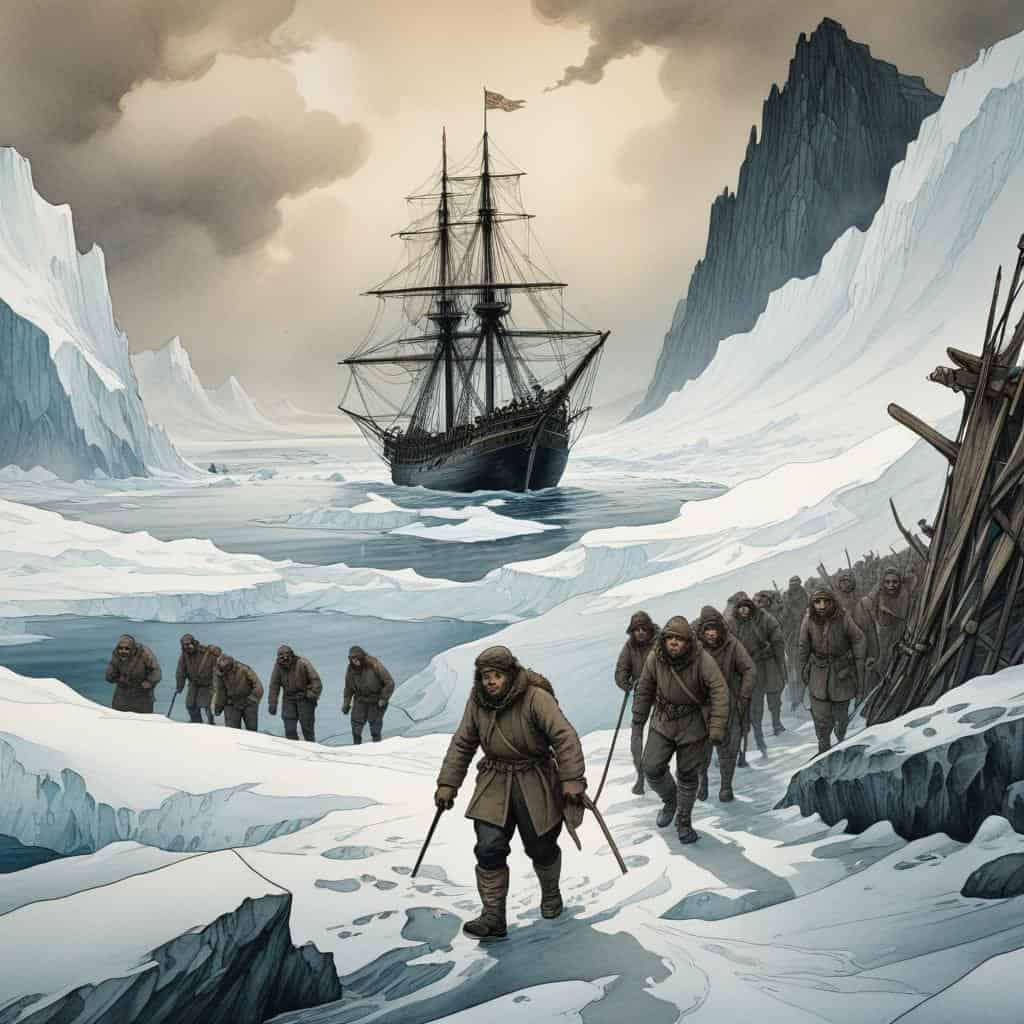
Ernest Henry Shackleton
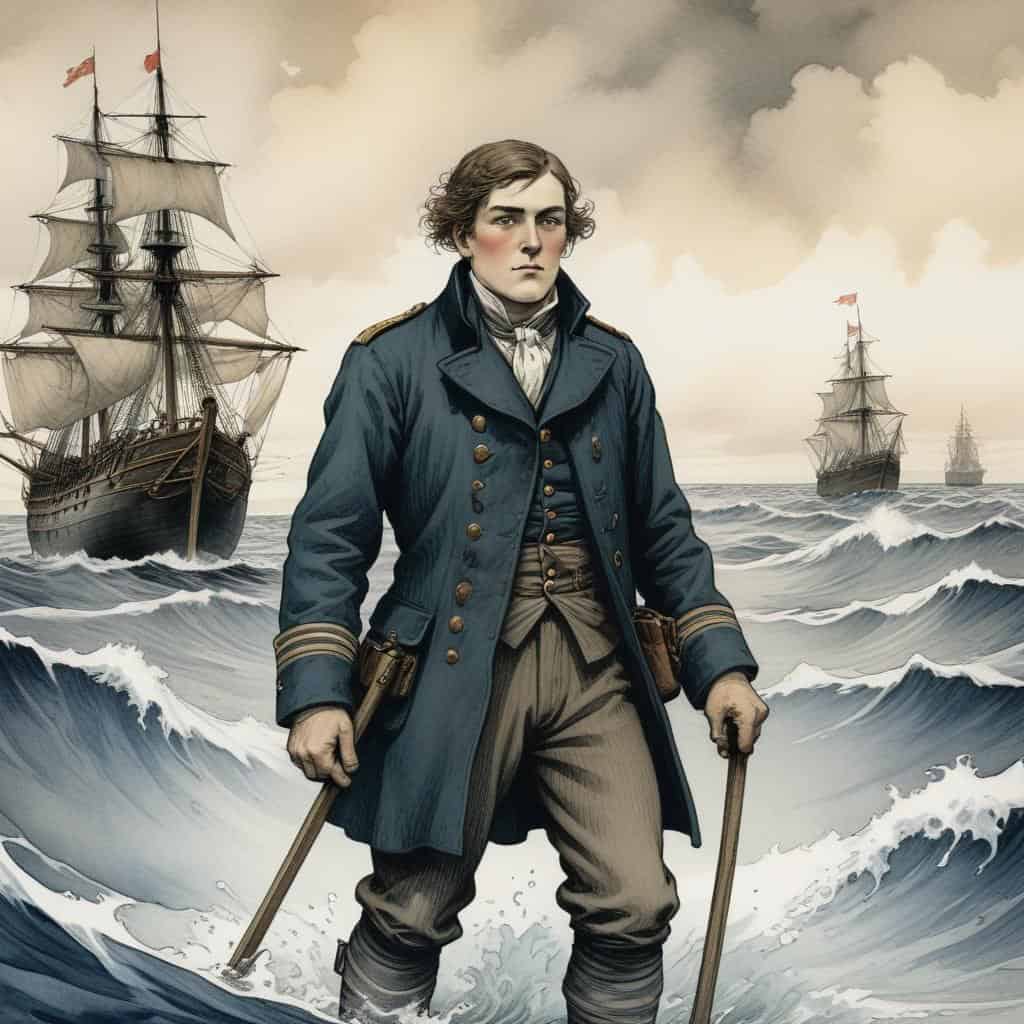
1. Early Life and Beginnings
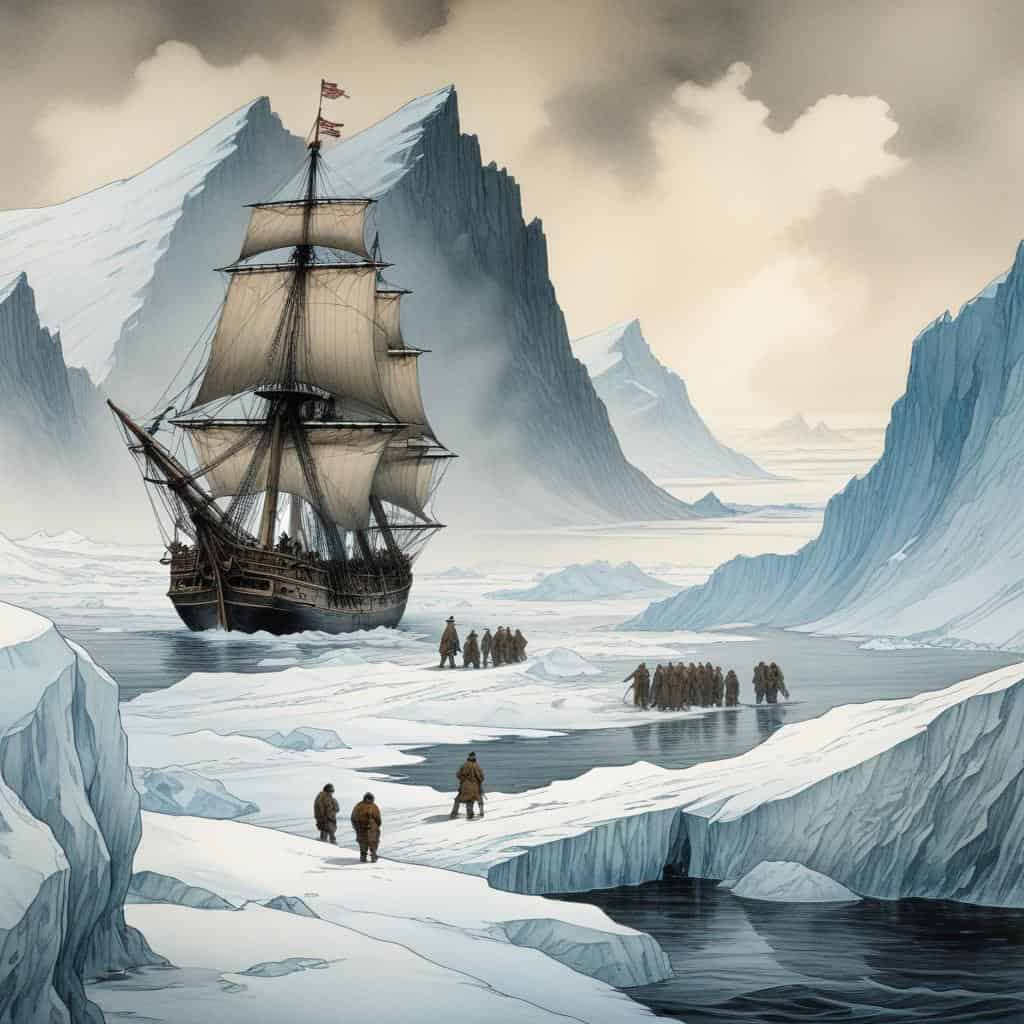
2. First Antarctic Expedition
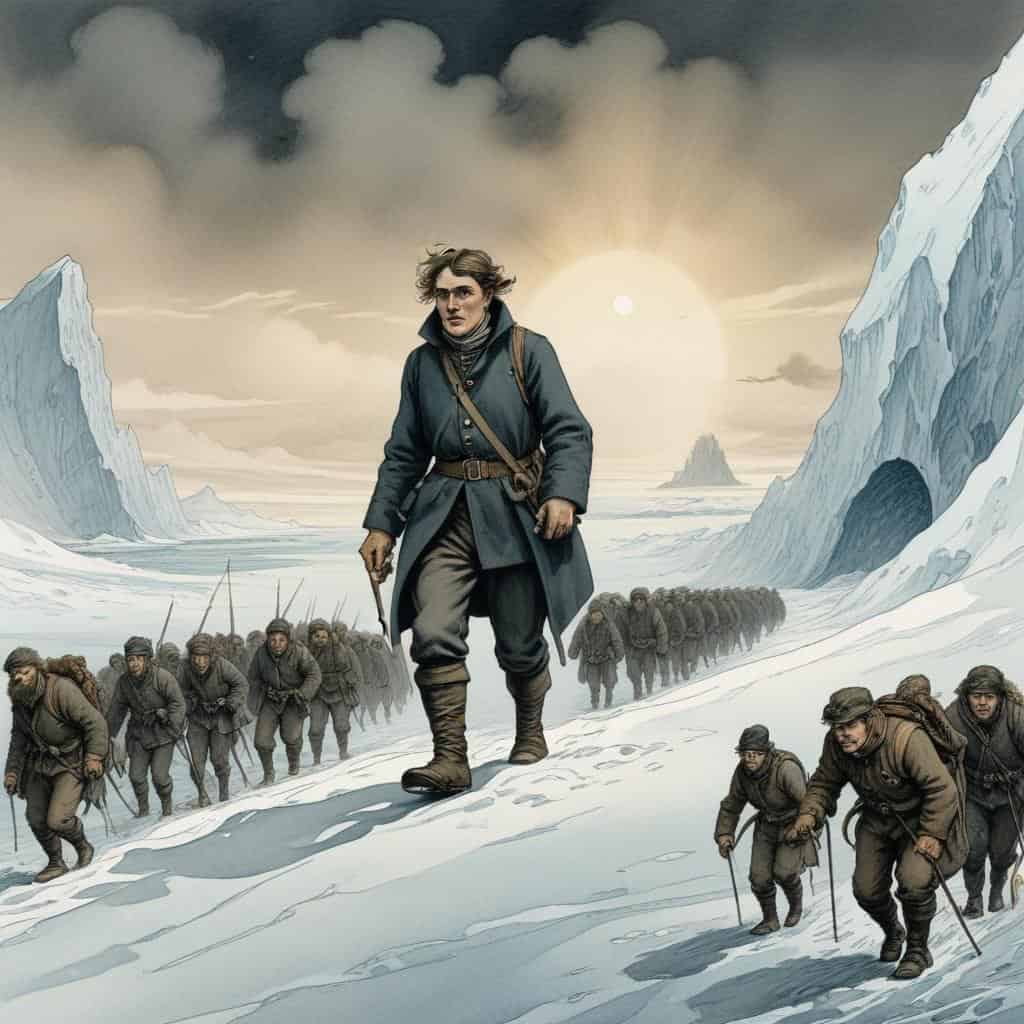
3. Nimrod Expedition
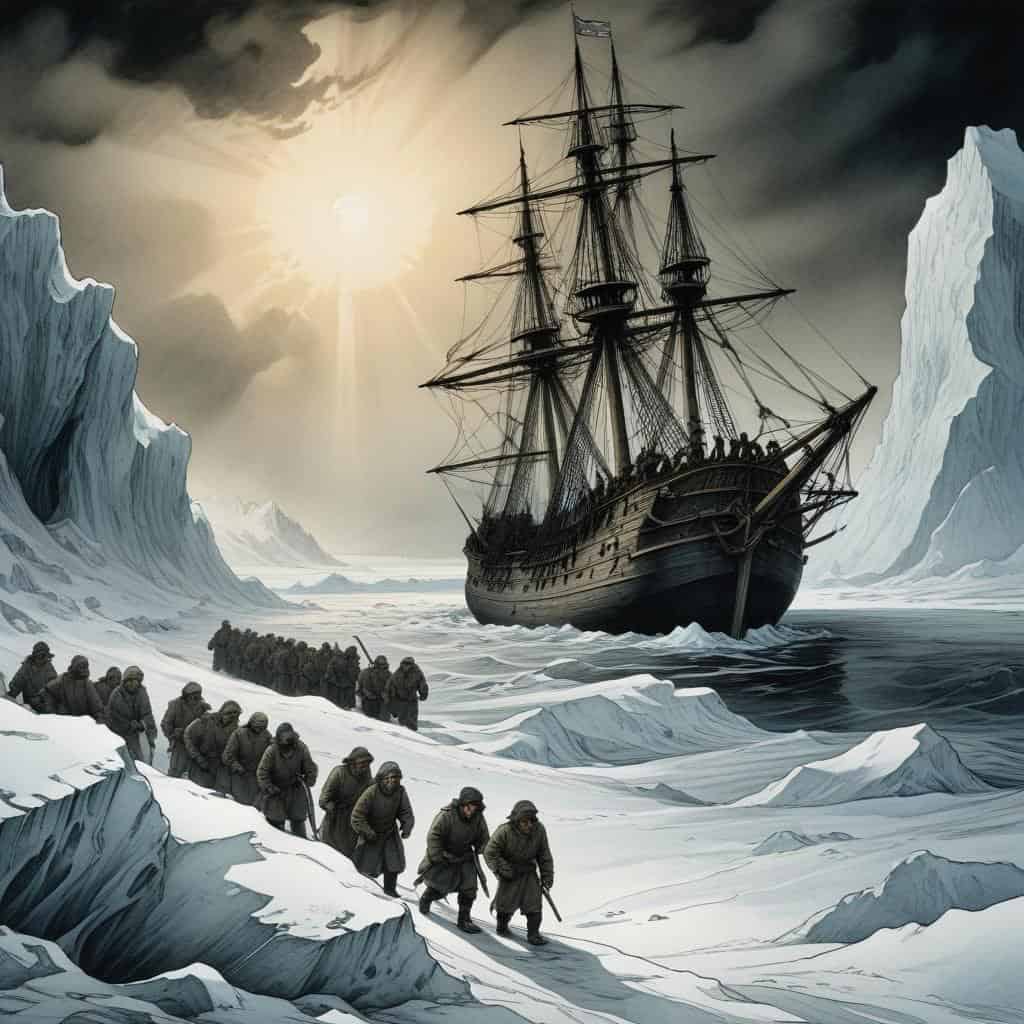
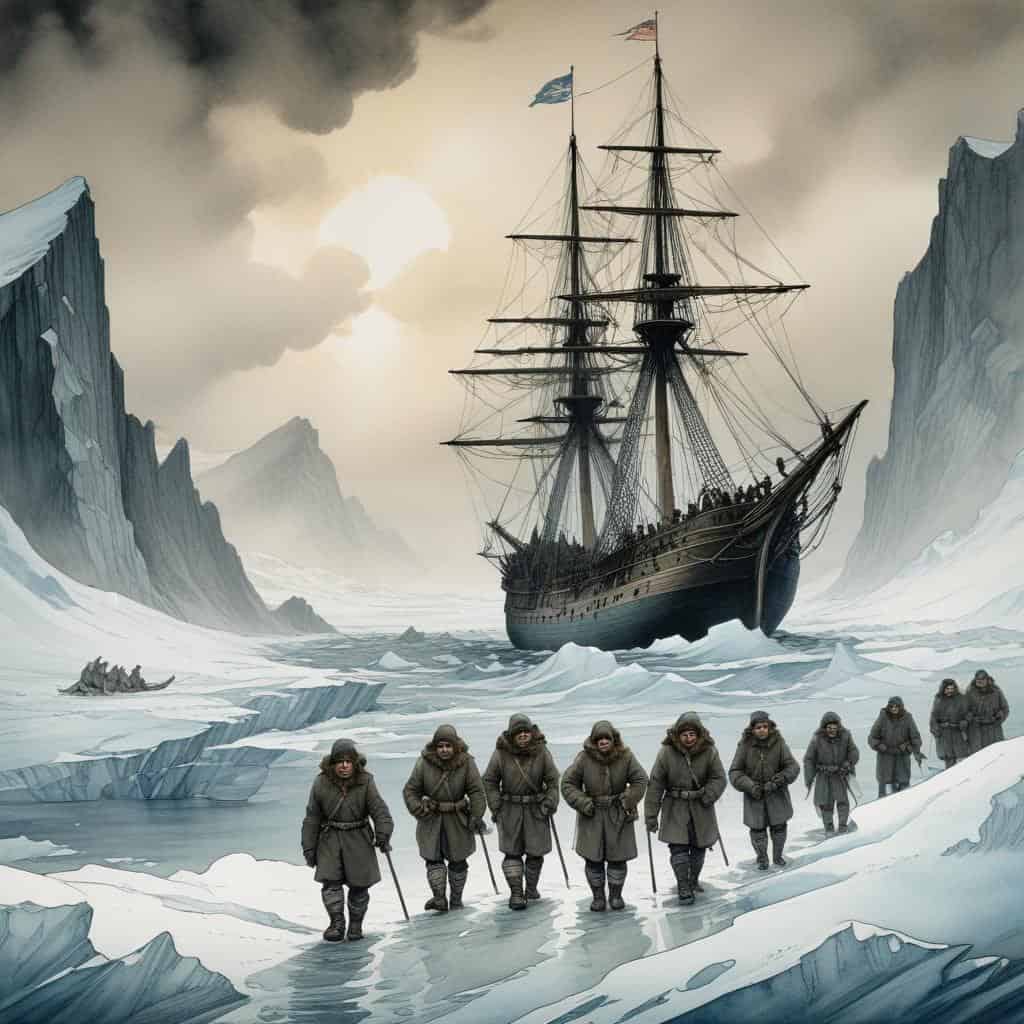
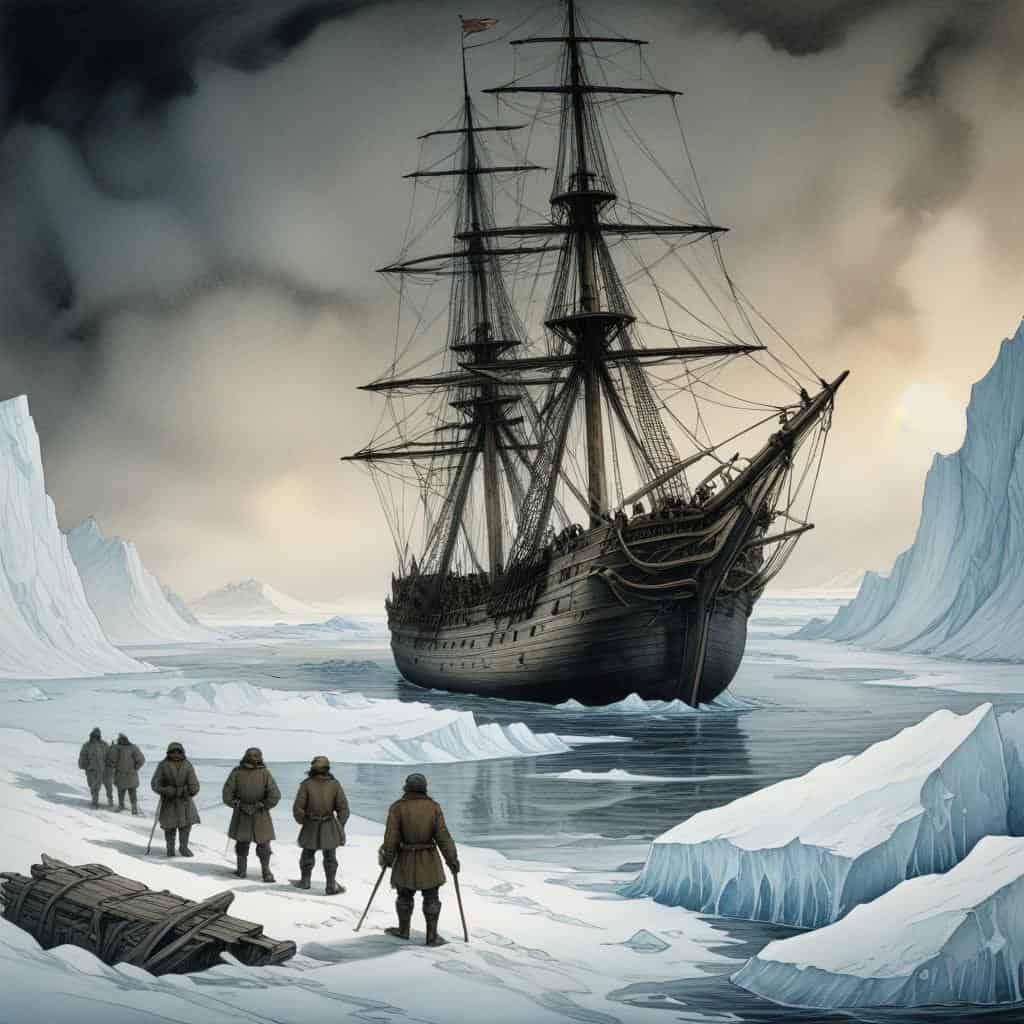
4. Endurance Expedition
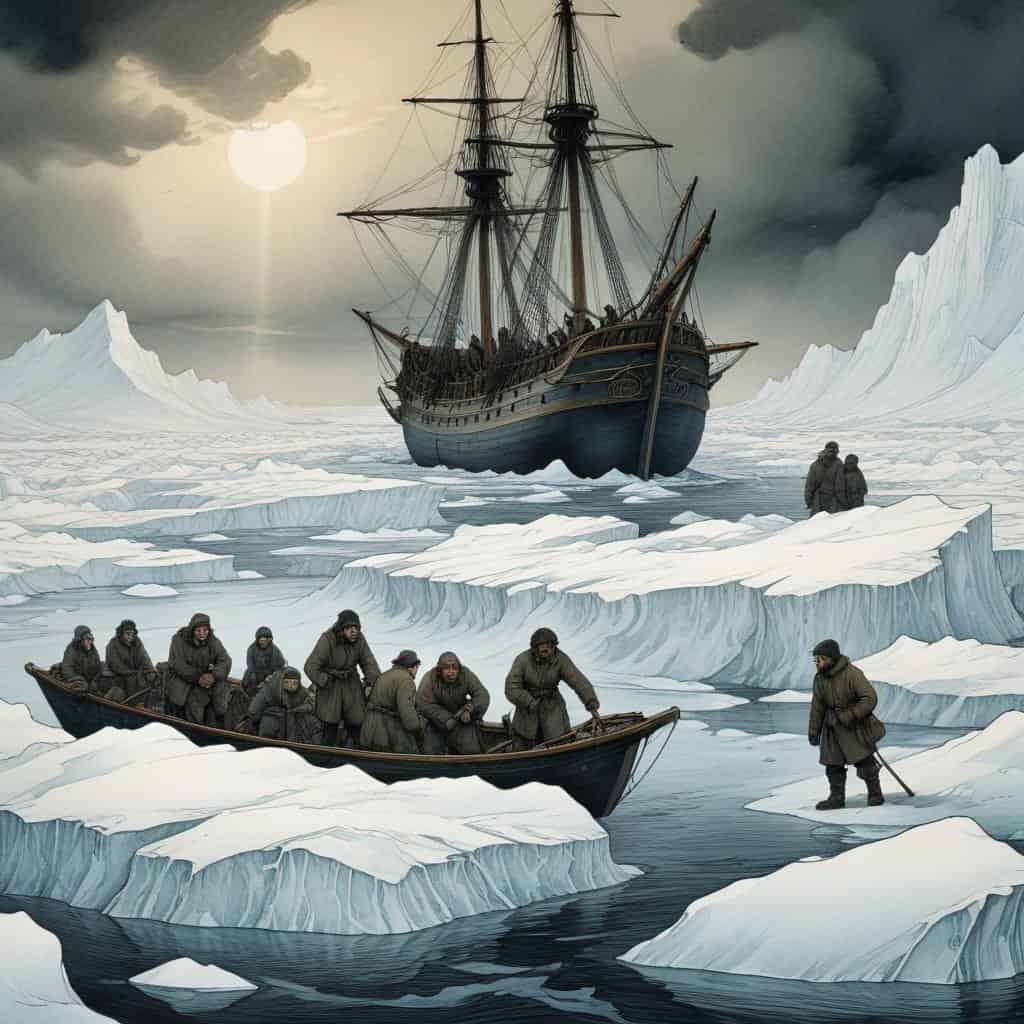
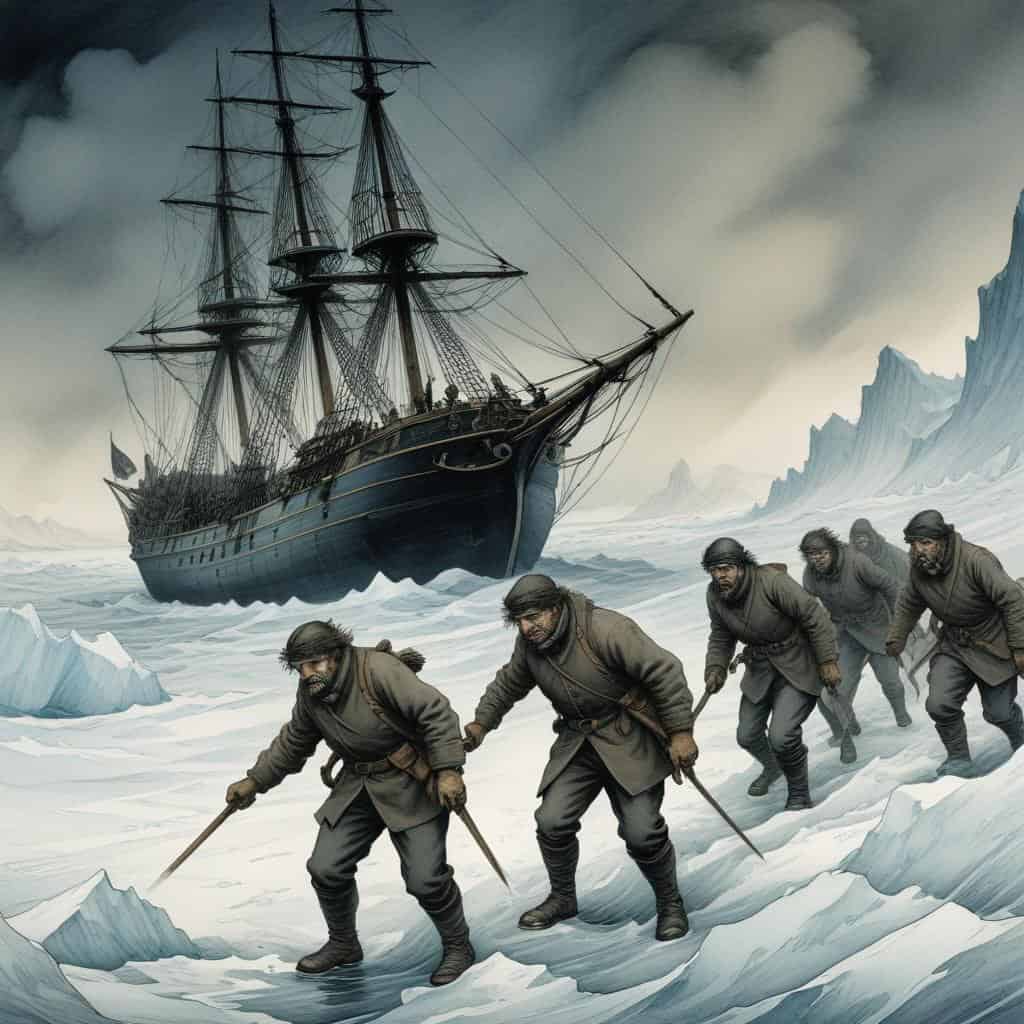
5. Survival and Rescue
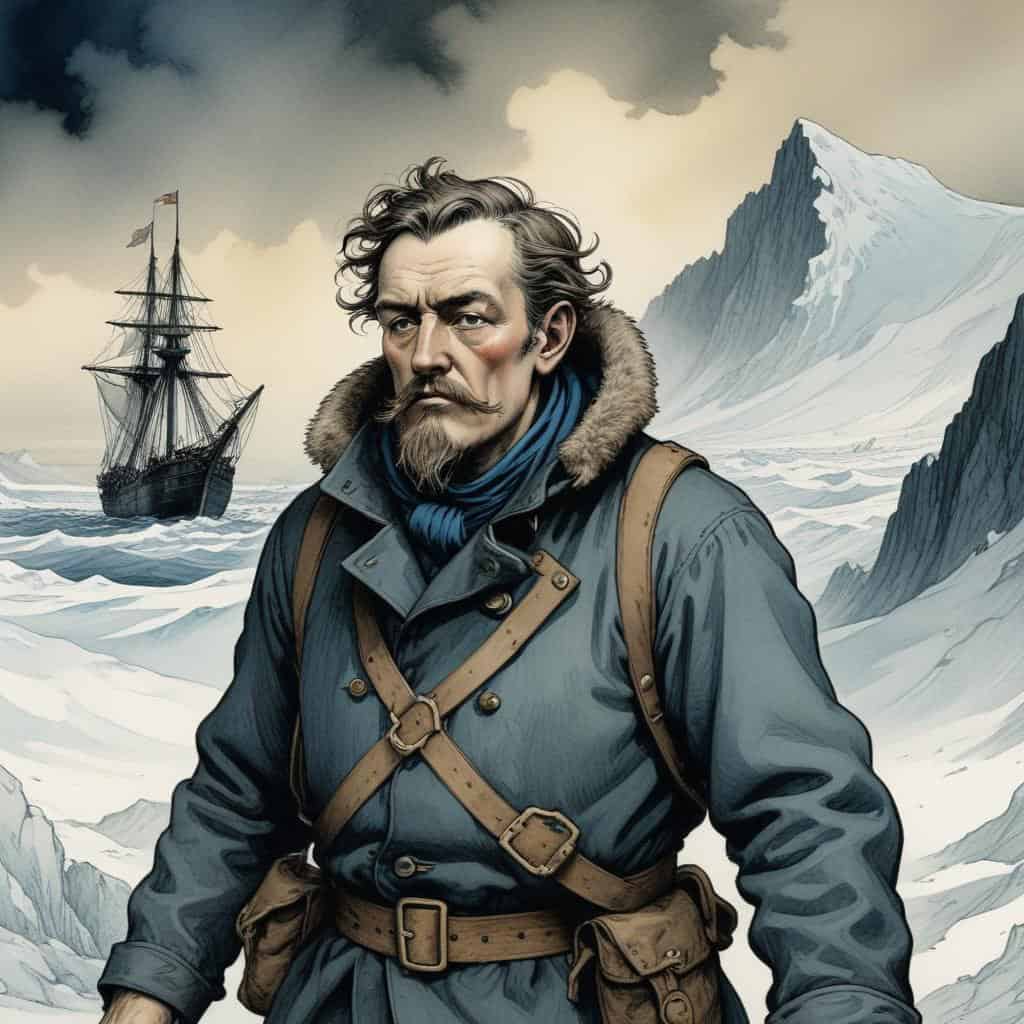
6. Legacy and Impact

7. Later Years
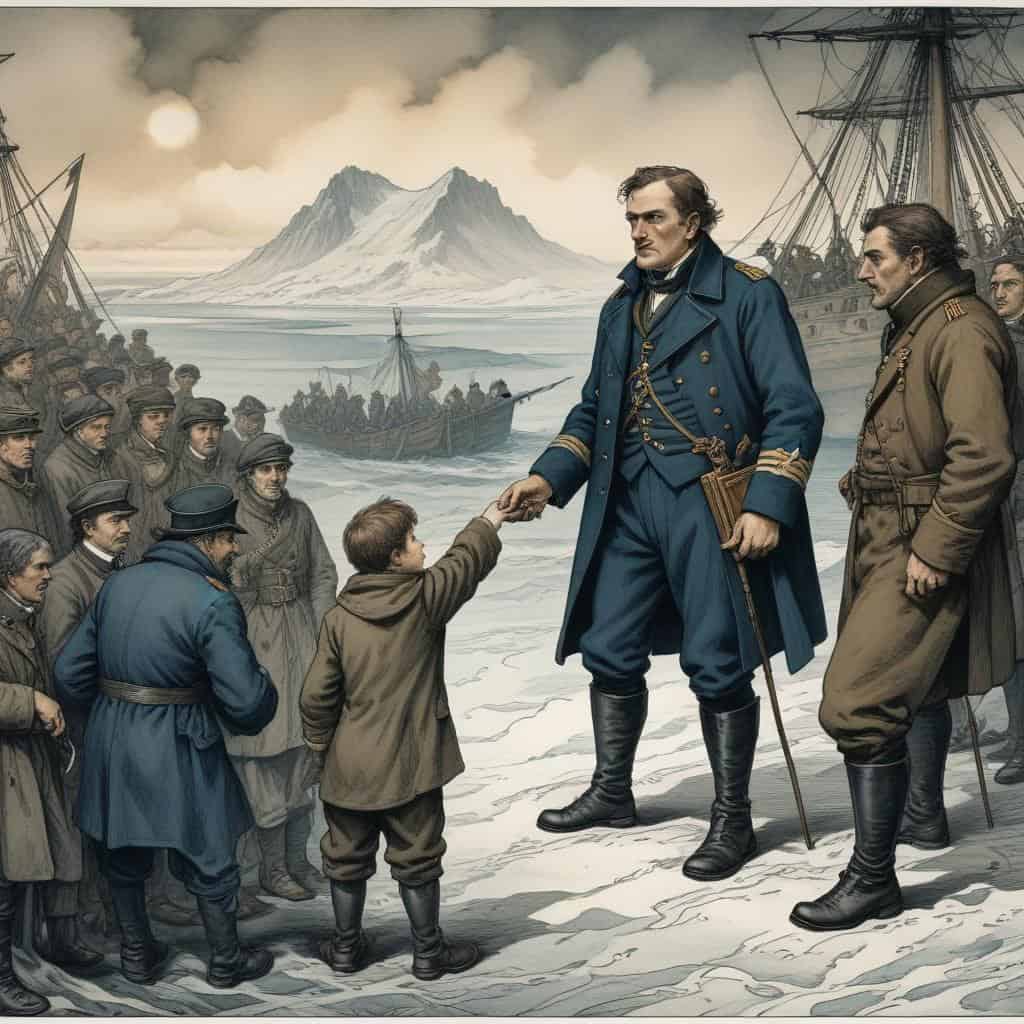
8. Honors and Recognition
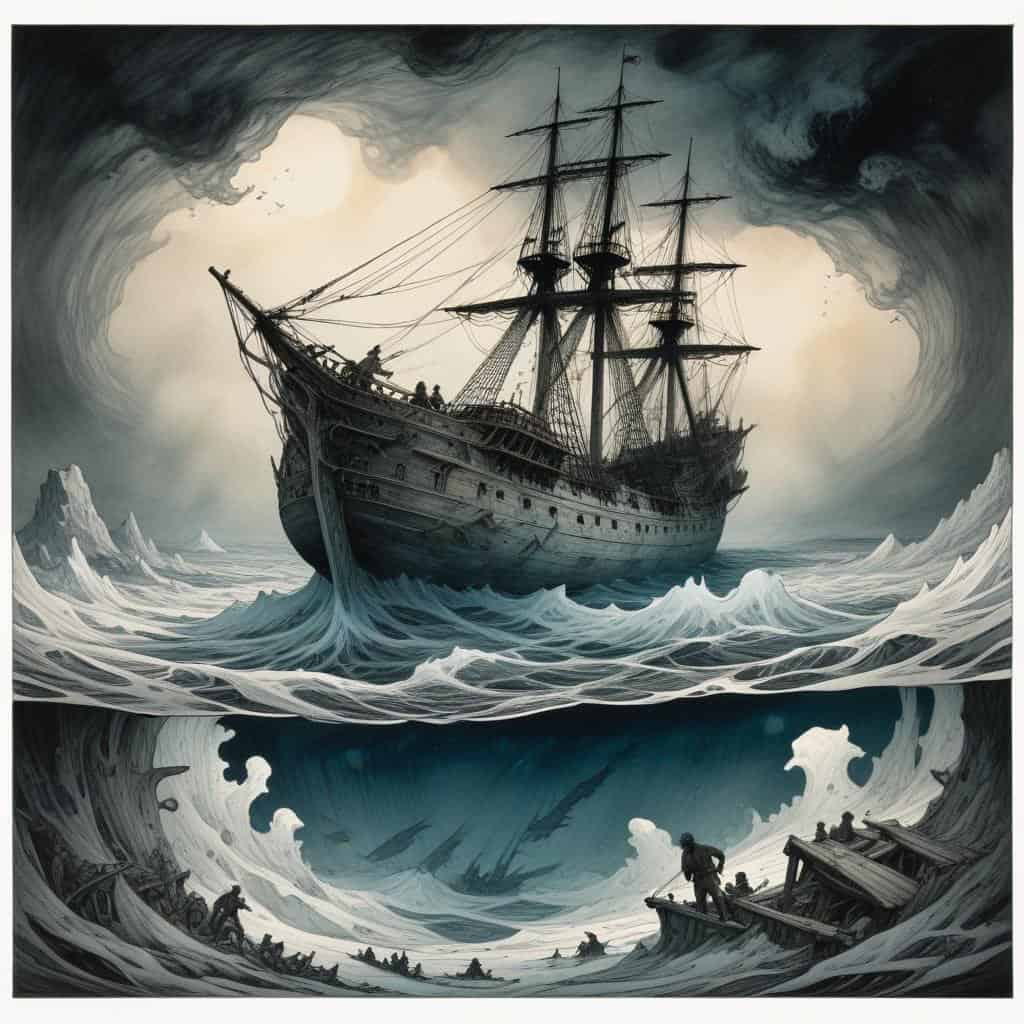
9. Rediscovery of the Endurance
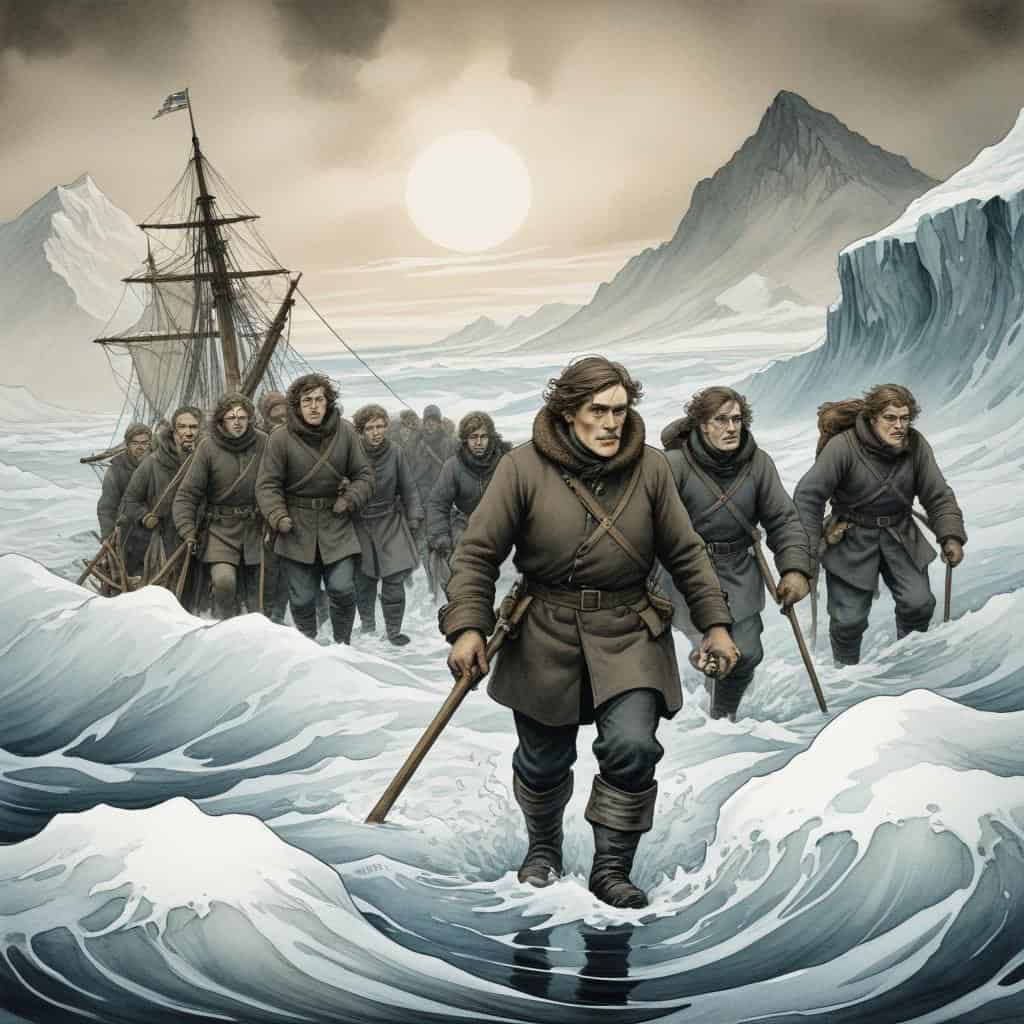
10. Shackletons Enduring Legacy
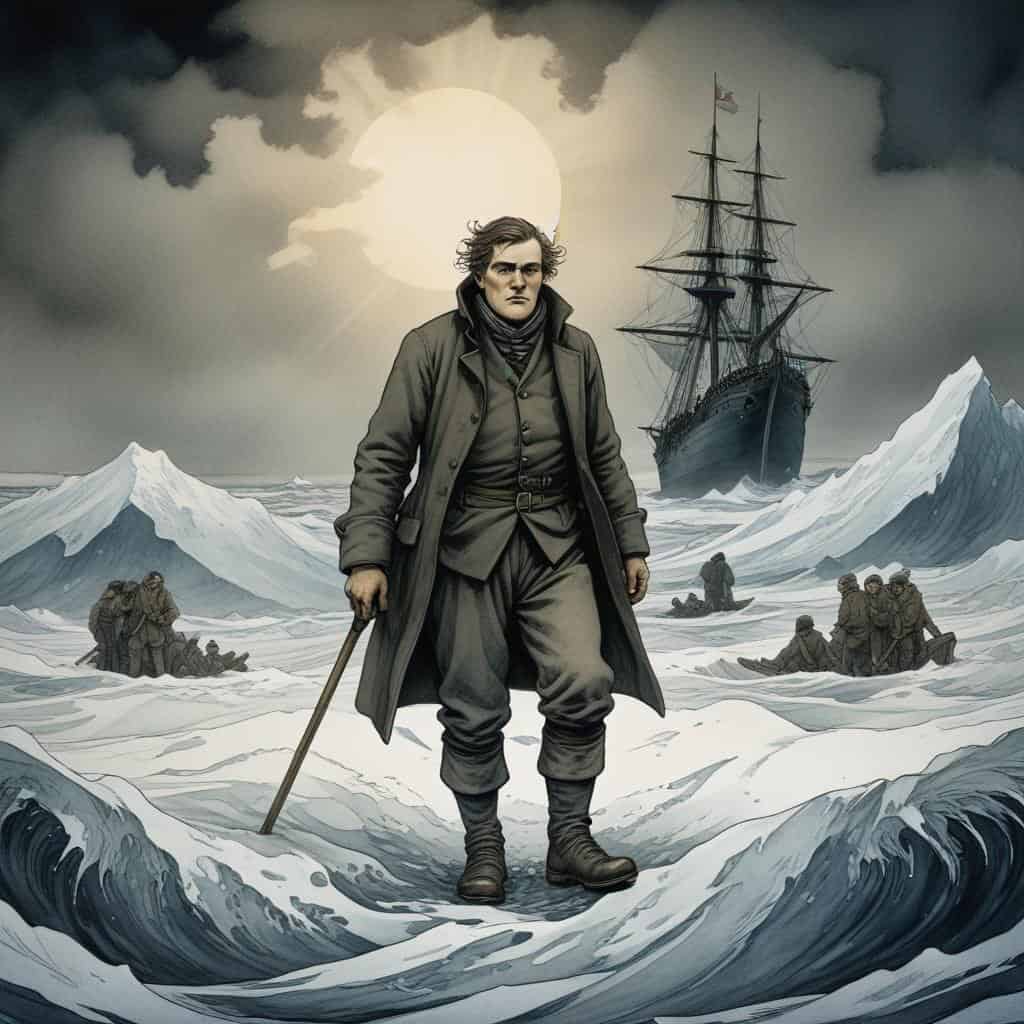
Lesson Details & Resources
In a Nutshell
- Who: Antarctic explorer and British naval officer
- When: Lived: 1874 – 1922
- Known For: Leading expeditions to Antarctica, including the ill-fated Endurance expedition
- Legacy: Shackleton is remembered for his leadership, courage, and determination in the face of adversity, inspiring generations of explorers and leaders
Timeline of Sir Ernest Shackleton: A Polar Explorer’s Biography
Sir Ernest Shackleton is born in County Kildare, Ireland
Shackleton joins the Merchant Navy at the age of 16
Shackleton joins the British National Antarctic Expedition led by Robert Falcon Scott
Shackleton's first Antarctic expedition on the Nimrod, reaching within 97 miles of the South Pole
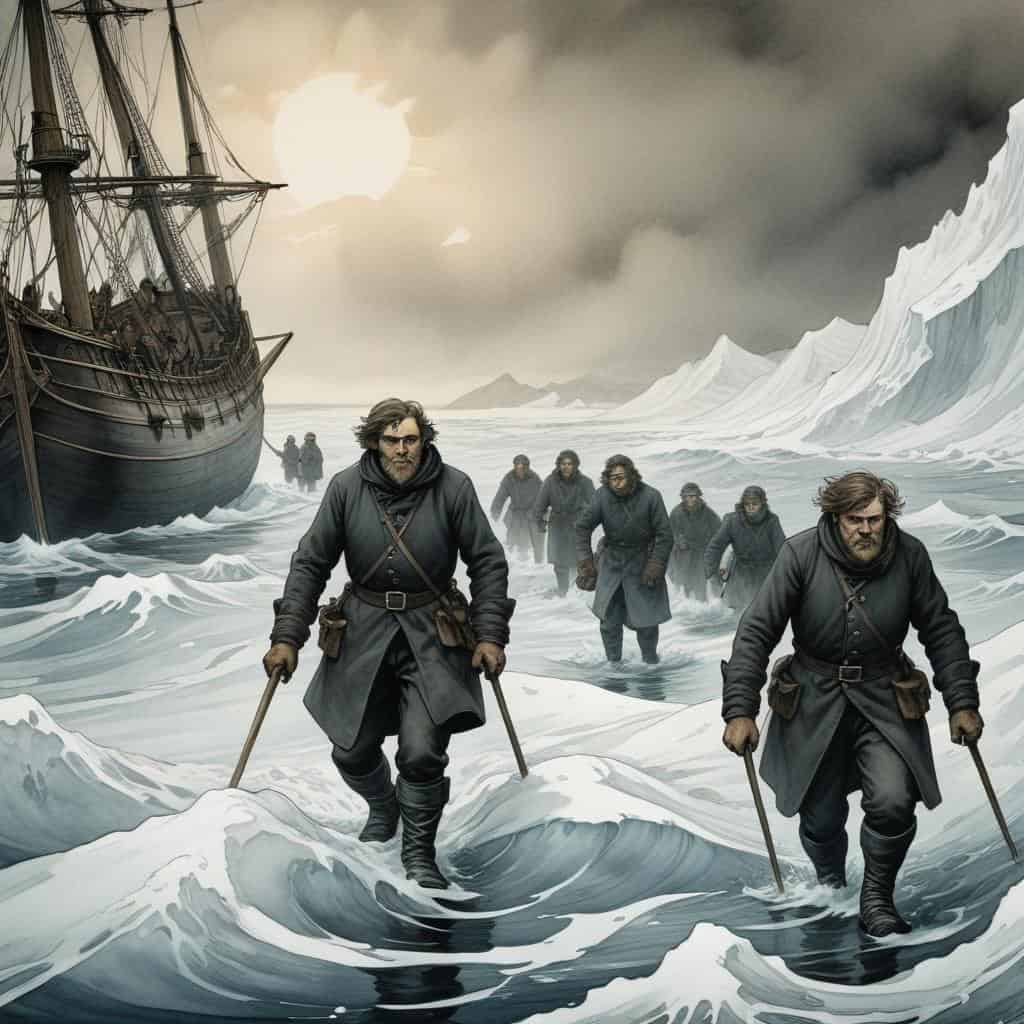
Shackleton's second Antarctic expedition on the Endurance, becomes trapped in pack ice
Endurance sinks in the Weddell Sea, Shackleton and his crew set up camp on ice floes
Shackleton and a small crew make a daring open-boat journey to South Georgia Island
Shackleton reaches a whaling station on South Georgia Island, organizes a rescue mission for his stranded crew
All crew members of the Endurance are successfully rescued
Shackleton serves in the Royal Navy during World War I
Shackleton plans the Imperial Trans-Antarctic Expedition
Shackleton dies of a heart attack on South Georgia Island
Shackleton's body is buried in Grytviken, South Georgia Island
Shackleton's wife Emily receives his posthumous knighthood
Shackleton's son Edward leads a scientific expedition to Antarctica
Shackleton's granddaughter Alexandra Shackleton retraces his steps to South Georgia Island
Shackleton's Endurance wreck is discovered in the Weddell Sea
Shackleton's legacy continues to inspire explorers and adventurers around the world
Vocabulary List
- Endurance
- Shackleton's ship that was trapped in ice during his Antarctic expedition.
- Exploration
- Shackleton was known for his passion for exploring unknown territories.
- Resilience
- Shackleton's ability to persevere in the face of adversity during his expeditions.
- Leadership
- Shackleton demonstrated strong leadership skills in leading his crew through challenging situations.
- Perseverance
- Shackleton's determination to achieve his goals despite numerous obstacles.
- Courage
- Shackleton showed great bravery in the face of danger during his expeditions.
- Resourcefulness
- Shackleton's ability to find creative solutions to problems during his expeditions.
- Survival
- Shackleton and his crew's fight for survival after their ship was lost in the Antarctic ice.
Key Facts
This is the information used in the fact matching game
- Sir Ernest Shackleton led three British expeditions to the Antarctic, earning him a reputation as one of the greatest explorers of the Heroic Age of Antarctic Exploration.
- Shackleton's most famous expedition was the ill-fated Endurance expedition, which aimed to be the first to cross the Antarctic continent from sea to sea via the South Pole.
- The Endurance became trapped in pack ice in the Weddell Sea in 1915 and eventually sank, leading Shackleton and his men to endure a harrowing journey to safety.
- Despite the failure of the Endurance expedition, Shackleton's leadership and determination ensured the survival of all his men.
- Shackleton's second expedition, the Quest expedition, aimed to circumnavigate Antarctica but was cut short by Shackleton's death from a heart attack in 1922.
- Shackleton was knighted by King Edward VII in 1909 for his achievements in Antarctic exploration.
- Shackleton was born in County Kildare, Ireland in 1874 and spent much of his childhood in London.
- Shackleton was known for his charisma, leadership skills, and ability to inspire loyalty in his men, which helped him navigate the challenges of Antarctic exploration.
- Shackleton's expeditions were not only about exploration but also scientific discovery, as he and his men collected valuable data on the Antarctic environment and wildlife.
- Shackleton's leadership style was marked by a focus on teamwork, morale, and adaptability, which helped him overcome the obstacles he faced in the harsh Antarctic environment.
- Shackleton's exploits in Antarctica have inspired countless books, documentaries, and films, cementing his legacy as a legendary adventurer.
- Shackleton was a member of the Royal Geographical Society and the Royal Scottish Geographical Society, organizations dedicated to the advancement of geographical knowledge.
- Shackleton's leadership during the Endurance expedition has been studied by modern business leaders as an example of effective crisis management and decision-making under pressure.
- Shackleton's famous quote, 'Optimism is true moral courage,' reflects his positive attitude and determination in the face of adversity during his expeditions.
- Shackleton's remains were interred in Grytviken, South Georgia, where a monument commemorates his achievements in Antarctic exploration.
- Shackleton's ship, the Endurance, was discovered in 2022, over a century after it sank in the Weddell Sea, providing new insights into the expedition's final days.
- Shackleton's legacy lives on through the Shackleton Foundation, which supports social entrepreneurs who embody his spirit of leadership, resilience, and innovation.
- Shackleton's granddaughter, Alexandra Shackleton, has continued his legacy by supporting Antarctic conservation efforts and promoting environmental awareness.
- Shackleton's adventures have been commemorated in several museums and exhibitions around the world, including the Shackleton Museum in Athy, Ireland, his birthplace.
- Shackleton's story continues to capture the imagination of people around the world, inspiring them to pursue their own dreams of adventure and exploration.
Analysis & Significance
Major Accomplishments
Sir Ernest Shackleton is best known for his leadership during the ill-fated Endurance expedition to Antarctica in 1914-1916. Despite the ship being crushed by ice, Shackleton successfully led his crew to safety, making it one of the greatest survival stories in history.
Impact on the World
Shackleton’s remarkable leadership and determination in the face of adversity have had a lasting impact on exploration and leadership. His ability to keep his crew motivated and united in the most extreme conditions has been studied and admired by leaders in various fields.
Enduring Legacy
Today, Sir Ernest Shackleton is remembered as one of the greatest explorers and leaders of all time. His name has become synonymous with courage, resilience, and the spirit of adventure. Shackleton’s legacy continues to inspire individuals to push beyond their limits and never give up, no matter how challenging the circumstances may be.
Sir Ernest Shackleton: A Polar Explorer’s Biography Games


Take Your Learning Offline
Want a convenient, print-ready study guide for this lesson? Become a Memory Wizards Pro member to unlock the downloadable " Memory Scrolls" for this topic and our entire library!
- ✓ Complete Vocabulary Lists
- ✓ Key Facts & Timelines
- ✓ Beautifully Formatted for Print & Mobile