
How Do You Learn Best?
Learn by Reading
Immerse yourself in the 10-minute visual lesson for a comprehensive understanding of the topic.
Learn by Reviewing
Jump directly to the key facts, timeline, and vocabulary lists to build a solid foundation of details.
Learn by Doing
Challenge yourself! Jump straight into the interactive games to learn by trial, error, and discovery.
A Guide to Hashima Island, Japan in 10 Minutes
Introduction
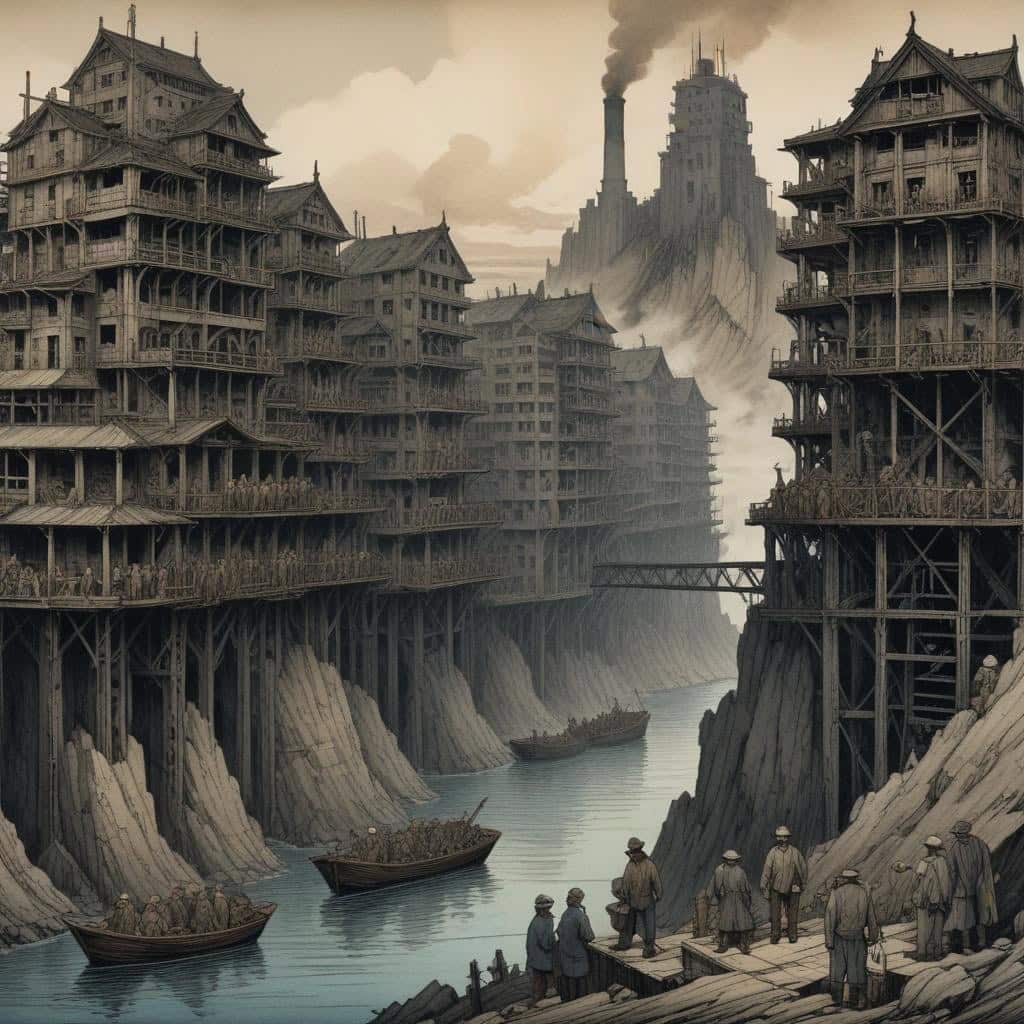
1. The Coal Miners
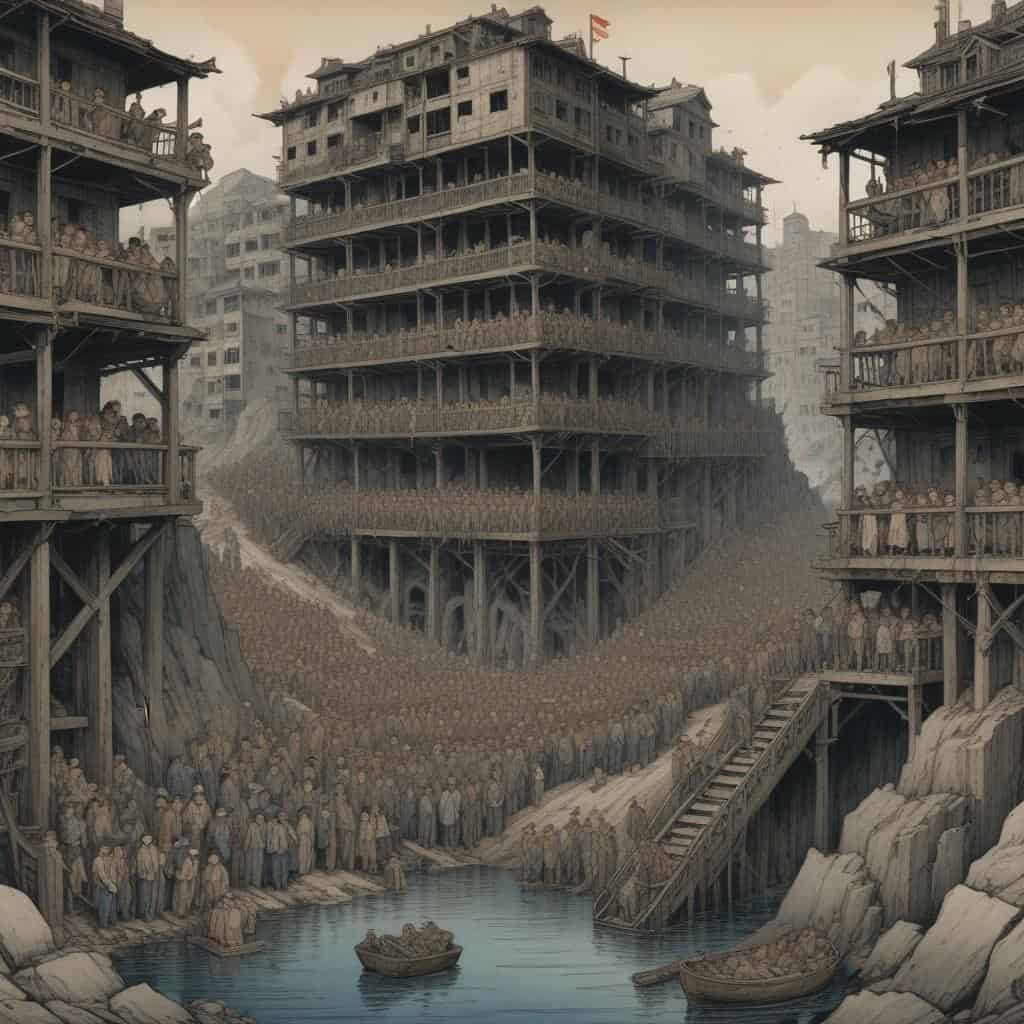
2. The Company Owners
3. The Families of the Miners
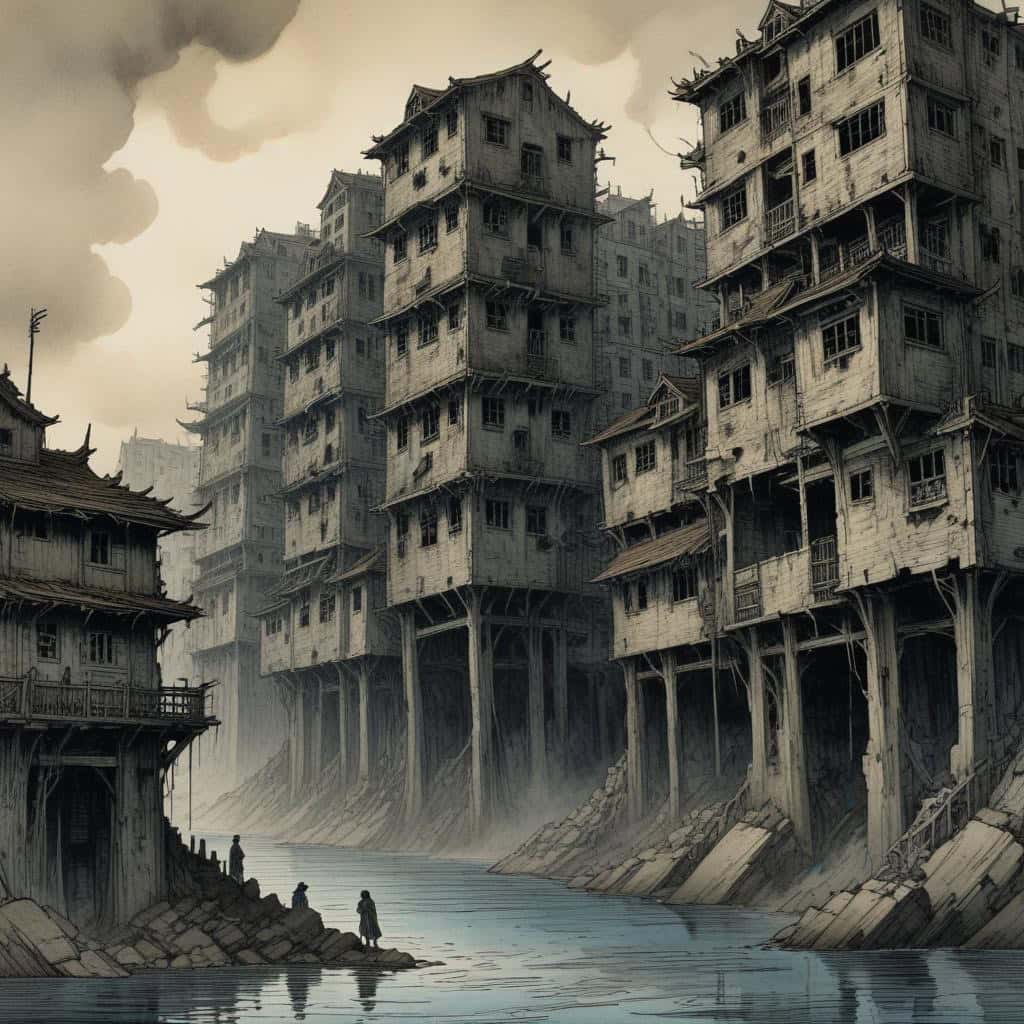
4. The Ghostly Residents
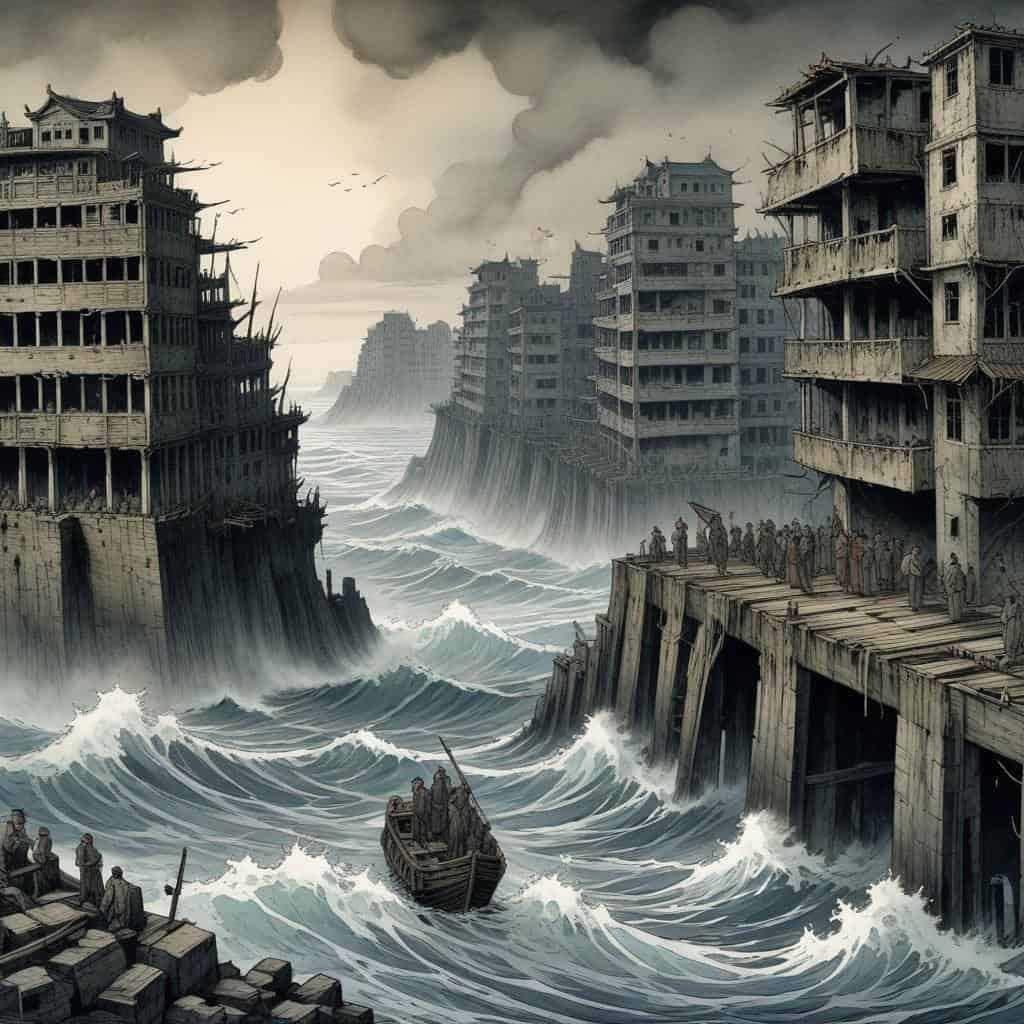
5. The Tourists and Urban Explorers
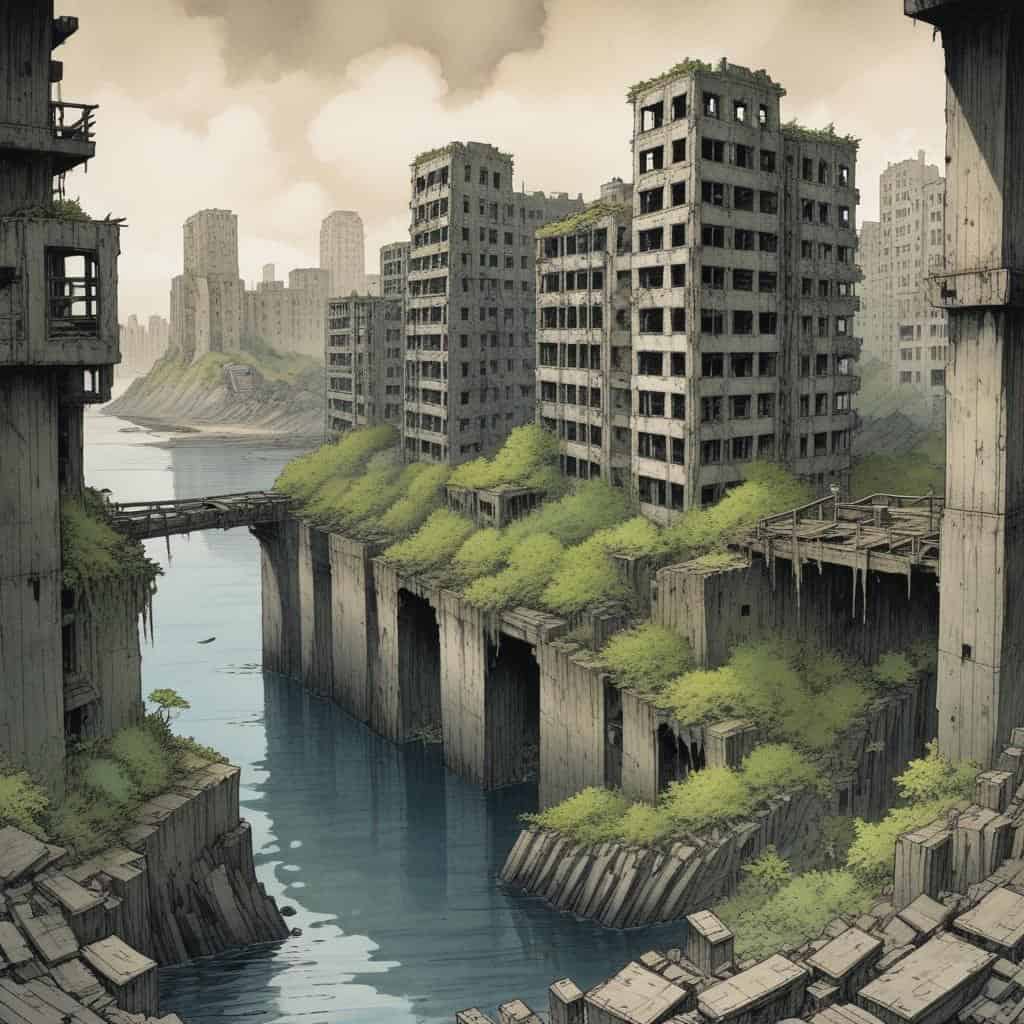
1. History of Hashima Island
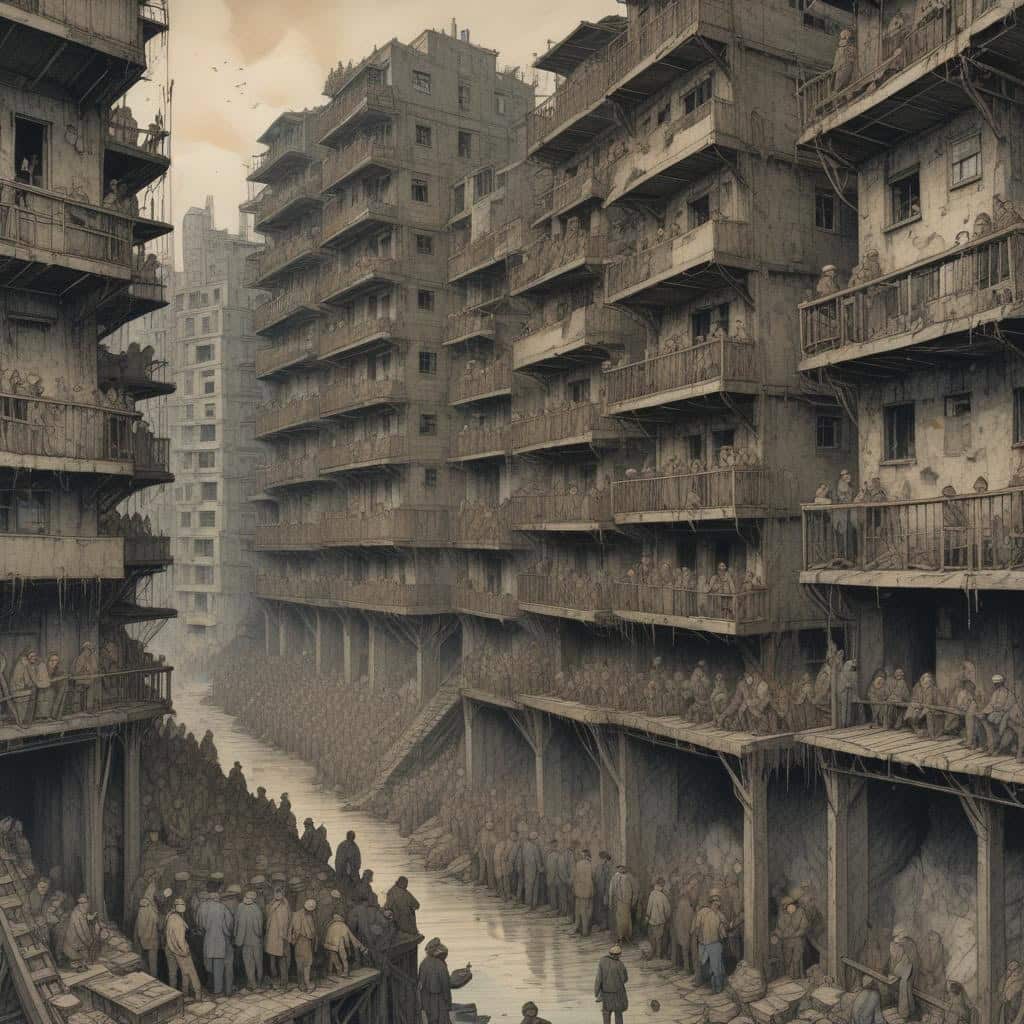
2. Dense Population of Miners

3. Decline of the Coal Industry
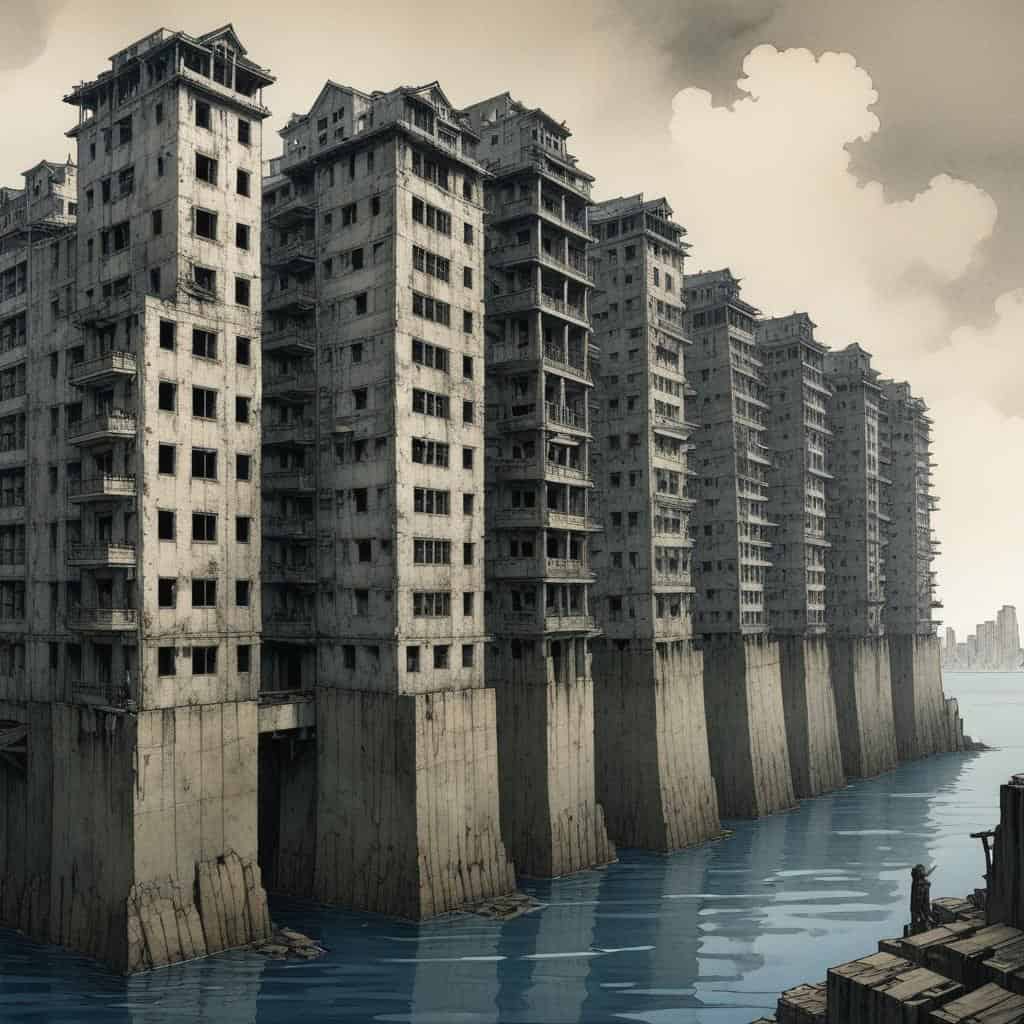
4. Hauntingly Beautiful Architecture
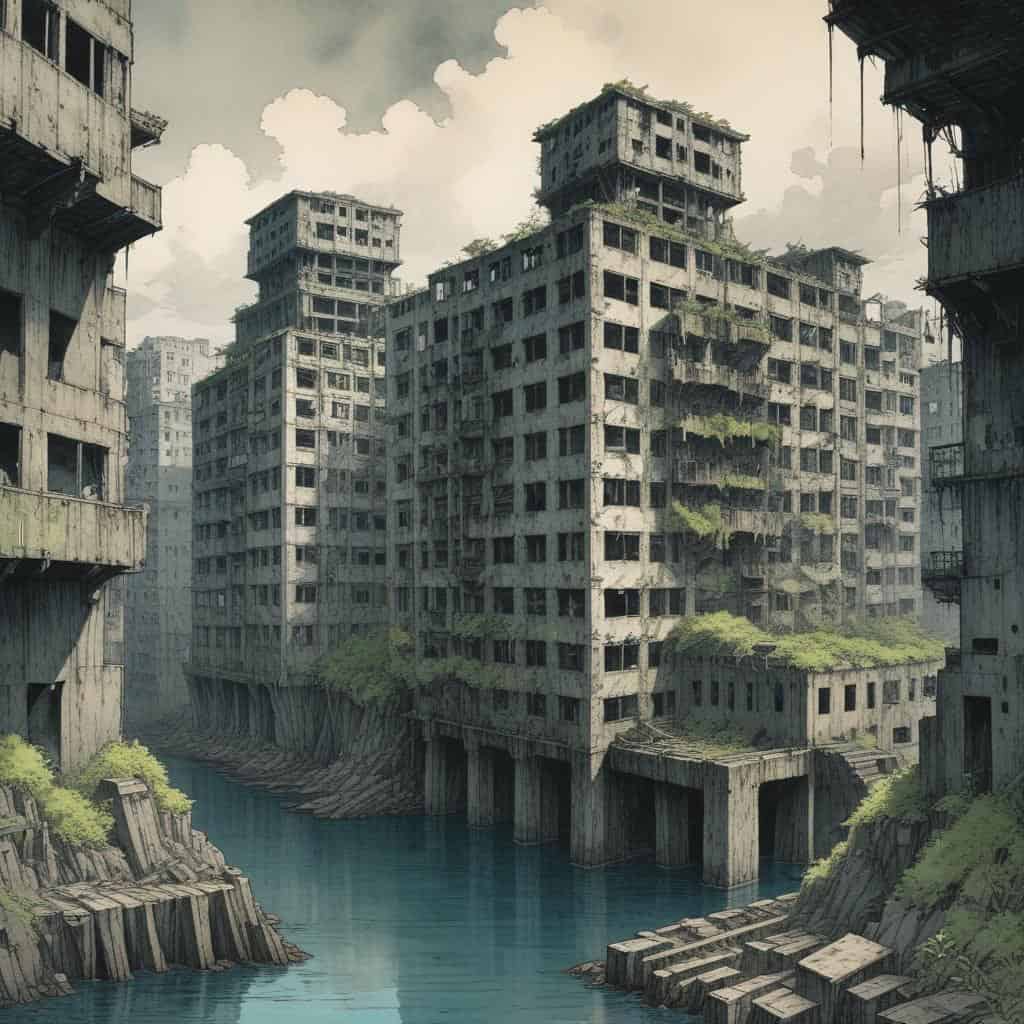
5. UNESCO World Heritage Site
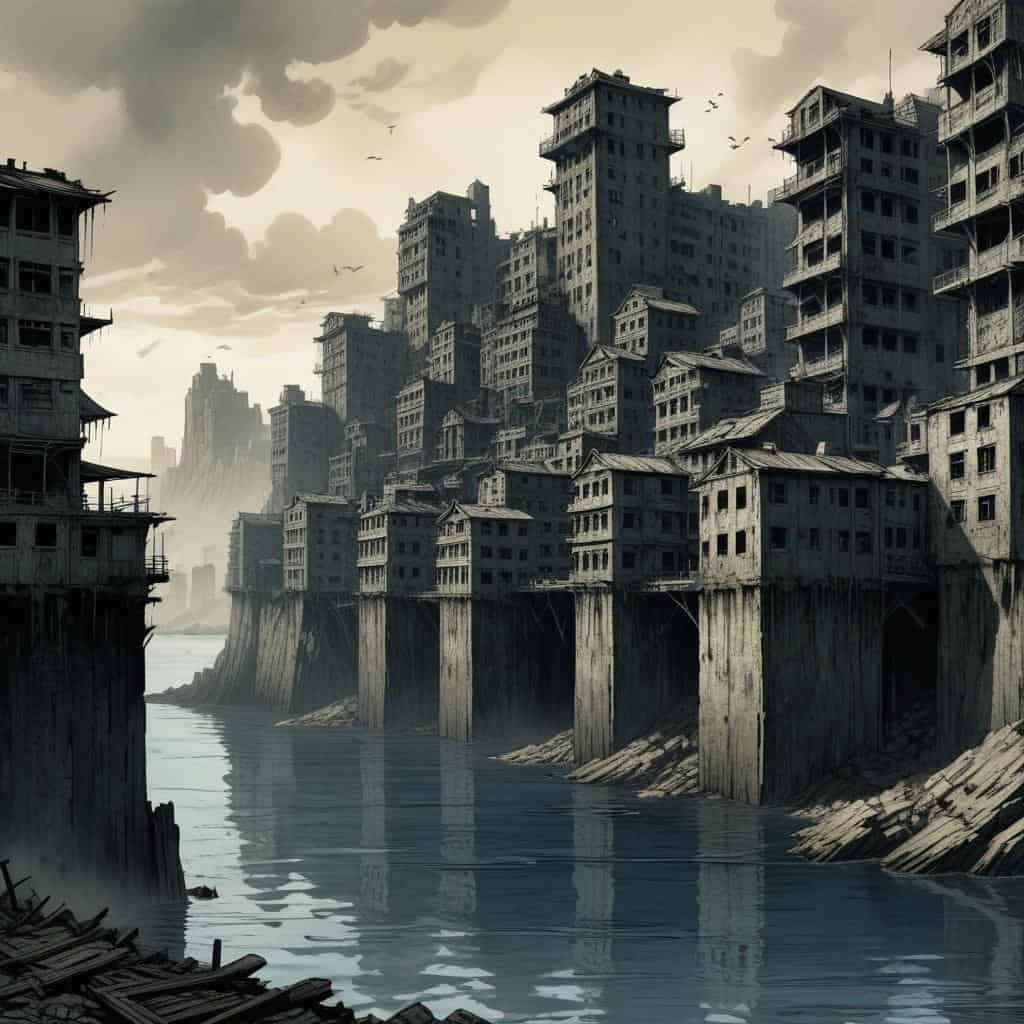
6. Inspiration for Pop Culture
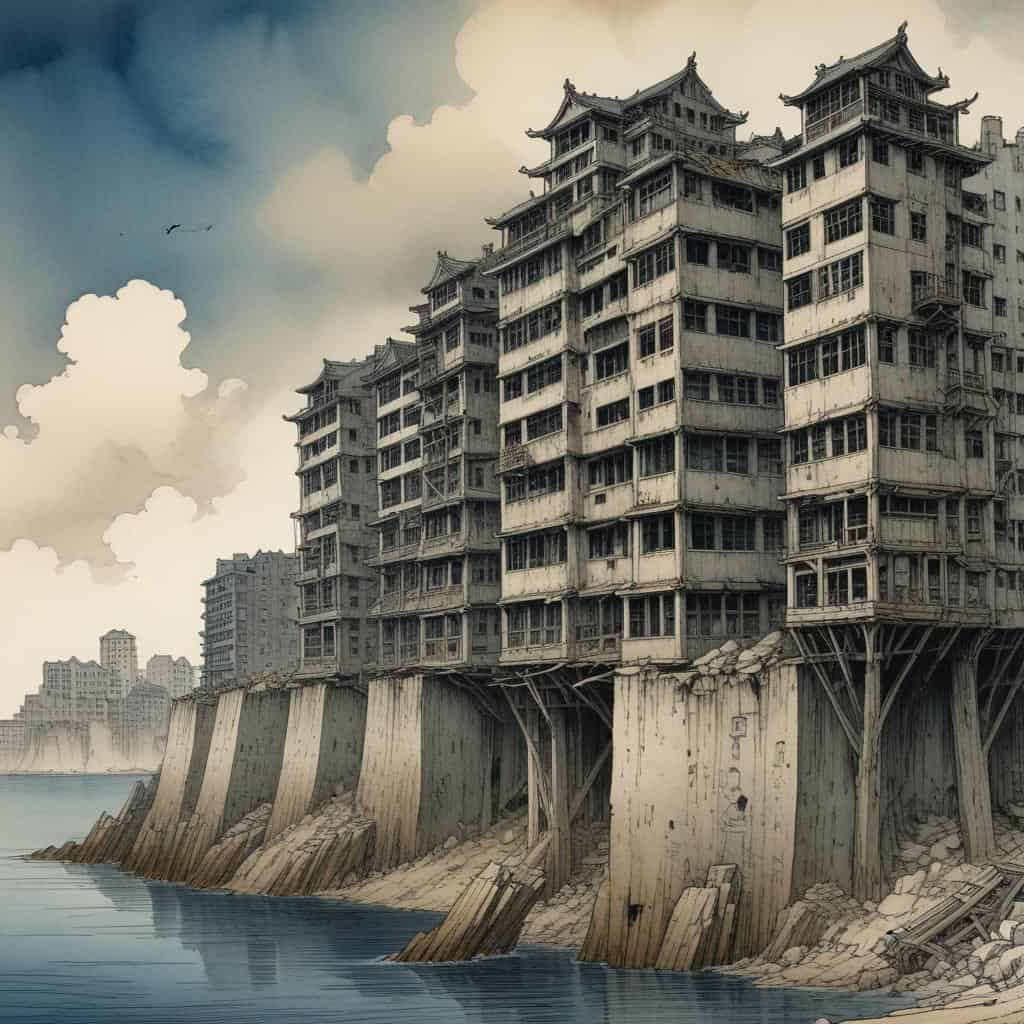
7. Preservation Efforts
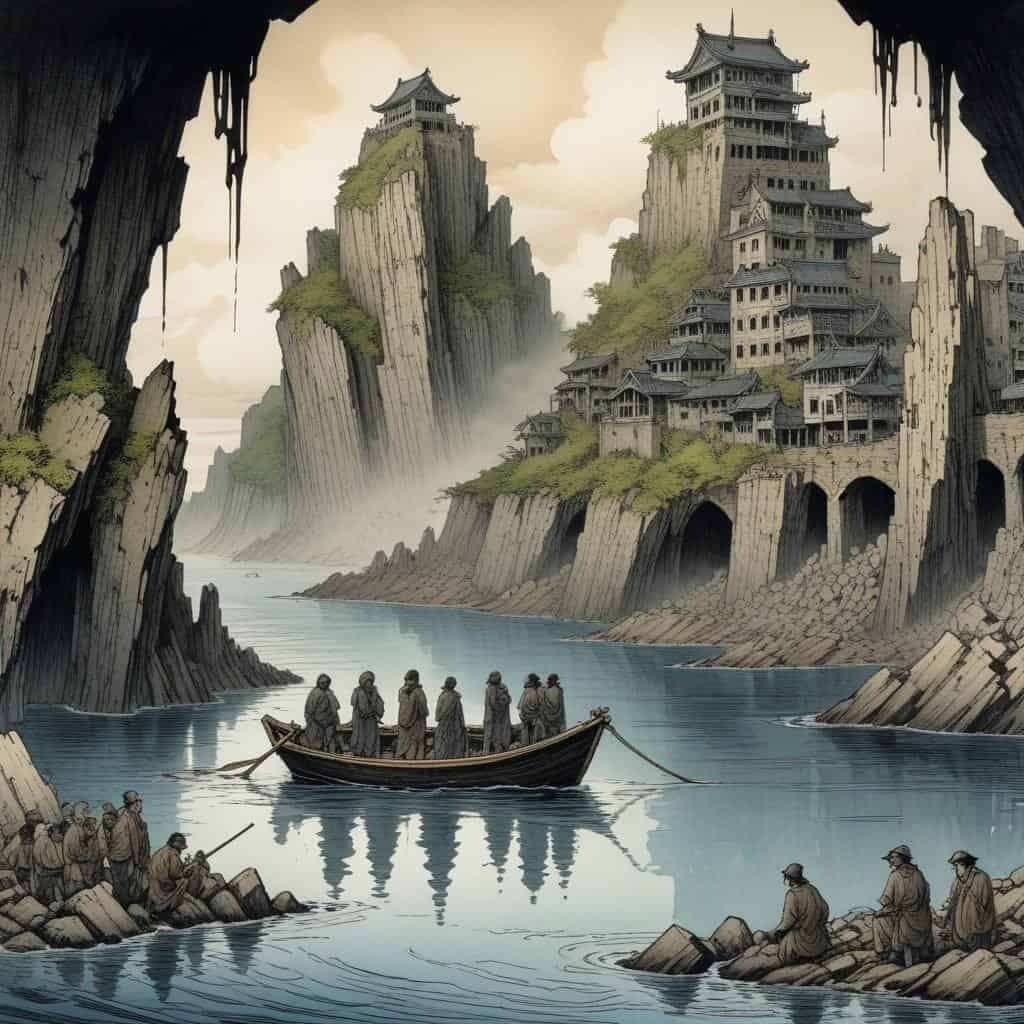
8. Access to the Island
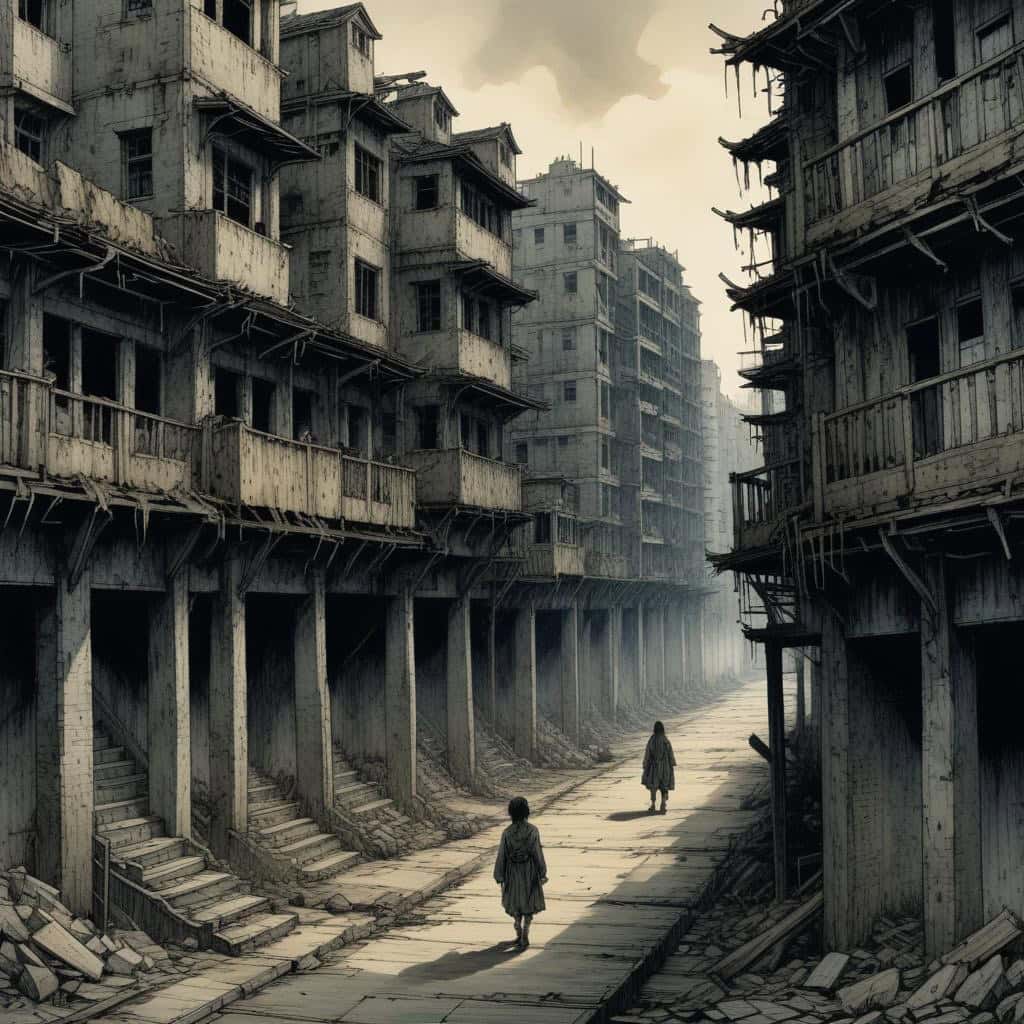
9. Creepy Atmosphere
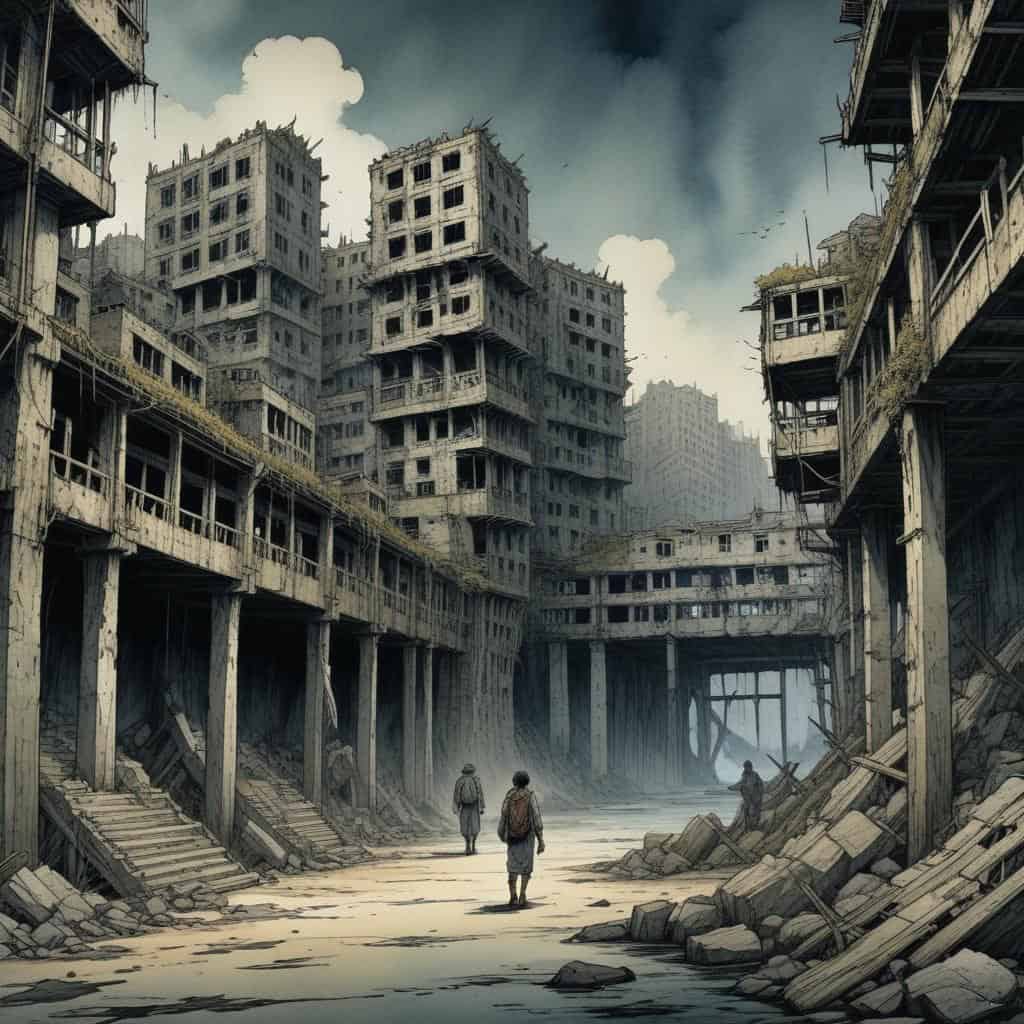
10. A Must-Visit Destination
In a Nutshell
- Capital: Nagasaki
- Population: Approx. 0 (2021)
- Official Language: Japanese
- Currency: Japanese Yen (JPY)
Breaking Down the Country
Industrial Legacy
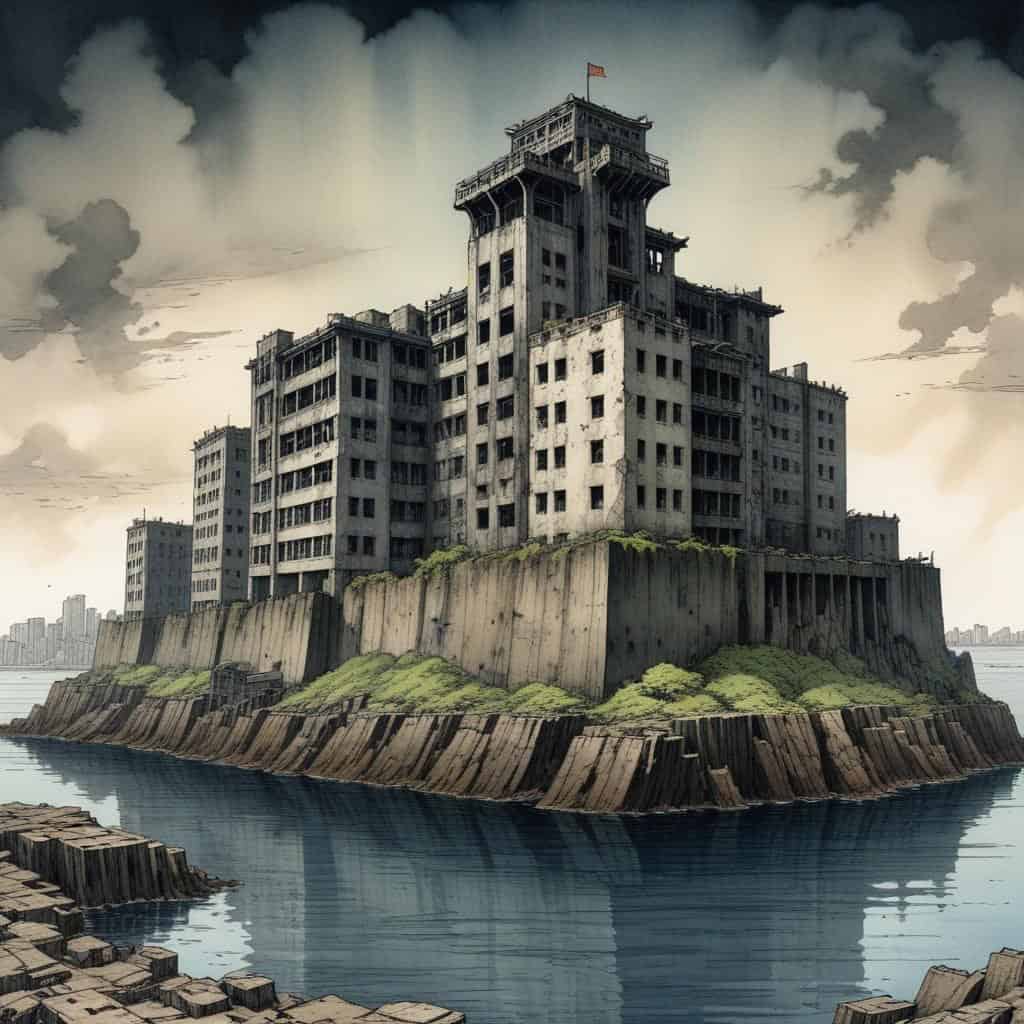
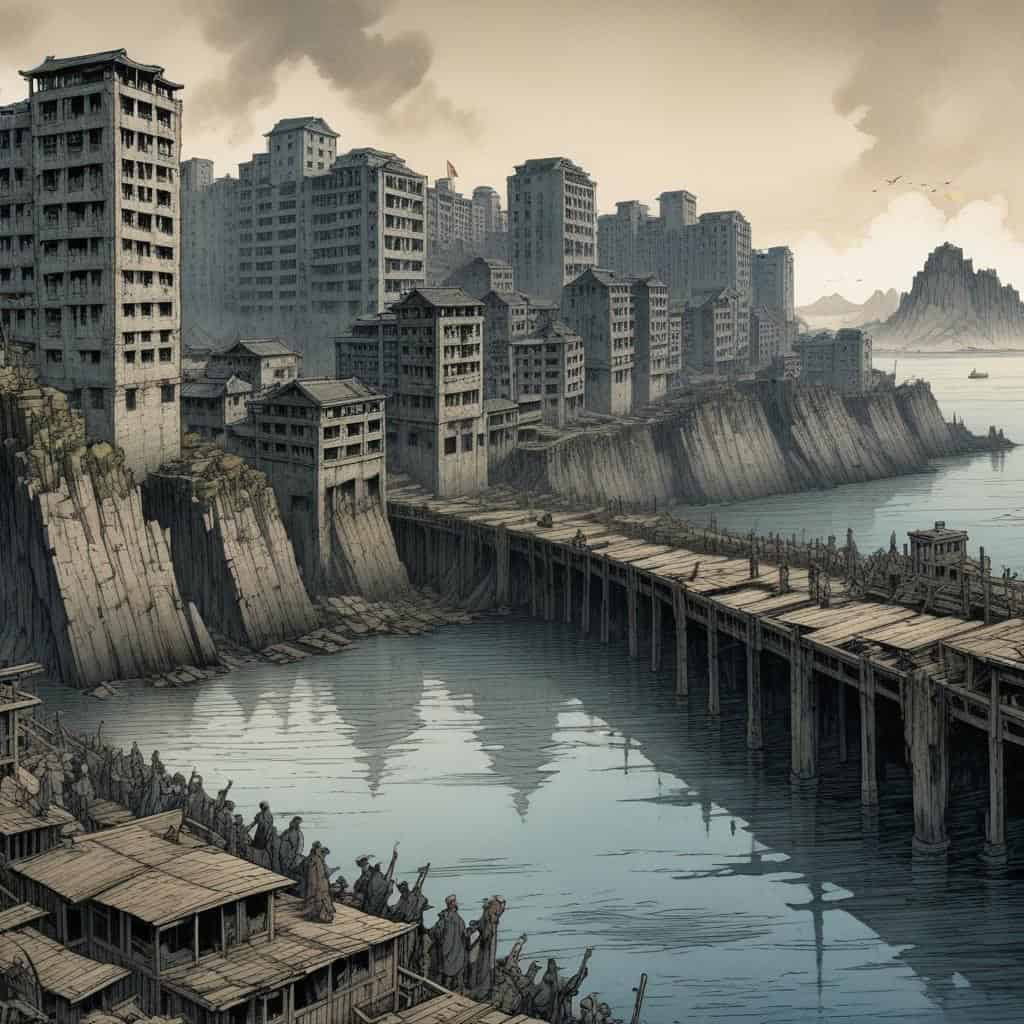
Hashima Island, also known as Gunkanjima, was a thriving coal mining community with high-rise apartment buildings, schools, and even a hospital.
Abandonment & Decay
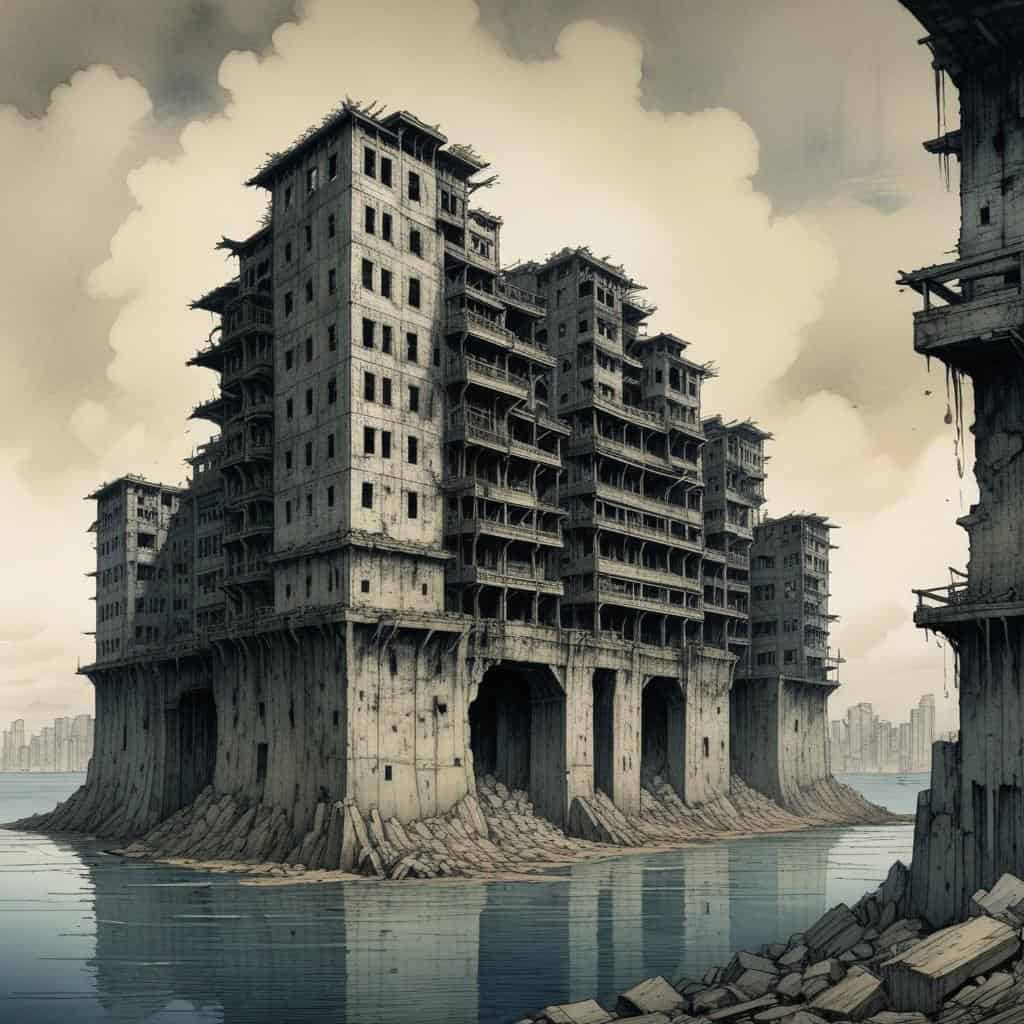
After the coal mines closed in 1974, Hashima Island was left deserted, becoming a hauntingly beautiful ghost town slowly reclaimed by nature.
Cinematic Setting
Featured in movies like James Bond's 'Skyfall' and 'Godzilla', Hashima Island's eerie atmosphere and industrial ruins have captured the imagination of filmmakers worldwide.
Timeline of A Guide to Hashima Island, Japan
Hashima Island is discovered and inhabited for coal mining purposes
Mitsubishi buys the island and begins to develop it as a coal mining facility
Hashima Island becomes one of the most densely populated places on Earth
The coal mines on the island begin to decline
The last coal mine on the island closes down
The island is completely abandoned by residents
Hashima Island is featured in the James Bond film 'Skyfall'
UNESCO designates Hashima Island as a World Heritage Site candidate
The island is officially opened to tourists for the first time
The Japanese government announces plans to renovate the island and open it to tourists
The island is closed to tourists due to safety concerns
The island is reopened to tourists after safety renovations are completed
Hashima Island is officially recognized as a World Heritage Site
The island is closed to tourists again due to the COVID-19 pandemic
Plans are announced to develop the island into a sustainable tourist destination
The island is reopened to tourists with new sustainable tourism initiatives
Hashima Island becomes a popular destination for urban explorers and photographers
The island's iconic abandoned buildings begin to deteriorate further
Efforts are made to preserve and protect the historical buildings on the island
Hashima Island becomes a symbol of Japan's industrial past and modern-day tourism industry
Vocabulary List
- Hashima Island
- Also known as Gunkanjima, this abandoned island in Japan was once a bustling coal mining town.
- Coal mining
- The main industry on Hashima Island, where workers extracted coal from underground mines.
- Abandoned
- Hashima Island was deserted in the 1970s and has since become a popular tourist destination.
- Urban decay
- The crumbling buildings on Hashima Island are a stark reminder of the town's former glory.
- Historical preservation
- Efforts are being made to preserve the buildings on Hashima Island as a UNESCO World Heritage Site.
- Ghost town
- Many describe Hashima Island as a ghost town due to its empty streets and abandoned buildings.
- Industrialization
- Hashima Island's development was fueled by the rapid industrialization of Japan in the late 19th and early 20th centuries.
- Underground tunnels
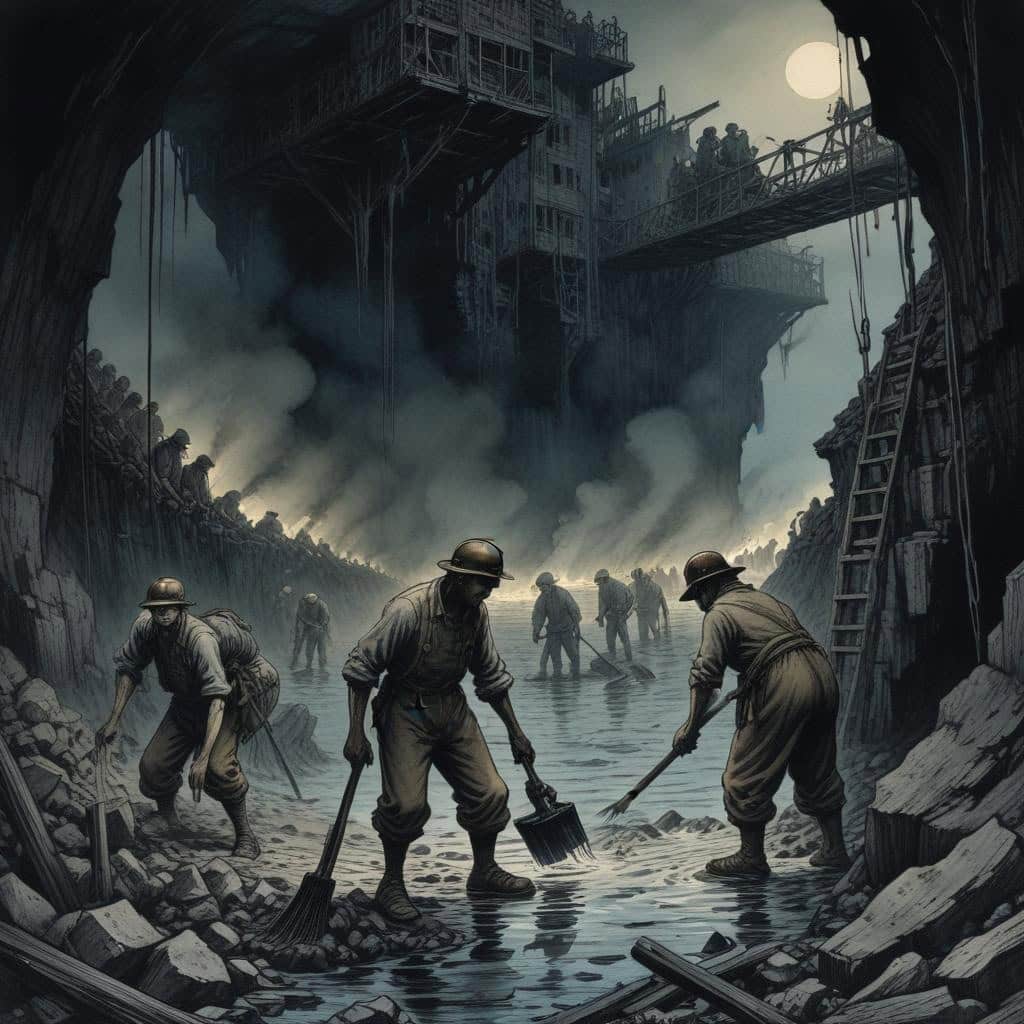
- Coal miners on Hashima Island used a network of underground tunnels to access the coal seams.
Key Facts
This is the information used in the fact matching game
- Hashima Island is also known as Gunkanjima, which means Battleship Island in Japanese.
- The island is located in the East China Sea, approximately 15 kilometers from the city of Nagasaki, Japan.
- Hashima Island was once a thriving coal mining facility, operated by Mitsubishi Corporation from 1887 to 1974.
- At its peak, the population of Hashima Island was around 5,259 people, making it one of the most densely populated places on Earth.
- The island's buildings were constructed in a high-density manner to accommodate the large number of residents and workers.
- Hashima Island was abandoned in 1974 after the coal mines were closed due to the decline in coal demand.
- The island was left in a state of disrepair for many years, leading to its nickname 'Ghost Island'.
- In 2009, Hashima Island was designated as a UNESCO World Heritage Site, recognizing its historical significance.
- The island's unique architecture and layout have been featured in several films, including the James Bond movie 'Skyfall'.
- Hashima Island is now a popular tourist destination, with guided tours available to explore the abandoned buildings and tunnels.
- Due to its deteriorating condition, access to certain areas of the island is restricted to ensure visitor safety.
- Hashima Island's unique appearance and historical significance have made it a popular subject for photographers and filmmakers.
- The island's coal mines were once the most productive in Japan, providing a significant source of income for Mitsubishi Corporation.
- Hashima Island's buildings are primarily made of reinforced concrete, designed to withstand typhoons and other harsh weather conditions.
- The island's unique layout and architecture have sparked interest from architects and urban planners studying the concept of high-density living.
- Hashima Island has been the subject of controversy due to its dark history of forced labor and poor working conditions in the coal mines.
- The island's population began to decline in the 1960s as coal demand decreased, leading to the eventual closure of the mines in 1974.
- Hashima Island was featured in the video game 'Call of Duty: Black Ops II' as a multiplayer map set on the abandoned island.
- The island's unique appearance and historical significance have made it a popular destination for urban exploration enthusiasts seeking to uncover its hidden secrets.
- Hashima Island's buildings have been subject to decay and vandalism over the years, adding to the eerie atmosphere of the abandoned island.
Why It Matters
Geopolitical Significance
Located off the coast of Nagasaki, Hashima Island played a significant role in Japan’s industrialization and modernization during the Meiji era. Its strategic position in the East China Sea made it a key hub for coal mining and export, contributing to Japan’s economic growth and regional influence.
Historical Importance
Hashima Island, also known as Gunkanjima (Battleship Island), symbolizes Japan’s rapid industrialization and urbanization in the late 19th and early 20th centuries. The island’s abandoned concrete buildings stand as a haunting reminder of the human cost of progress and the legacy of Japan’s industrial past.
Modern-Day Role
Today, Hashima Island serves as a UNESCO World Heritage site and a popular tourist destination, attracting visitors interested in exploring its industrial ruins and learning about Japan’s industrial history. The island’s preservation also highlights the importance of protecting and commemorating cultural heritage sites for future generations.
A Guide to Hashima Island, Japan Games


Take Your Learning Offline
Want a convenient, print-ready study guide for this lesson? Become a Memory Wizards Pro member to unlock the downloadable " Memory Scrolls" for this topic and our entire library!
- ✓ Complete Vocabulary Lists
- ✓ Key Facts & Timelines
- ✓ Beautifully Formatted for Print & Mobile