
How Do You Learn Best?
Learn by Reading
Immerse yourself in the 10-minute visual lesson for a comprehensive understanding of the topic.
Learn by Reviewing
Jump directly to the key facts, timeline, and vocabulary lists to build a solid foundation of details.
Learn by Doing
Challenge yourself! Jump straight into the interactive games to learn by trial, error, and discovery.
Visions of Cody in 10 Minutes

Introduction

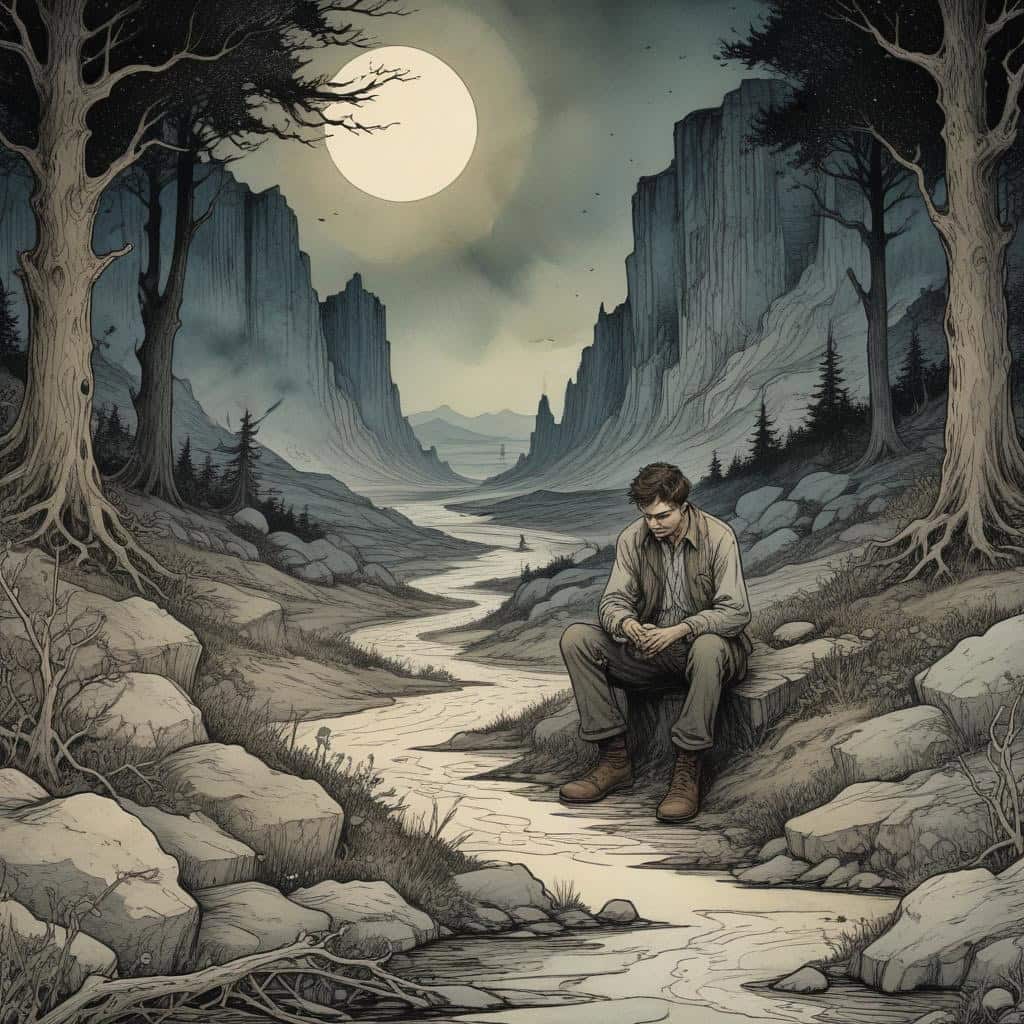

Jack Kerouac

Cody Pomeray

Neal Cassady

Allen Ginsberg

The Meeting of Cody Pomeray and Jack Duluoz
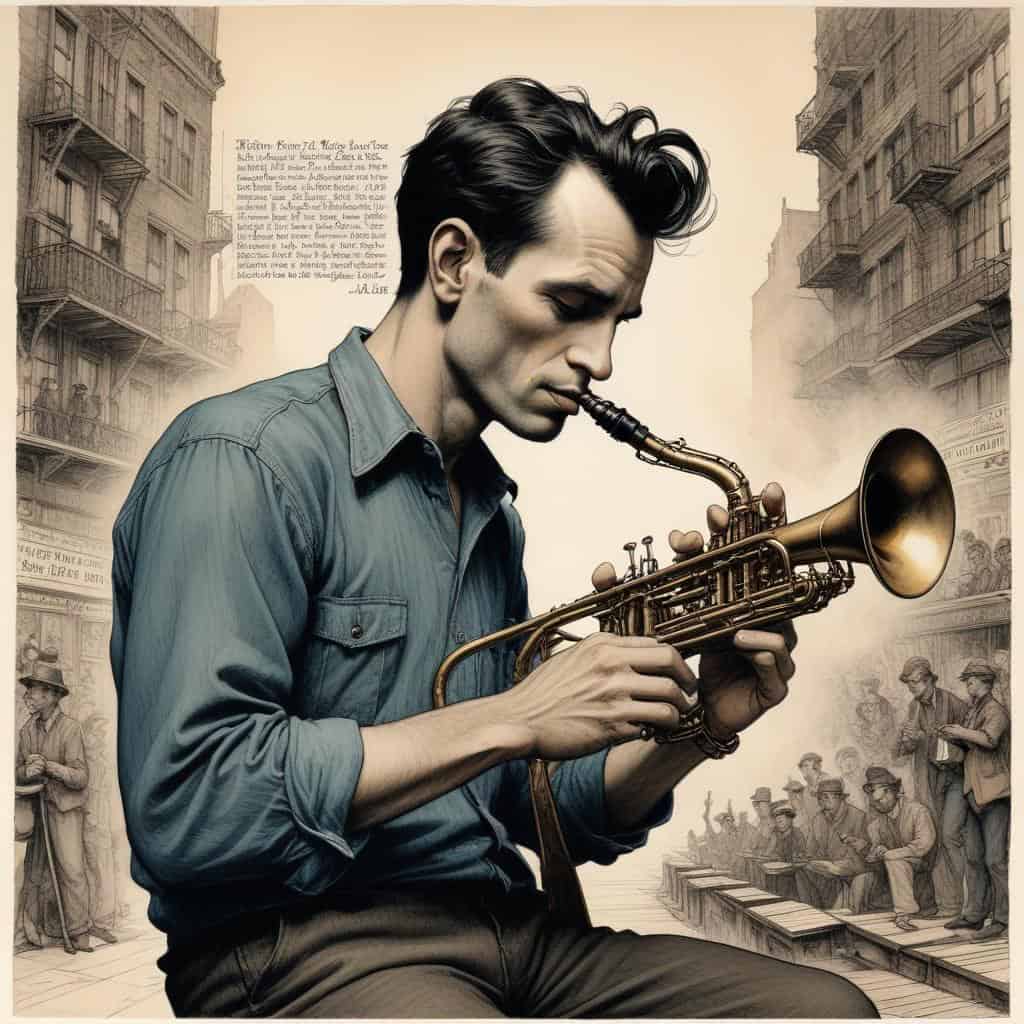
The Exploration of Jazz and the Beat Generation
The Intertwining of Reality and Fiction

The Quest for Spiritual Enlightenment
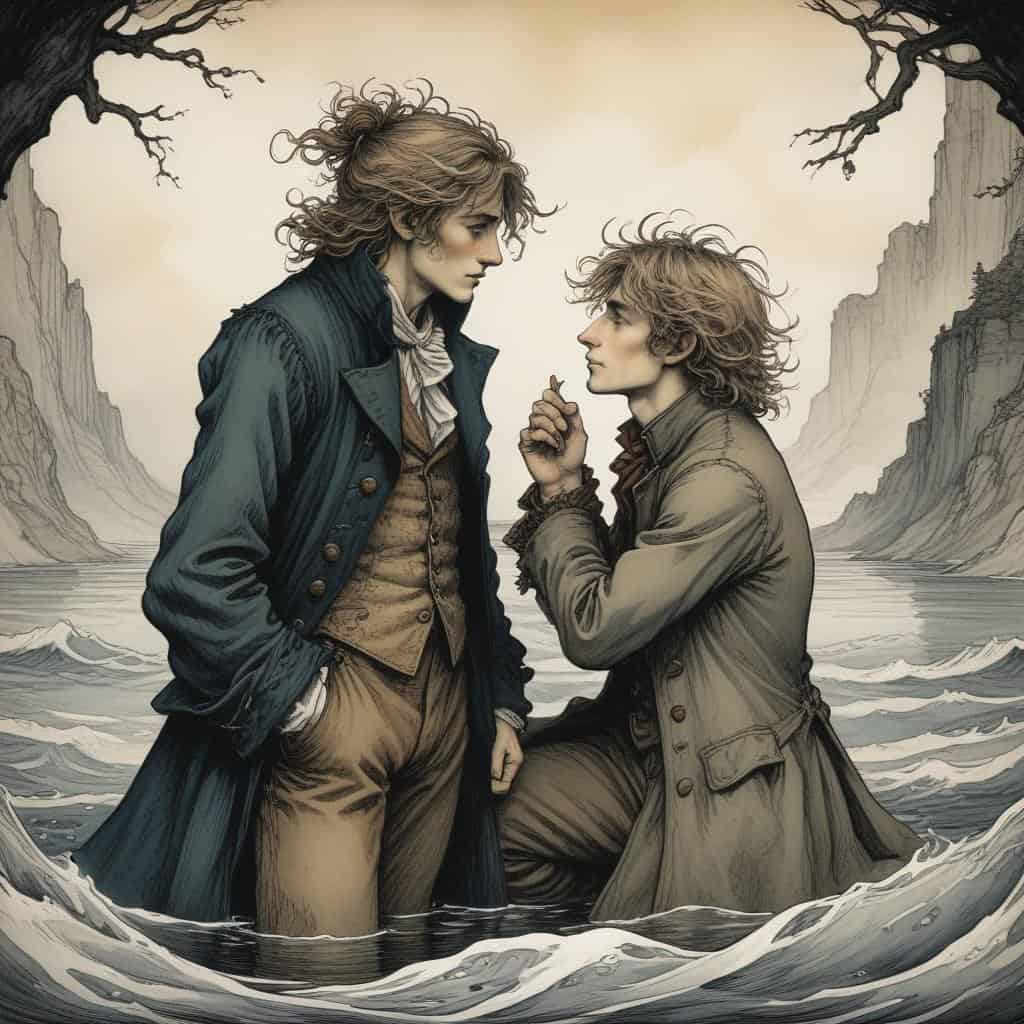
The Evolution of Friendship and Connection
The Exploration of Identity and Self-Discovery
The Impact of Time and Memory

The Visionary Nature of Cody Pomeray
The Quest for Transcendence and Meaning
The Legacy of Visions of Cody
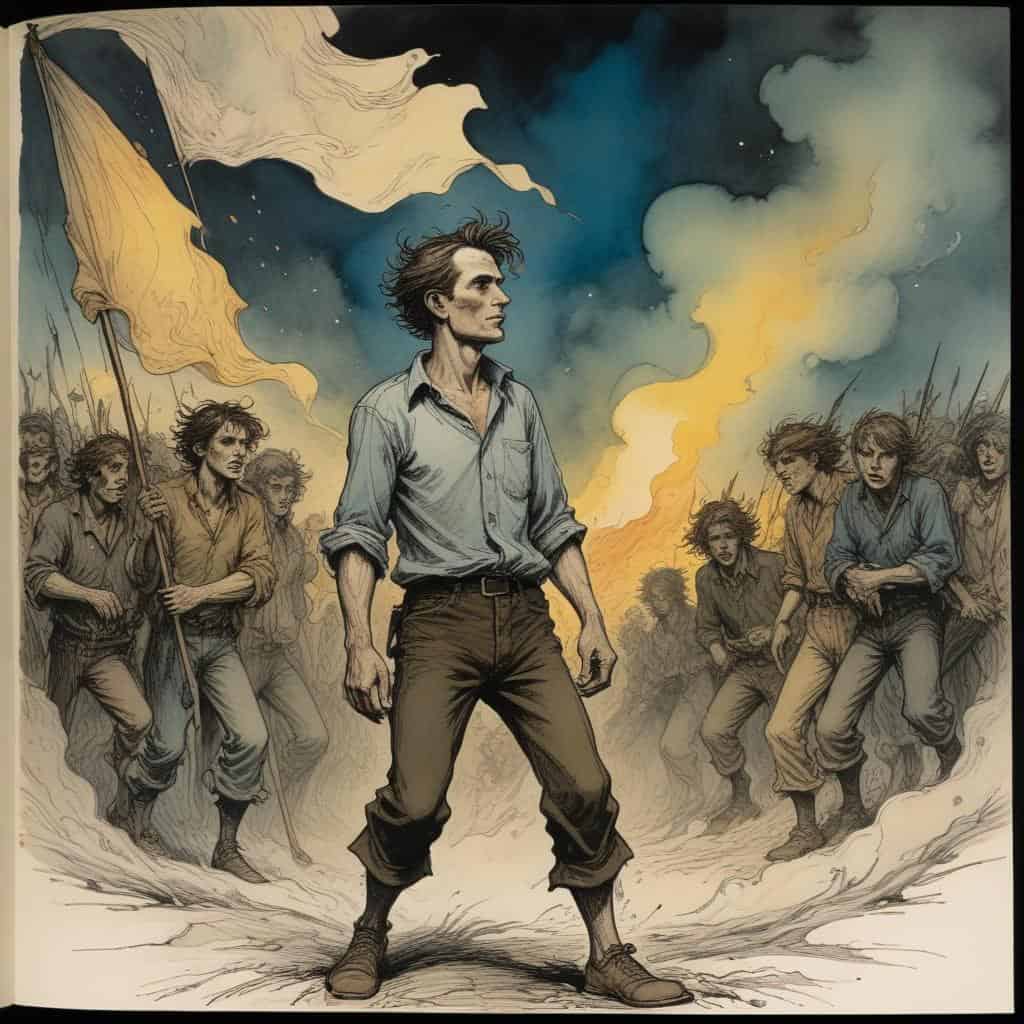
Lesson Details & Resources
In a Nutshell
- What: Novel 'Visions of Cody' by Jack Kerouac
- When: Written in the 1950s
- Who: Main characters include Cody Pomeray
- Theme: Exploration of friendship, freedom, and the American Dream
List of Characters in Visions of Cody
-
Cody Pomeray
Cody Pomeray is a central character in the novel, known for his wild and free-spirited nature.
-
Jack Kerouac
Jack Kerouac is the author of the book and also a character within the story.
-
Allen Ginsberg
Allen Ginsberg is a Beat poet and friend of the main characters.
-
Neal Cassady
Neal Cassady, also known as Dean Moriarty in the novel, is a charismatic and rebellious figure.
-
Carlo Marx
Carlo Marx is a pseudonym for Allen Ginsberg in the book.
Timeline of Visions of Cody
Cody Pomeray arrives in New York City
Cody meets Jack Duluoz (the narrator)
Cody and Jack go to a jazz concert in Harlem
Cody introduces Jack to his friends, including Allen Ginsberg and William Burroughs
Cody takes Jack on a road trip across America
Cody and Jack visit Cody's childhood home in Denver, Colorado
Cody and Jack meet up with friends in San Francisco
Cody and Jack attend poetry readings and art shows in North Beach
Cody and Jack visit Cody's old haunts in Los Angeles
Cody and Jack return to New York City and attend parties in Greenwich Village
Cody and Jack have philosophical discussions about life, art, and spirituality
Cody's behavior becomes increasingly erratic and unpredictable
Cody disappears for periods of time, leaving Jack confused and concerned
Cody reappears, claiming to have had mystical experiences and visions
Cody becomes involved in drug use and criminal activities
Cody's mental and physical health deteriorate
Cody is arrested and spends time in jail
Cody is released from jail but continues to struggle with his demons
Cody and Jack drift apart and lose touch with each other.
Vocabulary List
- Jazz
- The novel is filled with references to jazz music, reflecting the Beat Generation's love for the genre.
- Spontaneity
- Kerouac's writing style in Visions of Cody is known for its spontaneity and stream-of-consciousness narrative.
- Road trip
- The characters in Visions of Cody embark on a series of road trips across the United States, mirroring Kerouac's own experiences.
- Ecstasy
- The novel explores themes of ecstasy and transcendence, as the characters seek spiritual enlightenment through their experiences.
- Improvisation
- Kerouac's writing process was often characterized by improvisation, with little editing or revision.
- Beatnik
- The characters in Visions of Cody are often described as beatniks, reflecting the countercultural movement of the 1950s and 1960s.
- Spiral
- The narrative of Visions of Cody spirals through time and space, reflecting the characters' nonlinear experiences.
- Madness
- The novel delves into themes of madness and mental instability, as the characters grapple with their own inner demons.
- Intimacy
- Visions of Cody explores themes of intimacy and connection, as the characters form deep bonds with one another.
- Visionary
- Kerouac is often seen as a visionary writer, pushing the boundaries of traditional literature with his experimental style.
- Dreamlike
- The novel has a dreamlike quality, with surreal imagery and disjointed narratives.
- Authenticity
- Kerouac sought to capture the authenticity of his experiences in Visions of Cody, presenting a raw and unfiltered portrayal of life on the road.
- Impermanence
- The characters in the novel grapple with the impermanence of life, as they confront the fleeting nature of their experiences.
- Transcendental
- Visions of Cody explores transcendental themes, as the characters seek to move beyond the confines of everyday reality.
- Rebellion
- The characters in the novel rebel against societal norms, embracing a bohemian lifestyle that prioritizes freedom and self-expression.
- Beatific
- The characters in Visions of Cody are often described in beatific terms, reflecting their pursuit of spiritual enlightenment and higher consciousness.
Key Facts
This is the information used in the fact matching game
- - Visions of Cody is a semi-autobiographical novel by Jack Kerouac.
- - It was originally written in 1951-1952, but not published until 1972, six years after Kerouac's death.
- - The novel is considered a companion piece to Kerouac's earlier work, On the Road.
- - It is a stream-of-consciousness narrative that explores the lives of the Beat Generation in New York City.
- - The character of Cody Pomeray is based on Neal Cassady, a close friend of Kerouac and a central figure in the Beat movement.
- - The narrative jumps between different time periods and locations, capturing the frenetic energy and chaotic nature of the Beat lifestyle.
- - Kerouac's writing style in Visions of Cody is characterized by long, uninterrupted sentences and spontaneous prose.
- - The novel incorporates elements of jazz, with Kerouac often describing the music and improvisation of the time.
- - It touches on themes of friendship, love, spirituality, and the search for meaning in a rapidly changing world.
- - Visions of Cody includes numerous references to other Beat writers and artists, such as Allen Ginsberg and William S. Burroughs.
- - The manuscript for the novel was originally over 1,200 pages long but was heavily edited before publication.
- - Kerouac wrote Visions of Cody during a period of intense personal and creative turmoil, struggling with alcoholism and the death of his father.
- - The book was initially rejected by several publishers who found its experimental style too unconventional.
- - It was finally published by McGraw-Hill after Kerouac's success with On the Road.
- - Visions of Cody received mixed reviews upon its release, with some critics praising its ambitious scope while others found it confusing and disjointed.
- - Over time, the novel has gained recognition as an important work of American literature and a key text of the Beat Generation.
- - Kerouac's portrayal of Cody Pomeray has been described as a tribute to the unbounded spirit of Neal Cassady.
- - The novel explores the themes of identity and the quest for self-discovery, often blurring the lines between reality and fiction.
- - Visions of Cody is often seen as a meditation on the fleeting nature of existence and the transient nature of human relationships.
- - Despite its complex structure and experimental style, the novel offers a vivid and evocative portrait of the Beat Generation's bohemian lifestyle.
Analysis & Significance
Impact on Literature
Jack Kerouac’s ‘Visions of Cody’ is a seminal work in the Beat Generation movement, showcasing the raw, unfiltered writing style that would come to define the counterculture movement of the 1950s and 60s. Its experimental narrative structure and stream-of-consciousness technique have influenced generations of writers, pushing the boundaries of traditional storytelling.
Enduring Themes
‘Visions of Cody’ explores themes of friendship, freedom, and the search for meaning in a rapidly changing world. Kerouac’s introspective look at his own life and relationships resonates with modern audiences who continue to grapple with similar existential questions and the desire for authentic connection in an increasingly digital age.
Cultural Significance Today
The legacy of ‘Visions of Cody’ lives on in various adaptations and references in popular culture, from music to film. Its impact on American literature and its role in shaping the countercultural movement of the 20th century cement its place as a timeless work that continues to inspire and provoke thought in readers today.
Visions of Cody Games


Take Your Learning Offline
Want a convenient, print-ready study guide for this lesson? Become a Memory Wizards Pro member to unlock the downloadable " Memory Scrolls" for this topic and our entire library!
- ✓ Complete Vocabulary Lists
- ✓ Key Facts & Timelines
- ✓ Beautifully Formatted for Print & Mobile