
How Do You Learn Best?
Learn by Reading
Immerse yourself in the 10-minute visual lesson for a comprehensive understanding of the topic.
Learn by Reviewing
Jump directly to the key facts, timeline, and vocabulary lists to build a solid foundation of details.
Learn by Doing
Challenge yourself! Jump straight into the interactive games to learn by trial, error, and discovery.
Tristessa in 10 Minutes
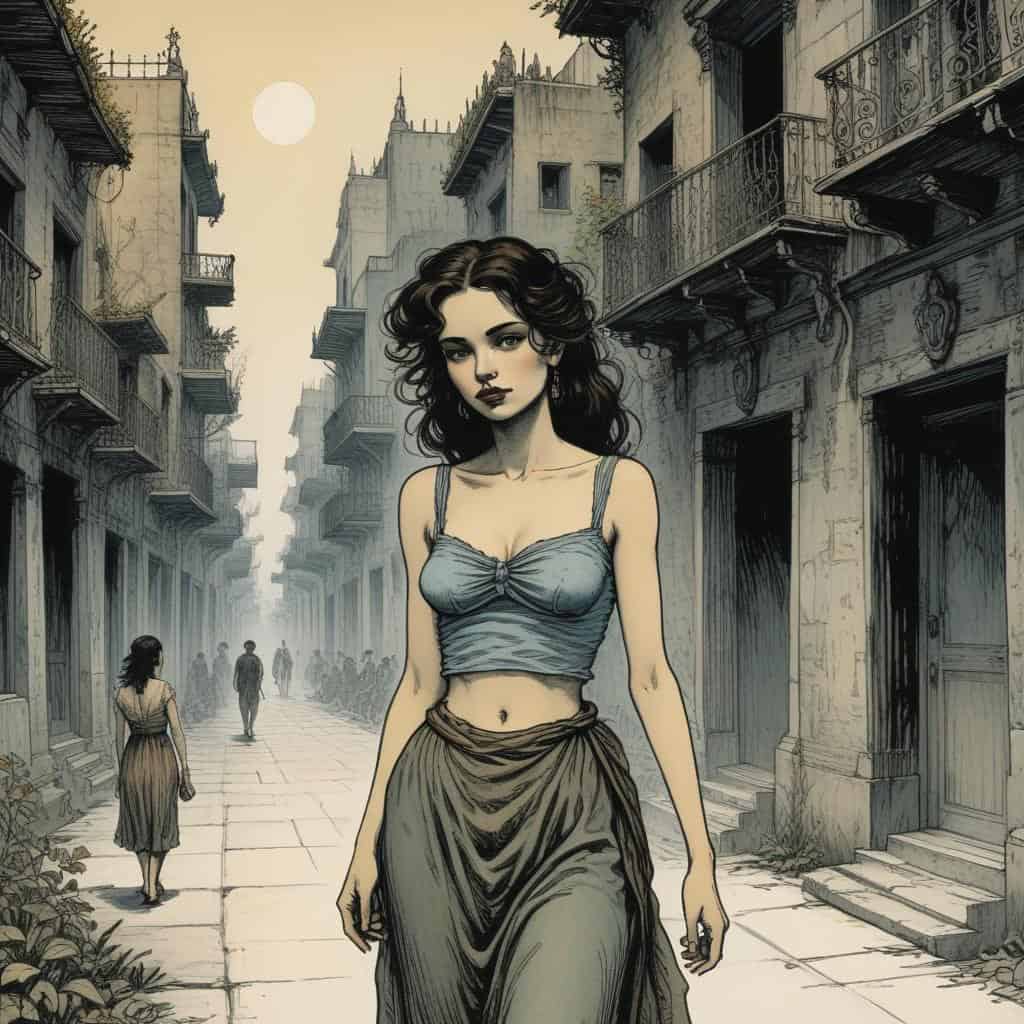
Introduction
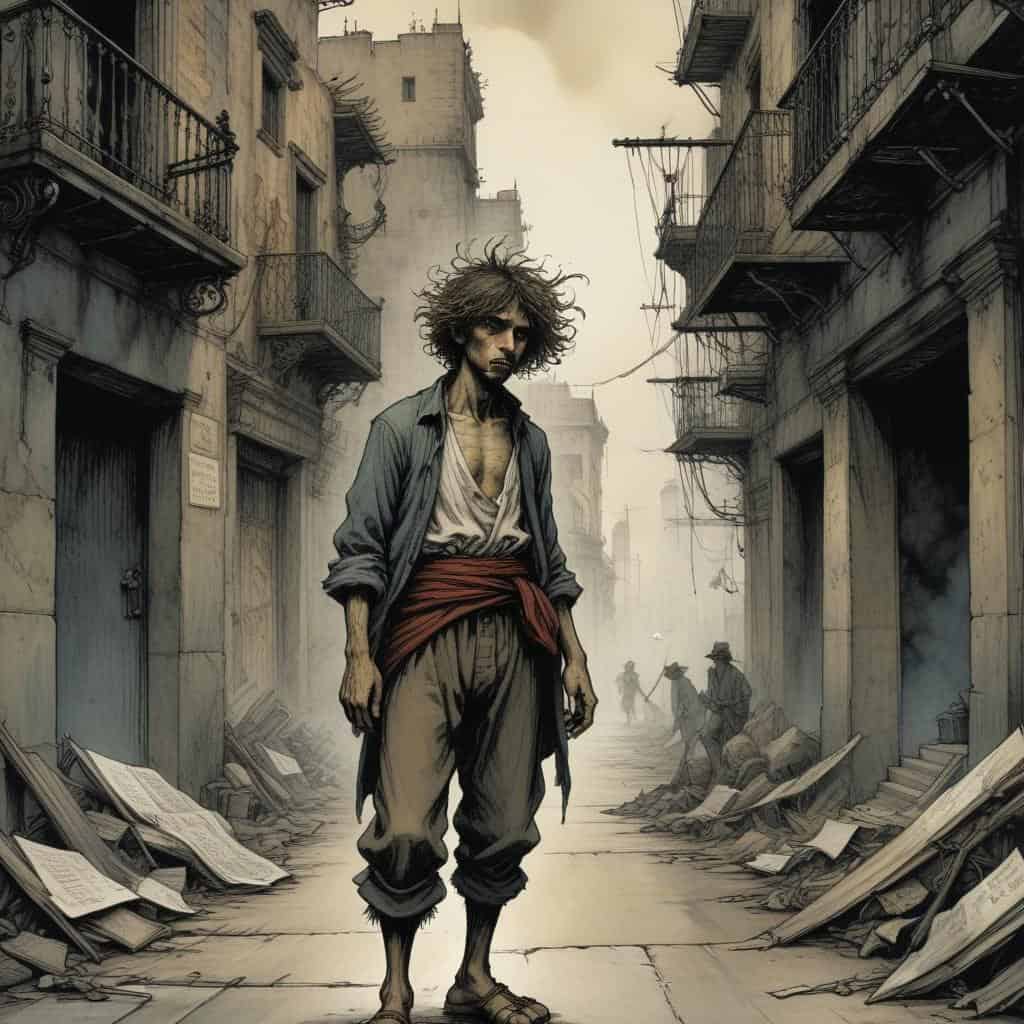
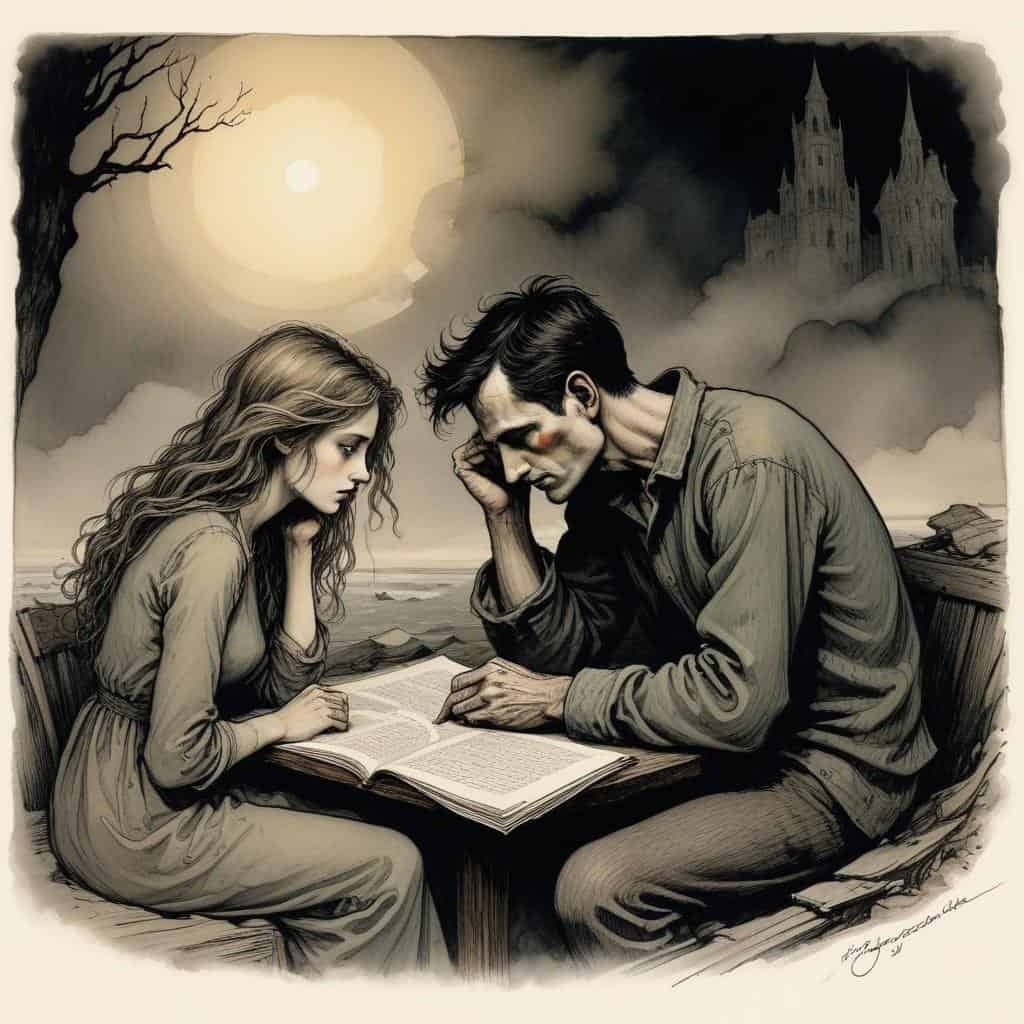

Tristessa

Jack Duluoz (the narrator)

El Indio

Old Bull Gaines
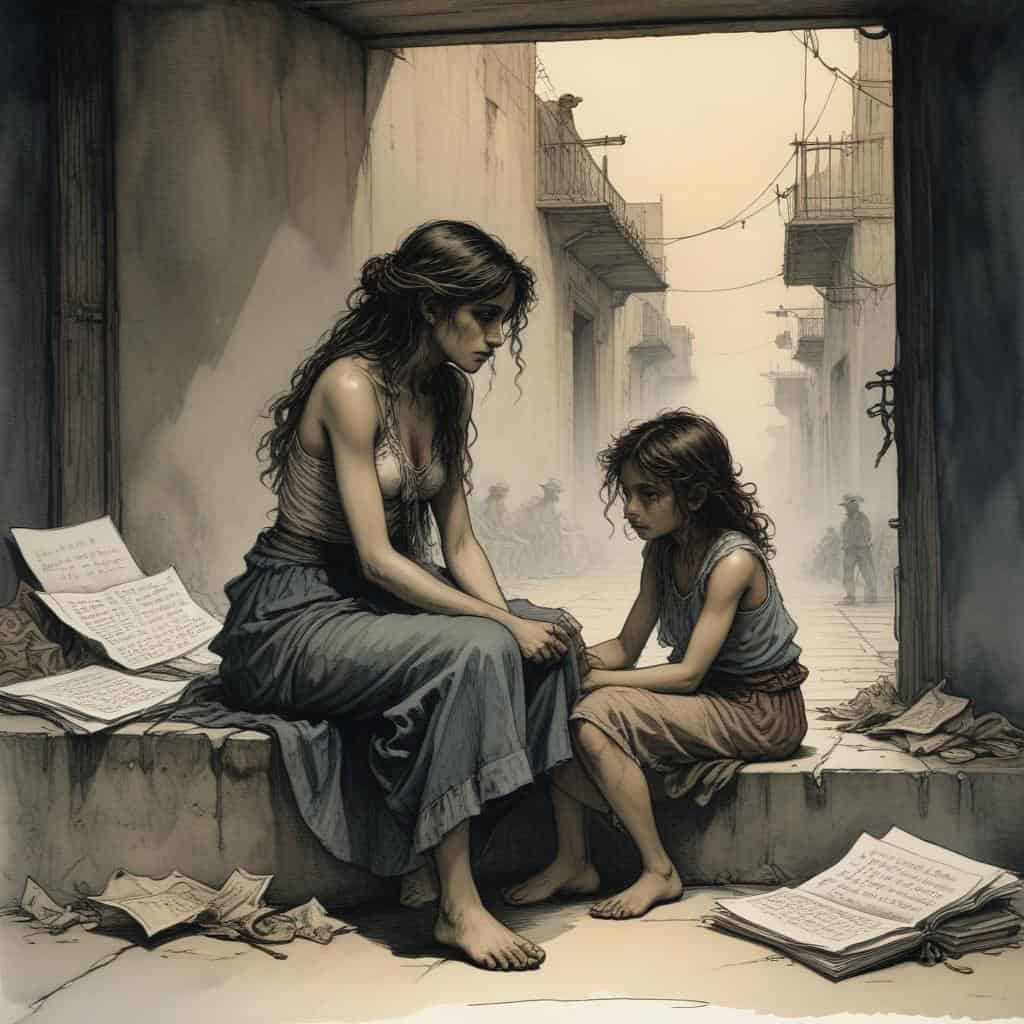
The Meeting
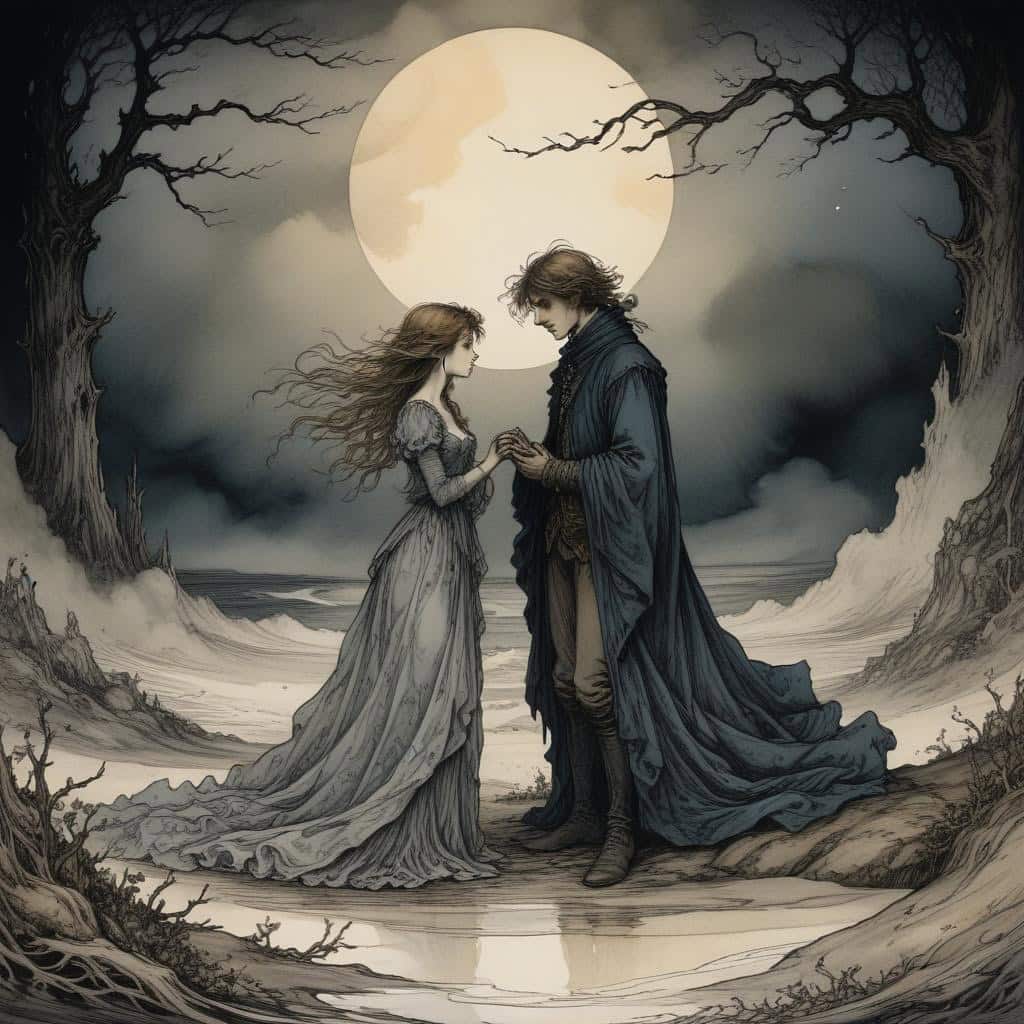
The Relationship Develops
The Descent into Addiction
The Search for Meaning
The Reality of Tristessas Situation
The Pain of Loss
The End of the Relationship
The Aftermath
The Search for Closure
The Legacy of Tristessa
Lesson Details & Resources
In a Nutshell
- What: 'Tristessa' by Jack Kerouac
- When: Written in the 1950s
- Who: Tristessa
- Theme: Drug addiction and spiritual longing
List of Characters in Tristessa
-
Jack Kerouac
Jack Kerouac is the author of the novel Tristessa.
-
Tristessa
Tristessa is a beautiful Mexican woman who struggles with drug addiction.
-
Eladio
Eladio is Tristessa's lover and a drug dealer.
-
Ricardo
Ricardo is a friend of Jack and Tristessa.
-
Doyers
Doyers is a mutual friend who helps Jack take care of Tristessa.
-
Laura
Laura is another woman who is involved in the story.
Timeline of Tristessa
Tristessa is introduced as a morphine-addicted Mexican prostitute living in Mexico City.
The narrator, who is infatuated with Tristessa, visits her in her run-down apartment.
The narrator describes Tristessa's heroin addiction and her constant search for drugs.
Tristessa takes a bath while the narrator watches and fantasizes about her.
The narrator and Tristessa go to a pharmacy to buy heroin, but Tristessa is denied by the pharmacist.
Tristessa and the narrator visit a junkyard where they encounter a stray dog.
The narrator witnesses Tristessa's despair and loneliness as she tries to find solace in drugs.
The narrator reflects on his own life and his struggle with addiction.
The narrator and Tristessa visit a local bar where they encounter other characters, including a poet and a musician.
The narrator witnesses Tristessa's moments of happiness and vulnerability, amidst her addiction.
The narrator contemplates the nature of suffering and the transient nature of existence.
Tristessa falls ill and is taken to the hospital, where the narrator visits her.
The narrator reflects on the impermanence of life and the fleeting moments of connection with others.
Tristessa is released from the hospital and the narrator continues to spend time with her.
The narrator witnesses Tristessa's ongoing struggle with addiction and the toll it takes on her physical and mental health.
The narrator contemplates the paradoxical nature of love and desire.
The story ends with the narrator coming to terms with the reality of Tristessa's addiction and his own inability to save her.
Vocabulary List
- Tristessa
- The title character of the novel, a beautiful but troubled woman who struggles with drug addiction.
- Morphine
- A powerful narcotic drug that Tristessa is addicted to.
- Mexico City
- The setting of the novel, where Tristessa and the narrator live and where much of the story takes place.
- Despair
- A prevalent theme in the novel as the characters grapple with addiction and inner turmoil.
- Beat Generation
- The cultural movement of the 1950s that Jack Kerouac, the author of Tristessa, was associated with.
- Spirituality
- A recurring theme in the novel as the characters seek meaning and purpose in their lives.
- Poetry
- A form of artistic expression that the narrator, a poet, uses to cope with his experiences with Tristessa.
- Isolation
- A feeling that the characters experience as they struggle with their personal demons and relationships with others.
- Addiction
- A central theme in the novel as Tristessa and the narrator battle their dependence on drugs.
- Love
- A complex emotion that the characters grapple with as they navigate their relationships with each other.
Key Facts
This is the information used in the fact matching game
- - Tristessa is a novel written by Jack Kerouac in 1960.
- - The story is set in Mexico City during the late 1950s.
- - The protagonist, named Jack Duluoz, is a fictionalized version of Kerouac himself.
- - Tristessa is a morphine-addicted Mexican prostitute and the love interest of the protagonist.
- - The novel explores themes of addiction, spirituality, and the search for meaning.
- - Tristessa is based on a real-life woman named Esperanza Villanueva, whom Kerouac met in Mexico City.
- - Kerouac was inspired to write the novel after his experiences with Tristessa and his observations of her struggle with addiction.
- - The book is written in Kerouac's signature stream-of-consciousness style.
- - Tristessa is depicted as a complex and tragic character, torn between her addiction and her desire for spiritual enlightenment.
- - The novel delves into Kerouac's own existential questions and struggles with Catholicism.
- - Tristessa is often considered one of Kerouac's most poetic works.
- - The book explores the vibrant and chaotic atmosphere of Mexico City's streets and the characters who inhabit them.
- - Kerouac's observations of the Mexican culture and his experiences with Tristessa provide a unique perspective on the city and its people.
- - Tristessa's addiction serves as a metaphor for Kerouac's own search for meaning and connection.
- - The novel delves into the themes of poverty and inequality, highlighting the struggles faced by Tristessa and other marginalized individuals.
- - Kerouac's prose captures the essence of the Beat Generation and their desire for freedom and rebellion against societal norms.
- - Tristessa's relationship with the protagonist is both passionate and destructive.
- - The novel explores the complexities of love and desire in the face of addiction and despair.
- - Tristessa's ultimate fate is left open-ended, leaving the reader to ponder her future.
- - Tristessa remains a powerful and haunting exploration of addiction, spirituality, and the human condition.
Analysis & Significance
Impact on Literature
‘Tristessa’ by Jack Kerouac is a prime example of the Beat Generation literature that emerged in the 1950s. This work challenged traditional literary conventions with its raw, unfiltered depiction of drug addiction and existential despair. Kerouac’s stream-of-consciousness writing style influenced a generation of writers who sought to capture the essence of their experiences in a more authentic and unfiltered way.
Enduring Themes
The themes of love, loss, addiction, and spirituality explored in ‘Tristessa’ continue to resonate with modern audiences. Kerouac’s exploration of the human condition and the search for meaning in a chaotic world remains relevant today. The novel’s introspective look at the darker aspects of life and the human psyche transcends time and speaks to universal truths.
Cultural Significance Today
‘Tristessa’ remains a significant work in American literature, showcasing the countercultural movement of the Beat Generation and its impact on society. The novel has been adapted into various forms of media, including film and theater, further solidifying its place in popular culture. Its themes of rebellion, self-discovery, and the pursuit of transcendence continue to inspire artists and thinkers today.
Tristessa Games


Take Your Learning Offline
Want a convenient, print-ready study guide for this lesson? Become a Memory Wizards Pro member to unlock the downloadable " Memory Scrolls" for this topic and our entire library!
- ✓ Complete Vocabulary Lists
- ✓ Key Facts & Timelines
- ✓ Beautifully Formatted for Print & Mobile