
How Do You Learn Best?
Learn by Reading
Immerse yourself in the 10-minute visual lesson for a comprehensive understanding of the topic.
Learn by Reviewing
Jump directly to the key facts, timeline, and vocabulary lists to build a solid foundation of details.
Learn by Doing
Challenge yourself! Jump straight into the interactive games to learn by trial, error, and discovery.
Satori in Paris in 10 Minutes

Introduction
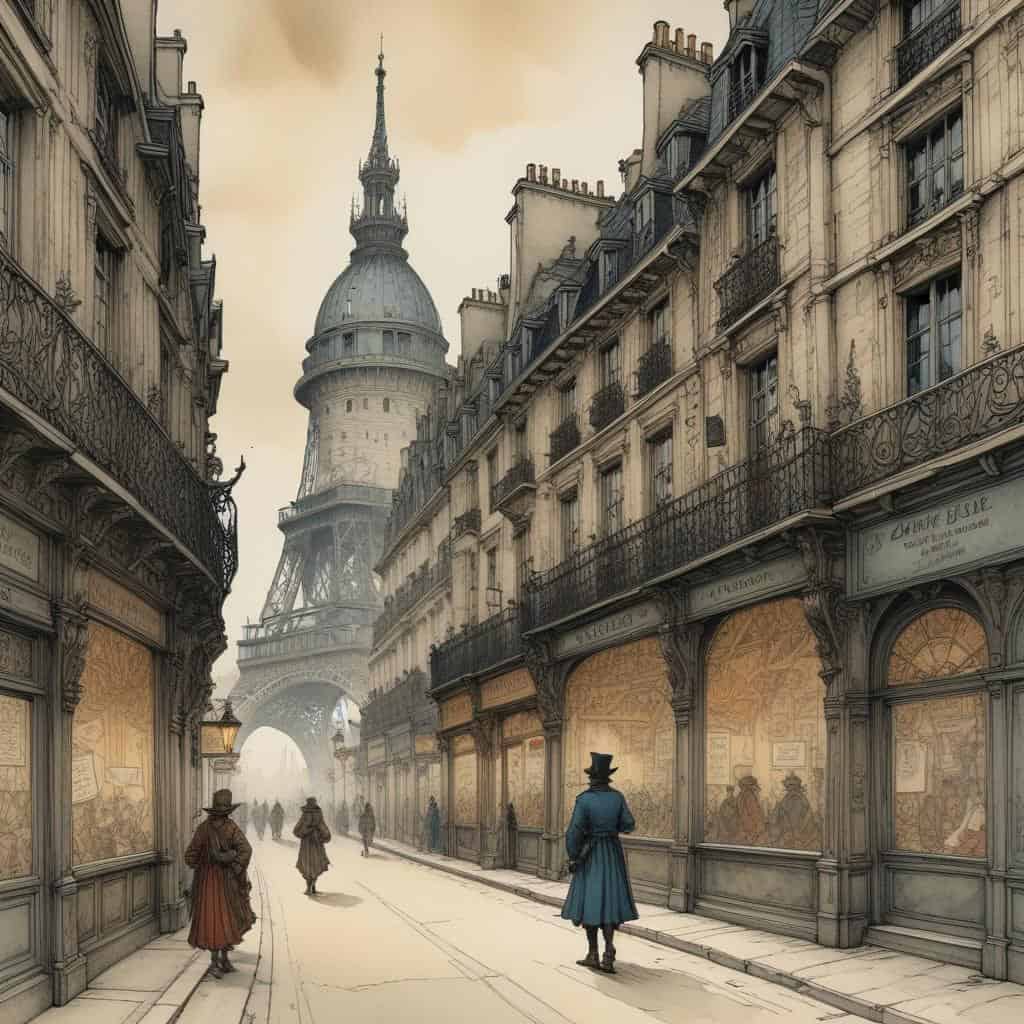


Ray Smith

Geneviève

Émile

Madame Cleo
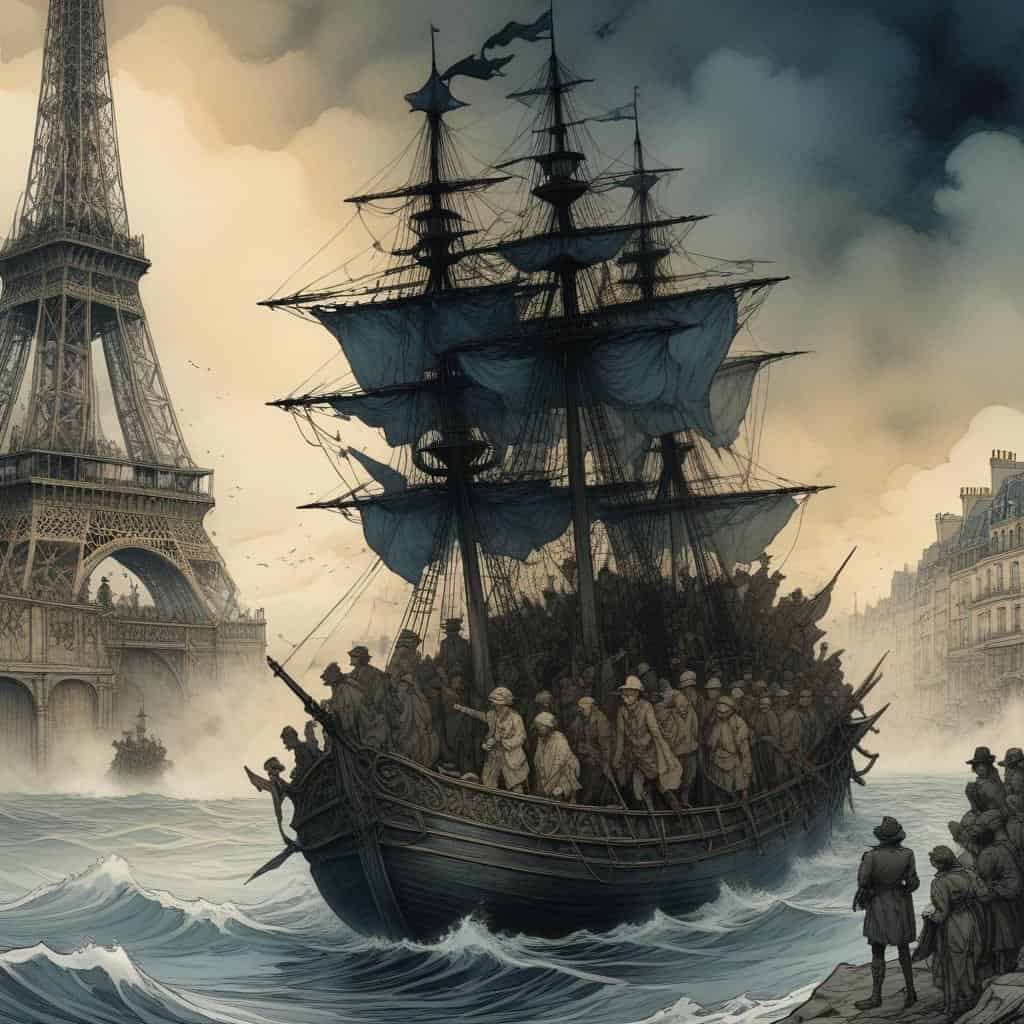
The Journey Begins

Lost in Translation

The Search for Satori
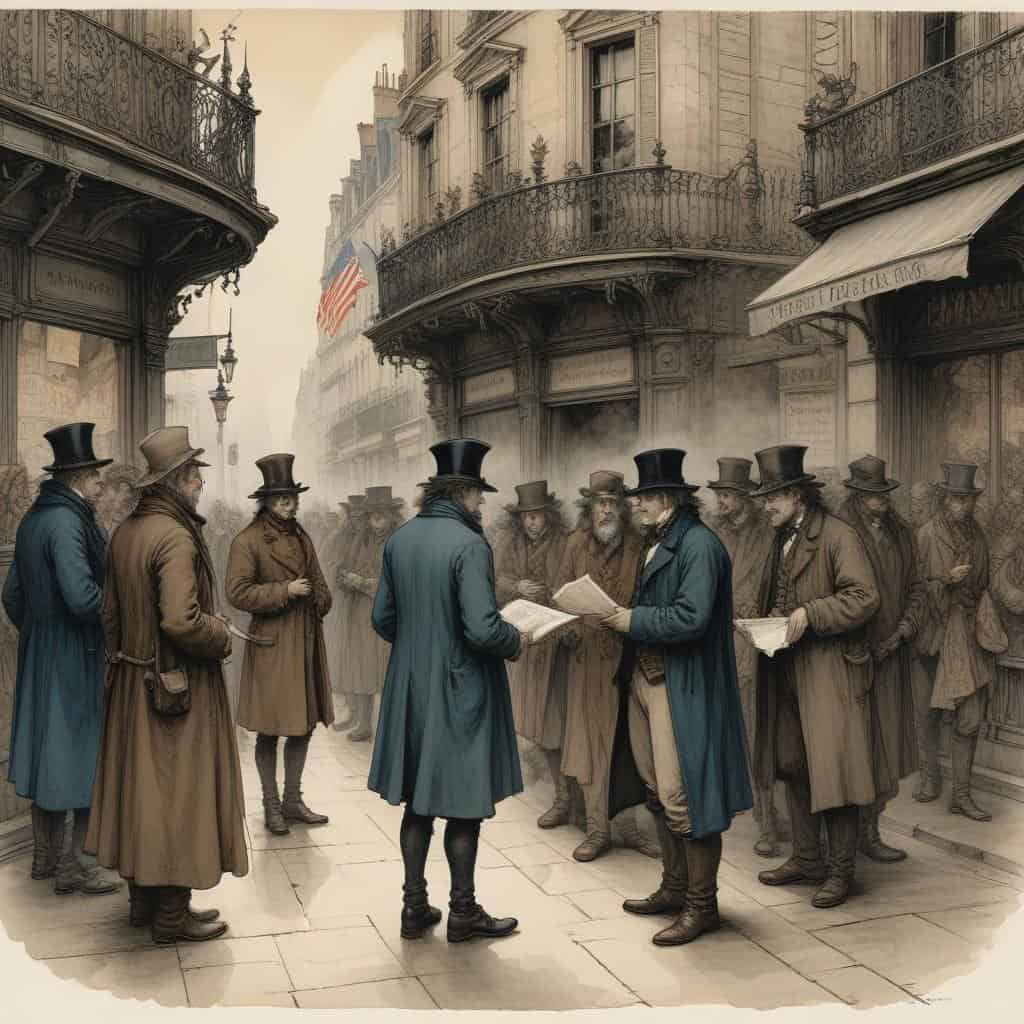
A Meeting of Minds

A Glimpse of Truth

The Essence of Being

A Lesson Learned

The Path to Enlightenment

A Journey of Self-Discovery

Lesson Details & Resources
In a Nutshell
- What: Novella by Jack Kerouac
- When: Written in the mid-20th century
- Who: Jack Duluoz
- Theme: Exploration of self-discovery and spiritual enlightenment
List of Characters in Satori in Paris
-
Satori
Satori is the main character who embarks on a journey to Paris
-
Jack Duluoz
Jack Duluoz is the protagonist who seeks spiritual enlightenment
-
Mardou Fox
Mardou Fox is Jack's love interest and a free-spirited woman
-
Phaedra
Phaedra is a mysterious woman who Jack meets in Paris
-
Pierre
Pierre is a friend of Jack's who helps him navigate the city
Timeline of Satori in Paris
The narrator arrives in Paris, France.
The narrator meets a Parisian named Julien.
The narrator and Julien visit various bars and cafes.
They encounter a group of eccentric characters, including a man named Satori.
Satori shares his philosophy and beliefs with the narrator.
The narrator and Julien witness a chaotic scene at a nightclub.
The narrator participates in a bullfighting event.
The narrator and Julien join a group of people on a journey to find a mysterious treasure.
They travel through the French countryside and encounter various obstacles.
The group eventually finds the treasure, which turns out to be a large stash of marijuana.
The narrator and Julien say their goodbyes and part ways.
The narrator reflects on his experiences and the meaning of life.
Vocabulary List
- Satori
- The novel's title refers to the concept of sudden enlightenment in Zen Buddhism, which the protagonist seeks in Paris.
- Zen Buddhism
- The protagonist's spiritual beliefs are influenced by Zen Buddhism, particularly the idea of living in the present moment.
- Paris
- The novel is set in Paris, where the protagonist embarks on a journey of self-discovery and enlightenment.
- Enlightenment
- The protagonist seeks enlightenment and a deeper understanding of himself and the world around him.
- Spirituality
- The novel explores themes of spirituality and self-discovery as the protagonist navigates the streets of Paris.
- Journey
- The protagonist's journey through Paris is both physical and spiritual, leading him to moments of revelation and insight.
- Self-discovery
- The protagonist's experiences in Paris lead him to confront his own identity and seek a deeper understanding of himself.
- Revelation
- Throughout the novel, the protagonist experiences moments of revelation and insight that help him on his path to enlightenment.
- Insight
- The protagonist gains new insights into himself and the world around him as he navigates the streets of Paris.
- Mindfulness
- The protagonist practices mindfulness and living in the present moment as he seeks enlightenment in Paris.
Key Facts
This is the information used in the fact matching game
- - The story of Satori in Paris was written by Jack Kerouac in 1966.
- - It is a semi-autobiographical novel that follows the adventures of the protagonist, Jack Duluoz.
- - The book is set in both Paris, France, and rural America.
- - Satori refers to a sudden enlightenment or awakening in Zen Buddhism.
- - Jack Duluoz embarks on a journey to Paris to claim his inheritance.
- - The story is filled with encounters with eccentric characters, such as poets, artists, and musicians.
- - Kerouac incorporates elements of his own life and experiences into the narrative.
- - The novel explores themes of identity, spirituality, and the search for meaning in life.
- - Satori in Paris is known for its stream-of-consciousness narrative style.
- - It showcases Kerouac's unique writing technique, known as "spontaneous prose."
- - The book blends elements of fiction, poetry, and memoir.
- - It offers a glimpse into the Beat Generation and its countercultural ideals.
- - Kerouac's love for jazz music is evident in his rhythmic and improvisational writing style.
- - The protagonist's experiences in Paris reflect Kerouac's own desire for adventure and self-discovery.
- - The novel is filled with vivid descriptions of the city's streets, cafes, and nightlife.
- - It explores the contrast between the romanticized image of Paris and the reality of life there.
- - Satori in Paris delves into the complexities of cultural differences and the challenges of assimilation.
- - The narrative often jumps between past and present, blurring the boundaries of time.
- - The book is relatively short, with 152 pages in the original edition.
- - Satori in Paris is considered one of Kerouac's lesser-known works but still holds significance in his literary oeuvre.
Analysis & Significance
Impact on Literature
‘Satori in Paris’ by Jack Kerouac has had a significant impact on literature by introducing readers to the concept of spontaneous prose and the Beat Generation movement. Kerouac’s unique writing style and themes of self-discovery and rebellion against societal norms have inspired generations of writers to experiment with language and storytelling techniques.
Enduring Themes
The timeless themes of self-exploration, freedom, and the search for meaning in ‘Satori in Paris’ still resonate with modern audiences. Kerouac’s exploration of identity and the human experience continues to captivate readers and encourage introspection and contemplation of one’s place in the world.
Cultural Significance Today
‘Satori in Paris’ remains culturally significant today for its contribution to the counterculture movement of the 1950s and 1960s. The novel’s influence can be seen in various forms of art, music, and literature, and it continues to inspire rebellious spirits and free thinkers around the world. Its legacy lives on in the Beat Generation’s enduring impact on American culture and beyond.
Satori in Paris Games


Take Your Learning Offline
Want a convenient, print-ready study guide for this lesson? Become a Memory Wizards Pro member to unlock the downloadable " Memory Scrolls" for this topic and our entire library!
- ✓ Complete Vocabulary Lists
- ✓ Key Facts & Timelines
- ✓ Beautifully Formatted for Print & Mobile