
How Do You Learn Best?
Learn by Listening
Start with the 3-minute audio summary to get the key facts and narrative highlights quickly.
Learn by Reading
Immerse yourself in the 10-minute visual lesson for a comprehensive understanding of the topic.
Learn by Reviewing
Jump directly to the key facts, timeline, and vocabulary lists to build a solid foundation of details.
Learn by Doing
Challenge yourself! Jump straight into the interactive games to learn by trial, error, and discovery.
The Masterpiece: Le Salon de 1824, by François-Joseph Heim

Deconstructing the Masterpiece
No composition analysis points available.
Audio Library
As one of our featured lessons, this topic includes premium audio guides.
Unlock the Wizard's Cram Session
This powerful audio study guide is a Pro-exclusive feature. Upgrade to Memory Wizards Pro to access this and all of our premium learning tools.
Upgrade to ProThe Salon des Refusés: An Analysis in 10 Minutes

The Official Salon

The Rejects

The Birth of the Avant-Garde
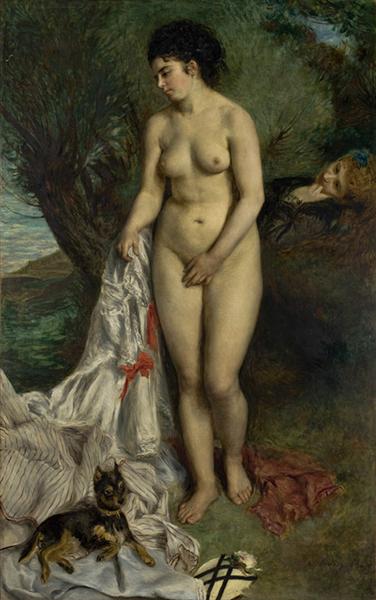
The Public Scandal

The Critics Response

The Legacy of the Salon des Refusés

The Impact on Édouard Manet
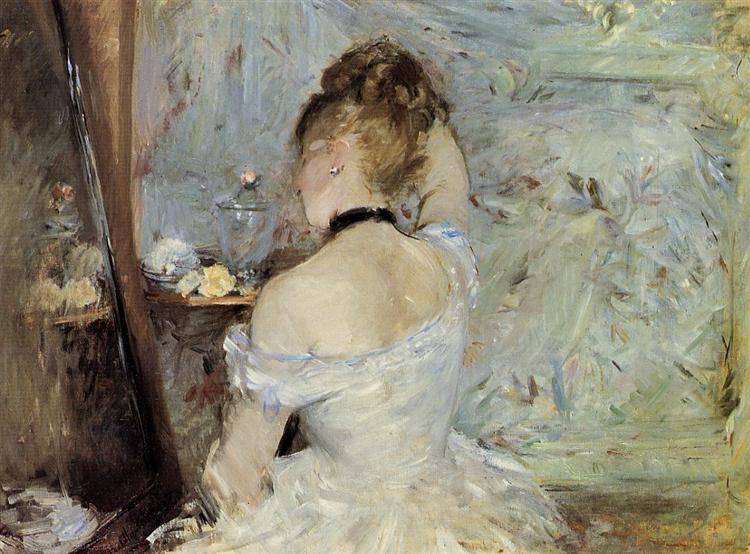
The Aftermath

The Enduring Influence
Lesson Details & Resources
In a Nutshell
- Artist: Édouard Manet
- Year: 1863
- Medium: Oil on canvas
- Location: Musée d’Orsay, Paris
Vocabulary List
- Avant-garde
- The Salon des Refusés showcased the avant-garde artists who were rejected by the official Salon.
- Rejects
- The Salon des Refusés exhibited works that were rejects from the traditional Salon jury.
- Modern art
- The Salon des Refusés is considered the first modern art event.
- Scandal
- The Salon des Refusés caused a scandal due to the controversial nature of the artworks.
- Impressionists
- Artists like Manet who were part of the Salon des Refusés later became known as Impressionists.
- Revolutionary
- The Salon des Refusés was a revolutionary event in the art world.
- Controversial
- The artworks displayed at the Salon des Refusés were controversial and challenged traditional artistic norms.
- Rebellion
- The Salon des Refusés was a rebellion against the conservative tastes of the Salon jury.
- Innovative
- The artists at the Salon des Refusés were known for their innovative approaches to art.
- Nonconformity
- The Salon des Refusés celebrated nonconformity and artistic freedom.
- Experimentation
- The artists at the Salon des Refusés were known for their experimentation with new artistic techniques.
- Radical
- The Salon des Refusés was a radical departure from the traditional art exhibitions of the time.
- Avant-garde
- The Salon des Refusés showcased the avant-garde artists who were rejected by the official Salon.
- Rebellion
- The Salon des Refusés was a rebellion against the conservative tastes of the Salon jury.
- Innovative
- The artists at the Salon des Refusés were known for their innovative approaches to art.
- Controversial
- The artworks displayed at the Salon des Refusés were controversial and challenged traditional artistic norms.
- Scandal
- The Salon des Refusés caused a scandal due to the controversial nature of the artworks.
- Impressionists
- Artists like Manet who were part of the Salon des Refusés later became known as Impressionists.
- Radical
- The Salon des Refusés was a radical departure from the traditional art exhibitions of the time.
- Nonconformity
- The Salon des Refusés celebrated nonconformity and artistic freedom.
Timeline of The Salon des Refusés: An Analysis
The Salon des Refusés is held in Paris, France
Edouard Manet's painting 'Le déjeuner sur l'herbe' is exhibited at the Salon des Refusés
The Salon des Refusés is organized by Emperor Napoleon III
The Salon des Refusés showcases rejected artworks from the official Paris Salon
The Salon des Refusés attracts significant public attention and controversy
Claude Monet's painting 'Impression, Sunrise' is exhibited at the Salon des Refusés
The term 'Impressionism' is coined by art critic Louis Leroy in response to Monet's painting
The Salon des Refusés becomes a platform for avant-garde and experimental artists
Vincent van Gogh's works are exhibited at the Salon des Refusés posthumously
The Salon des Refusés continues to challenge traditional artistic norms and conventions
The Salon des Refusés becomes a symbol of artistic rebellion and innovation
The Salon des Refusés influences the development of modern art movements
The Salon des Refusés inspires artists to explore new forms of expression and creativity
The Salon des Refusés gains recognition for its role in promoting artistic freedom and diversity
The Salon des Refusés is revived in various forms and locations in the 20th and 21st centuries
The legacy of the Salon des Refusés continues to influence contemporary art practices
Artists continue to challenge established institutions and exhibit their works independently
The Salon des Refusés remains a symbol of artistic resistance and innovation in the art world
The concept of the Salon des Refusés inspires alternative art exhibitions and events globally
The Salon des Refusés remains a key moment in the history of art and cultural rebellion
Key Facts
This is the information used in the fact matching game
- The Salon des Refusés was an exhibition of artworks rejected by the official Paris Salon in 1863.
- The Salon des Refusés was organized by Emperor Napoleon III after public outcry over the rejection of many notable artists.
- Édouard Manet's famous painting 'Le Déjeuner sur l'herbe' was one of the most controversial works exhibited at the Salon des Refusés.
- The Salon des Refusés included works by artists such as Camille Pissarro, Paul Cézanne, and Johan Jongkind, who would later become prominent figures in the Impressionist movement.
- The Salon des Refusés marked a turning point in the history of art, as it challenged the traditional standards of the official Salon and paved the way for the emergence of modern art movements.
- The Salon des Refusés was held at the Palais des Champs-Élysées in Paris, attracting significant public attention and controversy.
- The Salon des Refusés showcased over 2,000 artworks, including paintings, sculptures, and prints, rejected by the official Salon jury.
- The Salon des Refusés was not officially recognized by the French government, but it gained popularity among artists and art enthusiasts for its rebellious spirit.
- The term 'Salon des Refusés' translates to 'exhibition of rejects' in English, reflecting the unconventional nature of the artworks displayed.
- Critics of the Salon des Refusés dismissed the exhibited works as 'unfinished' or 'amateurish,' but the event sparked a dialogue about the nature of art and artistic freedom.
- The Salon des Refusés inspired future generations of artists to challenge the norms of the art world and push boundaries in their creative expression.
- Despite the initial controversy, the Salon des Refusés is now regarded as a groundbreaking event that paved the way for the development of modern art movements in the late 19th and early 20th centuries.
- The Salon des Refusés was a significant moment in the history of art curation, as it challenged the authority of the Salon jury and democratized the exhibition of artworks.
- The Salon des Refusés highlighted the changing attitudes towards art and cultural institutions in France during the mid-19th century, leading to greater artistic freedom and experimentation.
- The Salon des Refusés contributed to the rise of independent art exhibitions and alternative galleries in Paris, providing a platform for marginalized artists and innovative artistic practices.
- The Salon des Refusés challenged traditional notions of beauty and realism in art, paving the way for the development of new styles and techniques in painting and sculpture.
- The Salon des Refusés was a turning point in the recognition of avant-garde artists and the acceptance of unconventional art forms in mainstream society.
- The Salon des Refusés brought together artists from diverse backgrounds and artistic movements, creating a sense of community and collaboration among those who were previously marginalized by the official Salon.
- The Salon des Refusés challenged the elitism of the art world and democratized the exhibition of artworks, making art more accessible to a wider audience and promoting artistic diversity.
- The Salon des Refusés sparked debates about the role of art in society and the power of artistic expression to provoke social change and cultural transformation.
Analysis & Significance
Artistic Innovation
The Salon des Refusés challenged the traditional art establishment by showcasing rejected works that defied academic norms. This exhibition introduced the public to avant-garde styles, such as Impressionism, which prioritized capturing fleeting moments of light and color in a more spontaneous and expressive manner.
Influence on Art History
The Salon des Refusés paved the way for modern art movements, inspiring artists to break free from conventional techniques and subject matter. It encouraged experimentation and innovation, leading to the development of diverse artistic styles and the democratization of the art world.
Cultural Significance Today
The Salon des Refusés remains a symbol of artistic rebellion and the power of challenging established norms. It continues to inspire contemporary artists to push boundaries, question authority, and redefine the meaning of art in a constantly evolving society.
The Salon des Refusés: An Analysis Games


Take Your Learning Offline
Want a convenient, print-ready study guide for this lesson? Become a Memory Wizards Pro member to unlock the downloadable " Memory Scrolls" for this topic and our entire library!
- ✓ Complete Vocabulary Lists
- ✓ Key Facts & Timelines
- ✓ Beautifully Formatted for Print & Mobile