
How Do You Learn Best?
Learn by Listening
Start with the 3-minute audio summary to get the key facts and narrative highlights quickly.
Learn by Reading
Immerse yourself in the 10-minute visual lesson for a comprehensive understanding of the topic.
Learn by Reviewing
Jump directly to the key facts, timeline, and vocabulary lists to build a solid foundation of details.
Learn by Doing
Challenge yourself! Jump straight into the interactive games to learn by trial, error, and discovery.
The Masterpiece: Henri Félix Emmanuel Philippoteaux

Deconstructing the Masterpiece
No composition analysis points available.
Audio Library
As one of our featured lessons, this topic includes premium audio guides.
Unlock the Wizard's Cram Session
This powerful audio study guide is a Pro-exclusive feature. Upgrade to Memory Wizards Pro to access this and all of our premium learning tools.
Upgrade to ProThe 1848 Revolution: An Analysis in 10 Minutes

The 1848 Uprisings and Political Unrest
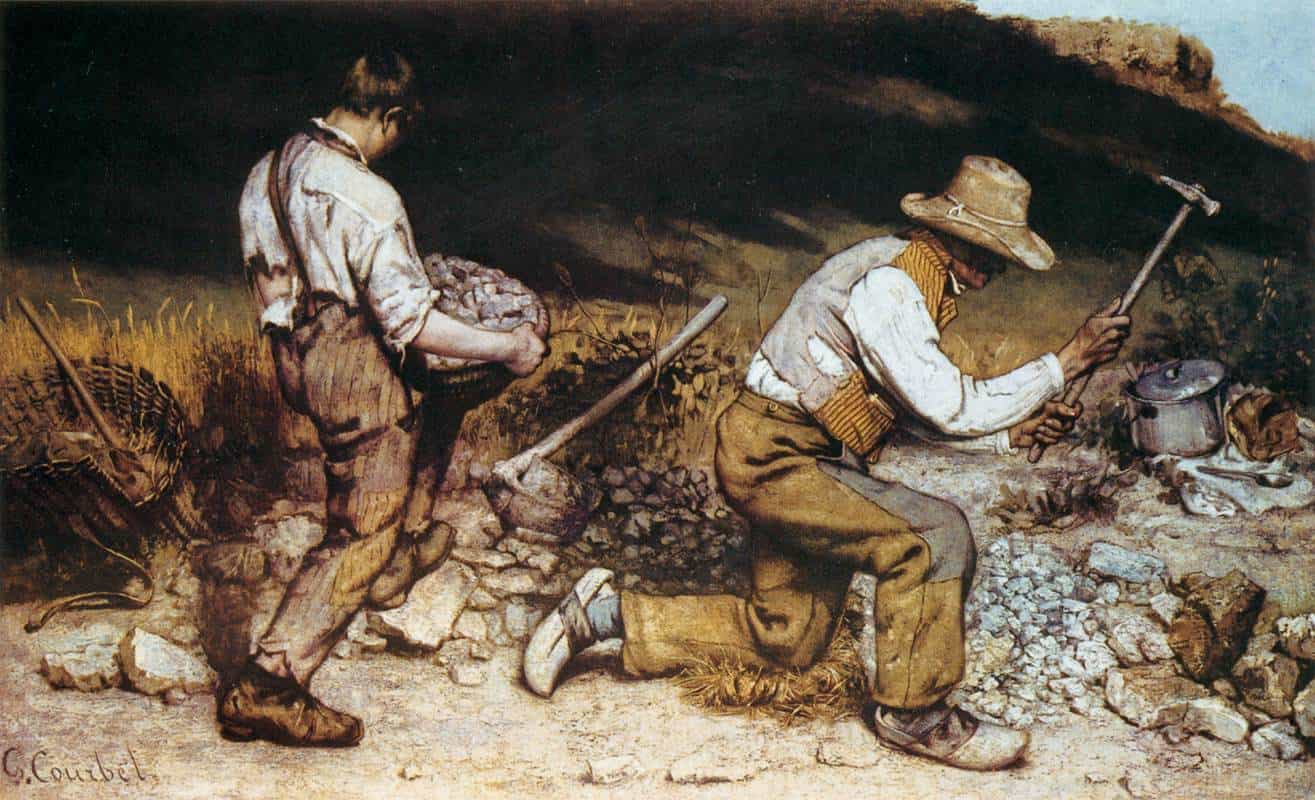
The Birth of Realism
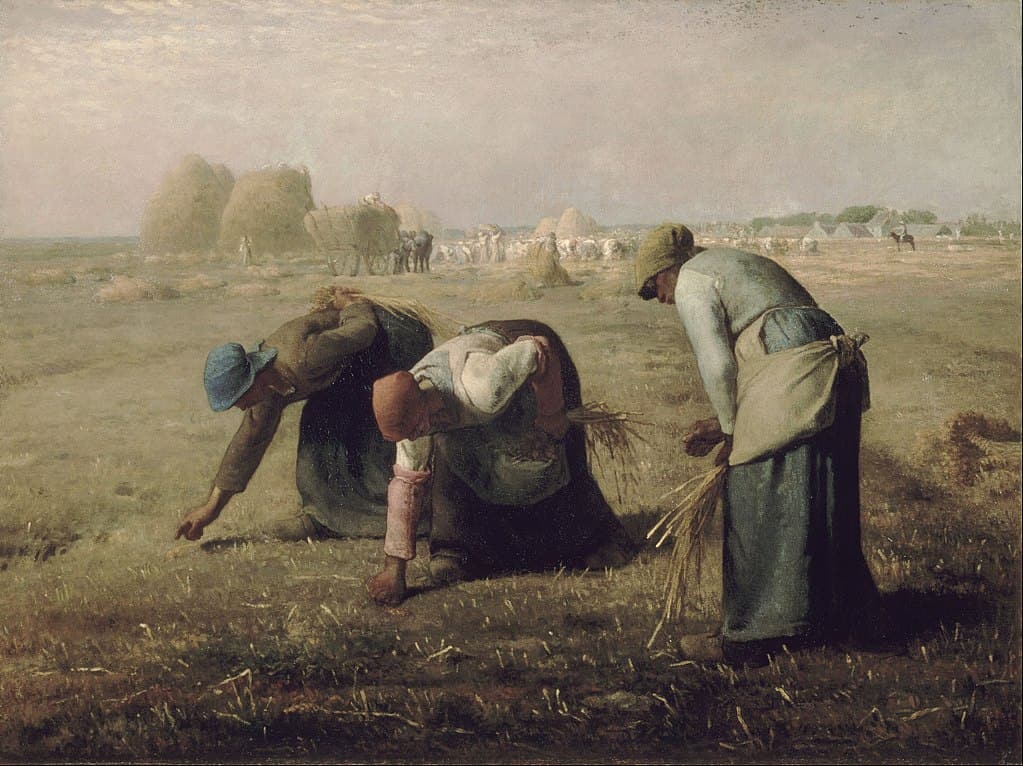
Class Consciousness in Art

Championing Social Justice

Depicting Everyday Life

The Influence of Photography

Art as a Tool for Social Change

Legacy of the 1848 Revolution

Impact on Modern Art
Lesson Details & Resources
In a Nutshell
- Artist: Eugène Delacroix
- Year: 1830
- Medium: Oil on canvas
- Location: Louvre Museum, Paris
Vocabulary List
- Revolution
- The 1848 Revolution in Europe sparked a wave of artistic expression and political upheaval.
- Uprising
- The 1848 uprisings across Europe challenged the existing power structures and inspired artists to reflect on social issues.
- Class
- Realist artists in the 1848 Revolution depicted the struggles of the working class in their art.
- Labor
- The 1848 Revolution in Art History highlighted the importance of labor and workers' rights.
- Social justice
- Realist artists in the wake of the 1848 Revolution sought to address social injustices through their work.
- Political
- The 1848 Revolution in Art History was deeply intertwined with political movements and ideologies.
- Expression
- Artists used their work as a form of expression during the tumultuous period of the 1848 Revolution.
- Movement
- The Realist movement emerged in response to the events of the 1848 Revolution.
- Artist
- Many artists were inspired by the events of the 1848 Revolution to create politically charged works.
- Europe
- The 1848 Revolution in Art History had a significant impact on artistic movements across Europe.
- Power
- Realist artists in the aftermath of the 1848 Revolution sought to challenge existing power structures.
- Struggle
- Realist artists depicted the struggles of everyday life in the wake of the 1848 Revolution.
- Workers' rights
- The 1848 Revolution in Art History brought attention to the importance of protecting workers' rights.
- Ideologies
- Artists in the Realist movement of the 1848 Revolution were influenced by various political ideologies.
- Tumultuous
- The period following the 1848 Revolution was marked by tumultuous political and social change.
- Charged
- Realist artists created politically charged works in response to the events of the 1848 Revolution.
- Inspired
- Many artists were inspired by the ideals of the 1848 Revolution to create powerful works of art.
- Impact
- The 1848 Revolution had a lasting impact on the course of art history in Europe.
- Everyday life
- Realist artists sought to capture the struggles of everyday life in the aftermath of the 1848 Revolution.
- Protecting
- Realist artists advocated for protecting the rights of workers in the wake of the 1848 Revolution.
Timeline of The 1848 Revolution: An Analysis
February 1848: French Revolution of 1848 begins, leading to the abdication of King Louis-Philippe and the establishment of the Second French Republic.
March 1848: Uprisings spread across Europe, including in Germany, Italy, and Hungary, as people demand political reform and social change.
April 1848: The Frankfurt Parliament is convened in Germany, with the goal of creating a unified German state and constitution.
June 1848: Workers in Paris revolt against the government, leading to the June Days Uprising and the suppression of the working class by the French army.
July 1848: The Seneca Falls Convention is held in the United States, focusing on women's rights and equality.
August 1848: The Revolutions of 1848 reach their peak, with uprisings in Austria, Poland, and other countries challenging the status quo.
September 1848: The French government declares a state of siege in Paris, cracking down on dissent and unrest in the city.
October 1848: The Hungarian Revolution of 1848 begins, as Hungarians demand independence from Austrian rule.
November 1848: The Revolutions of 1848 begin to falter, with many uprisings being suppressed or failing to achieve their goals.
December 1848: The Frankfurt Parliament is dissolved, marking the end of the hopes for a unified Germany in 1848.
January 1849: The Hungarian Revolution is crushed by Austrian and Russian forces, leading to a period of repression in Hungary.
February 1849: The French government restores order in Paris, bringing an end to the revolutionary fervor of 1848.
March 1849: The Italian states continue to struggle for independence and unification, with conflicts between different factions and foreign powers.
April 1849: The Revolutions of 1848 officially come to an end, as governments across Europe reassert their control and crack down on dissent.
May 1849: The Realist movement in art begins to emerge, with artists like Gustave Courbet and Honoré Daumier focusing on depictions of everyday life and social issues.
June 1849: The painting 'The Stonebreakers' by Gustave Courbet is exhibited at the Paris Salon, marking a turning point in the representation of labor and class in art.
July 1849: The Realist movement gains momentum, with artists in France and other countries exploring themes of social justice, inequality, and the struggles of the working class.
August 1849: Honoré Daumier's lithographs depicting political satire and social commentary become popular in Paris, influencing other artists in the Realist movement.
September 1849: The first Realist exhibition is held in Paris, featuring works by Courbet, Daumier, and other artists who are challenging the traditional norms of academic art.
October 1849: The Realist movement continues to grow in influence, inspiring artists across Europe to engage with contemporary social and political issues in their work.
Key Facts
This is the information used in the fact matching game
- The 1848 Revolution, also known as the Springtime of Peoples, was a series of political upheavals across Europe.
- The revolution began in France in February 1848 and quickly spread to other countries.
- The revolutions were fueled by demands for political reform, social justice, and economic equality.
- Artists during this time were inspired by the revolutionary spirit and began to focus on themes of social realism.
- Many Realist artists depicted scenes of everyday life, including the struggles of the working class.
- The 1848 Revolution inspired a new generation of artists to create works that reflected the social and political issues of the time.
- Realist artists sought to capture the reality of the world around them, including the hardships faced by the working class.
- Gustave Courbet, a leading Realist artist, painted 'The Stonebreakers' in 1849, depicting two laborers working in harsh conditions.
- Honore Daumier, another Realist artist, created satirical prints that critiqued the social and political injustices of the time.
- Realist artists often used their work to advocate for social change and raise awareness of the plight of the working class.
- The Realist movement was a direct response to the political and social upheavals of the 1848 Revolution.
- Realist artists rejected the idealized and romanticized subjects of previous art movements in favor of portraying the reality of everyday life.
- The Realist movement laid the groundwork for later art movements, such as Impressionism and Post-Impressionism.
- The 1848 Revolution marked a turning point in European history and had a lasting impact on art and culture.
- Realist artists believed in the power of art to effect social change and challenge the status quo.
- The Realist movement emphasized the importance of depicting the world as it is, rather than how it should be.
- The 1848 Revolution inspired artists to use their work as a tool for political activism and social reform.
- Realist artists aimed to give a voice to the marginalized and oppressed members of society through their art.
- The Realist movement challenged traditional notions of art and paved the way for a more socially conscious approach to artistic expression.
- The legacy of the 1848 Revolution can be seen in the continued relevance of Realist art and its focus on social justice and political activism.
Analysis & Significance
Artistic Innovation
The artwork ‘The 1848 Revolution’ introduced a bold and dynamic depiction of a historical event, capturing the intensity and chaos of the revolutionary movement. The use of vibrant colors and dramatic composition conveyed the passion and energy of the uprising, breaking away from traditional historical paintings that were more static and formal.
Influence on Art History
‘The 1848 Revolution’ marked a shift towards more politically and socially engaged art, inspiring future artists to use their work as a platform for activism and change. Its portrayal of ordinary people rising up against oppression influenced the development of realism and social commentary in art, paving the way for movements like Social Realism and Political Art.
Cultural Significance Today
Today, ‘The 1848 Revolution’ remains a powerful symbol of resistance and the fight for social justice. Its depiction of ordinary citizens standing up for their rights continues to resonate with audiences around the world, inspiring discussions about the role of art in activism and the representation of historical events. The artwork’s relevance and impact on contemporary society solidify its status as a timeless masterpiece.
The 1848 Revolution: An Analysis Games


Take Your Learning Offline
Want a convenient, print-ready study guide for this lesson? Become a Memory Wizards Pro member to unlock the downloadable " Memory Scrolls" for this topic and our entire library!
- ✓ Complete Vocabulary Lists
- ✓ Key Facts & Timelines
- ✓ Beautifully Formatted for Print & Mobile