
How Do You Learn Best?
Learn by Listening
Start with the 3-minute audio summary to get the key facts and narrative highlights quickly.
Learn by Reading
Immerse yourself in the 10-minute visual lesson for a comprehensive understanding of the topic.
Learn by Reviewing
Jump directly to the key facts, timeline, and vocabulary lists to build a solid foundation of details.
Learn by Doing
Challenge yourself! Jump straight into the interactive games to learn by trial, error, and discovery.
The Masterpiece: Honoré Daumier - 3rd class carriage

Deconstructing the Masterpiece
No composition analysis points available.
Audio Library
As one of our featured lessons, this topic includes premium audio guides.
Unlock the Wizard's Cram Session
This powerful audio study guide is a Pro-exclusive feature. Upgrade to Memory Wizards Pro to access this and all of our premium learning tools.
Upgrade to ProHonoré Daumier: An Analysis in 10 Minutes
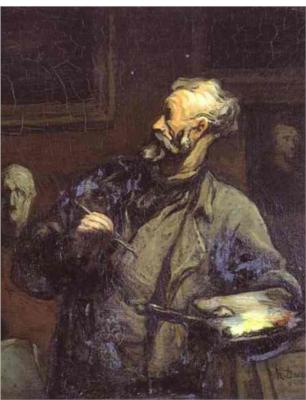
The Early Life of Honoré Daumier
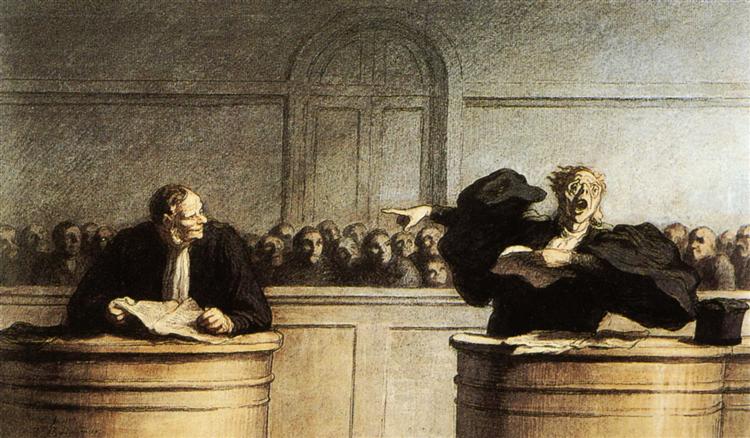
The Transition to Realism

The Impact of Daumiers Political Cartoons
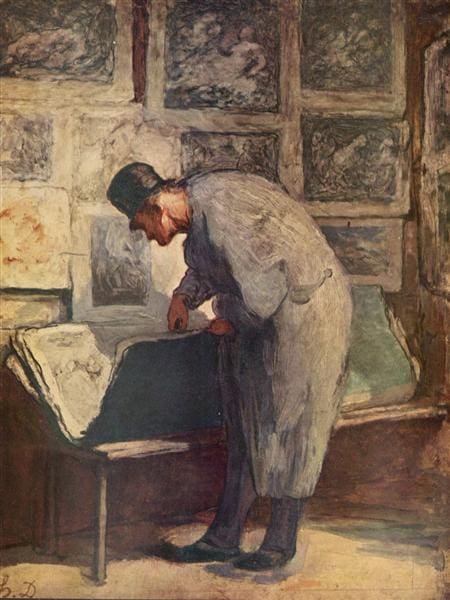
Daumiers Influence on Future Artists
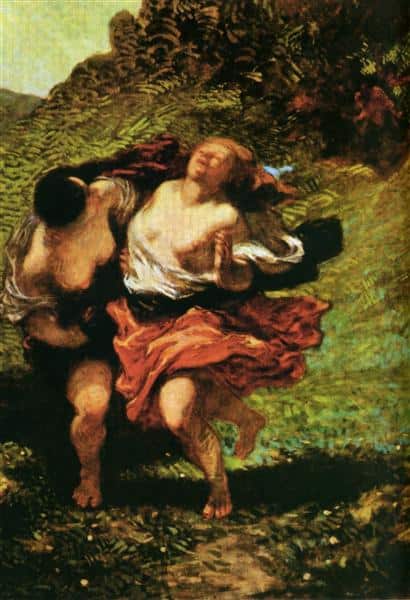
The Versatility of Daumiers Art

The Legacy of Daumiers Work
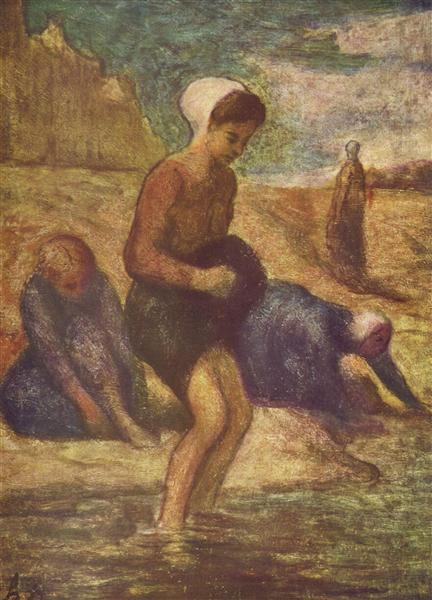
Daumiers Commitment to Social Justice
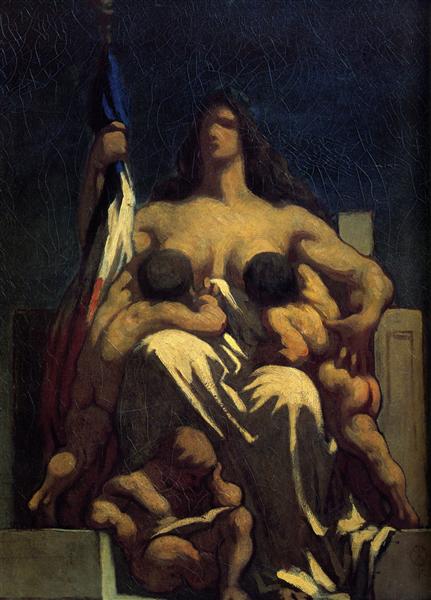
Daumiers Influence on Modern Art
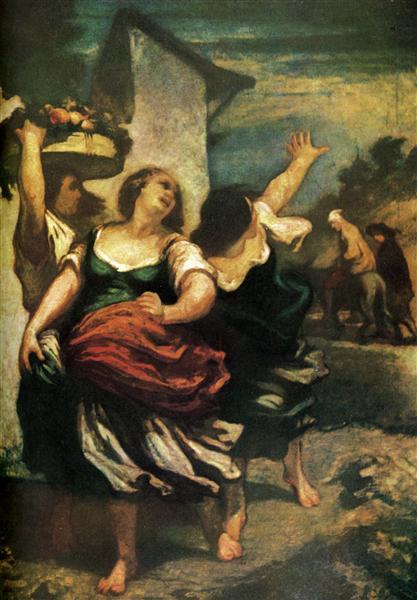
The Enduring Relevance of Daumiers Art
Lesson Details & Resources
In a Nutshell
- Artist: Honoré Daumier
- Year: 1862
- Medium: Lithograph
- Location: Museum of Fine Arts, Boston
Vocabulary List
- Caricature
- Daumier was known for his satirical caricatures of the French government and society.
- Satire
- His artwork often used satire to criticize the political and social issues of his time.
- Social commentary
- Daumier's work is a powerful form of social commentary on the injustices of his era.
- Political cartoon
- Many of Daumier's pieces were political cartoons that criticized the ruling class.
- Realism
- His artwork is often associated with the realist movement, depicting everyday life in a truthful manner.
- Sketch
- Daumier's sketches were often the basis for his more finished lithographs and paintings.
- Lithograph
- He was a master of the lithograph technique, using it to produce many of his most famous works.
- Grotesque
- Some of his caricatures are so exaggerated and grotesque that they border on the surreal.
- Protest art
- Daumier's art can be seen as a form of protest against the injustices of his time.
- Critique
- His work is a powerful critique of the corruption and hypocrisy of the French government.
- Controversial
- Daumier's work was often controversial, leading to legal troubles and censorship.
- Freedom of speech
- His art was a powerful defense of freedom of speech and expression.
- Irony
- Daumier often used irony in his artwork to highlight the absurdity of the political system.
- Social reform
- Many of his pieces called for social reform and justice for the working class.
- Caricaturist
- Daumier was a renowned caricaturist, known for his ability to capture the essence of his subjects in a few strokes.
- Critic
- He was a harsh critic of the monarchy and the bourgeois society of his time.
- Skilled draftsman
- Daumier was a skilled draftsman, able to capture the essence of his subjects with just a few lines.
- Radical
- His artwork was considered radical for its time, challenging the status quo and calling for change.
- Humor
- Despite the serious subject matter, Daumier's work often contained a touch of humor.
- Poverty
- Many of his works depicted the poverty and suffering of the lower classes in France.
Timeline of Honoré Daumier: An Analysis
Key Facts
This is the information used in the fact matching game
- Honoré Daumier was a French artist known for his satirical and political caricatures.
- Daumier produced over 4,000 lithographs during his career.
- He was also a painter, sculptor, and printmaker.
- Daumier's work often criticized the French government and social issues of his time.
- His most famous series of lithographs, 'Les Gens de Justice' (The Legal Profession), targeted corruption in the legal system.
- Daumier's work was influential in the development of modern art and satire.
- He was imprisoned for six months in 1832 for his political cartoons.
- Daumier's paintings often depicted scenes of everyday life in Paris.
- He was associated with the Realist movement in art.
- Daumier's sculptures were mostly small, expressive busts of famous individuals.
- He was a contemporary of artists such as Gustave Courbet and Édouard Manet.
- Daumier's work was rediscovered and appreciated by the Impressionists in the late 19th century.
- He was known for his skillful draftsmanship and ability to capture emotion in his subjects.
- Daumier's work was often published in newspapers and magazines.
- He was a prolific artist, producing hundreds of drawings and paintings in addition to his lithographs.
- Daumier's work is now held in major museums and collections around the world.
- He was known for his keen observation of human behavior and social commentary.
- Daumier's work continues to be studied and appreciated for its wit and insight into 19th-century French society.
- He died in 1879, leaving behind a legacy of art that still resonates today.
- Daumier's work has been exhibited in major retrospectives in museums such as the Louvre and the Metropolitan Museum of Art.
Analysis & Significance
Artistic Innovation
Honoré Daumier’s satirical and caricatured style in his lithographs challenged the societal norms and political structures of his time. Through his bold and expressive use of line and form, he brought attention to the injustices and inequalities of 19th-century France, paving the way for social commentary in art.
Influence on Art History
Daumier’s sharp wit and critical eye influenced a generation of artists, including the Impressionists and Post-Impressionists. His emphasis on capturing the essence of his subjects rather than their physical likeness heralded a shift towards more expressive and emotionally charged art forms. His work also laid the foundation for modern political cartoons and graphic novels.
Cultural Significance Today
Today, Daumier’s work continues to resonate with audiences worldwide as a powerful commentary on social issues and human nature. His ability to blend humor with sharp criticism has solidified his reputation as a master of satire. His lithographs are prized possessions in museums and private collections, showcasing his enduring impact on the art world.
Honoré Daumier: An Analysis Games


Take Your Learning Offline
Want a convenient, print-ready study guide for this lesson? Become a Memory Wizards Pro member to unlock the downloadable " Memory Scrolls" for this topic and our entire library!
- ✓ Complete Vocabulary Lists
- ✓ Key Facts & Timelines
- ✓ Beautifully Formatted for Print & Mobile