
The Teletransporter Thought Experiment
Can you truly be yourself after being teletransported?
How Do You Learn Best?
Learn by Reading
Immerse yourself in the 10-minute visual lesson for a comprehensive understanding of the topic.
Learn by Reviewing
Jump directly to the key facts, timeline, and vocabulary lists to build a solid foundation of details.
Learn by Doing
Challenge yourself! Jump straight into the interactive games to learn by trial, error, and discovery.
The Teletransporter Thought Experiment in 10 Minutes
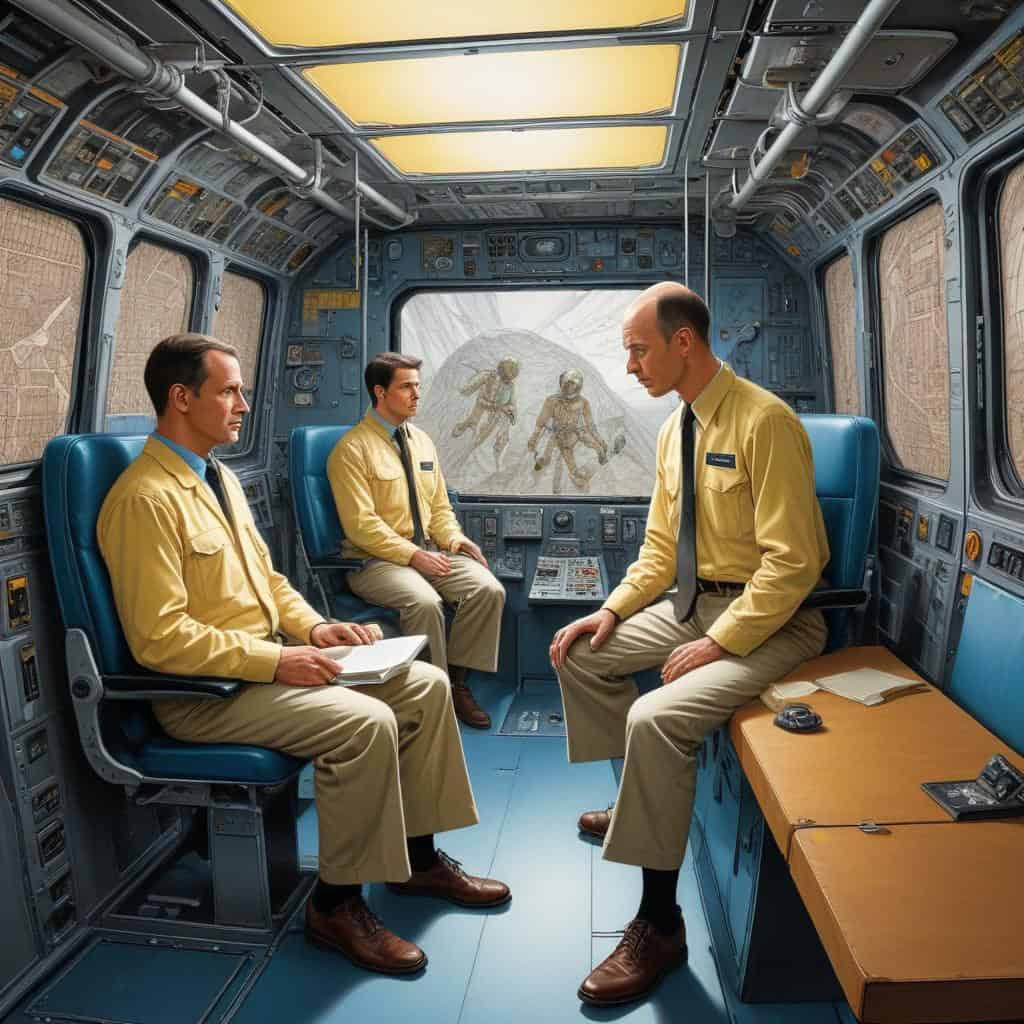
Introduction
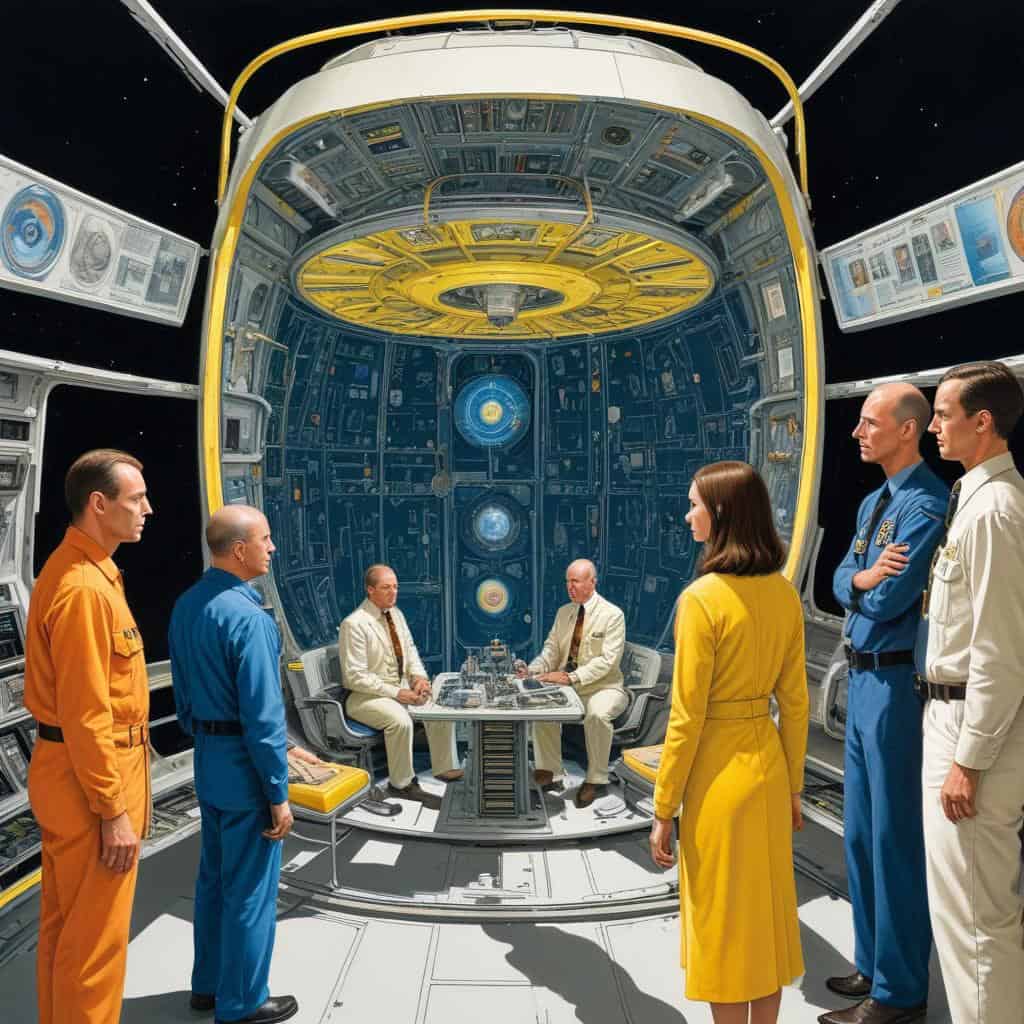

Derek Parfit

The Teletransporter Thought Experiment

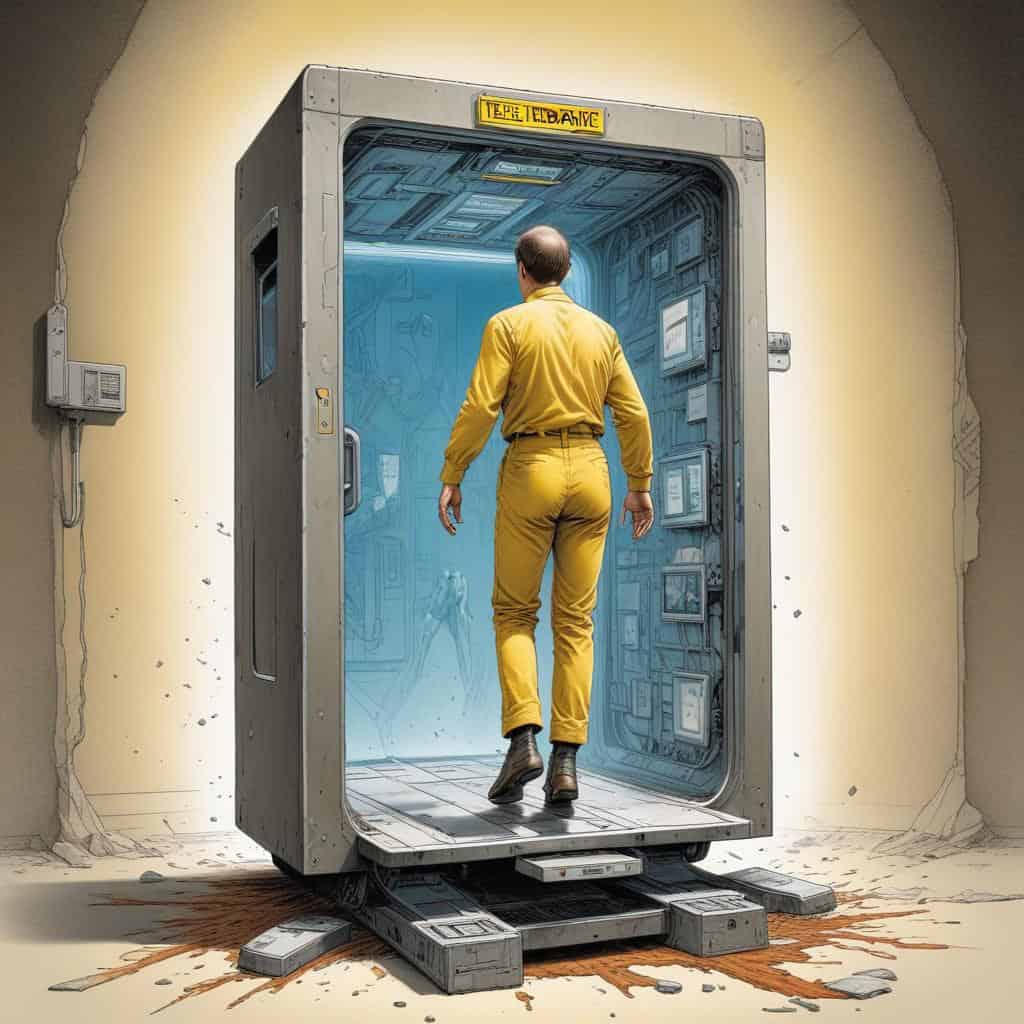
Step 1: Teletransporter Activation
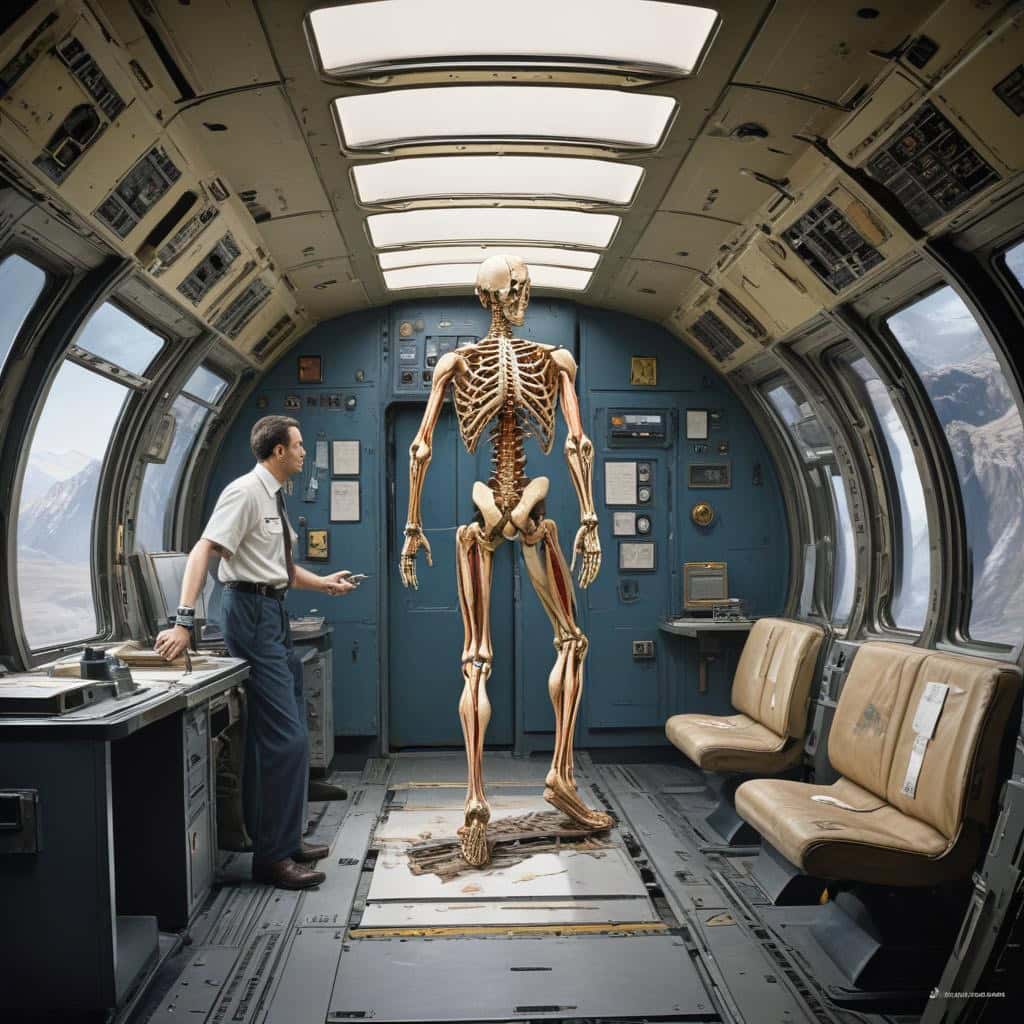
Step 2: Body Reconstruction

Step 3: Awakening

Step 4: Identity Crisis

Step 5: Persistence of Self

Step 6: Philosophical Implications

Step 7: Thought Experiments

Step 8: Ethical Dilemmas

Step 9: Continuing Debate
Lesson Details & Resources
In a Nutshell
- Concept: A thought experiment exploring personal identity and the nature of consciousness.
- Thinkers: Derek Parfit, 20th Century.
- Central Question: What makes us the same person over time?
- Core Implication: Personal identity may not be as fixed or continuous as commonly believed.
Timeline of The Teletransporter Thought Experiment
The Teletransporter thought experiment is proposed by Derek Parfit
The Teletransporter is described as a machine that can scan a person's body and create an exact duplicate at a different location
Philosopher David Lewis presents a counterargument to the Teletransporter thought experiment
The concept of personal identity and continuity of consciousness is debated in relation to the Teletransporter
Various philosophical theories are proposed to explain the implications of the Teletransporter thought experiment
Ethical considerations regarding the use of Teletransporters are discussed in academic circles
The Teletransporter thought experiment is featured in popular culture and science fiction literature
Scientists explore the possibility of creating real-life Teletransporter technology
Public debates on the implications of Teletransporters for society and individual identity gain momentum
Philosophers continue to refine their arguments and counterarguments regarding the Teletransporter thought experiment
The Teletransporter is used as a thought experiment in discussions on artificial intelligence and transhumanism
Neuroscientists conduct studies on the brain and consciousness to provide insights into the Teletransporter thought experiment
Legal scholars consider the implications of Teletransporters for issues such as personal rights and property ownership
The Teletransporter thought experiment inspires new philosophical inquiries into the nature of self and identity
The Teletransporter is referenced in discussions on the ethics of human cloning and genetic engineering
The Teletransporter thought experiment continues to be a popular topic in philosophical debates and academic research
New advancements in technology raise questions about the feasibility and implications of real-world Teletransporters
The Teletransporter thought experiment is used as a teaching tool in classrooms and seminars on philosophy and ethics
Philosophers and scientists collaborate on interdisciplinary research projects to explore the implications of the Teletransporter on society and individual identity
The Teletransporter thought experiment is featured in a documentary on the intersection of technology and philosophy
Vocabulary List
- Teletransporter
- The teletransporter in the thought experiment is used to explore questions about personal identity and consciousness.
- Thought experiment
- The teletransporter thought experiment is a classic example of a philosophical thought experiment.
- Personal identity
- The teletransporter thought experiment raises questions about whether a person's personal identity remains intact after being teletransported.
- Consciousness
- Some versions of the teletransporter thought experiment involve transferring a person's consciousness along with their physical body.
Key Facts
This is the information used in the fact matching game
- The Teletransporter Thought Experiment was first introduced by philosopher Derek Parfit in his book 'Reasons and Persons'.
- The Teletransporter Thought Experiment explores questions about personal identity and the nature of consciousness.
- In the Teletransporter scenario, a person's body is scanned and destroyed, while an exact replica is created at a different location.
- The thought experiment raises questions about whether the replica is the same person as the original, or if it is a different individual.
- Some philosophers argue that personal identity is not tied to physical continuity, but rather to psychological connectedness.
- The Teletransporter Thought Experiment challenges intuitions about the nature of self and consciousness.
- Parfit's thought experiment has been influential in discussions of personal identity in philosophy and science fiction.
- Some argue that the Teletransporter scenario raises ethical concerns about the treatment of individuals in such a situation.
- The thought experiment has been used to explore questions of consciousness uploading and mind transfer in science fiction.
- The Teletransporter Thought Experiment is often used to challenge beliefs about the persistence of personal identity over time.
- Some philosophers argue that the Teletransporter scenario demonstrates that personal identity is not a fixed or essential property.
- The thought experiment raises questions about the relationship between physical bodies and personal identity.
- Parfit's exploration of the Teletransporter scenario has led to further debates about the nature of self and consciousness.
- Some argue that the Teletransporter Thought Experiment challenges traditional notions of what it means to be the same person over time.
- The thought experiment has been used to explore the concept of personal identity in relation to memory and continuity of experience.
- Parfit's Teletransporter scenario has influenced discussions about the metaphysics of personal identity in philosophy.
- Some philosophers argue that the Teletransporter Thought Experiment challenges assumptions about the uniqueness and persistence of personal identity.
- The thought experiment has been used to explore questions about the nature of self-awareness and subjective experience.
- Parfit's Teletransporter scenario has been influential in shaping contemporary discussions about personal identity and consciousness.
- The Teletransporter Thought Experiment challenges intuitions about the boundaries of personal identity and the nature of selfhood.
Analysis & Significance
The Core Argument
In the Teletransporter Thought Experiment, individuals are teleported from one location to another by disassembling their atoms and reassembling them elsewhere. The central question is whether the person who is reassembled at the destination is the same person as the one who was disassembled.
Criticisms and Counterarguments
Some critics argue that the concept of personal identity is more complex than just physical continuity, pointing to the importance of psychological continuity and memory. Others question the ethical implications of teleportation, raising concerns about the potential loss of individuality and autonomy in the process.
Modern Relevance
The Teletransporter Thought Experiment forces us to confront the nature of identity and the boundaries of selfhood in an age of advancing technology. As we grapple with issues of privacy, artificial intelligence, and digital immortality, the philosophical exploration of personal identity remains crucial in shaping our understanding of ethics and individual rights in the digital age.
The Teletransporter Thought Experiment Games


Take Your Learning Offline
Want a convenient, print-ready study guide for this lesson? Become a Memory Wizards Pro member to unlock the downloadable " Memory Scrolls" for this topic and our entire library!
- ✓ Complete Vocabulary Lists
- ✓ Key Facts & Timelines
- ✓ Beautifully Formatted for Print & Mobile