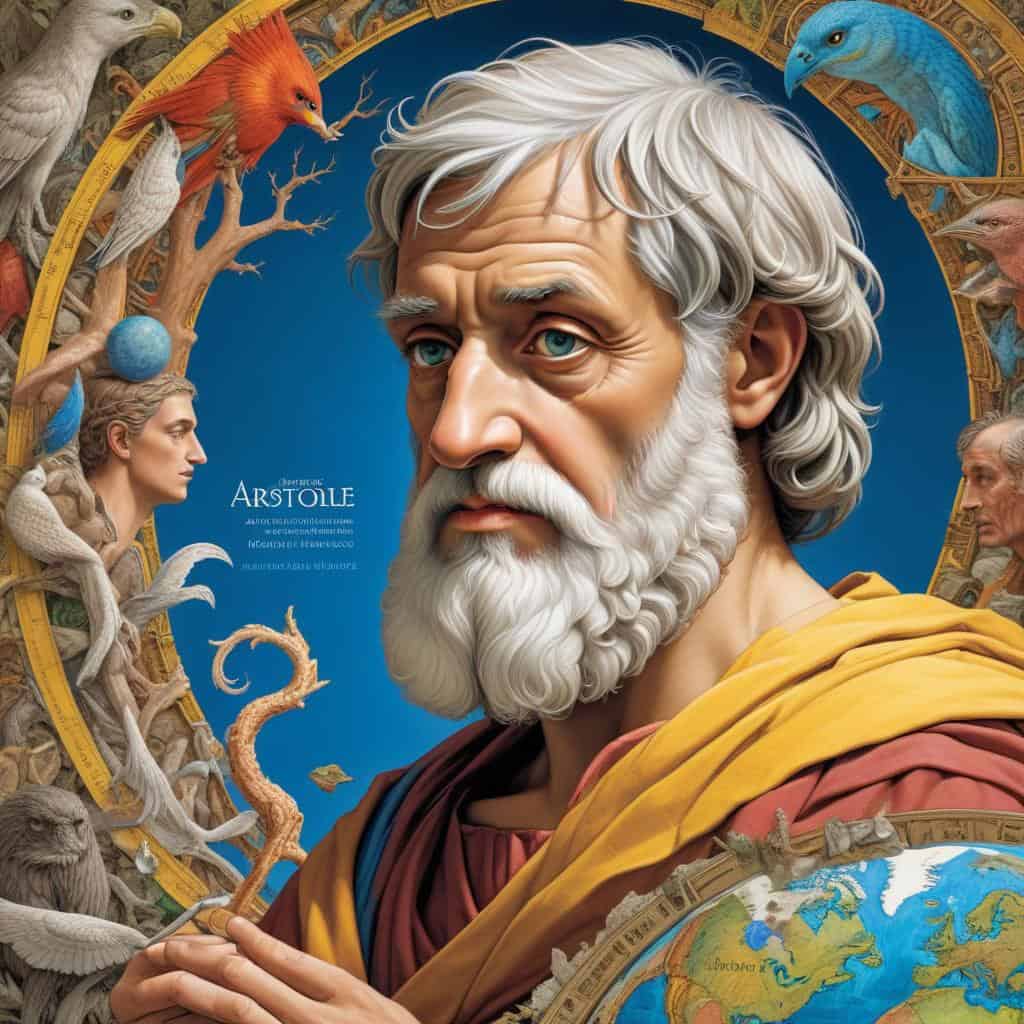
Aristotle's Theory Of Final Causes

What is the ultimate purpose behind everything in the universe?

How Do You Learn Best?

Note: You can explore any or all of these paths in any order you prefer!

Aristotle's Theory Of Final Causes in 10 Minutes
Introduction
Introduction

Aristotle, one of the greatest philosophers of ancient Greece, developed a theory known as the Theory of Final Causes. This theory seeks to explain the purpose or end goal of things in the natural world. By understanding final causes, we can gain insight into why things exist and how they function.

In this comprehensive summary, we will delve into Aristotle's Theory of Final Causes and explore its implications for philosophy and science. We will examine how final causes differ from other types of causes, such as efficient causes, and how they shape our understanding of the universe.

By unlocking Aristotle's Theory of Final Causes, we can gain a deeper appreciation for the complexity and interconnectedness of the world around us. This theory continues to influence modern thought and provides a unique perspective on the nature of existence and purpose.

1. Aristotle

1. Aristotle

Ancient Greek philosopher who developed the Theory of Final Causes, also known as teleology, which posits that all things have a purpose or goal towards which they naturally strive.

2. Socrates

2. Socrates

Philosopher and teacher of Plato, whose teachings influenced Aristotle's own philosophical theories, including his thoughts on final causes.

3. Plato

3. Plato

Another ancient Greek philosopher who believed in the existence of an ideal world of Forms, which influenced Aristotle's ideas about the ultimate purpose or goal of things.

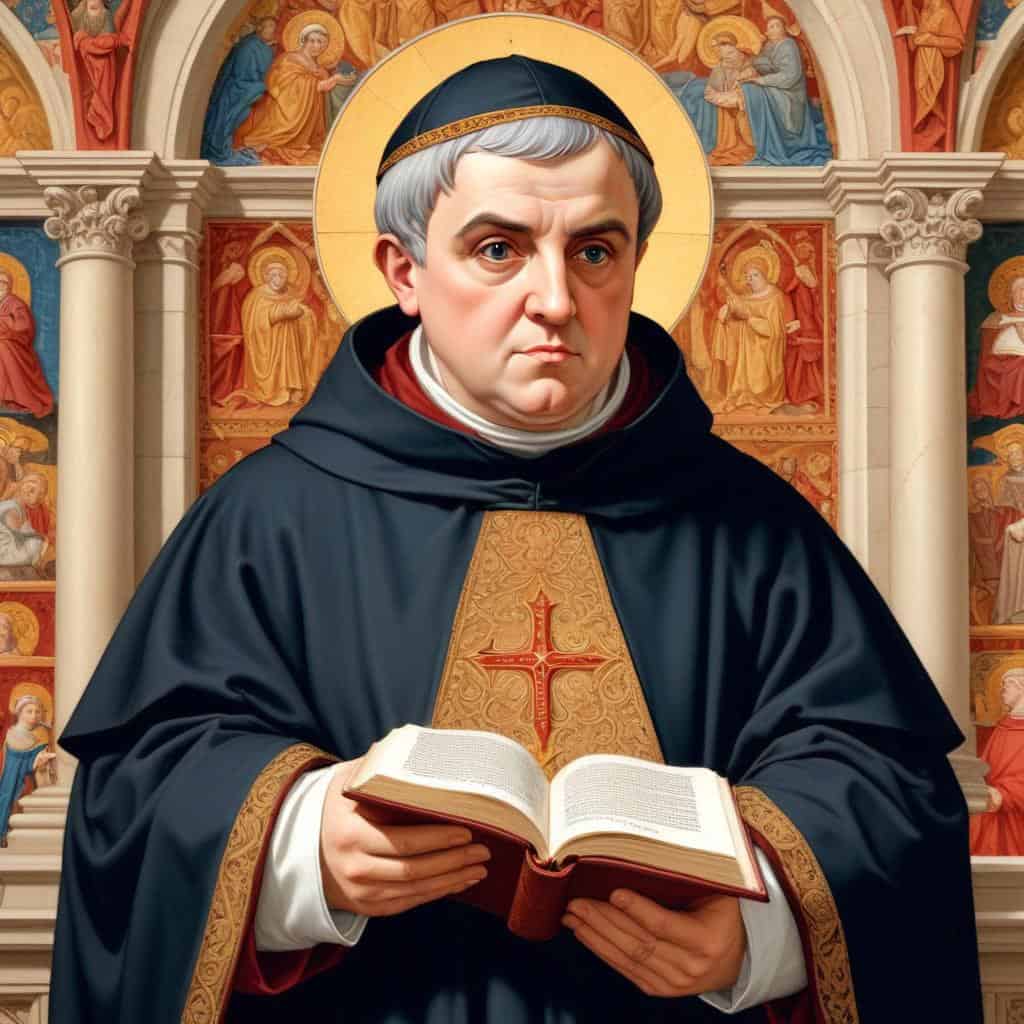
4. Thomas Aquinas

4. Thomas Aquinas

A medieval theologian and philosopher who incorporated Aristotle's Theory of Final Causes into his own theological writings, helping to popularize the concept in Christian thought.

5. John Locke

5. John Locke

An Enlightenment philosopher who critiqued Aristotle's Theory of Final Causes, arguing that explanations based on purpose or goals were unnecessary and could not be proven.

1. Introduction to Aristotles Theory of Final Causes
1. Introduction to Aristotles Theory of Final Causes

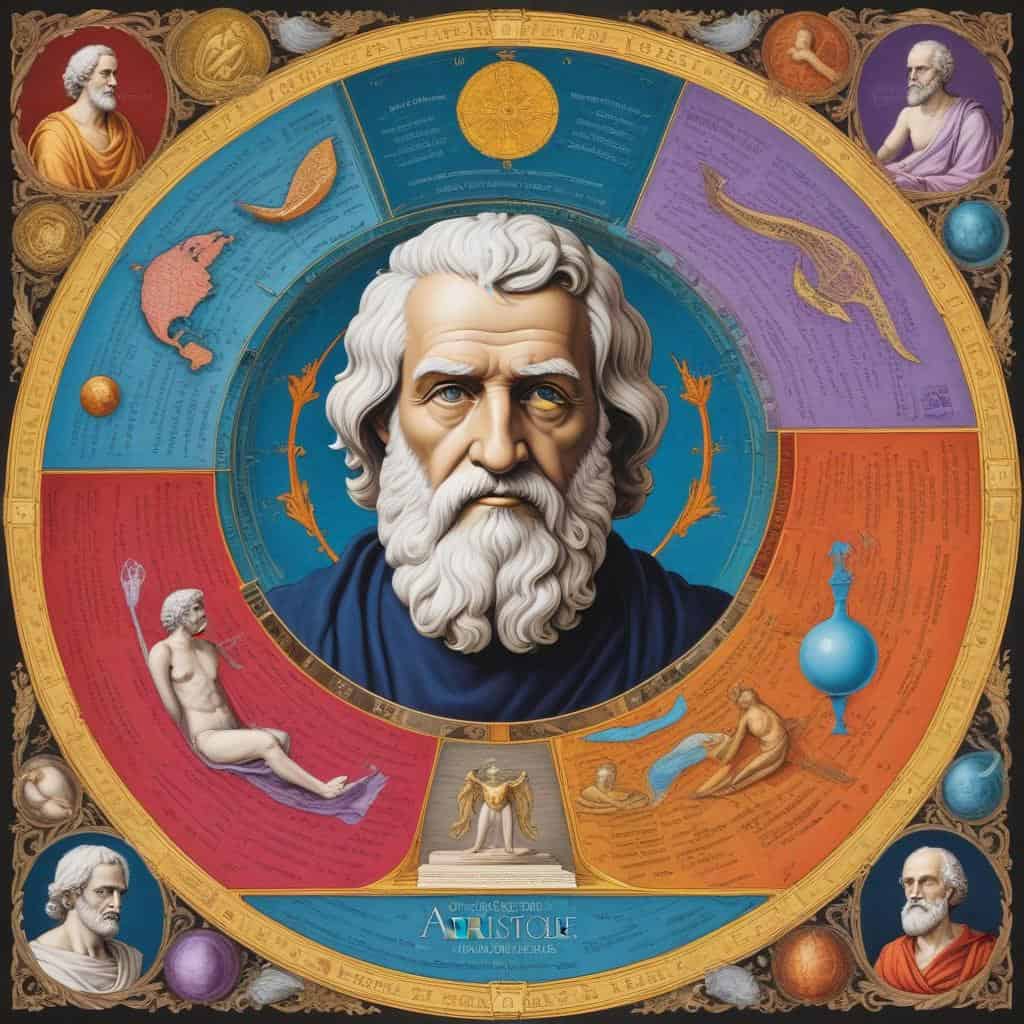
Aristotle's Theory of Final Causes is a key aspect of his philosophy, focusing on the purpose or end goal of things in the natural world. According to Aristotle, everything has a final cause or goal that it is striving towards.

2. Four Causes in Aristotles Philosophy
2. Four Causes in Aristotles Philosophy

In addition to final causes, Aristotle also believed in material, formal, and efficient causes. These four causes work together to explain the existence and purpose of objects in the world.

3. Teleology in Aristotles Philosophy

3. Teleology in Aristotles Philosophy

Teleology is the study of final causes, and Aristotle believed that everything in the natural world has a telos, or end goal, that it is working towards. This concept of purpose is essential to understanding Aristotle's philosophy.

4. Examples of Final Causes

4. Examples of Final Causes

Some examples of final causes include the acorn growing into an oak tree, or a child developing into an adult. In each case, there is a clear end goal or purpose that the object is striving towards.

5. Criticisms of Aristotles Theory of Final Causes
5. Criticisms of Aristotles Theory of Final Causes

While Aristotle's Theory of Final Causes was groundbreaking in his time, it has faced criticism from modern philosophers. Some argue that final causes are too teleological and do not align with our current scientific understanding of the world.

6. Relevance of Final Causes Today

6. Relevance of Final Causes Today

Despite the criticisms, some scholars still find value in Aristotle's Theory of Final Causes. They argue that understanding the purpose or goal of things in the natural world can provide insight into their existence and function.

7. Influence of Aristotles Theory of Final Causes
7. Influence of Aristotles Theory of Final Causes

Aristotle's Theory of Final Causes has had a lasting impact on philosophy and science. It laid the groundwork for teleological thinking and influenced later thinkers such as Thomas Aquinas and Immanuel Kant.

8. Application of Final Causes in Ethics
8. Application of Final Causes in Ethics
In addition to its impact on philosophy and science, Aristotle's Theory of Final Causes also has implications for ethics. Understanding the purpose or goal of human actions can help guide moral decision-making.

In conclusion, Aristotle's theory of final causes provides a unique perspective on the purpose and goal of objects in the world. By emphasizing the end result or function of something, Aristotle's philosophy offers a deeper understanding of causality and design in the natural world.

Overall, Aristotle's theory of final causes highlights the interconnectedness of all things and the importance of considering the ultimate purpose behind actions and objects. By exploring this concept, we can gain a richer appreciation for the complexity and order present in the world around us.

1 / 19

Lesson Details & Resources

In a Nutshell

  • Concept: The belief that everything has a purpose or goal towards which it naturally tends.
  • Thinkers: Aristotle, 4th Century BC
  • Central Question: What is the ultimate purpose or goal of things in the world?
  • Core Implication: Understanding the final causes of things can help us understand their nature and function better.

Timeline of Aristotle's Theory Of Final Causes

No timeline events found.

Vocabulary List

No vocabulary terms found.

Key Facts

This is the information used in the fact matching game

    No key facts found.

Analysis & Significance

The Core Argument

Aristotle’s Theory of Final Causes posits that every natural object has a purpose or end goal towards which it strives. This teleological perspective suggests that everything in the universe has a specific function or purpose, and that understanding this purpose is essential to understanding the nature of the object.

Criticisms and Counterarguments

Critics of Aristotle’s Theory of Final Causes argue that it is often difficult to determine the true purpose or end goal of an object, leading to subjective interpretations and potential misunderstandings. Additionally, some philosophers question the validity of attributing inherent purposes to objects, as they argue that natural phenomena may not have intentional goals.

Modern Relevance

Aristotle’s Theory of Final Causes can be applied to contemporary ethical dilemmas by prompting individuals to consider the ultimate purpose or goal of their actions. In personal life, this concept encourages individuals to reflect on the intentions behind their decisions and behaviors. In modern society, understanding the final causes of natural objects can inform sustainable practices and environmental ethics.

Aristotle's Theory Of Final Causes Games

Was This Lesson Helpful?

Please log in or sign up to rate this lesson. 

Take Your Learning Offline

Want a convenient, print-ready study guide for this lesson? Become a Memory Wizards Pro member to unlock the downloadable " Memory Scrolls" for this topic and our entire library!

  • ✓ Complete Vocabulary Lists
  • ✓ Key Facts & Timelines
  • ✓ Beautifully Formatted for Print & Mobile
Upgrade to Pro

You must be logged in to provide feedback. Please log in or create a free account.

Scroll to Top