Categories And Universals

Are categories just illusions, or do they reveal deeper truths?

How Do You Learn Best?

Note: You can explore any or all of these paths in any order you prefer!

Categories And Universals in 10 Minutes
Introduction
Introduction

Are you interested in delving into the fascinating world of philosophy? One of the key concepts that philosophers have debated for centuries is the relationship between categories and universals. In this ultimate guide, we will explore the definitions of categories and universals, as well as the various philosophical perspectives on these concepts.

Categories refer to the way we classify and organize objects, ideas, or experiences based on shared characteristics. Universals, on the other hand, are the abstract properties or qualities that all members of a category share. Understanding the relationship between categories and universals can provide valuable insights into how we perceive the world around us.

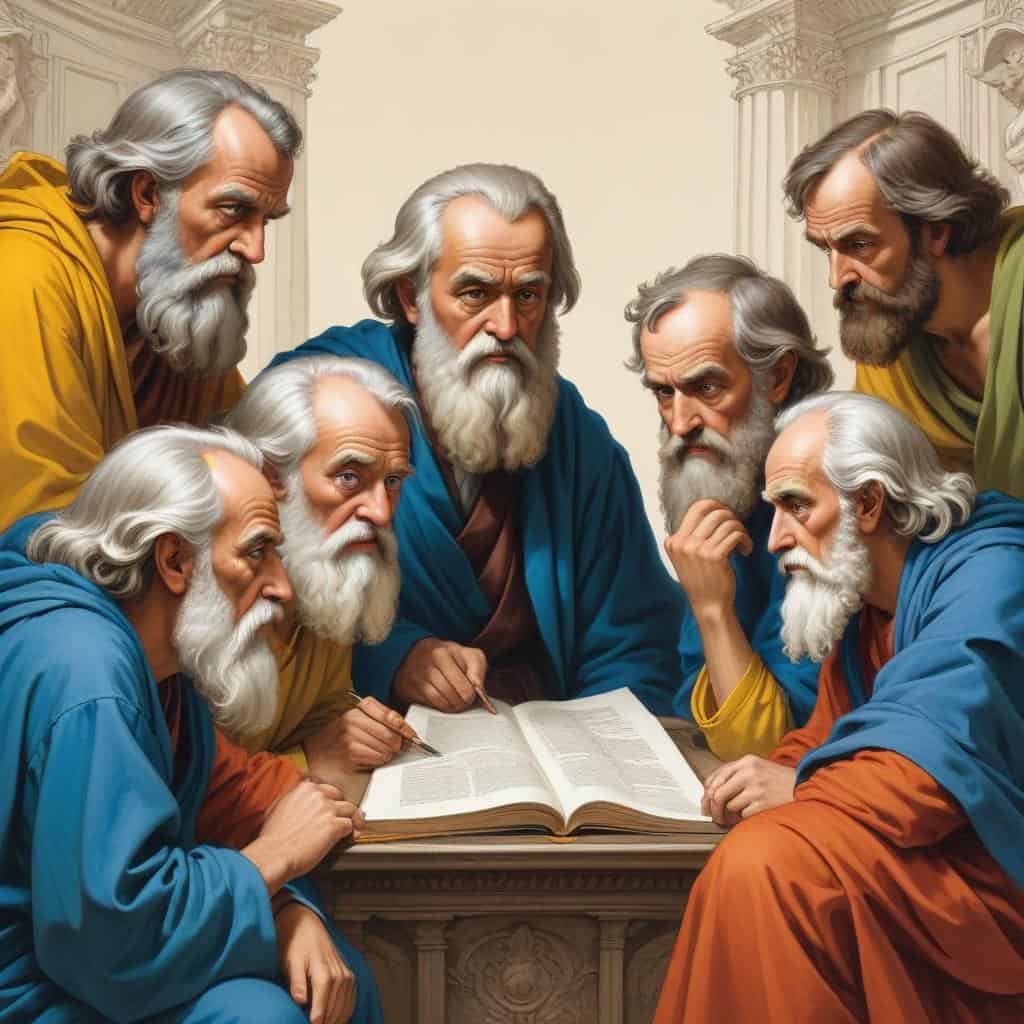
Throughout history, philosophers such as Plato, Aristotle, and Kant have grappled with questions about the nature of categories and universals. By examining their diverse viewpoints, we can gain a deeper appreciation for the complexities of these philosophical concepts and how they shape our understanding of reality. Join us on this intellectual journey as we unravel the mysteries of categories and universals in philosophy.

Plato

Plato

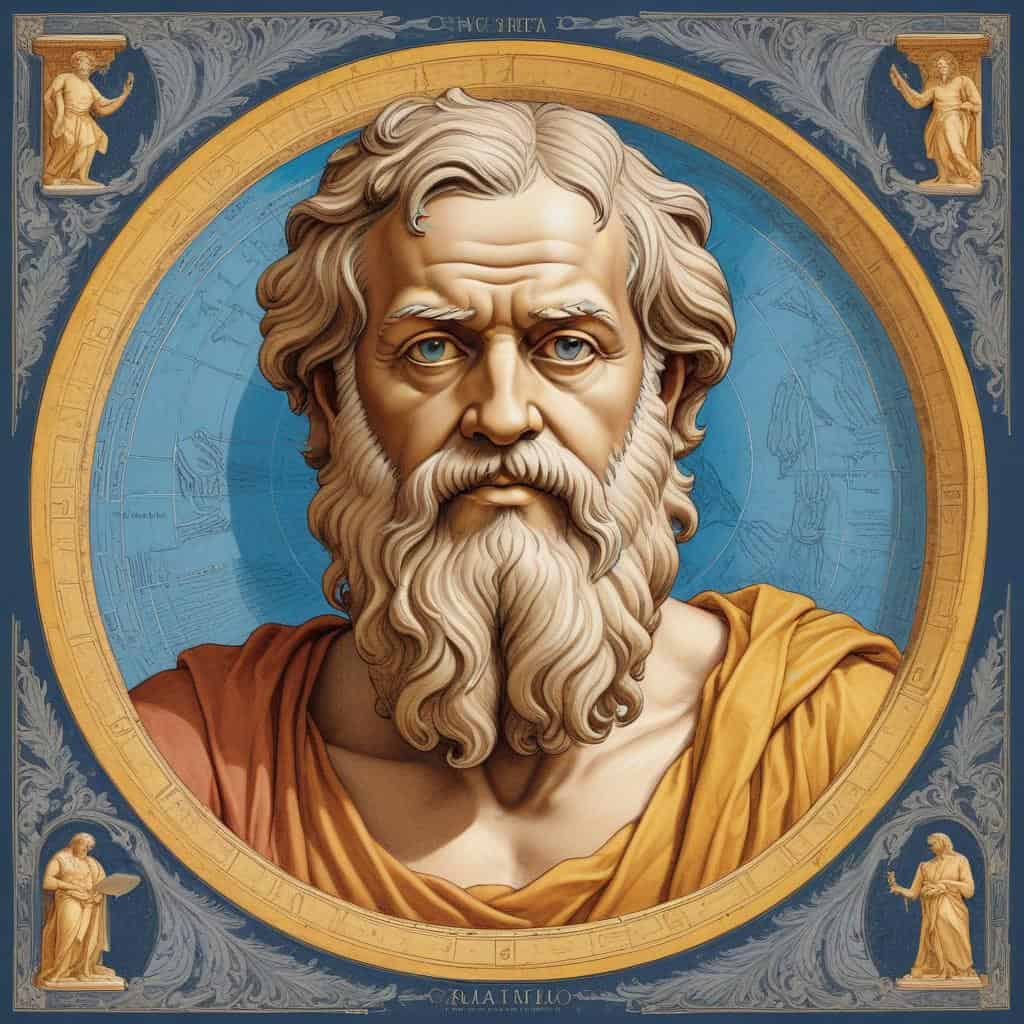
Plato was a Greek philosopher who delved into the concept of universals, proposing that they exist as ideal forms separate from the physical world.

Aristotle

Aristotle

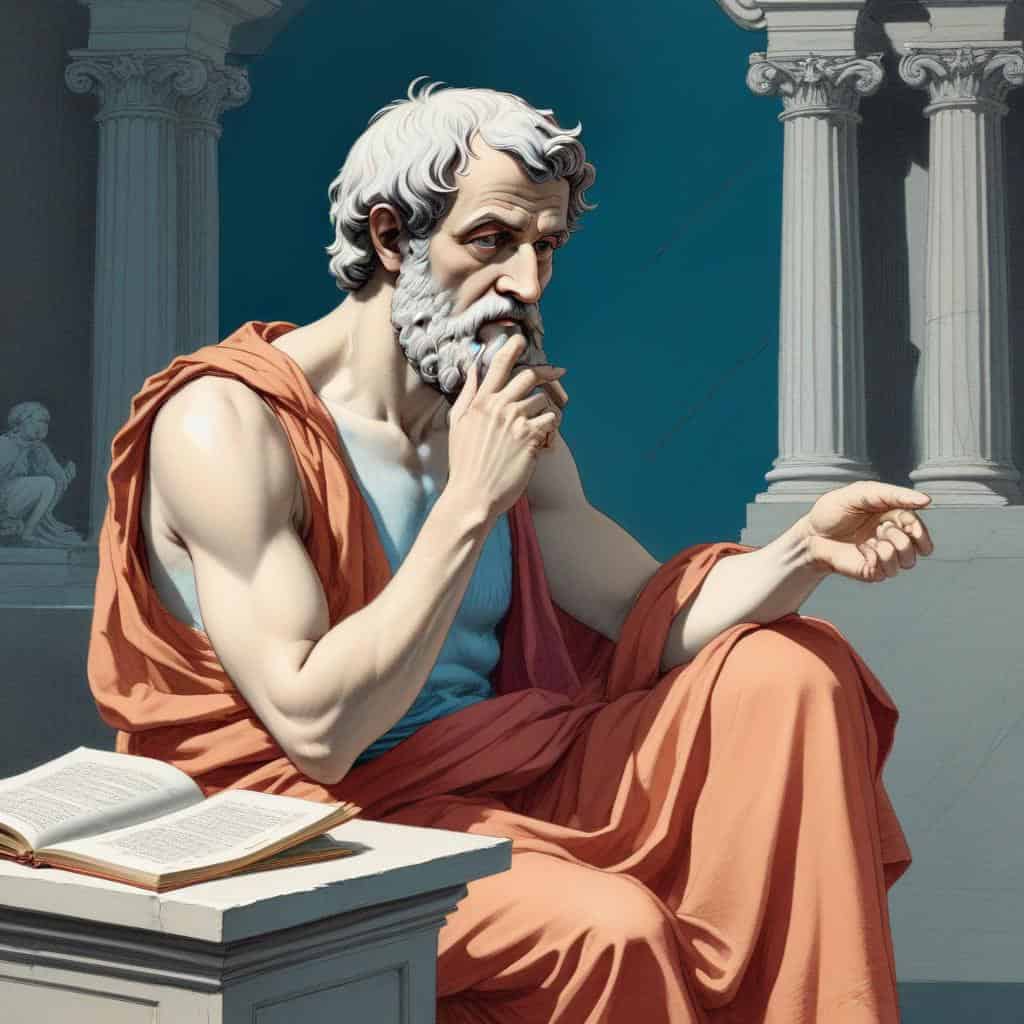
Aristotle, a student of Plato, offered a contrasting view on universals, arguing that they exist within individual objects as their essence or form.

St. Thomas Aquinas

St. Thomas Aquinas

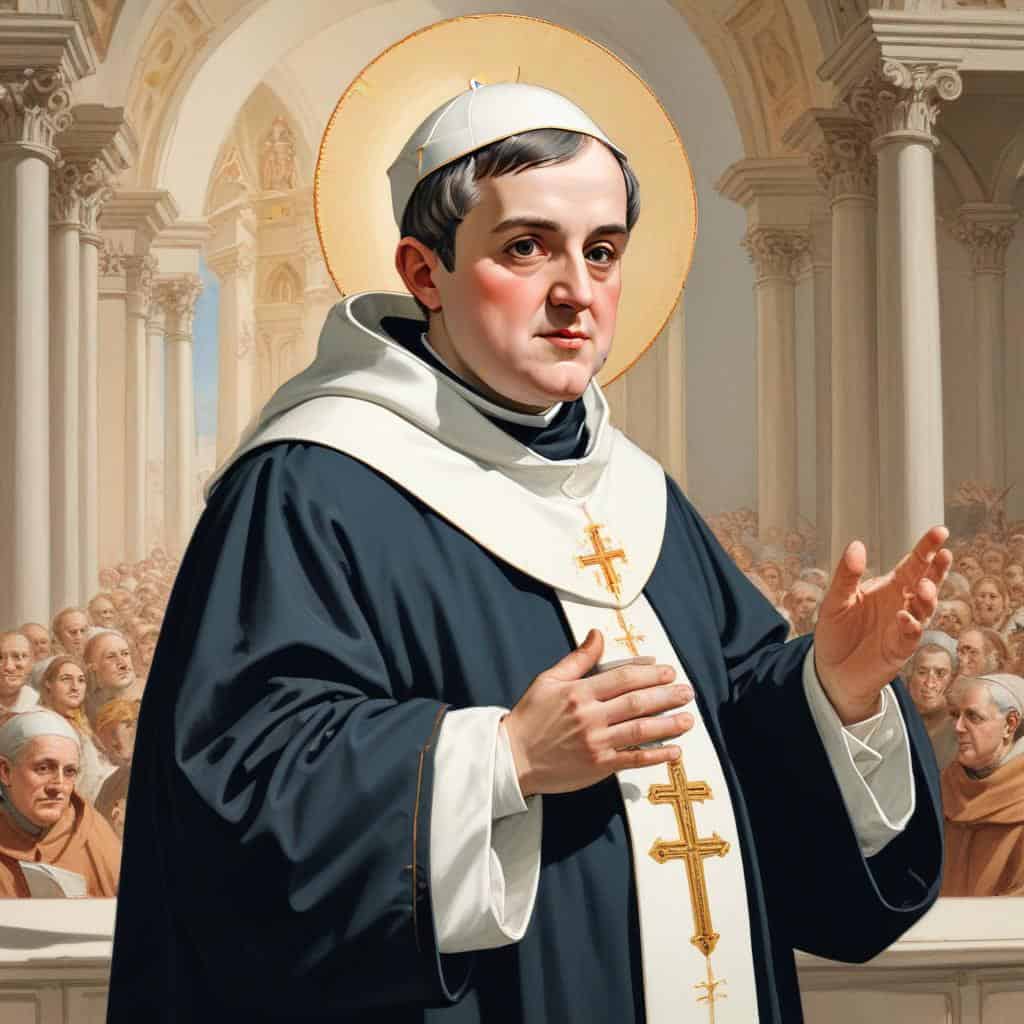
St. Thomas Aquinas integrated Aristotelian philosophy with Christian theology, exploring the relationship between universals and the divine.

Immanuel Kant

Immanuel Kant

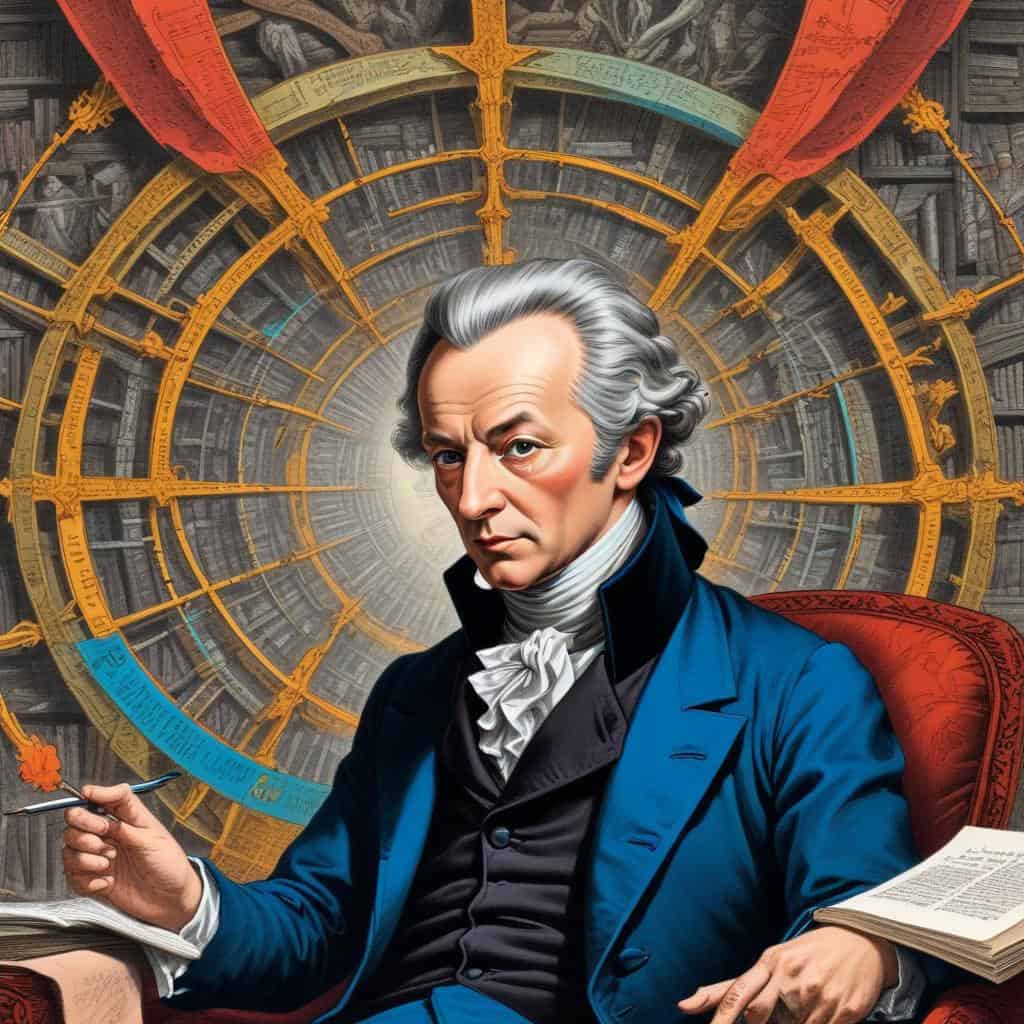
Immanuel Kant contributed to the discussion of categories by proposing that they are innate mental structures that shape our perception of the world.

Gottlob Frege

Gottlob Frege

Gottlob Frege made significant contributions to the study of categories and universals through his work on logic and language, laying the groundwork for modern analytic philosophy.

The Origins of Categories and Universals
The Origins of Categories and Universals

Categories and universals are concepts in philosophy that have been debated for centuries. Categories refer to the way we classify and understand the world around us, while universals are the general principles or qualities that things in a category share.

Aristotles Contribution to Categories and Universals
Aristotles Contribution to Categories and Universals

Aristotle is often credited with developing the theory of categories and universals. He believed that categories are necessary for understanding the world and that universals exist independently of individual things.

The Medieval Debate on Categories and Universals
The Medieval Debate on Categories and Universals

During the Middle Ages, philosophers such as Thomas Aquinas and Duns Scotus debated the nature of categories and universals. Aquinas believed that universals exist in the mind of God, while Scotus argued that universals exist independently of God.

The Modern Debate on Categories and Universals
The Modern Debate on Categories and Universals

In modern philosophy, the debate on categories and universals continues. Some philosophers, like Immanuel Kant, argue that categories are necessary for organizing our experiences, while others, like David Lewis, believe that universals are simply useful fictions.

The Role of Categories and Universals in Metaphysics
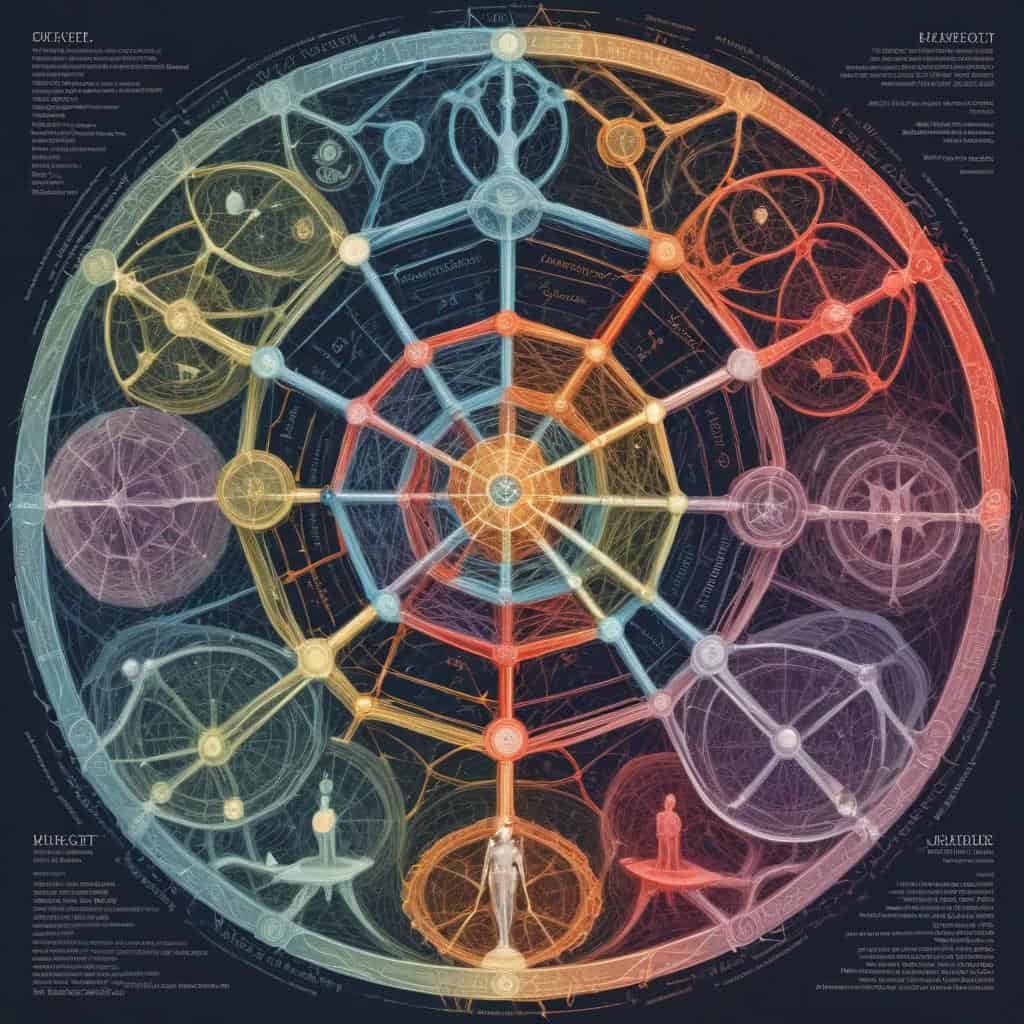
The Role of Categories and Universals in Metaphysics

In metaphysics, categories and universals play a crucial role in understanding the nature of reality. Some metaphysicists argue that universals are real entities that exist beyond individual things, while others believe that categories are simply human constructs.

The Role of Categories and Universals in Epistemology
The Role of Categories and Universals in Epistemology

In epistemology, categories and universals are important for understanding how we acquire knowledge. Categories help us organize our perceptions, while universals provide us with general principles that we can apply to different situations.

The Relationship Between Categories and Universals
The Relationship Between Categories and Universals

While categories and universals are related concepts, they are not always mutually exclusive. Categories help us organize our understanding of the world, while universals provide us with general principles that apply across different categories.

The Importance of Categories and Universals in Language
The Importance of Categories and Universals in Language

In language, categories and universals play a crucial role in communication. Categories help us classify and label objects and ideas, while universals provide us with general concepts that we can use to express ourselves.

The Future of Categories and Universals in Philosophy
The Future of Categories and Universals in Philosophy
As philosophy continues to evolve, the debate on categories and universals will likely continue. Philosophers will continue to explore the nature of categories and universals and their role in understanding the world around us.

In conclusion, categories and universals are essential concepts in philosophy that help us understand the nature of reality and how we classify objects and ideas. By exploring these concepts, we can gain a deeper insight into the fundamental structures of the world around us.

Whether we are discussing the nature of language, the existence of abstract concepts, or the relationship between particulars and universals, categories and universals play a crucial role in shaping our understanding of the world. By delving into these philosophical ideas, we can expand our knowledge and appreciation of the complexities of existence.

1 / 19

Lesson Details & Resources

In a Nutshell

  • Concept: The philosophical concept that deals with the relationship between individual items and general categories or properties.
  • Thinkers: Plato, Aristotle, and Kant, ancient to modern times.
  • Central Question: How do we understand the nature of universals and their connection to particular things?
  • Core Implication: The existence of universal concepts and categories helps us make sense of the world and communicate effectively.

Timeline of Categories And Universals

No timeline events found.

Vocabulary List

No vocabulary terms found.

Key Facts

This is the information used in the fact matching game

    No key facts found.

Analysis & Significance

The Core Argument

The concept of categories and universals delves into the fundamental question of how we understand and classify the world around us. It explores the nature of general concepts and whether they exist independently of individual instances.

Criticisms and Counterarguments

Critics argue that categories and universals may be mere constructs of human thought, lacking any objective reality. Some philosophers question the validity of assuming universal properties that apply to all members of a category.

Modern Relevance

This philosophical idea remains relevant in discussions about social identity, cultural norms, and ethical principles. Understanding how categories and universals shape our perceptions can lead to insights on issues like prejudice, discrimination, and inclusivity in today’s diverse societies.

Categories And Universals Games

Was This Lesson Helpful?

Please log in or sign up to rate this lesson. 

Take Your Learning Offline

Want a convenient, print-ready study guide for this lesson? Become a Memory Wizards Pro member to unlock the downloadable " Memory Scrolls" for this topic and our entire library!

  • ✓ Complete Vocabulary Lists
  • ✓ Key Facts & Timelines
  • ✓ Beautifully Formatted for Print & Mobile
Upgrade to Pro

You must be logged in to provide feedback. Please log in or create a free account.

Scroll to Top