
Explore the Lessons
What Is Philosophical Skepticism?
Do we truly know anything at all?
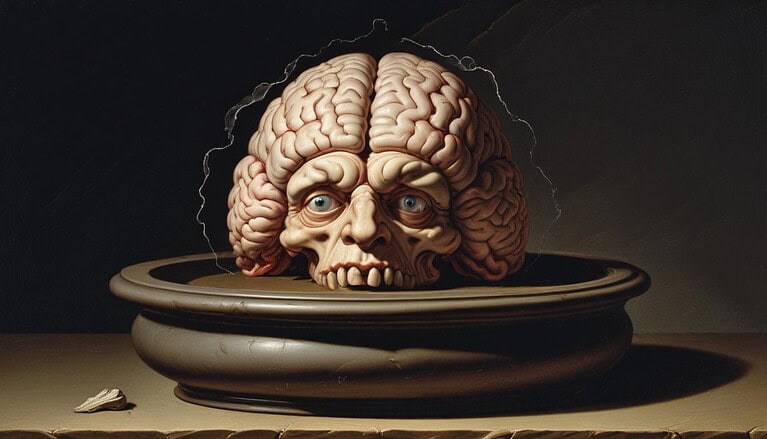
The Brain In A Vat (descartes' Evil Demon)
Is reality just an illusion created by a malevolent force?
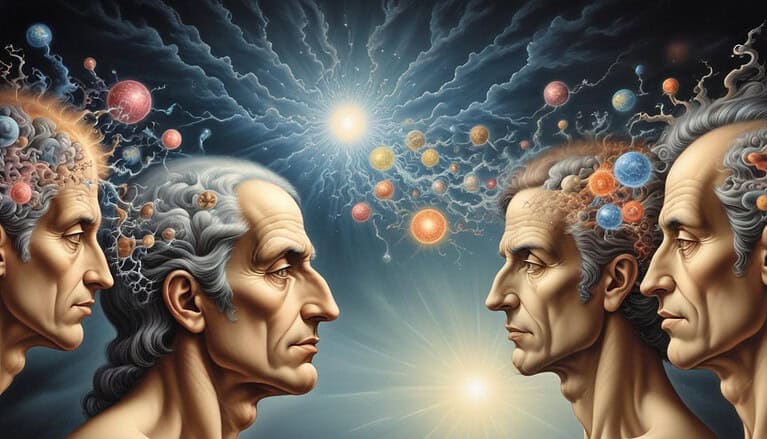
The Problem Of Other Minds
Can we truly understand the thoughts and feelings of others?
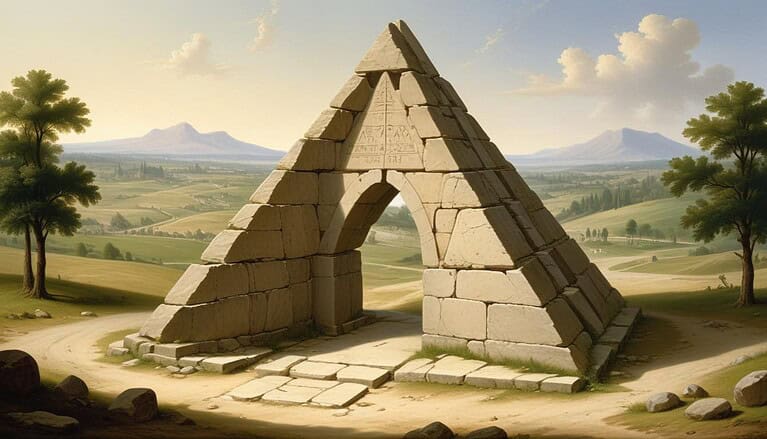
The Agrippan Trilemma
Unravel the mystery: belief, doubt, or infinite regress?

External World Skepticism
Is reality just a product of our minds' illusions?
Timeline
Pyrrho of Elis introduces Pyrrhonian skepticism
Carneades of Cyrene develops Academic skepticism
Sextus Empiricus writes 'Outlines of Pyrrhonism'
Aenesidemus further develops Pyrrhonian skepticism
Plotinus criticizes skepticism in 'Against the Gnostics'
St. Augustine addresses skepticism in 'Confessions'
Al-Ghazali discusses skepticism in 'The Incoherence of the Philosophers'
Michel de Montaigne explores skepticism in 'Essays'
Rene Descartes combats skepticism in 'Meditations on First Philosophy'
Baruch Spinoza addresses skepticism in 'Ethics'
David Hume challenges skepticism in 'An Enquiry Concerning Human Understanding'
Immanuel Kant responds to skepticism in 'Critique of Pure Reason'
Arthur Schopenhauer discusses skepticism in 'The World as Will and Representation'
Ludwig Wittgenstein explores skepticism in 'On Certainty'
W.V.O. Quine addresses skepticism in 'Epistemology Naturalized'
Hilary Putnam critiques skepticism in 'Reason, Truth, and History'