Neoplatonism In The Middle Ages

Unraveling the mystical allure of Neoplatonism in the Middle Ages.

How Do You Learn Best?

Note: You can explore any or all of these paths in any order you prefer!

Neoplatonism In The Middle Ages in 10 Minutes
Introduction
Introduction

Neoplatonism, a philosophical system that originated in the ancient world, continued to have a significant influence throughout the Middle Ages. In this article, we will explore how Neoplatonism was interpreted and adapted by medieval philosophers, theologians, and mystics.

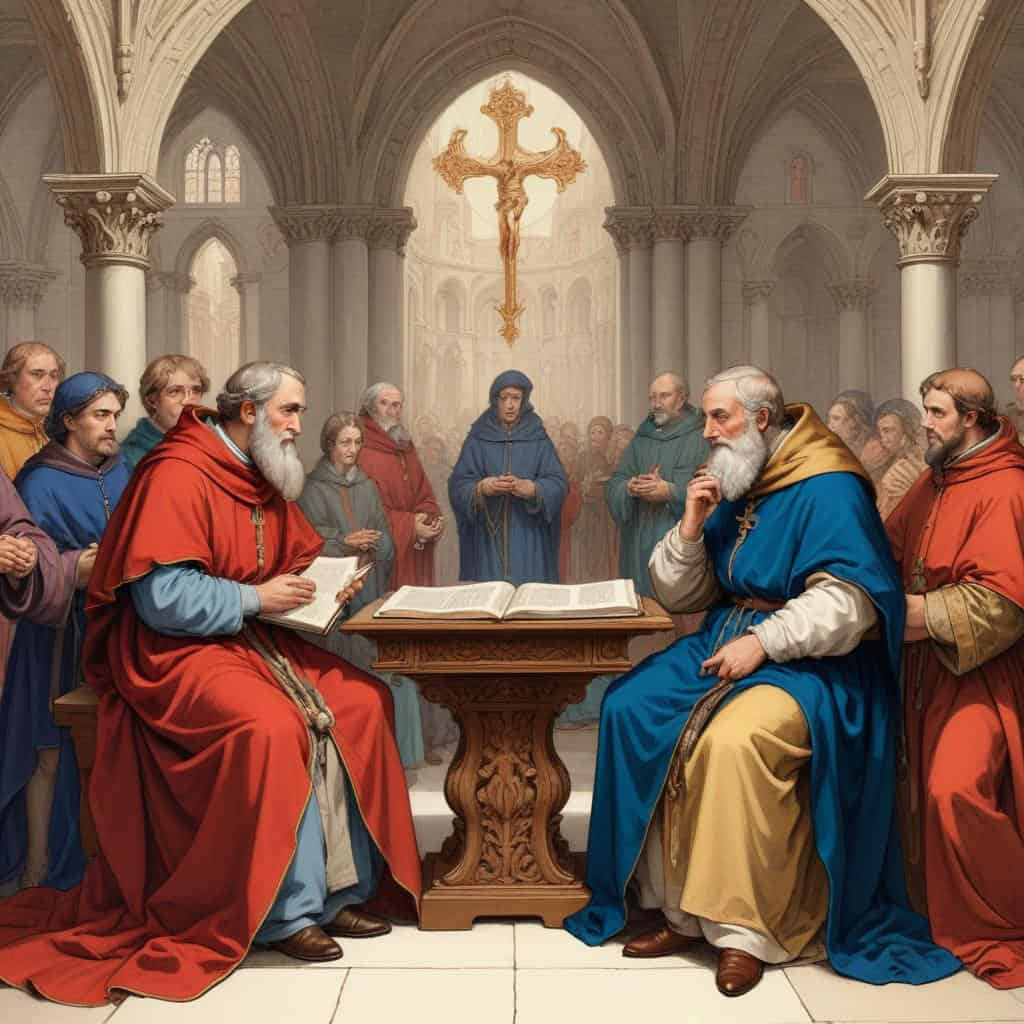
During the Middle Ages, Neoplatonism served as a bridge between ancient Greek philosophy and Christian theology. Scholars such as St. Augustine and St. Thomas Aquinas incorporated Neoplatonic ideas into their works, blending them with Christian teachings to create a synthesis of faith and reason.

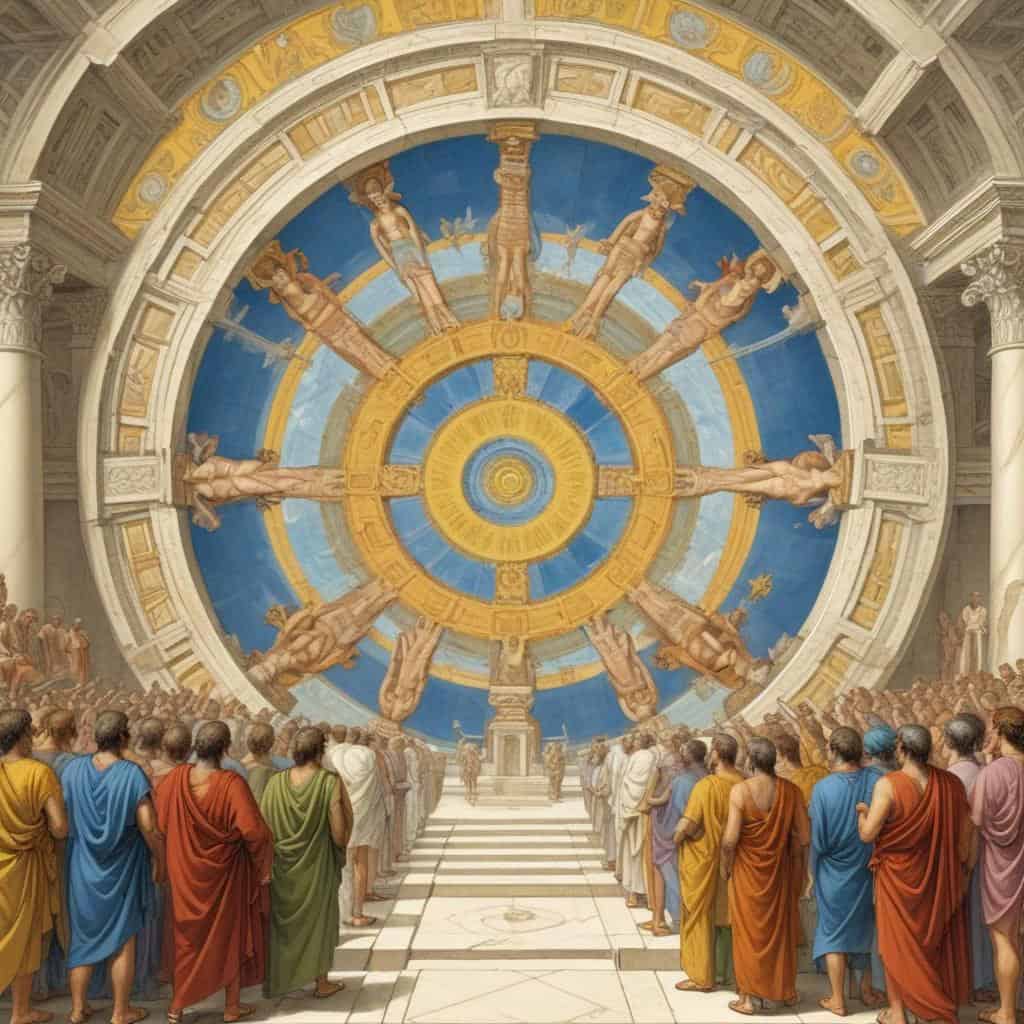
This brief overview will delve into the key concepts of Neoplatonism, such as the hierarchy of existence, the concept of the One, and the idea of the soul's ascent towards ultimate reality. By unlocking the mysteries of Neoplatonism in the Middle Ages, we can gain a deeper understanding of the intellectual landscape of the time and the enduring impact of this philosophical tradition.

Plotinus

Plotinus

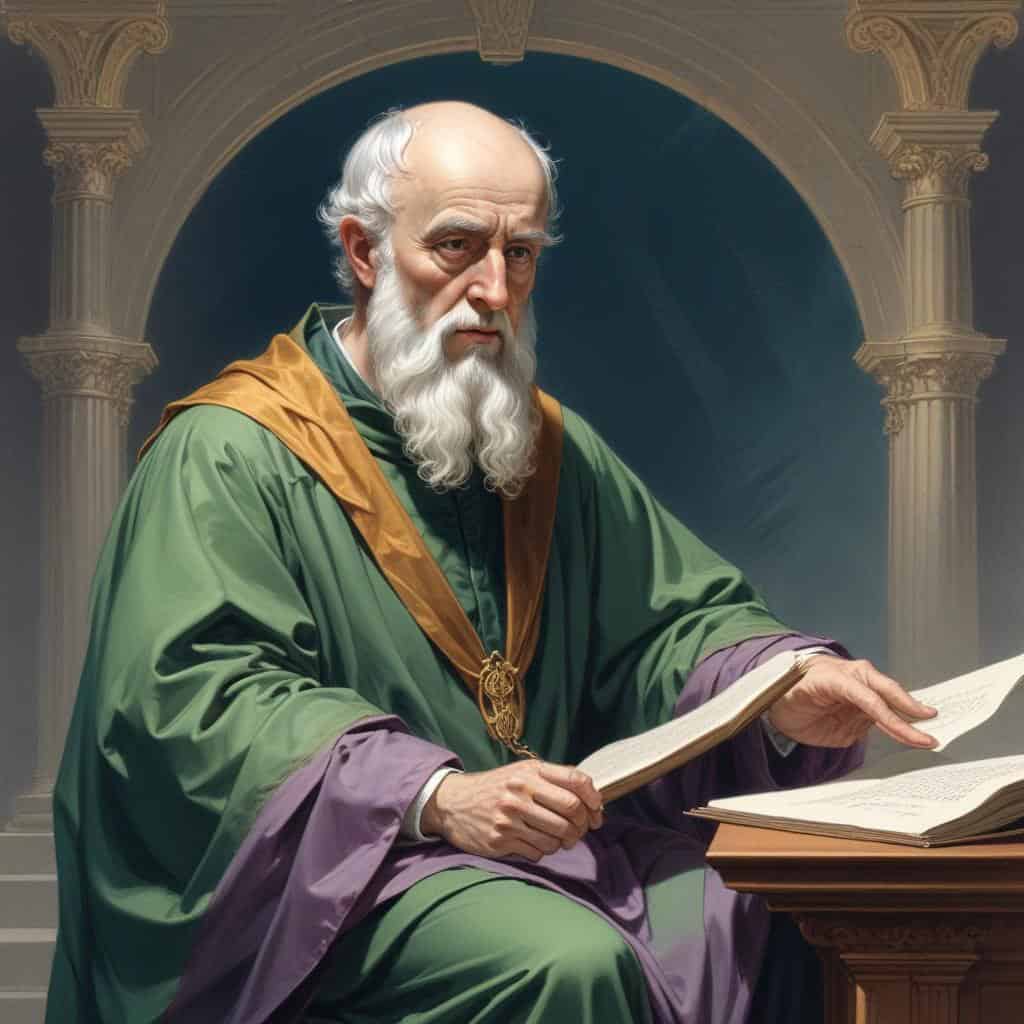
Plotinus was a prominent philosopher in the Neoplatonic tradition during the Middle Ages. He is known for his teachings on the nature of reality, the hierarchy of existence, and the concept of the One as the ultimate source of all being.

Proclus

Proclus

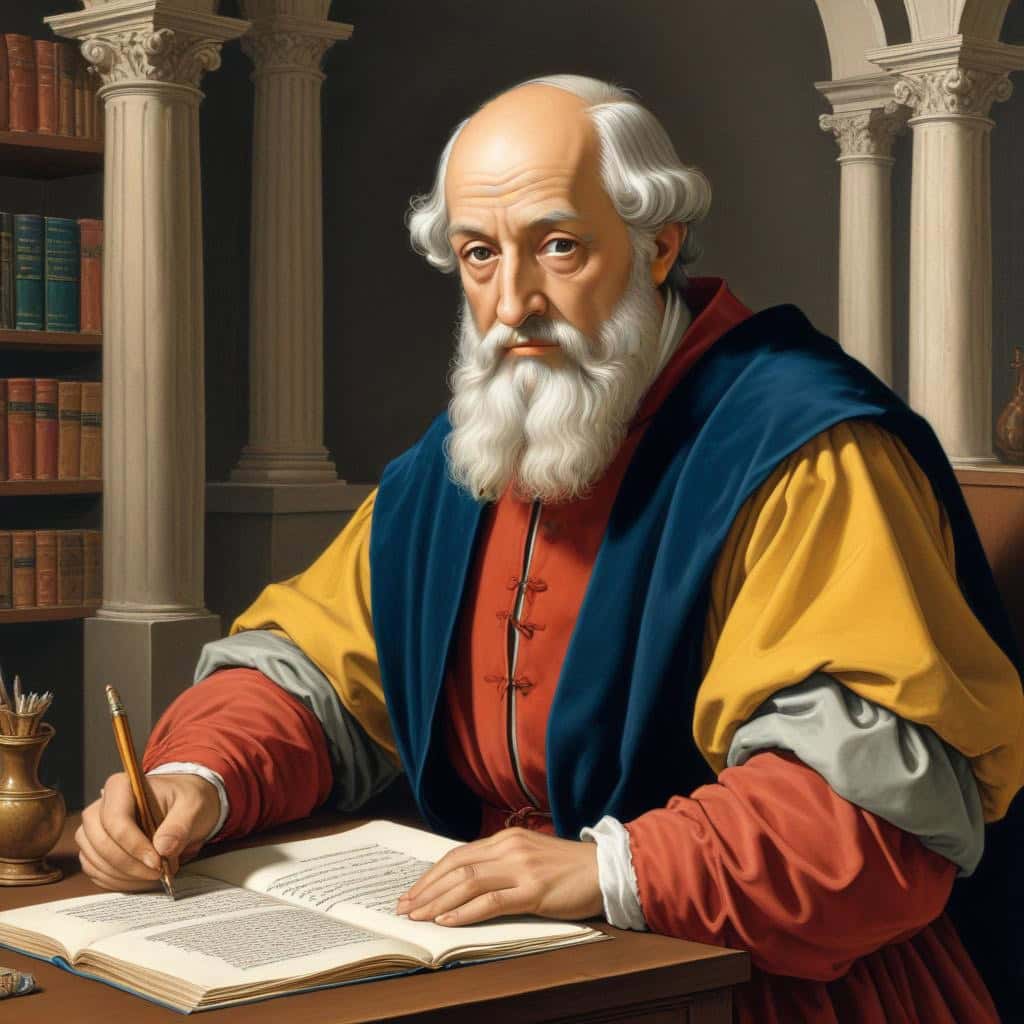
Proclus was another influential figure in Neoplatonism during the Middle Ages. He expanded upon the ideas of Plotinus and developed a comprehensive metaphysical system that integrated philosophy, mysticism, and theology.

Pseudo-Dionysius the Areopagite

Pseudo-Dionysius the Areopagite

Pseudo-Dionysius was a Christian thinker who drew heavily from Neoplatonic ideas in his writings. His works, such as The Divine Names and The Mystical Theology, were influential in shaping medieval Christian theology and mystical thought.

John Scotus Eriugena

John Scotus Eriugena

John Scotus Eriugena was an Irish philosopher who translated and commented on the works of Pseudo-Dionysius. He played a key role in the transmission of Neoplatonic ideas to the Latin West and his own writings reflect Neoplatonic influences.

Marsilio Ficino

Marsilio Ficino

Marsilio Ficino was an Italian philosopher and scholar who revived interest in Neoplatonism during the Renaissance. He translated the works of Plato and Plotinus into Latin and his own writings synthesized Neoplatonic thought with Christian theology.

1. The Origins of Neoplatonism

1. The Origins of Neoplatonism

Neoplatonism was a philosophical system that emerged in the 3rd century AD, based on the teachings of the Greek philosopher Plato. It sought to reconcile the teachings of Plato with other philosophical traditions, such as Aristotelianism and Stoicism.

2. Influence of Plotinus

2. Influence of Plotinus

The most influential figure in Neoplatonism was the philosopher Plotinus, who lived in the 3rd century AD. He emphasized the importance of the spiritual realm and the concept of the One, the ultimate source of all existence.

3. Neoplatonism in the Middle Ages

3. Neoplatonism in the Middle Ages

During the Middle Ages, Neoplatonism was adopted and adapted by Christian theologians such as St. Augustine and St. Thomas Aquinas. They used Neoplatonic ideas to explore theological questions and reconcile Christian beliefs with classical philosophy.

4. The Influence of Islamic Scholars

4. The Influence of Islamic Scholars
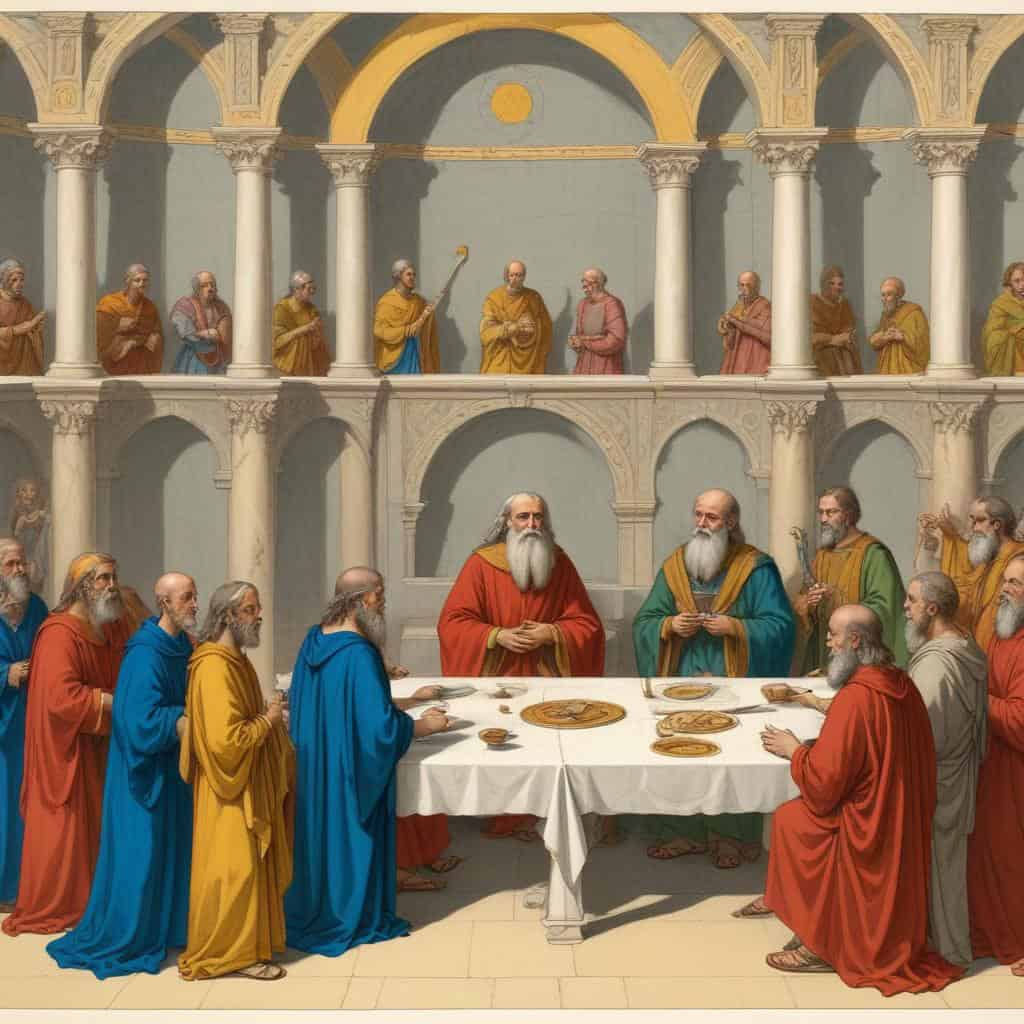
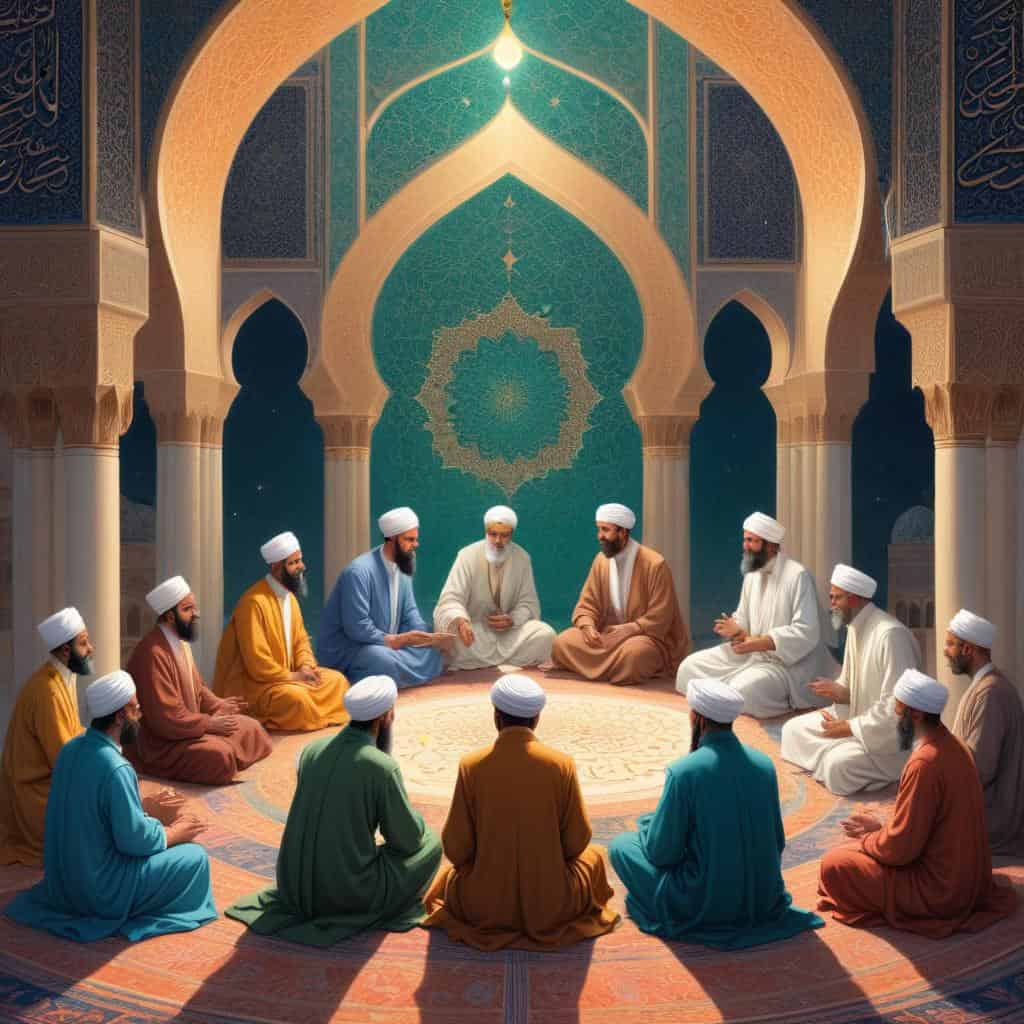
Islamic scholars also played a significant role in preserving and transmitting Neoplatonic ideas during the Middle Ages. Figures such as Al-Kindi, Al-Farabi, and Avicenna incorporated Neoplatonic concepts into their own philosophical works.

5. The Importance of Proclus

5. The Importance of Proclus

Another important figure in the development of Neoplatonism in the Middle Ages was the philosopher Proclus. His commentaries on the works of Plato and Plotinus helped to shape Neoplatonic thought in the medieval period.

6. Neoplatonism in Christian Mysticism
6. Neoplatonism in Christian Mysticism

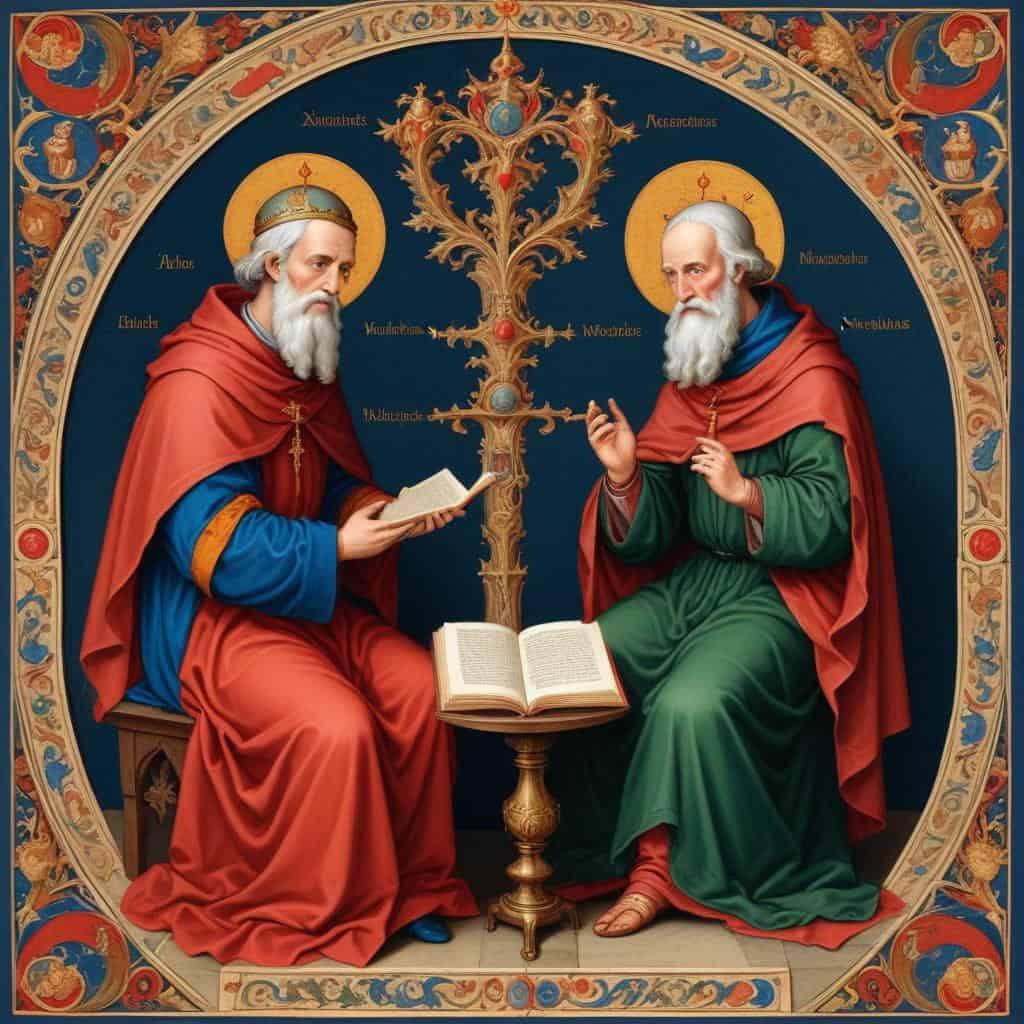
Neoplatonism had a profound influence on Christian mysticism during the Middle Ages. Mystics such as Meister Eckhart and John Scotus Eriugena drew upon Neoplatonic ideas in their writings on the nature of God and the soul.

7. Neoplatonism and Scholasticism

7. Neoplatonism and Scholasticism

Neoplatonic ideas were also incorporated into the scholastic tradition of medieval philosophy. Scholastic thinkers such as Albertus Magnus and Bonaventure used Neoplatonic concepts to explore metaphysical and theological questions.

8. The Legacy of Neoplatonism

8. The Legacy of Neoplatonism

Although Neoplatonism eventually fell out of favor with the rise of modern philosophy, its influence can still be seen in various philosophical and theological traditions. Its emphasis on the spiritual realm and the search for ultimate truth continues to resonate with thinkers today.

9. Neoplatonism in Art and Literature
9. Neoplatonism in Art and Literature

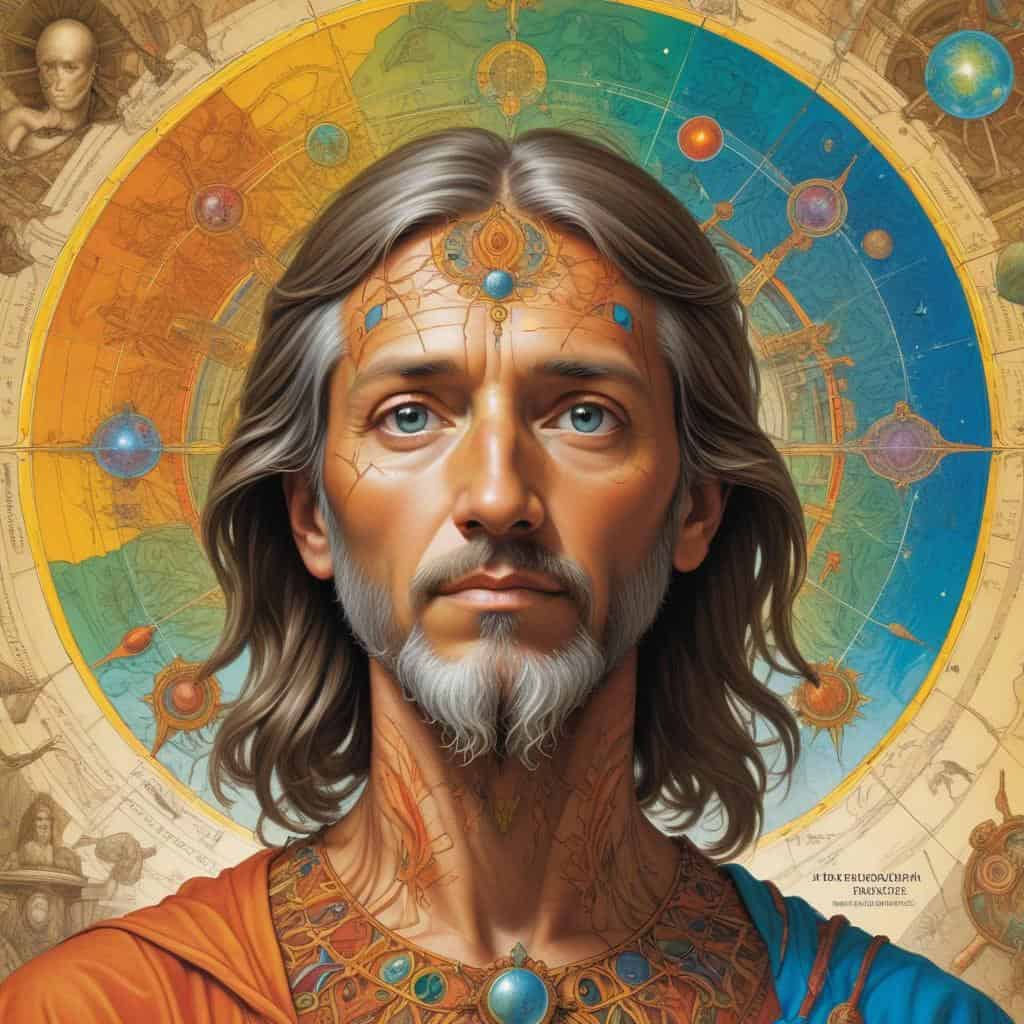
Neoplatonic ideas also had a significant impact on art and literature during the Middle Ages. Artists and writers drew upon Neoplatonic themes and symbolism to explore concepts of beauty, love, and the divine.

10. Rediscovery of Neoplatonism

10. Rediscovery of Neoplatonism

In more recent times, there has been a renewed interest in Neoplatonism among scholars and philosophers. Its complex metaphysical system and mystical teachings continue to fascinate those seeking to unravel the mysteries of existence and the nature of reality.

Overall, Neoplatonism played a significant role in shaping philosophical thought during the Middle Ages. The intricate blend of Platonic ideas with Christian theology created a unique framework for understanding the nature of reality and the divine.

As scholars continue to delve into the mysteries of Neoplatonism, its influence on medieval philosophy remains a fascinating area of study. By exploring the key concepts and thinkers of this philosophical tradition, we gain a deeper appreciation for the intellectual richness of the Middle Ages.

1 / 19

Lesson Details & Resources

In a Nutshell

  • Concept: A philosophical system that combines elements of Platonism with other philosophical traditions.
  • Thinkers: Plotinus, 3rd century AD, and later medieval philosophers like Augustine and Pseudo-Dionysius.
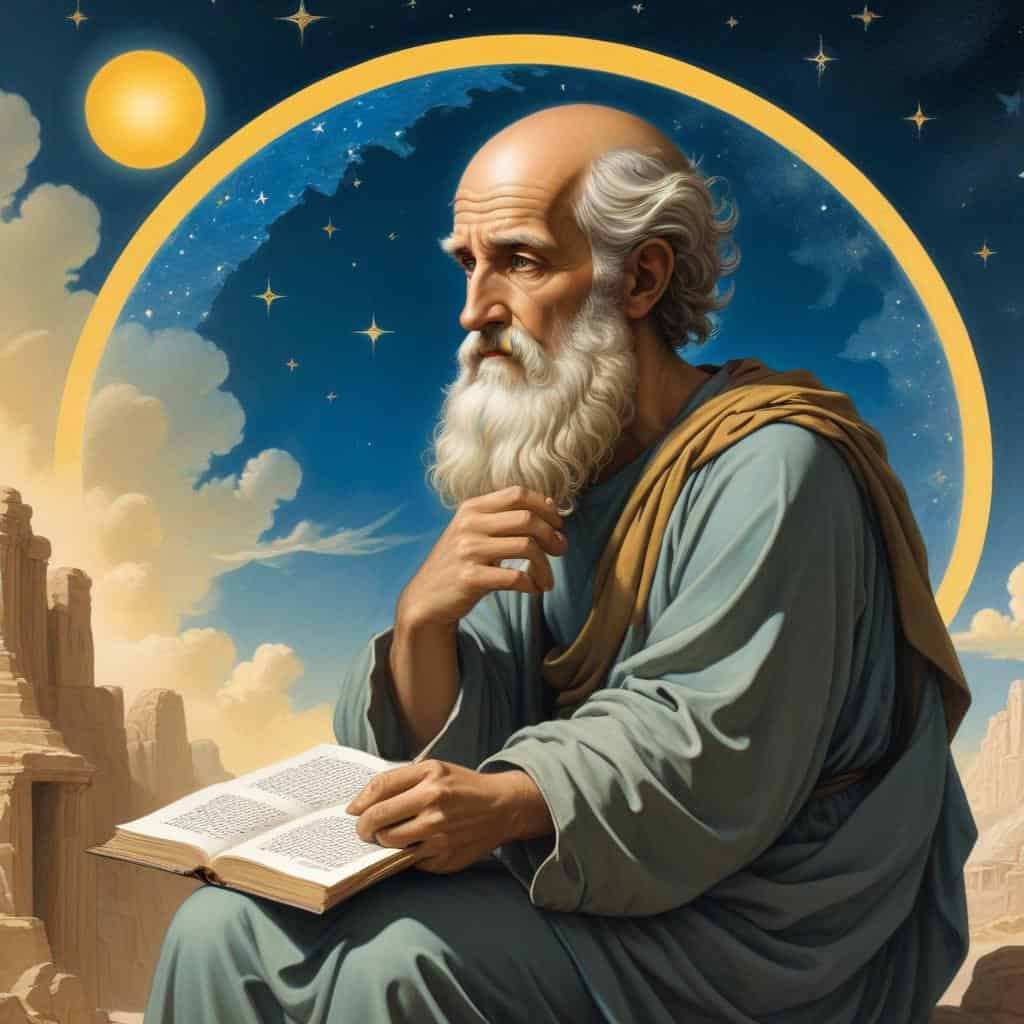
  • Central Question: How can humans achieve spiritual perfection and unity with the divine?
  • Core Implication: The ultimate goal of human life is to transcend the material world and ascend towards the divine through contemplation and purification of the soul.

Timeline of Neoplatonism In The Middle Ages

3rd century AD

Plotinus founds Neoplatonism

3rd century AD

Porphyry becomes a prominent Neoplatonist philosopher

3rd-4th century AD

Iamblichus develops Neoplatonism further

5th century AD

Proclus becomes a leading Neoplatonist thinker

late 5th-early 6th century AD

Pseudo-Dionysius the Areopagite writes works influenced by Neoplatonism

6th century AD

Boethius translates works of Neoplatonism into Latin

9th century AD

John Scotus Eriugena incorporates Neoplatonic ideas into Christian theology

9th-10th century AD

Islamic philosophers like Al-Kindi and Al-Farabi incorporate Neoplatonic ideas into their works

11th century AD

Avicenna (Ibn Sina) develops his own Neoplatonic philosophy

12th century AD

Averroes (Ibn Rushd) writes commentaries on Aristotle influenced by Neoplatonism

13th century AD

Thomas Aquinas incorporates Neoplatonic ideas into his Christian theology

15th century AD

Marsilio Ficino translates works of Neoplatonism into Latin during the Renaissance

16th century AD

Giordano Bruno and other Renaissance thinkers are influenced by Neoplatonism

ongoing

Neoplatonism continues to influence Western philosophy and theology into the modern era

Vocabulary List

Neoplatonism
Neoplatonism was a significant philosophical movement during the Middle Ages, influencing many thinkers and scholars.
Emanation
Neoplatonists believed in the concept of emanation, where all existence flowed from a divine source.
Hierarchy
Neoplatonism often depicted reality as a hierarchy of beings, with the One at the top and lesser beings further down.
Contemplation
Neoplatonists valued contemplation as a means of attaining knowledge of the divine.
Transcendence
Neoplatonism emphasized the transcendence of the divine over the physical world.

Key Facts

This is the information used in the fact matching game

    No key facts found.

Analysis & Significance

The Core Argument

Neoplatonism in the Middle Ages was a philosophical movement that sought to reconcile the teachings of Plato with Christian theology. It posited a hierarchy of existence, with the ultimate reality being a transcendent, perfect One from which all other beings emanate. This concept of hierarchical emanation and the importance of the soul’s ascent towards the divine formed the core argument of Neoplatonism in the Middle Ages.

Criticisms and Counterarguments

Critics of Neoplatonism in the Middle Ages argued that this hierarchical system was too abstract and did not adequately address the complexities of human nature and the world. They also questioned the compatibility of Neoplatonic ideas with Christian doctrine, particularly concerning the nature of evil and the role of free will. Some philosophers proposed alternative metaphysical systems that emphasized individual agency and the material world over a strict hierarchy of being.

Modern Relevance

Despite its historical context, the philosophical concept of Neoplatonism in the Middle Ages continues to be relevant today in discussions about the nature of reality, the pursuit of spiritual enlightenment, and the relationship between the material and immaterial aspects of existence. The idea of striving towards a higher state of being, whether it be intellectual, moral, or spiritual, resonates with contemporary debates on personal growth, ethical decision-making, and the search for meaning in a complex world.

Neoplatonism In The Middle Ages Games

Was This Lesson Helpful?

Please log in or sign up to rate this lesson. 

Take Your Learning Offline

Want a convenient, print-ready study guide for this lesson? Become a Memory Wizards Pro member to unlock the downloadable " Memory Scrolls" for this topic and our entire library!

  • ✓ Complete Vocabulary Lists
  • ✓ Key Facts & Timelines
  • ✓ Beautifully Formatted for Print & Mobile
Upgrade to Pro

You must be logged in to provide feedback. Please log in or create a free account.

Scroll to Top