
Introduction To Skepticism
Can we trust our own perceptions of reality?
How Do You Learn Best?
Learn by Reading
Immerse yourself in the 10-minute visual lesson for a comprehensive understanding of the topic.
Learn by Reviewing
Jump directly to the key facts, timeline, and vocabulary lists to build a solid foundation of details.
Learn by Doing
Challenge yourself! Jump straight into the interactive games to learn by trial, error, and discovery.
Introduction To Skepticism in 10 Minutes

Introduction
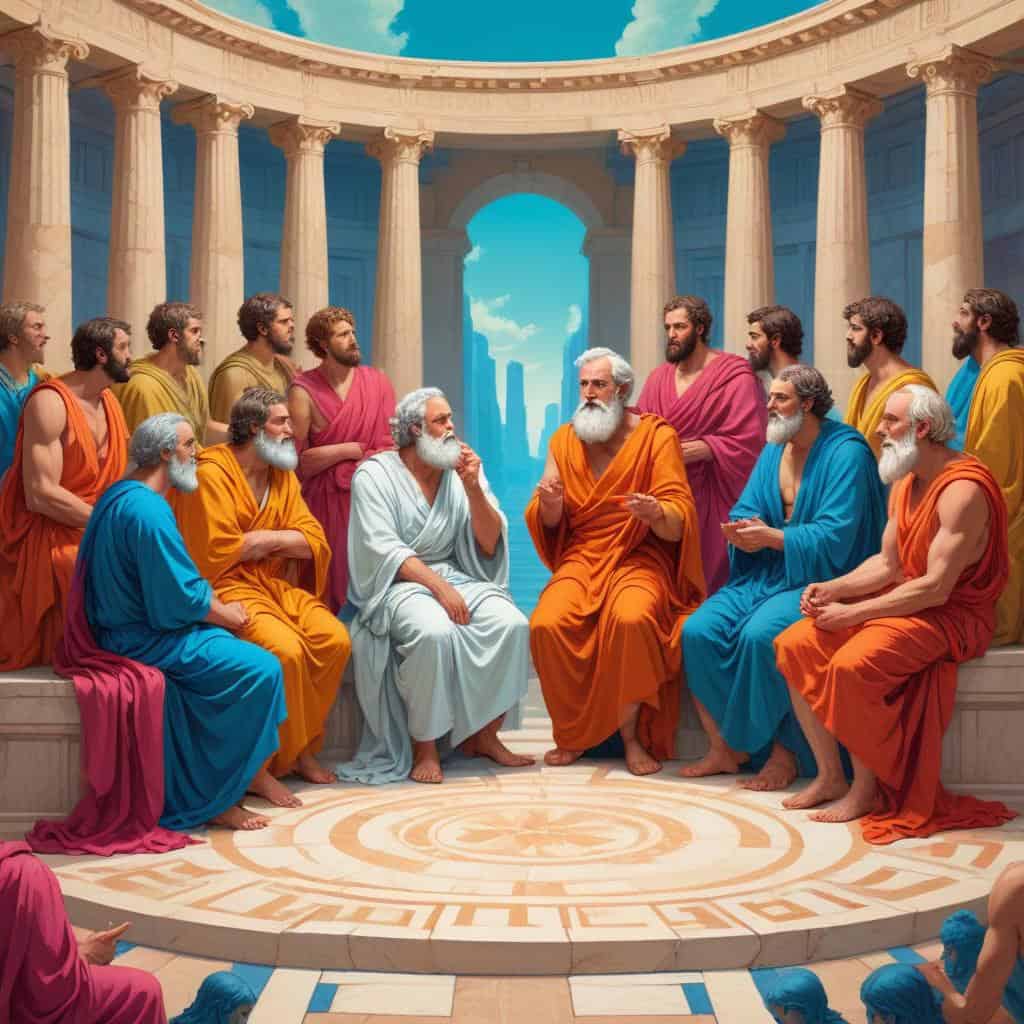
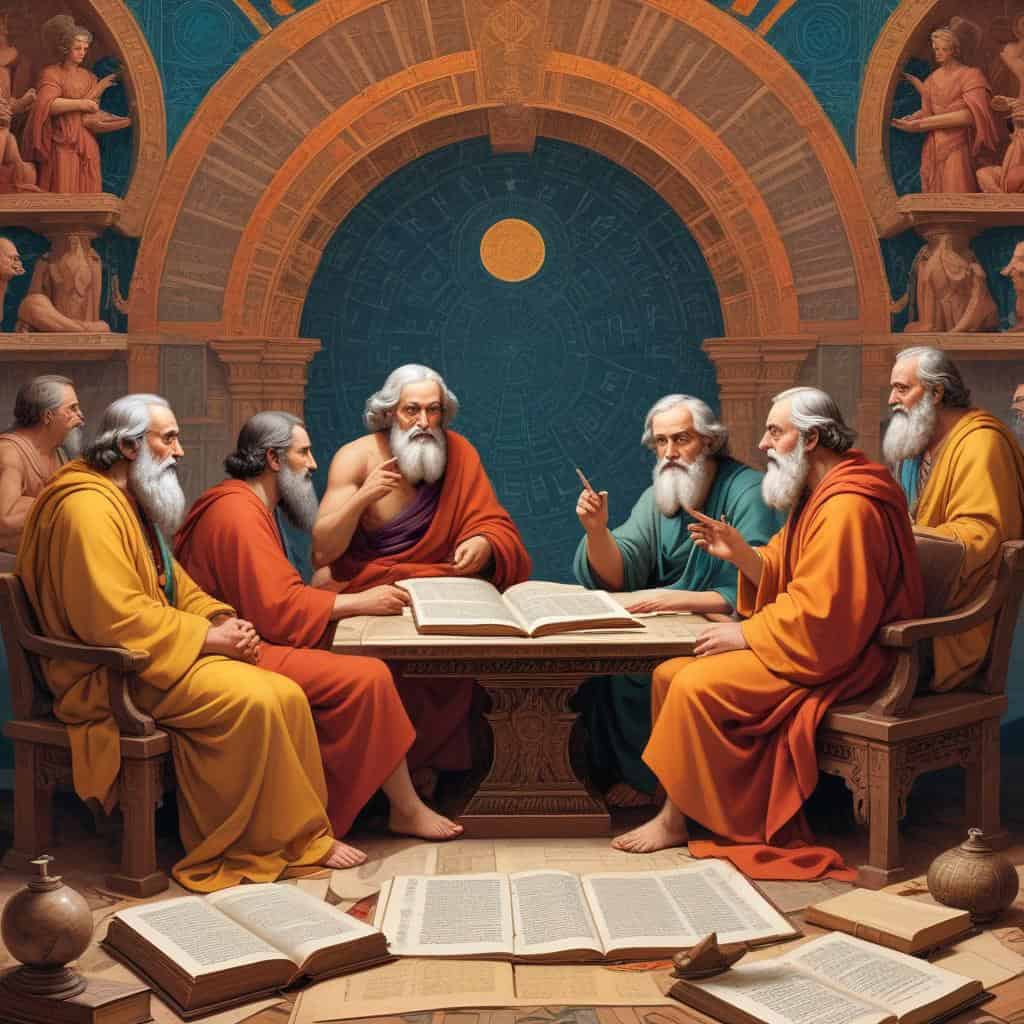

Socrates

Pyrrho
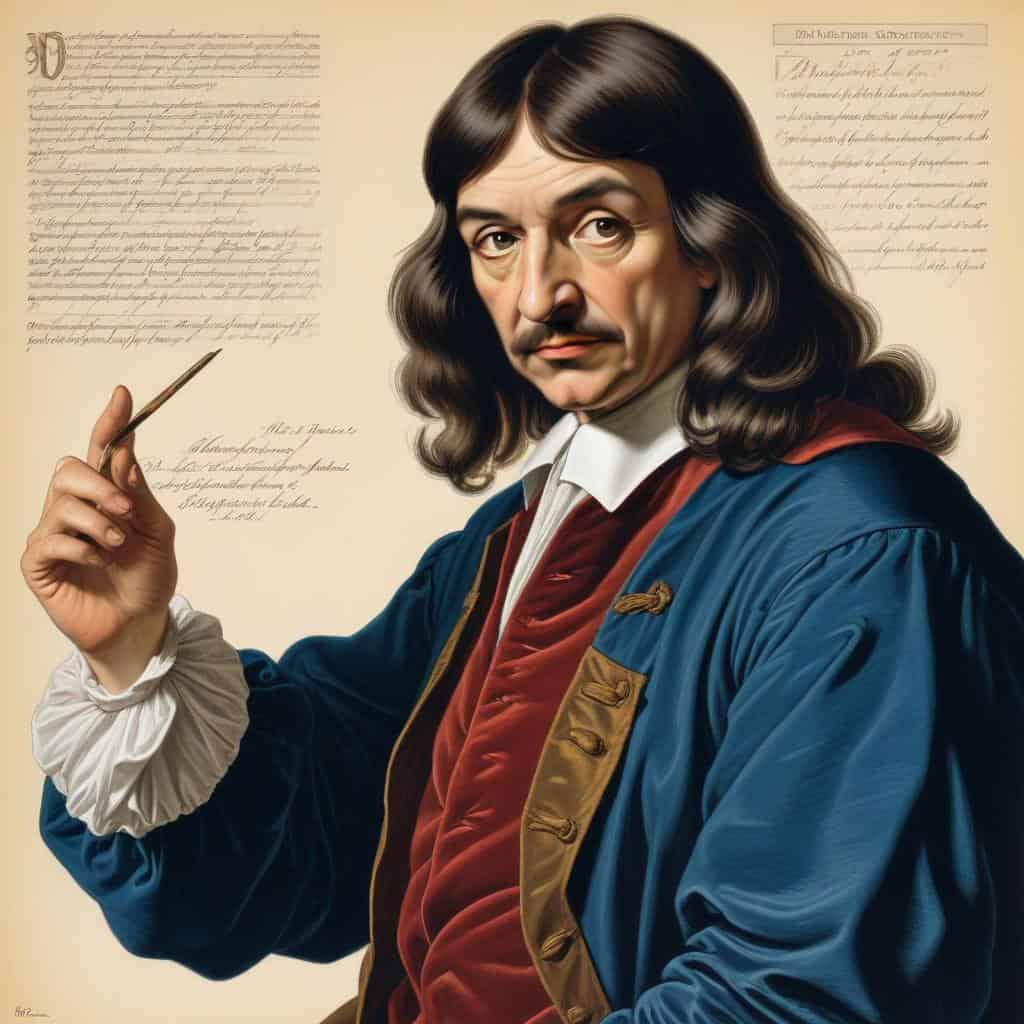
Descartes
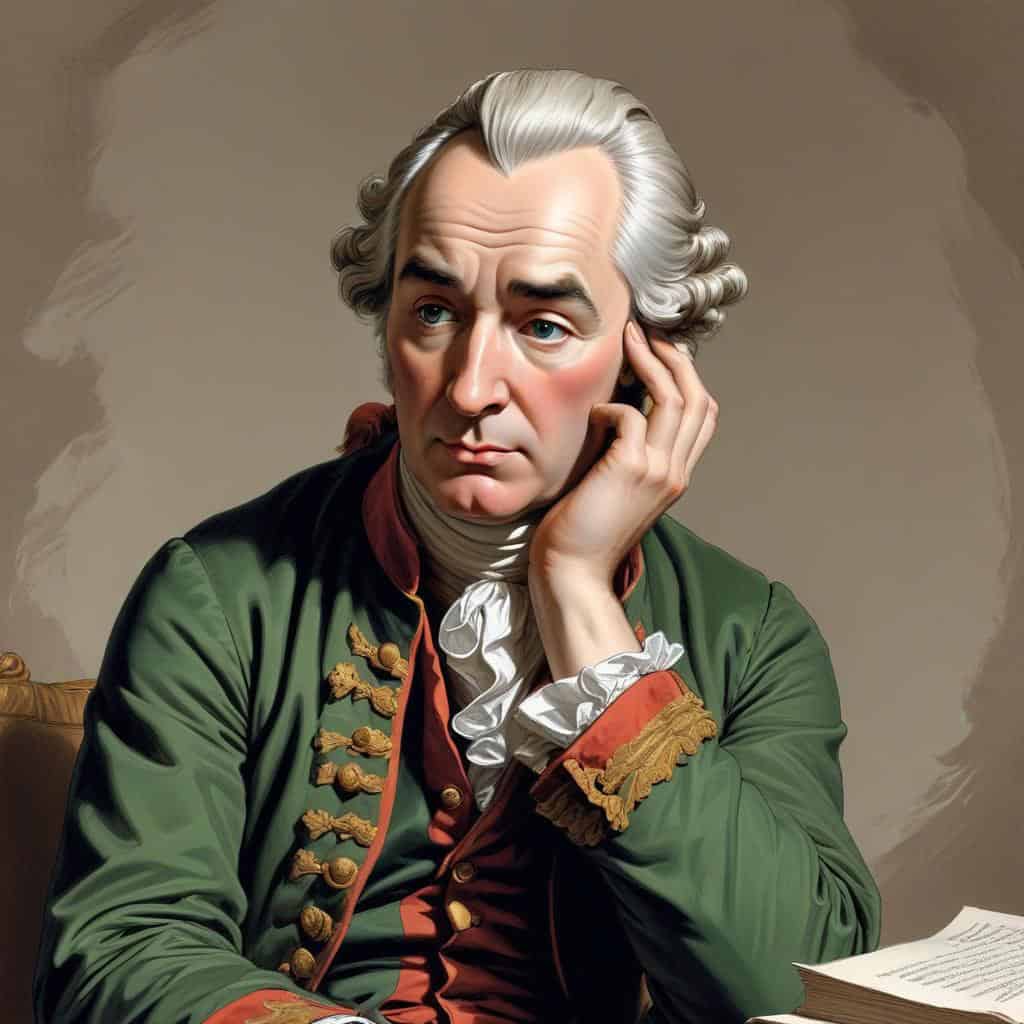
David Hume
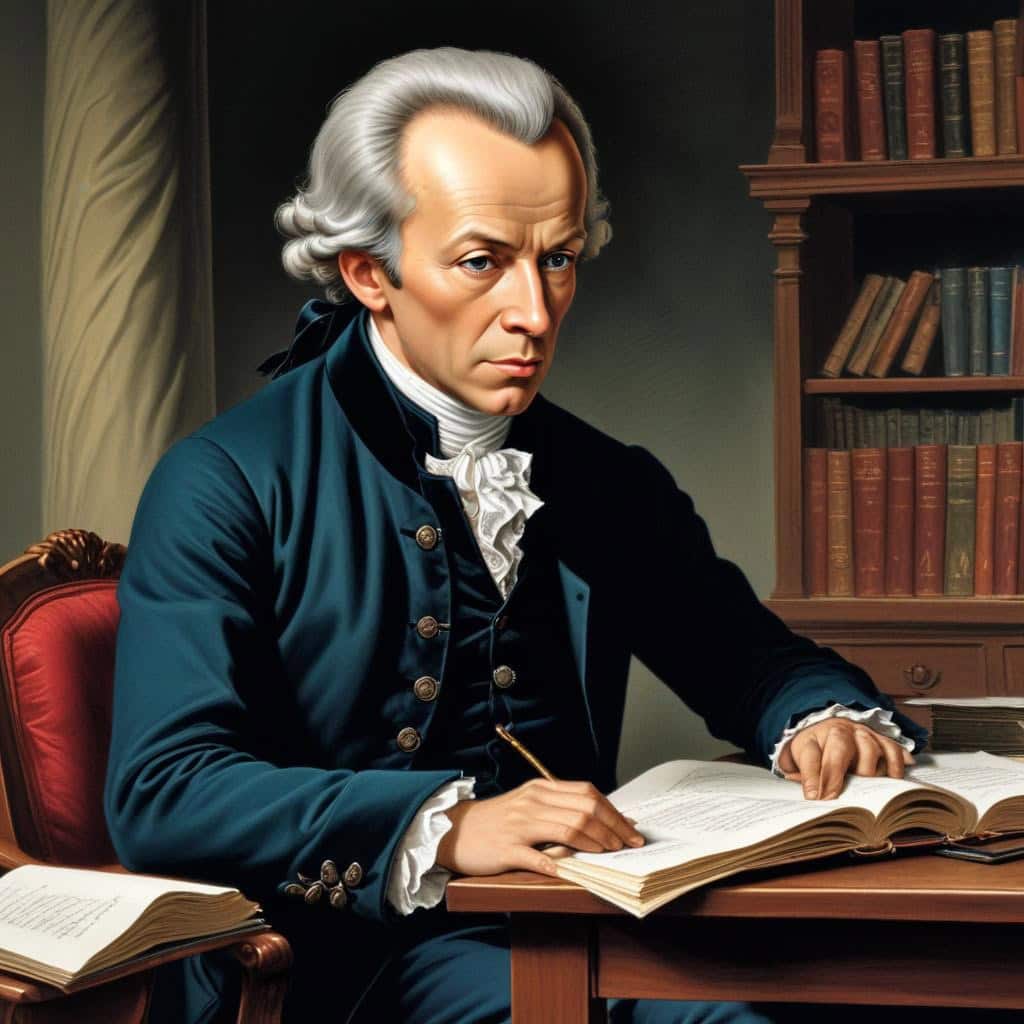
Immanuel Kant
1. The Origins of Skepticism

2. Doubting Knowledge

3. Types of Skepticism

4. The Problem of Induction

5. Philosophical Responses
6. The Role of Evidence

7. Skepticism and Certainty

8. Practical Implications

9. Skepticism in Modern Philosophy

10. Embracing Skepticism


Lesson Details & Resources
In a Nutshell
- Concept: A philosophical position that questions the possibility of knowledge and certainty.
- Thinkers: Pyrrho of Elis, Sextus Empiricus, David Hume, Rene Descartes, 5th Century BC to 17th Century AD.
- Central Question: Can we truly know anything for certain?
- Core Implication: It is difficult, if not impossible, to establish absolute truths, leading to skepticism about our beliefs and perceptions.
Timeline of Introduction To Skepticism
Pyrrho of Elis introduces Pyrrhonism, a form of skepticism in ancient Greece
Sextus Empiricus writes 'Outlines of Pyrrhonism', a key text on skepticism
Medieval philosopher Michel de Montaigne popularizes skepticism in his essays
Rene Descartes introduces methodological skepticism in 'Meditations on First Philosophy'
David Hume publishes 'An Enquiry Concerning Human Understanding', a key work on skepticism
Immanuel Kant responds to skepticism in 'Critique of Pure Reason'
Friedrich Nietzsche criticizes skepticism in 'Beyond Good and Evil'
Ludwig Wittgenstein explores skepticism in 'On Certainty'
Donald Davidson challenges skepticism with his coherentist theory of truth
Barry Stroud publishes 'The Significance of Philosophical Skepticism'
Richard Rorty critiques skepticism in 'Philosophy and the Mirror of Nature'
Susan Haack develops a response to skepticism in 'Evidence and Inquiry'
Keith DeRose explores contextualism in 'Solving the Skeptical Problem'
Hilary Putnam discusses skepticism in 'Reason, Truth, and History'
Michael Williams examines skepticism in 'Unnatural Doubts'
Robert Nozick presents his response to skepticism in 'Philosophical Explanations'
G.E. Moore introduces the concept of 'common sense' as a response to skepticism
Alvin Goldman proposes a reliabilist response to skepticism in 'Epistemology and Cognition'
Ernest Sosa develops a virtue epistemology in response to skepticism
Timothy Williamson defends a knowledge-first approach to skepticism in 'Knowledge and Its Limits'
Vocabulary List
- Skepticism
- Skepticism in philosophy is the questioning of knowledge and beliefs, often leading to a critical examination of assumptions.
- Epistemology
- Epistemology is a branch of philosophy that deals with the nature and scope of knowledge.
- Empiricism
- Empiricism is often contrasted with rationalism in debates about the sources of knowledge.
- Relativism
- Relativism challenges the idea of absolute truth and suggests that beliefs are context-dependent.
- Dogmatism
- Dogmatism can hinder open-minded inquiry by asserting fixed beliefs without questioning them.
- Agnosticism
- Agnosticism is often seen as a position of skepticism towards religious claims.
- Verificationism
- Verificationism has been criticized for restricting meaningful discourse to empirical claims.
- Phenomenalism
- Phenomenalism challenges our common-sense understanding of the external world by emphasizing subjective experiences.
- Fallibilism
- Fallibilism recognizes the possibility of error and encourages intellectual humility in the pursuit of truth.
- Solipsism
- Solipsism is often seen as an extreme form of skepticism that doubts the existence of external reality.
Key Facts
This is the information used in the fact matching game
- Skepticism in philosophy is the view that we lack knowledge in some fundamental way.
- Skeptics question the possibility of certainty or absolute knowledge in any area of inquiry.
- The ancient Greek philosopher Pyrrho is often credited as one of the first skeptics, advocating for the suspension of judgment in all matters.
- Skeptics often argue that our senses can be deceiving and therefore cannot be fully trusted.
- Descartes famously employed skepticism as a methodological tool in his Meditations on First Philosophy.
- Skeptics may challenge commonly held beliefs and invite individuals to critically examine their own assumptions.
- The goal of skepticism is not necessarily to deny knowledge altogether, but to encourage a more cautious and critical approach to belief.
- Skeptics may differentiate between different types of skepticism, such as academic skepticism and radical skepticism.
- Academic skeptics argue that knowledge is impossible to attain, while radical skeptics doubt the possibility of even basic beliefs like existence or reality.
- Skepticism can be seen as a way to challenge dogmatism and promote intellectual humility.
- Some skeptics argue that the burden of proof lies on those making positive claims, rather than on skeptics themselves.
- Skeptics may also engage in epistemological debates about the nature of knowledge and justification.
- Skepticism has influenced various areas of philosophy, including epistemology, metaphysics, and ethics.
- Skeptics may question the reliability of reason and logic in reaching certain conclusions.
- The history of skepticism in philosophy dates back to ancient times and has evolved over centuries.
- Skeptics may challenge the idea of a fixed and objective reality, arguing that reality is subjective and dependent on perception.
- Skepticism can be a useful tool for promoting critical thinking and intellectual inquiry.
- Some skeptics argue that skepticism is a natural response to the limitations of human cognition and perception.
- Skepticism can be seen as a form of intellectual self-defense against dogma and unwarranted beliefs.
- Despite its challenges, skepticism has played a significant role in shaping philosophical discourse and encouraging open-minded inquiry.
Analysis & Significance
The Core Argument
Introduction to skepticism delves into the fundamental question of whether we can truly know anything with absolute certainty. Through thought experiments like Descartes’ evil demon or the brain in a vat scenario, skeptics challenge the reliability of our senses and the trustworthiness of our beliefs.
Criticisms and Counterarguments
One major criticism of skepticism is that it can lead to a paralyzing doubt that undermines all knowledge claims. Critics argue that while skepticism is a valuable tool for critical thinking, total skepticism is impractical and unlivable. Additionally, some philosophers contend that skepticism fails to provide a constructive alternative for establishing knowledge.
Modern Relevance
In a world inundated with misinformation and fake news, the skepticism of questioning sources and verifying information is more pertinent than ever. The ability to critically evaluate claims and challenge assumptions is crucial in navigating the complexities of modern society. Moreover, in the age of technology and virtual realities, the philosophical skepticism about the nature of reality and perception remains a relevant and thought-provoking inquiry.
Introduction To Skepticism Games


Take Your Learning Offline
Want a convenient, print-ready study guide for this lesson? Become a Memory Wizards Pro member to unlock the downloadable " Memory Scrolls" for this topic and our entire library!
- ✓ Complete Vocabulary Lists
- ✓ Key Facts & Timelines
- ✓ Beautifully Formatted for Print & Mobile