
Explore the Lessons
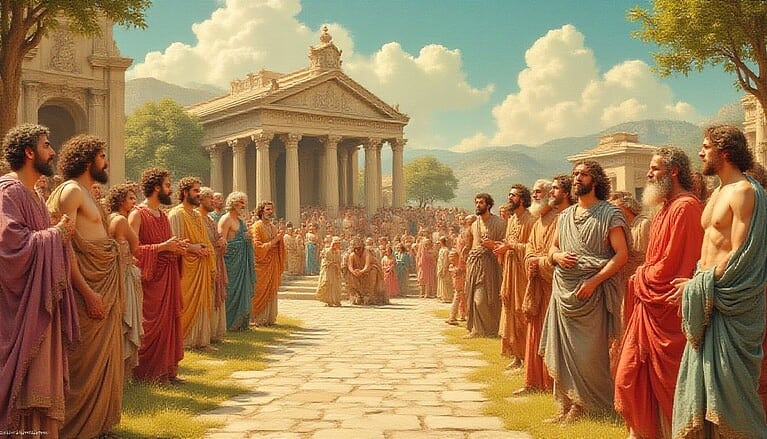
Introduction To Neoplatonism
Can we truly reach the divine through the material world?
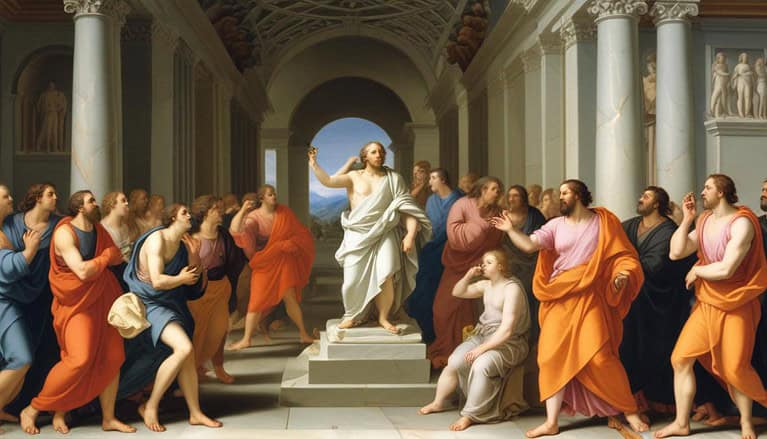
The One And The Many
How can one be both unique and connected to all?
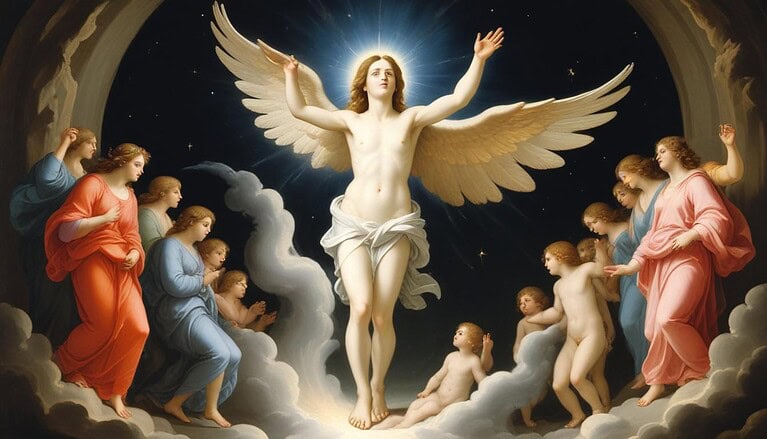
The Soul's Ascent To The Good
What if our journey to goodness is guided by our soul?
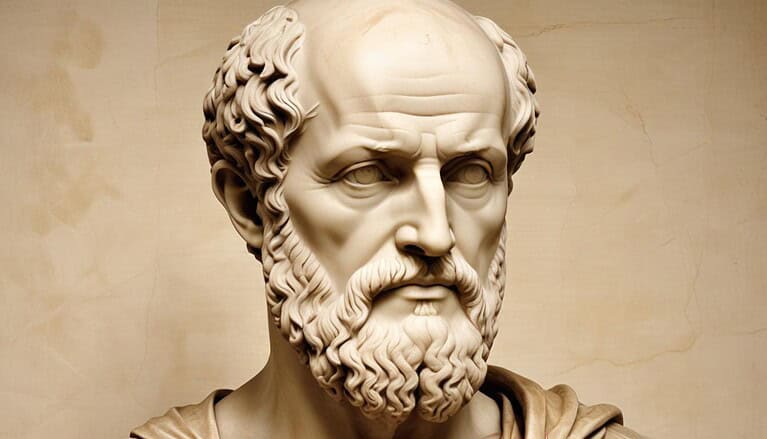
The Influence Of Plotinus
Can we transcend reality through the teachings of Plotinus?
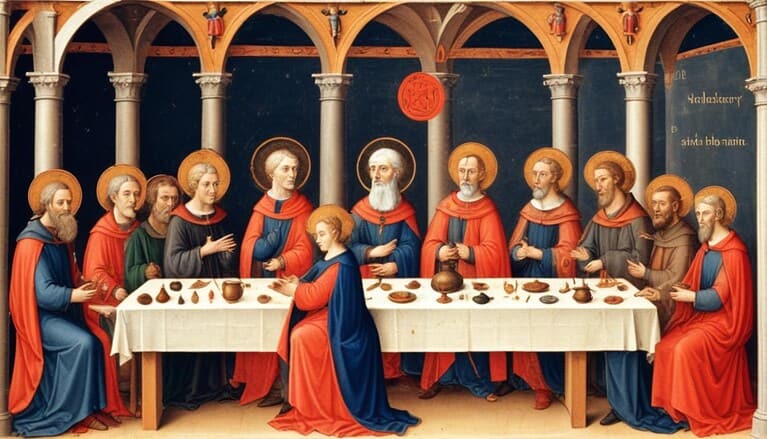
Neoplatonism In The Middle Ages
Unraveling the mystical allure of Neoplatonism in the Middle Ages.
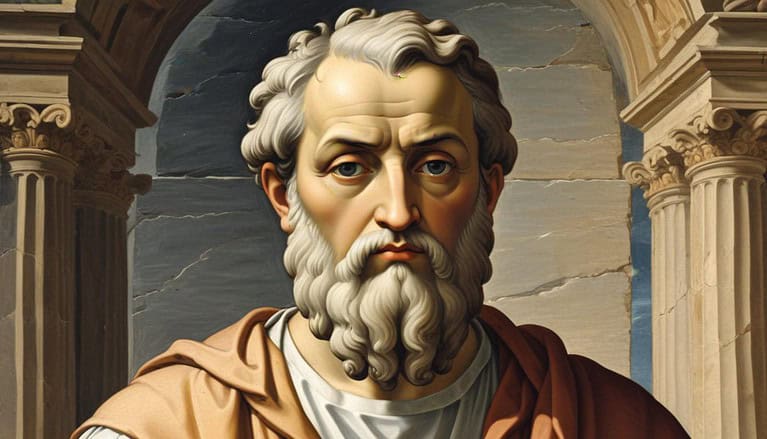
Neoplatonism And Christian Thought
Do we reconcile the divine within ourselves and the universe?
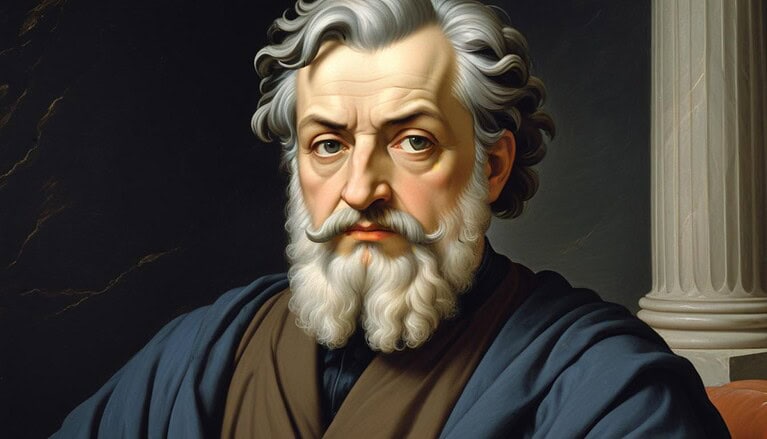
Neoplatonism's Legacy In Modern Philosophy
Unveiling the eternal quest for the ultimate reality.
Timeline
Enneads (Plotinus)
The Six Enneads (Plotinus)
The Theology of Aristotle (Proclus)
The Elements of Theology (Proclus)
The Consolation of Philosophy (Boethius)
On the Celestial Hierarchy (Pseudo-Dionysius the Areopagite)
The Divine Names (Pseudo-Dionysius the Areopagite)
The Incoherence of the Philosophers (Al-Kindi)
The Book of the Apple (Al-Kindi)
The Book of Causes (translated from Proclus by Al-Kindi)
The Theology of Aristotle (translated by Al-Farabi)
The Book of Letters (Al-Farabi)
The Harmonization of the Two Opinions of the Two Sages (Al-Farabi)
The Book of Religion (Al-Farabi)
The Book of the Division of the Sciences (Al-Farabi)
The Book of the Pure Good (Ibn Sina)
On the Harmony of Religion and Philosophy (Averroes)
The Platonic Theology (Marsilio Ficino)
The Divine Love (Giordano Bruno)
The Monadology (Gottfried Wilhelm Leibniz)
Lectures on the Philosophy of History (Georg Wilhelm Friedrich Hegel)
Process and Reality (Alfred North Whitehead)