
Explore the Lessons
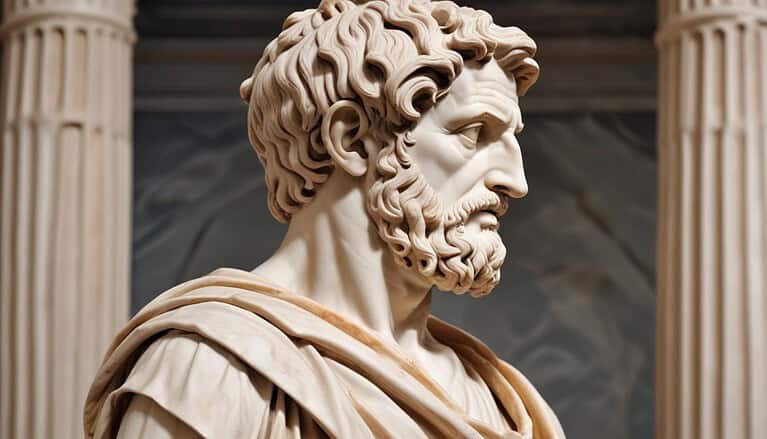
Introduction To Stoicism
Can we find peace in embracing life's uncertainties?
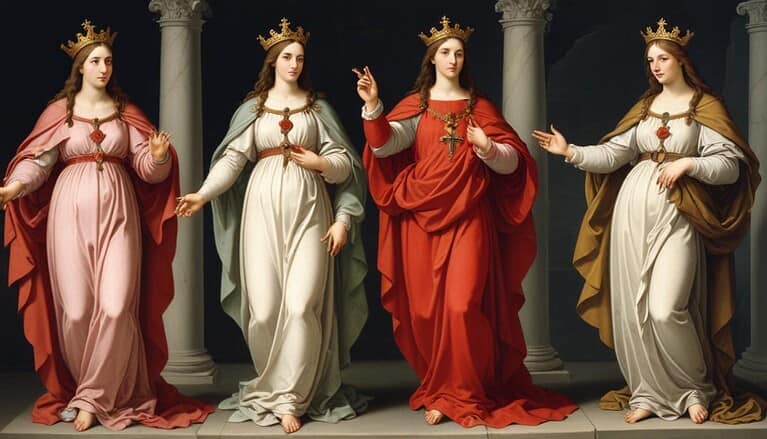
The Four Cardinal Virtues
Unveiling the essence of human excellence: The Four Cardinal Virtues.
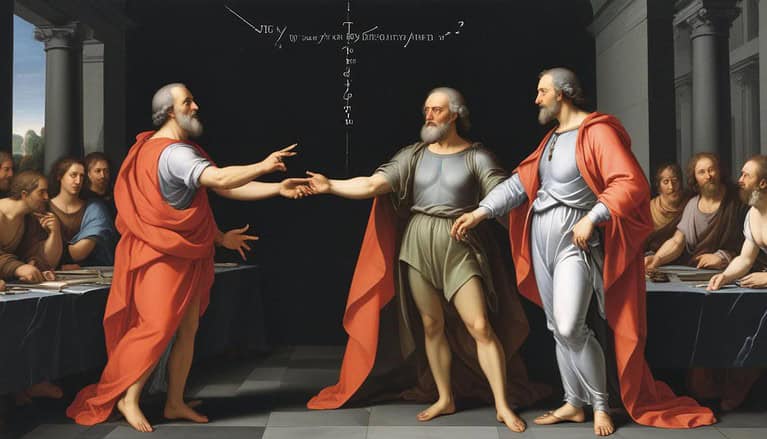
The Dichotomy Of Control
Are we masters of our fate or slaves to circumstance?

Practicing Acceptance And Resilience
How do we embrace life's challenges with grace and strength?
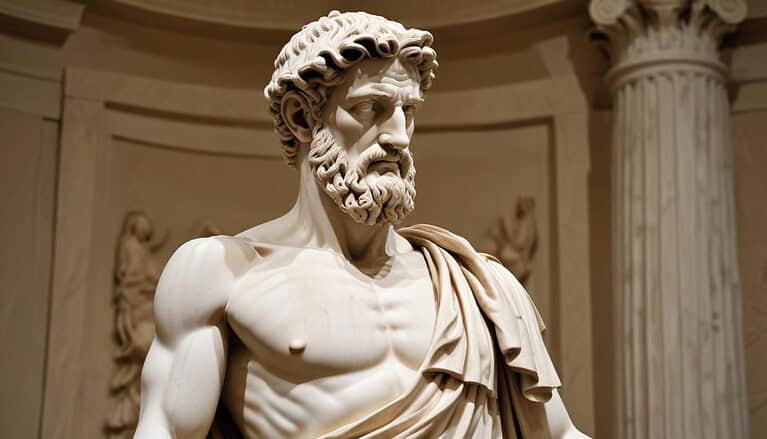
The Stoic Practice Of Self-discipline
Can we master our desires and emotions through self-discipline?
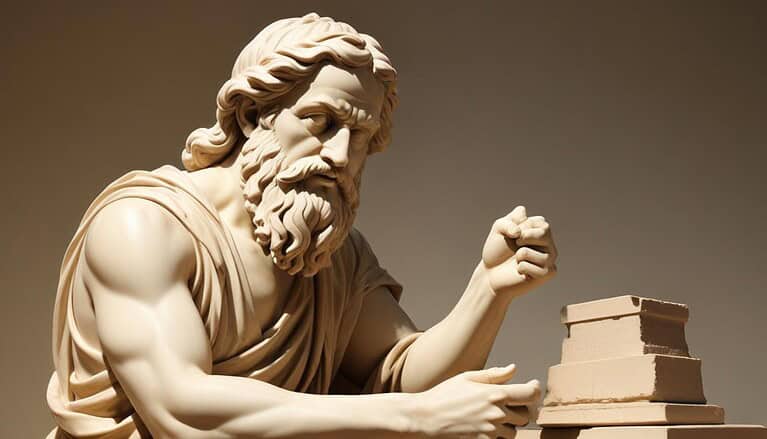
Cultivating Virtue Through Adversity
What virtues will emerge from the fires of adversity?
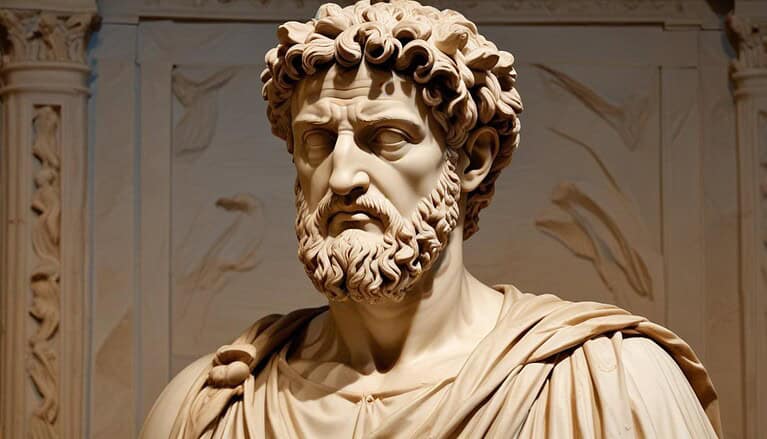
The Stoic View On Emotions
Can we control our emotions or do they control us?

Living In Harmony With Nature
Can we rediscover our place in the natural world's intricate dance?
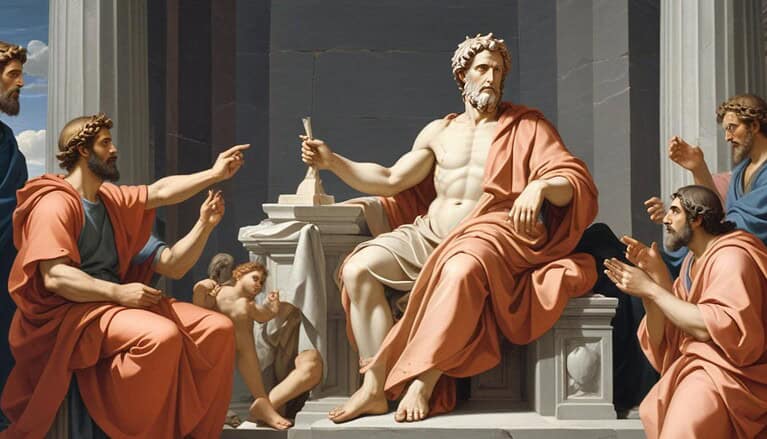
The Role Of Fate And Providence In Stoicism
Are we masters of our destiny or mere pawns of fate?
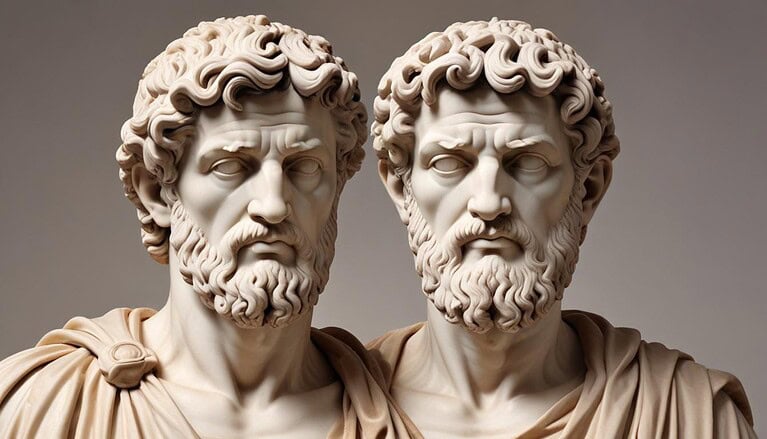
Applying Stoic Principles To Everyday Life.
Can we find peace by embracing the power of stoicism?
Timeline
Stoicism Founded (Zeno of Citium)
Stoic Philosophy (Cleanthes)
Stoic Ethics (Chrysippus)
Stoic Logic (Posidonius)
Stoic Natural Philosophy (Seneca)
Discourses (Epictetus)
Meditations (Marcus Aurelius)
On the Happy Life (Seneca the Younger)
Moral Letters to Lucilius (Seneca the Younger)
Consolation of Philosophy (Boethius)
Enchiridion (Epictetus)
Essays (Michel de Montaigne)
Meditations on First Philosophy (René Descartes)
Discourse on the Arts and Sciences (Jean-Jacques Rousseau)
Thus Spoke Zarathustra (Friedrich Nietzsche)
Being and Time (Martin Heidegger)
The Obstacle Is the Way (Ryan Holiday)