
Neoplatonism:Unity Of Being
Dive deep into Neoplatonism: Are we all truly one?
How Do You Learn Best?
Learn by Reading
Immerse yourself in the 10-minute visual lesson for a comprehensive understanding of the topic.
Learn by Reviewing
Jump directly to the key facts, timeline, and vocabulary lists to build a solid foundation of details.
Learn by Doing
Challenge yourself! Jump straight into the interactive games to learn by trial, error, and discovery.
Neoplatonism:Unity Of Being in 10 Minutes

Introduction


Plotinus

Porphyry
Iamblichus
Proclus
Dionysius the Areopagite
Plot Summary

Key Concepts
Levels of Reality

Unity of Being
Metaphysical Principles

Contemplation and Theurgy
Influence on Western Thought
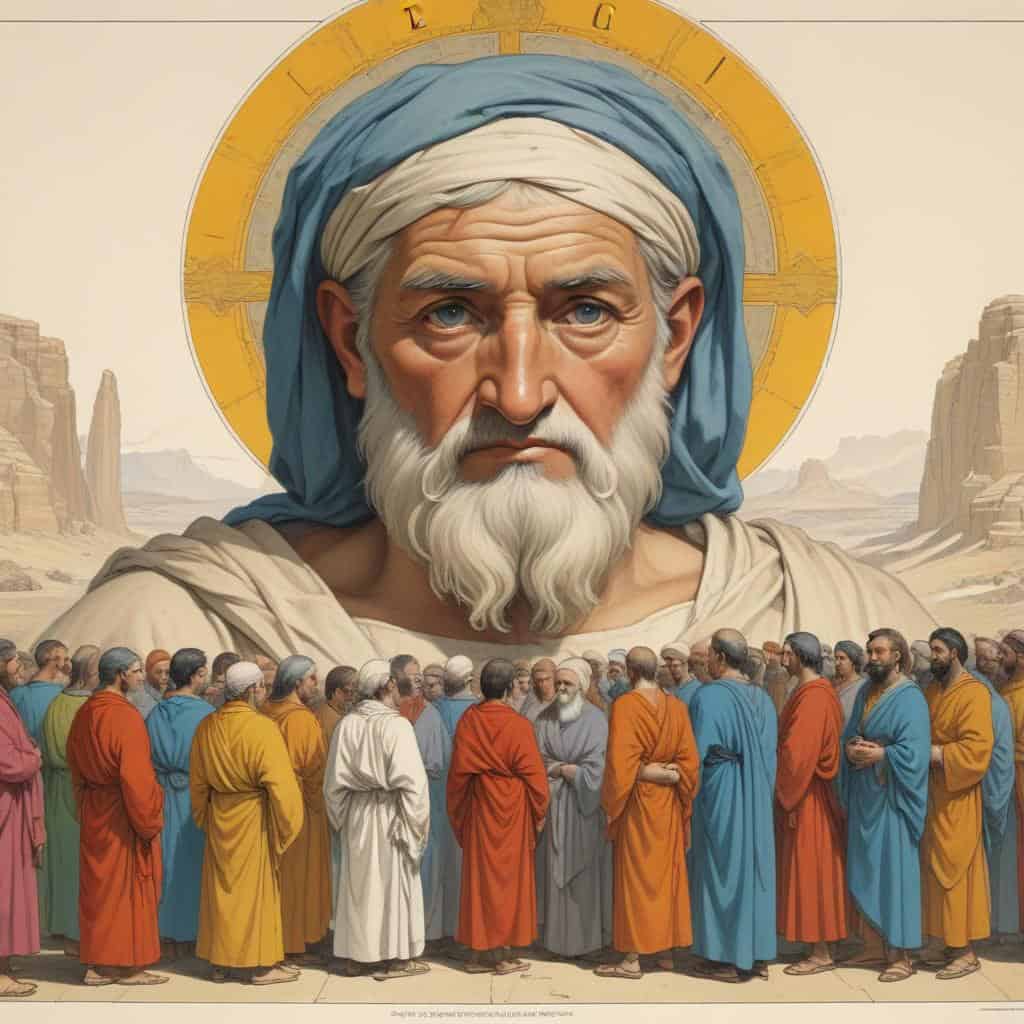
Legacy of Neoplatonism


Lesson Details & Resources
In a Nutshell
- Concept: A philosophical perspective that emphasizes the ultimate unity of all existence.
- Thinkers: Plotinus, 3rd Century AD.
- Central Question: How can we understand the relationship between the material world and the higher realms of reality?
- Core Implication: The goal of life is to ascend towards a higher state of consciousness and unity with the divine.
Timeline of Neoplatonism:Unity Of Being
Plotinus establishes Neoplatonism as a philosophical system
Plotinus' Enneads are compiled and published
Porphyry becomes a student of Plotinus
Porphyry publishes 'Introduction to Categories'
Porphyry becomes the head of the Neoplatonic school in Rome
Iamblichus becomes a prominent Neoplatonist philosopher
Iamblichus establishes his own school in Syria
Proclus becomes a prominent Neoplatonist philosopher
Proclus becomes the head of the Neoplatonic school in Athens
Simplicius translates and comments on the works of Aristotle and Plato
Damascius becomes the last head of the Neoplatonic school in Athens
Boethius translates and comments on the works of Aristotle and Plato
Neoplatonism influences Islamic philosophy through figures like Al-Kindi and Al-Farabi
Neoplatonism influences Christian theology through figures like Augustine of Hippo and Pseudo-Dionysius the Areopagite
Neoplatonism continues to be studied and discussed by philosophers throughout the Middle Ages and Renaissance
The Renaissance philosopher Marsilio Ficino translates and promotes Neoplatonic texts
Neoplatonism experiences a revival in the 19th and 20th centuries through figures like Friedrich Schelling and Henri Bergson
Neoplatonic ideas continue to influence contemporary philosophy and theology
Vocabulary List
- Nous
- Plotinus believed that the Nous emanated from the One and served as the intermediary between the One and the material world.
- One
- Neoplatonists believe that everything in the material world emanates from the One.
- Emanation
- Plotinus described the emanation of the Nous from the One as a necessary step in the creation of the material world.
- Hypostasis
- The three hypostases in Neoplatonism are the One, the Nous, and the World Soul.
- Henosis
- Neoplatonists seek to achieve henosis by transcending the material world and reuniting with the One.
Key Facts
This is the information used in the fact matching game
- Neoplatonism is a philosophical system that emerged in the 3rd century AD, founded by the philosopher Plotinus.
- Neoplatonism emphasizes the concept of the One, which represents the ultimate source of all existence and unity in the universe.
- The concept of the One in Neoplatonism is beyond all categories and cannot be described in terms of being or non-being.
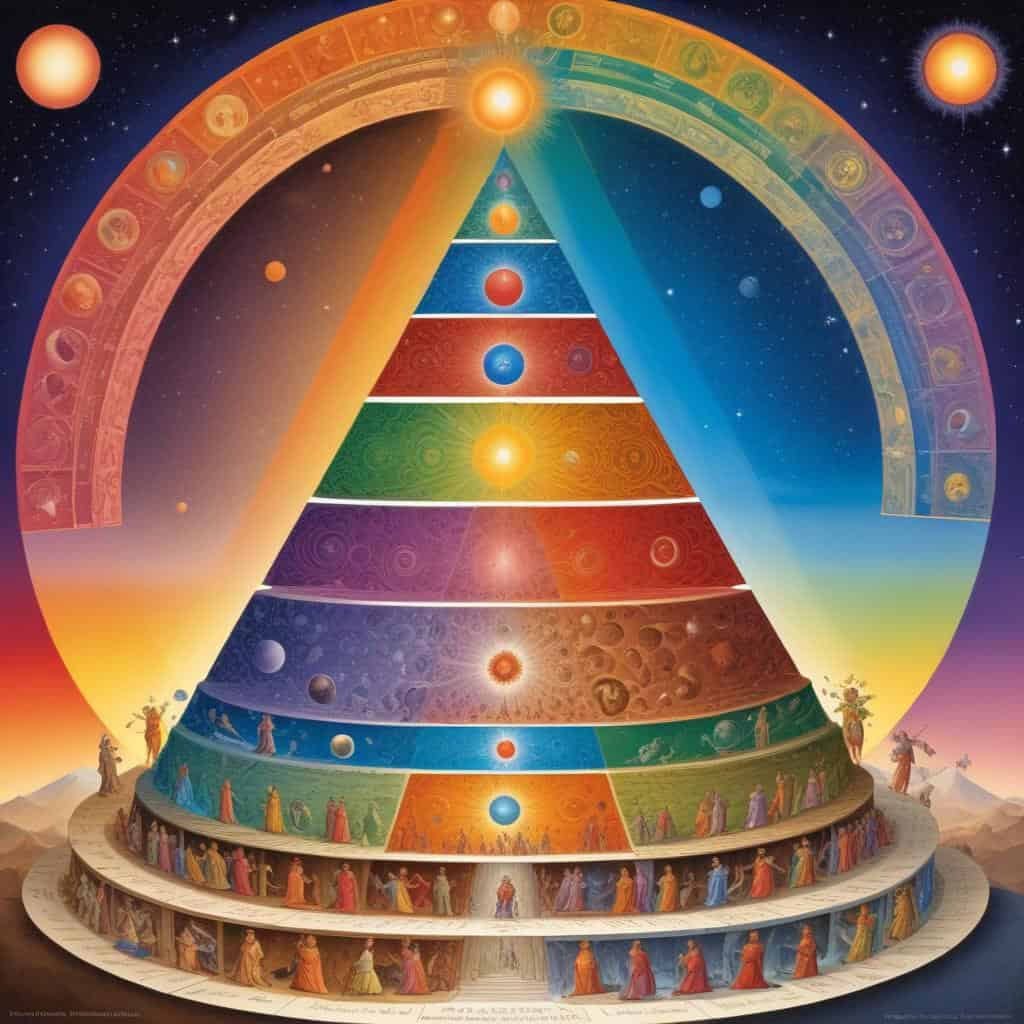
- Neoplatonism posits a hierarchical structure of reality, with the One at the top, followed by the Nous (Intellect) and the World Soul.
- The goal of Neoplatonism is to achieve a mystical union with the One through contemplation and spiritual ascent.
- Neoplatonism influenced later Christian thinkers such as Augustine of Hippo and Pseudo-Dionysius the Areopagite.
- Plotinus believed that the material world is a reflection of the higher spiritual realities and that the ultimate purpose of human life is to return to the One.
- Neoplatonism incorporates elements of Platonic philosophy, Aristotelianism, and mysticism.
- The concept of unity in Neoplatonism refers to the interconnectedness of all things and their ultimate source in the One.
- Plotinus argued that the material world is an imperfect reflection of the higher spiritual realities and that true knowledge comes from transcending the material realm.
- Neoplatonism influenced Islamic and Jewish philosophers in the Middle Ages, such as Avicenna and Maimonides.
- The concept of the Unity of Being in Neoplatonism emphasizes the interconnectedness of all things and their ultimate source in the One.
- Neoplatonism was a major intellectual movement in the ancient world and continued to have a lasting impact on Western philosophy.
- The Unity of Being in Neoplatonism is not merely a conceptual unity but a deep metaphysical unity that underlies all existence.
- Neoplatonism sought to reconcile the transcendent One with the multiplicity of existence through a hierarchical system of emanation.
- The concept of the Unity of Being in Neoplatonism challenges the dualistic notion of a separation between the material and spiritual realms.
- Neoplatonism was a major influence on the Renaissance thinkers such as Marsilio Ficino and Pico della Mirandola.
- The Unity of Being in Neoplatonism emphasizes the interconnectedness of all things and their ultimate source in the One.
- Neoplatonism had a significant impact on the development of Christian theology, particularly in the East.
- The Unity of Being in Neoplatonism is a central theme that runs throughout the works of Plotinus and other Neoplatonic philosophers.
Analysis & Significance
The Core Argument
Neoplatonism argues for the Unity of Being, positing that all existence emanates from a single, transcendent source. This source, often referred to as the One or the Good, is the ultimate reality that unifies all things and provides the foundation for the hierarchy of being.
Criticisms and Counterarguments
Critics of Neoplatonism argue that the concept of Unity of Being is too abstract and disconnected from everyday human experience. They question the validity of positing a single, transcendent source as the origin of all existence, and challenge the hierarchical structure of reality proposed by Neoplatonism.
Modern Relevance
The idea of Unity of Being in Neoplatonism can offer insights into contemporary debates on interconnectedness, environmental ethics, and social justice. By emphasizing the interconnectedness of all things and the importance of recognizing the unity underlying diversity, Neoplatonism can inspire discussions on sustainability, inclusivity, and harmony in modern society.
Neoplatonism:Unity Of Being Games


Take Your Learning Offline
Want a convenient, print-ready study guide for this lesson? Become a Memory Wizards Pro member to unlock the downloadable " Memory Scrolls" for this topic and our entire library!
- ✓ Complete Vocabulary Lists
- ✓ Key Facts & Timelines
- ✓ Beautifully Formatted for Print & Mobile