
Explore the Lessons
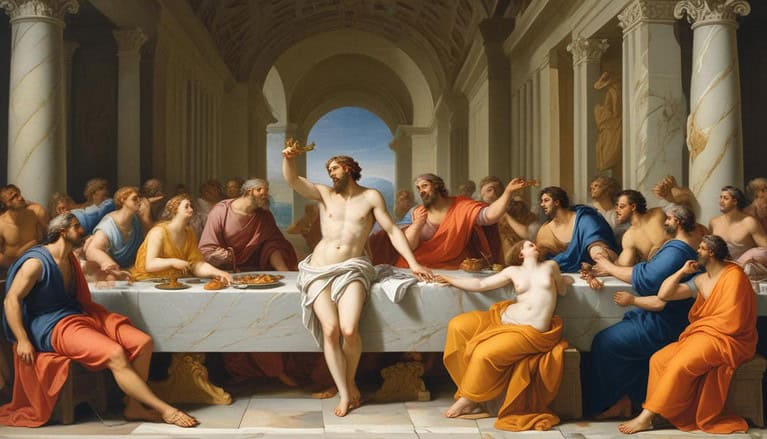
Epicureanism: Pursuit Of Pleasure
Is pleasure the ultimate purpose of life's journey?
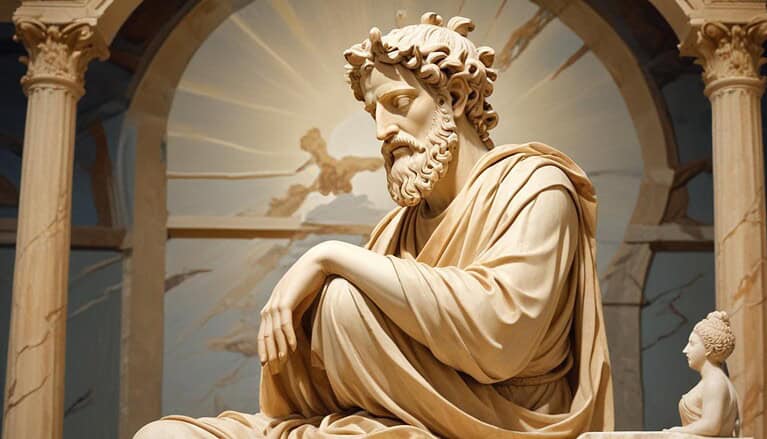
Stoicism: Finding Inner Peace
Can we find tranquility amidst chaos through the power of stoicism?
Skepticism: Questioning Everything
Can we ever truly know the truth?
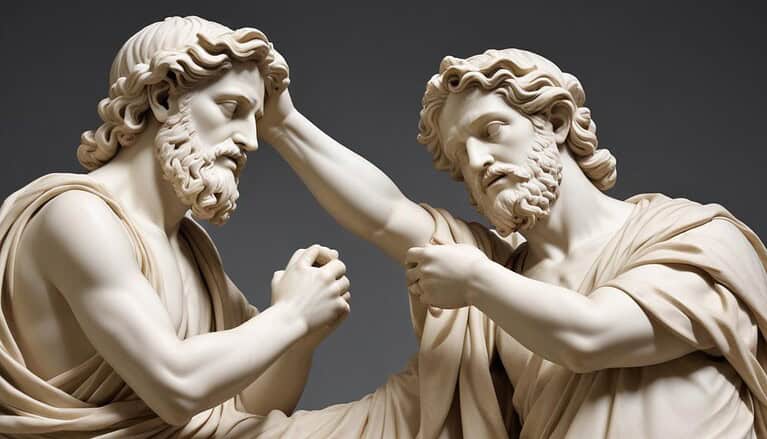
Cynicism: Embracing Virtue
Can cynicism lead us to a higher sense of purpose?
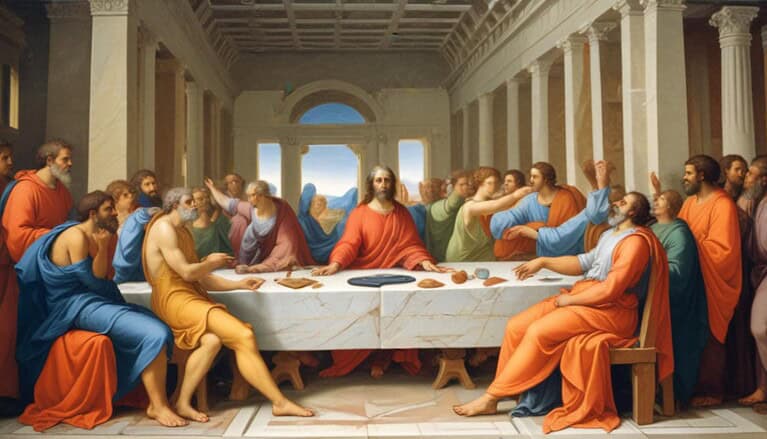
Neoplatonism:Unity Of Being
Dive deep into Neoplatonism: Are we all truly one?
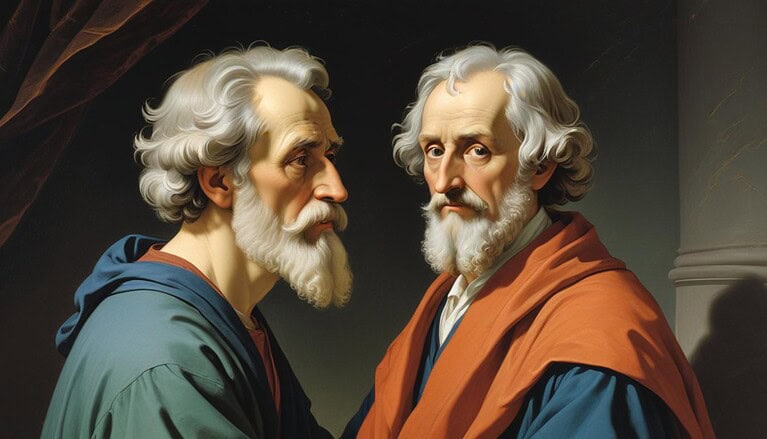
Eclecticism: Synthesizing Ideas
Can we find unity in the diversity of our thoughts?
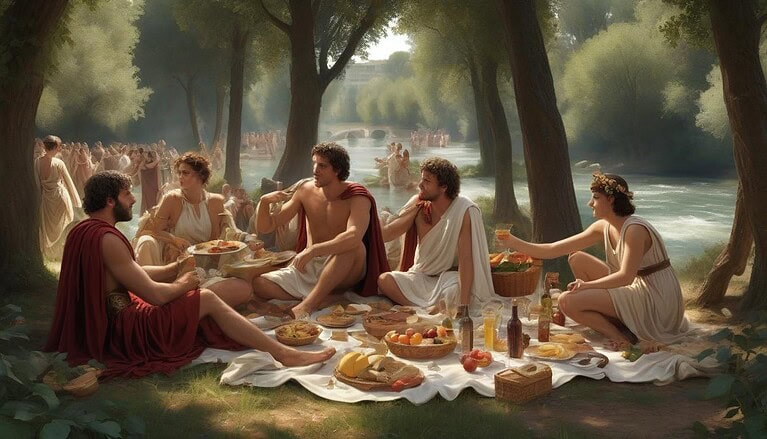
Hedonism: Maximizing Happiness
Is chasing pleasure the key to true happiness?
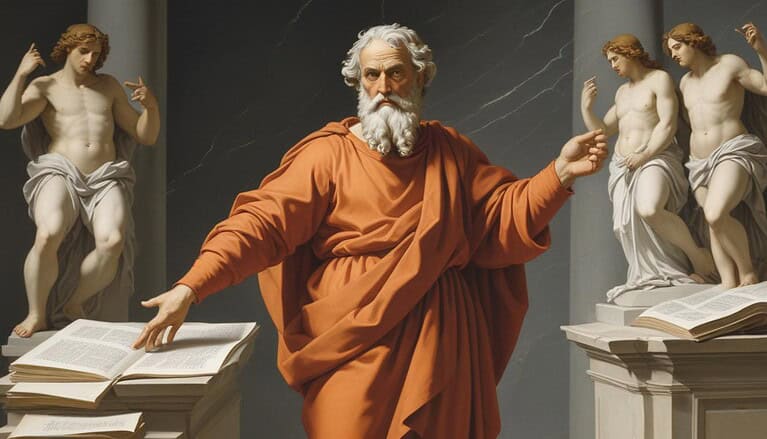
Pyrrhonism: Embracing Doubt
Can we find truth in a world full of uncertainty?
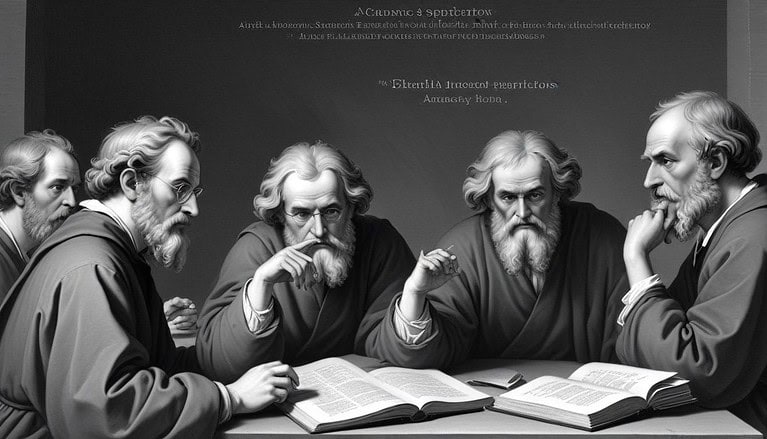
Academic Skepticism: Challenging Assumptions
Are our beliefs based on truth or tradition?
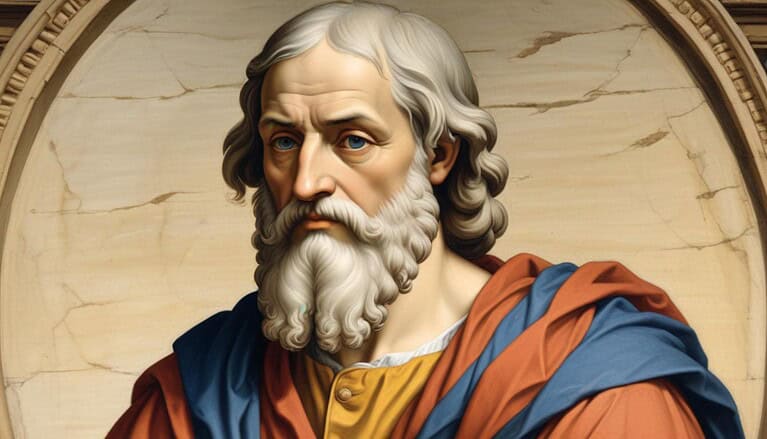
Aristotelianism: Pursuit Of Virtue
Does true virtue require a balance of all virtues?
Timeline
Stoicism (Zeno of Citium)
Epicureanism (Epicurus)
Pyrrhonism (Pyrrho of Elis)
Skepticism (Arcesilaus)
Peripatetic School (Aristotle's followers)
Hedonism (Aristippus of Cyrene)
Cynicism (Antisthenes)
Megarian School (Eucleides)
Pneumatism (Posidonius)
Middle Platonism (Plutarch)
Academic Skepticism (Carneades)
Neopythagoreanism (Numenius of Apamea)
Eclecticism (Philosophical movement)
Roman Stoicism (Seneca the Younger)
Platonism (Plato)
Second Sophistic (Philosophical movement)
Neoplatonism (Plotinus)
Hermeticism (Hermetic Corpus)
Gnosticism (Valentinus)
Christianity (Early Christian philosophers)