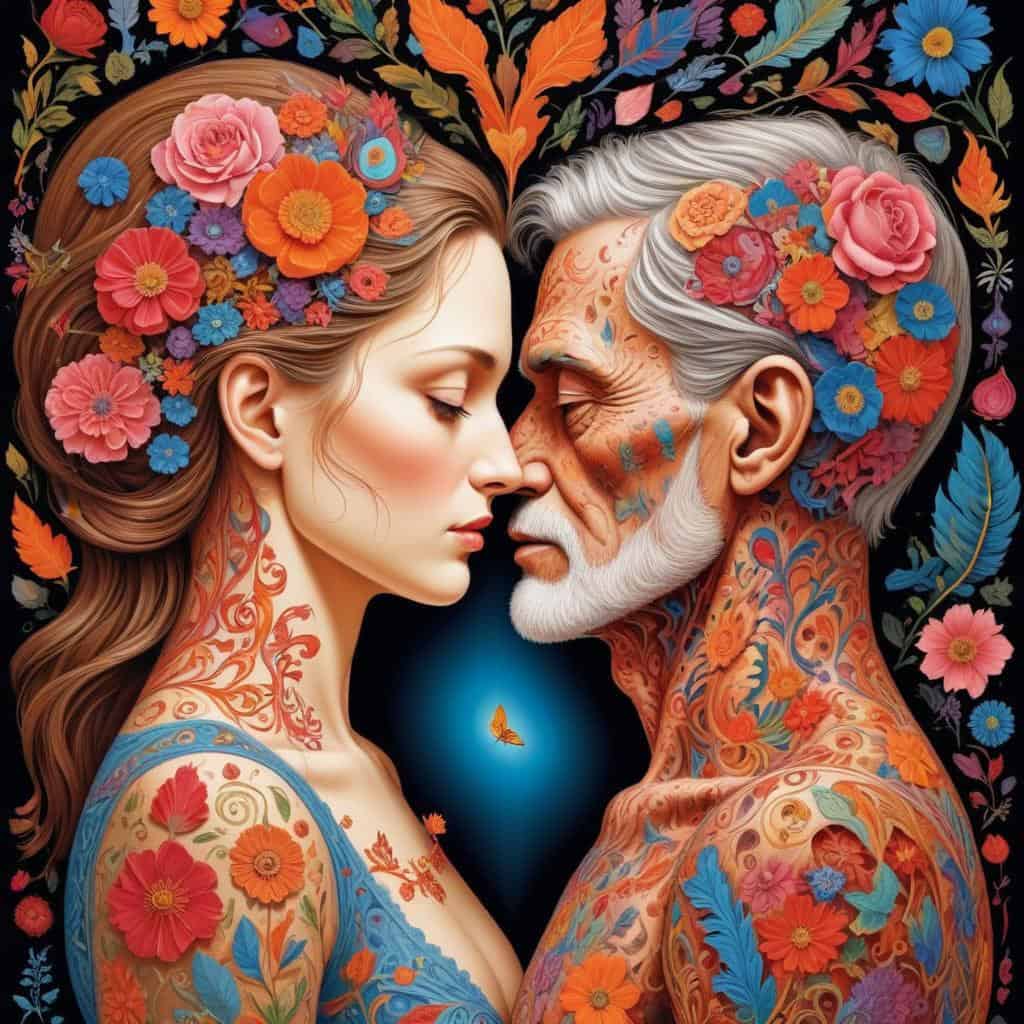
The Nature Of Love

Is love an illusion, or a force beyond comprehension?

How Do You Learn Best?

Note: You can explore any or all of these paths in any order you prefer!

Audio Library

As one of our featured lessons, this topic includes premium audio guides.

πŸ”’

Unlock the Audio Summary

This free audio lesson is available exclusively for Logged in Memory Wizards members. Please sign up for a free account or log in to access this content.

Sign Up Log In
πŸ”’

Unlock the Wizard's Cram Session

This powerful audio study guide is a Pro-exclusive feature. Upgrade to Memory Wizards Pro to access this and all of our premium learning tools.

Upgrade to Pro

The Nature Of Love in 10 Minutes

Introduction
Introduction

Love is a concept that has fascinated philosophers for centuries, prompting deep questions about its nature and essence. In this summary article, we will explore the different philosophical perspectives on the nature of love, from ancient Greek philosophers to modern thinkers.

From Plato's idea of love as a transcendent ideal to Aristotle's view of love as a virtue, philosophers have offered diverse interpretations of this complex emotion. We will examine how love has been understood as a force of attraction, a moral duty, and a source of personal fulfillment.

By delving into the philosophical discussions surrounding love, we hope to gain a deeper understanding of this universal human experience and the ways in which it shapes our relationships, values, and sense of self. Join us on this journey as we unravel the essence of love through the lens of philosophy.

Plato

Plato

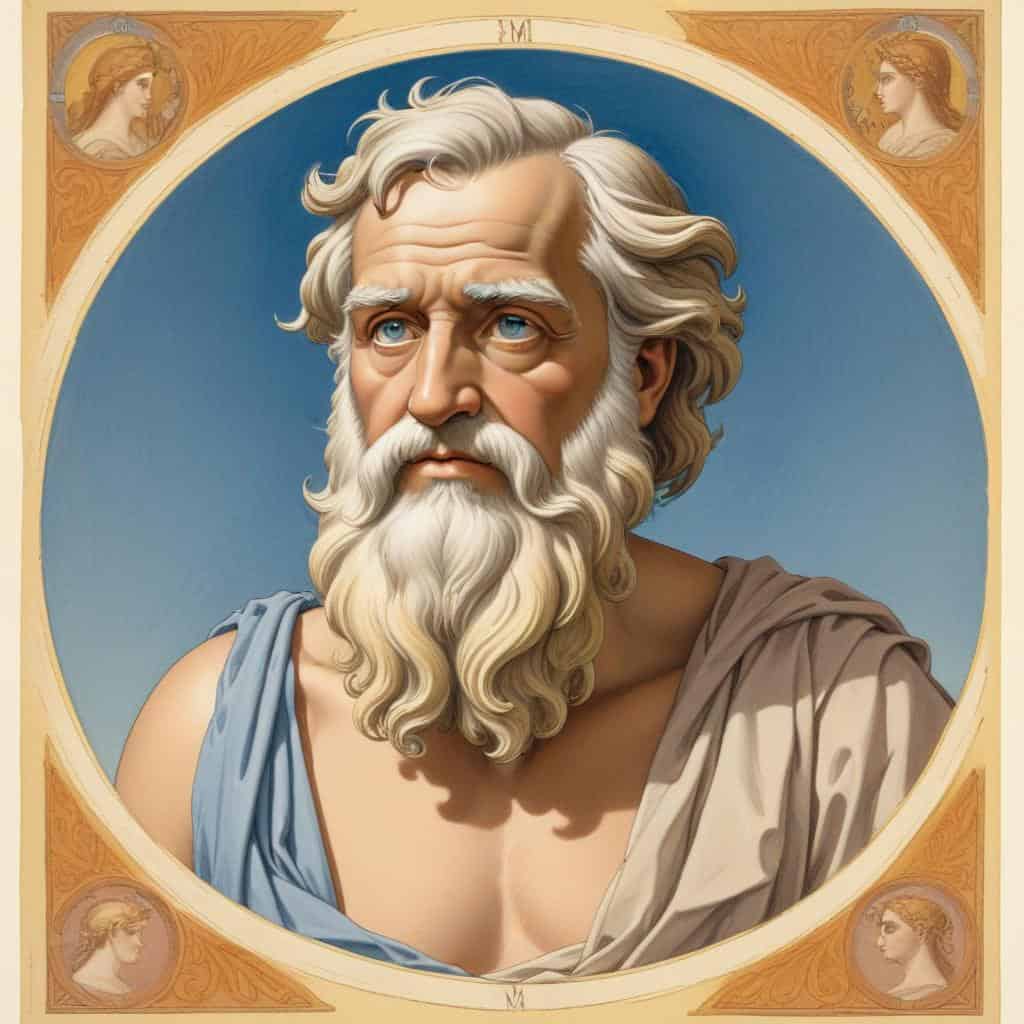
Plato, an ancient Greek philosopher, believed that love is a reflection of the eternal and ideal world. In his work, Symposium, he describes love as a ladder of spiritual ascent, ultimately leading to the contemplation of the divine.

Aristotle

Aristotle

Aristotle, another Greek philosopher, viewed love as a form of friendship. He believed that true love involves mutual respect, admiration, and a shared pursuit of virtue. According to Aristotle, love is based on a deep connection and understanding between individuals.

Sigmund Freud

Sigmund Freud

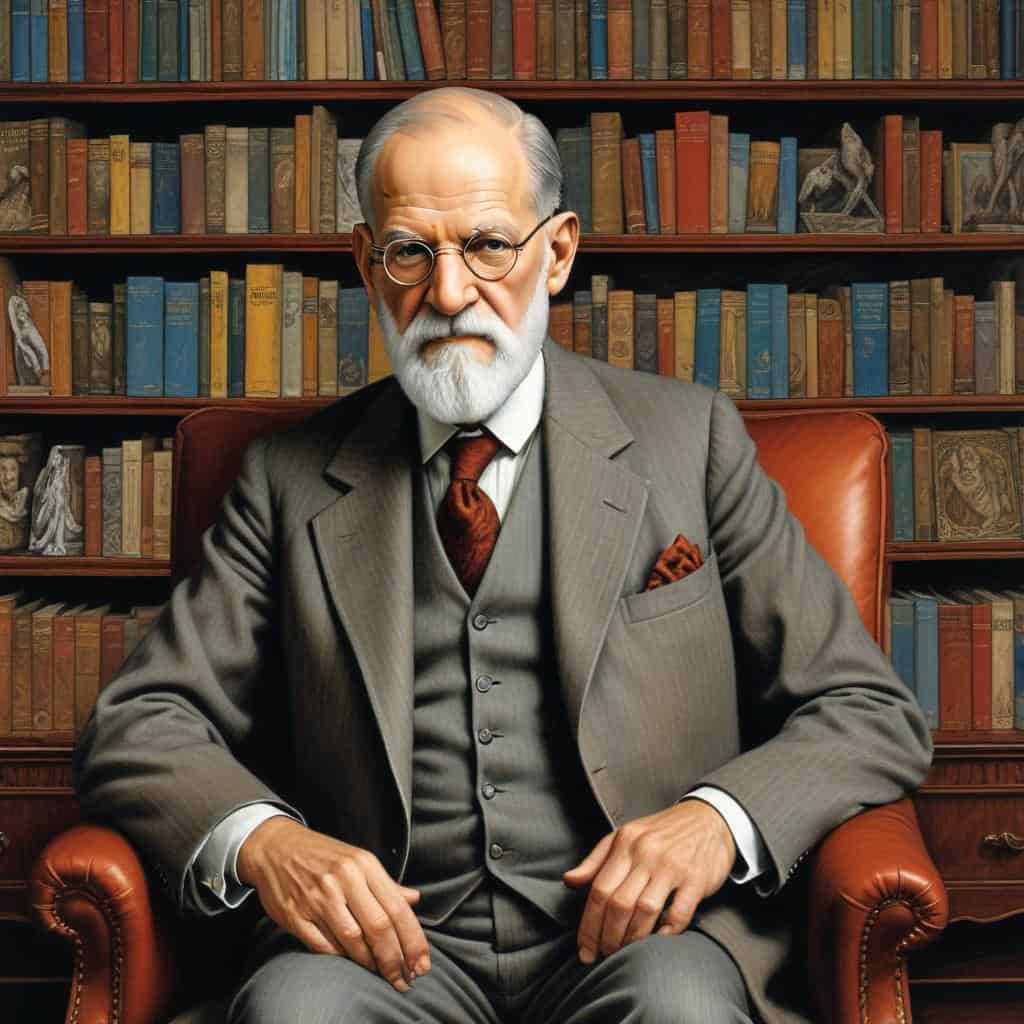
Sigmund Freud, a renowned psychologist, explored the concept of love through his theories on the unconscious mind. He believed that love is influenced by hidden desires and unresolved conflicts from childhood. Freud saw love as a complex interplay between conscious and unconscious motivations.

Friedrich Nietzsche

Friedrich Nietzsche

Friedrich Nietzsche, a German philosopher, had a unique perspective on love. He viewed love as a transformative force that can inspire individuals to reach their full potential. Nietzsche believed that true love involves a willingness to embrace change and overcome obstacles in pursuit of personal growth.

Simone de Beauvoir

Simone de Beauvoir

Simone de Beauvoir, a French existentialist philosopher, examined love from a feminist perspective. She argued that traditional notions of love often reinforce gender stereotypes and inequality. De Beauvoir believed that true love should be based on mutual respect, freedom, and equality between partners.

Defining Love

Defining Love

Love, as a concept, has been a topic of philosophical debate for centuries. Philosophers have grappled with defining the essence of love, questioning whether it is a feeling, an emotion, an action, or a combination of these elements. Some argue that love is an unconditional acceptance and care for another person, while others believe it is a deep emotional connection and attachment.

The Nature of Romantic Love

The Nature of Romantic Love

One of the most common forms of love that philosophers explore is romantic love. Romantic love is often characterized by passion, intimacy, and commitment. Philosophers have debated whether romantic love is a fleeting emotion or a lasting connection between two individuals.

The Role of Love in Ethics

The Role of Love in Ethics

In ethical philosophy, love plays a significant role in shaping moral principles and behavior. Some philosophers argue that love is the foundation of all ethical actions, guiding individuals to act out of care and compassion for others. Love is seen as a driving force for altruism and selflessness.

Love in Existential Philosophy

Love in Existential Philosophy

Existential philosophers, such as Sartre and Kierkegaard, have explored the existential nature of love. Love, for these philosophers, is seen as a way to transcend the individual self and connect with others on a deeper level. It is through love that individuals can find meaning and purpose in an otherwise absurd world.

The Philosophy of Self-Love

The Philosophy of Self-Love

Self-love is another aspect of love that philosophers have delved into. Some argue that self-love is essential for personal growth and well-being, while others caution against narcissism and selfishness. Finding a balance between self-love and love for others is a central theme in philosophical discussions on love.

The Paradox of Love

The Paradox of Love

One of the paradoxes of love that philosophers have grappled with is the tension between freedom and commitment. Love often involves a sense of vulnerability and dependence on another person, yet it also requires a level of autonomy and self-respect. Balancing these opposing forces is a challenge that many philosophers have explored.

The Evolution of Love

The Evolution of Love

Throughout history, the concept of love has evolved and adapted to changing social norms and cultural values. Philosophers have traced the development of love from its roots in ancient Greek philosophy to modern-day interpretations of love in a globalized world. Love continues to be a timeless and universal theme in philosophical discourse.

The Psychology of Love

The Psychology of Love

Psychological theories of love have also influenced philosophical discussions on the nature of love. The work of psychologists like Freud and Jung has shed light on the unconscious motivations and desires that shape our experience of love. Understanding the psychological dimensions of love can provide valuable insights into the complexities of human relationships.

The Mystical Experience of Love

The Mystical Experience of Love

Some philosophers have explored the mystical dimensions of love, seeing it as a transcendent force that connects us to the divine or spiritual realm. Love is viewed as a sacred and transformative experience that can lead to a deeper understanding of ourselves and the world around us. The mystical experience of love challenges us to expand our consciousness and embrace the unknown.

In conclusion, the nature of love in a philosophical context is a complex and multifaceted topic that has been debated by thinkers throughout history. From Plato's idea of love as the pursuit of beauty to Aristotle's view of love as the highest form of friendship, there are many different perspectives on what love truly means.

Ultimately, exploring the essence of love from a philosophical standpoint allows us to delve deeper into our own beliefs and emotions, helping us to understand the role that love plays in our lives and relationships. By contemplating the various theories and ideas surrounding love, we can gain a greater appreciation for the complexities of this powerful and universal human experience.

1 / 19

Lesson Details & Resources

In a Nutshell

  • Concept: The Nature of Love is a philosophical exploration of the various forms and manifestations of love.
  • Thinkers: Plato, Aristotle, and Friedrich Nietzsche, various time periods.
  • Central Question: What is the true essence of love and how does it impact human existence?
  • Core Implication: Love is a complex and multifaceted emotion that plays a significant role in shaping human relationships and experiences.

Timeline of The Nature Of Love

385-370 BCE

Plato's Symposium is written, discussing different forms of love

4th century BCE

Aristotle writes about the different types of love in his works

397-398 CE

St. Augustine writes about the nature of love in his Confessions

13th century

Medieval philosophers like Thomas Aquinas discuss the nature of love as a theological virtue

15th century

Renaissance philosophers like Marsilio Ficino write about love as a driving force in human life

18th century

Jean-Jacques Rousseau writes about the nature of love in his works

late 18th century

Immanuel Kant discusses the nature of love in his works on ethics

19th century

Arthur Schopenhauer writes about love as a fundamental human desire

19th century

Friedrich Nietzsche critiques traditional notions of love in his works

late 19th-early 20th century

Sigmund Freud explores the psychology of love in his theories

20th century

Martin Heidegger discusses love as a mode of being in his existential philosophy

20th century

Simone de Beauvoir writes about love and freedom in her feminist philosophy

20th century

Jean-Paul Sartre explores the nature of love in his existentialist works

20th century

Maurice Merleau-Ponty writes about love as a bodily experience in his phenomenology

20th century

Gabriel Marcel discusses love as a transcendent experience in his philosophy

20th century

Emmanuel Levinas writes about love and ethics in his works

20th century

Judith Butler critiques traditional ideas of love and gender in her feminist philosophy

20th century

Alain Badiou explores love as an event in his philosophy

20th century

Martha Nussbaum discusses love as a virtue in her ethics

20th-21st century

Slavoj Ε½iΕΎek critiques contemporary ideas of love in his works

Vocabulary List

Eros
Eros was often depicted as a young man with a bow and arrows, symbolizing his ability to cause people to fall in love.
Agape
Agape is often considered the highest form of love, transcending romantic or familial love.
Philautia
Philosophers debate whether philautia is necessary for one to truly love others.
Platonic love
Platonic love is often seen as an ideal form of love, free from the complications of physical desire.
Amor fati
In the philosophy of Friedrich Nietzsche, amor fati is seen as a way to live life with love and acceptance of all experiences.

Key Facts

This is the information used in the fact matching game

    No key facts found.

Analysis & Significance

The Core Argument

The core argument behind the philosophical concept of ‘The Nature of Love’ revolves around the question of what love truly is. Is love merely a chemical reaction in the brain, a social construct, or a transcendent force that connects individuals on a deeper level? Philosophers have debated whether love is a rational choice or an uncontrollable emotion, leading to various theories about its essence and purpose.

Criticisms and Counterarguments

Critics of the traditional view of love as an unconditional and selfless emotion argue that it can be self-serving, possessive, or even harmful. Furthermore, some philosophers challenge the idea that love is necessary for a fulfilling life, suggesting that individuals can find meaning and happiness without romantic or platonic relationships. The concept of love as an essential aspect of human existence is met with skepticism and alternative interpretations.

Modern Relevance

In today’s society, the philosophical exploration of love remains relevant in discussions about relationships, marriage, and personal fulfillment. With the rise of online dating, social media, and changing gender norms, the nature of love is constantly evolving and being redefined. The ethical implications of love, such as consent, boundaries, and emotional well-being, are crucial considerations in contemporary debates about intimacy and human connection.

The Nature Of Love Games

Was This Lesson Helpful?

Please log in or sign up to rate this lesson. 

Take Your Learning Offline

Want a convenient, print-ready study guide for this lesson? Become a Memory Wizards Pro member to unlock the downloadable " Memory Scrolls" for this topic and our entire library!

  • βœ“ Complete Vocabulary Lists
  • βœ“ Key Facts & Timelines
  • βœ“ Beautifully Formatted for Print & Mobile
Upgrade to Pro

You must be logged in to provide feedback. Please log in or create a free account.

Scroll to Top