
The Doctrine Of Recollection
Unraveling the mystery: Can we truly remember what we never knew?
How Do You Learn Best?
Learn by Listening
Start with the 3-minute audio summary to get the key facts and narrative highlights quickly.
Learn by Reading
Immerse yourself in the 10-minute visual lesson for a comprehensive understanding of the topic.
Learn by Reviewing
Jump directly to the key facts, timeline, and vocabulary lists to build a solid foundation of details.
Learn by Doing
Challenge yourself! Jump straight into the interactive games to learn by trial, error, and discovery.
Audio Library
As one of our featured lessons, this topic includes premium audio guides.
Unlock the Wizard's Cram Session
This powerful audio study guide is a Pro-exclusive feature. Upgrade to Memory Wizards Pro to access this and all of our premium learning tools.
Upgrade to ProThe Doctrine Of Recollection in 10 Minutes

Introduction
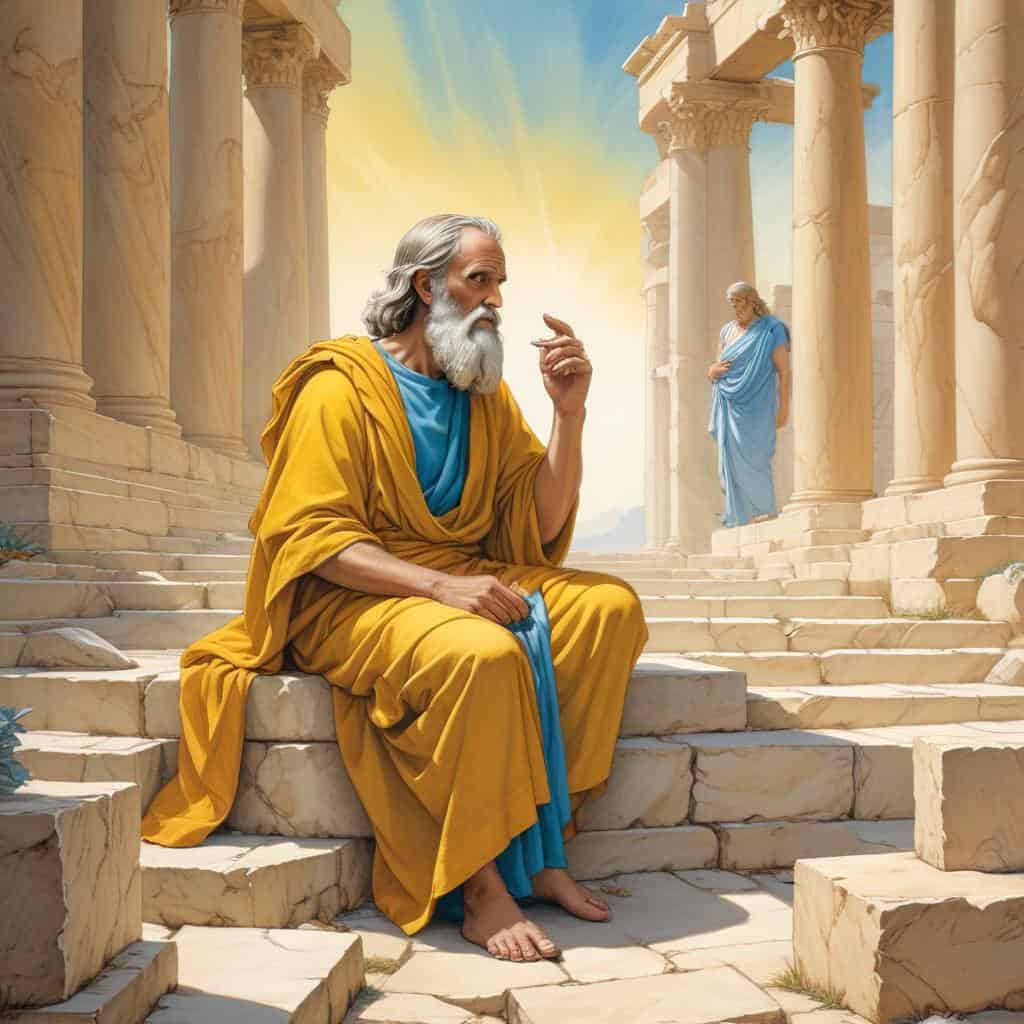


Plato
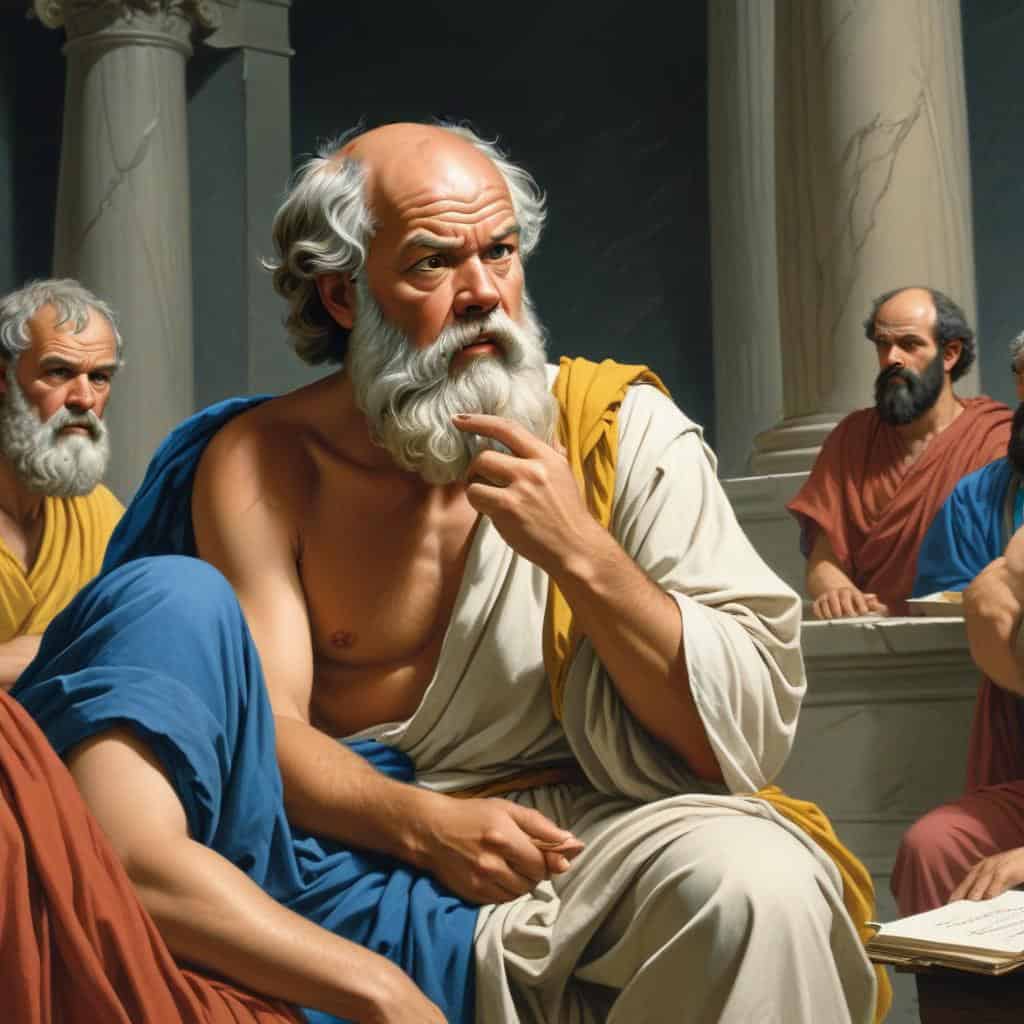
Socrates

Meno
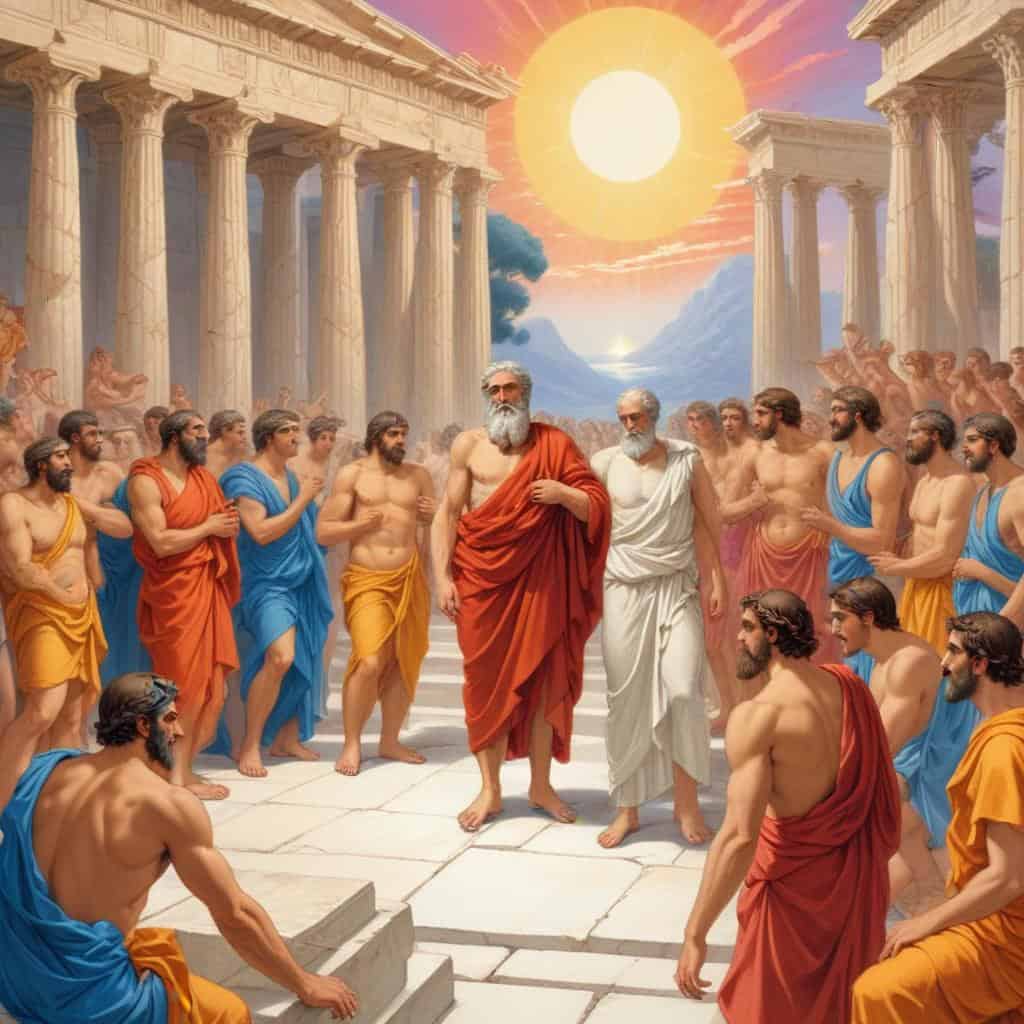
The Birth of the Doctrine of Recollection
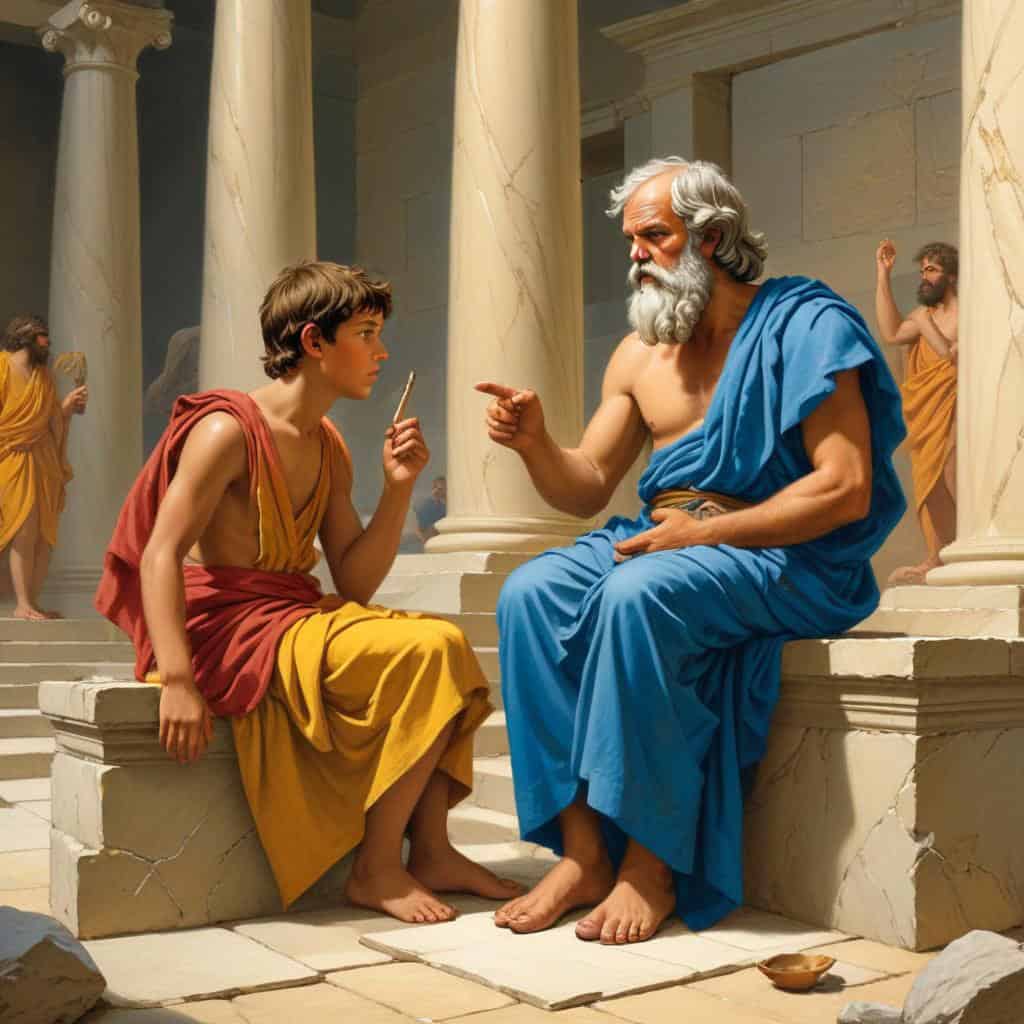
Socrates and the Slave Boy

Platos Theory of Forms

Implications for Education
Criticism of the Doctrine

Modern Interpretations
Relevance in Todays World
Continued Debate
Lesson Details & Resources
In a Nutshell
- Concept: A theory that suggests knowledge is innate and can be brought back to consciousness through proper questioning and inquiry.
- Thinkers: Plato, 5th-4th Century BCE
- Central Question: How can we explain our ability to have knowledge of things we have not learned in this life?
- Core Implication: The soul is immortal and has existed before birth, allowing for the recollection of knowledge acquired in previous existences.
Timeline of The Doctrine Of Recollection
Plato introduces the Doctrine of Recollection in his dialogue Meno
Socrates discusses the Doctrine of Recollection with Meno
Socrates uses the Doctrine of Recollection to argue for the immortality of the soul
Plato further explores the Doctrine of Recollection in the Phaedo dialogue
The Doctrine of Recollection is a key component of Plato's theory of knowledge
Plato uses the Doctrine of Recollection to explain how we acquire knowledge of abstract concepts
The Doctrine of Recollection is central to the theory of Forms in Plato's philosophy
Aristotle critiques the Doctrine of Recollection in his work De Anima
The Doctrine of Recollection influences later Neoplatonic philosophers such as Plotinus
St. Augustine incorporates elements of the Doctrine of Recollection into his Christian philosophy
Medieval philosophers like St. Thomas Aquinas engage with the Doctrine of Recollection in their works
Renaissance thinkers like Marsilio Ficino and Giovanni Pico della Mirandola revive interest in the Doctrine of Recollection
Enlightenment philosophers like Descartes and Leibniz engage with the Doctrine of Recollection in their writings
The Doctrine of Recollection continues to be a topic of debate and discussion in contemporary philosophy
Vocabulary List
- Recollection
- In the Doctrine of Recollection, Socrates argues that learning is actually a process of recollecting knowledge that the soul already possesses.
- Knowledge
- According to the Doctrine of Recollection, knowledge is not acquired through external sources but is already present within the soul.
- Innate
- The Doctrine of Recollection suggests that knowledge is innate to the soul and is not dependent on external experiences or education.
- Immortality
- In the context of the Doctrine of Recollection, the belief in the immortality of the soul is essential to understanding how knowledge can be recollected.
Key Facts
This is the information used in the fact matching game
- The Doctrine of Recollection is a philosophical concept introduced by Socrates in Plato's dialogues.
- According to the Doctrine of Recollection, knowledge is not acquired through learning, but rather remembering what the soul already knows.
- The Doctrine of Recollection argues that the soul existed before birth and has access to all knowledge.
- Socrates uses the example of the slave boy in the Meno dialogue to demonstrate how knowledge can be recollected through questioning.
- The Doctrine of Recollection challenges the traditional notion of learning as acquiring new information.
- Plato believed that true knowledge is innate and can be recollected through philosophical inquiry.
- The Doctrine of Recollection is closely related to Plato's theory of Forms, which posits that abstract concepts exist independently of physical reality.
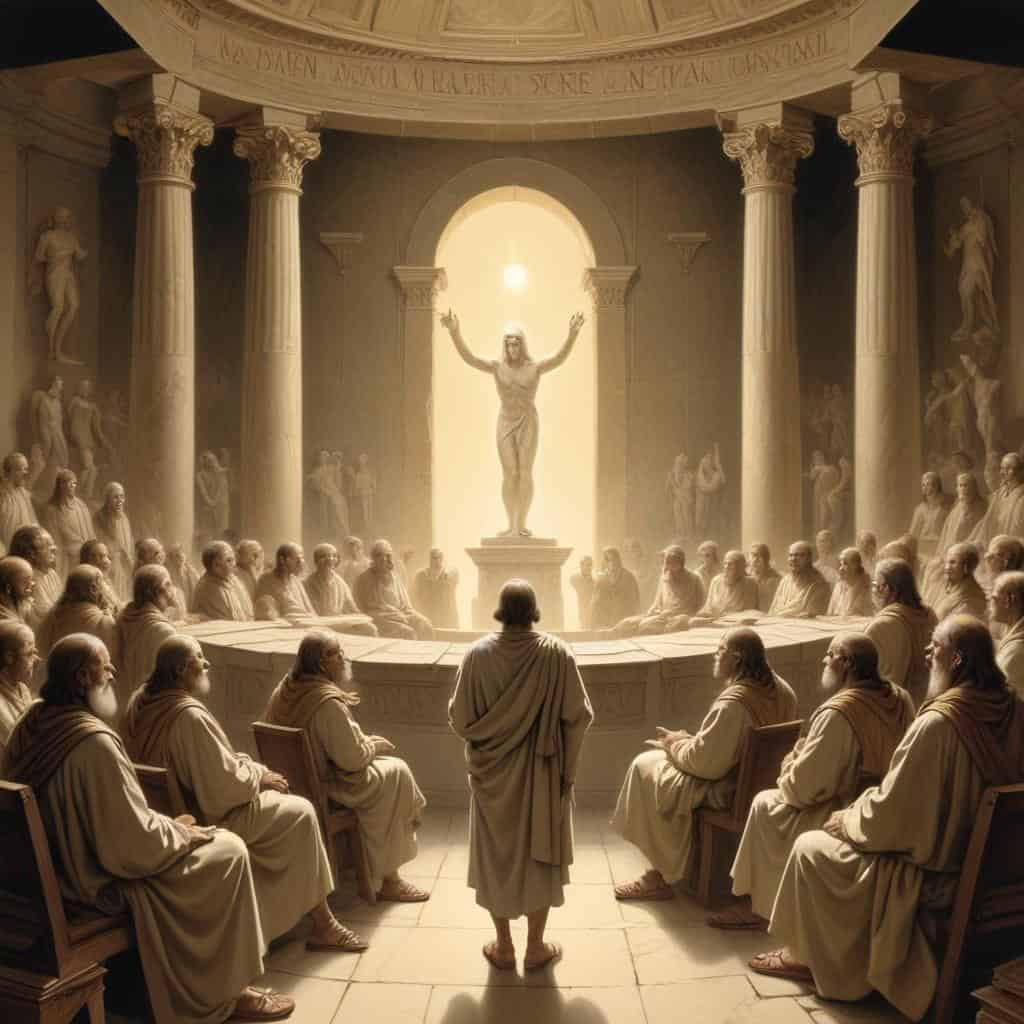
- Critics of the Doctrine of Recollection argue that it is a flawed theory based on unfounded metaphysical assumptions.
- The Doctrine of Recollection has implications for epistemology, the branch of philosophy concerned with the nature and scope of knowledge.
- Plato's dialogues explore the implications of the Doctrine of Recollection for ethics, politics, and metaphysics.
- The Doctrine of Recollection raises questions about the nature of memory and the relationship between the mind and the body.
- Plato's student, Aristotle, criticized the Doctrine of Recollection for its reliance on the theory of recollection.
- The Doctrine of Recollection has been a topic of debate among philosophers for centuries, with some arguing for its validity and others rejecting it as a speculative theory.
- The Doctrine of Recollection is central to understanding Plato's theory of knowledge and his views on the nature of reality.
- Plato uses the allegory of the cave in the Republic to illustrate the process of recollection and enlightenment.
- The Doctrine of Recollection has influenced modern theories of learning, memory, and cognitive psychology.
- The Doctrine of Recollection challenges the idea that knowledge can only be acquired through sensory experience.
- The Doctrine of Recollection has been interpreted in various ways by different philosophers, leading to diverse interpretations and critiques of the theory.
- The Doctrine of Recollection raises questions about the nature of truth, belief, and justification in epistemology.
- The Doctrine of Recollection continues to be a topic of philosophical inquiry and debate in contemporary philosophy.
Analysis & Significance
The Core Argument
The Doctrine of Recollection, as proposed by Plato, argues that learning is actually a process of recollecting knowledge that the soul possessed before birth. Through the Socratic dialogue in Meno, Plato presents the idea that true knowledge is already within us, and learning is a matter of uncovering it through questioning and reflection.
Criticisms and Counterarguments
Critics of the Doctrine of Recollection argue that it relies on the existence of an immortal soul, a concept that is not universally accepted. Additionally, the theory faces challenges in explaining how individuals can have knowledge of things they have never encountered before, raising questions about the validity of innate knowledge.
Modern Relevance
Despite its ancient origins, the Doctrine of Recollection continues to spark debates in contemporary philosophy and psychology. The idea that knowledge is not acquired but remembered has implications for theories of learning and memory. In a digital age where information is readily accessible, the concept prompts us to reflect on the nature of knowledge and the role of education in uncovering truths that already exist within us.
The Doctrine Of Recollection Games


Take Your Learning Offline
Want a convenient, print-ready study guide for this lesson? Become a Memory Wizards Pro member to unlock the downloadable " Memory Scrolls" for this topic and our entire library!
- ✓ Complete Vocabulary Lists
- ✓ Key Facts & Timelines
- ✓ Beautifully Formatted for Print & Mobile