
The 19th Century: System And Rebellion
Unravel the paradoxes of tradition and revolution in the 19th century.
How Do You Learn Best?
Learn by Listening
Start with the 3-minute audio summary to get the key facts and narrative highlights quickly.
Learn by Reading
Immerse yourself in the 10-minute visual lesson for a comprehensive understanding of the topic.
Learn by Reviewing
Jump directly to the key facts, timeline, and vocabulary lists to build a solid foundation of details.
Learn by Doing
Challenge yourself! Jump straight into the interactive games to learn by trial, error, and discovery.
Audio Library
As one of our featured lessons, this topic includes premium audio guides.
Unlock the Wizard's Cram Session
This powerful audio study guide is a Pro-exclusive feature. Upgrade to Memory Wizards Pro to access this and all of our premium learning tools.
Upgrade to ProThe 19th Century: System And Rebellion in 10 Minutes
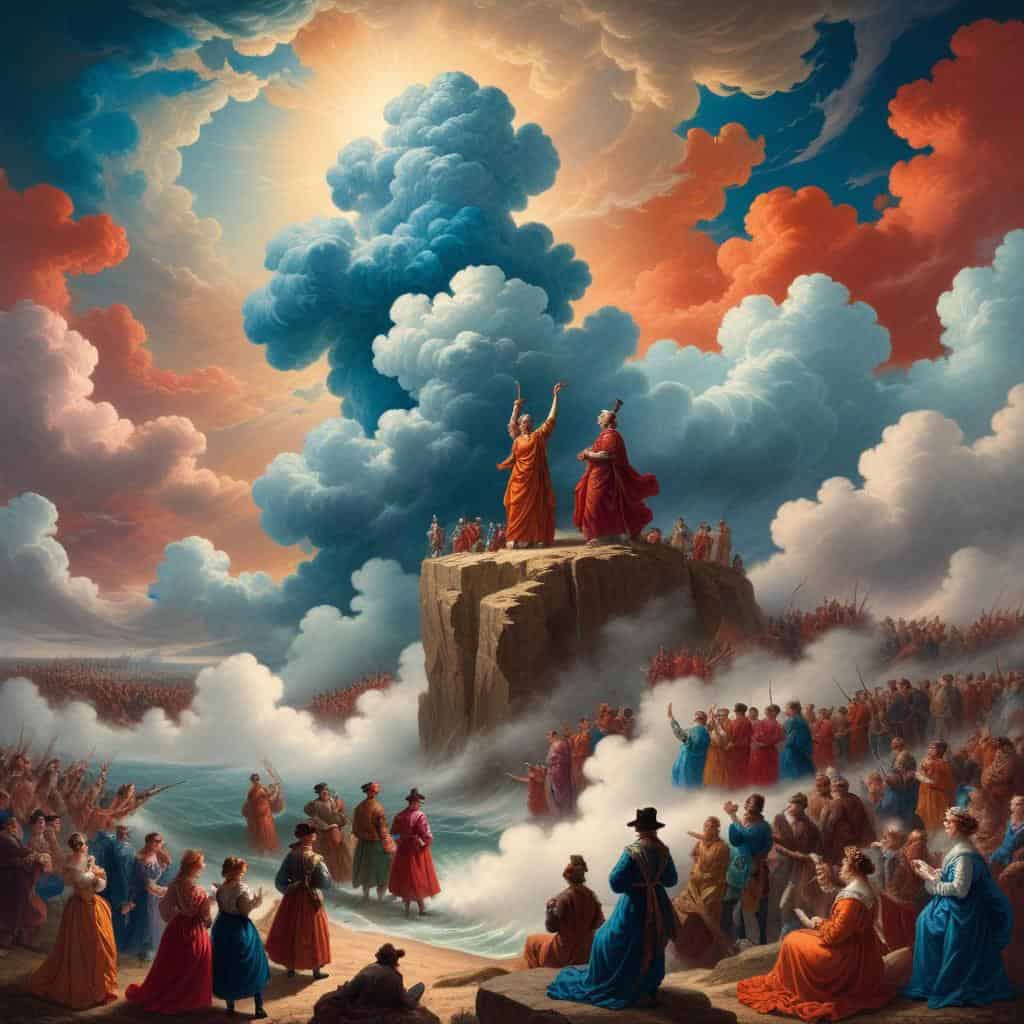
Introduction
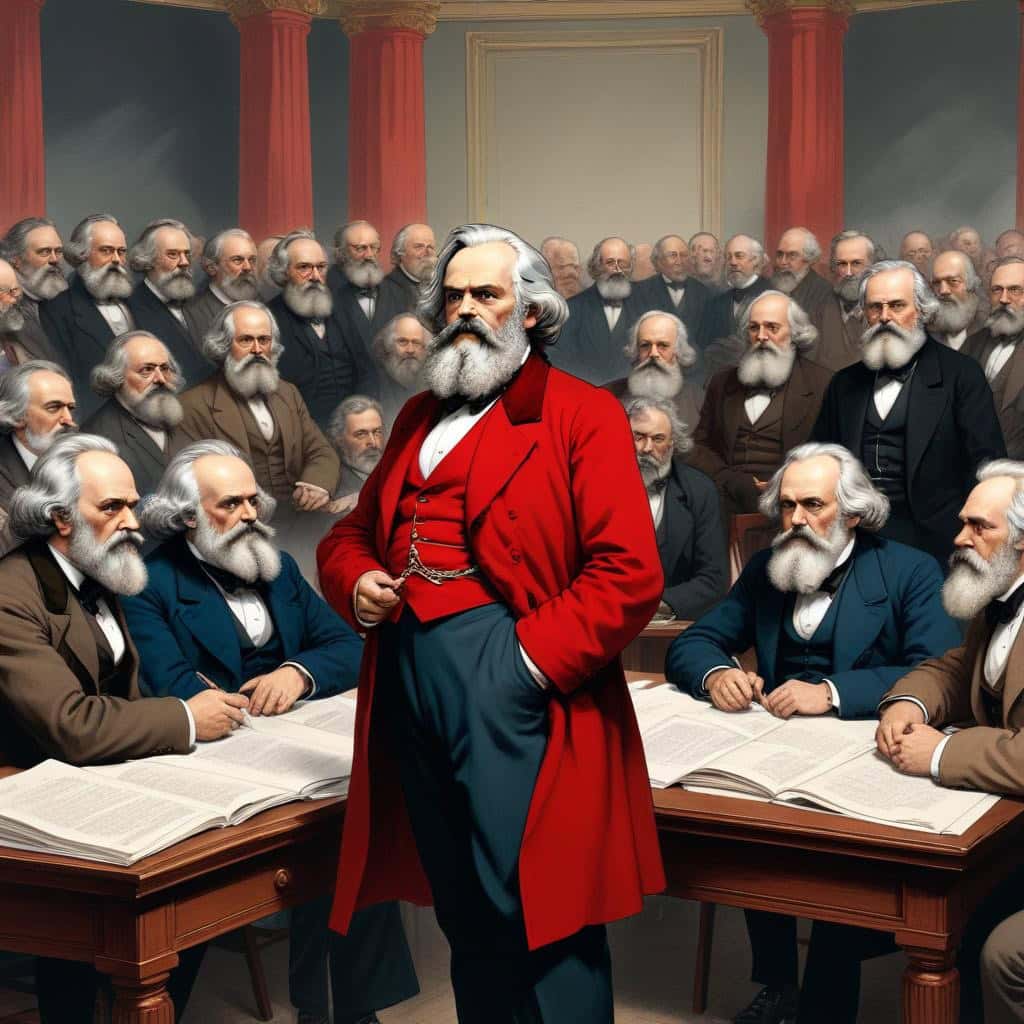

Karl Marx

Friedrich Nietzsche
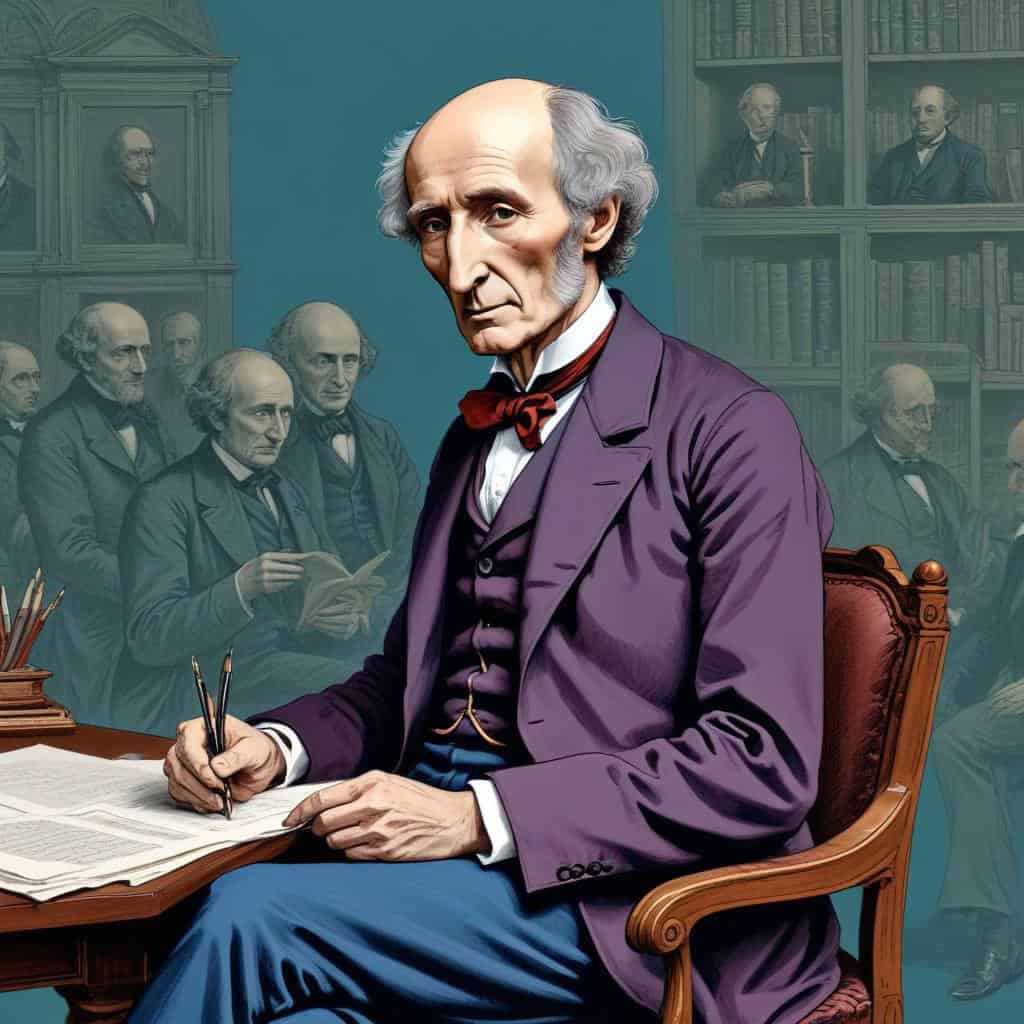
John Stuart Mill

Emmeline Pankhurst
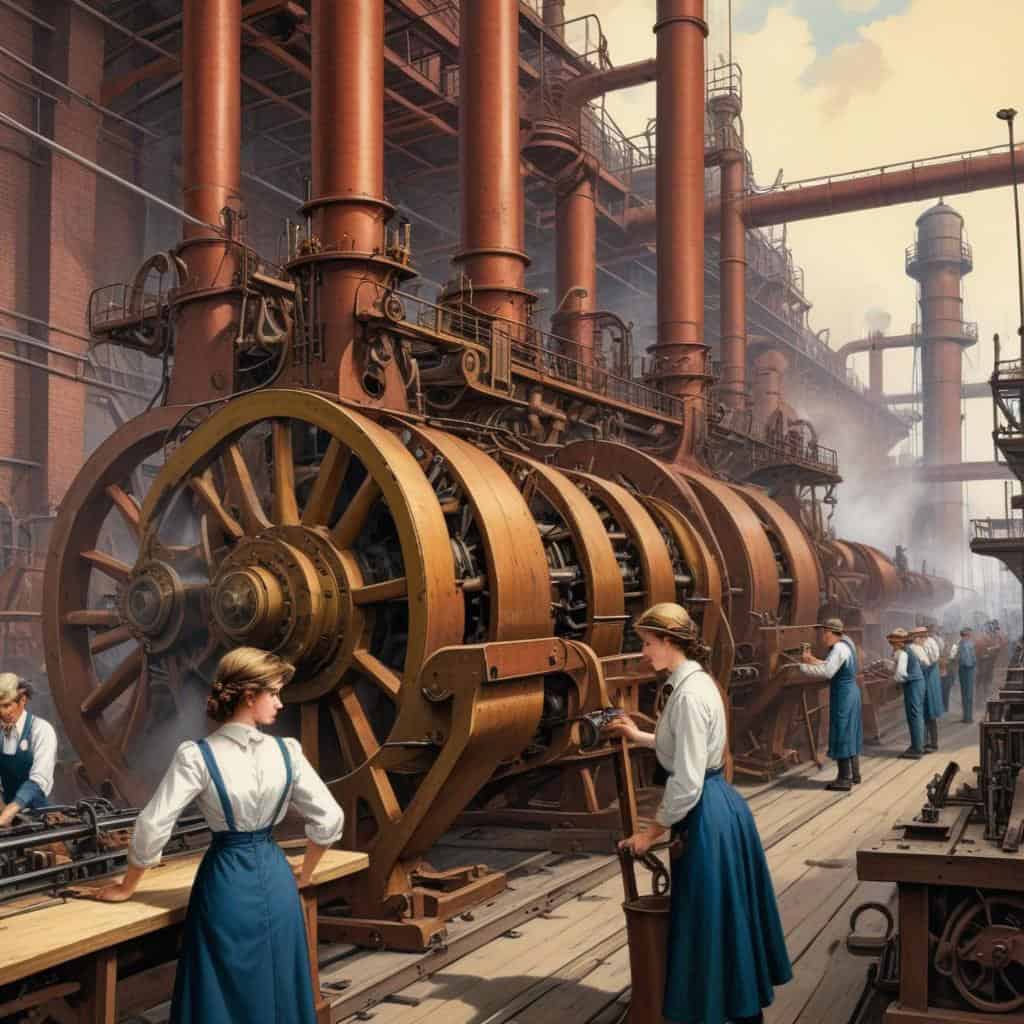
The Industrial Revolution
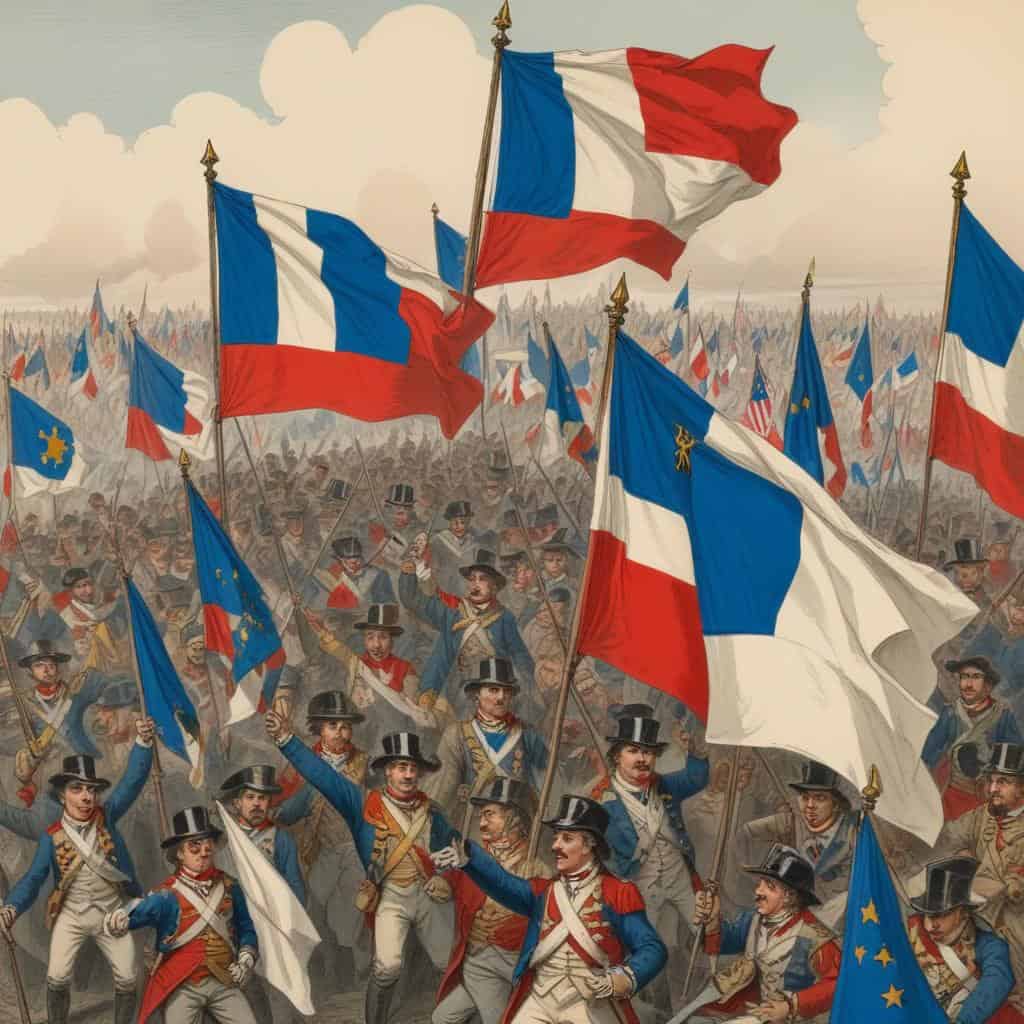
The Rise of Nationalism
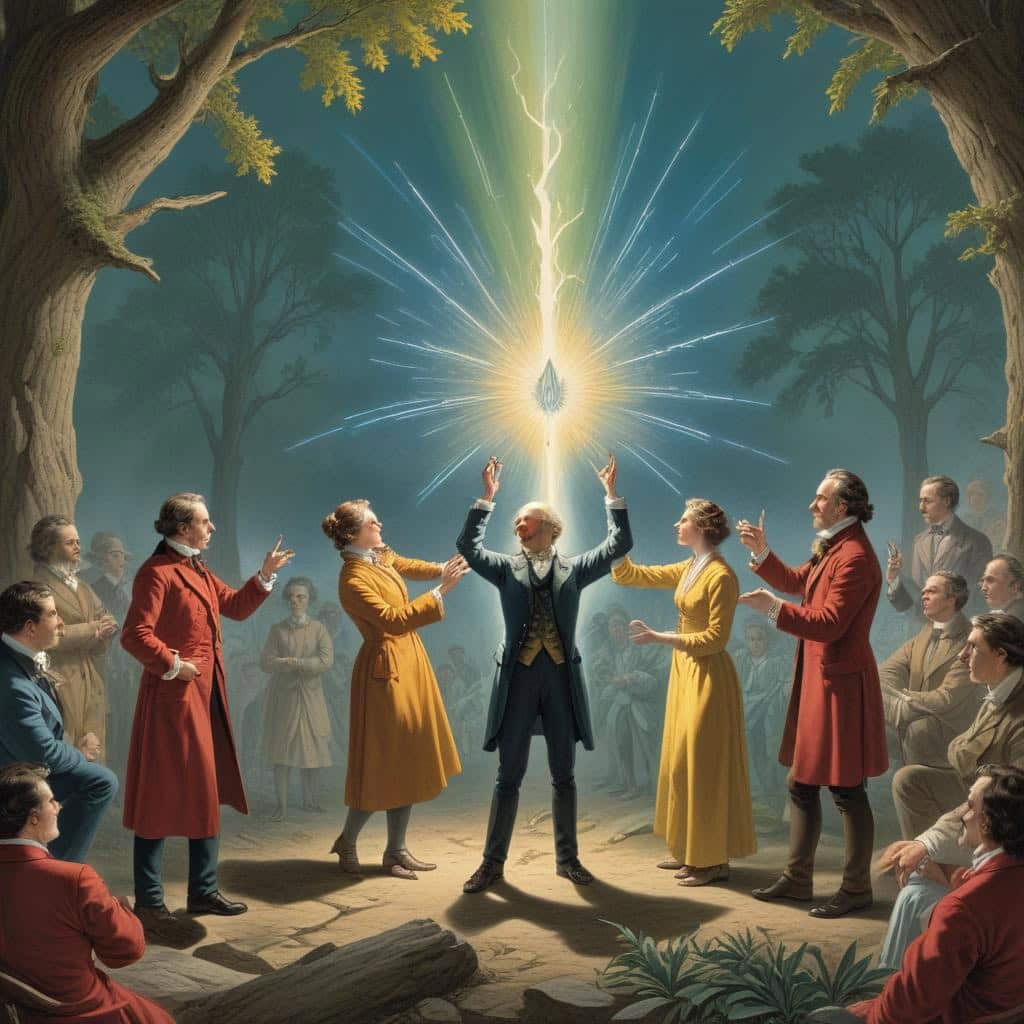
The Enlightenment and Romanticism
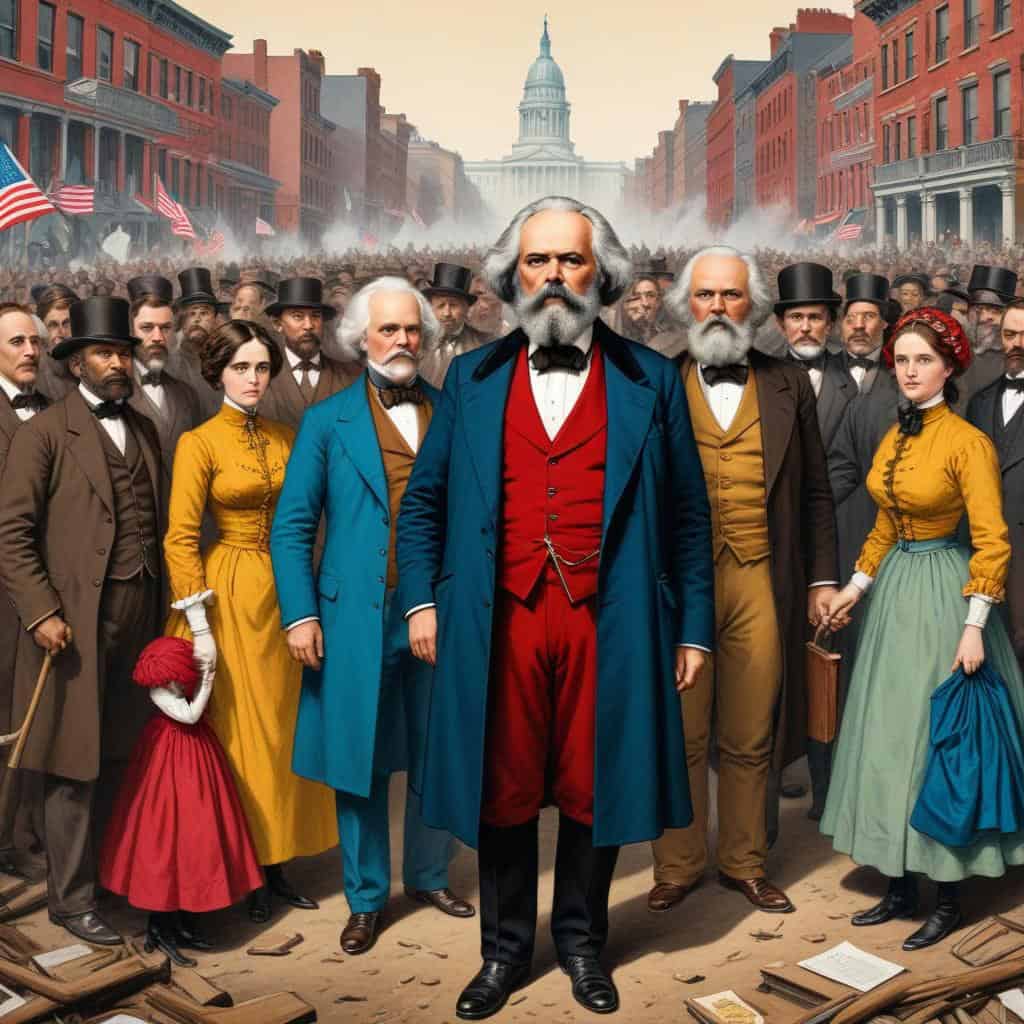
Social Reform and Activism
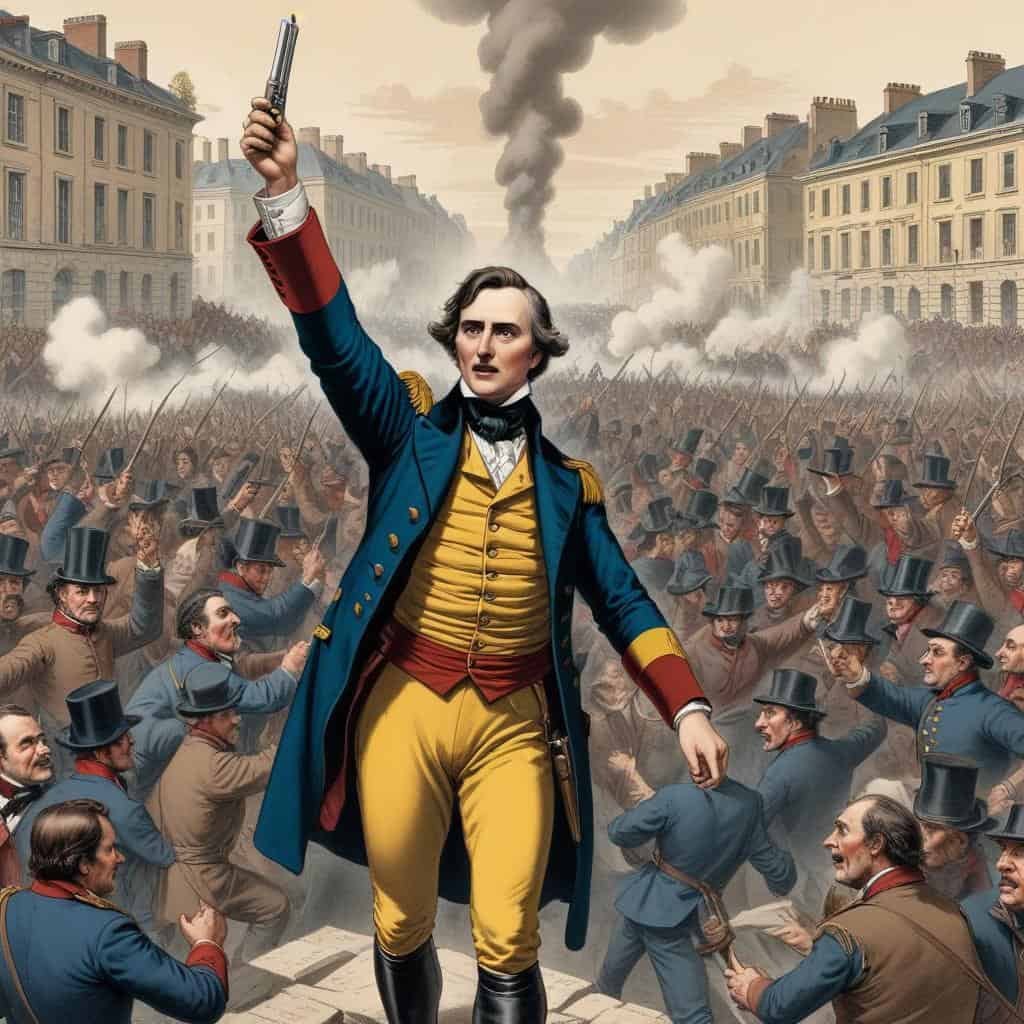
The Revolutions of 1848
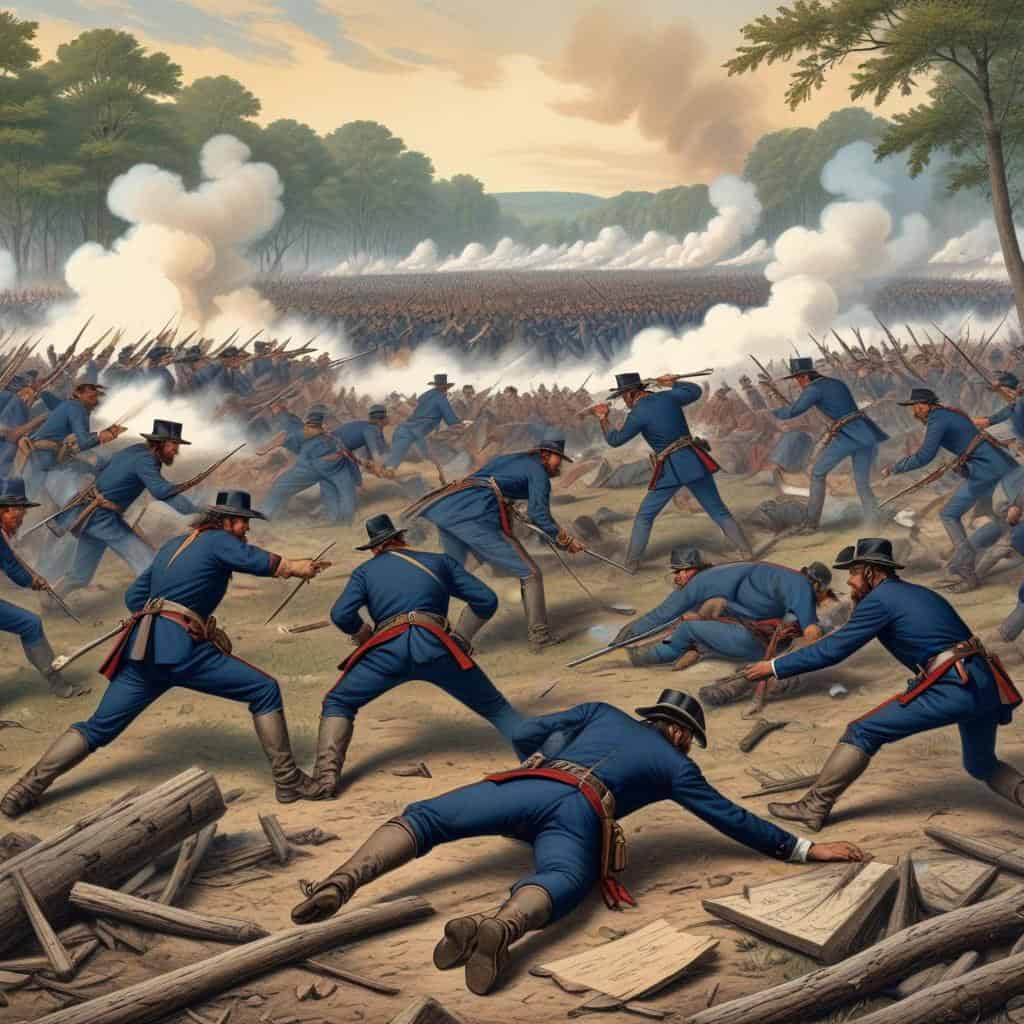
The American Civil War
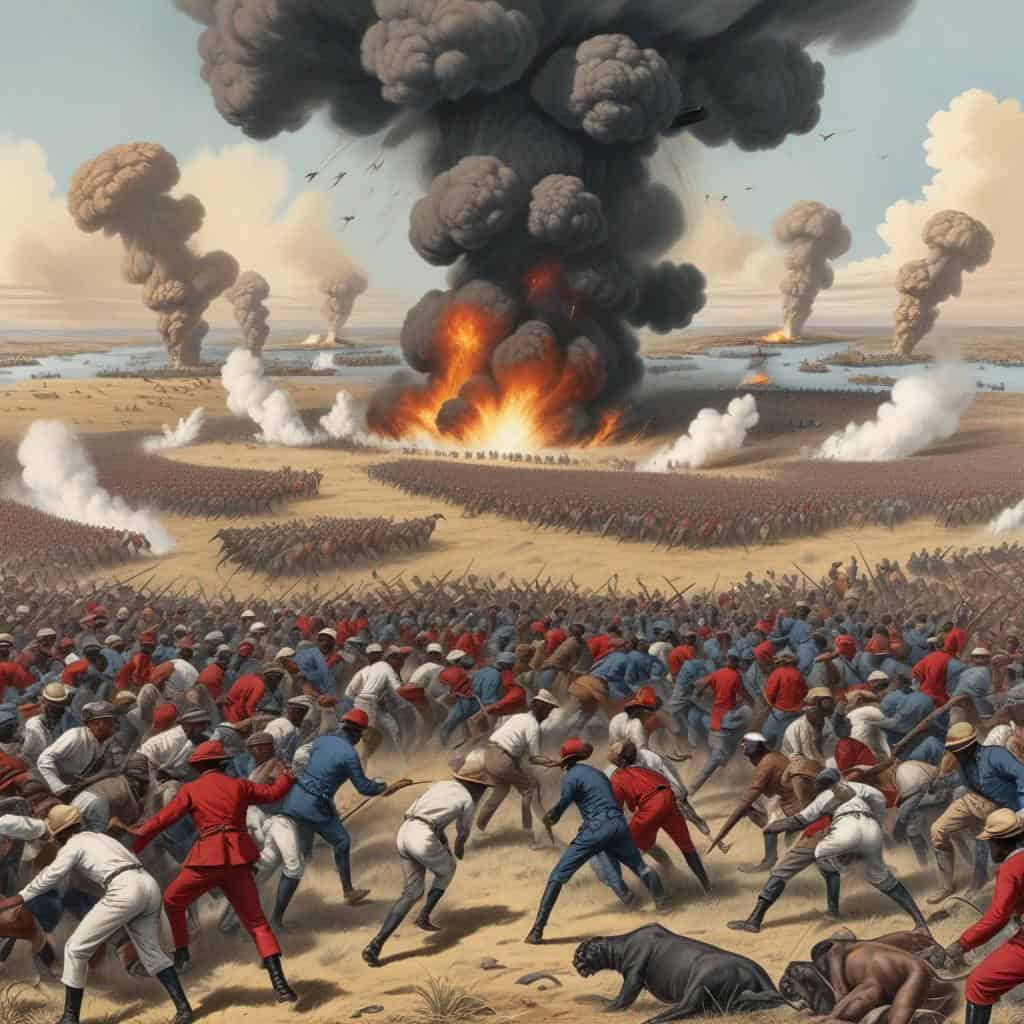
The Scramble for Africa
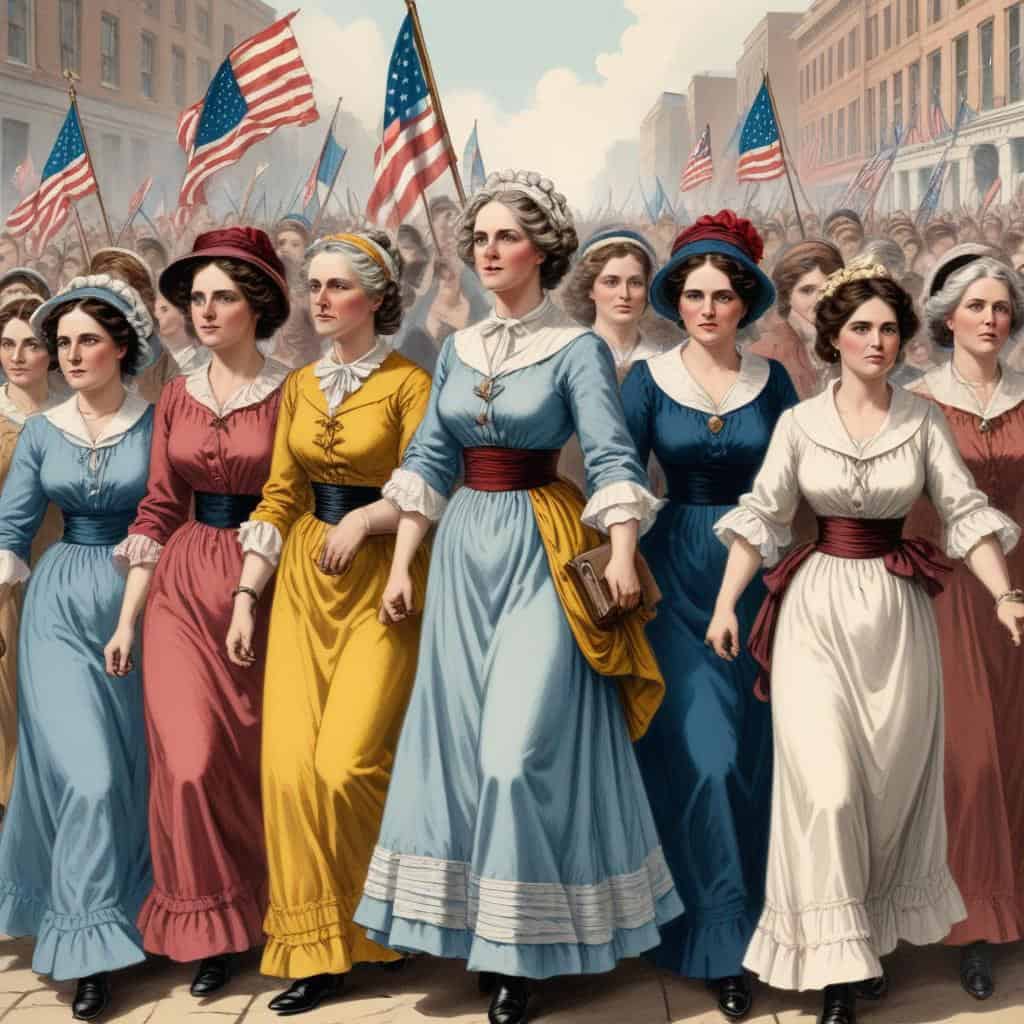
The Womens Rights Movement
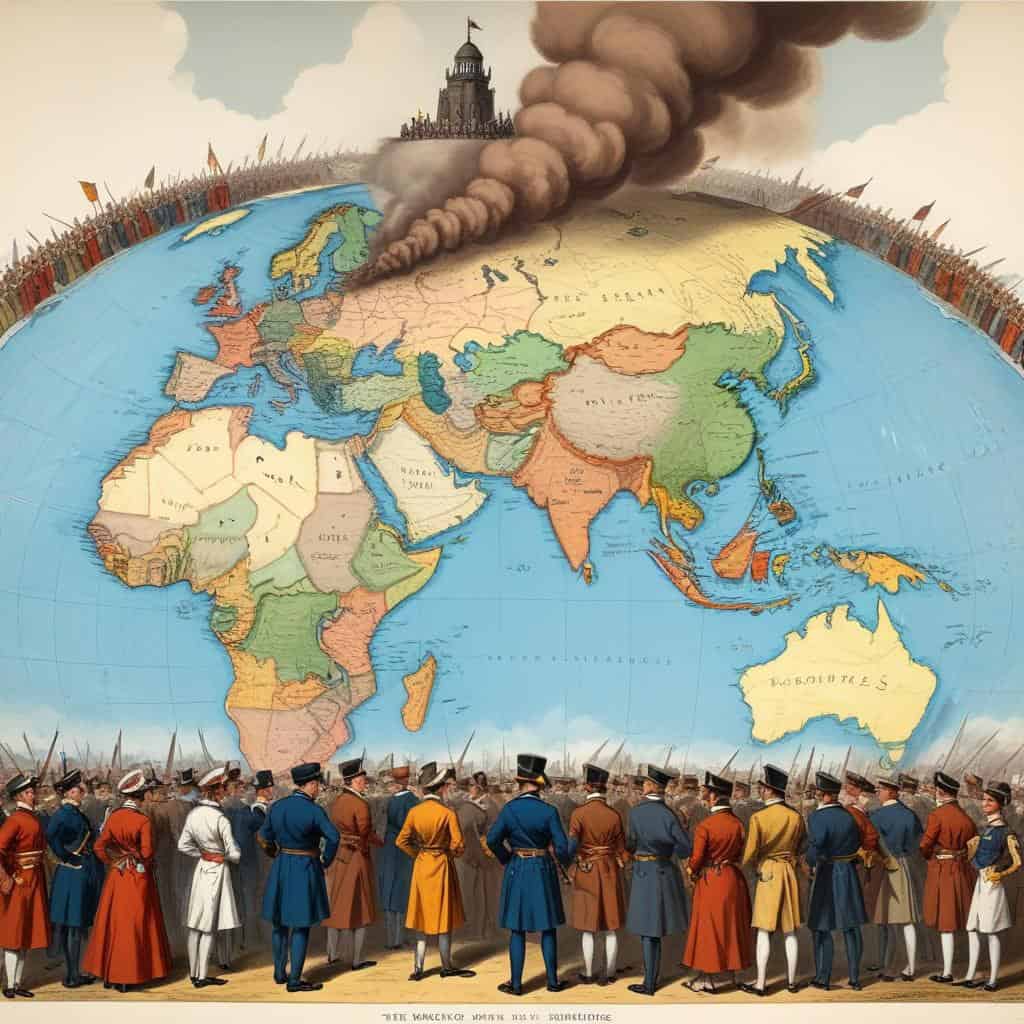
The Rise of Imperialism
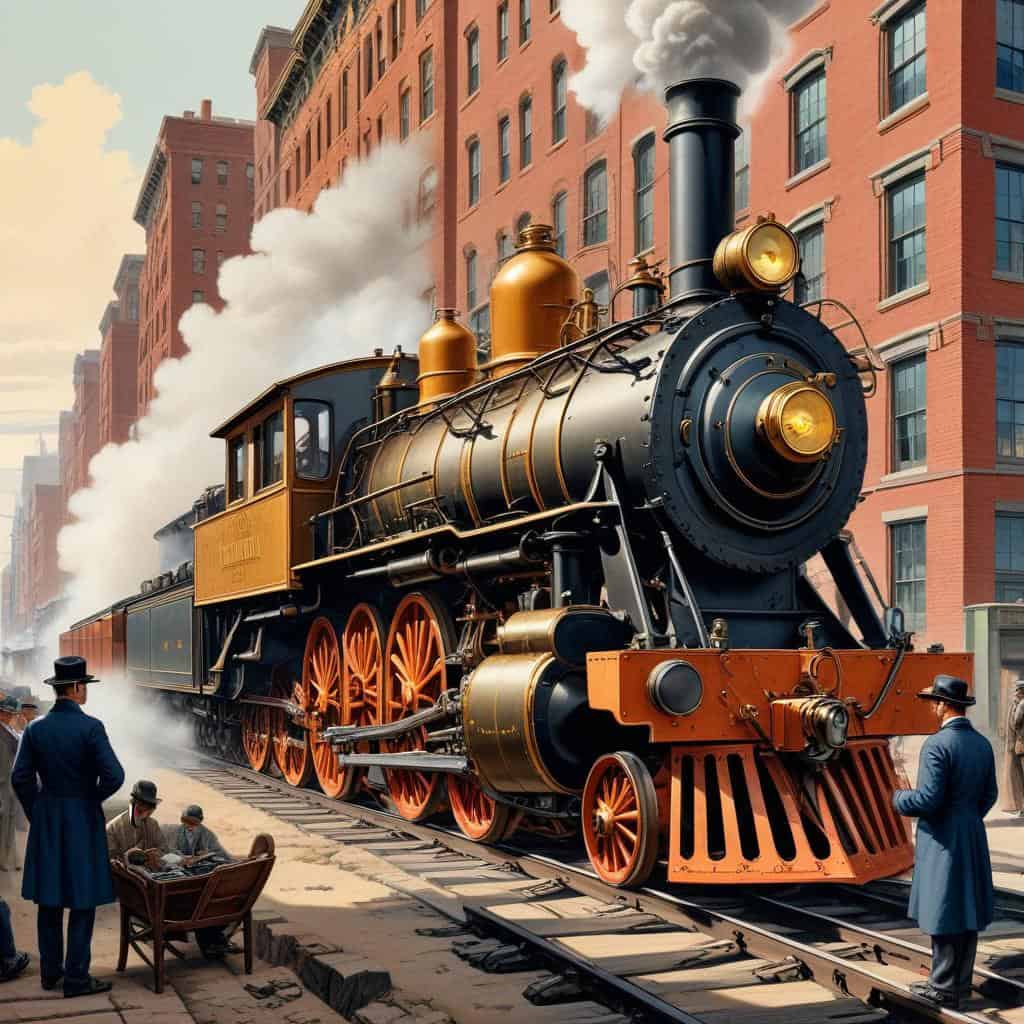
The Impact of Technology
Lesson Details & Resources
In a Nutshell
- Concept: A period in the 19th century characterized by the tension between established systems and revolutionary rebellion.
- Thinkers: Karl Marx & Friedrich Nietzsche, 19th Century
- Central Question: How can society progress while challenging traditional systems and values?
- Core Implication: The need for social change and the questioning of established norms to achieve progress and individual freedom.
Timeline of The 19th Century: System And Rebellion
Vocabulary List
- Industrial Revolution
- The Industrial Revolution had a profound impact on society, leading to urbanization, technological advancements, and changes in labor practices.
- Imperialism
- During the 19th century, many European powers engaged in imperialism, seeking to control territories in Africa, Asia, and the Americas.
- Nationalism
- Nationalism played a significant role in the revolutions and uprisings that occurred throughout Europe in the 19th century, as people sought to assert their cultural identity and political sovereignty.
- Industrialization
- The rapid industrialization of the 19th century led to significant social and economic changes, as traditional agrarian societies were transformed into industrialized nations.
- Rebellion
- The 19th century saw numerous rebellions and uprisings against oppressive governments and social systems, as people sought to challenge the status quo and fight for their rights and freedoms.
Key Facts
This is the information used in the fact matching game
- The 19th century saw the rise of industrial capitalism, which led to the exploitation of workers and the widening wealth gap between the rich and the poor.
- Philosophers like Karl Marx criticized the capitalist system, arguing that it alienated workers from their labor and perpetuated class struggle.
- The 19th century also saw the development of liberalism as a political ideology, emphasizing individual rights, limited government intervention, and free markets.
- Conservatives in the 19th century believed in maintaining traditional social hierarchies and institutions to preserve order and stability.
- Philosophers like John Stuart Mill advocated for utilitarianism, the idea that actions are morally right if they promote the greatest happiness for the greatest number of people.
- The 19th century also saw a rise in nationalism, with many countries seeking independence and self-determination.
- Philosophers like Hegel developed the concept of dialectics, which posits that history progresses through the conflict of opposing ideas.
- Romanticism emerged as a philosophical and artistic movement in the 19th century, emphasizing emotion, individualism, and nature.
- Existentialism, a philosophical movement that emphasizes individual freedom and choice, began to take shape in the 19th century.
- The 19th century also saw the spread of positivism, a philosophical approach that emphasizes empirical observation and scientific method.
- Feminist philosophy began to gain traction in the 19th century, with thinkers like Mary Wollstonecraft advocating for gender equality and women's rights.
- The 19th century also saw the development of pragmatism as a philosophical approach, emphasizing practical consequences and the importance of experience.
- Philosophers like Nietzsche challenged traditional moral values and beliefs, advocating for a reevaluation of societal norms and conventions.
- The 19th century was marked by revolutions and uprisings against oppressive governments and monarchies, as people sought greater political freedom and representation.
- The concept of individual rights and freedoms gained prominence in the 19th century, with philosophers like John Locke influencing political movements for democracy and human rights.
- The 19th century was a time of profound social change, with the rise of industrialization, urbanization, and the growth of cities.
- Philosophers like Rousseau critiqued the societal norms and institutions of the 19th century, arguing for a return to a more natural state of existence.
- The 19th century also saw the development of psychoanalysis as a philosophical and psychological approach, with thinkers like Freud exploring the unconscious mind and human behavior.
- The 19th century witnessed the spread of Darwin's theory of evolution, which had profound implications for philosophy, religion, and the understanding of human nature.
- Philosophers like Kierkegaard explored the nature of faith and the individual's relationship to God in the context of a rapidly changing and secularizing world.
Analysis & Significance
The Core Argument
The 19th century was a time of great philosophical upheaval, with systems of thought like Hegelianism and Marxism dominating the intellectual landscape. This period saw a tension between the desire for systematic order and the urge for individual rebellion against such systems, as seen in the works of Nietzsche and Kierkegaard.
Criticisms and Counterarguments
Critics argue that the emphasis on system in the 19th century stifled individual creativity and autonomy, leading to conformity and oppression. They also point out that the rebellious spirit of thinkers like Nietzsche may have led to nihilism and moral relativism, undermining traditional values.
Modern Relevance
The tension between system and rebellion is still relevant today, as society grapples with the balance between order and freedom. In a world of increasing complexity and interconnectedness, the need for systematic approaches is clear, but so is the importance of individual agency and resistance against oppressive structures. Understanding the philosophical debates of the 19th century can shed light on contemporary struggles for autonomy and social justice.
The 19th Century: System And Rebellion Games


Take Your Learning Offline
Want a convenient, print-ready study guide for this lesson? Become a Memory Wizards Pro member to unlock the downloadable " Memory Scrolls" for this topic and our entire library!
- ✓ Complete Vocabulary Lists
- ✓ Key Facts & Timelines
- ✓ Beautifully Formatted for Print & Mobile