
The Socratic Method
Is questioning everything the key to unlocking ultimate wisdom?
How Do You Learn Best?
Learn by Listening
Start with the 3-minute audio summary to get the key facts and narrative highlights quickly.
Learn by Reading
Immerse yourself in the 10-minute visual lesson for a comprehensive understanding of the topic.
Learn by Reviewing
Jump directly to the key facts, timeline, and vocabulary lists to build a solid foundation of details.
Learn by Doing
Challenge yourself! Jump straight into the interactive games to learn by trial, error, and discovery.
Audio Library
As one of our featured lessons, this topic includes premium audio guides.
Unlock the Wizard's Cram Session
This powerful audio study guide is a Pro-exclusive feature. Upgrade to Memory Wizards Pro to access this and all of our premium learning tools.
Upgrade to ProThe Socratic Method in 10 Minutes
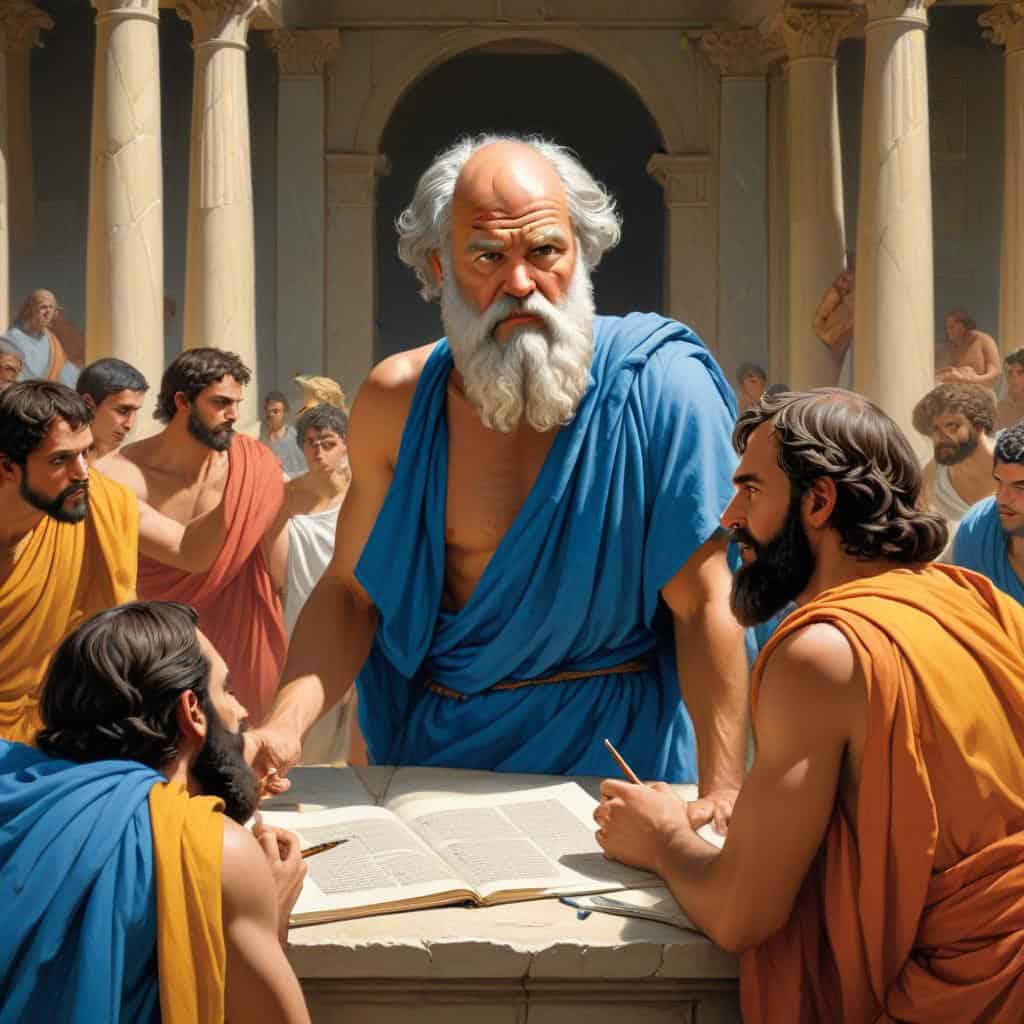
Introduction



Socrates
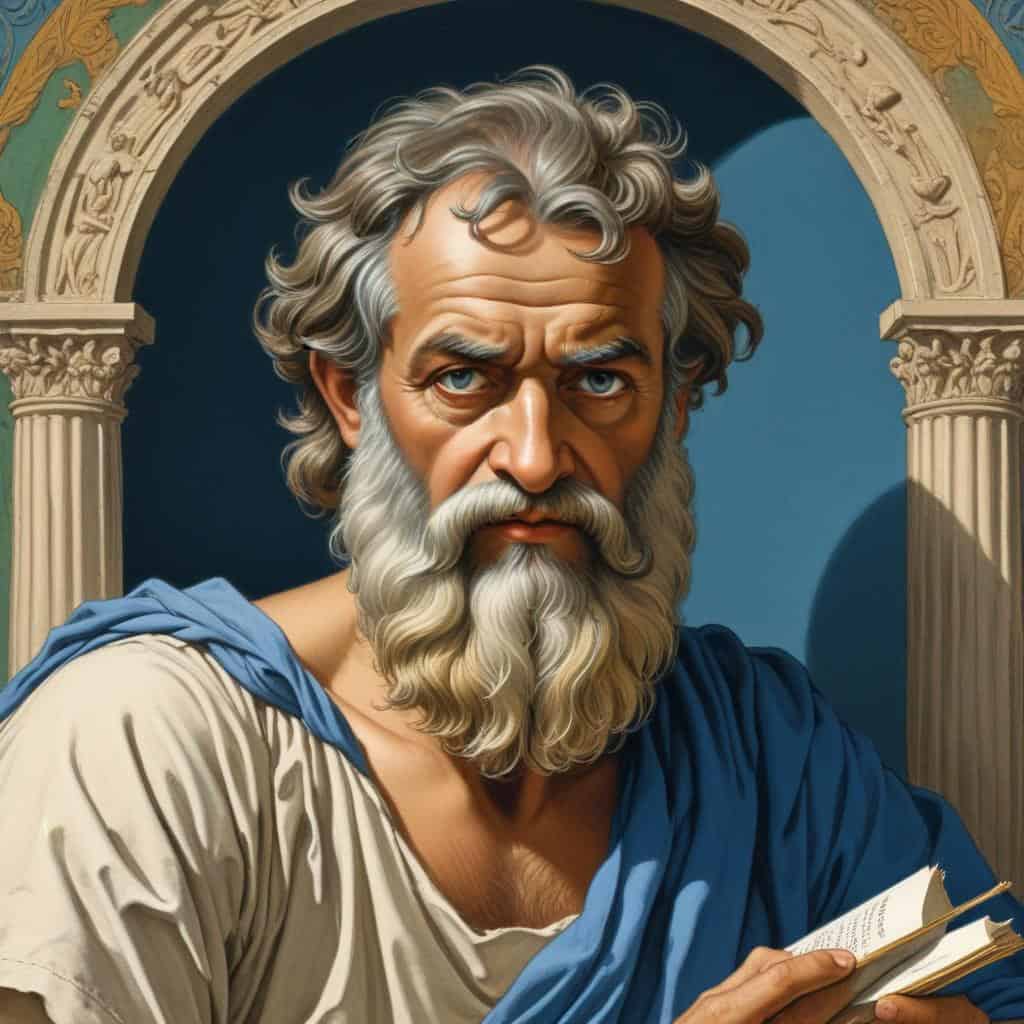
Plato
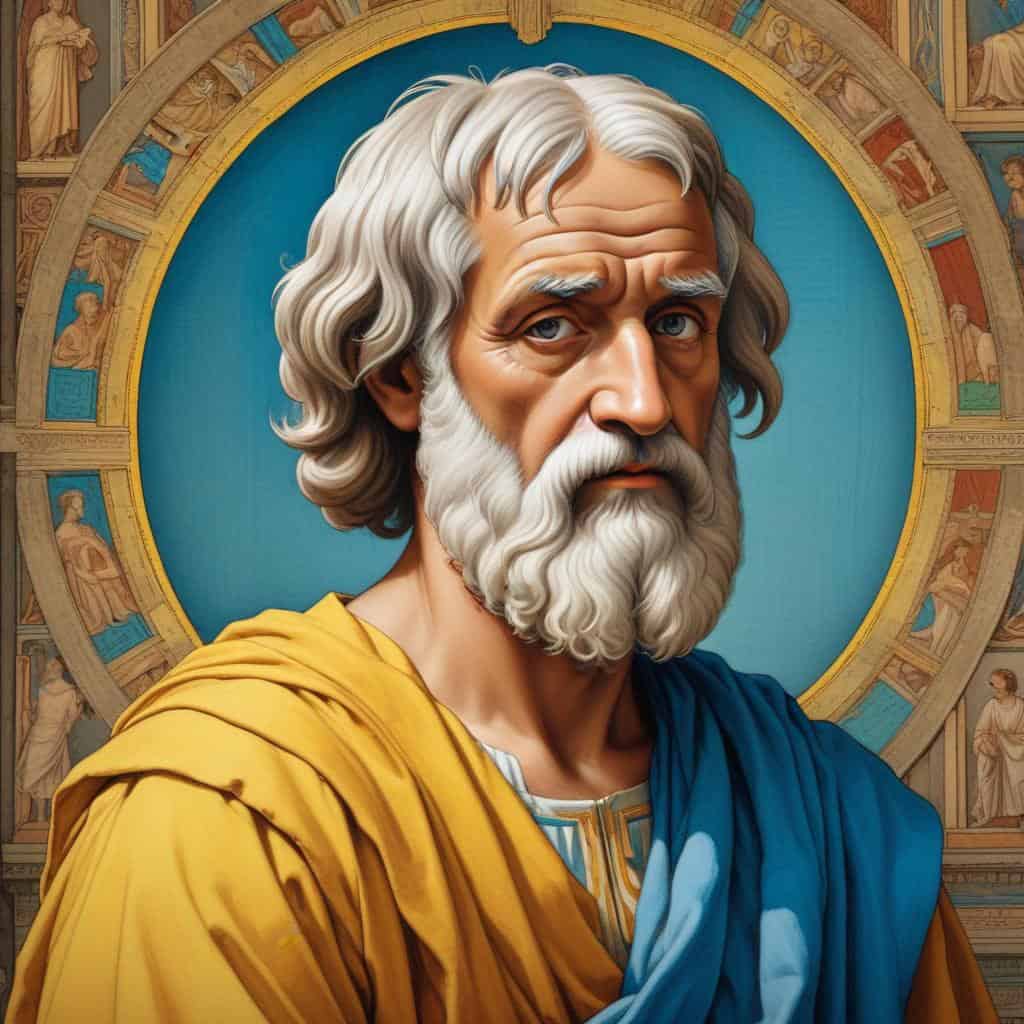
Aristotle

Modern Philosophers
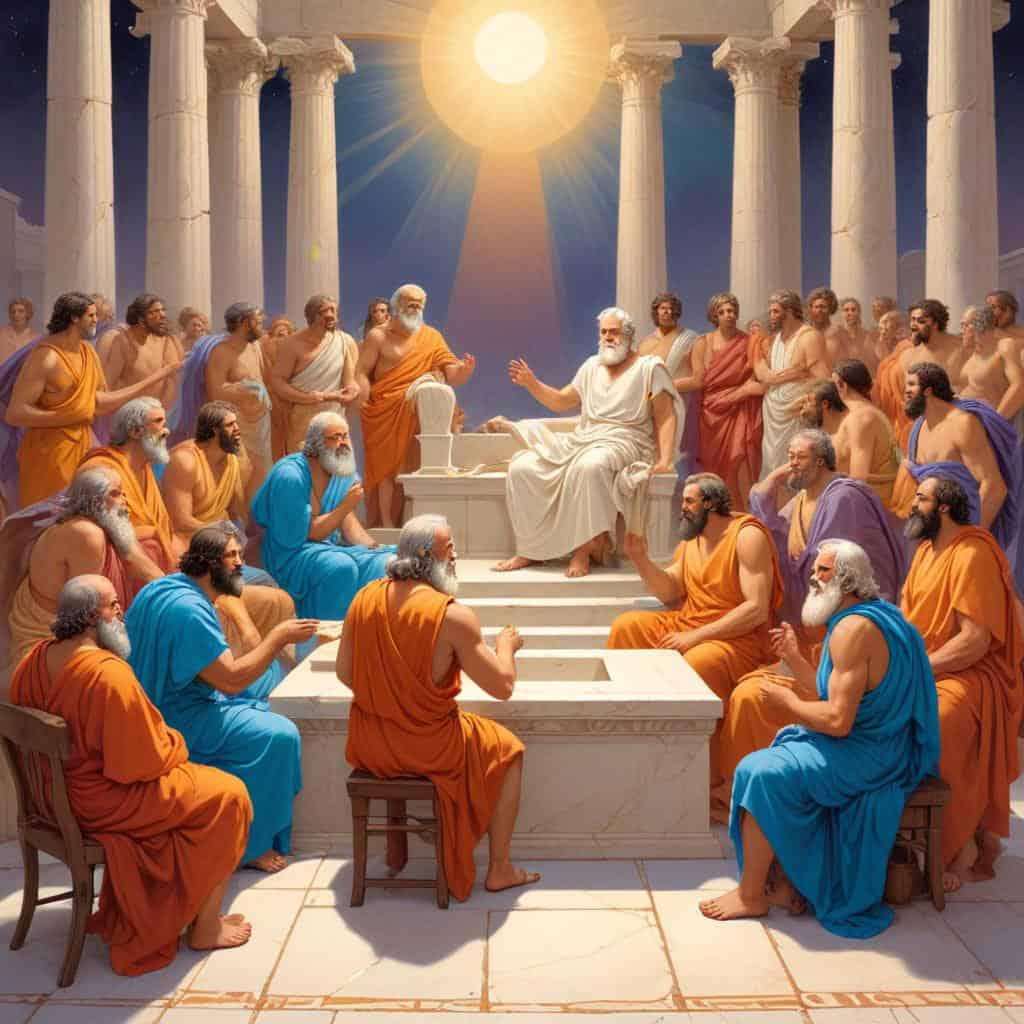
The Birth of the Socratic Method

Questioning Assumptions

Seeking Truth through Dialogue

Rejecting Sophistry

The Elenchus Method
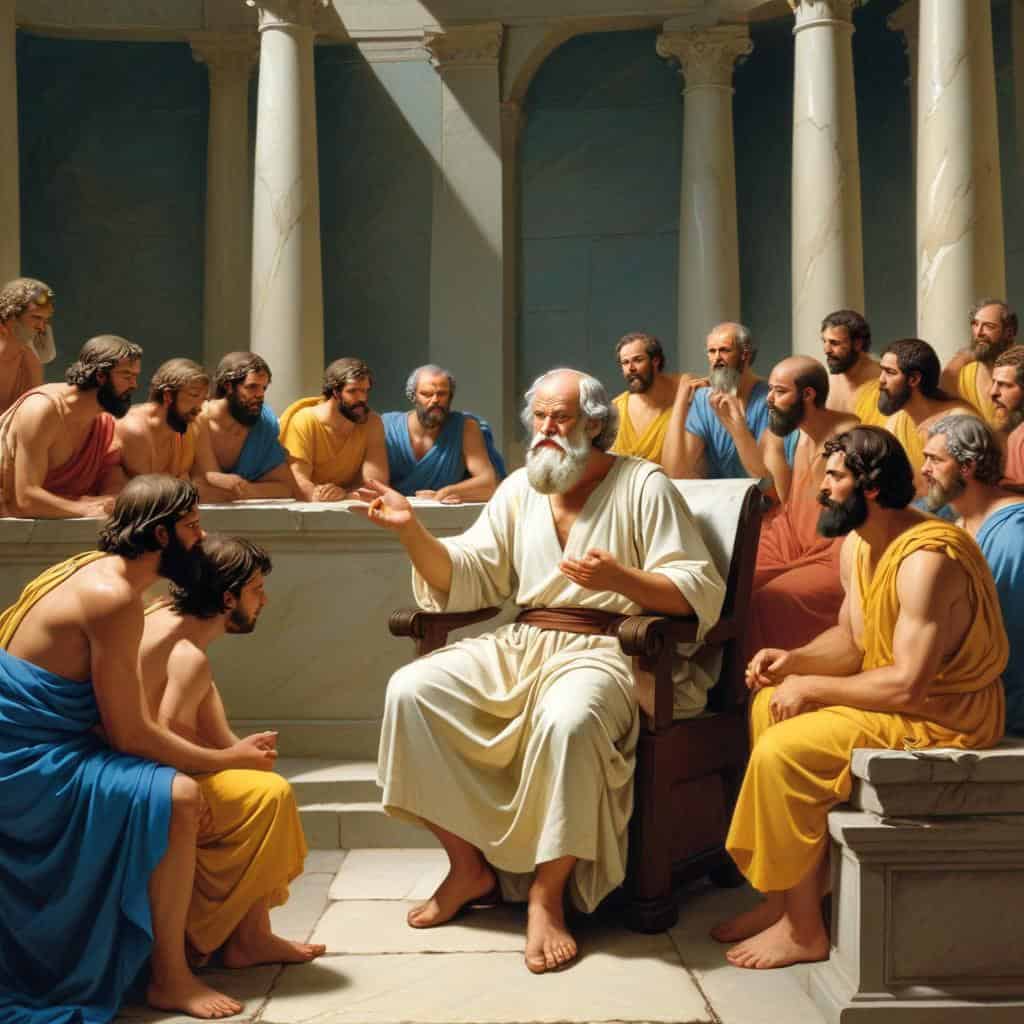
Teaching by Example
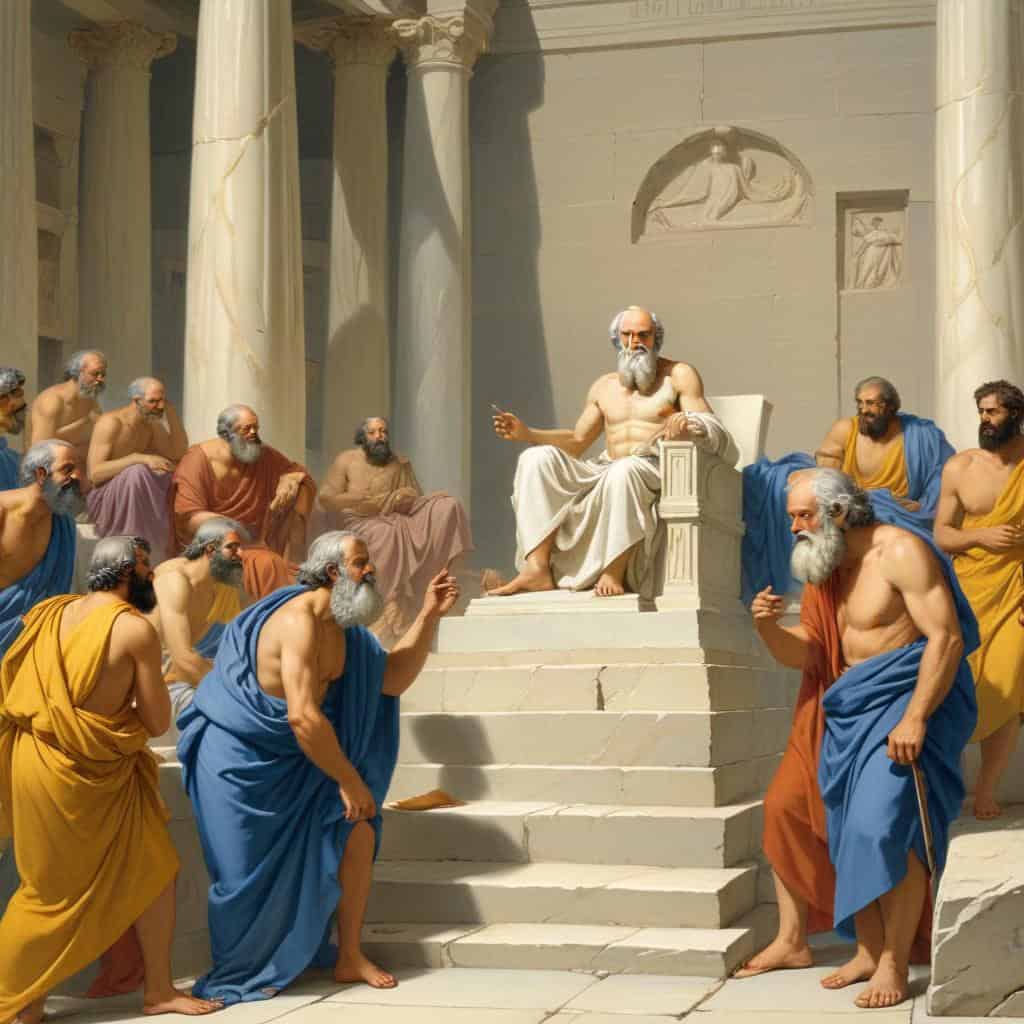
The Legacy of Socrates
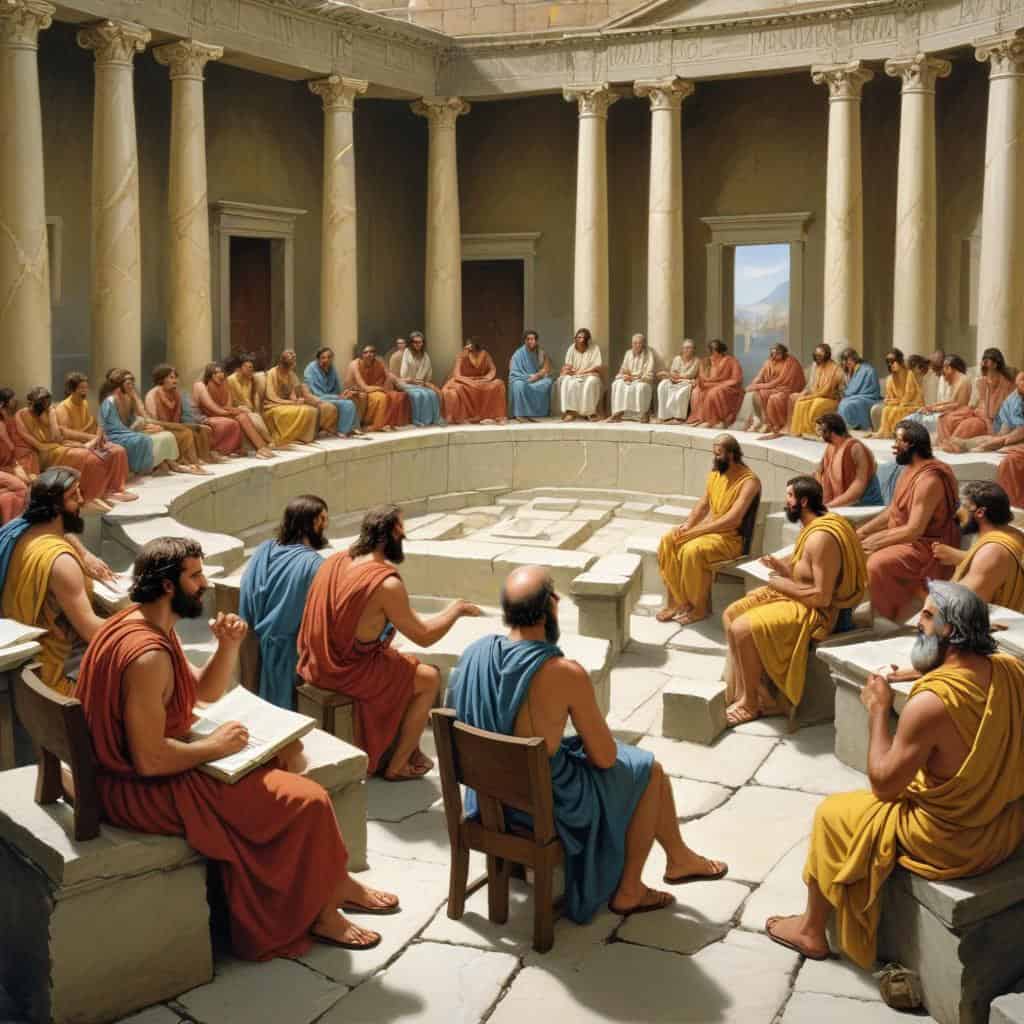
Modern Applications

Criticism and Controversy

Unlocking Wisdom


Lesson Details & Resources
In a Nutshell
- Concept: A method of teaching and inquiry that involves asking and answering questions to stimulate critical thinking and illuminate ideas.
- Thinkers: Socrates, 5th Century BC
- Central Question: How do we arrive at knowledge and understanding through rigorous questioning and dialogue?
- Core Implication: The importance of questioning assumptions, seeking truth through inquiry, and fostering intellectual humility.
Timeline of The Socratic Method
Socrates begins teaching in Athens
Socrates engages in dialogues with fellow Athenians
Socrates is accused of corrupting the youth and impiety
Socrates is sentenced to death by drinking hemlock
Plato, a student of Socrates, begins writing dialogues featuring Socrates
Xenophon, another student of Socrates, writes about Socrates' teachings
Socratic Method becomes a central aspect of Platonic philosophy
Aristotle criticizes the Socratic Method in his work 'Metaphysics'
Socratic Method influences the development of Western philosophy
Medieval philosophers adopt the Socratic Method in their teachings
Renaissance thinkers rediscover Socratic dialogues and Method
Enlightenment philosophers explore the Socratic Method in their works
19th-century philosophers like Kierkegaard and Nietzsche engage with Socratic ideas
20th-century philosophers continue to analyze and interpret the Socratic Method
Socratic Method remains a key concept in contemporary philosophy
Socratic Method is taught in philosophy courses worldwide
Socratic Method is adapted for use in other fields such as law and education
Socratic Method continues to inspire critical thinking and inquiry
Vocabulary List
- Socratic Method
- In philosophy, the Socratic Method is often used to help individuals explore complex ideas and concepts through questioning and discussion.
- Dialogue
- The Socratic Method relies on dialogue as a way to engage individuals in thoughtful discussions.
- Critical Thinking
- The Socratic Method aims to stimulate critical thinking by encouraging individuals to question and challenge their own beliefs.
- Questioning
- Questioning is a key component of the Socratic Method, as it helps individuals explore and examine their own beliefs.
- Discussion
- The Socratic Method often involves discussion as a way to explore different perspectives and deepen understanding.
Key Facts
This is the information used in the fact matching game
- The Socratic Method is named after the Greek philosopher Socrates, who used a question-and-answer format to stimulate critical thinking and illuminate ideas.
- Socrates believed that the best way to learn and teach was through dialogue and questioning, rather than lecturing or presenting information.
- The Socratic Method is often used in modern education as a way to encourage students to think critically and analyze information.
- The Socratic Method is based on the idea that knowledge is already within us and that questioning can help bring it to the surface.
- Socrates believed that by asking questions and engaging in dialogue, individuals could uncover their own beliefs and assumptions.
- The Socratic Method is not about finding the right answer, but about exploring ideas and perspectives through questioning.
- The Socratic Method is characterized by open-ended questions that require critical thinking and reflection.
- Socrates used the Socratic Method to challenge his interlocutors and push them to think more deeply about their beliefs and values.
- The Socratic Method is often associated with the idea of maieutics, or the art of helping someone give birth to their own ideas through questioning.
- The Socratic Method is a form of cooperative argumentative dialogue between individuals, based on asking and answering questions to stimulate critical thinking and illuminate ideas.
- The Socratic Method is commonly used in law schools to teach students how to analyze and argue cases through questioning and discussion.
- The Socratic Method is also used in therapy and counseling as a way to help individuals explore their thoughts and feelings through questioning.
- The Socratic Method is a key component of the Socratic dialectic, a method of argumentative dialogue that seeks to uncover truth through questioning and critical thinking.
- Socrates believed that wisdom comes from questioning and examining one's own beliefs, rather than accepting them uncritically.
- The Socratic Method can be seen as a form of intellectual humility, as it emphasizes the importance of questioning and seeking truth rather than asserting one's own opinions.
- The Socratic Method is not limited to philosophy, but can be applied to a wide range of disciplines and fields to stimulate critical thinking and exploration of ideas.
- The Socratic Method is sometimes criticized for its potential to lead to endless questioning and lack of concrete answers, but proponents argue that its value lies in the process of inquiry itself.
- The Socratic Method is often used in business and leadership training to encourage employees to think more critically and creatively about problems and solutions.
- The Socratic Method is a foundational concept in the field of epistemology, the study of knowledge and belief, as it challenges individuals to critically examine the foundations of their beliefs.
- The Socratic Method is a key element of the Socratic paradox, which states that true wisdom is knowing that you know nothing, and that questioning is the path to knowledge.
Analysis & Significance
The Core Argument
The Socratic Method, as developed by the ancient Greek philosopher Socrates, is a dialectical approach to seeking truth through questioning and dialogue. It involves a relentless pursuit of knowledge by challenging assumptions, probing for inconsistencies, and arriving at deeper understandings through rigorous examination of beliefs and arguments.
Criticisms and Counterarguments
Critics of the Socratic Method argue that it can be perceived as confrontational or intimidating, leading to a power dynamic that may inhibit genuine dialogue. Some also question the assumption that truth can be discovered through relentless questioning, suggesting that it may not always lead to certainty or definitive answers.
Modern Relevance
In today’s society, the Socratic Method remains relevant as a tool for critical thinking, fostering intellectual humility, and promoting open-mindedness. It can be applied in educational settings to encourage students to think independently, challenge their own beliefs, and engage in constructive debates. In a world filled with misinformation and polarizing views, the Socratic Method serves as a valuable approach to navigating complex issues and arriving at more nuanced perspectives.
The Socratic Method Games


Take Your Learning Offline
Want a convenient, print-ready study guide for this lesson? Become a Memory Wizards Pro member to unlock the downloadable " Memory Scrolls" for this topic and our entire library!
- ✓ Complete Vocabulary Lists
- ✓ Key Facts & Timelines
- ✓ Beautifully Formatted for Print & Mobile