
Explore the Lessons
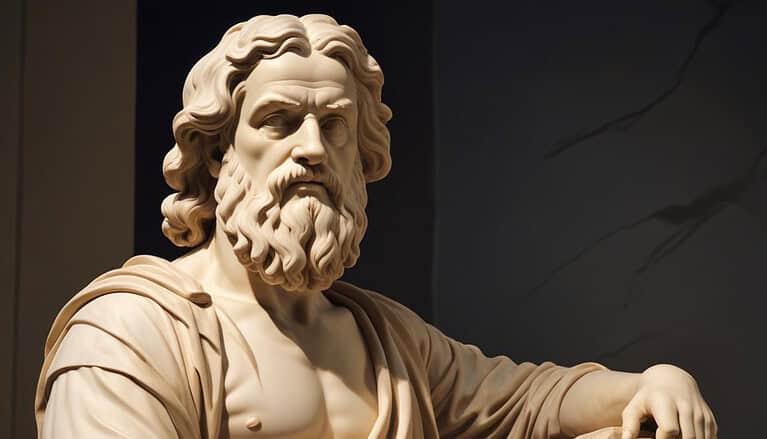
What is philosophy?
Is reality just an illusion of the mind?
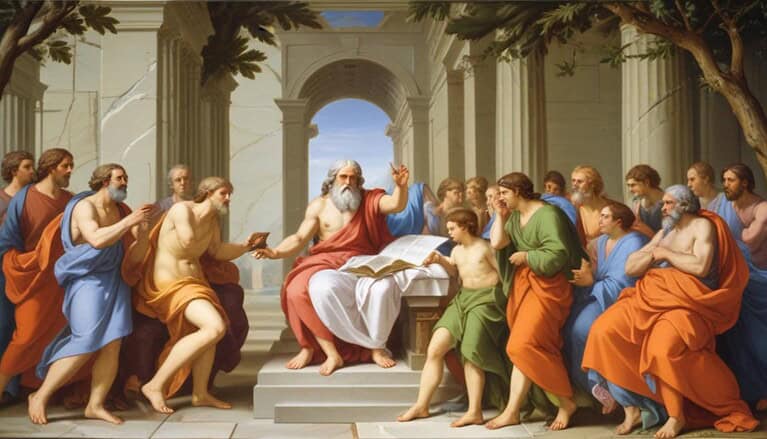
Branches of philosophy
Unlock the ancient wisdom: What is the nature of reality?
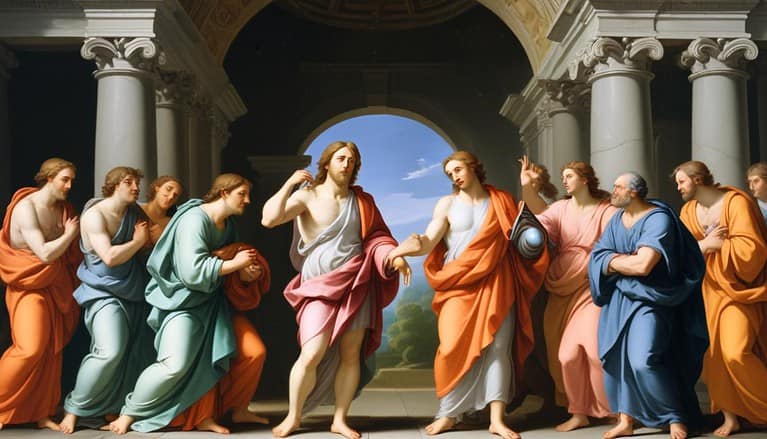
Major philosophical questions
Are we truly free, or slaves to our own minds?
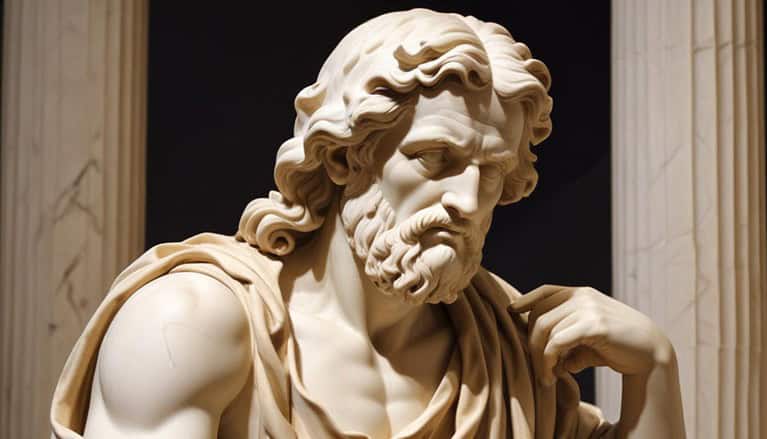
Philosophical methods and reasoning
Unraveling the mysteries of existence: Can reason unveil truth's essence?
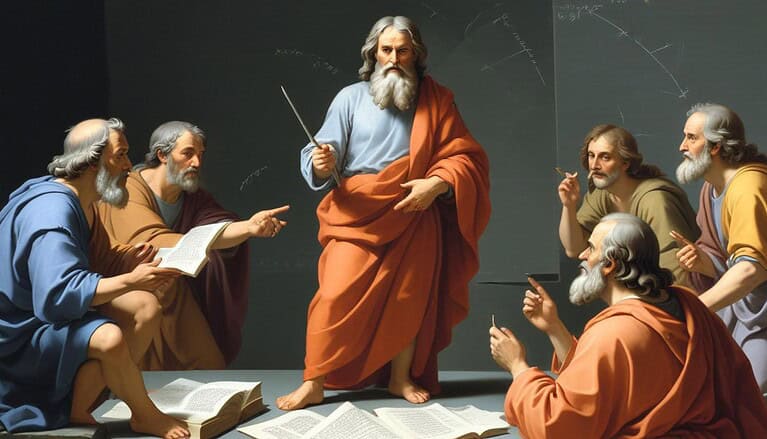
Importance of critical thinking in philosophy
Unraveling reality: Can we trust our own thoughts and perceptions?
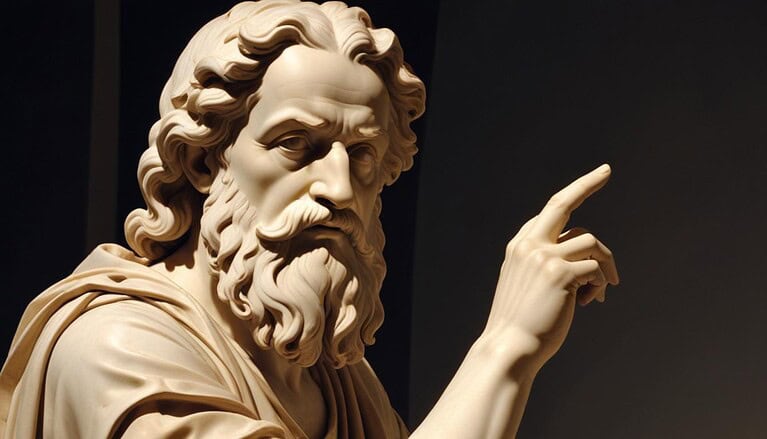
Philosophical theories and concepts
What if reality is just an illusion of the mind?
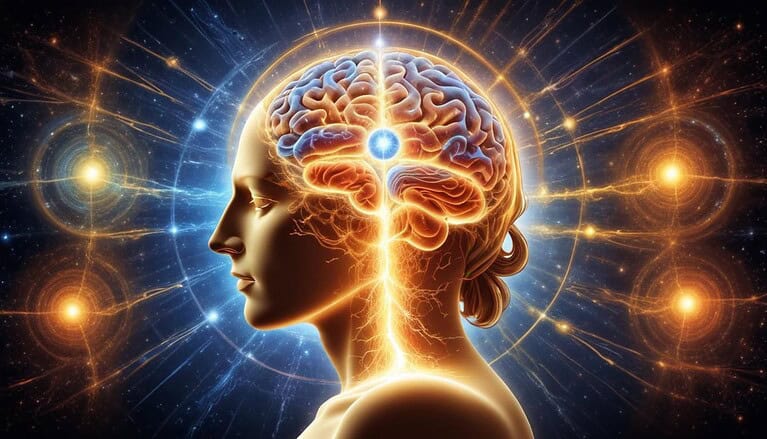
Philosophy of mind and consciousness
Do we truly understand the nature of our own consciousness?
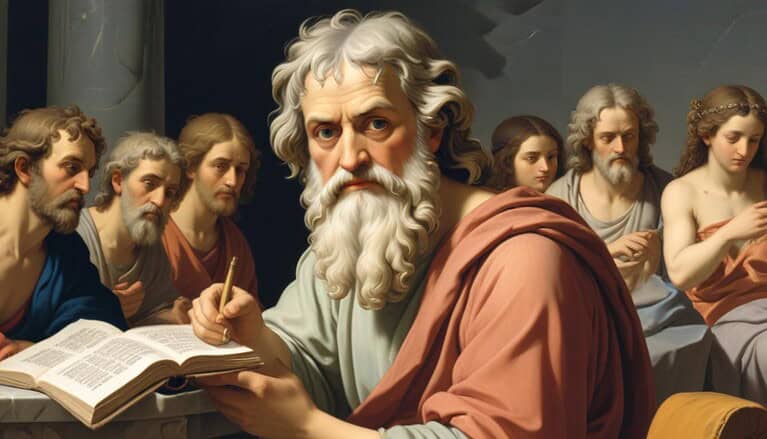
Applied philosophy in everyday life
Unraveling the mysteries of existence: can philosophy guide our daily choices?
Timeline
Thales' Water Theory (Thales of Miletus)
Socratic Method (Socrates)
Theory of Forms (Plato)
The Golden Mean (Aristotle)
The Allegory of the Cave (Plato)
Epicureanism (Epicurus)
Stoicism (Zeno of Citium)
Cynicism (Diogenes of Sinope)
Neoplatonism (Plotinus)
Summa Theologica (Thomas Aquinas)
Cogito, ergo sum (René Descartes)
Tabula rasa (John Locke)
Categorical Imperative (Immanuel Kant)
Übermensch (Friedrich Nietzsche)
The Will to Power (Friedrich Nietzsche)
The Phenomenology of Spirit (Georg Wilhelm Friedrich Hegel)
The Birth of Tragedy (Friedrich Nietzsche)
Being and Time (Martin Heidegger)
The Myth of Sisyphus (Albert Camus)
Simulacra and Simulation (Jean Baudrillard)
Difference and Repetition (Gilles Deleuze)
The Philosophy of Andy Warhol (Andy Warhol)
The Age of Earthquakes (Hans Ulrich Obrist, Douglas Coupland, Shumon Basar)