
Leo I: The Reign of a Byzantine Emperor
Leo I: The Eastern Roman Emperor who restored stability and strength to the empire.
How Do You Learn Best?
Learn by Reading
Immerse yourself in the 10-minute visual lesson for a comprehensive understanding of the topic.
Learn by Reviewing
Jump directly to the key facts, timeline, and vocabulary lists to build a solid foundation of details.
Learn by Doing
Challenge yourself! Jump straight into the interactive games to learn by trial, error, and discovery.
Leo I: The Reign of a Byzantine Emperor in 10 Minutes
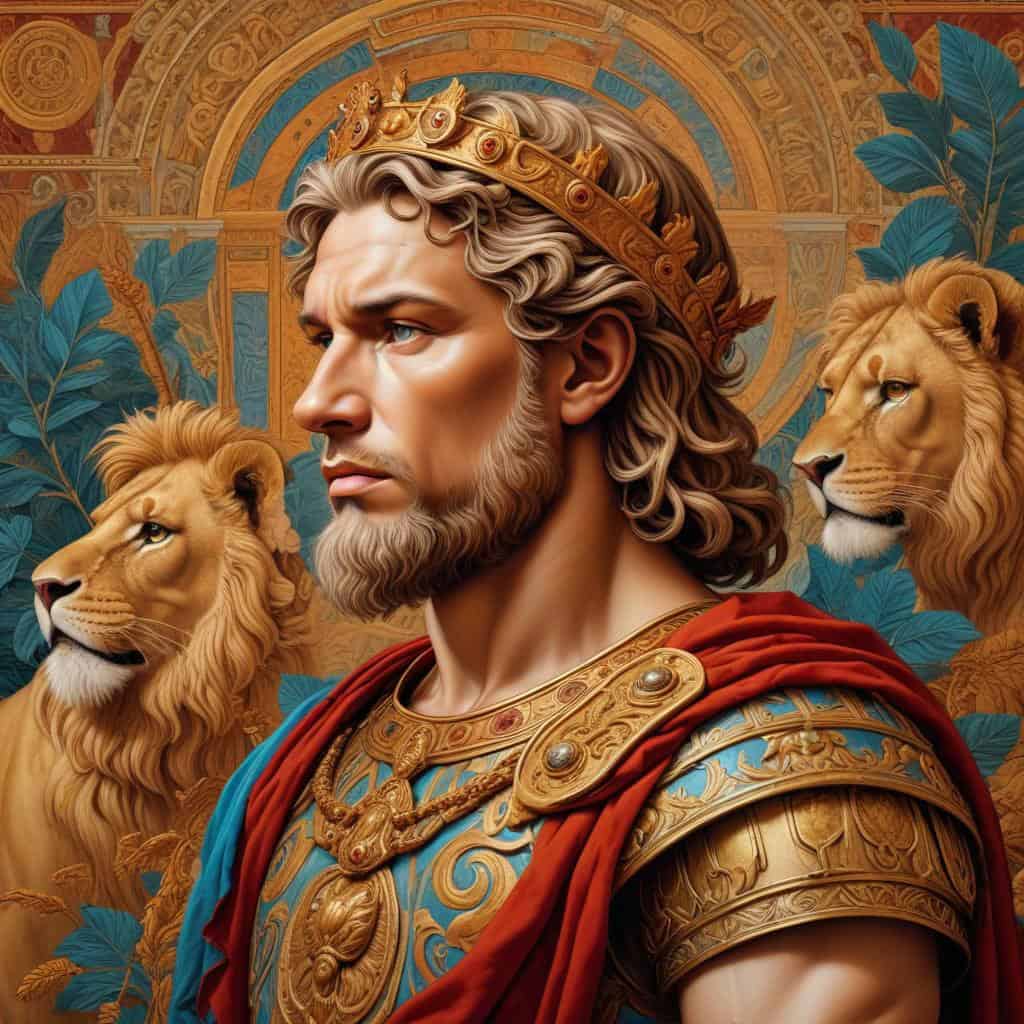
Introduction
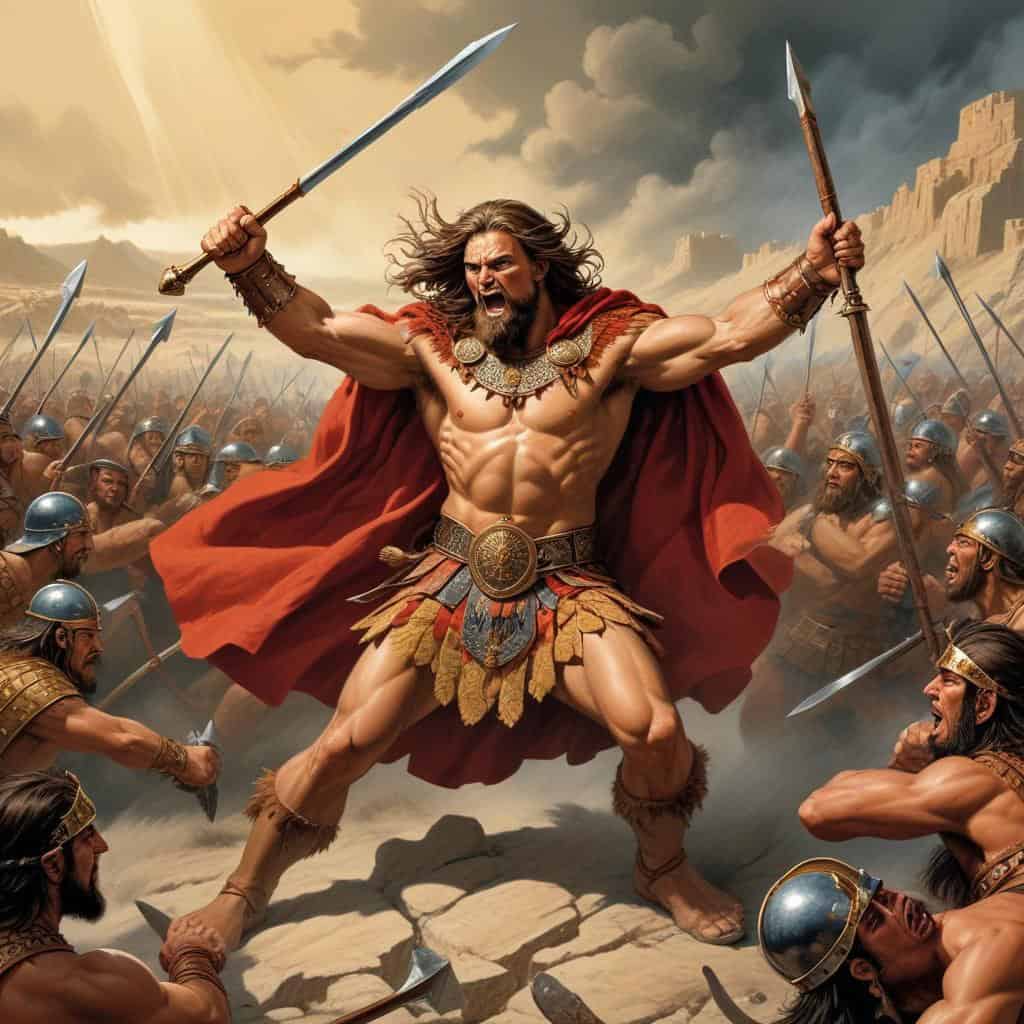
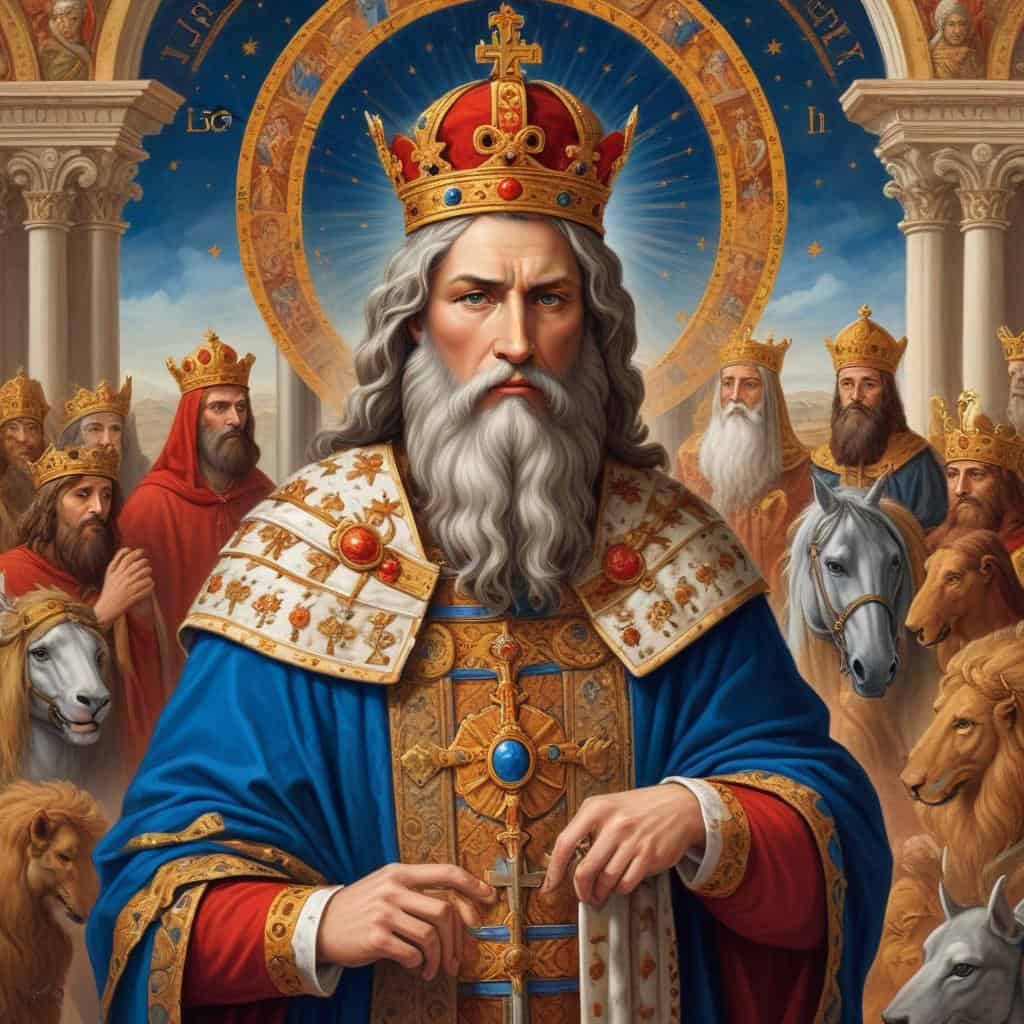
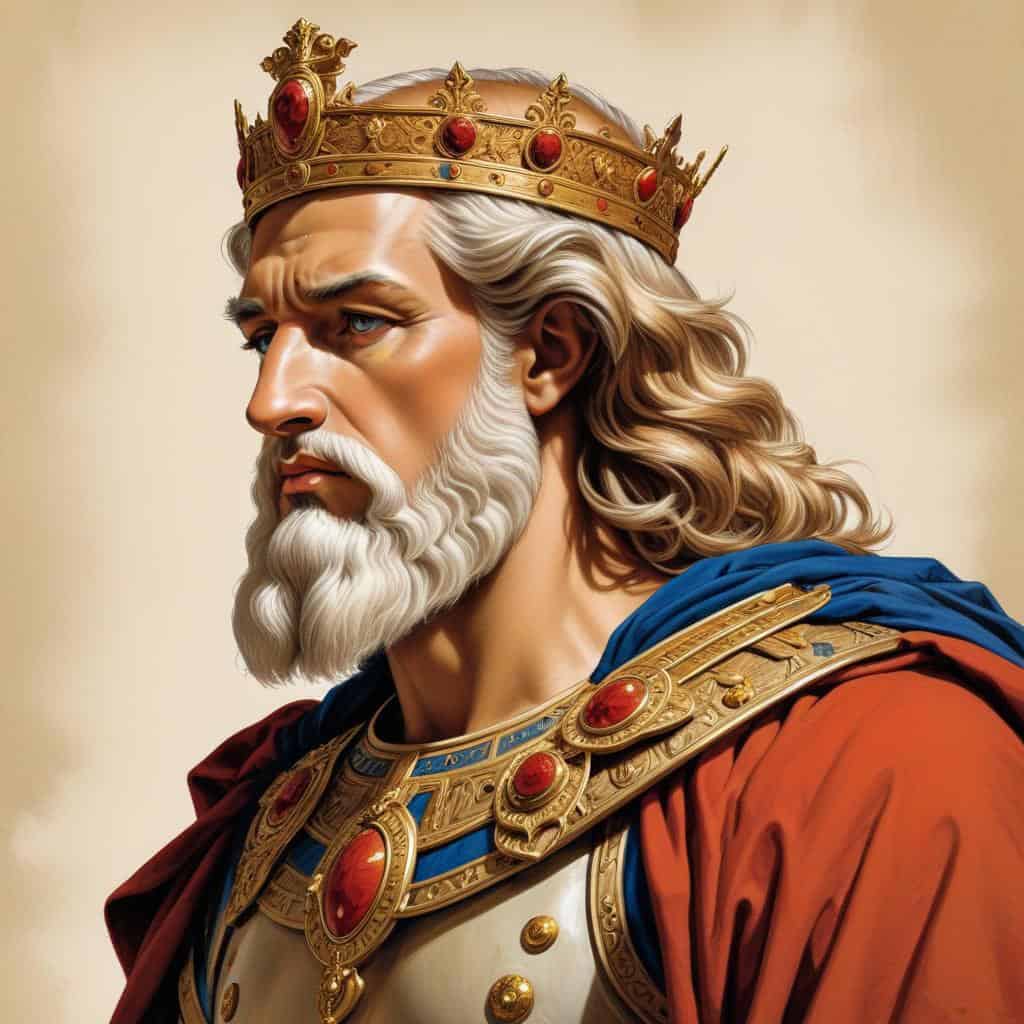
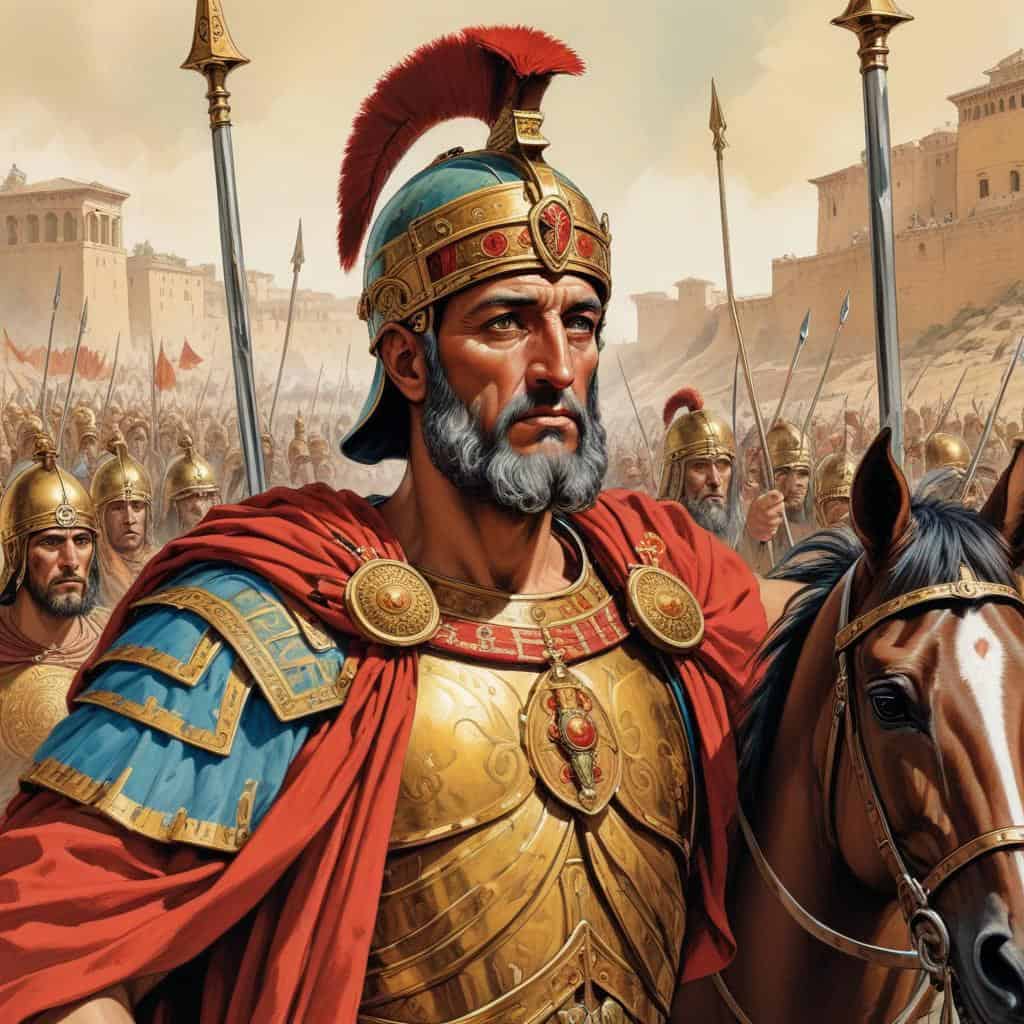
Marcian
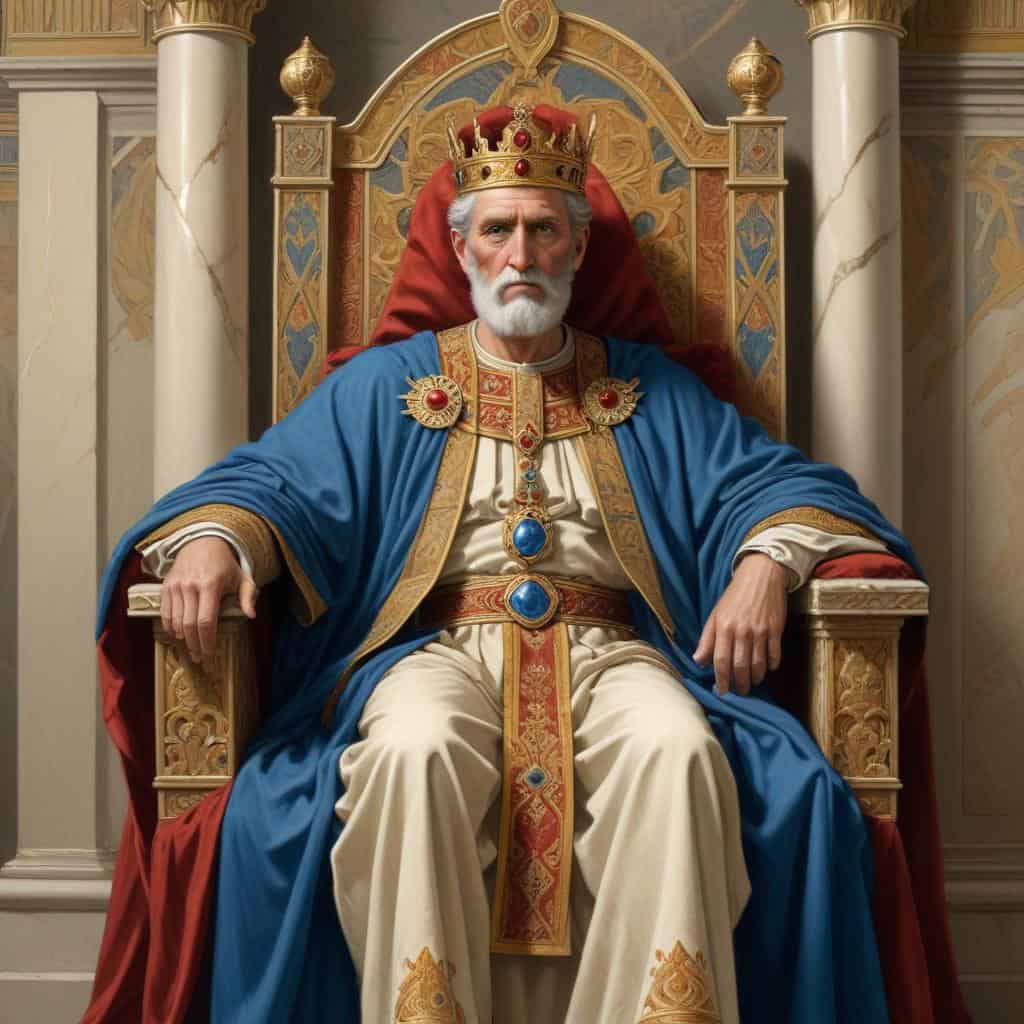
Zeno
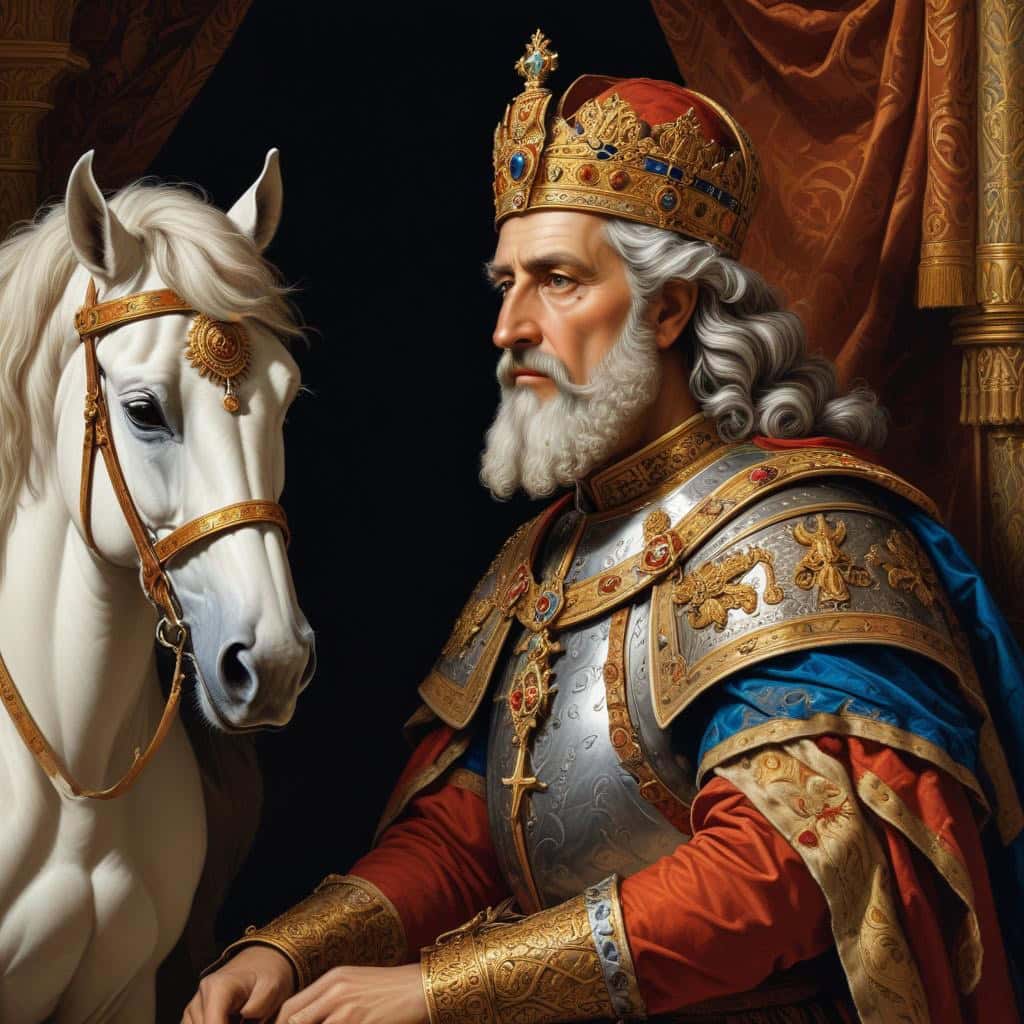
Aspar
The Rise of Leo I: A Brief Overview
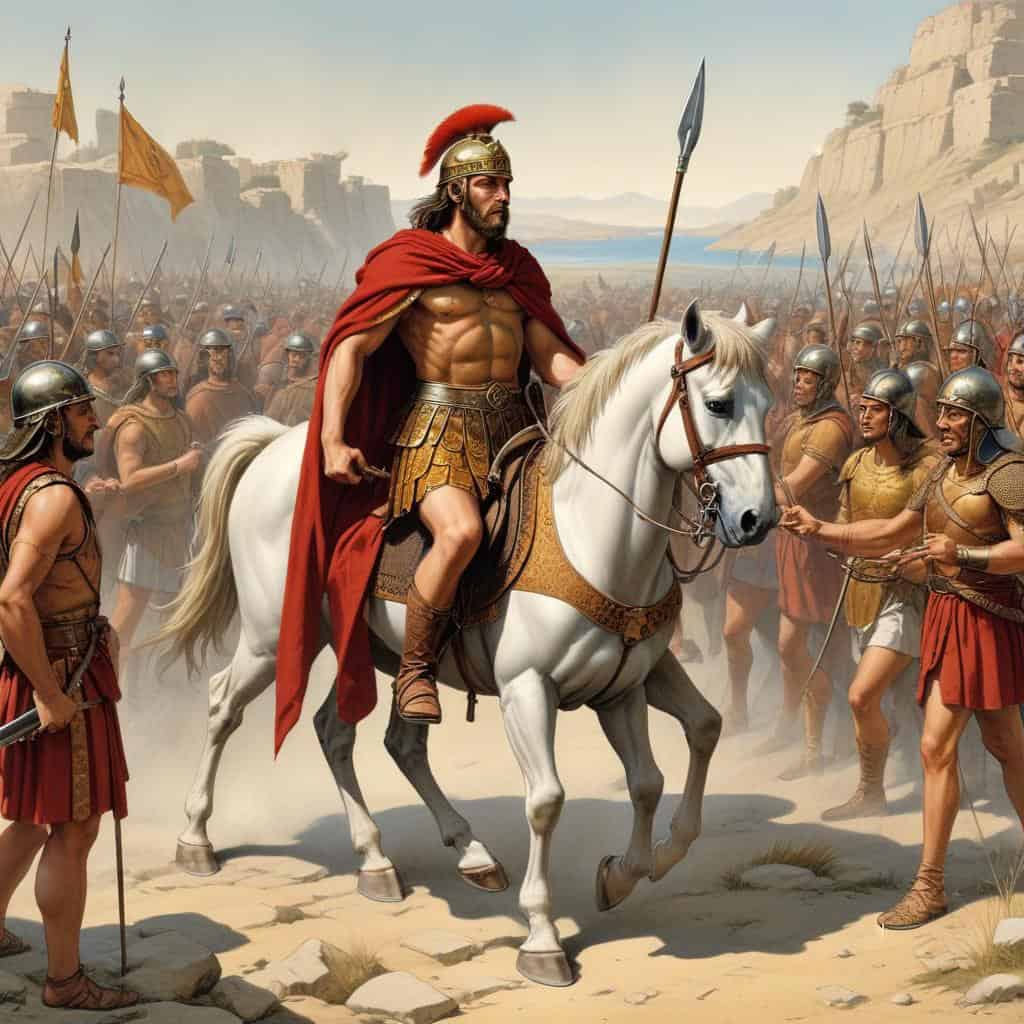
1. Early Life and Military Career
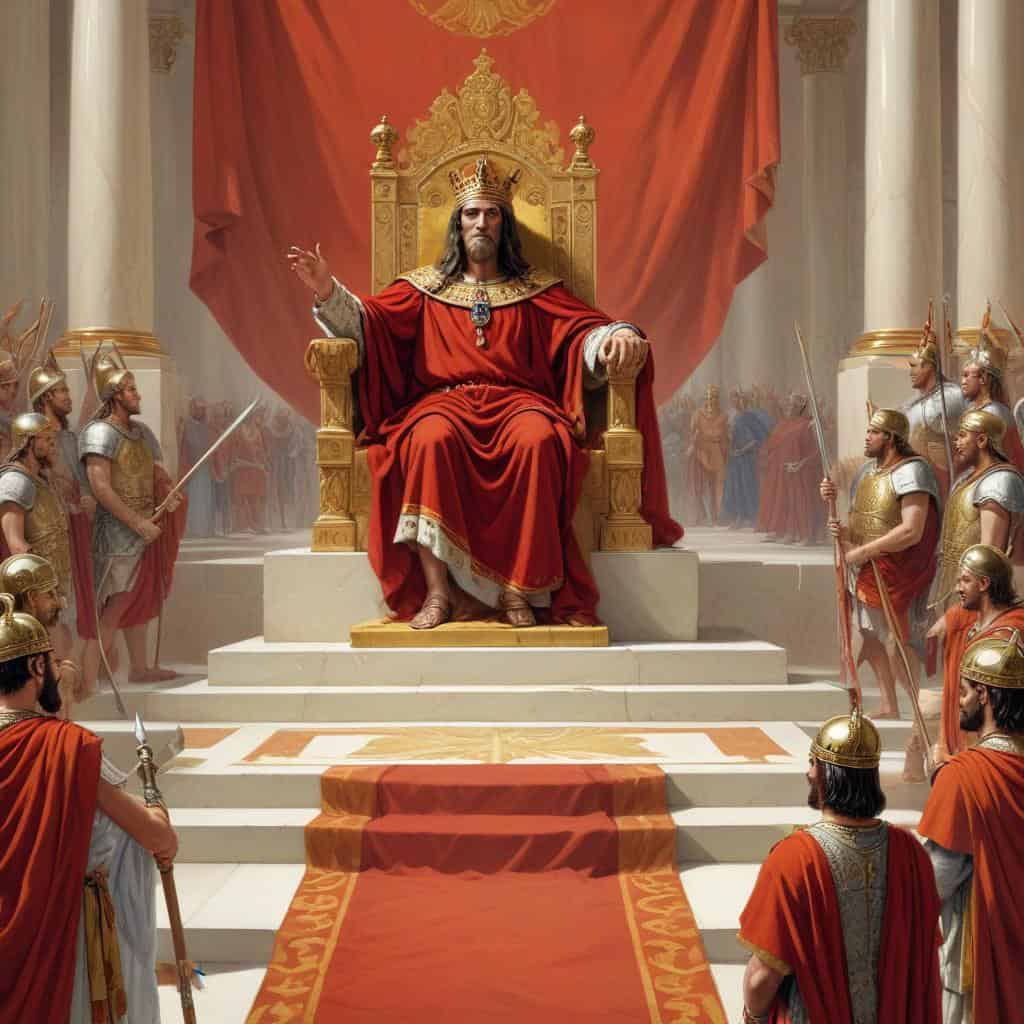
2. Accession to the Throne
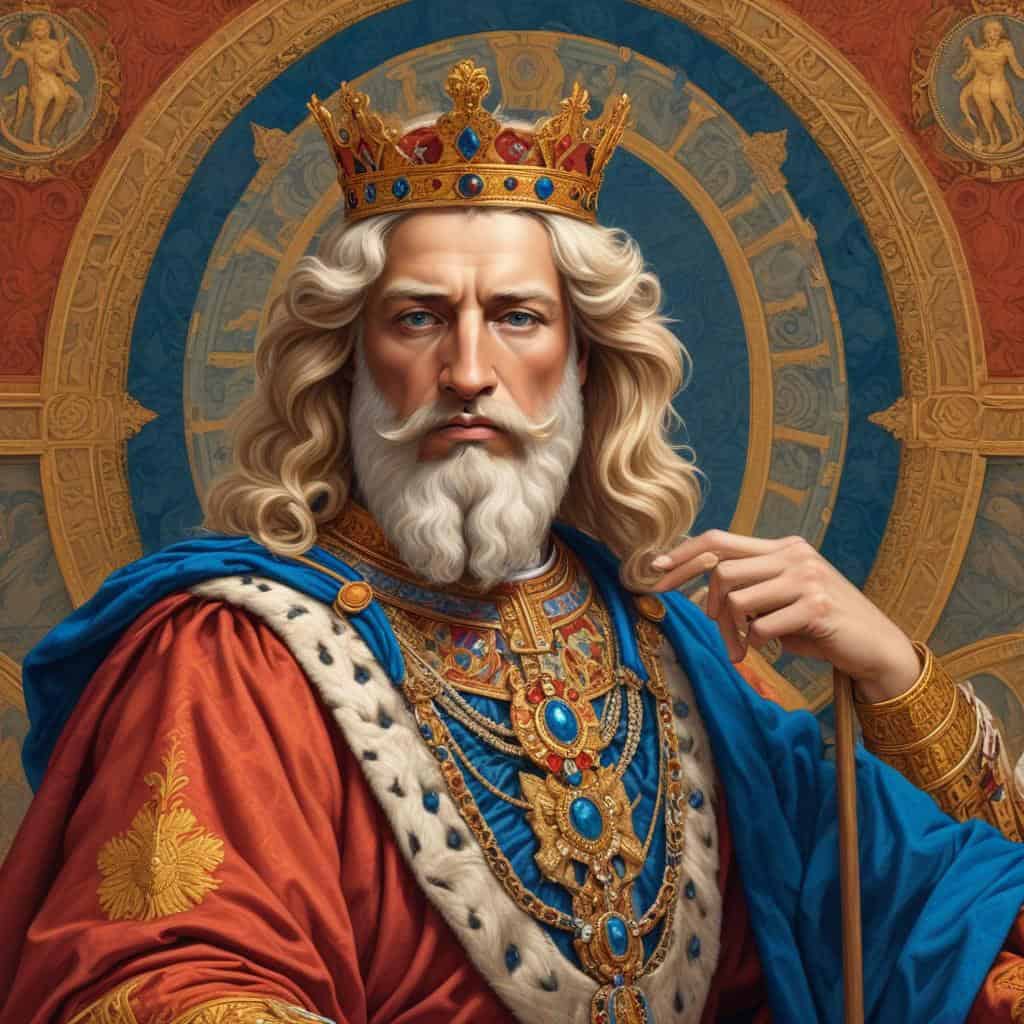
3. Reign as Emperor
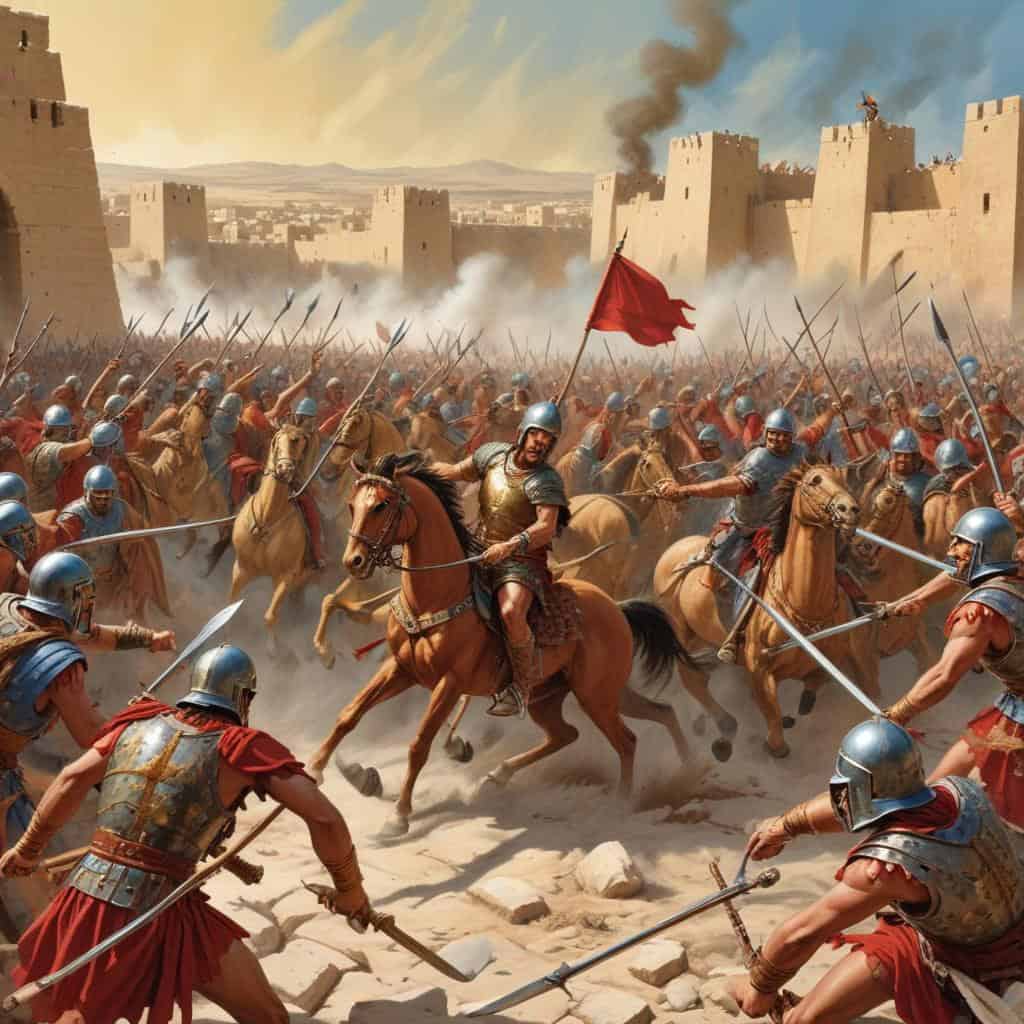
4. Defeat of the Vandals
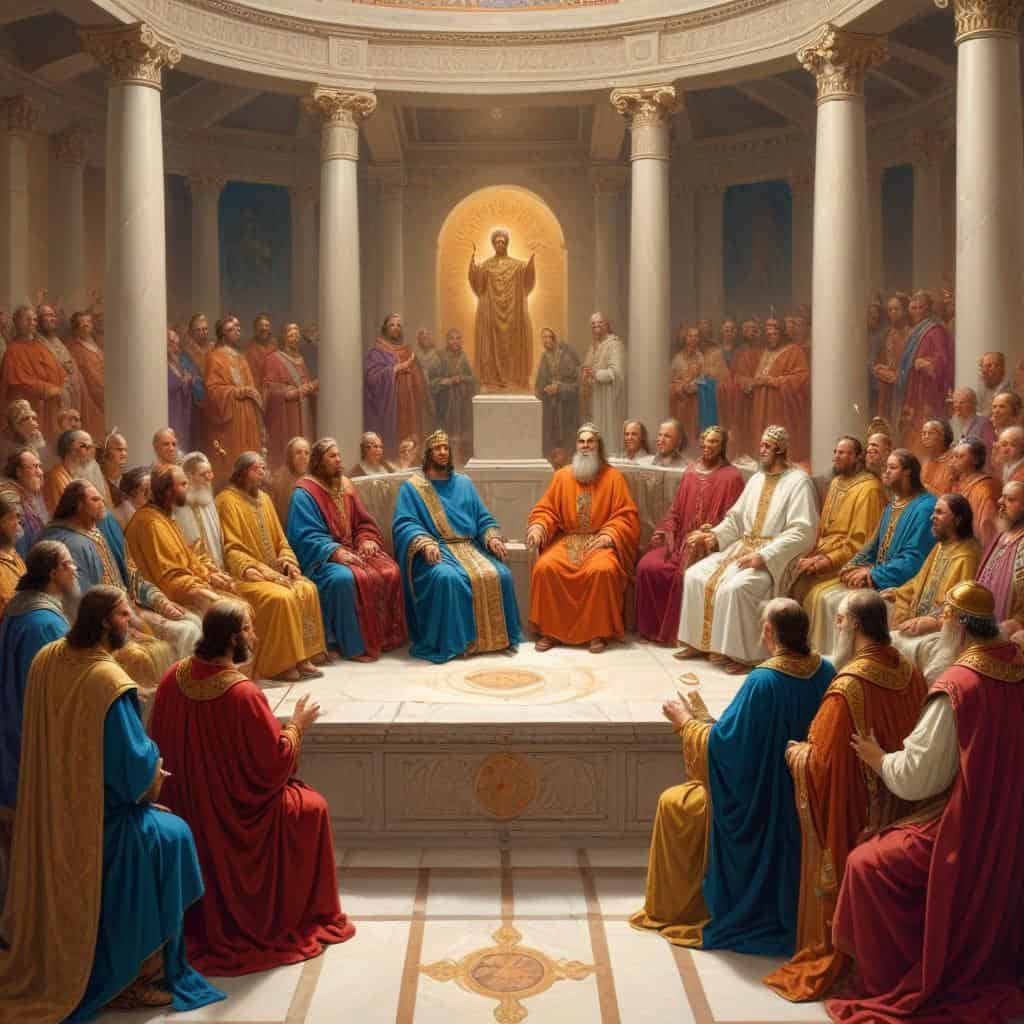
5. Council of Chalcedon
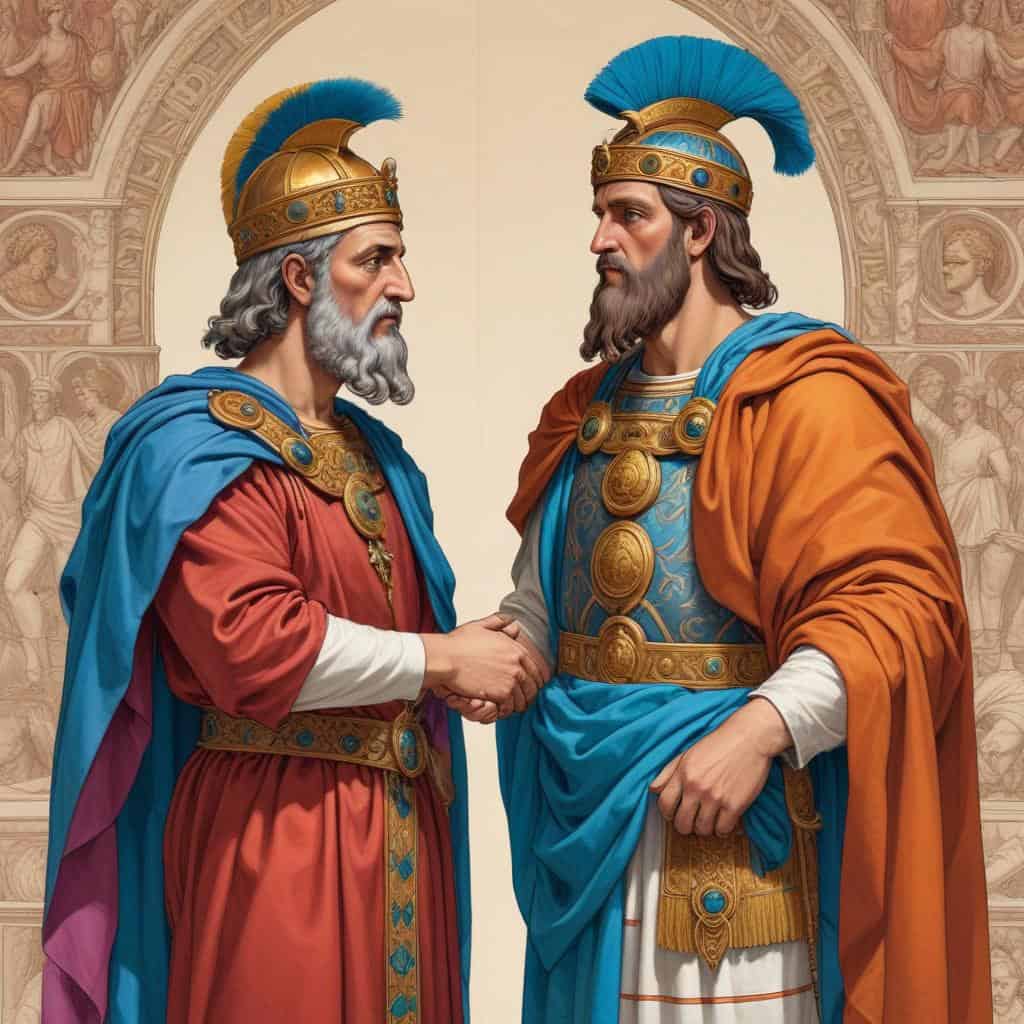
6. Relations with the Western Roman Empire
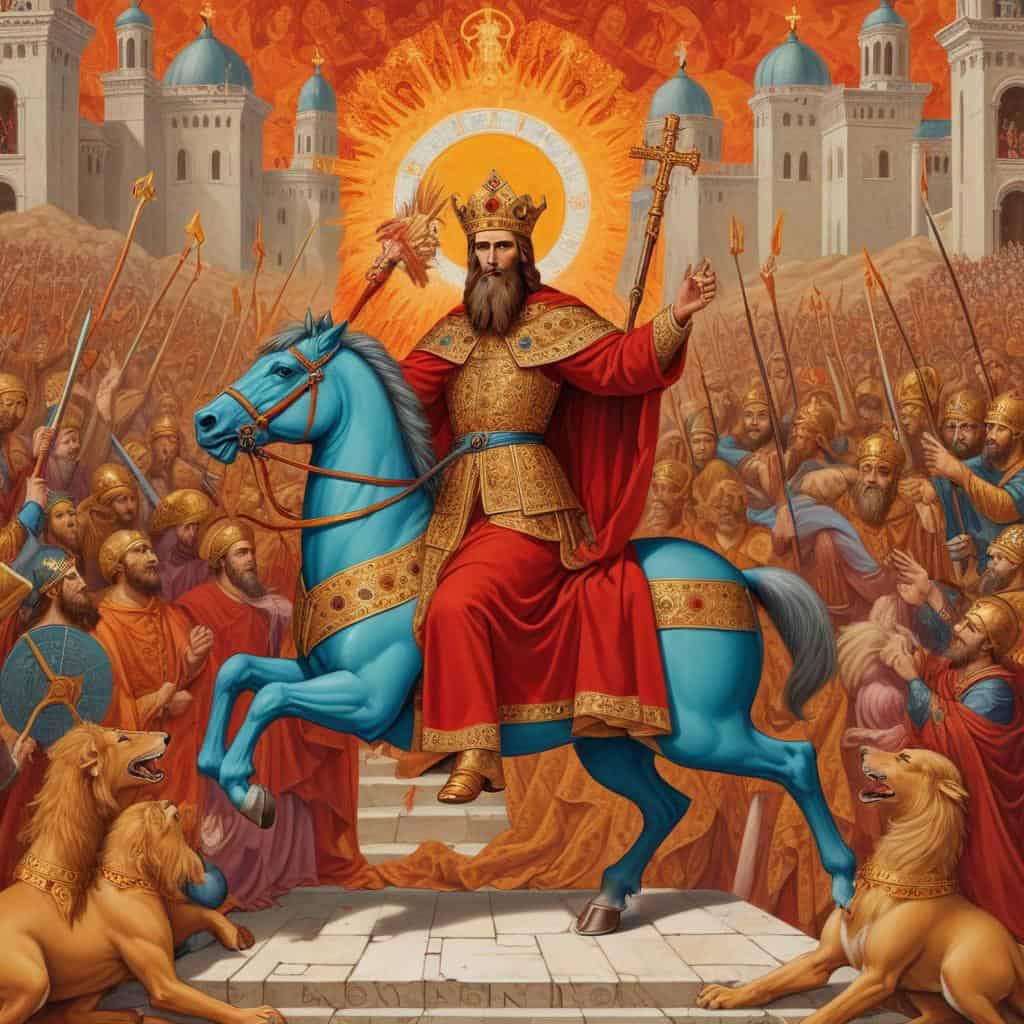
7. Religious Policy
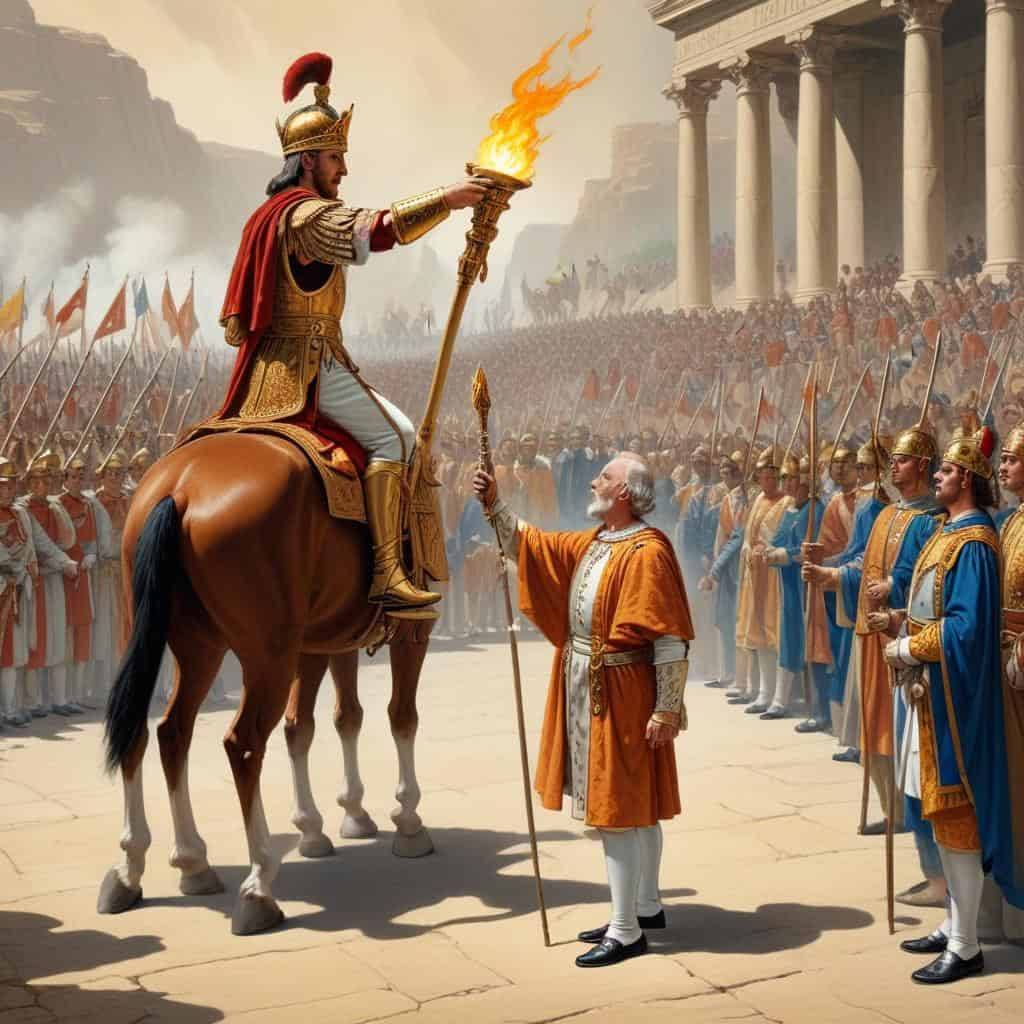
8. Death and Legacy
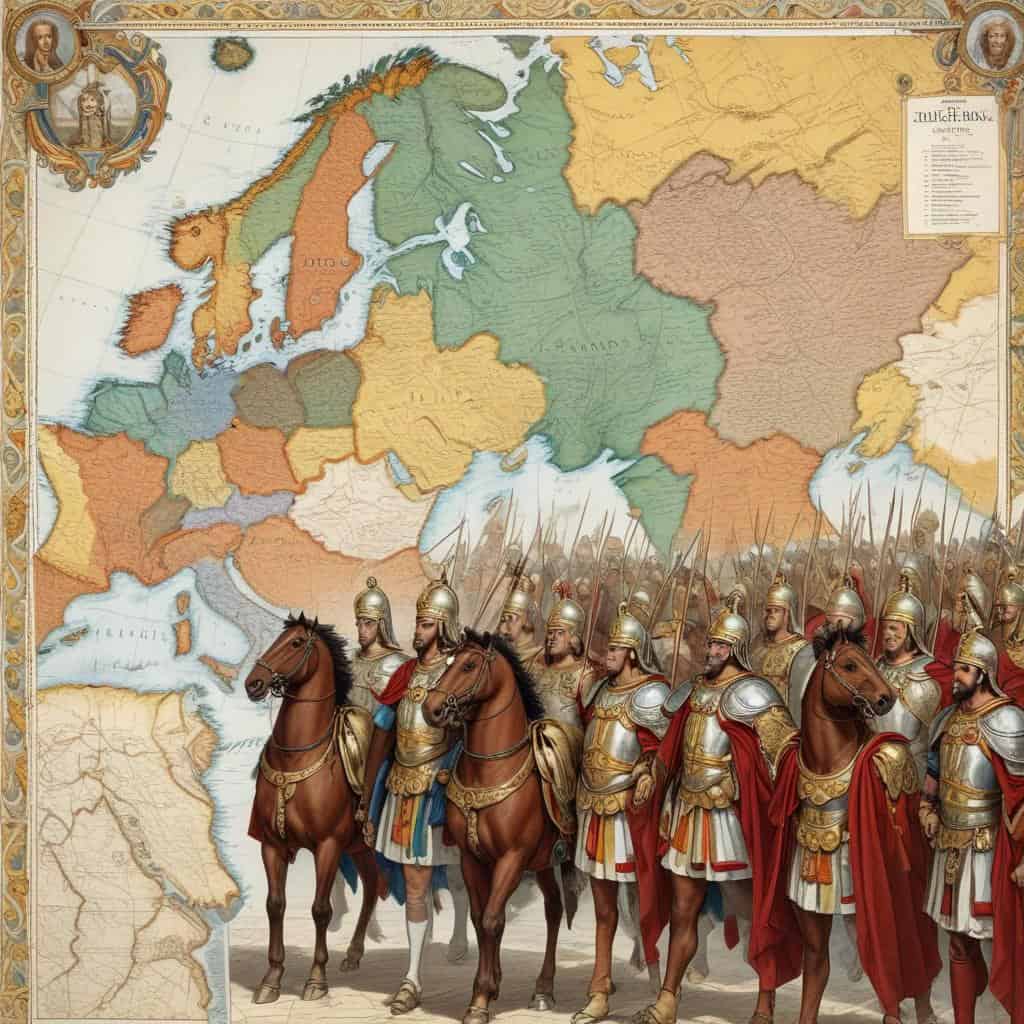
9. Impact on the Roman Empire
Lesson Details & Resources
In a Nutshell
- Who: Byzantine Emperor
- When: Lived: 401 – 474
- Known For: Reversing the fortunes of the Eastern Roman Empire
- Legacy: Establishing a strong foundation for the Byzantine Empire's survival
Timeline of Leo I: The Reign of a Byzantine Emperor
Leo I becomes Roman Emperor
Leo I defeats the Huns under Attila at the Battle of the Catalaunian Plains
Leo I appoints his grandson Leo II as co-emperor
Leo I dies and is succeeded by his grandson Leo II
Leo II dies, leaving Zeno as the sole emperor
Leo I orders the construction of the Church of Santa Maria in Via Lata in Rome
Leo I introduces laws to protect the rights of slaves
Leo I sends an embassy to the Vandals in Africa to negotiate the release of Roman prisoners
Leo I strengthens the fortifications of Constantinople
Leo I issues a decree ordering the destruction of pagan temples in the Eastern Roman Empire
Leo I negotiates a peace treaty with the Ostrogoths in Italy
Leo I appoints Anthemius as Western Roman Emperor
Leo I defeats the Vandals under Gaiseric in North Africa
Leo I establishes diplomatic relations with the Sassanid Empire
Leo I issues a decree banning the practice of astrology in the Roman Empire
Leo I appoints Flavius Basiliscus as consul
Leo I enacts laws to regulate the prices of goods in the Roman Empire
Leo I sends an embassy to the Visigoths in Spain to negotiate a peace treaty
Leo I suppresses a revolt in Dalmatia
Leo I appoints his son-in-law Marcian as Eastern Roman Emperor
Vocabulary List
- Pope Leo I
- Also known as Leo the Great, he was a pope of the Roman Catholic Church who served from 440 to 461 AD.
- Papacy
- The period of time during which Leo I served as the pope.
- Chalcedonian Christianity
- Leo I was a key figure in defining the teachings of this branch of Christianity at the Council of Chalcedon in 451 AD.
- Christological
- Leo I played a significant role in the development of Christological doctrine, particularly in relation to the nature of Christ as both fully divine and fully human.
- Pontificate
- Refers to the period of time during which Leo I held the office of the pope.
Key Facts
This is the information used in the fact matching game
- Leo I was born in Tuscany, Italy around the year 400 AD.
- Leo I became the bishop of Rome, also known as the Pope, in 440 AD.
- Leo I is also known as Leo the Great for his theological and political accomplishments.
- Leo I was a strong supporter of the Council of Chalcedon in 451 AD, which affirmed the dual nature of Christ.
- Leo I is credited with convincing Attila the Hun to spare Rome from destruction in 452 AD.
- Leo I wrote many letters and sermons that were influential in shaping Christian doctrine.
- Leo I died on November 10, 461 AD.
- Leo I was declared a Doctor of the Church by Pope Benedict XIV in 1754.
- Leo I was known for his efforts to combat heresy and promote unity within the Church.
- Leo I is considered one of the most important popes in history.
- Leo I was a strong advocate for the primacy of the Roman see in matters of Church governance.
- Leo I is remembered for his role in defining and defending the doctrine of papal primacy.
- Leo I was known for his humility and simplicity in personal life.
- Leo I is believed to have been a skilled administrator and diplomat.
- Leo I's papacy marked a turning point in the history of the Church and the papacy.
- Leo I's writings on the nature of Christ influenced the development of Christian theology.
- Leo I's feast day is celebrated on November 10th in the Roman Catholic Church.
- Leo I was known for his strong defense of orthodox Christian doctrine.
- Leo I's papacy coincided with the decline of the Western Roman Empire.
- Leo I's legacy continues to influence the Catholic Church and Christian theology.
Analysis & Significance
Major Accomplishments
Leo I was known for his successful military campaigns against the Vandals and the Ostrogoths, which helped secure the Eastern Roman Empire’s borders. He also implemented administrative reforms that strengthened the empire’s financial stability and centralized power.
Impact on the World
Leo I’s military victories and administrative reforms laid the foundation for the Byzantine Empire’s continued existence and stability. His policies helped stabilize the empire in a time of external threats and internal turmoil, setting the stage for future emperors to build upon his successes.
Enduring Legacy
Leo I is remembered as a capable and pragmatic ruler who effectively navigated the challenges of his time. His legacy as a strong military leader and reformer has earned him a place in history as one of the Eastern Roman Empire’s notable emperors, whose contributions helped shape the empire’s future trajectory.
Leo I: The Reign of a Byzantine Emperor Games


Take Your Learning Offline
Want a convenient, print-ready study guide for this lesson? Become a Memory Wizards Pro member to unlock the downloadable " Memory Scrolls" for this topic and our entire library!
- ✓ Complete Vocabulary Lists
- ✓ Key Facts & Timelines
- ✓ Beautifully Formatted for Print & Mobile